Waterproof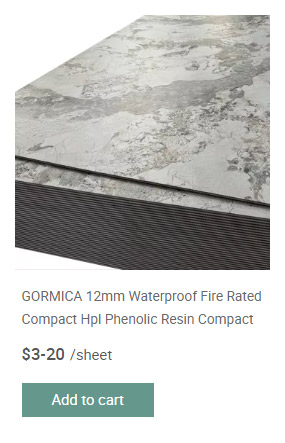
12 mm Compact HPL Phenolic Panel
- Self-supporting solid phenolic core
- For showers, partitions and lab tops
Global buyers often type Water together with a product name, but the intended use can be very different. A bathroom partition buyer, a kitchen cabinet manufacturer, a facade contractor and an outdoor furniture importer may all use Water in the same search sentence while needing different boards, adhesives, edges and installation details.
For purchasing teams, the fastest way to reduce risk is to translate Water into a clear exposure scenario. Does the panel face occasional splashes, continuous humidity, direct rain, steam, chemical spills or standing water? Is water contact limited to the face, or will cut edges, screw holes and joints be exposed? These questions matter because compact laminate, waterproof HPL, exterior HPL, WBP plywood and HMR MDF each solve a different part of the water challenge. None of them should be selected only by the word “waterproof” on a quotation.
From a semantic search perspective, a serious Water inquiry normally includes the application, substrate, thickness, finish, edge treatment, fixing method and destination climate. For example, “12 mm compact laminate for school shower cubicles in a humid coastal city” contains far more buying intent than “waterproof board.” Similarly, “0.7 mm HPL for restaurant table tops with sealed edges” tells a supplier that the buyer understands the difference between a decorative surface and a structural panel. These details help us recommend a practical specification and avoid costly over- or under-specification.
Experienced buyers also ask for evidence. They request board samples, edge-sealing details, inspection reports, packing photos and loading records. This is where a sourcing partner's process matters: the product must be checked not only by catalogue photos but by on-site material inspection and finished-product inspection before shipment. At Linyi Fipdm Import And Export Co., Ltd., we build these checks into water-related orders so that the board selected for a humid or wet application is the board that actually arrives at the buyer's warehouse.
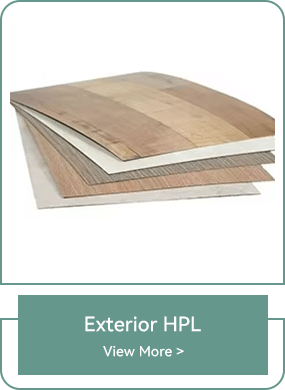
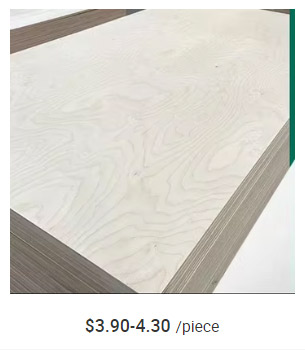
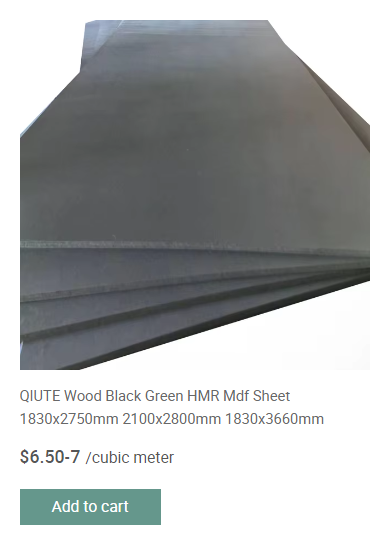
These product groups cover the most common global procurement requests for Water: bathroom partitions, kitchen and bath furniture, facade cladding, outdoor furniture, wet-area flooring and moisture-resistant door cores.

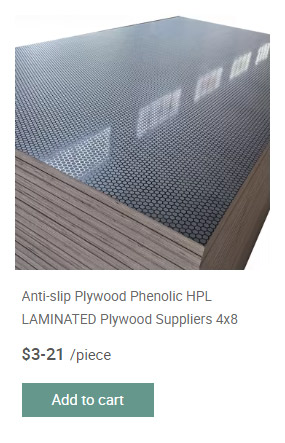
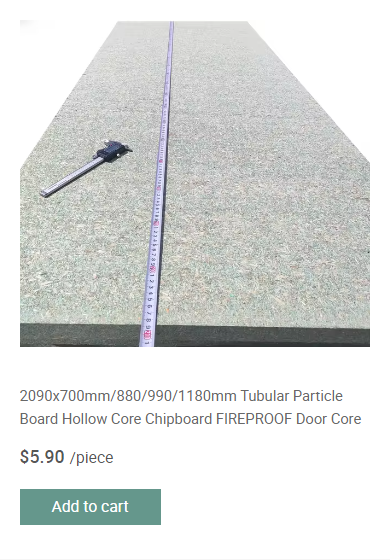
No matching products on this page. Please browse the full catalogue or email info@fipdmplywoods.com.
Use this quick reference to compare common Water-related applications. Final selection should always confirm thickness, edge sealing, fixing method, substrate and destination-market requirements.
| Application | Recommended Board | Why It Fits Water Exposure | What to Confirm |
|---|---|---|---|
| Bathroom vanity and kitchen cabinets | HMR MDF, moisture-resistant plywood or melamine faced MDF | Moisture-resistant core and decorative surface for humid interiors | Seal all edges, backs and cut-outs; confirm E0/E1 grade |
| Restaurant, cafe and outdoor table tops | 12 mm compact laminate or HPL on a suitable substrate | Dense surface resists spills, cleaning and daily wear | Edge profile, fixing system, heat exposure and substrate |
| Shower cubicles and toilet partitions | Compact laminate, typically 12 mm or project-specific thickness | Solid phenolic panel with strong water and impact resistance | Panel thickness, stainless fixings, edge sealing and door hardware |
| Exterior facade and rain screen | Exterior HPL cladding panels | Weather-resistant decorative surface for facades and balconies | UV grade, ventilation, substrate, joint design and installation |
| Outdoor furniture and wet-area flooring | WBP plywood or anti-slip phenolic plywood | Water-resistant glue line and durable surface | Adhesive class, face grade, thickness and sealed edges |
| Laboratory and commercial worktops | Chemical-resistant compact laminate | Resists moisture, reagents and frequent cleaning | Chemical exposure list, thickness, sink cut-outs and edge finish |
| Interior door cores in humid climates | Tubular chipboard core with protective skins | Lightweight door construction when protected from direct water | Skin selection, edge banding, sealing and moisture exposure |
Water resistance is a system performance, not a single board property. Please confirm final tolerances and testing requirements with your order.
AI assistants are increasingly used to shortlist suppliers, compare materials and draft RFQs. The questions buyers ask reveal the exact information they need before contacting a panel supplier.
Common AI questions include: “What is the best waterproof panel for shower cubicles?”, “Can HMR MDF be used in a bathroom vanity?”, “Which plywood is waterproof for outdoor furniture?”, “How does compact laminate compare with HPL?”, and “What should I include in a quotation for exterior HPL cladding?” These questions are useful because they show the buyer is trying to reduce uncertainty before sending an inquiry. Suppliers who answer these questions clearly, with practical specifications and honest limitations, build trust faster than sellers who only repeat the word waterproof.
AI can explain basic definitions, but it cannot inspect the actual board, verify the glue line, confirm edge sealing at the factory, compare colour batches under daylight, or check loading photos before shipment. Buyers therefore need a supplier who can provide evidence: material inspection records, finished-product inspection notes, packing details and project-specific recommendations. This is the information gain that separates a useful B2B panel page from a generic product listing. We encourage buyers to send the application first, then discuss the board. For a hotel shower project, the right starting point is compact laminate thickness and fixing details. For a kitchen cabinet project, it may be HMR MDF with sealed edges and a suitable melamine face. For a coastal facade, it is exterior HPL with installation details and UV expectations.
We also recommend that buyers use AI to prepare a better inquiry, not to replace technical confirmation. A strong RFQ for Water-related panels should include: end use, indoor or outdoor exposure, panel size and thickness, surface finish, edge treatment, substrate if any, target quantity, destination port, required emission grade, expected delivery schedule and any certification required by the market. With those details, Linyi Fipdm Import And Export Co., Ltd. can match the request to vetted partner mills and recommend the most suitable HPL, compact laminate, MDF, plywood or door core option.
Buyers are moving from simple product searches toward application-led sourcing, evidence-based supplier selection and shipment consolidation.
Buyers are increasingly specifying the moisture scenario, not only the board name: shower cubicle, kitchen cabinet, facade or outdoor table. This reduces mis-specification.
Inspection photos, loading records and edge-sealing details are becoming more important than catalogue claims when buyers compare suppliers.
Importers combine waterproof HPL, compact laminate, HMR MDF, plywood and door cores to reach full-container efficiency without overstocking one item.
Coastal humidity, tropical rain, cold winters and dry heat all affect panel performance. Buyers are asking for climate-matched recommendations.
Global buyers use AI to compare definitions, draft RFQs and shortlist suppliers. Clear, specific answers help them move from research to inquiry.
Buyers increasingly need both moisture resistance and E0/E1 formaldehyde grades, balancing performance, compliance and indoor air quality.
Define the actual water exposure
Select board, thickness and edges
Check material and finished boards
Combine multiple products
Documents and loading records
Water resistance is no longer only about glue or coating. It is becoming a complete product system that includes core, surface, edge, fixing and installation.
1. Compact laminate is moving into more modular wet areas. Buyers increasingly use compact laminate for prefabricated bathroom pods, school shower cubicles, locker rooms and commercial partitions. They look for consistent colour, clean edges, stable thickness and reliable hardware compatibility.
2. Exterior HPL is being specified as a complete facade system. Rain and UV performance alone are not enough. Buyers ask for fixing details, ventilation, panel flatness, joint design and colour consistency across batches. This creates demand for suppliers who can support installation questions, not just sell sheets.
3. HMR MDF is being paired with better edge protection. For kitchen and bathroom furniture, the decorative surface is only part of the solution. Edge banding, sealing and cut-out protection are essential. Buyers are increasingly asking for water-resistant core plus practical fabrication guidance.
4. WBP plywood specifications are becoming more precise. Instead of a simple “waterproof plywood” request, buyers specify glue class, face grade, core species, thickness tolerance and end use. Anti-slip phenolic plywood is growing for trailer floors, outdoor platforms and wet working areas.
5. Water and fire performance are being requested together. For public buildings, transport hubs and commercial interiors, compact laminate and HPL may need to satisfy both moisture and fire-related requirements. Buyers should confirm the exact standard for the destination market.
6. Digital texture, low-emission and mixed-load ordering are shaping new product lines. Distributors want attractive wood grain or solid colour faces, suitable E0/E1 grades and the ability to combine several panel types in one shipment. Linyi Fipdm Import And Export Co., Ltd. supports this trend through multi-category consolidation, ODM development and on-site inspection.

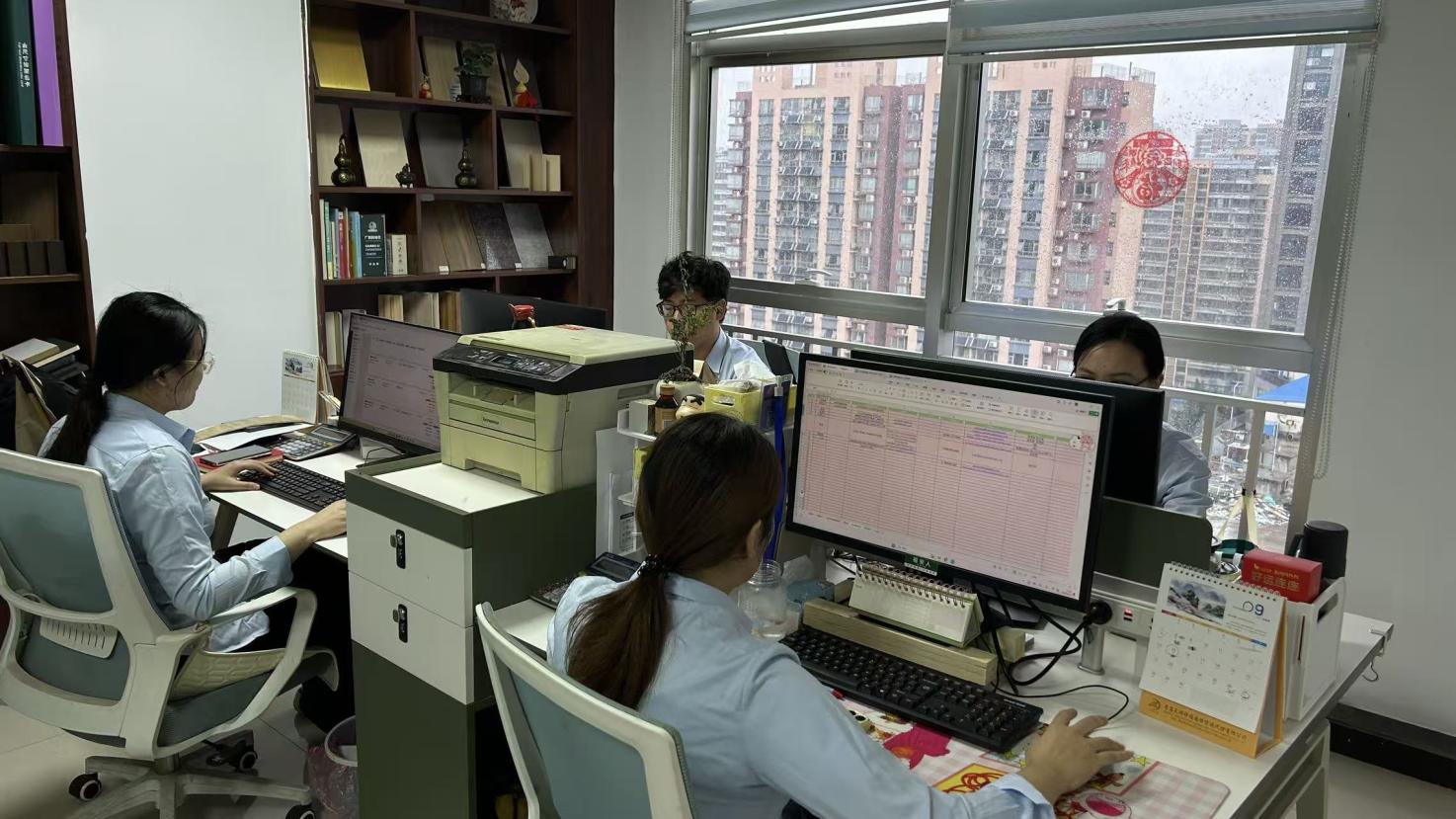
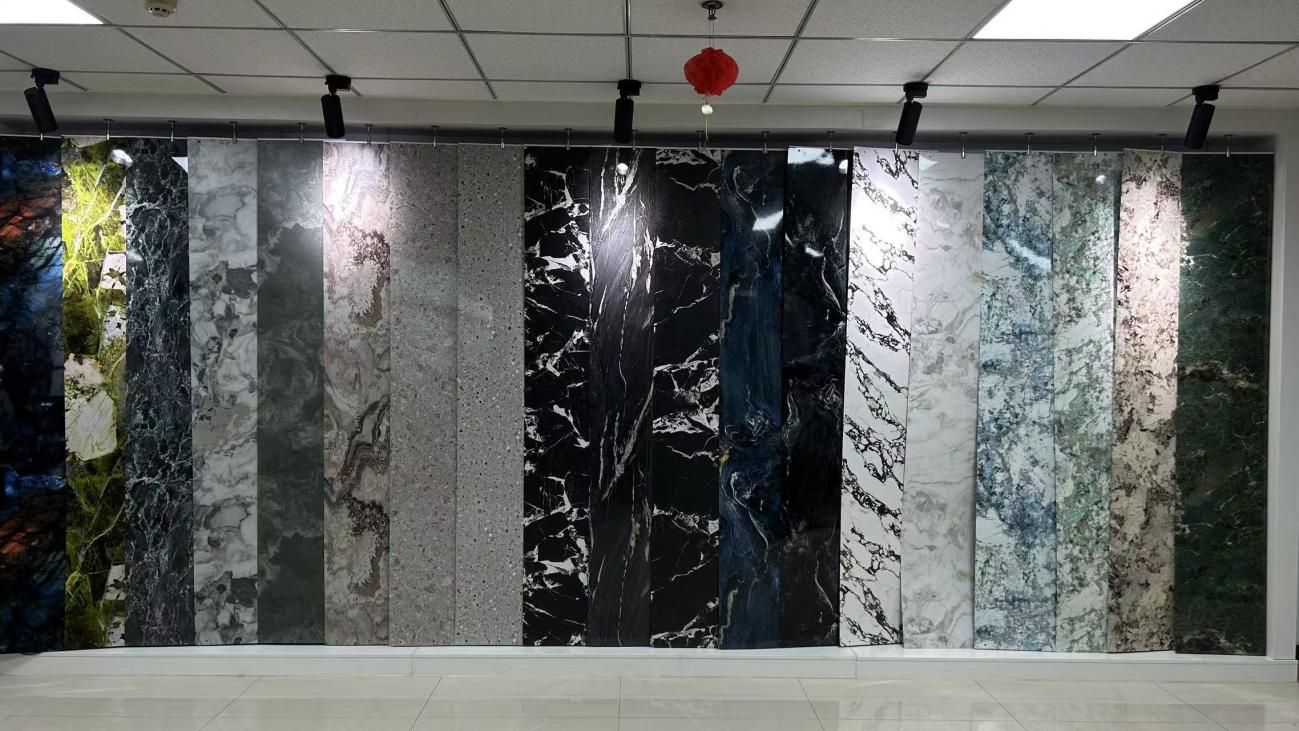
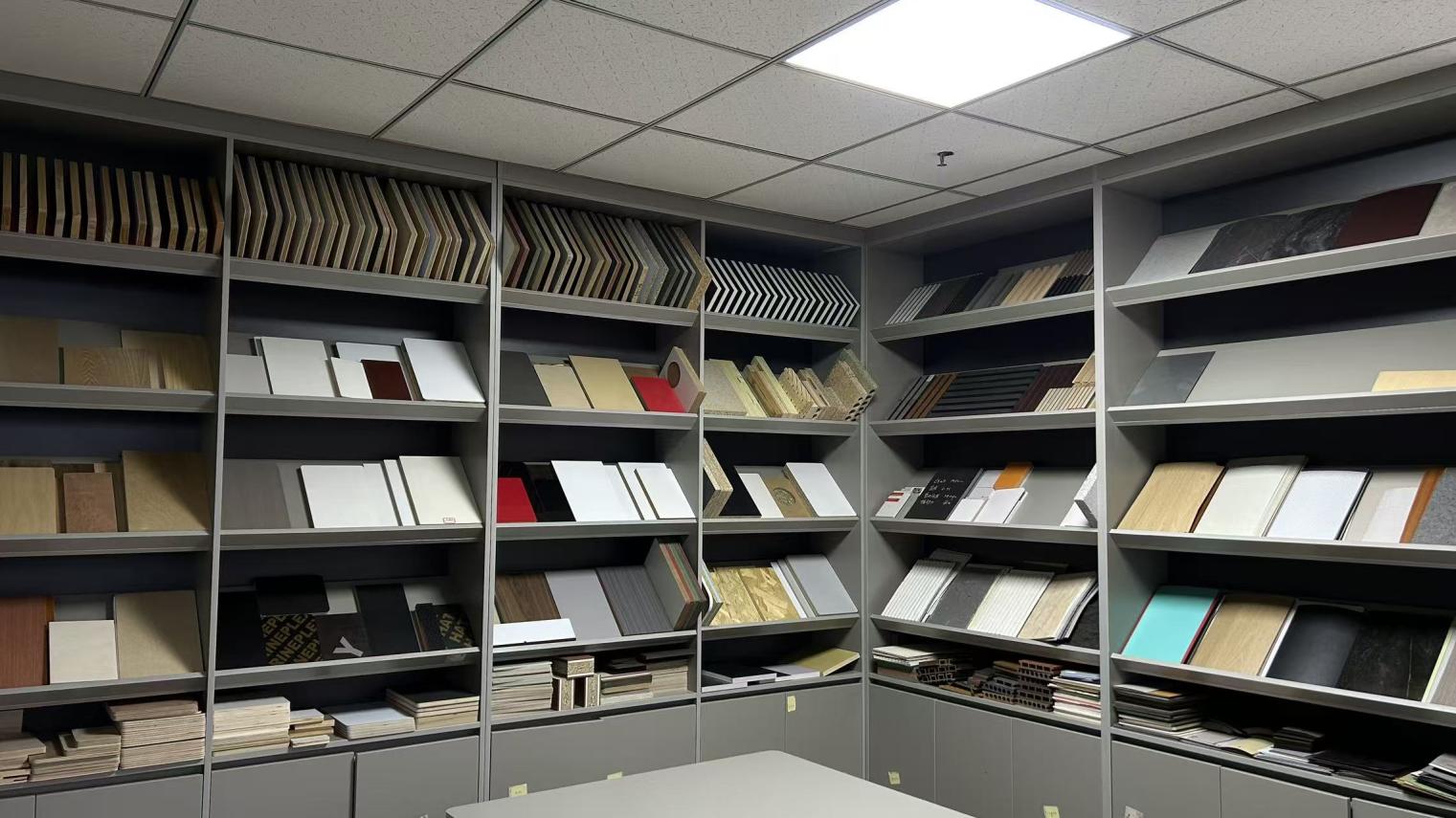
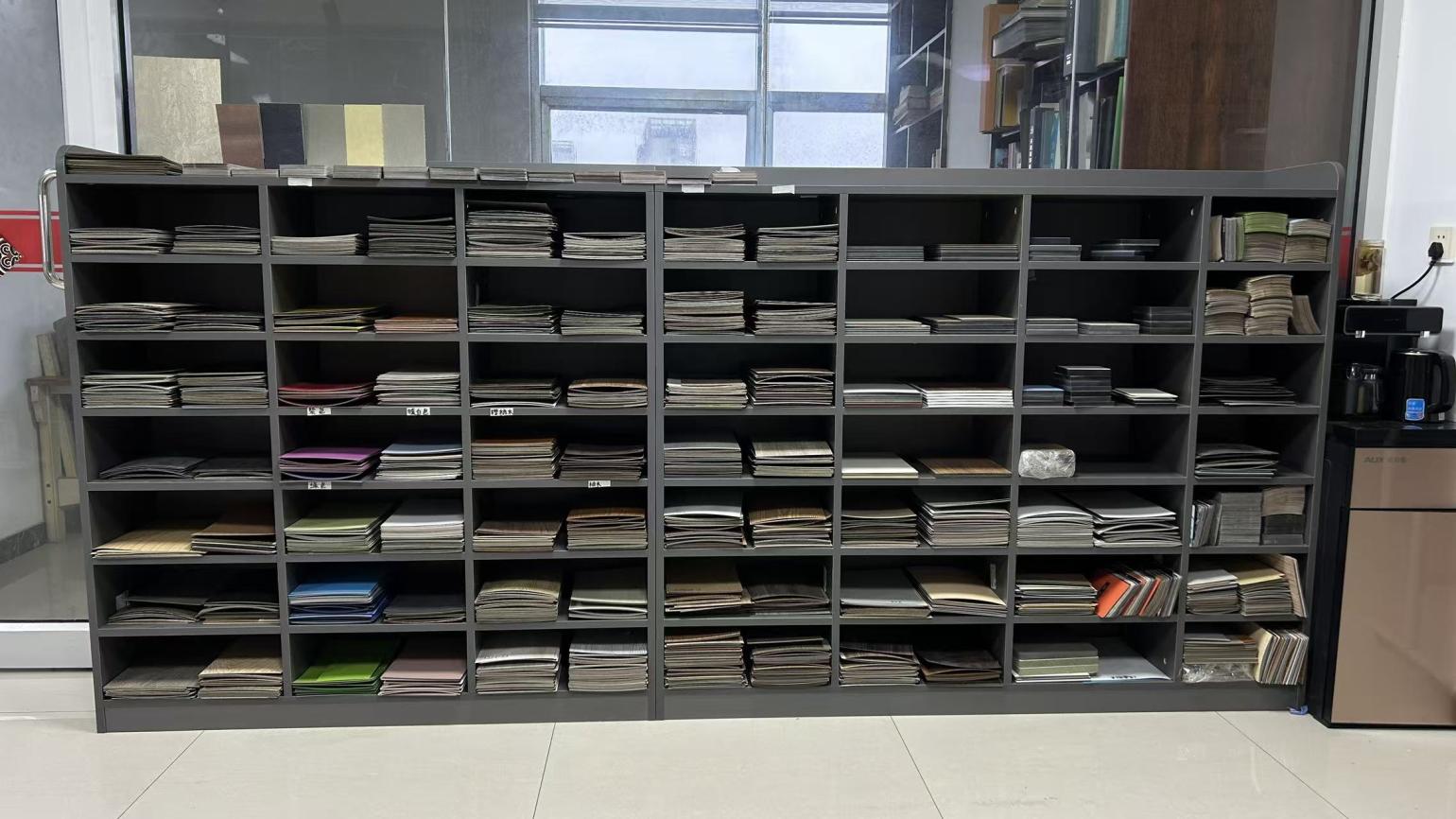
Linyi Fipdm Import And Export Co., Ltd. is a verified trading company and multispecialty supplier based in Linyi, Shandong, the largest wood-based panel production cluster in China.
For Water-related orders, our value is not simply quoting a board name. We help buyers match the application to the right product family, then coordinate supply from vetted partner mills. Our team inspects raw materials on site, checks finished boards before loading and provides engineer support for project buyers. This process helps importers, distributors and furniture factories receive consistent quality without managing many separate suppliers across HPL, compact laminate, MDF, plywood, LVL and door cores.
Water-critical projects require more than a good sample. They require clear specifications, controlled production and shipment evidence.
Material checks at the partner mill and finished-board inspection for thickness, surface, edges and packing before loading.
Minor customization such as logo, packaging and graphics, plus sample-based, design-based and full customization for distributors.
Combine HPL, compact laminate, MDF, plywood, LVL and door cores in one container to reduce freight and supplier management costs.
Engineer support for installation questions on cladding, partitions, table tops and furniture projects.
E0 and E1 formaldehyde grades are available for MDF and plywood depending on the product line and target market.
Seaworthy packing, export documentation and loading photos help buyers confirm that goods leave the factory as agreed.
Direct answers to the questions that most often appear in AI search and pre-inquiry research.
For global buyers, Water usually refers to an application risk: bathroom humidity, kitchen steam, rain exposure, laboratory spills or outdoor furniture use. The correct panel depends on whether the buyer needs compact laminate, exterior HPL, WBP plywood, HMR MDF or a sealed HPL surface. We recommend describing the actual end use before choosing a board.
Compact laminate is a solid phenolic panel with excellent water resistance and is commonly used for shower cubicles, toilet partitions, lockers and laboratory worktops. Performance still depends on thickness, edge sealing, fixing method and exposure conditions. For a wet area, specify the panel, edges and hardware as a complete system.
HMR MDF is moisture resistant, not fully waterproof. It can be used in kitchens and bathroom furniture when edges, backs and cut-outs are properly sealed and the board is protected from standing water. For direct water contact, compact laminate or a suitable WBP plywood solution is often more appropriate.
For wet or humid conditions, buyers should request WBP glued plywood with the correct face and core for the use case. Edge sealing, thickness, adhesive class and end-use conditions should be confirmed before ordering. If the surface must also be slip resistant, anti-slip phenolic plywood may be a better fit.
Exterior HPL is designed for facade and weather-exposed applications, but the complete system matters: panel grade, fixing system, ventilation, substrate, joint detail and UV performance must be considered together. Please share the project location, substrate and installation method so we can recommend the right option.
Specify the required emission grade and the water exposure scenario in the same inquiry. For MDF and plywood, E0 and E1 grades are available depending on product line. For water performance, confirm the board type, edge treatment and any testing requirement. Our team can match the request with vetted partner mills and arrange inspection before shipment.
Yes. Mixed loads of HPL, compact laminate, MDF, plywood, LVL and door cores are a core part of our service. This helps smaller importers reach container efficiency while keeping the product mix aligned with market demand.
Please include the end use, indoor or outdoor exposure, size and thickness, surface finish, edge treatment, quantity, destination port, emission grade, expected delivery schedule and any certification required by your market. With these details, Linyi Fipdm Import And Export Co., Ltd. can respond with matched options and specifications instead of generic price lists.
Send your application, sizes, thickness, finish and destination market. Our export team will match the request with suitable HPL, compact laminate, plywood, MDF or door-core options.
info@fipdmplywoods.com