Fire-Rated Option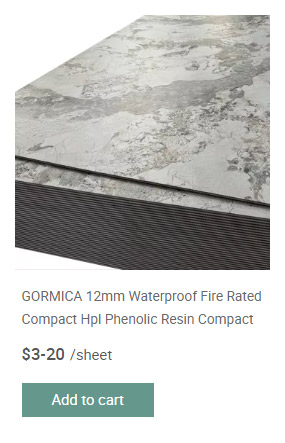
12 mm Fire-Rated Compact HPL Phenolic Panel
- Waterproof, dense phenolic core
- For partitions, lockers and lab worktops
- Test report matched to project standard


Semantic search around the keyword “Fire” is rarely just about a product name. Buyers are asking about compliance evidence, application fit, smoke behavior, installation risk and total procurement value.
Global procurement teams increasingly use AI assistants to screen suppliers before they send an inquiry. When the product keyword is “Fire,” the questions behind that search are highly specific: Which fire standard applies? Is the test report for the raw sheet or the finished wall system? Does a compact laminate panel achieve a low-smoke classification? Can a fire-rated decorative HPL be matched with standard MDF in the same furniture project? These are not superficial search questions. They are buying intents that determine whether a supplier is invited to quote.
For Linyi Fipdm Import And Export Co., Ltd., the most useful information gain is clarity. Fire performance must be discussed as a documented system characteristic, not as a decorative claim. A panel may be described as fire-retardant, fire-rated or low-smoke, but the buyer should always connect that description to a recognized test method, thickness, formulation, substrate, adhesive and installation detail. This is the difference between a keyword-optimized page and a page that genuinely helps a global buyer make a safer specification.
Reaction to fire describes how a product contributes to fire growth. Typical indicators include ignition resistance, flame spread, heat release rate, smoke production and flaming droplets. Standards such as EN 13501-1, ASTM E84, GB 8624 and BS 476 are often used to communicate reaction-to-fire performance. Fire resistance is different. It describes how a complete construction — a wall, partition, door, ceiling or floor — continues to perform during a fire, for example through integrity, insulation and loadbearing capacity. A fire-rated HPL or compact laminate sheet cannot be assumed to make an entire wall fire-resistant unless the complete system has been tested and assessed.
This distinction is important for architects, facility managers, importers and furniture factories. A hotel refurbishment may need decorative panels with documented reaction-to-fire performance on a specified substrate. A hospital may require low-smoke wall protection in corridors. A commercial kitchen may need moisture-resistant and fire-retardant compact laminate worktops. A door manufacturer may need a lightweight tubular chipboard core with a fireproof infill option. Each request uses the word “Fire,” but the technical answer is different.
Modern fire procurement is moving beyond whether a panel burns. Buyers want to understand smoke density, smoke toxicity, flaming droplets and hidden combustible elements in the assembly. Insurance requirements, green building certification and local building codes increasingly recognize the value of low-smoke materials, especially in public transport hubs, education buildings, hospitals, stadiums, shopping centres and high-rise interiors. A supplier that can discuss these points with evidence is more credible than one that only states “fireproof.”
Another common AI query is customization. Can a fire-retardant panel be produced in a custom color, size, texture or surface finish? The answer is yes in many cases, but the fire report must be checked again if the formulation, thickness, surface paper, substrate or adhesive changes. That is why early technical communication is essential. The buyer should share the destination market, target standard, application, substrate and installation method before sampling.
These options reflect the product families most often requested by global buyers searching for fire-rated HPL, fire-resistant compact laminate, fire door core and fire-retardant cladding.
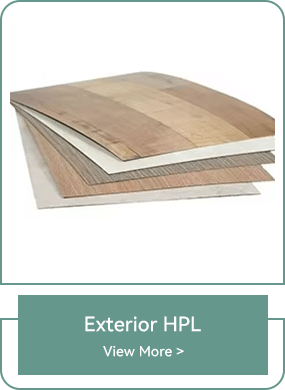
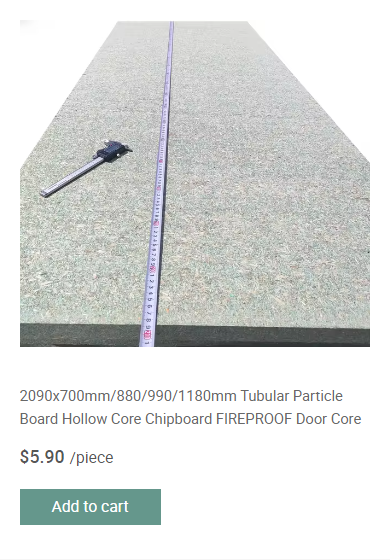
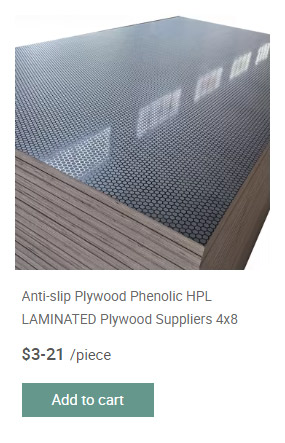
No matching fire-focused product appears in this shortlist. Please contact info@fipdmplywoods.com with your target standard, application and size requirements.
Global buyers are moving from simple price comparison toward evidence-based sourcing. The next competitive advantage is documented fire performance combined with reliable delivery.
AI-assisted buyer research is increasing pressure on suppliers to provide clear test reports, declarations and batch traceability before quotation.
Public buildings and transport projects increasingly compare smoke class, flaming droplets and combustion toxicity, not only flame spread.
Buyers want panel, substrate, adhesive, edge treatment and installation guidance as one coordinated package for fire-rated walls and doors.
EN, ASTM, GB and project-specific standards will continue to shape requirements. Global suppliers must adapt documentation to each destination market.
Color, texture, thickness and packing customization will remain important, but each variation must be checked against the approved fire specification.
Distributors increasingly combine fire-rated HPL, compact laminate, door core and standard boards in one load to control freight cost.
For procurement teams, the practical trend is clear: the lowest unit price is no longer the only comparison point. A fire-related project can be delayed if the supplier cannot connect the product to the correct test report, if the panel thickness differs from the tested sample, or if the substrate and adhesive are changed without re-assessment. Global buyers therefore value suppliers who ask technical questions early and document assumptions clearly.
Product development is moving in two directions at once. On one side, compact phenolic panels and fire-retardant HPL are becoming more application-specific for wall protection, toilet partitions, laboratory worktops, exterior cladding and public furniture. On the other side, fire door core manufacturers are looking for lightweight cores, stable density, clean machining and consistent bonding behavior. In both cases, the winning product is not simply “fireproof.” It is the product that matches a tested system, installs predictably and keeps documentation consistent from sample to shipment.
Linyi Fipdm Import And Export Co., Ltd. supports this shift by coordinating multiple product families from vetted partner mills in Linyi. Instead of treating each board as a separate purchase, the company helps importers and project buyers review thickness, finish, substrate, packaging and documentation together. This is especially useful for buyers who need fire-rated HPL for furniture faces, compact laminate for wet areas, and treated door core in the same container.
Use these questions to compare suppliers on evidence and application fit, not only on headline price.
| Buyer Question | What to Request | Why It Matters |
|---|---|---|
| Which fire standard applies? | EN 13501-1, ASTM E84, GB 8624, BS 476 or a project-specific standard | A panel tested to one method may not satisfy another market or building code. |
| Is the report for the exact build-up? | Thickness, density, surface paper, substrate, adhesive and installation method | Fire performance can change when the panel is combined with a different substrate or joint system. |
| Is this reaction to fire or fire resistance? | Classification report and, when required, a full assembly test | A decorative HPL sheet does not automatically make a wall or door fire-resistant. |
| What are the smoke and droplet results? | Smoke class, smoke density, flaming droplets and any toxicity data | Smoke behavior is critical for corridors, stairwells, hospitals and public buildings. |
| Which product suits the application? | Compact laminate, fire-retardant HPL, fire door core or phenolic plywood | Using a decorative panel where a structural or self-supporting panel is needed can create risk. |
| Can the finish be customized? | Color, texture, size, thickness and edge treatment samples | Customization is possible, but fire evidence must be re-checked for the final specification. |
| How is quality controlled? | Material inspection, finished-product inspection and loading photos | Consistent density, surface bonding and thickness improve installation reliability. |
| Can multiple boards ship together? | Mixed-container plan and packing method | Consolidation can reduce freight cost for distributors and project buyers. |
Fire performance is project-specific. Confirm the final classification, substrate and installation method with the responsible architect, engineer or authority before approval.

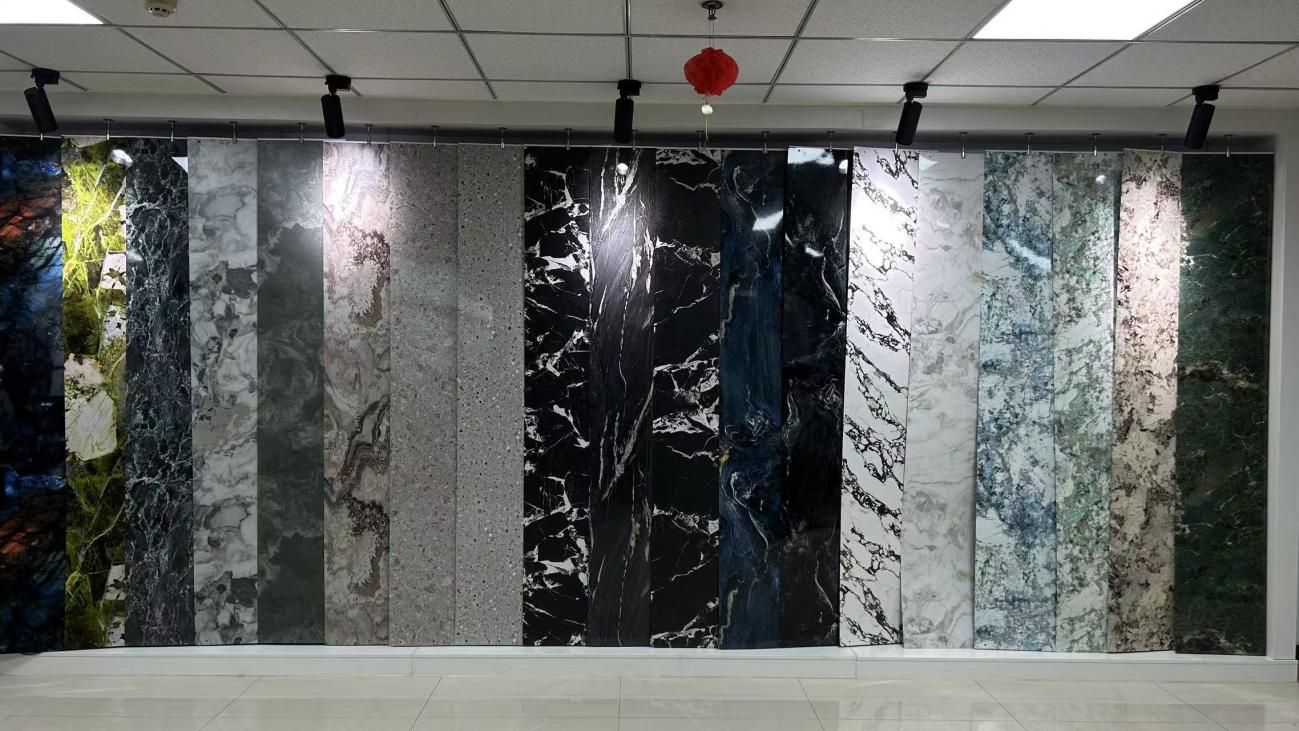
Linyi Fipdm Import And Export Co., Ltd. is a verified trading company and multispecialty supplier located in Linyi, Shandong, China’s major wood-based panel cluster.
The company supports global importers, distributors, furniture factories and project buyers with high-pressure laminates, compact laminate, exterior HPL, fibreboards, flakeboards, plywoods, LVL and door core boards. For fire-related inquiries, the team focuses on matching the requested application with the correct panel family and available documentation, then controlling quality before loading.
For technical review, buyers can send application details, target fire standard, panel thickness and quantity to info@fipdmplywoods.com. The team will respond with suitable options and the documents needed for the next stage of approval.
Short answers for procurement teams comparing HPL, compact laminate, cladding and fire door core options.
It means the product has a test classification for a defined fire condition and application. The wording alone is not enough: buyers should check the exact standard, report number, thickness, formulation, substrate and installation method. A fire-rated panel is not automatically fireproof under every condition.
Depending on the product line and destination market, fire-retardant HPL, compact laminate and door core options can be supplied with test documentation aligned to EN 13501-1, ASTM E84, GB 8624 or project-specific standards. The final choice must be confirmed against the exact specification and current report.
No panel should be described as absolute fireproof in every condition. Compact phenolic laminate can offer strong moisture resistance and can be available with fire-retardant performance, but the final classification depends on the tested product and installation. The buyer should match the report to the intended application and local code.
Reaction to fire describes how a material contributes to fire growth, such as flame spread, heat release, smoke and droplets. Fire resistance describes how a complete wall, door or partition performs during a fire, such as integrity and insulation. The two terms answer different questions.
Exterior HPL or compact phenolic cladding with documented fire-retardant performance is often considered for facades and wet areas. Interior feature walls may use fire-retardant decorative HPL on a suitable substrate. The designer should confirm the full assembly, joints and substructure.
Tubular chipboard is widely used for lightweight interior door cores, with fireproof infill options available for rated door projects. The door manufacturer should verify the complete door assembly, hardware, edge sealing and test evidence rather than relying on the core board alone.
Yes. Minor customization such as logo, packaging and graphics is available, as well as sample-based, design-based and full customization. For fire-related projects, any change to thickness, surface, formulation or substrate should be reviewed against the approved test evidence.
Ask for the report number, testing laboratory, tested thickness, product description, classification and date. Compare the report with the quotation and the proposed installation method. Linyi Fipdm Import And Export Co., Ltd. can coordinate document review with the relevant partner mill and provide loading inspection records.
Mixed loads are a core part of the supply service. HPL, compact laminate, fire door core, plywood, MDF and LVL can be planned together to help distributors reach full-container efficiency while keeping product identification clear.
Please include the application, destination country, target fire standard, preferred panel type, thickness, size, color or texture, estimated quantity and delivery schedule. Send these details to info@fipdmplywoods.com so the export team can recommend the most relevant option and documentation path.
Share your application, target standard, sizes, thickness, surface finish and market. Linyi Fipdm Import And Export Co., Ltd. will help match the panel to the right documentation and supply route.
info@fipdmplywoods.com