Door Skin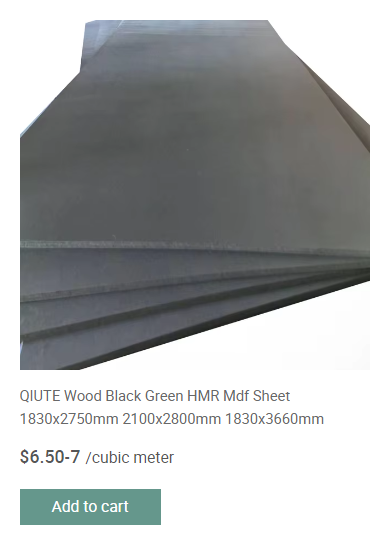
HMR MDF Door Skin Sheet
- 1830×2750 / 2100×2800 / 1830×3660 mm
- Melamine or UV painted finish options
HMR stands for High Moisture Resistance. It is a practical specification for interior panels that must cope with humid air, occasional splashes and demanding furniture production.
HMR MDF sheets are medium-density fibreboards engineered with a moisture-resistant resin system and, in many product lines, a green identifier core. The purpose is not to create an exterior panel or a replacement for compact laminate. The purpose is to give interior furniture a higher margin of safety in humid kitchens, bathrooms, laundries, wardrobes, door skins and commercial fit-outs. Compared with standard MDF, HMR MDF is designed to resist short-term humidity and damp air more effectively while retaining the smooth, dense surface that furniture makers need for laminating, painting, CNC machining and edge banding.
Global procurement teams search for HMR MDF Sheets because they need to protect a finished product from complaints. A cabinet that leaves the factory in good condition can still face humidity in local storage, installation and daily use. Export cartons and containers may pass through different climates. Warehouses may be damp. A kitchen or bathroom installation may place the panel close to steam, spills or plumbing. HMR MDF does not remove the need for correct design and edge sealing, but it gives buyers a more suitable core than standard MDF for these interior environments. Cut edges, sink cut-outs, door bottoms and joints must still be sealed, and prolonged water contact should always be avoided.
This guide is prepared by the export team at Linyi Fipdm Import And Export Co., Ltd., a verified trading company and multispecialty supplier based in Linyi, Shandong, China. Linyi is one of the most active wood-based panel clusters in China, and our work is to match buyer specifications with vetted partner mills, inspect materials and finished boards, and consolidate mixed product orders for importers, distributors and furniture factories. Our supplier profile records 9 years in the industry, 8 dedicated staff, Intertek assessment, on-site material inspection, finished-product inspection and engineering support for project buyers. Those capabilities matter when the product is not just a board, but a specification that must arrive consistently.
Those questions reveal different search intents. Some buyers are still learning the difference between moisture-resistant MDF and waterproof panels. Others are comparing suppliers, checking compliance, or preparing a purchase order. This page answers the full journey in one place: material definition, product recommendations, specification checks, purchasing trends, development trends, company capability and a detailed FAQ.
HMR MDF should be specified for its intended interior role, not as a universal substitute for every board. The comparison below helps buyers choose the right question for the application.
| Material | Moisture Behaviour | Typical Interior Use | Procurement Note |
|---|---|---|---|
| HMR MDF | High moisture resistance for interior humidity and occasional splashes | Kitchen and bathroom cabinetry, door skins, wardrobes, shopfitting | Seal edges and cut-outs; not intended for standing water or exterior exposure |
| Standard MDF | Limited moisture resistance; more sensitive to damp conditions | Dry interior furniture, decorative panels, general joinery | Use in controlled interior environments and protect during storage |
| Plywood | Depends on glue type and species; suitable exterior grades are available | Structural and semi-structural interior work, furniture, flooring base | Specify glue, face grade, thickness and application; not identical to MDF machining |
| Compact Laminate | Waterproof, impact-resistant solid phenolic panel | Toilet partitions, lab worktops, table tops, exterior cladding | Higher-density product with different fixing and fabrication requirements |
The right panel depends on the final application, exposure level, edge treatment, fixing method and local building requirements. Confirm specifications before ordering.
These product directions reflect the kind of HMR MDF requests our export team receives from furniture factories, distributors, door producers and project buyers.




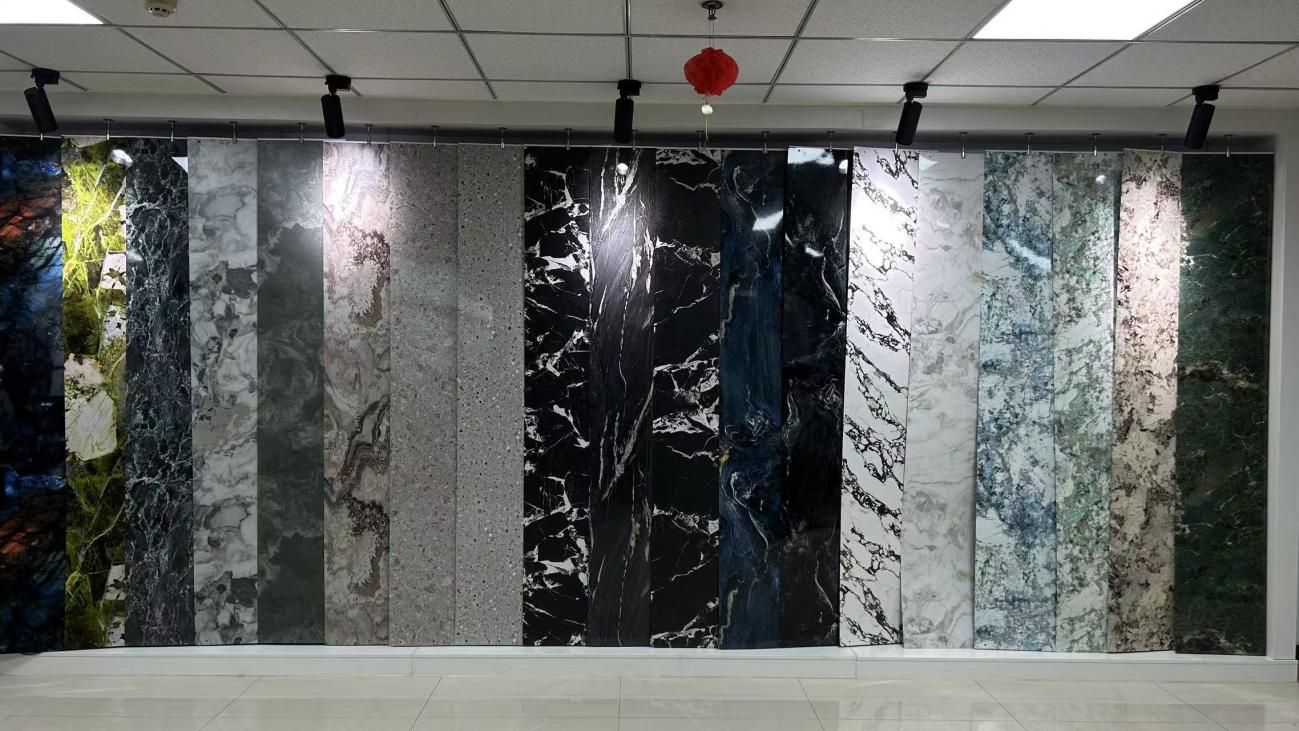
No matching HMR MDF product is shown for this filter. Please email info@fipdmplywoods.com with your required size, thickness and finish.
A reliable HMR MDF quotation should identify the core, density, thickness tolerance, sheet size, surface, formaldehyde grade, edge condition, packaging and inspection documents.
| Specification Point | What to Confirm | Why It Matters |
|---|---|---|
| Core type | Moisture-resistant MDF core; green identifier core where required | Separates HMR MDF from standard MDF and helps production staff identify material |
| Thickness | 3 mm, 9 mm, 12 mm, 15 mm, 18 mm or project-specific thickness | Affects rigidity, weight, machining, door-skin performance and cabinet design |
| Sheet size | 1220×2440 mm, 1830×2750 mm, 2100×2800 mm, 1830×3660 mm or custom sizes | Reduces cutting waste and matches the finished component program |
| Density and machining | Density target, surface flatness, edge quality, CNC and edge-banding requirements | Helps avoid chipping, soft edges and inconsistent finished profiles |
| Formaldehyde grade | E1 or E0 depending on product line and destination market | Supports market compliance and indoor air quality requirements |
| Surface finish | Raw, melamine faced, UV painted, veneered or other agreed finish | Determines bonding, appearance, handling and final application suitability |
| Moisture performance | HMR core specification and relevant test report | Confirms the panel is appropriate for humid interior use, not exterior or standing water |
| Edge treatment | Sealant, edge banding, profile and cut-out protection requirements | Improves moisture protection at the most vulnerable parts of the panel |
| Packaging | Seaworthy pallets, corner protection, moisture barrier and loading method | Protects panels during container transit and warehouse storage |
| Inspection documents | Material inspection, finished-product inspection, loading photos and test reports | Gives the buyer evidence before shipment and reduces quality disputes |
Exact availability depends on the product line and order quantity. Confirm all values on the final quotation and purchase order.
Global buyers are becoming more specific. The product name alone is no longer enough; the successful order is defined by application, documentation, inspection and delivery plan.
The strongest purchasing trend is that HMR MDF is being bought against a checklist. Buyers ask for E0 or E1 formaldehyde grades, target-market requirements, current test reports, density, thickness tolerance, core colour, surface bonding, packaging and loading photos. This is a positive change. It allows suppliers and buyers to agree on measurable expectations before production, rather than discovering a mismatch after the container arrives. For Linyi Fipdm Import And Export Co., Ltd., every serious HMR MDF inquiry begins with the destination market and final application because those details determine which board and documentation package is appropriate.
Importers and distributors often want to reduce the number of suppliers they manage. Instead of buying HMR MDF from one company, HPL from another and plywood from a third, they ask for a mixed load. A typical request may combine HMR MDF door skins with melamine faced boards, compact laminate, birch plywood, poplar LVL and tubular chipboard. Mixed containers can improve freight efficiency, reduce administrative work and simplify communication. They also require careful loading plans so finished surfaces are protected and documentation remains clear. Linyi Fipdm Import And Export Co., Ltd. supports this consolidation model as a multispecialty supplier.
HMR MDF used to be associated mainly with kitchen cabinets. Today, buyers ask about bathroom vanities, laundry cabinetry, wardrobe carcasses, door skins, hotel furniture, office fit-out, reception counters and modular accommodation. The common factor is a humid interior environment where standard MDF may be too vulnerable. However, the application still matters. A vertical wardrobe side panel has different requirements from a horizontal worktop or a door skin. Buyers should state whether the panel will be machined, curved, laminated, painted or used with edge banding so the supplier can recommend the right grade and surface.
More buyers now begin with AI tools and search engines, asking precise questions about moisture resistance, formaldehyde grade, green core, door skin sizes and supplier verification. This makes technical content and transparency important. A supplier that only says “high quality” is harder to evaluate. A supplier that explains the difference between moisture-resistant and waterproof, publishes product limits, and offers inspection evidence is easier to trust. Our approach is to answer the practical questions first and then support them with specification sheets, product photos, inspection records and a clear quotation.
Destination markets place different demands on formaldehyde emission and documentation. Some buyers require E1, while others ask for E0 or project-specific evidence. Rather than treating the grade as an afterthought, buyers should include it in the initial inquiry. This helps the supplier select the correct product line and reduces the risk of substitution. It also supports furniture manufacturers who must satisfy their own customers and local regulations.
At the board level, the focus is on more consistent moisture-resistant resin distribution, denser edges, improved thickness control and stable machining. At the surface level, HMR MDF is increasingly supplied with melamine impregnated paper, UV paint, veneer, synchronised textures, matt finishes and wood-grain designs. Furniture factories want fewer production steps, so pre-finished panels and cut-to-size programs are attractive. Buyers also ask about matching edge banding, packaging improvements and ODM support for their own brands. The direction is clear: HMR MDF is becoming a more application-specific material rather than a simple commodity board.
The product development story is not only about the board. It is also about handling. HMR MDF should be stored flat on dry pallets, kept away from weather and allowed to acclimatise before fabrication. Cut edges and openings should be sealed, especially in kitchen and bathroom installations. Fabricators should use sharp tooling, appropriate feed rates and compatible adhesives. Buyers increasingly expect suppliers to provide practical guidance, not just a price. Linyi Fipdm Import And Export Co., Ltd. can share technical notes and coordinate with partner mills on application-specific questions.
The same HMR MDF grade can behave very differently depending on thickness, surface, edge treatment and installation method. Start with the end use.
HMR MDF is often specified for cabinet carcasses, door cores, drawer fronts and internal panels where humid air or occasional splashes are expected. The panel should be protected with suitable edge banding or sealing, especially around sink cut-outs, dishwasher zones, plumbing openings and door bottoms. HMR MDF is not a replacement for a compact laminate worktop or a stainless-steel sink surround. It is a moisture-resistant furniture board that works best when the design keeps water away from exposed edges.
Door producers use HMR MDF for interior door skins because the material offers a smooth surface for painting, laminating or veneering. Our product listings include door skin sizes such as 1830×2750 mm, 2100×2800 mm and 1830×3660 mm, with melamine or UV painted options. Buyers should confirm the required thickness, face grade, core colour, surface finish and machining allowance. A door skin is a visible product, so surface consistency and packaging protection matter as much as the core specification.
For wardrobes, drawer fronts, desks, reception counters and office storage, HMR MDF can be specified when the installation may experience humidity or when the customer wants a higher level of protection than standard MDF. Melamine faced HMR MDF is popular for furniture because it offers a ready decorative surface and can be combined with matching edge banding. Designers should still avoid leaving cut edges exposed in damp zones.
Retail and hospitality projects often need a decorative panel that can be machined into complex shapes and finished consistently. HMR MDF can be veneered, painted or laminated for counters, display units, hotel casegoods and wall panelling. For commercial projects, the buyer should provide drawings or a clear sample reference so the supplier can check surface direction, thickness, edge treatment and packing requirements.
HMR MDF is not intended for exterior cladding, structural framing, permanent water immersion or areas with continuous wetting. For facades, balconies, wet rooms with direct water exposure, laboratory worktops and toilet partitions, compact laminate, exterior HPL or another properly specified exterior panel should be considered. Clear application boundaries protect both the buyer and the final customer.
We combine product sourcing, specification checking, inspection and export consolidation in one accountable supply chain.
Linyi Fipdm Import And Export Co., Ltd. is a verified trading company and multispecialty supplier located in Linyi, Shandong, China. We work with qualified partner mills to supply HMR MDF, HPL sheets, compact laminate, exterior HPL, plywood, LVL, tubular chipboard and melamine impregnated paper. For HMR MDF buyers, this means you can source a moisture-resistant panel together with the decorative surface, edge treatment, door core or complementary boards needed for the same project.
Our quality process is built around two stages: on-site material inspection at the partner mill and finished-product inspection before loading. We check the agreed core, thickness, sheet size, surface, edges, packaging and loading condition. We also share loading photos and export documents so the buyer can follow the shipment. These practical controls matter because HMR MDF is often used in visible furniture and door applications where a small material inconsistency can create a large production problem.
Our supplier profile records Intertek assessment, 9 years in the industry, 8 dedicated staff, a 5.0 / 5 buyer rating, and #4 top-selling supplier ranking in the Plywoods category. We offer minor customization such as logo, packaging and graphics, as well as sample-based, design-based and full customization plus ODM service. For project buyers, we can coordinate technical questions with partner mills and support mixed-category orders.
These answers address the most common technical, commercial and quality questions we receive from importers, distributors and furniture producers.
No. HMR MDF is moisture-resistant, not waterproof. It performs better than standard MDF in humid interior conditions, but prolonged water contact, standing water and unprotected cut edges can still cause swelling. For kitchens and bathrooms, seal edges, cut-outs and joints. For continuously wet or exterior applications, use a suitable exterior panel or compact laminate instead.
Green dye is commonly added to the fibre or resin so buyers and production staff can identify a moisture-resistant core. The colour itself does not guarantee performance. Confirm the product specification, density, test reports and supplier inspection. Linyi Fipdm Import And Export Co., Ltd. matches the core requirement to your order and checks finished boards before shipment.
Common options include 3 mm, 9 mm, 12 mm, 15 mm and 18 mm, with sheet sizes such as 1220×2440 mm for melamine faced MDF and 1830×2750 mm, 2100×2800 mm or 1830×3660 mm for HMR MDF door skin lines. Availability changes by surface and order volume. Share your final use, target market and container quantity for exact options.
Yes. HMR MDF can be supplied with melamine impregnated paper, UV coating, veneer or other specified finishes, depending on the product line. The important point is surface preparation and bonding. Tell us whether the panel will be used vertically or horizontally, whether it is a door skin, cabinet part or shopfitting element, and what edge treatment you plan.
MDF and plywood from our partner mills are available in E1 and E0 emission grades depending on product line. The correct grade depends on your destination market, project specification and customer requirements. Ask for the current test report and confirm the grade on your purchase order. Linyi Fipdm Import And Export Co., Ltd. can align the board with your stated market standard.
Our process includes on-site material inspection at the partner mill and finished-product inspection before loading. For HMR MDF, checks should cover thickness tolerance, density and fibre uniformity, surface condition, core colour where specified, edge quality, moisture-resistant grade, packaging and loading photos. Share your own checklist if you have one; we can incorporate it into the pre-shipment inspection plan.
Yes. Mixed-category consolidation is one of the practical advantages of working with Linyi Fipdm Import And Export Co., Ltd. Importers and distributors can combine HMR MDF with HPL sheets, compact laminate, plywood, LVL, tubular chipboard and melamine paper. We plan the loading to protect finished surfaces and keep documentation organised.
Normally, no. HMR MDF is intended for interior use where moisture resistance is beneficial. For exterior cladding, facades, balconies and continuously wet areas, alternative boards such as exterior HPL, compact laminate or properly specified exterior plywood should be considered, with engineering advice for the project.
Store panels flat on dry pallets, away from weather and floor moisture, and allow them to acclimatise before fabrication. Use sharp tooling and suitable feed rates for clean cuts. Seal edges and cut-outs, especially in kitchen, bathroom and laundry installations. If you are unsure about the machining or finishing process, ask our team before production so we can coordinate with the partner mill and reduce avoidable defects.
Send your thickness, sheet size, surface finish, formaldehyde grade, destination market and estimated order quantity. Linyi Fipdm Import And Export Co., Ltd. will reply with matched HMR MDF options, documentation guidance and an inspection plan.
info@fipdmplywoods.com