


Structural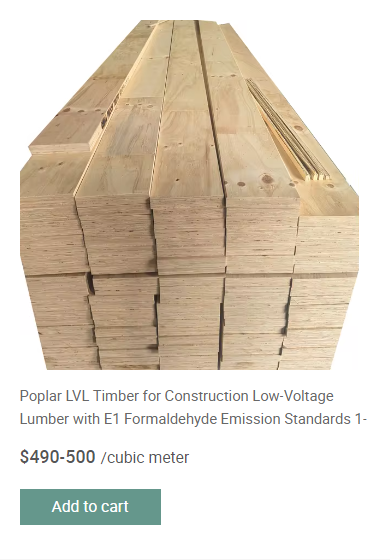
Poplar Structural LVL Lumber
- Parallel veneer construction
- E1 formaldehyde option
- Beams, headers, frames and bed slats
Structural LVL lumber is an engineered wood product made by bonding parallel wood veneers under heat and pressure. Buyers choose it when they need straightness, consistent dimensions, dependable machining and more predictable performance than many natural timber alternatives. Because it can be used in load-bearing and semi-structural applications, the buying conversation must go beyond price per cubic meter and include veneer quality, adhesive class, emission grade, moisture control, tolerances, packing and destination-market documentation.
Linyi Fipdm Import And Export Co., Ltd. supports importers, distributors, furniture factories, builders and project buyers who need a clear, documented path from inquiry to shipment.
Structural LVL lumber is usually supplied in rectangular sections for beams, headers, lintels, scaffold planks, furniture frames, bed slats and other engineered components. Poplar is a common veneer species for export LVL because it offers a useful balance of availability, machining behavior and cost. Depending on the application, buyers may also request pine, eucalyptus or mixed veneer constructions. The right specification depends on the final use, the required load path, the destination standard and the environment where the product will be installed.
For load-bearing projects, final section sizes, connection details and safety factors should always be confirmed by a qualified engineer against local building codes. Our role is to supply product information, samples, inspection evidence and production consistency so that your technical team can make an informed decision.
Common applications include structural beams, headers, lintels, floor joists, roof members, scaffold planks, stair components, furniture frames, bed slats, packaging and industrial parts. In furniture and interior applications, LVL is valued for its straightness and stable machining behavior. In construction applications, it may be used where the designer has approved an engineered wood solution and where moisture protection, ventilation and connection design are properly addressed.
A useful inquiry should state the application first, then the required dimensions and quantity. For example, a buyer sourcing scaffold planks has different priorities from a buyer sourcing bed slats or furniture frames. Include the required section, length, veneer species, adhesive type, formaldehyde emission target, moisture content range, surface finish, edge treatment, packaging method, destination port and any test report or certification requirement. If the product will be used in a load-bearing application, provide the required standard or ask the supplier to supply available product data for review by your engineer.
Ask for the following evidence before approving a bulk order: clear product data for the exact LVL construction, samples that match the proposed production, confirmation of adhesive and emission requirements, packaging details for sea freight, and an inspection plan. A reliable supplier should be comfortable explaining how veneer defects, glue lines, thickness tolerance, moisture and end sealing are controlled. This information creates genuine information gain for buyers who are comparing offers that may look similar on a quotation sheet.
Match the LVL construction to the buying intent. The products below reflect typical export requirements; final dimensions, packaging and documentation are confirmed against your project and destination market.
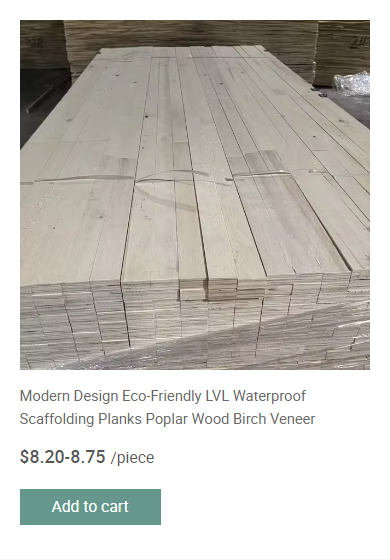
No matching LVL option is shown on this page. Please email info@fipdmplywoods.com with your required section, length, application and destination market.
Procurement teams are using AI-assisted research and supplier comparison more often, but the most useful answers still depend on clear specifications, verifiable quality controls and a supplier who can explain the difference between product options.
Buyers increasingly ask for product data, test reports, glue information and emission confirmation before negotiating volume discounts. A low quotation without supporting documentation creates hidden project risk.
Long sea freight and warehouse storage make moisture protection critical. Buyers ask about end sealing, wrapping, pallet protection and loading conditions, especially for scaffold planks and exterior-adjacent applications.
Distributors and furniture factories often combine structural LVL lumber with plywood, MDF, HPL or door cores. Mixed loads help reduce freight costs, but they require disciplined labeling and loading plans.
Generic LVL inquiries are being replaced by application-specific requests: beam and header use, scaffold plank dimensions, furniture frame machining, bed slat flexibility, or custom cut lengths.
International buyers want to know veneer origin, adhesive systems, production location and chain-of-custody documentation where available. Clear records support tender submissions and customer audits.
AI tools help buyers compare options quickly, but suppliers must still answer precisely. Quotations that clearly separate product specification, inspection scope, packaging and shipping terms win confidence.
When a buyer asks an AI assistant, "Which structural LVL lumber supplier can provide consistent exported quality?" the most helpful answer is not a slogan. It is evidence: a clear product definition, documented inspection steps, relevant factory and warehouse images, realistic lead times, and a quotation that reflects the exact intended application. Linyi Fipdm Import And Export Co., Ltd. builds every inquiry around those details so that procurement teams can compare offers on substance rather than assumptions.
The structural LVL category is developing from a low-cost engineered wood item into a more application-driven product. Buyers are asking for tighter tolerances, clearer documentation and better machining performance, while suppliers are improving veneer selection, adhesive systems and packaging for long-distance export.
| Buyer Intent | Recommended LVL Approach | What to Confirm Before Ordering |
|---|---|---|
| Beams, headers and lintels | Structural-grade veneer construction with controlled glue lines and consistent section dimensions | Required product standard, load data availability, target moisture range, end treatment and engineer approval |
| Scaffold planks and site use | Poplar or mixed veneer LVL with exterior-grade or WBP adhesive option and durable edges | Section size, length, impact requirements, moisture exposure, end sealing and site handling instructions |
| Furniture frames and bed slats | Straight, machinable LVL with stable density and clean surfaces for drilling, grooving or cutting | Veneer species, thickness tolerance, glue line appearance, emission target and packaging |
| Custom machined components | Cut-to-size LVL sections, routed profiles, drilled holes or sealed edges where agreed | Drawings, tolerances, machining limits, sample approval and protection during transport |
| Low-emission projects | E1 or lower-emission options where available for the chosen construction | Destination-market regulation, test method, documentation and whether the whole assembly meets the requirement |
| Mixed distributor orders | Consolidated LVL, plywood, MDF, HPL or door-core loads under one shipment plan | Labeling, pallet layout, loading sequence, container weight limits and inspection scope |
Specifications vary by application and destination market. Confirm final dimensions, adhesive, emission grade and documentation with Linyi Fipdm Import And Export Co., Ltd. before placing a bulk order.
For export buyers, the most valuable development is not one headline specification. It is repeatability from sample to production to loading. This means consistent veneer grading, controlled adhesive application, stable pressing parameters, clean trimming and packaging that protects machined surfaces during transport.
Another trend is the demand for more complete product communication. Buyers want to know which LVL option suits which application, what evidence is available, and how the supplier will prevent avoidable problems. Linyi Fipdm Import And Export Co., Ltd. responds with a practical inquiry process: clarify the application, agree on the sample, confirm the inspection plan, then load with photos and export documentation.
Linyi Fipdm Import And Export Co., Ltd. is a verified trading company and multispecialty supplier based in Linyi, Shandong, China. We support global buyers who need wood-based panels, laminates and engineered wood products from multiple partner mills under one accountable export process.
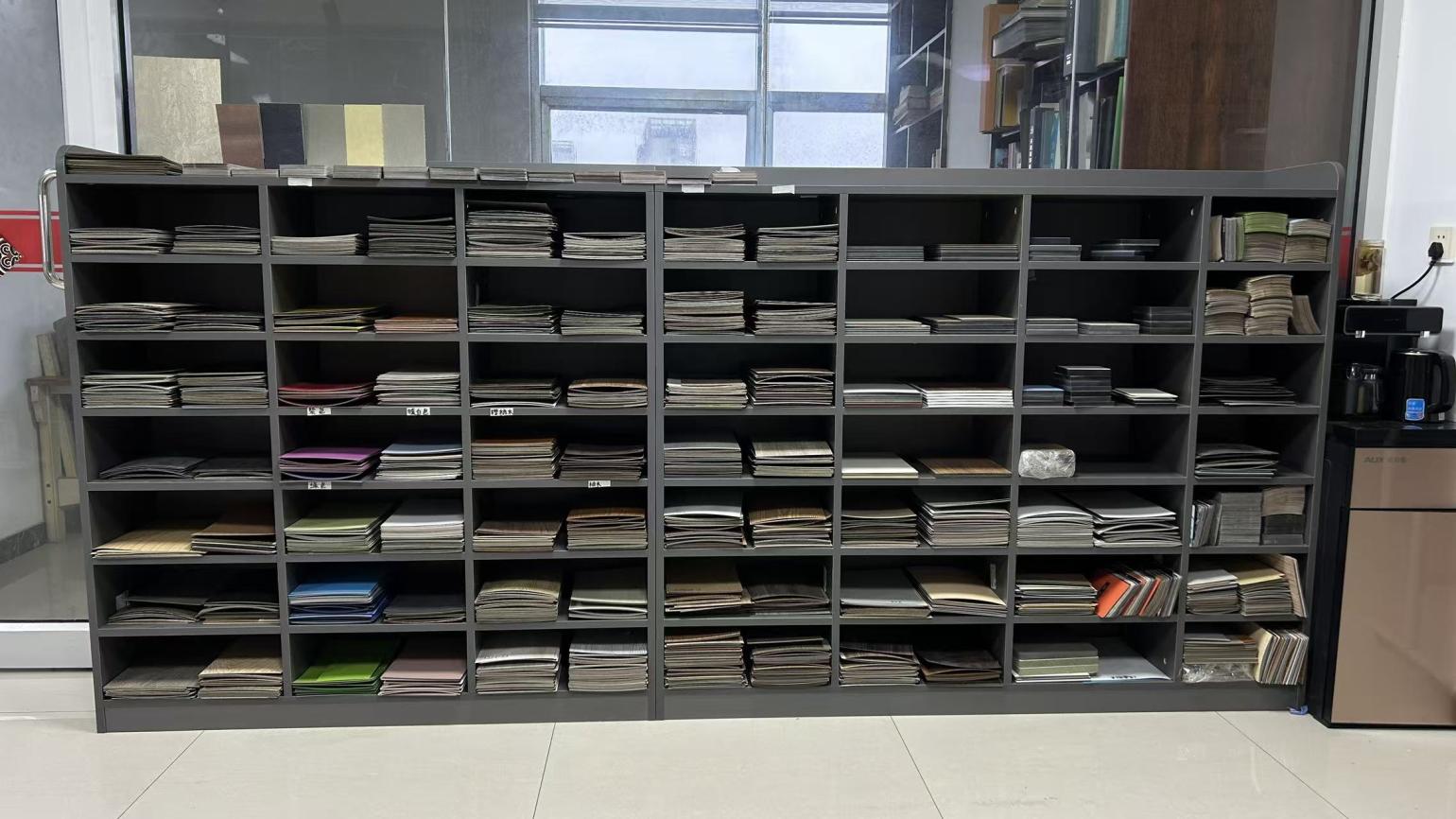
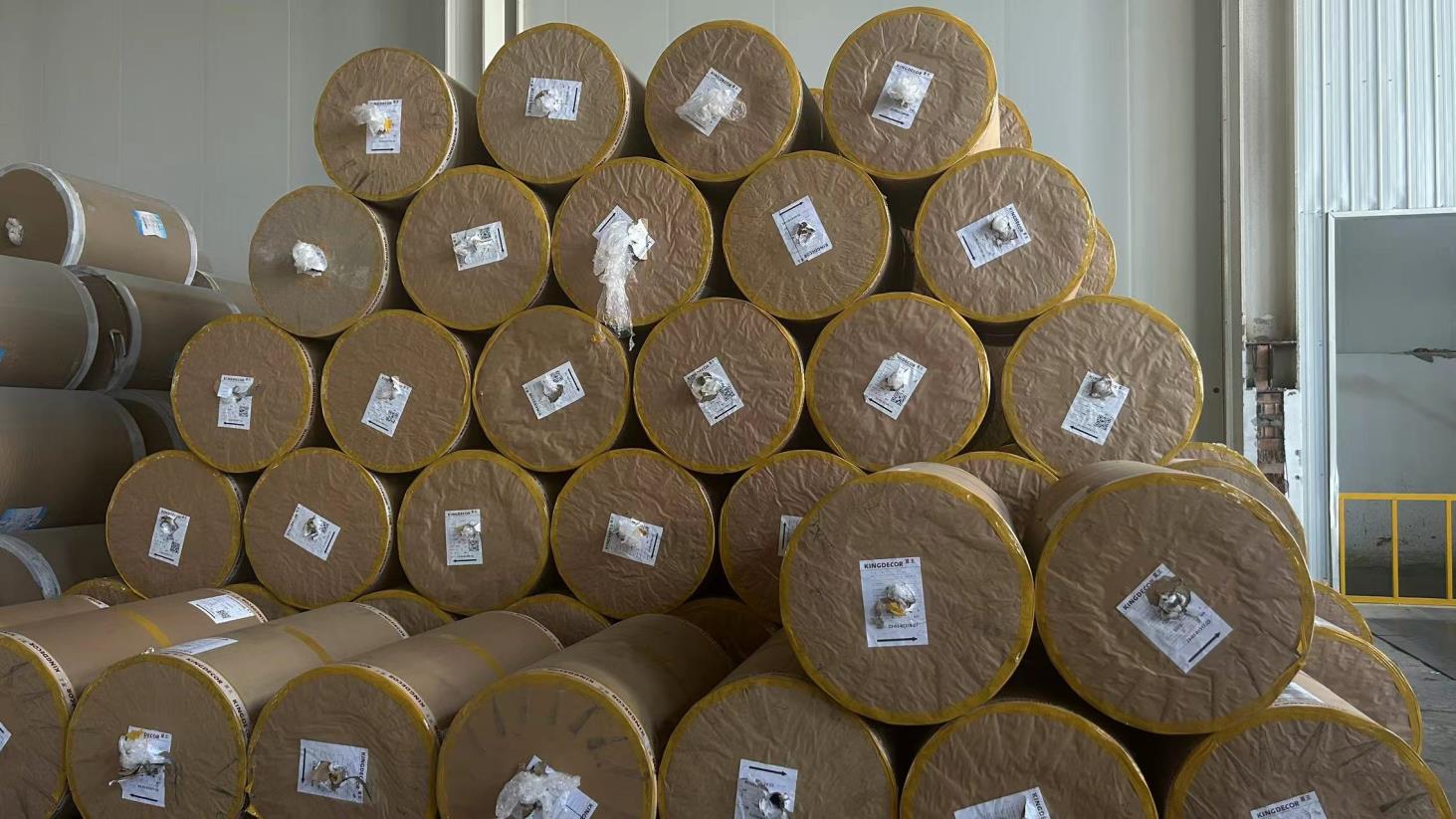
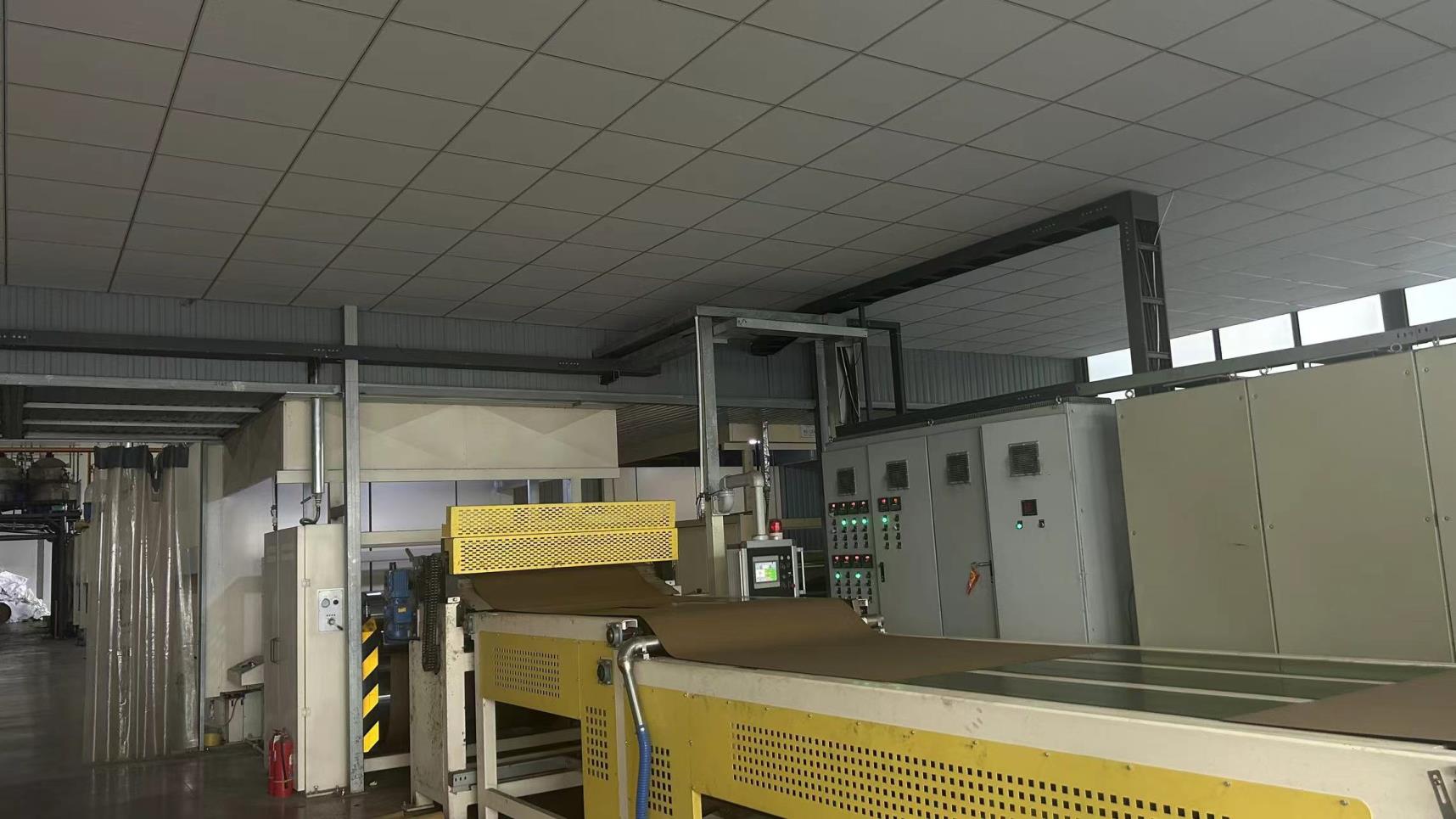
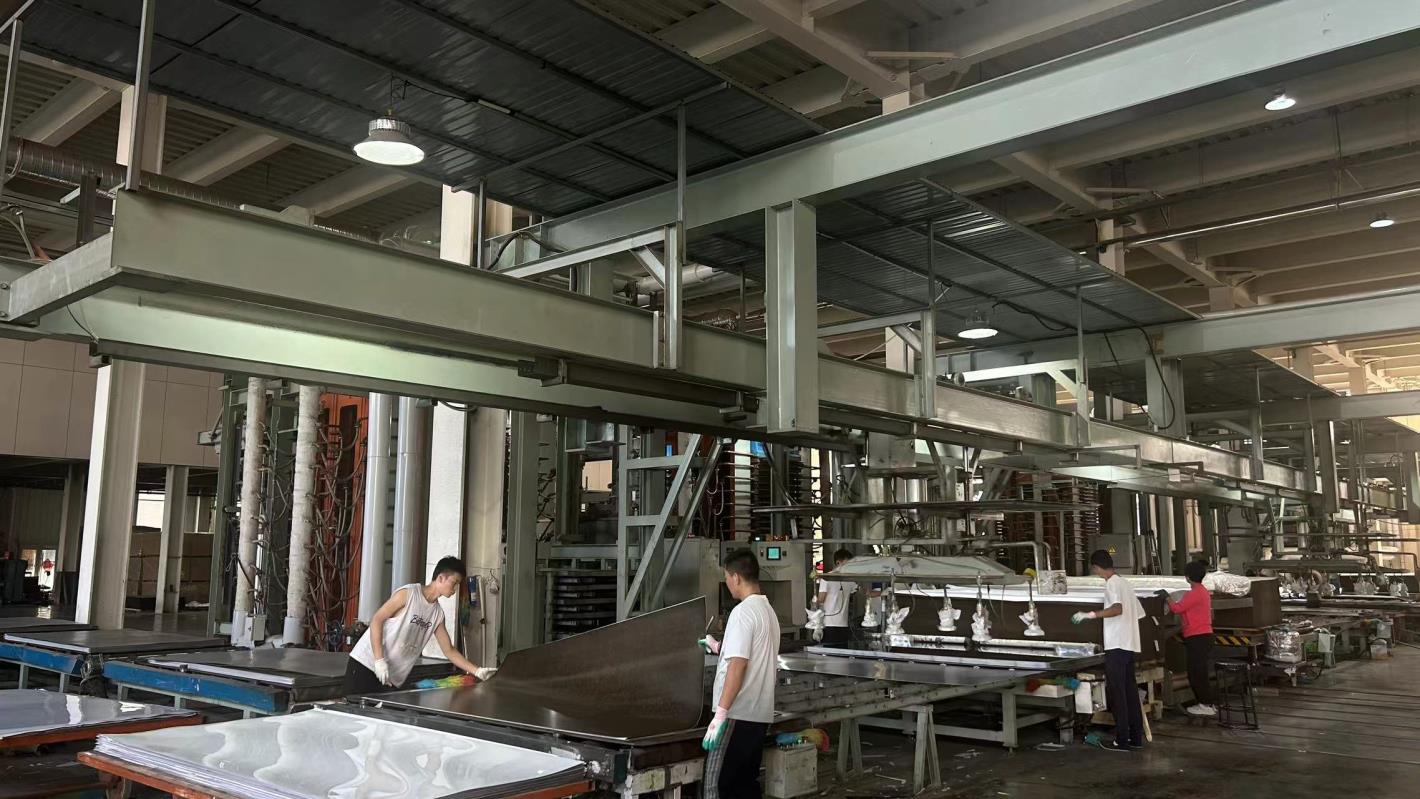
A verified trading company with nine years of industry experience, dedicated export staff and an on-site inspection approach.
Our team works with vetted partner mills in Linyi and coordinates material inspection and finished-product inspection before every shipment. For structural LVL lumber, that means checking the agreed construction, dimensions, surface condition, packaging and loading details. For mixed orders, we help buyers combine LVL with other panel categories to reduce freight costs and supplier administration.
Buyers can contact our team directly at info@fipdmplywoods.com with drawings, target specifications, quantities and destination market requirements. We will confirm what is feasible for the exact LVL construction and provide a clear quotation path.
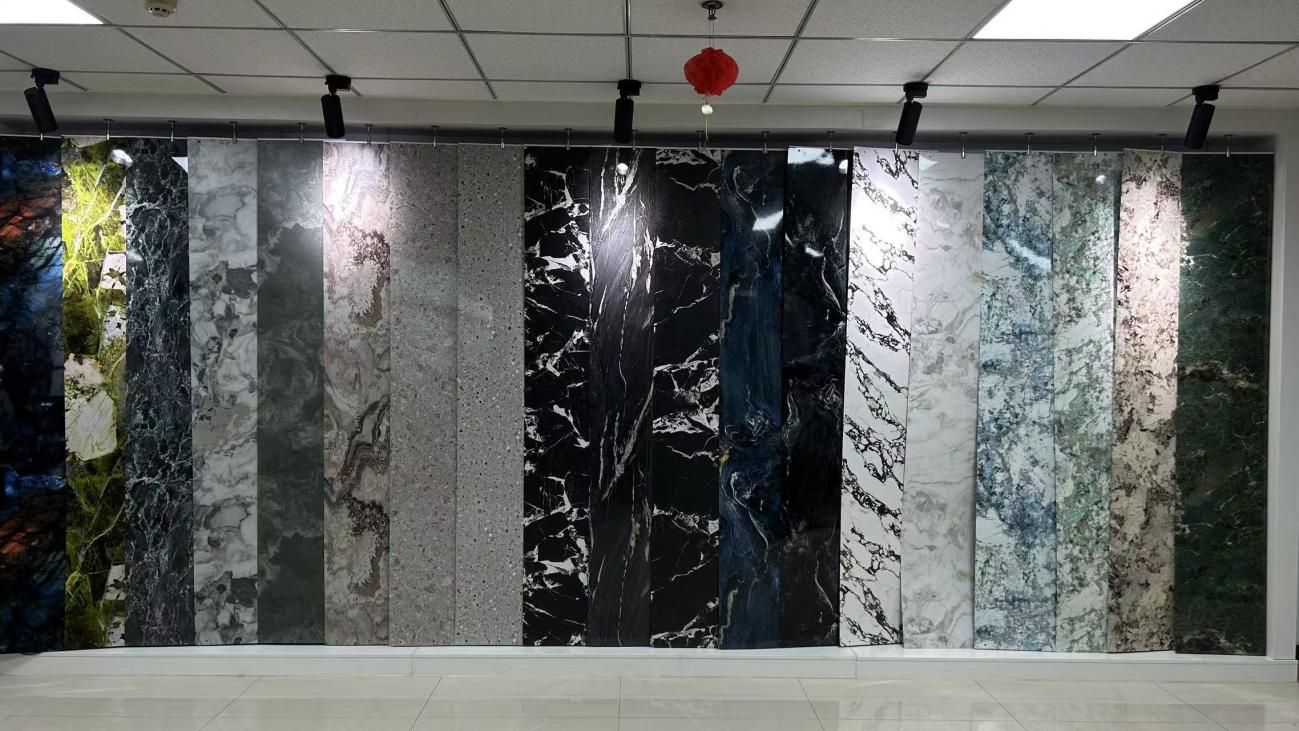
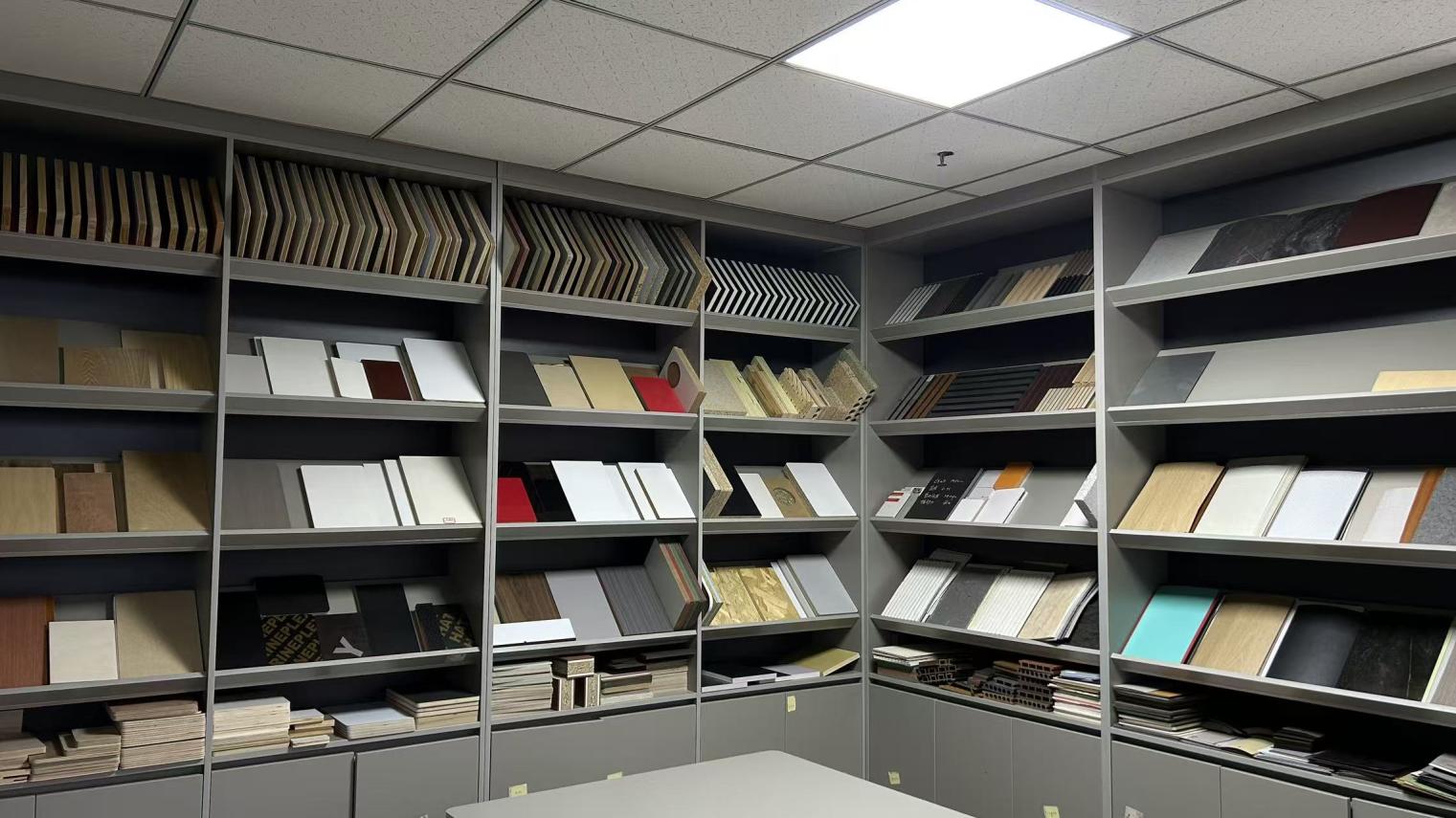
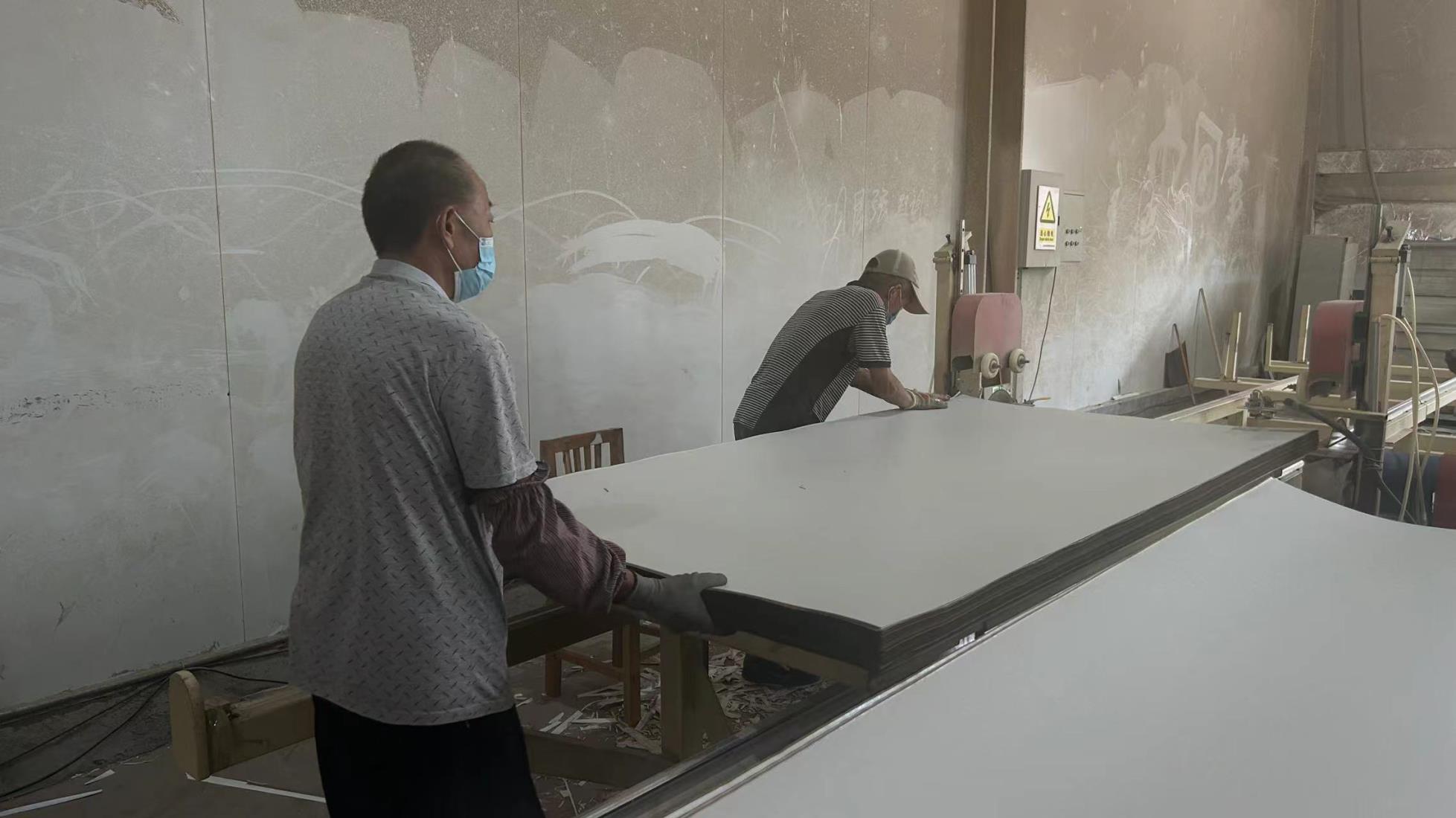
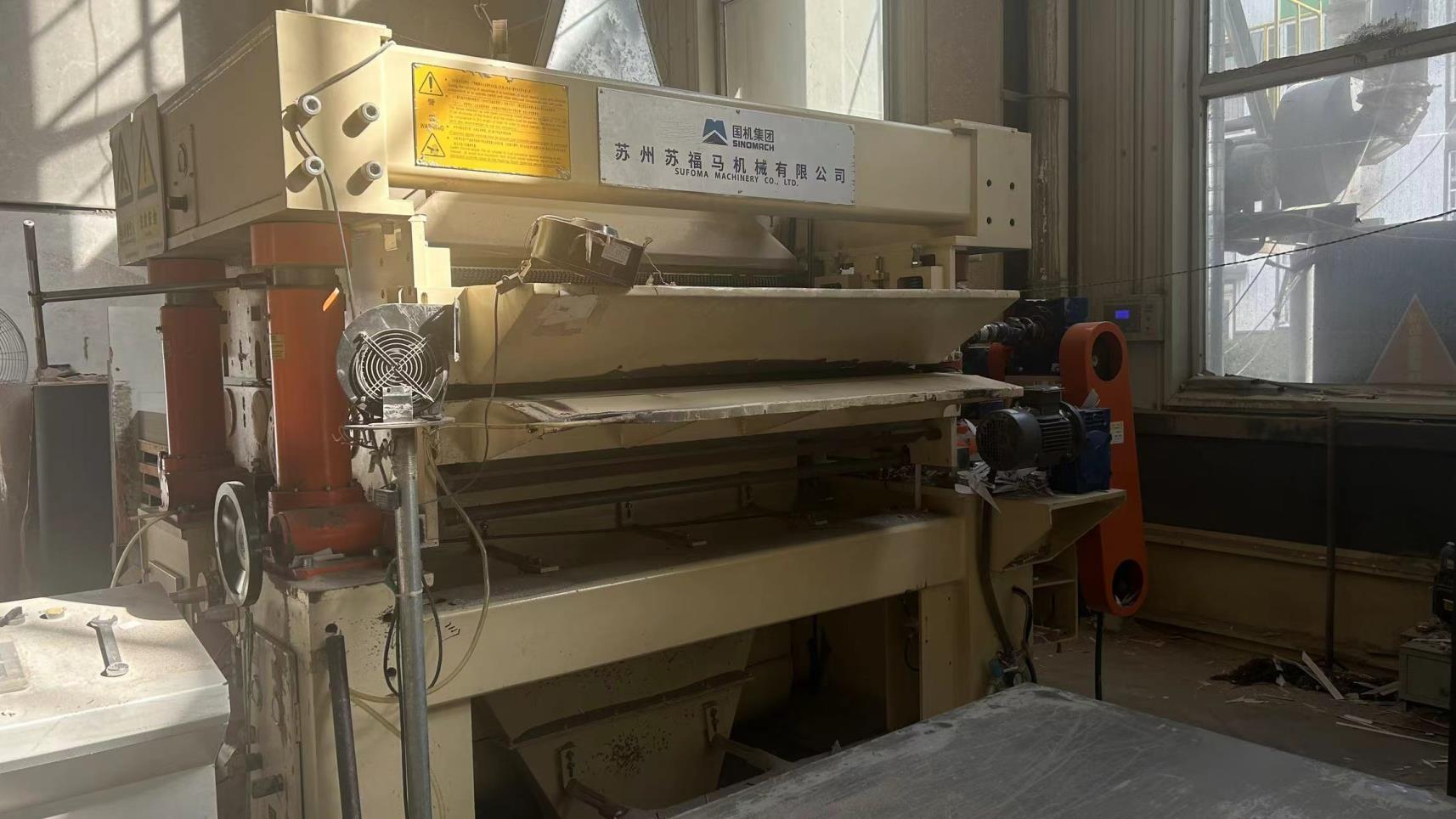
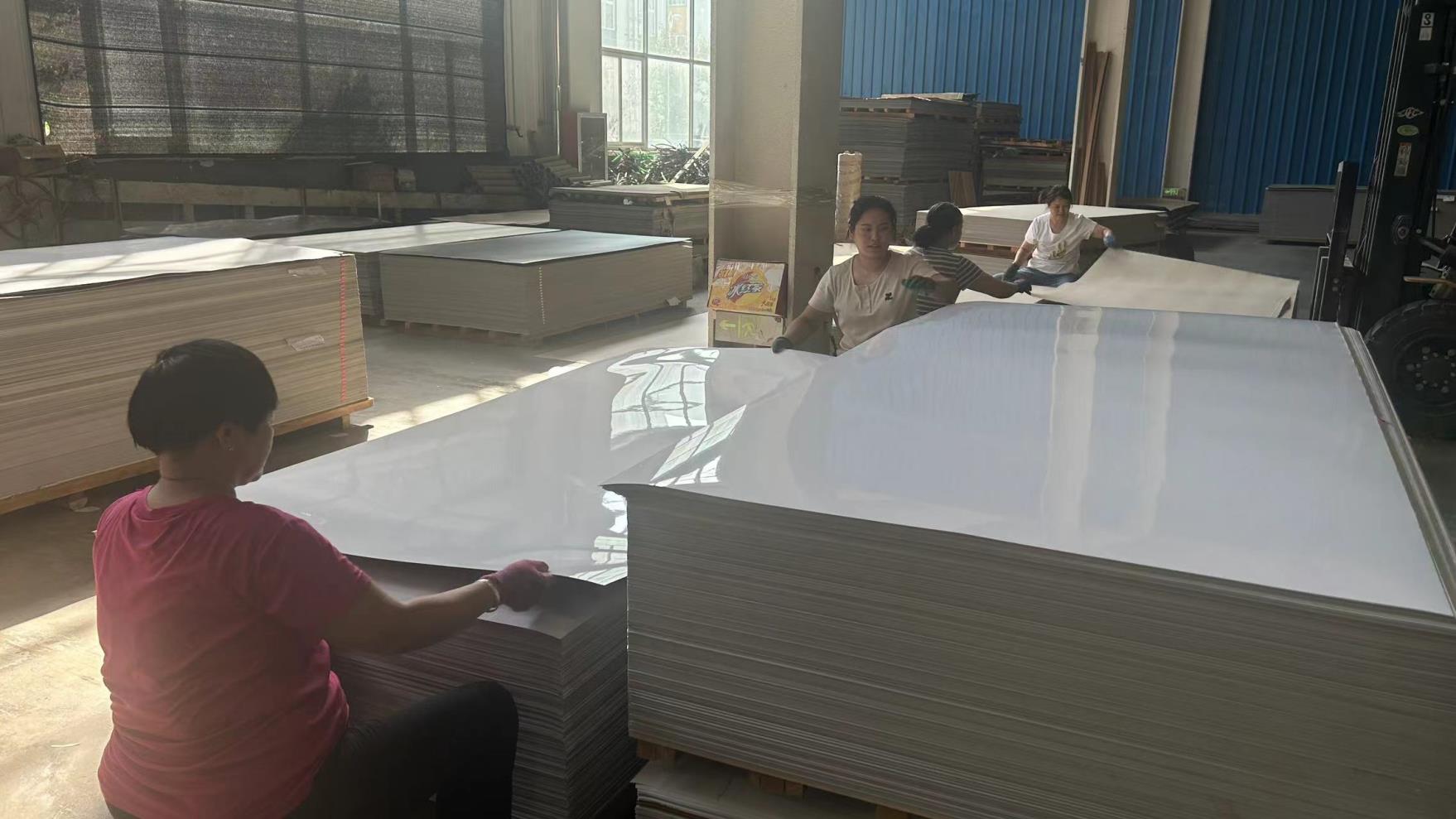
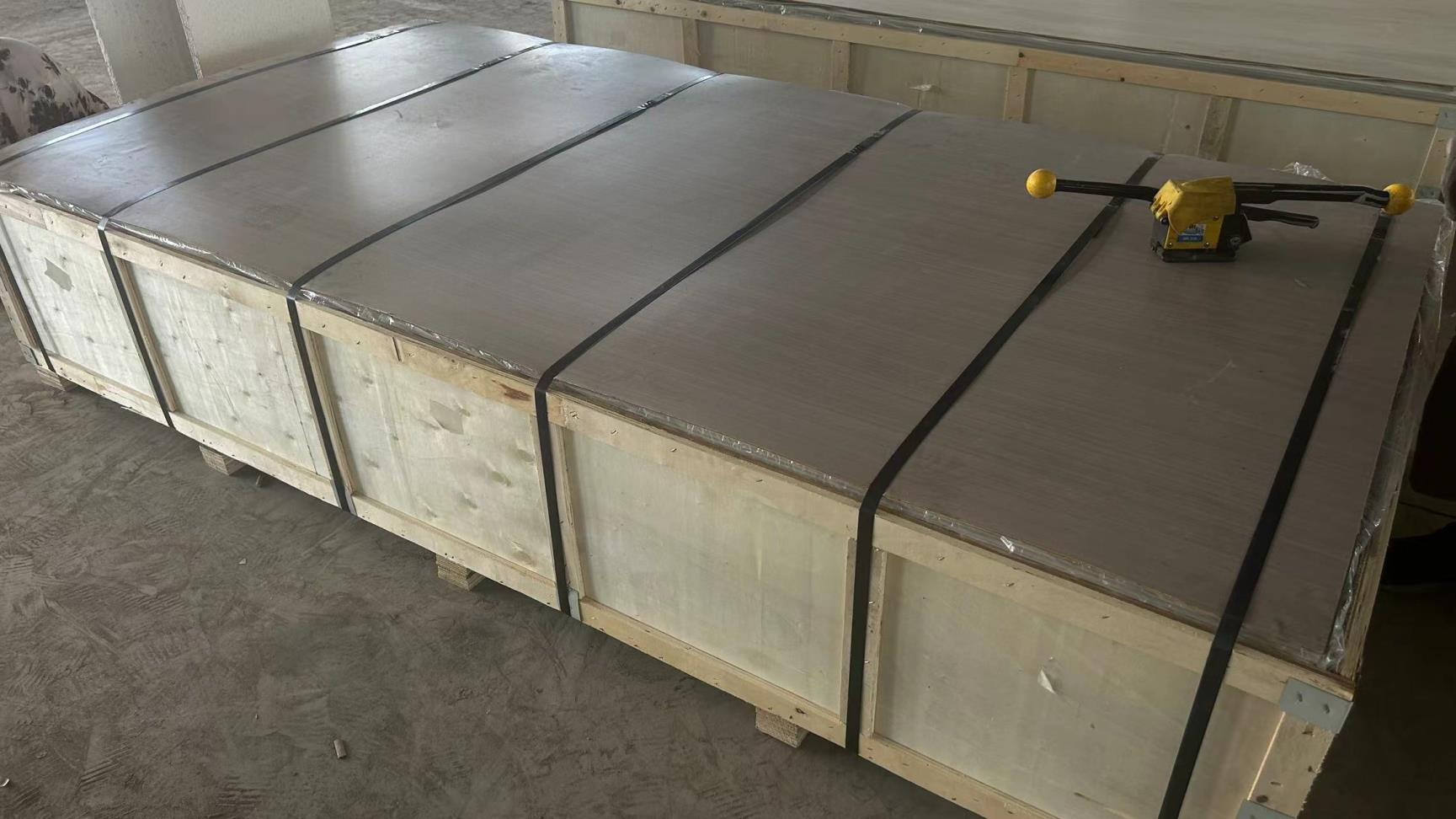
Warehouse stock, production checks, sample displays and container loading are part of the sourcing process. These images show the environment behind the product data and inspection steps.
These are the questions that commonly appear during AI-assisted research, supplier comparison and early-stage project sourcing. Clear answers help buyers prepare a more accurate inquiry.
Structural LVL lumber is used for beams, headers, lintels, floor joists, roof members, scaffold planks, furniture frames, bed slats and other engineered wood components. It is most useful where straightness, consistent dimensions and predictable machining behavior matter. For any load-bearing use, the final section size, connection detail and safety factor should be checked by a qualified engineer against the applicable building code.
There is no universal answer. Performance depends on veneer species, veneer grade, adhesive, density, manufacturing controls, dimensions and the direction of loading. LVL is engineered from parallel veneers to reduce natural defects and improve consistency along the length, but buyers should request product data and test reports for the exact construction being evaluated. Compare the proposed LVL with solid wood using the design values and standards that apply to your project.
Outdoor use depends on the adhesive system, end sealing, coating, drainage and exposure conditions. Exterior-grade or WBP adhesive options may be suitable for guarded outdoor applications such as scaffold planks, but not every LVL product is intended for weather exposure. The designer should confirm the exposure class and protection details, and the supplier should confirm the exact adhesive and treatment for the proposed application.
Plywood is generally made with alternating veneer grain directions, which gives it two-directional strength and panel behavior. Structural LVL uses primarily parallel veneers, so it is produced as a linear engineered wood component with high strength along the length. LVL is often used in beam, header, frame and plank forms, while plywood is more often used as a sheet product. The right choice depends on the structural role, connection design and installation method.
Specify the target market standard first, then confirm adhesive class, emission grade and moisture content range for the exact application. E1 is a common emission requirement, while lower-emission options may be available depending on the LVL construction and project volume. For exterior-adjacent use, discuss WBP or equivalent adhesive options. Moisture content should be agreed in relation to the destination climate, packaging and expected storage time. Linyi Fipdm Import And Export Co., Ltd. will confirm what is available for your required specification before quotation.
Yes, customization can be discussed around the application and order volume. Options may include cut-to-size sections, specific thickness and width, length tolerances, veneer species preference, machining, end treatment, logo packaging and pallet layout. We offer minor customization such as logo, packaging and graphics, as well as sample-based, design-based and full customization, plus ODM support. All custom details should be confirmed on a drawing or sample before bulk production.
Our process starts with material checks at the partner mill and continues with finished-product inspection before loading. Depending on the order, checks can cover agreed dimensions, surface condition, glue lines, moisture protection, edge condition, labeling, pallet packing and loading sequence. We share loading photos and export documentation with every shipment, and third-party inspection can be coordinated if your project requires it.
Email info@fipdmplywoods.com with the application, required section and length, quantity, veneer species preference, adhesive or emission requirement, surface or machining needs, packaging requirement, destination port and any target standard. If the LVL will be used structurally, include the design requirements or ask your engineer to review the supplier data. The more clearly the application is described, the faster Linyi Fipdm Import And Export Co., Ltd. can recommend a suitable construction and prepare a useful quotation.
Send your target section, length, application, emission requirement, quantity and destination market. Our export team will reply with practical options, inspection details and a clear quotation path.
info@fipdmplywoods.com