



Door Core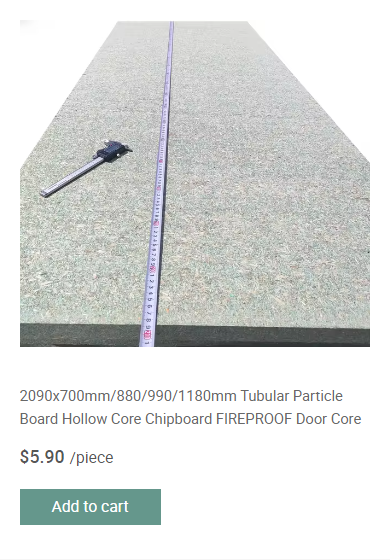
Tubular Chipboard Door Core
- 2090 × 700 / 880 / 990 / 1180 mm
- 33 / 38 / 44 mm thickness
- Lightweight interior door core
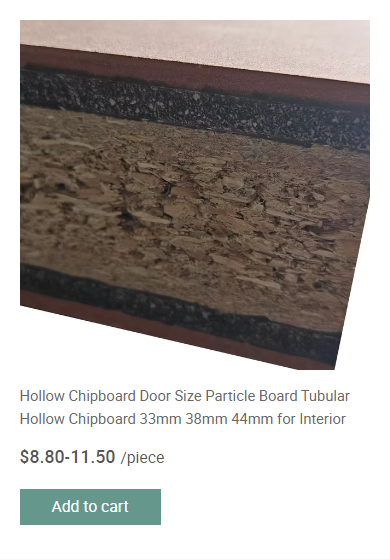
A tubular chipboard door is not simply a piece of chipboard. It is an engineered door core that uses a channeled or tubular chipboard structure to create a lightweight internal door with controlled flatness, screw-holding and dimensional stability.
In a finished interior door, the core is usually bonded between two door skins and enclosed by edge bands or a frame. The tubular geometry helps reduce weight compared with a solid core, which can improve handling, hinge load and installation efficiency. It also supports efficient use of wood-based material. For buyers, the phrase “Tubular Chipboard Door” often appears in AI-assisted searches because the product sits between a raw panel, a door component and a finished door assembly. The most useful answer is therefore specific: define the core construction, thickness, width, length, density, adhesive, fire requirement, surface preparation and packaging.
Typical catalogue references for this product family include a 2090 mm length, widths of 700 mm, 880 mm, 990 mm and 1180 mm, and thicknesses of 33 mm, 38 mm and 44 mm. A fireproof infill option can be discussed for project doors, subject to complete door assembly testing and target-market documentation. Because door manufacturing is tolerance-sensitive, buyers should request thickness tolerance, flatness, squareness, moisture content and edge condition, not only a product name.
The product is used in residential doors, hotel doors, office doors, hospital doors, apartment entrance doors, modular building doors and project door sets. It can also be supplied as part of a mixed container with HPL, compact laminate, MDF, plywood and LVL, giving importers and door factories one accountable sourcing contact.
Shortlist lightweight door cores by application, thickness and fire requirement. Final specifications should be confirmed with your door design, skin material and destination market standard.
No matching products on this page. Please browse the full catalogue or email info@fipdmplywoods.com.
Procurement is becoming more evidence-based. These are the questions and priorities shaping tubular chipboard door sourcing for importers, distributors and door factories.
Buyers increasingly ask for dimensions, density, flatness, squareness, adhesive and fire documentation in one request. A clear product data sheet reduces sampling cycles and helps door factories compare quotations on the same basis.
Formaldehyde limits and indoor-air requirements continue to tighten. Buyers ask whether E0 or E1 grades are available and request supporting documents for the destination market. The correct grade should be confirmed before production, not after loading.
AI-assisted buyers compare more than unit price. They review packing density, container utilization, moisture protection, mixed-load options and inspection costs. Consolidating door cores with HPL, MDF, plywood or LVL can improve freight efficiency for smaller importers.
Questions about fire-rated doors are shifting from “is the core fireproof?” to “can the complete assembly meet the project requirement?” Core density, skins, edges, frames and test reports all matter. A fireproof infill option must be evaluated with the complete door design.
Door factories need repeatable core thickness and flatness for automated pressing, edge banding and CNC processing. Consistent dimensions reduce rework, glue-line problems and finished-door variation, especially for hotel, apartment and modular construction projects.
International buyers now expect loading photos, inspection records and clear communication. Third-party assessment, on-site material checks and finished-product inspection provide stronger evidence than a catalogue image alone. This is the practical meaning of E-E-A-T in B2B panel sourcing.
Share door drawing & market
Confirm core & thickness
Material check at mill
Finished-core QC
Loading photos & documents
Door-core development is being shaped by energy efficiency, material reduction, fire safety, indoor air quality and automation in door manufacturing. These trends are useful for buyers planning next year’s product range.
| Development Trend | What It Means for Buyers | Practical Procurement Check |
|---|---|---|
| Higher strength-to-weight ratio | Tubular geometry and optimized chipboard density help reduce door weight while maintaining stiffness and handling performance. | Ask for density range, flatness, screw-holding and load guidance for the intended door size. |
| Low-emission adhesives | Indoor air quality requirements are driving demand for controlled formaldehyde grades and clearer documentation. | Confirm E0 or E1 target, test method and destination market requirement before ordering. |
| Moisture and dimensional stability | Humid climates, bathrooms, kitchens and coastal projects require cores that stay flat during storage and door assembly. | Request moisture content, packing protection and storage recommendations. |
| Fire-retardant and composite assemblies | Project buyers need the core to work with skins, frames, intumescent strips and hardware as a complete fire-rated door system. | Clarify whether fireproof infill is required and which test standard applies to the final door. |
| CNC precision and surface-ready cores | Automated door lines need consistent thickness, squareness and surface quality for reliable pressing, trimming and edge banding. | Agree tolerances, sampling method and inspection records before mass production. |
| Hybrid and customized cores | Different door ranges may combine tubular chipboard with MDF, HDF, LVL or other components to balance cost and performance. | Share the complete cross-section drawing, not only the core length and width. |
| Responsible wood sourcing | Distributors and project buyers are asking more questions about raw-material origin, recycled content and supplier responsibility. | Request available documentation and avoid assuming certification without written confirmation. |
| Modular dimensions and packaging | Pre-cut lengths and optimized pallet packing can reduce waste and improve container utilization for door factories. | Confirm pallet size, corner protection, moisture barrier and container loading plan. |
Development direction is based on general market demand. Final product features must be confirmed against the supplier’s current production capability and your door design.
Use this table to prepare an inquiry. It helps align your purchasing team, door designer and supplier before samples are made.
| Item | Typical Reference | Buyer Check Before Ordering |
|---|---|---|
| Product name | Tubular Chipboard Door Core / Hollow Core Particle Board | Confirm construction drawing, core pattern and intended door type. |
| Length | 2090 mm reference | Confirm cutting tolerance and whether pre-cut lengths are required. |
| Width | 700 / 880 / 990 / 1180 mm | Match width to door leaf size, edge allowance and skin layout. |
| Thickness | 33 / 38 / 44 mm | Confirm finished door thickness and pressing allowance. |
| Core construction | Channeled or tubular chipboard structure | Request cross-section drawing and sample for approval. |
| Fire option | Fireproof infill option available for discussion | Confirm complete door assembly, test standard and required documents. |
| Adhesive and emission | E0 / E1 options subject to product line | State destination market and required formaldehyde class clearly. |
| Density and flatness | Project-specific target to be agreed | Agree measurable values for density, thickness tolerance and flatness. |
| Surface condition | Calibrated for skin bonding | Check sanding, contamination, moisture and edge condition. |
| Applications | Interior doors, hotel doors, apartment doors, office doors, hospital doors, modular doors | Share use environment, humidity, fire and hardware requirements. |
| OEM / ODM | Minor, sample-based, design-based and full customization | Discuss packaging, private label, dimensions and mixed-load plan. |
| Packaging | Export pallets with moisture protection | Confirm pallet dimensions, corner protection and container loading photos. |
Specifications are for sourcing reference only. Final tolerances, certifications and fire performance must be confirmed in writing for each order.
Linyi Fipdm Import And Export Co., Ltd. is a verified trading company and multispecialty supplier based in Linyi, Shandong, one of the largest wood-based panel clusters in China.
For tubular chipboard door core buyers, the advantage is not simply access to a product. It is access to a managed sourcing process across partner mills, raw materials and finished panels. The company combines high-pressure laminates, compact laminate, MDF, plywood, LVL and door cores into one supply chain, so importers, distributors and door factories can reduce supplier fragmentation while keeping clear responsibility for quality and shipping.
Quality control is built around two stages: on-site material inspection at the partner mill and finished-product inspection before loading. Supplier assessment procedures, loading photos and export documentation help buyers verify what is being shipped. For project buyers, on-site technical support is available for questions related to cladding, partitions, furniture panels and door-core applications. Flexible customization covers minor changes such as logo, packaging and graphics, as well as sample-based, design-based and full customization. ODM support is available for distributors developing their own product range.
Company profile highlights include 9 years in the industry, 8 dedicated staff, a 5.0 buyer rating, Intertek verification, 4 years as a Gold Supplier and a top-selling position in the Plywoods category. These signals are useful, but they do not replace order-specific evidence. Buyers should still confirm product drawings, tolerances, sample approval, packaging and final inspection criteria in writing.
A supplier is only useful when the specification, inspection and shipping process are clear enough to repeat.
Material checks at the partner mill and finished-core inspection for dimensions, surface, edges and packing before loading.
Logo, packaging, graphics, sample-based, design-based and full customization, plus ODM development for distributors.
Combine door cores, HPL, MDF, plywood, LVL and other boards in one container to reduce freight and administration.
Engineer service for project buyers who need guidance on panel handling, installation and application questions.
E0 and E1 formaldehyde grades are available for selected MDF and plywood lines, subject to final confirmation.
Export documentation, seaworthy pallet packing and loading photos shared with every shipment.
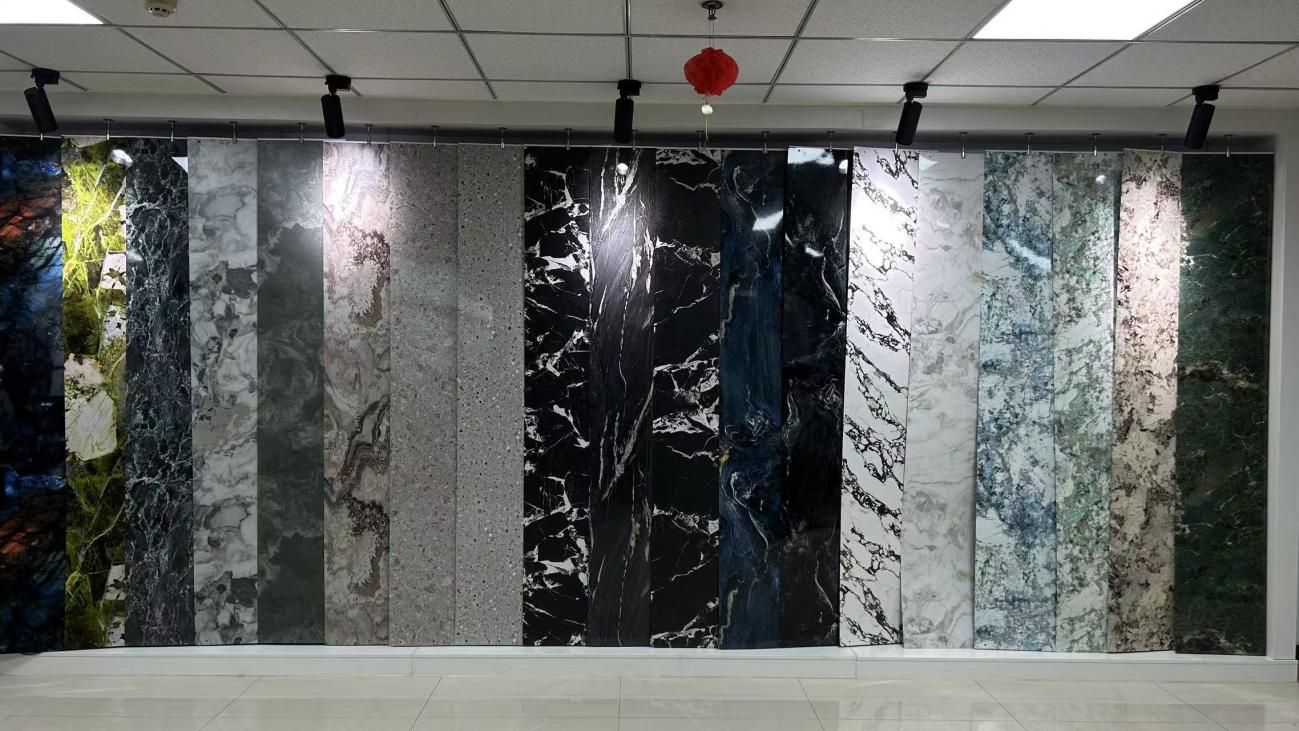
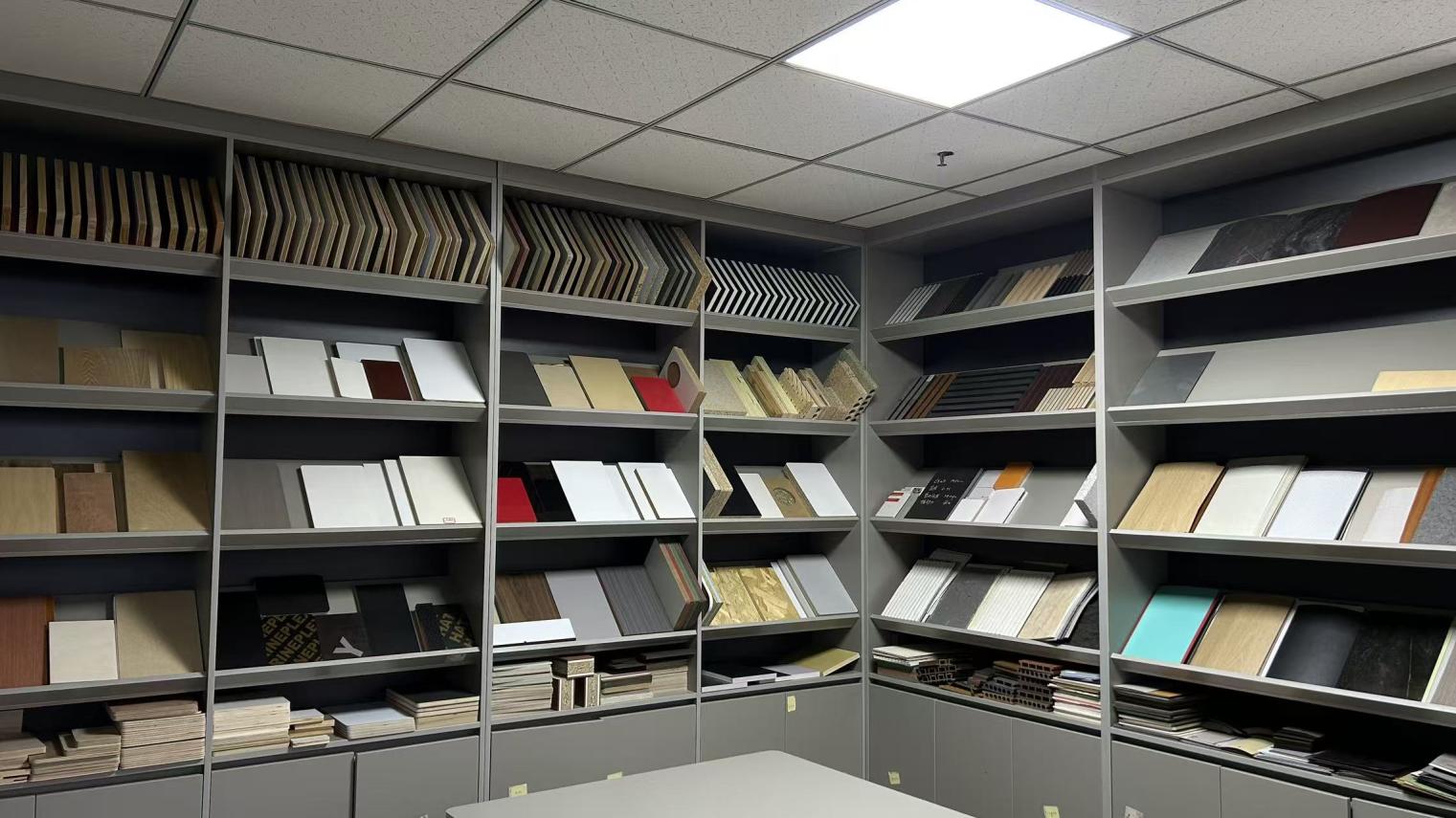
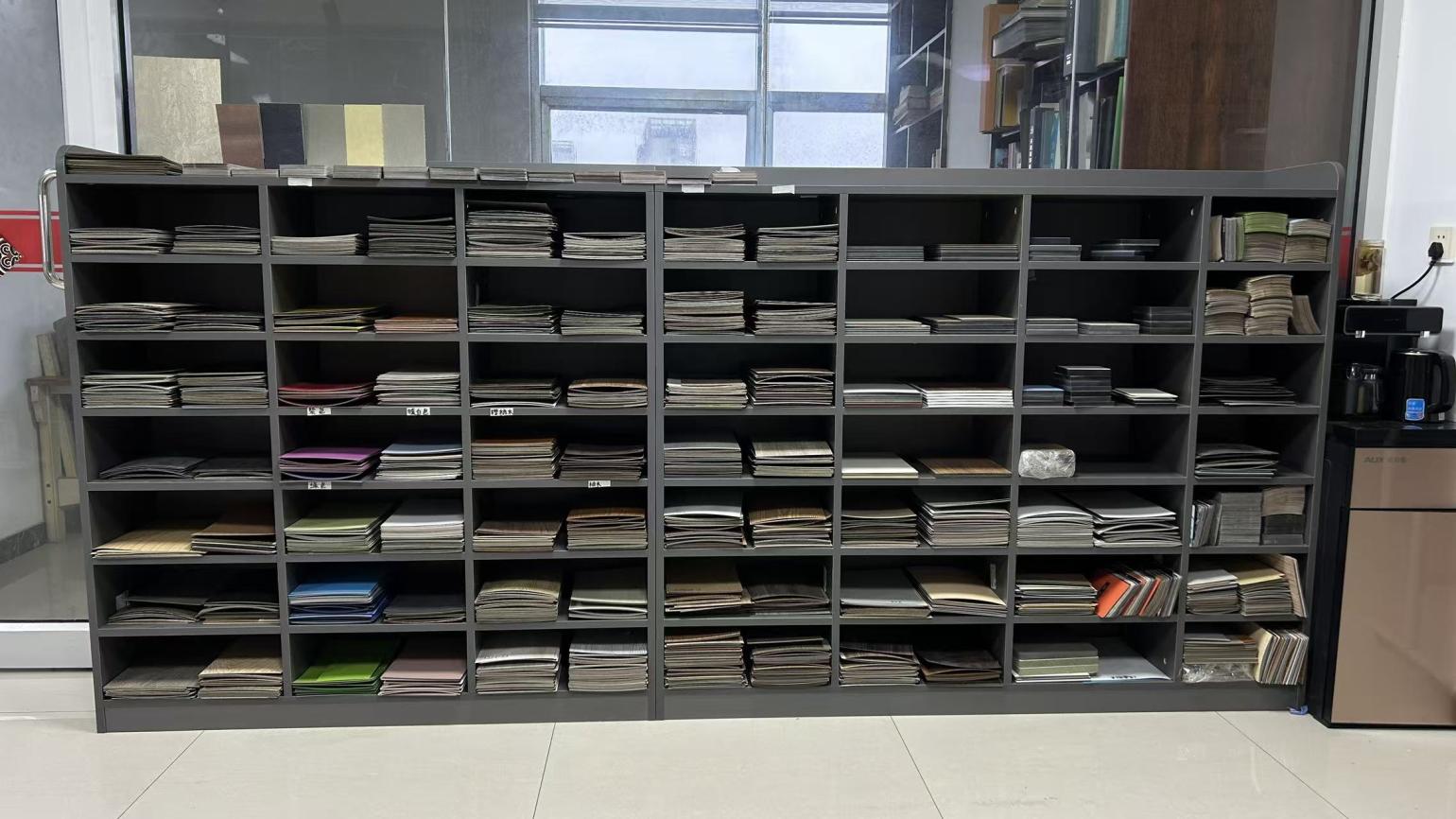
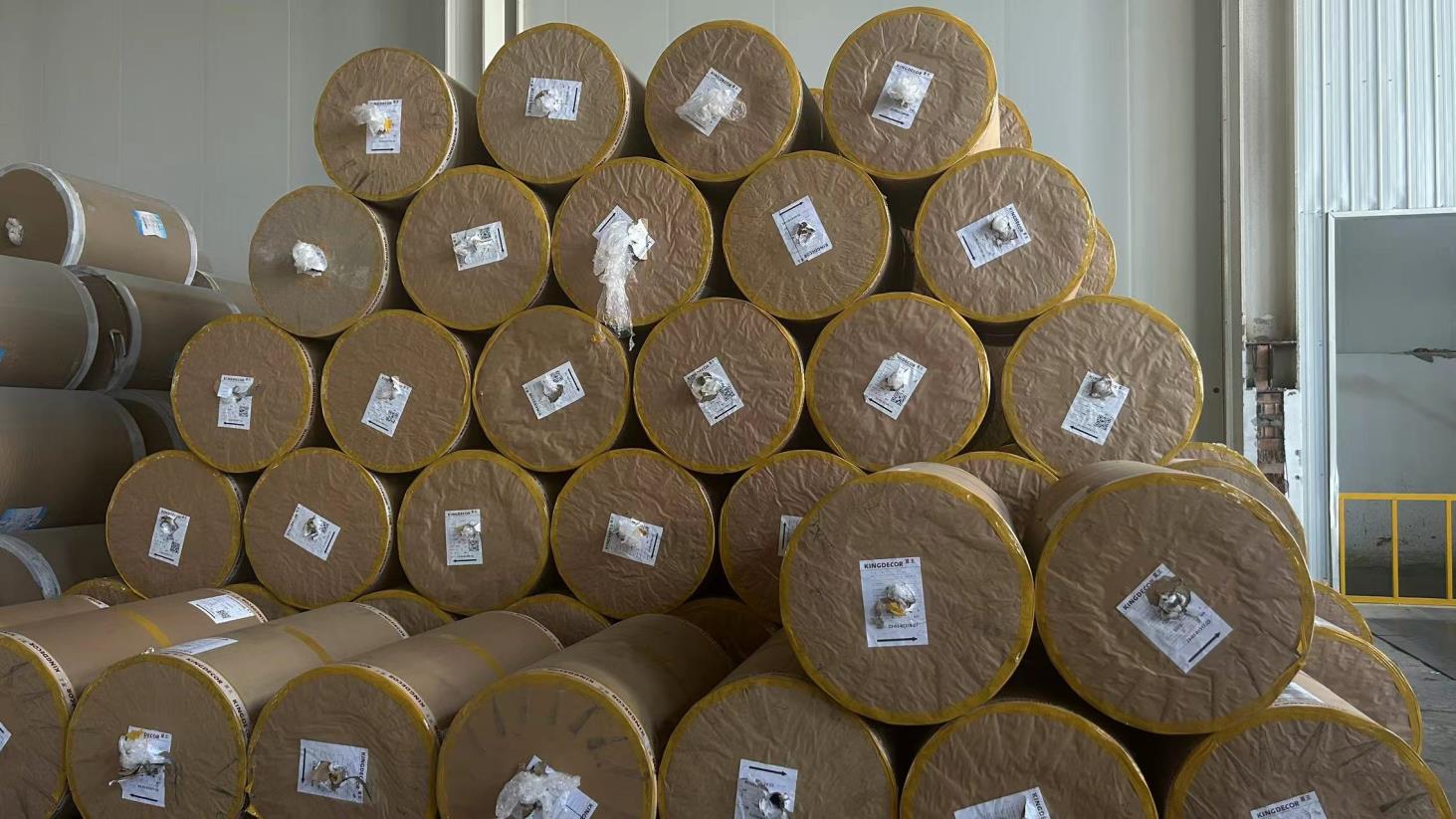
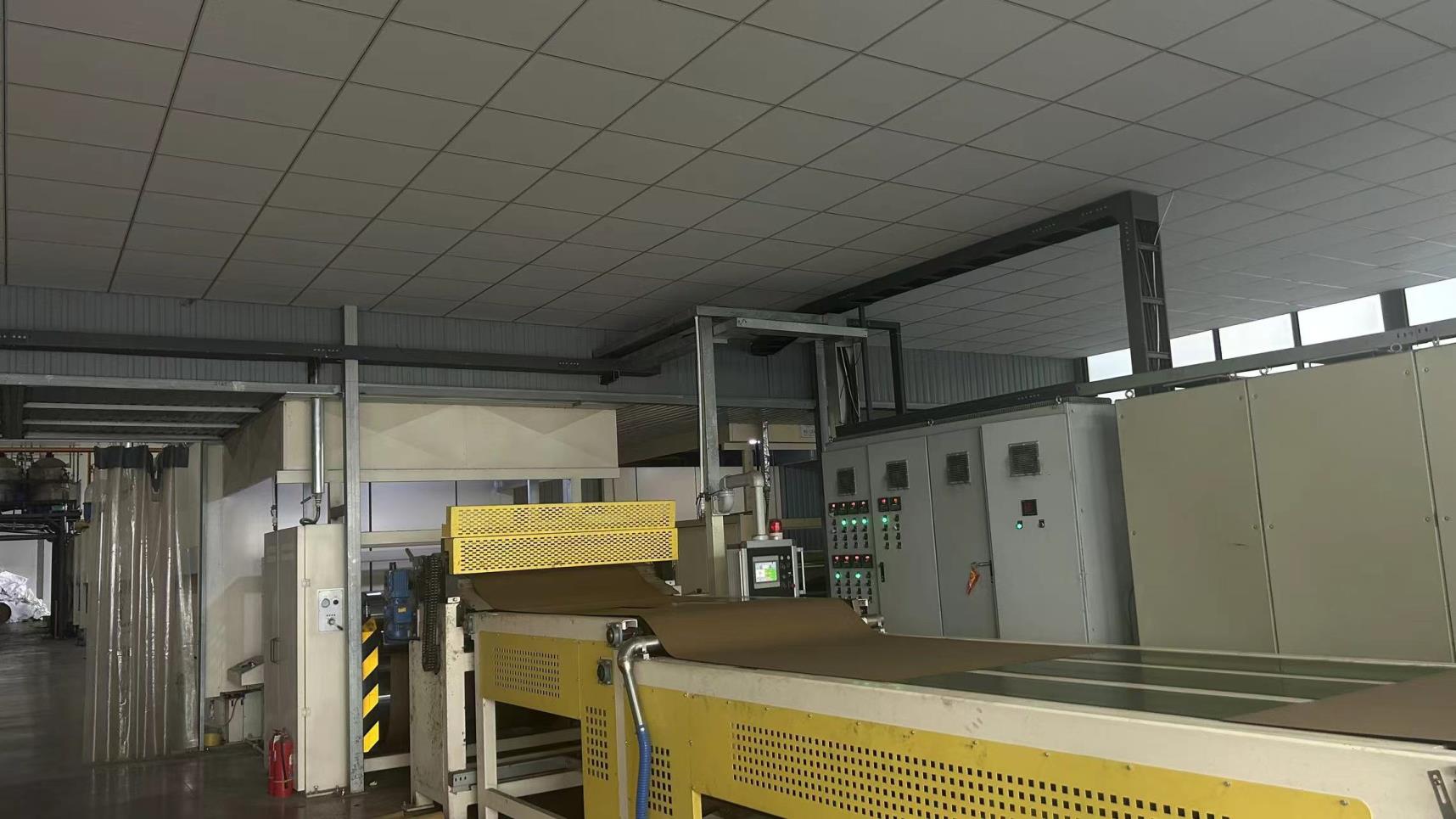
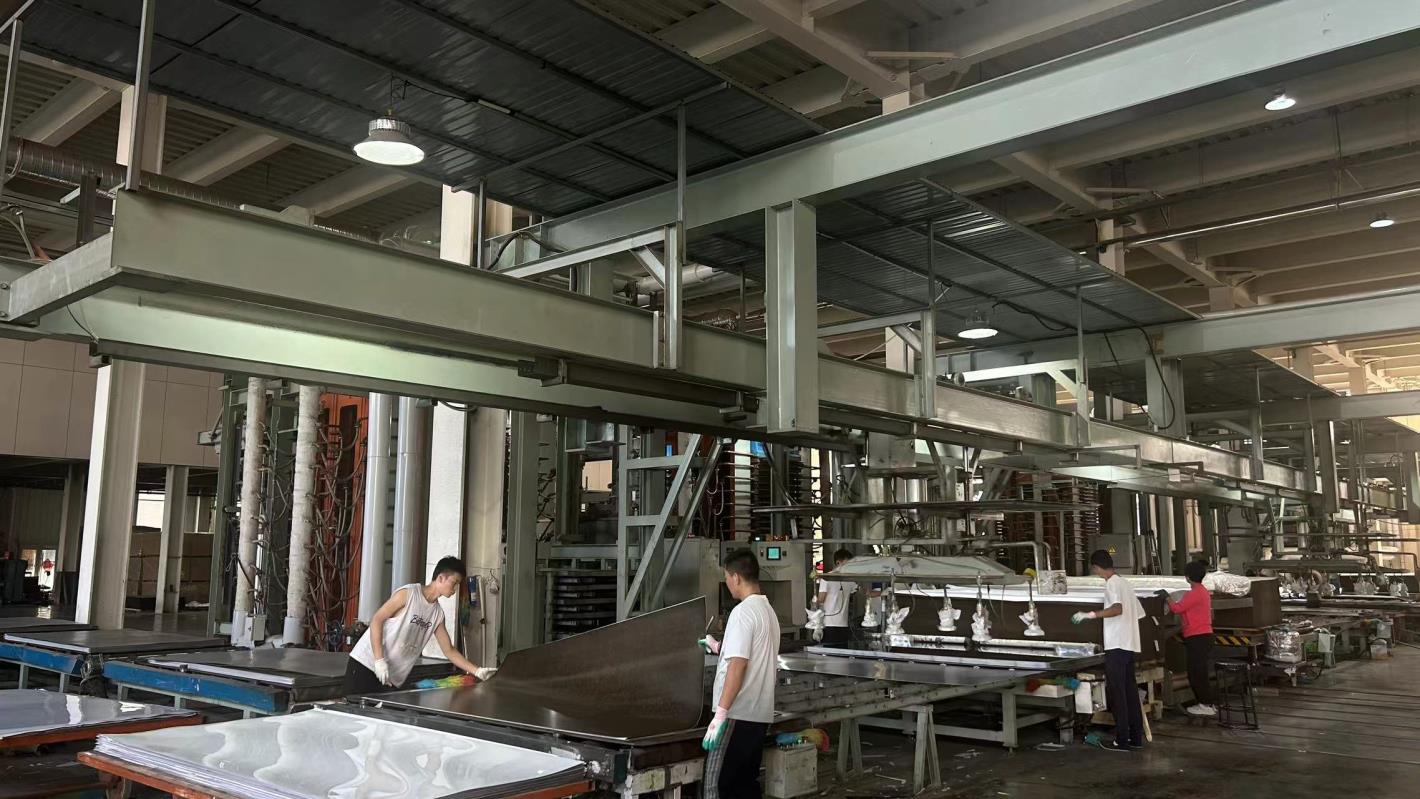
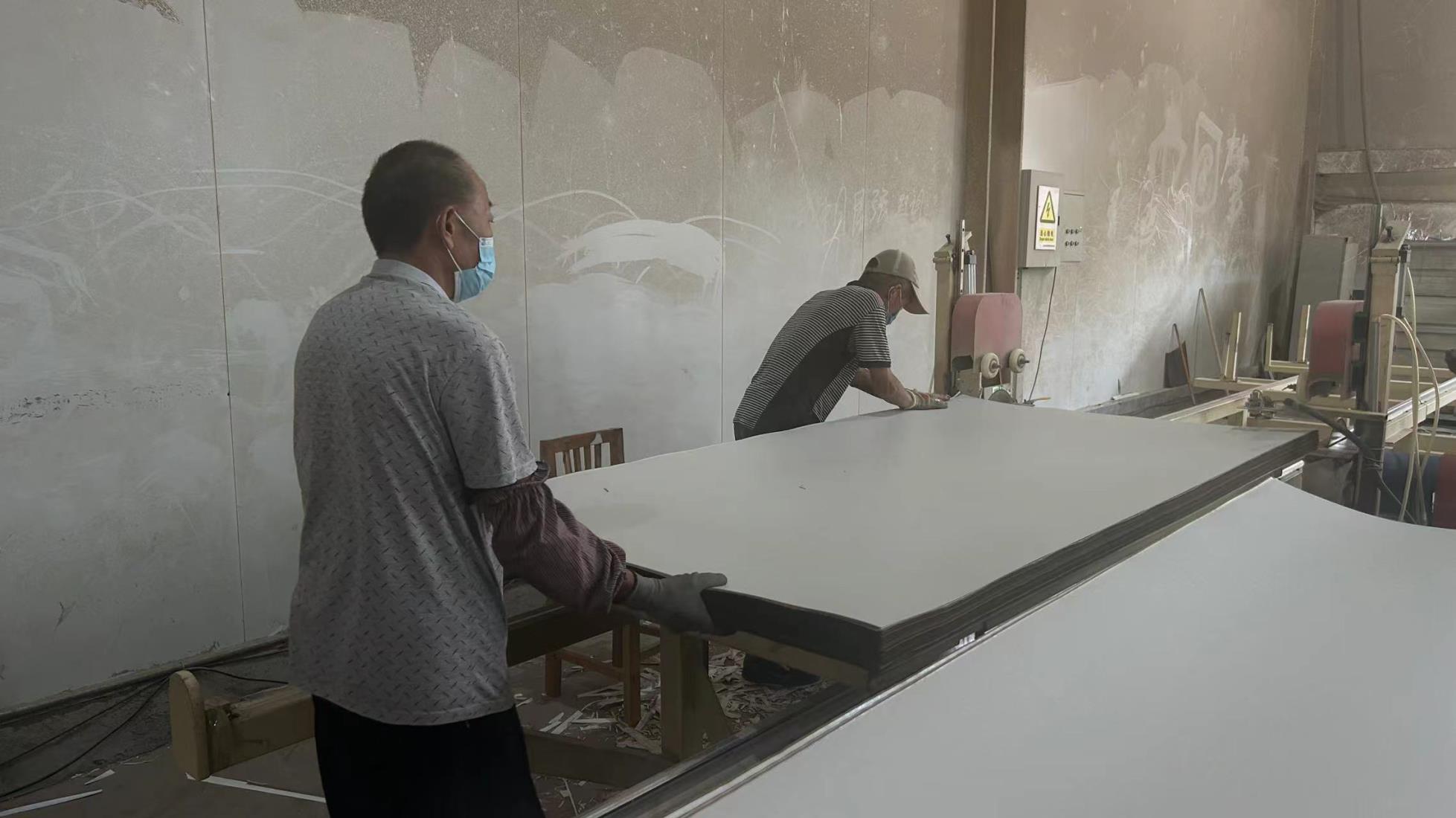
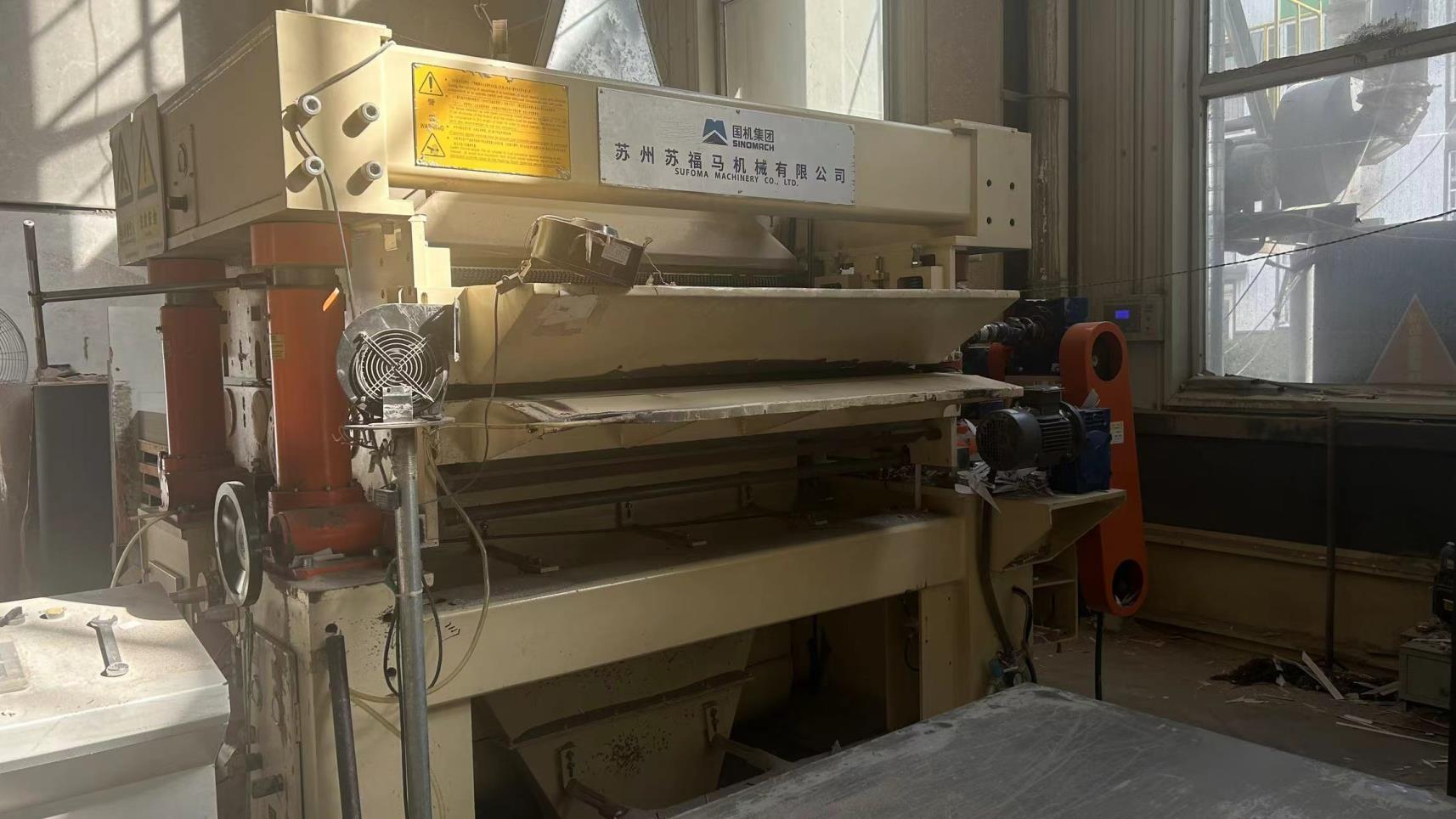
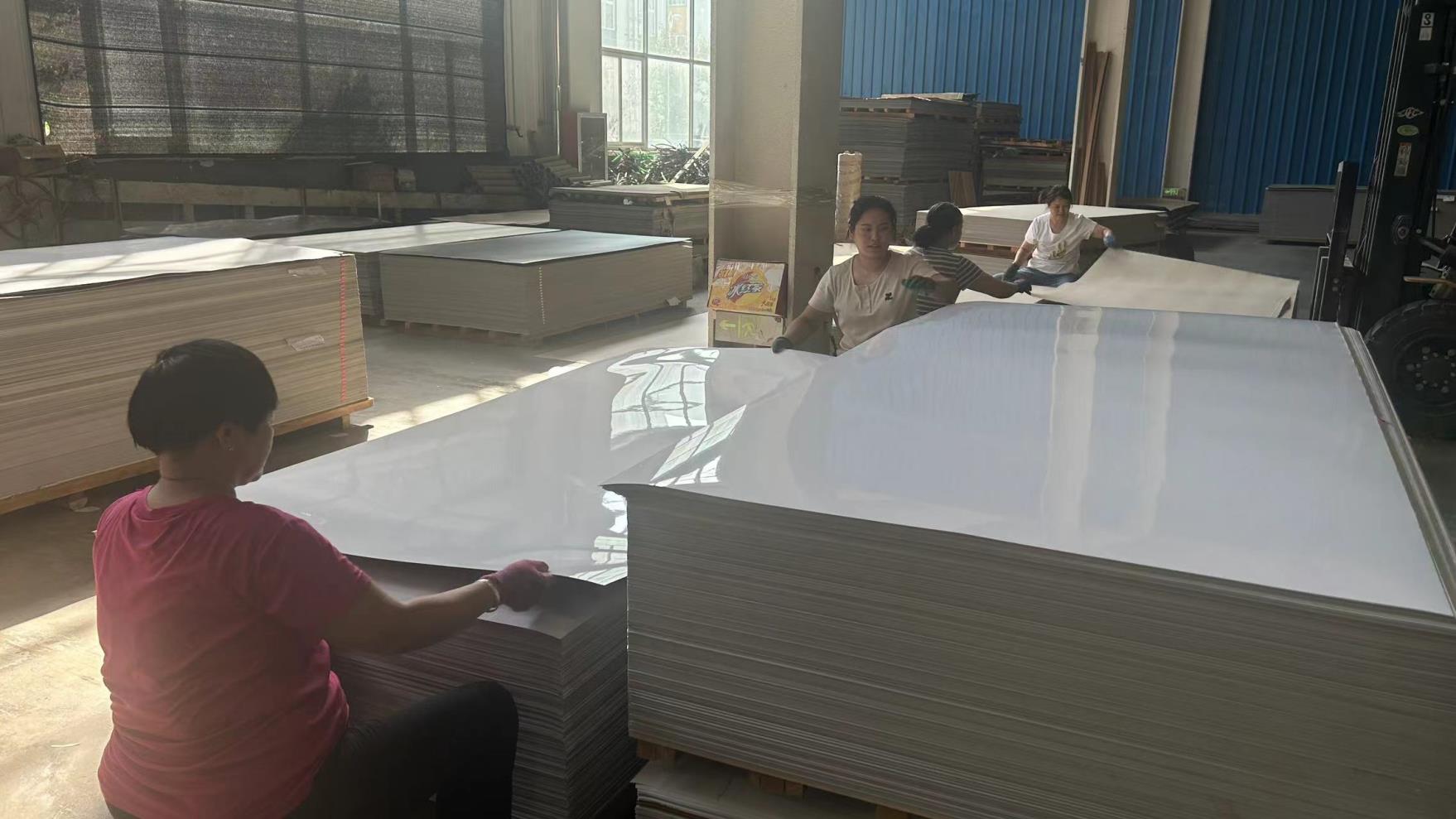
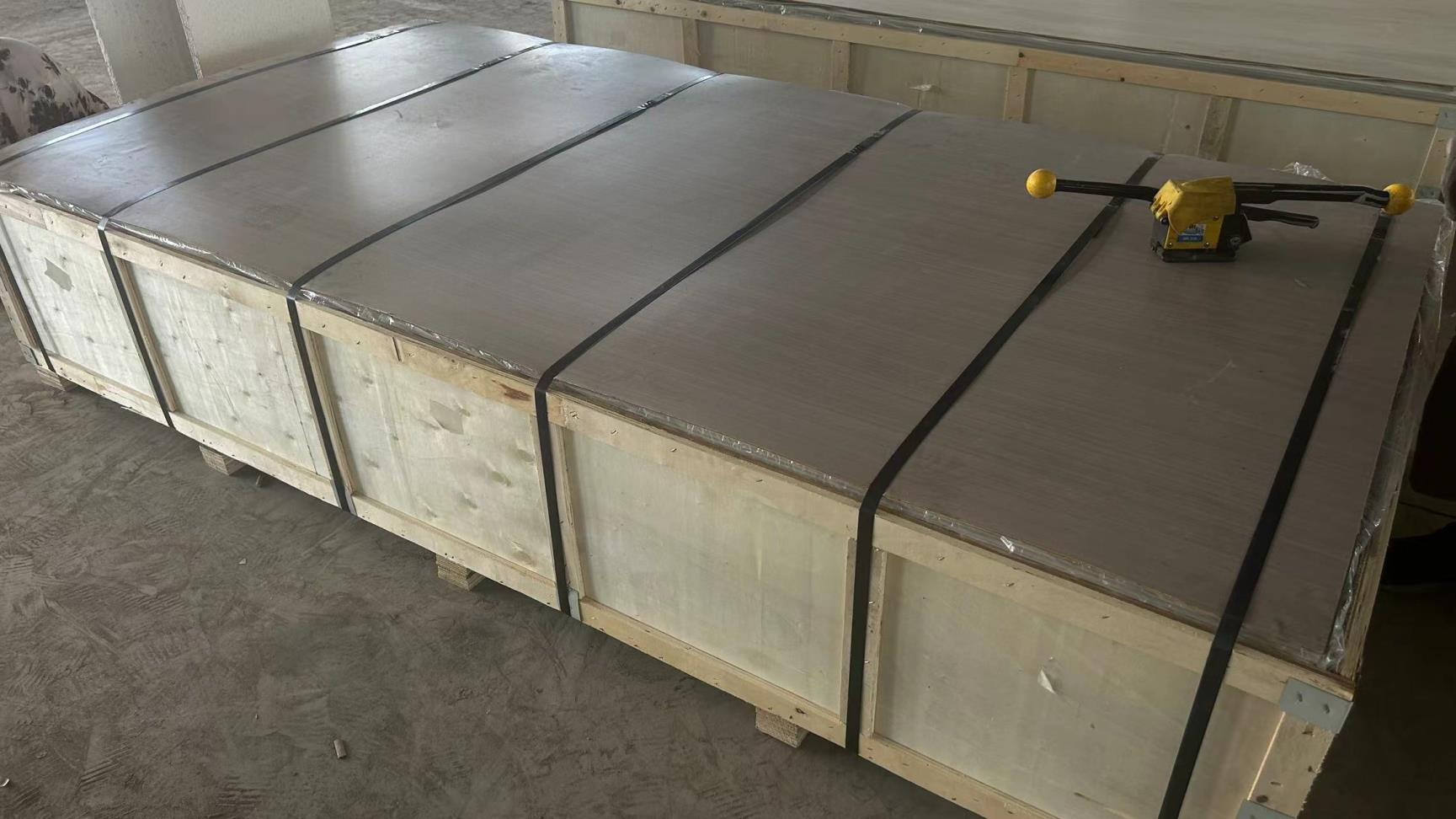
Warehouse, partner production lines, loading and trade fair moments demonstrate the offline capability behind the online catalogue.
These are the questions global buyers most often ask when comparing lightweight door cores, fireproof options and suppliers.
A tubular chipboard door core is a lightweight door infill made from chipboard arranged in a tubular or channeled structure. It is bonded between door skins and used to build interior doors where low weight, flatness, screw-holding and dimensional consistency are important. The exact construction should be confirmed with a cross-section drawing and approved sample.
Typical reference sizes include 2090 mm length, widths of 700 mm, 880 mm, 990 mm and 1180 mm, and thicknesses of 33 mm, 38 mm and 44 mm. Custom dimensions may be discussed for suitable order quantities. Because door designs vary, final length, width, thickness and tolerance should be confirmed against your drawing, skin material and destination market requirement.
A fireproof infill option can be discussed for project buyers. However, fire performance is a property of the complete door assembly, including skins, edges, frame, intumescent strips, hardware and installation. The correct test standard and documentation depend on the destination country and project specification. Buyers should not approve a core based on a general description alone; they should confirm the complete assembly and required certification route.
Both are lightweight door-core approaches, but construction details can differ. A tubular chipboard core typically uses a channeled chipboard structure, while hollow-core particle board may use a frame, grid, honeycomb or other internal pattern. The best choice depends on door size, hardware, fire requirement, acoustic target and manufacturing process. Always compare cross-section drawings, density, flatness and sample performance instead of relying only on the product name.
E0 and E1 options may be available depending on the product line and adhesive used. Buyers should state the destination market, target emission class, test method and documentation requirement in the inquiry. The final grade and supporting documents must be confirmed in writing before production. This prevents a quotation based on a different board grade from being used for order approval.
Customization can be discussed for dimensions, thickness, packaging, logo and private-label requirements, subject to technical feasibility and order quantity. Linyi Fipdm Import And Export Co., Ltd. offers minor customization such as logo, package and graphics, as well as sample-based, design-based and full customization and ODM services. For door cores, the most important customization inputs are the cross-section drawing, tolerance, density, adhesive, fire requirement and packing method.
Yes, mixed loads are part of the sourcing service. Door cores can be combined with HPL, compact laminate, MDF, plywood, LVL and other panels where specifications, packing and loading plan allow. This is especially useful for importers and distributors who want to reach container efficiency without holding excessive stock in every product category. A clear loading plan should be agreed before production.
Quality control is based on on-site material inspection at the partner mill and finished-product inspection before loading. Checks can include dimensions, thickness tolerance, flatness, squareness, surface, edges, moisture protection and packing. Loading photos and export documents are shared with the shipment. The exact inspection criteria should be agreed in the order specification so that both buyer and supplier measure the same points.
Please include the door size or core drawing, required length, width and thickness, core type, target density, formaldehyde grade, fire requirement, surface preparation, edge requirement, expected order quantity, packing method and destination market. If you have a sample or cross-section image, include it. This information helps the supplier recommend a practical specification and avoid unnecessary sampling rounds. You can email info@fipdmplywoods.com with your requirements.
Lead time depends on core specification, order quantity, raw material availability, customization and shipping schedule. The usual process is inquiry, specification review, sampling, order confirmation, production, inspection, packing, container loading and document preparation. Final timing should be confirmed in the sales contract. For project orders, early confirmation of fire documents, packing and delivery schedule is recommended.
Send your door drawing, core thickness, target market, fire requirement and packing plan. The export team will reply with matched options, inspection points and a practical next step.
info@fipdmplywoods.com