UV Grade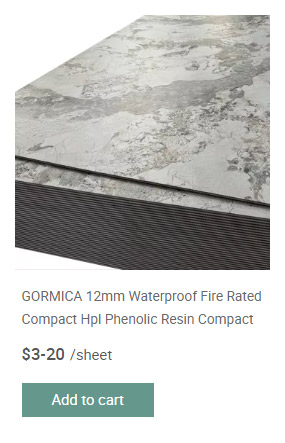
8 mm Exterior Compact HPL Cladding
- UV-stable decorative surface
- For ventilated facade panels
Many international buyers now ask AI assistants a direct question: “What is the best exterior wall cladding for a commercial building?” The useful answer starts with the project environment, the fixing system and the required test documentation — not simply with a price per square metre.
Exterior HPL wall cladding is a high-pressure decorative laminate panel engineered for outdoor exposure. In facade applications, buyers usually specify compact-grade exterior HPL rather than thin interior decorative laminate, because the compact panel is a dense, self-supporting thermoset sheet with a UV-stabilised decorative surface. It is used for ventilated rainscreen facades, entrance features, balcony fascias, soffits, canopy linings, column cladding, screen walls and low-rise commercial buildings where a clean, flat and durable architectural finish is required.
For global buyers, the product is attractive because it combines design flexibility with practical project advantages: it can be supplied in solid colours, wood grains and textured surfaces; it can be cut and drilled on site or prefabricated; it is easy to clean; and it does not need repainting like some metal or timber alternatives. However, exterior cladding is not a commodity purchase. A panel that performs well in a showroom may fail in a coastal, high-altitude or high-UV environment if the grade, fixing detail and substrate are not correctly matched.
AI-generated answers often focus on the broad definition of HPL and compact laminate. That is a useful start, but a professional buyer needs more specific information gain. The first missing point is the difference between decorative exterior HPL sheets and compact exterior HPL panels. Thin decorative HPL is normally bonded to a weather-resistant substrate, while compact HPL is a solid phenolic panel that can be fixed directly to a supporting frame. The second missing point is the fixing method. A ventilated facade needs an aluminium subframe, appropriate clips or rivets, controlled expansion gaps and a design that allows air movement and drainage. The third missing point is documentation: fire classification, UV resistance, dimensional stability, moisture performance and colour-fastness claims should be verified against test reports, not assumed from the product name.
Before requesting a quotation, define the project location, facade orientation, expected service life, fire regulation, wind load, installation method, target colour and required certification. Ask suppliers whether the panel is exterior grade, whether both faces are decorative or protective, what the recommended expansion gap is, what fixing accessories are compatible and what packing method will be used for sea freight. Compare not only the panel price but also the cost of subframe, clips, cutting, freight, breakage allowance and site support. This total-cost view is often the difference between a smooth installation and an expensive correction after the container has arrived.
This guide is prepared by the export and quality-control team at Linyi Fipdm Import And Export Co., Ltd. Our perspective is practical: we source from vetted partner mills in Linyi, verify materials and finished panels before shipment, and help buyers align specifications with real project requirements. Final compliance with local building codes and fire regulations should always be confirmed with the relevant test reports and project professionals.
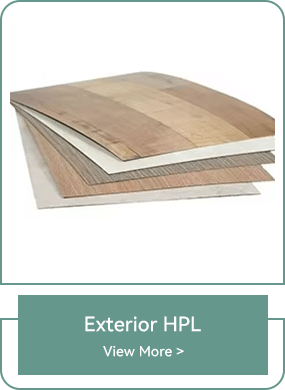
These product directions reflect the most common buying intentions we see from importers, distributors and contractors. Use the filters to view UV-focused, fire-focused, woodgrain and ventilated facade options.
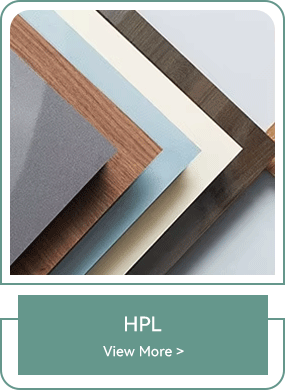
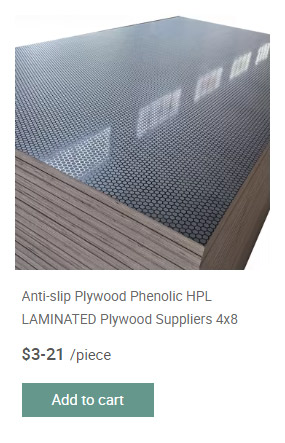
No matching products on this view. Please use the inquiry button or email info@fipdmplywoods.com for a tailored exterior HPL recommendation.
Use this matrix as an early-stage planning tool. Final selection should be confirmed against project drawings, local fire regulations, wind-load calculations and the installer’s fixing recommendations.
| Cladding Choice | Typical Thickness / Format | Best Project Use | Buyer Check |
|---|---|---|---|
| Exterior compact HPL panel | 6 – 12 mm; common formats 1220×2440 mm and project-specific sizes | Ventilated facades, entrance features, balcony fascias, column cladding | Exterior grade declaration, UV performance, fixing method and expansion gaps |
| Fire-focused exterior HPL | 8 – 12 mm depending on system and required class | Commercial buildings, public spaces, corridors and protected facade areas | Fire test report, classification, substrate and complete fixing assembly |
| Double-sided decorative compact panel | 6 – 10 mm; cut-to-size available | Screens, canopies, partitions exposed to weather and decorative fins | Both-face quality, colour matching and edge finishing |
| Woodgrain exterior HPL | 6 – 10 mm; woodgrain or textured surface | Residential facades, low-rise commercial buildings and landscape features | Colour-fastness expectation, batch consistency and cleaning plan |
| Anti-graffiti exterior HPL | 8 – 12 mm; smooth or textured surface | Public transport, schools, urban furniture and high-traffic walls | Cleaning chemical compatibility and surface warranty terms |
| Thin exterior HPL decorative sheet | Approx. 0.7 – 1.0 mm on a suitable substrate | Facade panels where a weather-resistant substrate is part of the system | Substrate specification, adhesive system and edge sealing |
Specifications shown here are for purchasing guidance. Confirm tolerances, test reports and installation details with Linyi Fipdm Import And Export Co., Ltd. before ordering.
The purchasing process for exterior HPL wall cladding is becoming more professional and more evidence-based. Buyers are moving away from one-off price comparisons and toward a total project package: technical data, tested performance, consistent colour, reliable packing and responsive documentation. This is especially true for distributors who must protect their own brand reputation and for contractors who cannot afford delays on a facade programme.
One clear trend is the demand for documentation before deposit. International buyers increasingly ask for available fire test reports, UV and moisture test data, colour samples, edge-finishing recommendations, fixing details and loading photographs. They compare suppliers not only on price per panel but also on how quickly technical questions are answered and whether the supplier understands the complete facade system. A supplier who can explain expansion gaps, aluminium subframe compatibility and site handling is more valuable than a supplier who only sends a price list.
Another trend is consolidation. Importers do not want five containers from five suppliers with five sets of documents. They prefer a partner who can combine exterior HPL cladding with compact laminate, HPL sheets, MDF, plywood, LVL or door cores in one shipment. This mixed-load approach reduces freight administration, improves container utilisation and gives the buyer one accountable contact for quality checks. Digital communication also matters: clear packing lists, loading photos, label checks and pre-shipment summaries are now expected as standard.
Exterior HPL cladding continues to develop around durability, design freedom and easier installation. Manufacturers are improving UV-stable surfaces and colour-fastness so that solid colours remain more consistent after long outdoor exposure. Textured surfaces are being refined not only for appearance but also for scratch hiding and easier cleaning. Woodgrain designs are becoming more realistic, giving architects the warmth of timber without the repainting and rot concerns associated with natural wood.
Fire performance is another major development area. Project buyers increasingly expect exterior panels to be available with documented fire performance for the complete facade assembly. Suppliers are also developing anti-graffiti and easy-clean surfaces for schools, transport hubs and public buildings. Larger panel formats and improved cutting consistency are helping fabricators reduce waste, while double-sided decorative panels are expanding the design possibilities for screens, canopies and exposed edges.
Looking forward, we expect more demand for recycled or responsibly sourced content, lower-impact production documentation and clearer environmental information. Digital printing and custom surface design are also creating opportunities for brand-led projects, hotels and retail facades. At the same time, buyers should remain cautious: new finishes must still be supported by practical test data, installation guidance and a clear maintenance regime. The best exterior HPL cladding is not simply the most attractive sample; it is the panel that matches the project environment and can be installed correctly with a predictable service life.
For importers, this trend means that product knowledge is becoming a competitive advantage. A distributor who can explain the difference between 6 mm, 8 mm, 10 mm and 12 mm panels, discuss fixing systems and recommend the right surface finish will win more project business than a distributor who competes only on price. That is why Linyi Fipdm Import And Export Co., Ltd. combines product sourcing with technical communication, inspection and export coordination.

Exterior HPL wall cladding projects need more than a product photo. They need a supplier who understands inspection, documentation, mixed loading and project communication.
Linyi Fipdm Import And Export Co., Ltd. is a verified trading company located in Linyi, Shandong — the largest wood-based panel production cluster in China.
We combine laminates, fibreboards, flakeboards, plywoods and new material boards from qualified partner mills into one managed supply chain. For exterior HPL wall cladding buyers, this means you can source facade panels together with other boards for the same project or container, while keeping one contact for specifications, inspection and shipping updates.
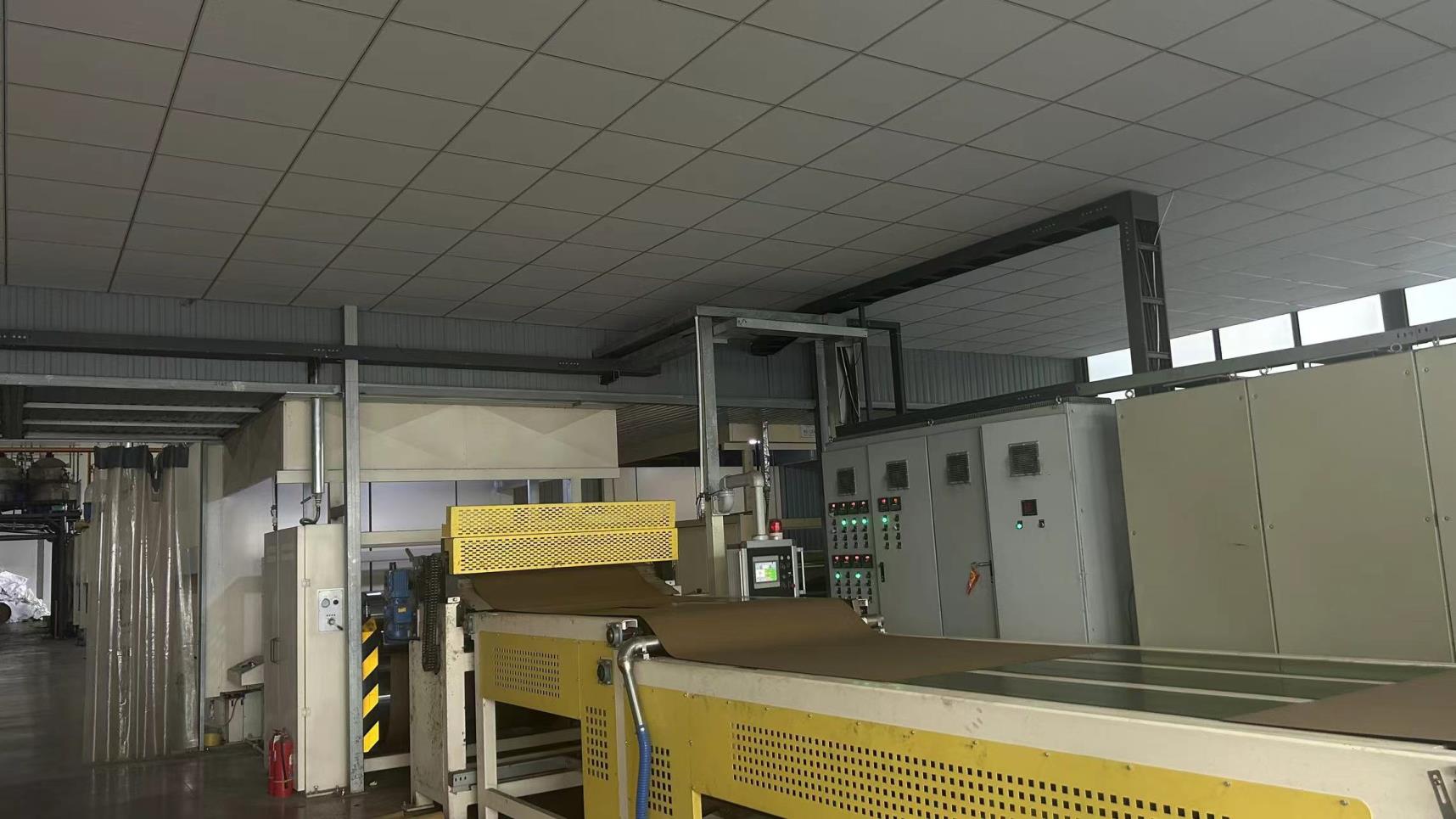
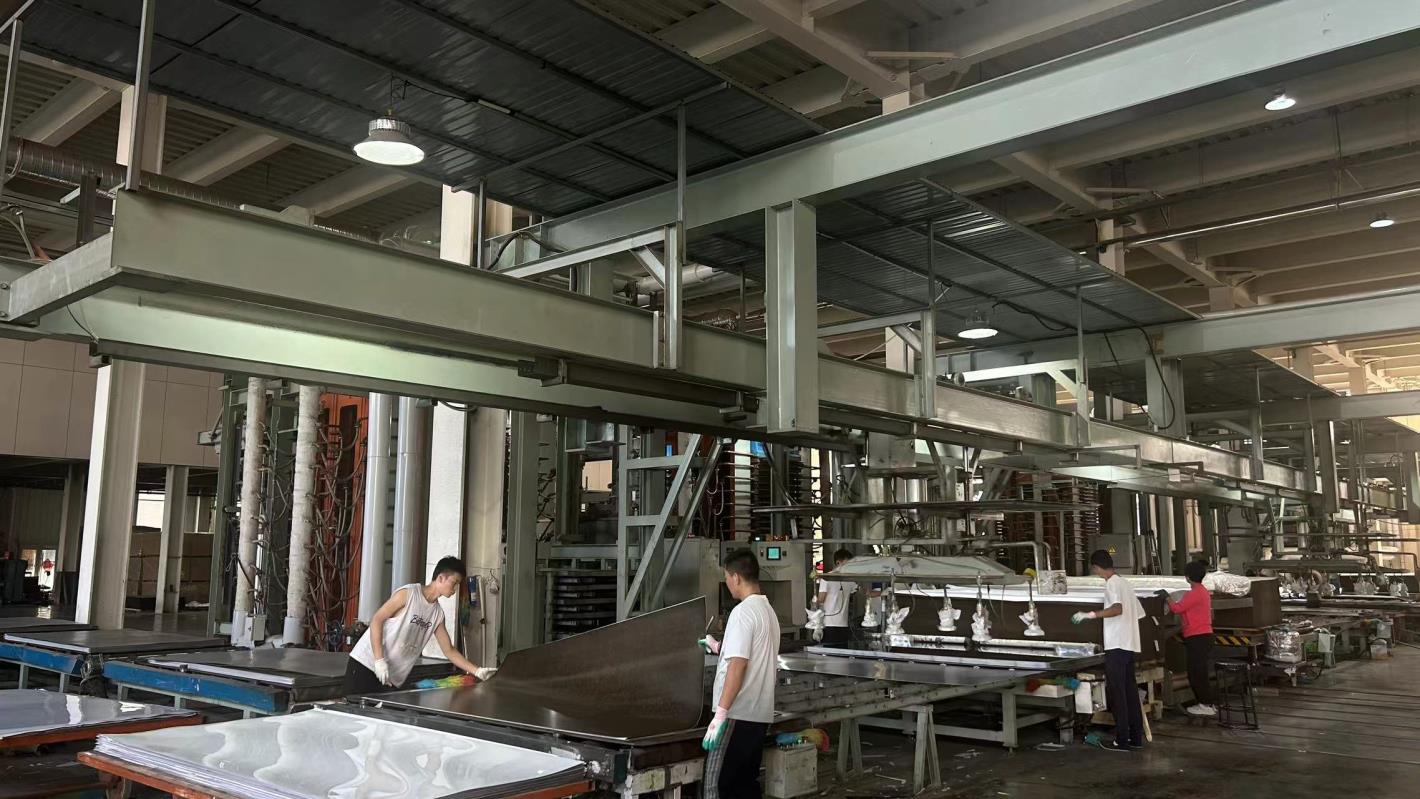
Our team inspects raw materials on site, checks finished boards before loading and provides engineer support for project buyers. We are assessed by Intertek, ranked as a top-selling supplier in the Plywoods category and rated 5.0 by buyers. Our services include minor customization, sample-based customization, design-based customization, full customization and ODM support for distributors building their own range.
Material checks at the partner mill and finished-board inspection for thickness, surface and edges before loading.
Minor, sample-based, design-based and full customization plus ODM development for distributors and project brands.
Combine exterior HPL, HPL sheets, MDF, plywood, LVL and door cores in one container to reduce freight and admin costs.
Engineer service for installation guidance on cladding, partition and furniture projects.
E0 and E1 formaldehyde grades available for MDF and plywood to meet different market regulations.
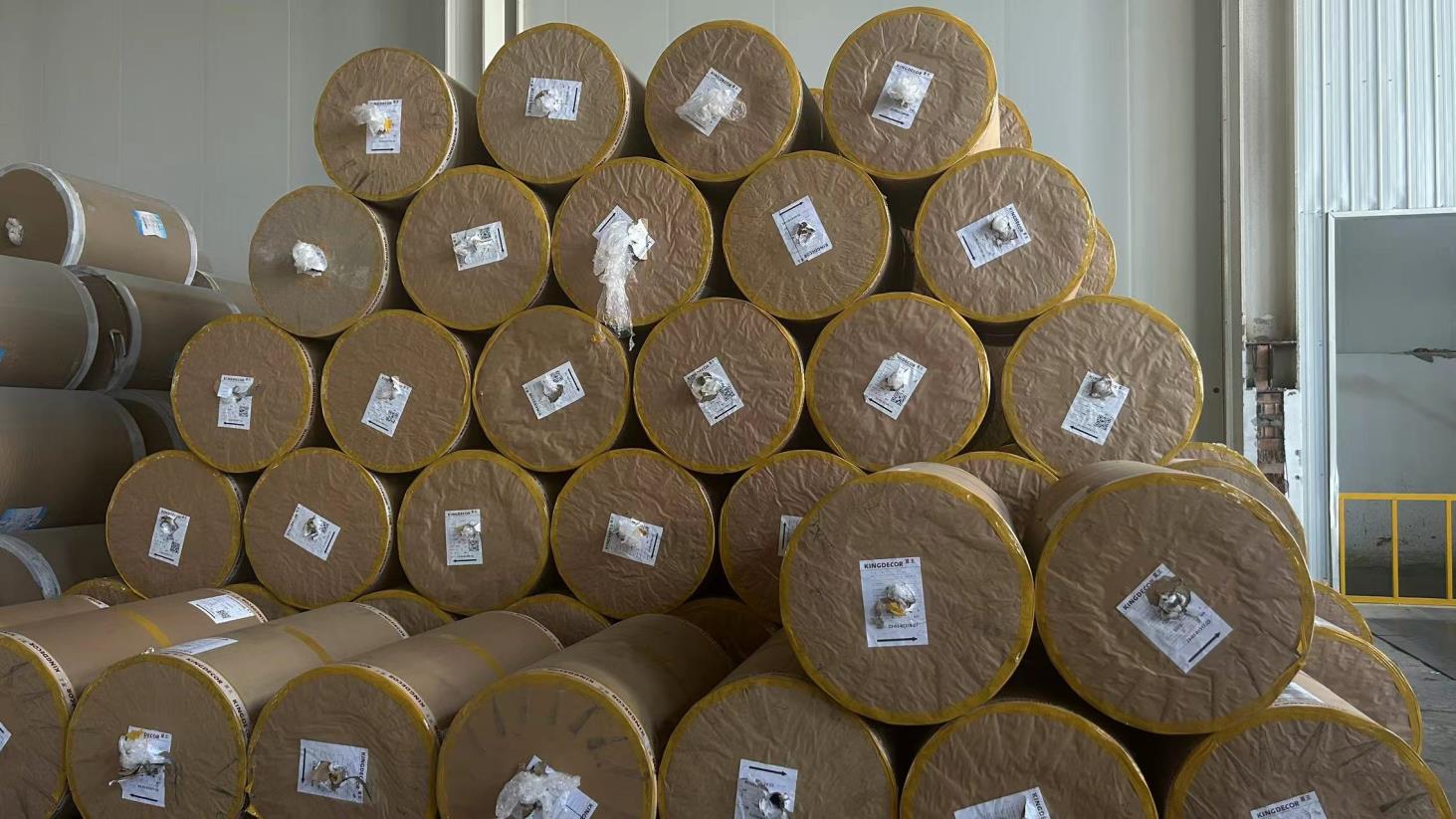
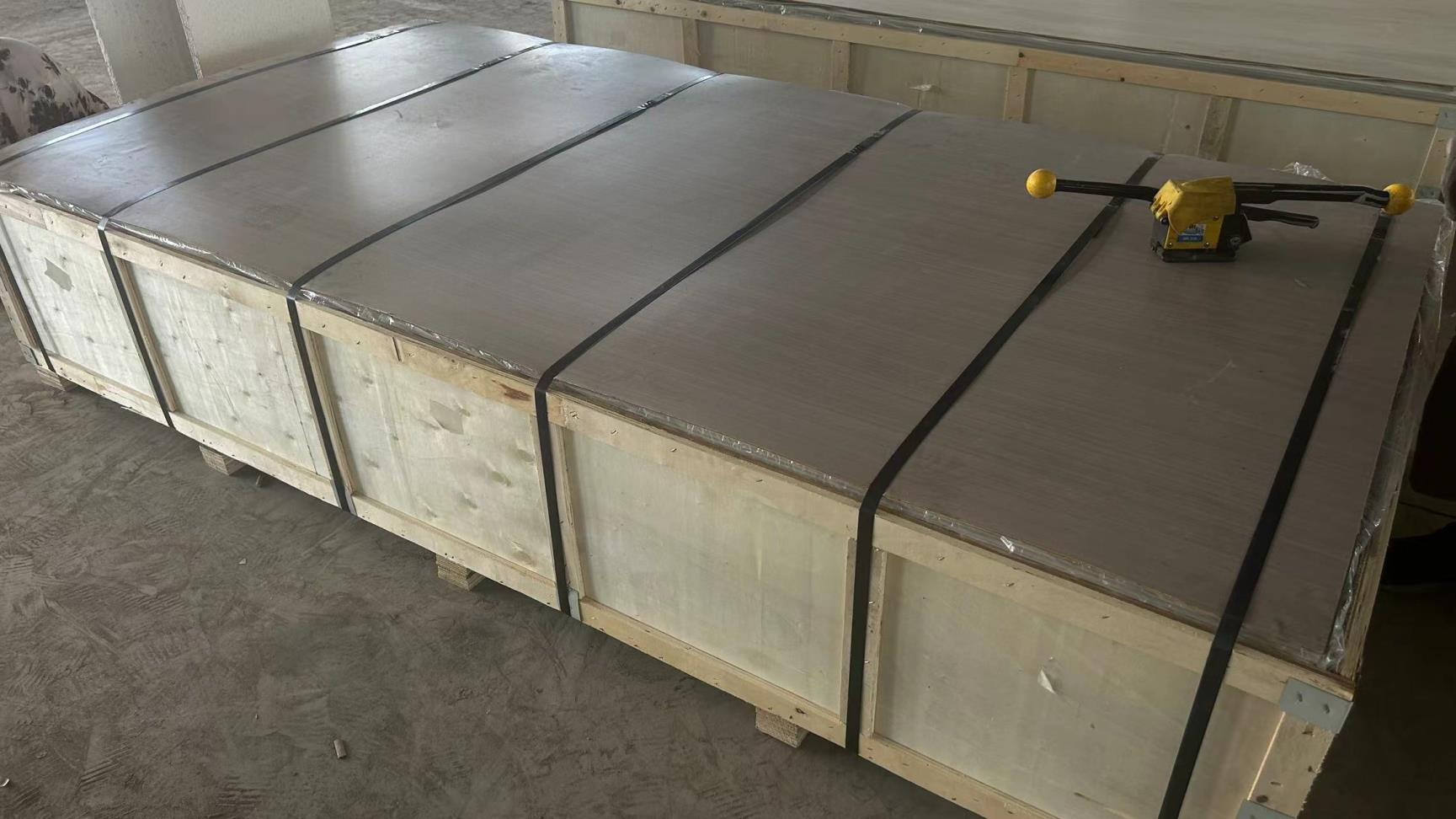
Export documentation, seaworthy pallet packing and loading photos shared with every shipment.
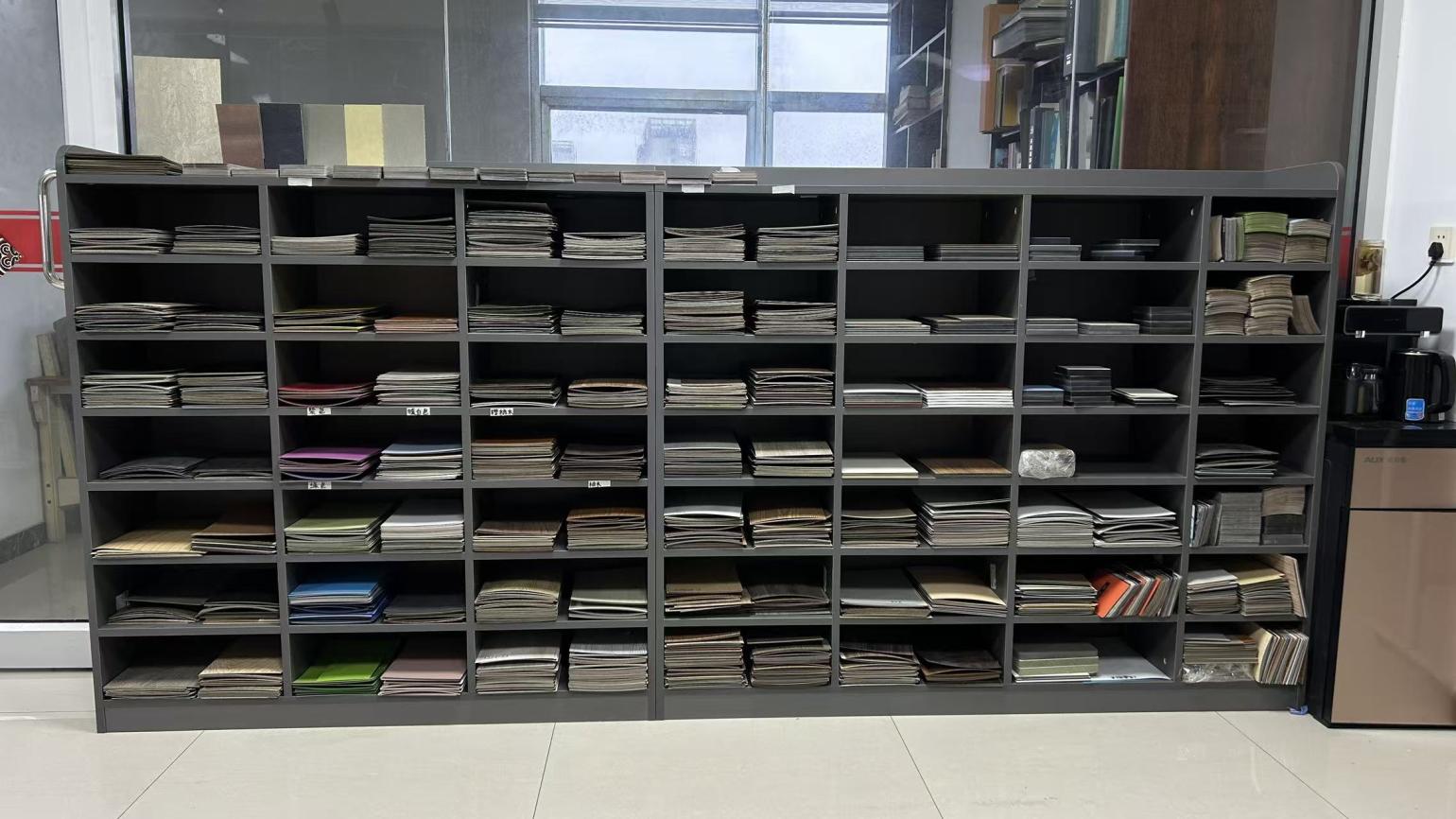
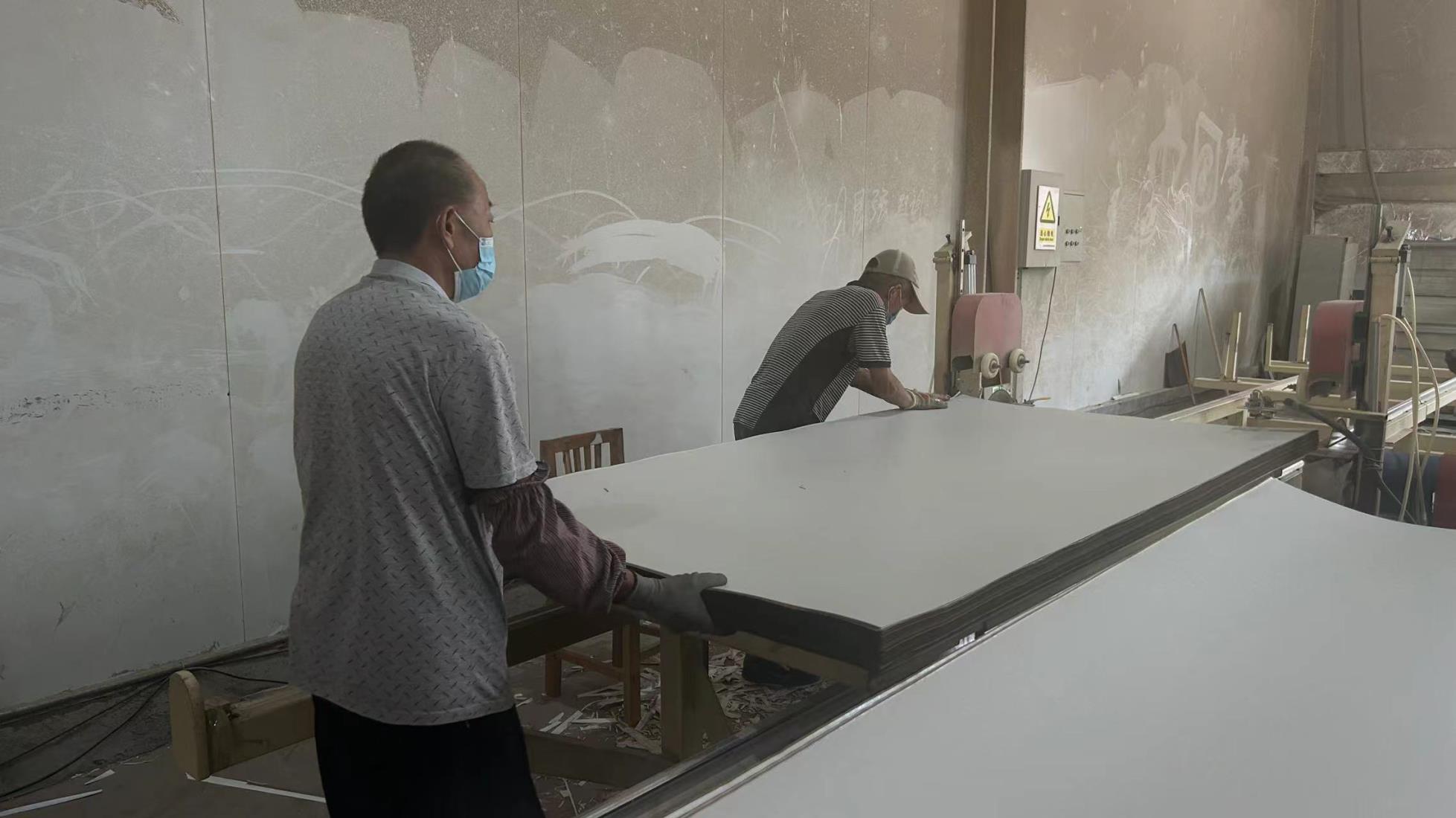
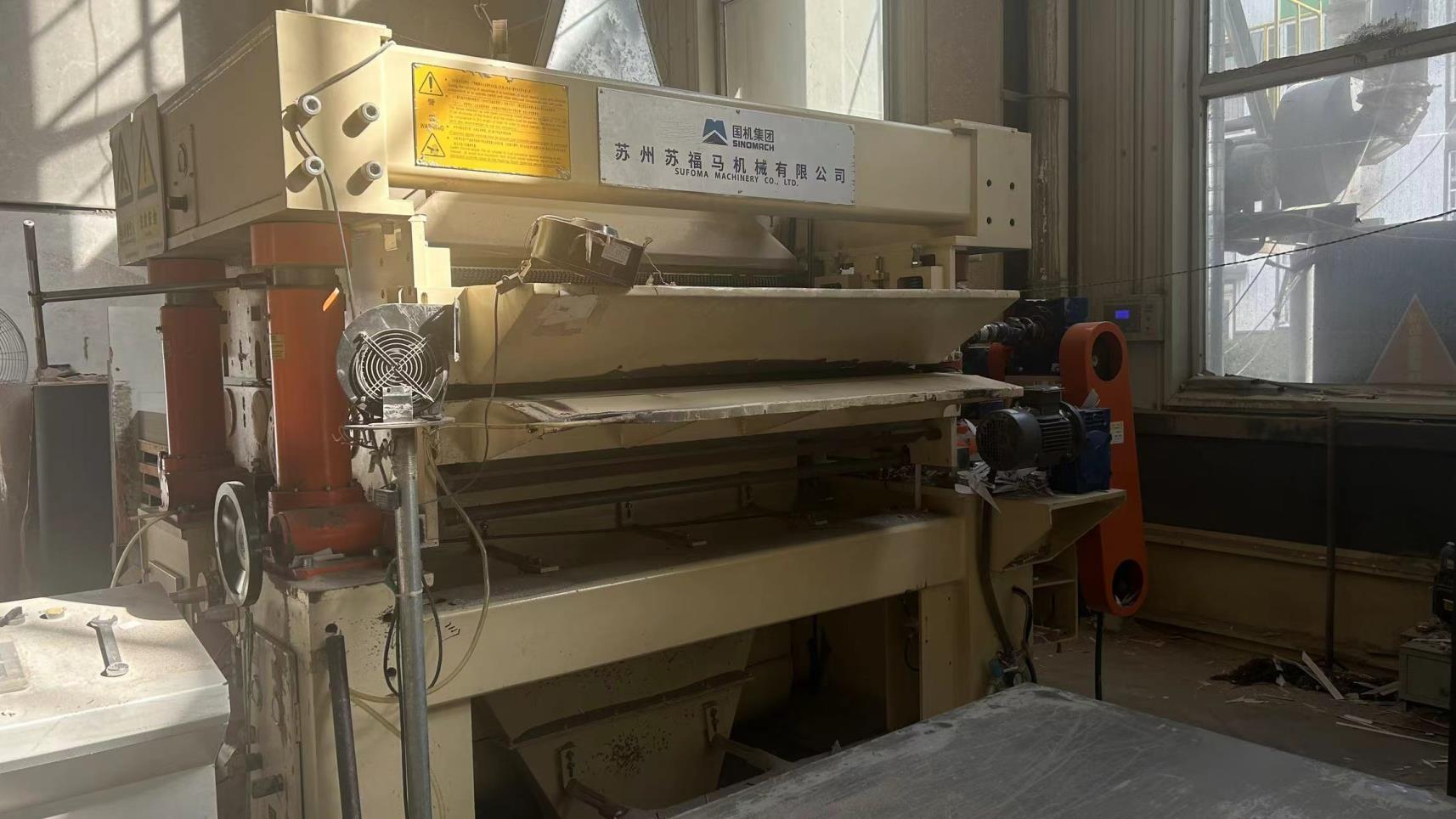
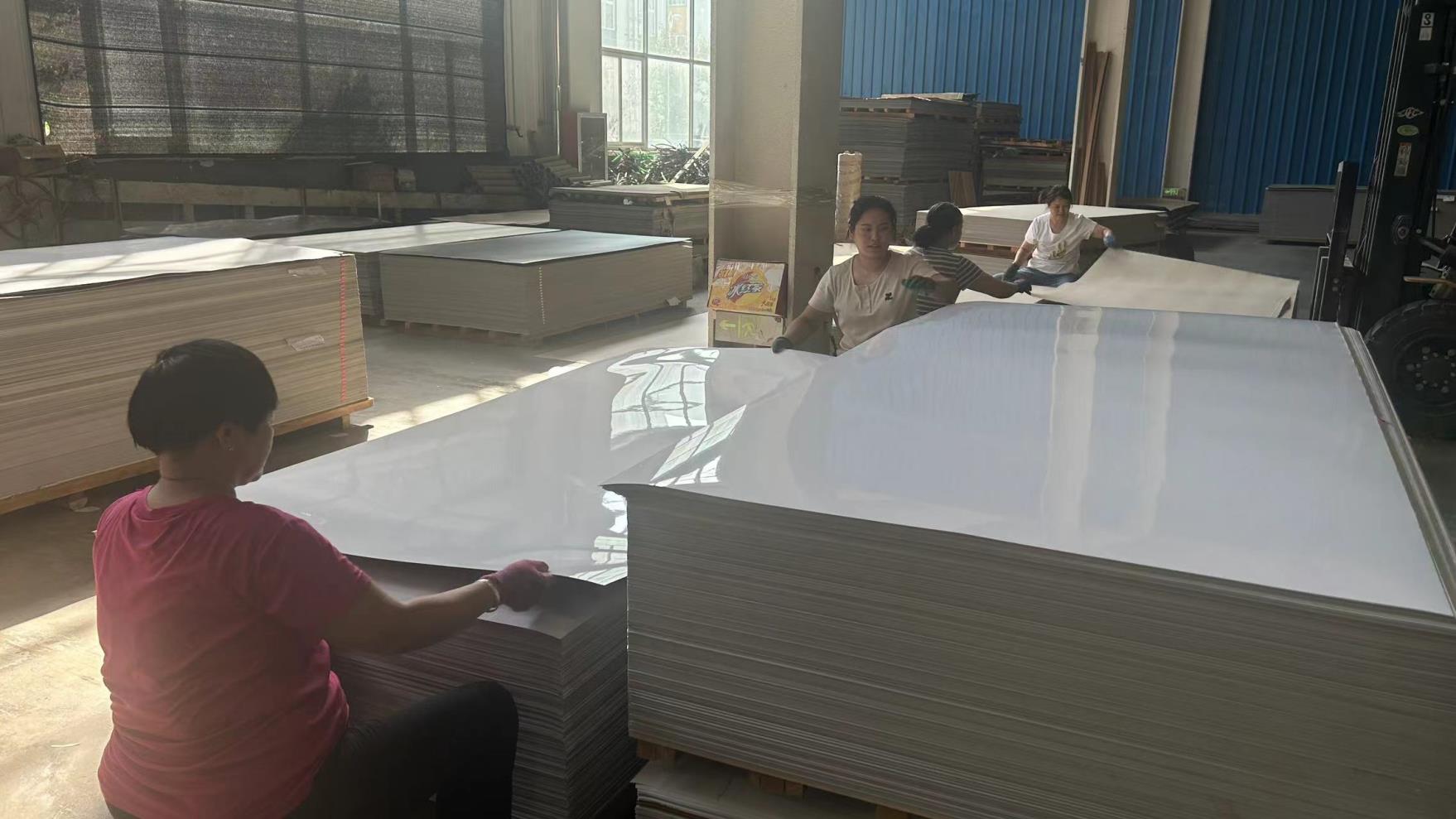
Warehouse stock, production equipment, loading and customer visits are part of the due-diligence process for serious exterior HPL wall cladding buyers.
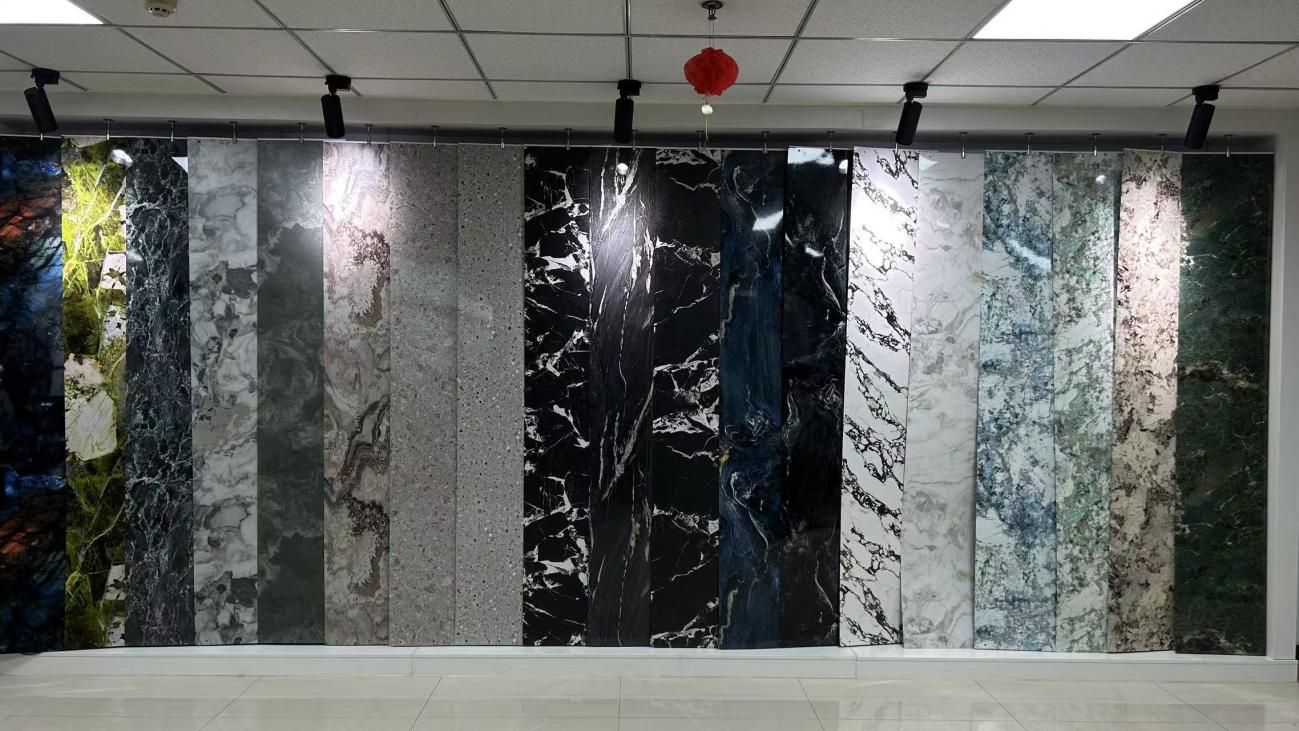
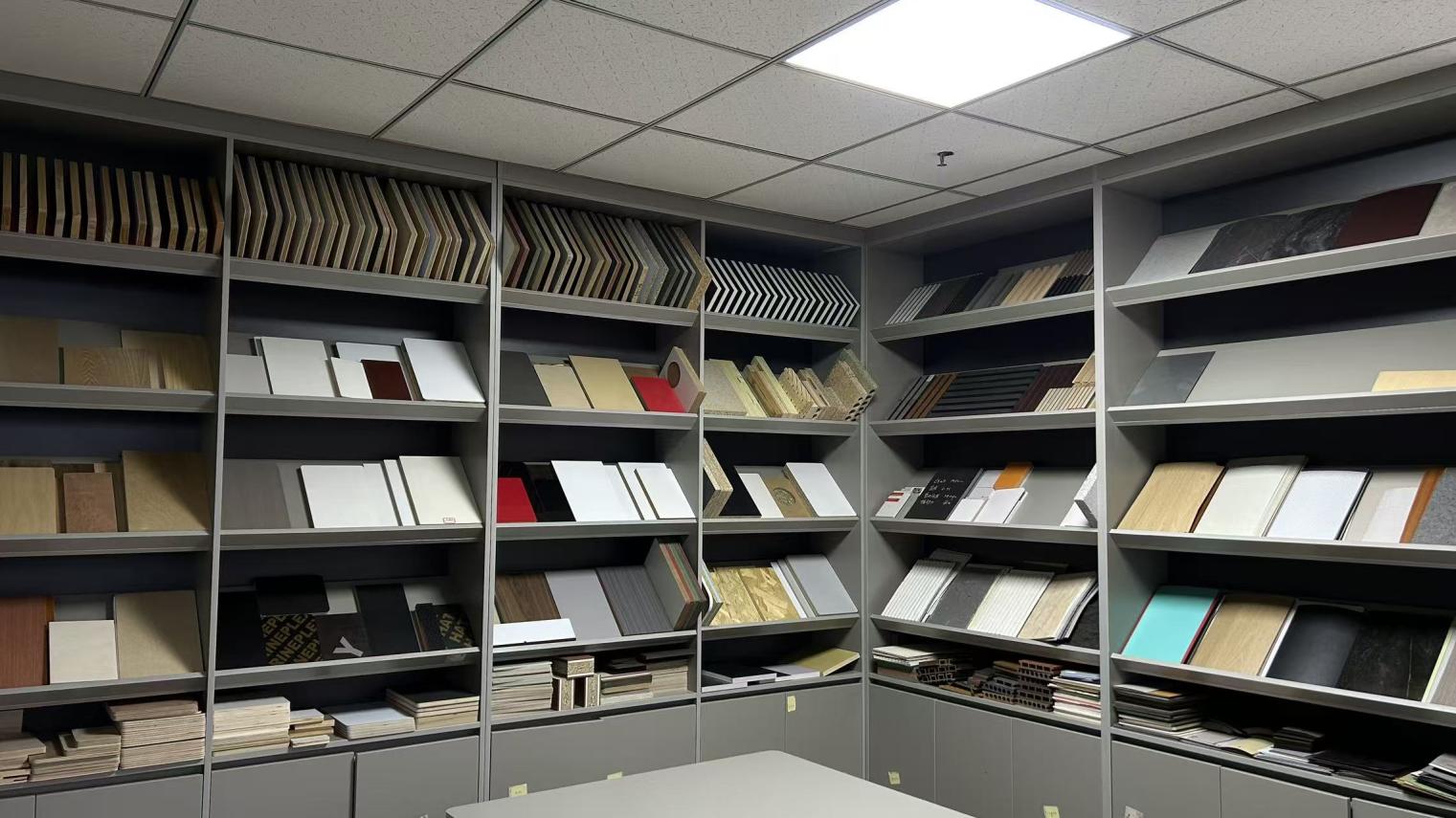
These answers are based on real sourcing and specification questions from importers, distributors and project buyers.
Exterior HPL wall cladding is used for ventilated facades, entrance walls, balcony fascias, soffits, canopies, column cladding, screen walls and low-rise commercial buildings. It is chosen when the project needs a flat, decorative, low-maintenance panel with good weather resistance and design flexibility.
Common exterior compact HPL thicknesses are 6 mm, 8 mm, 10 mm and 12 mm. Thicker panels are often selected for larger formats, higher wind loads, greater impact resistance or visible-edge details. The final thickness should be confirmed with the facade engineer and fixing-system supplier.
Exterior-grade compact HPL can be considered for coastal and humid environments when the correct grade, fixing accessories and maintenance plan are specified. Buyers should request details on moisture performance, salt-spray exposure expectations, aluminium subframe protection and recommended cleaning intervals.
Exterior-grade HPL is designed with UV-stabilised surfaces, but colour-fastness varies by colour, finish and manufacturer. Solid colours, bright reds and dark shades can be more sensitive than some light colours or woodgrains. Ask for product-specific UV test data and approve a physical sample for the project.
Most projects use a ventilated rainscreen system with an aluminium subframe, clips or rivets, controlled expansion gaps and a drained cavity. The installer must follow the supplier’s fixing recommendations and local building codes. Some projects use visible fixings, while others prefer concealed fixing for a cleaner facade appearance.
Request the fire test report relevant to the complete facade assembly, not only a general product statement. Check the classification standard used in your market, the tested thickness, the substrate and fixing system, and whether the report matches the product you intend to order. Linyi Fipdm Import And Export Co., Ltd. can share available reports for project review.
Yes. Samples help confirm colour, surface texture, thickness and edge appearance. For project orders, we recommend approving a physical sample and recording the colour reference, finish and batch expectations. Send your required size, quantity and destination so the sample and freight can be arranged efficiently.
Yes. Mixed loads are a core part of our service. We can consolidate exterior HPL cladding with HPL sheets, compact laminate, MDF, plywood, LVL and door cores, subject to packing, weight and destination requirements. This helps distributors and project buyers reach efficient container utilisation with one supplier contact.
Send your facade area, preferred thickness, colour reference, fire requirement, fixing method and delivery port. Our export team will reply with matched exterior HPL wall cladding options, available test reports, packing details and mixed-load suggestions.
info@fipdmplywoods.com


