Interior Door
33 mm Hollow Core Particle Board
- Lightweight interior door blank
- 2090 × 700 / 880 / 990 mm
- Melamine, veneer or primer faces
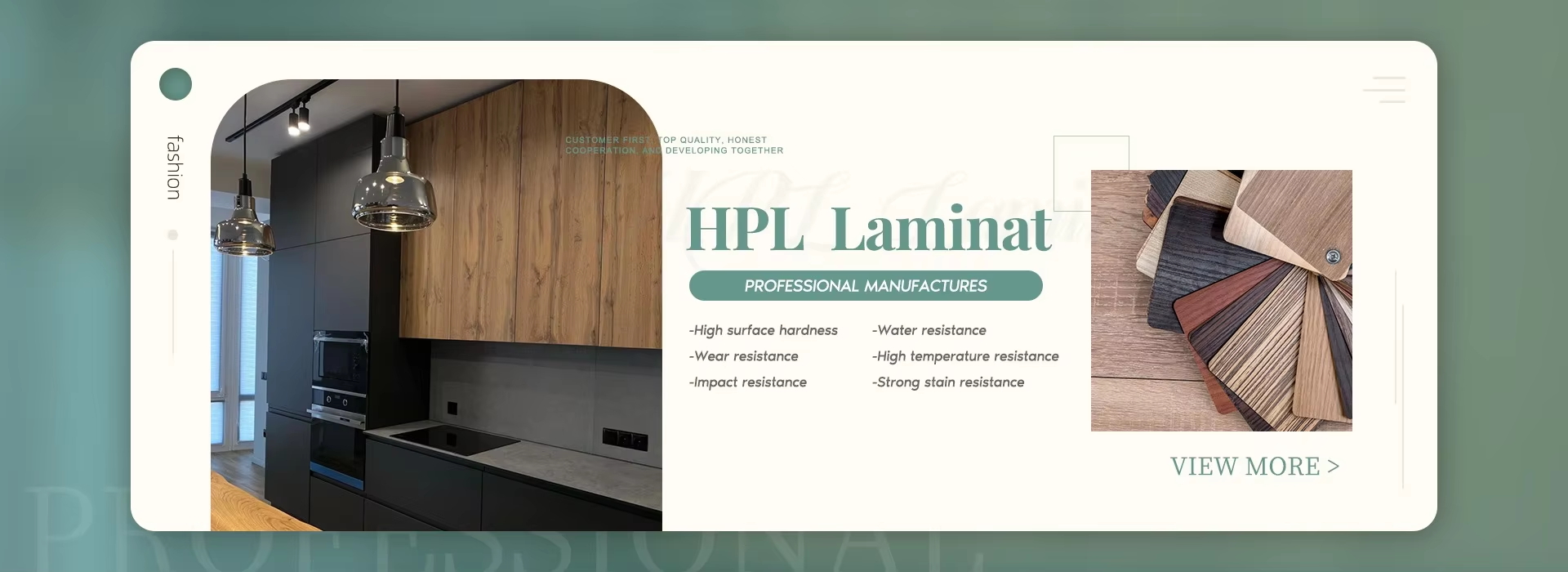
Hollow Core Particle Board is an engineered lightweight panel used mainly as an interior door core. Buyers also search for it as tubular chipboard, hollow core chipboard, hollow-core door core or lightweight particle board core.
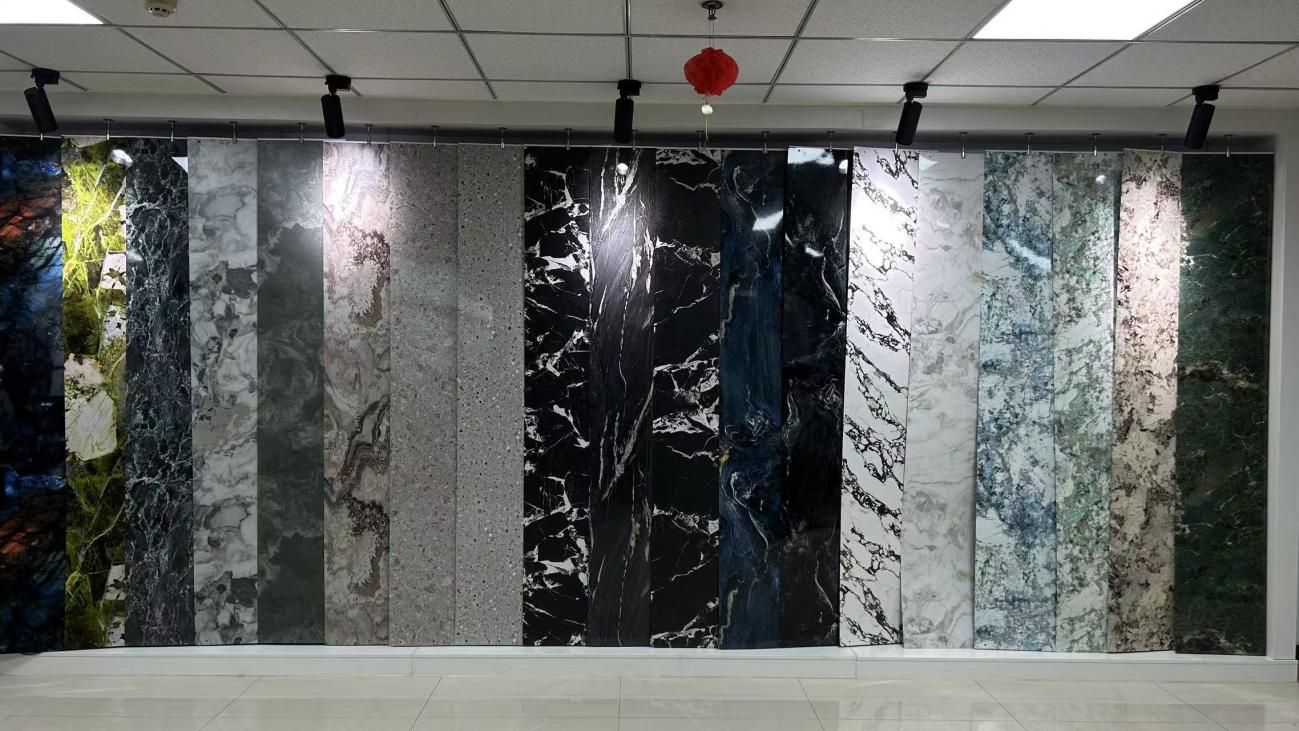
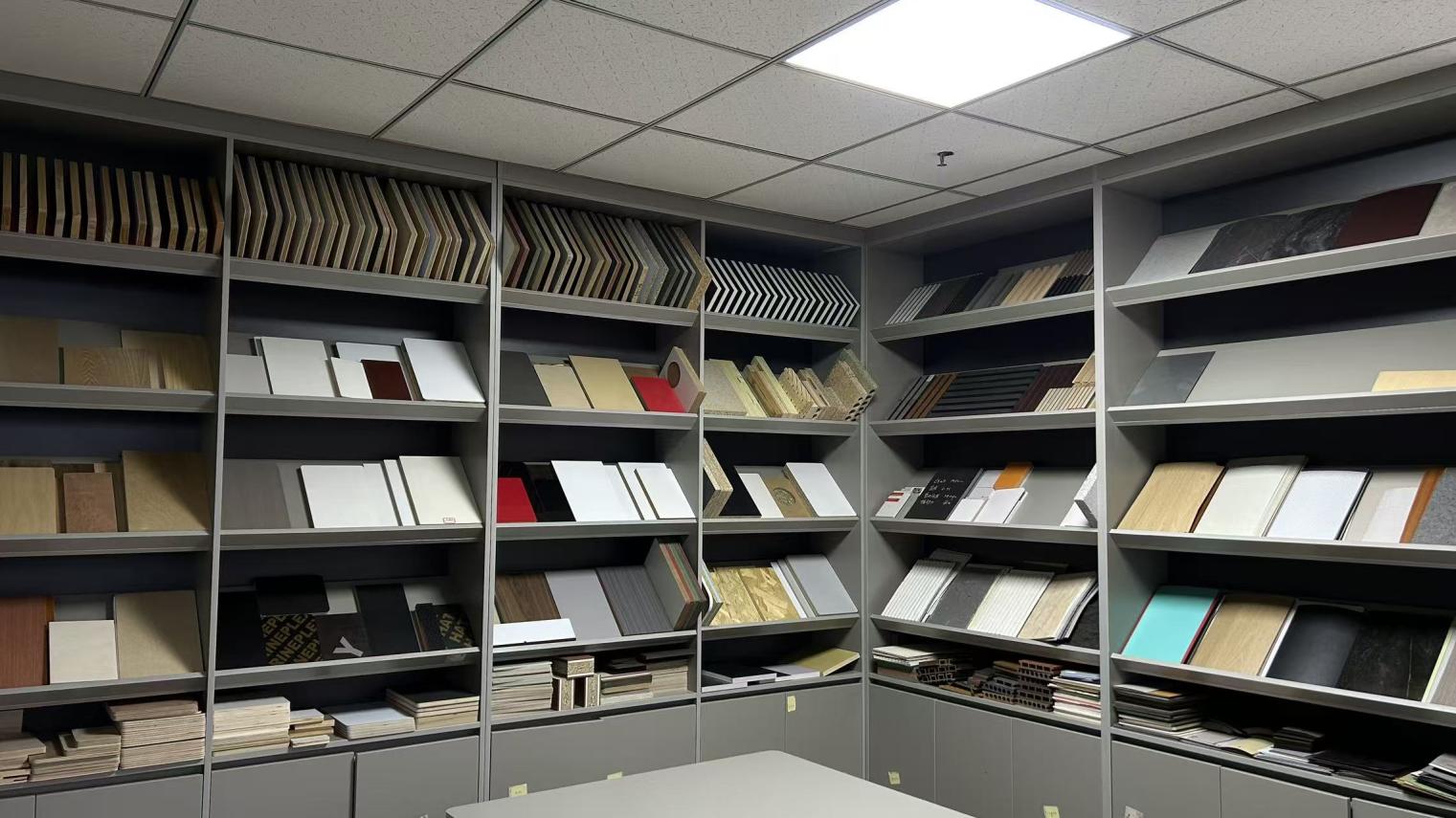
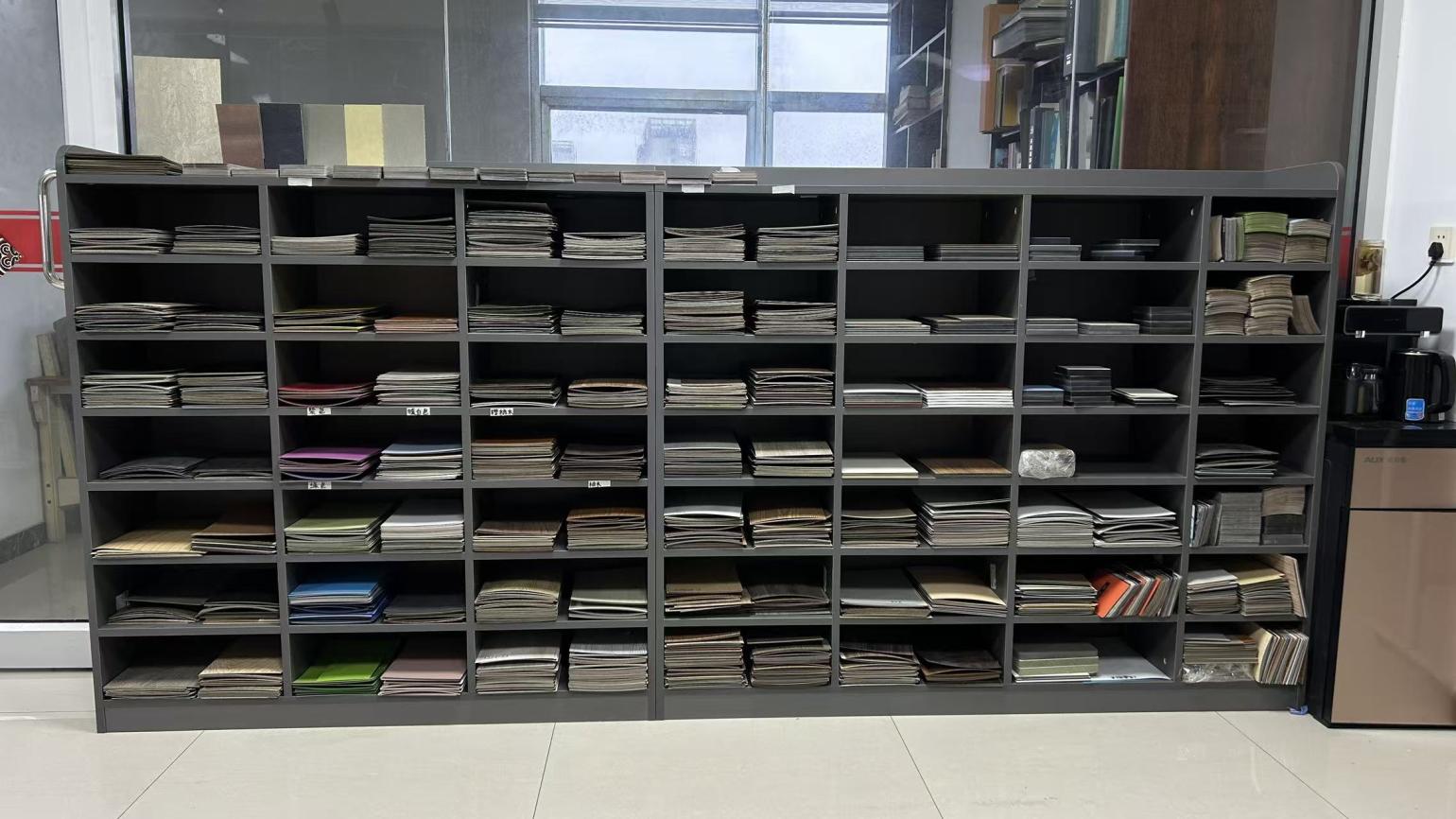
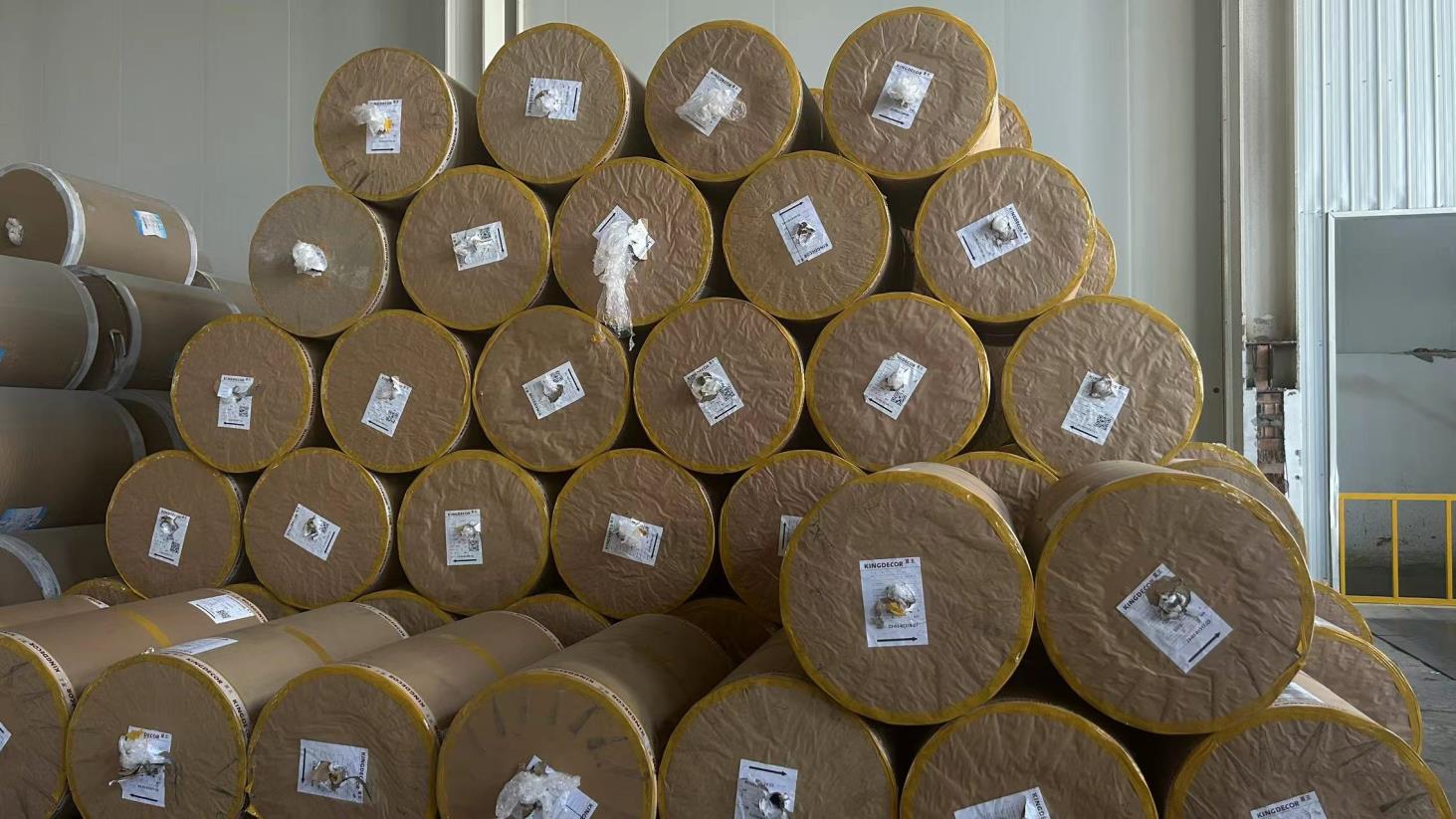
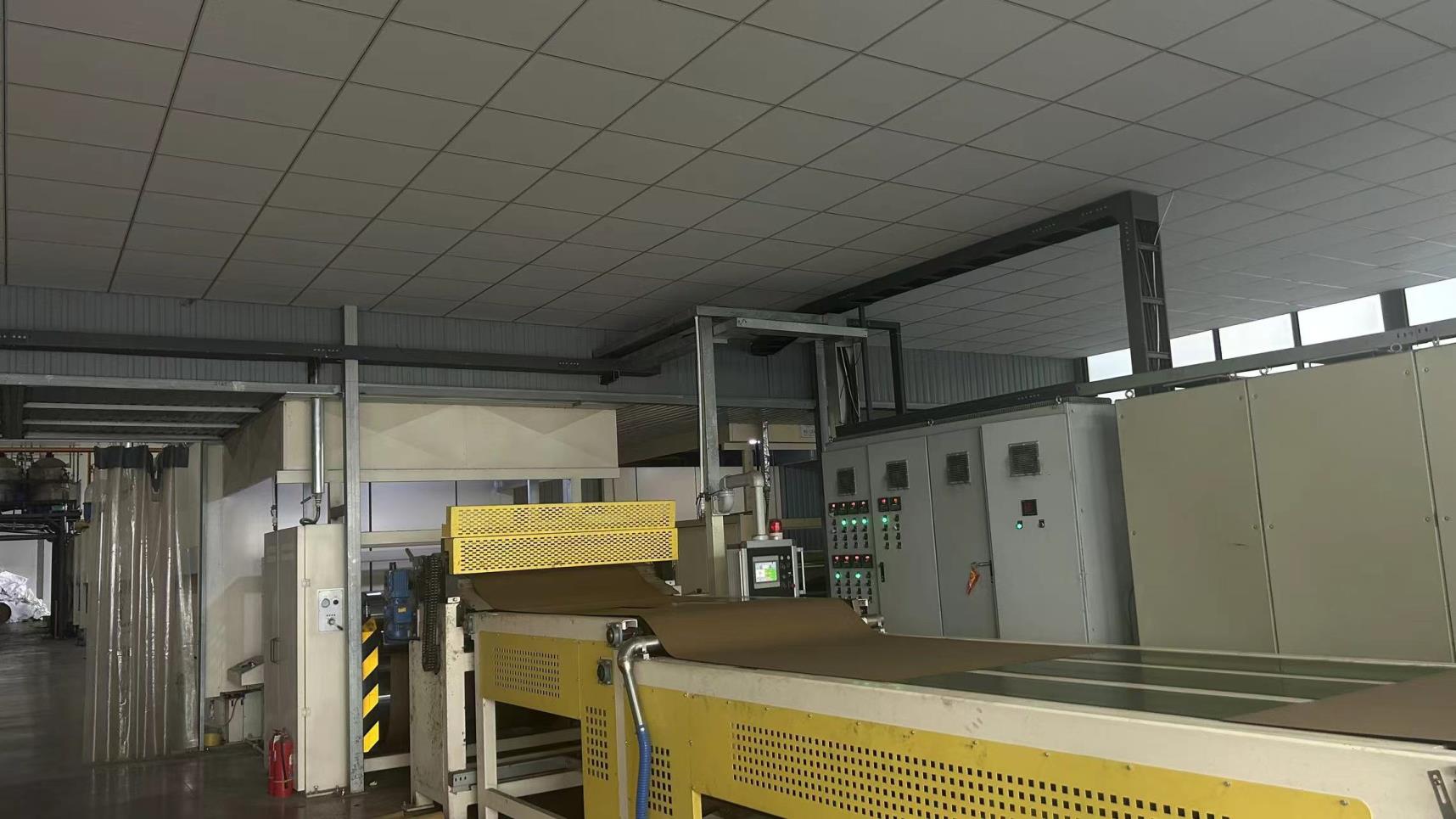
Unlike a standard solid particleboard sheet, Hollow Core Particle Board is built around an internal structure. A typical construction includes a perimeter frame, internal longitudinal tubes or a grid of particleboard webs, and top and bottom surfaces. The controlled voids reduce weight while the frame and skins provide handling strength for door manufacturing.
This construction is why global buyers often compare it with MDF door cores, solid particleboard, plywood door blanks and honeycomb paper cores. The correct choice depends on the finished door design, the edge profile, the hinge and lock hardware, the surface finish, and the required fire or moisture performance. For that reason, a buyer should not specify the core by thickness alone. The face skin, frame width, internal tube spacing, adhesive, formaldehyde grade and packaging all affect the final result.
From a procurement perspective, Hollow Core Particle Board is best treated as a semi-finished component rather than a commodity board. The buyer should provide a sample or a clear drawing showing the door size, core thickness, facing material, edge construction, lock block position and tolerances. Linyi Fipdm Import And Export Co., Ltd. reviews those details with the partner mill before sampling, which reduces the risk of dimensional or hardness mismatches later in the project.
These options reflect common B2B requirements. Final dimensions, density, facing, fire performance and packaging should be confirmed against your door drawing and destination market standard.
No matching products on this page. Please email info@fipdmplywoods.com for a specification review.
Use this table to structure your inquiry. Values below are typical reference points, not a final order confirmation.
| Parameter | Typical Options | Buyer Note |
|---|---|---|
| Product Name | Hollow Core Particle Board, tubular chipboard, hollow-core door core | Confirm construction with a drawing or sample; terminology varies by market. |
| Thickness | 33 mm / 38 mm / 44 mm | Choose according to door design, weight target and hardware loads. |
| Panel Size | 2090 × 700 / 880 / 990 / 1180 mm | Custom lengths and widths may be available; confirm minimum order and packing. |
| Core Structure | Tubular chipboard, grid core or specified hollow core | Ask for frame width, tube spacing and lock block details. |
| Facing Options | Melamine paper, HPL, veneer, PVC, primer | Facing affects adhesion, finishing, moisture behavior and final door appearance. |
| Formaldehyde Grade | E1 / E0 options by product line | Confirm the destination market requirement and supporting test reports. |
| Fire Performance | Fireproof infill option | Fire performance must be verified for the complete door assembly, not the core alone. |
| Moisture Resistance | Standard interior or moisture-resistant option | Not a substitute for exterior-grade door construction; clarify bathroom and humid-area use. |
| Applications | Interior doors, modular partitions, flat-pack door blanks | Not intended for load-bearing or exterior structural use. |
| Inspection | Dimensions, thickness, surface, edges, core, adhesion, packing | Request loading photos and inspection records before shipment. |
Reference specifications are based on common product configurations. Final tolerances, certifications and performance claims must be confirmed in writing for each order.
The product is most effective when the complete door system is designed around a lightweight, stable core and the correct edge and hardware details.

Apartment, hotel, office and residential interior doors benefit from lower weight, faster handling and reduced material consumption.

Hollow core board supports knock-down furniture programs where consistent dimensions and stable door weight matter.
For non-structural interior partitions, the light core can be combined with decorative facings and aluminum framing.
Hotel, hospital, school and commercial projects often need custom sizes, lock blocks, fire options and matched packaging.
Buyers are moving from lowest-piece-price sourcing toward total landed cost, documentation quality and risk-controlled supply.
Importers increasingly ask for E1 or E0 evidence, thickness tolerance records, core drawings and inspection reports before confirming a purchase order.
Door core buyers combine Hollow Core Particle Board with HPL, MDF, plywood or melamine paper to improve container utilization and reduce supplier management costs.
Buyers want core sizes aligned with local door standards, including custom heights, widths, lock block positions and edge details for faster factory assembly.
Project buyers now ask specific questions about fire-rated infill and moisture-resistant options instead of accepting general “waterproof” or “fireproof” claims.
Loading photos, pallet labels, container marks and third-party inspection records are becoming normal purchasing requirements for global buyers.
Lightweight cores can reduce handling effort and freight penalties. Buyers compare core weight, packaging efficiency, breakage risk and assembly speed, not just unit price.
The next generation of lightweight door cores will be judged by sustainability documentation, fire performance, precision and compatibility with automated door lines.
Manufacturers are improving hollow core particle board in several practical directions. Lower-formaldehyde adhesives and cleaner raw material sourcing are moving from a premium option to a standard requirement in many markets. At the same time, moisture-resistant edge treatment and improved face adhesion are helping door makers reduce callbacks in humid climates.
Fire-retardant infill and mineral-based formulations are also developing, but buyers should remember that a fire-rated core does not automatically make a fire-rated door. The complete door assembly, intumescent seals, hardware and test evidence must be evaluated together. For this reason, procurement teams increasingly involve the core supplier, door factory and certification body early in the project.
On the production side, tighter thickness tolerances, automated panel trimming, CNC-machined lock blocks and pallet labeling are becoming differentiators. Hybrid honeycomb and tubular constructions are being optimized to reduce weight while maintaining hinge and screw performance. Surface-ready cores with primer or low-pressure melamine faces are also becoming more common, helping factories shorten finishing time.
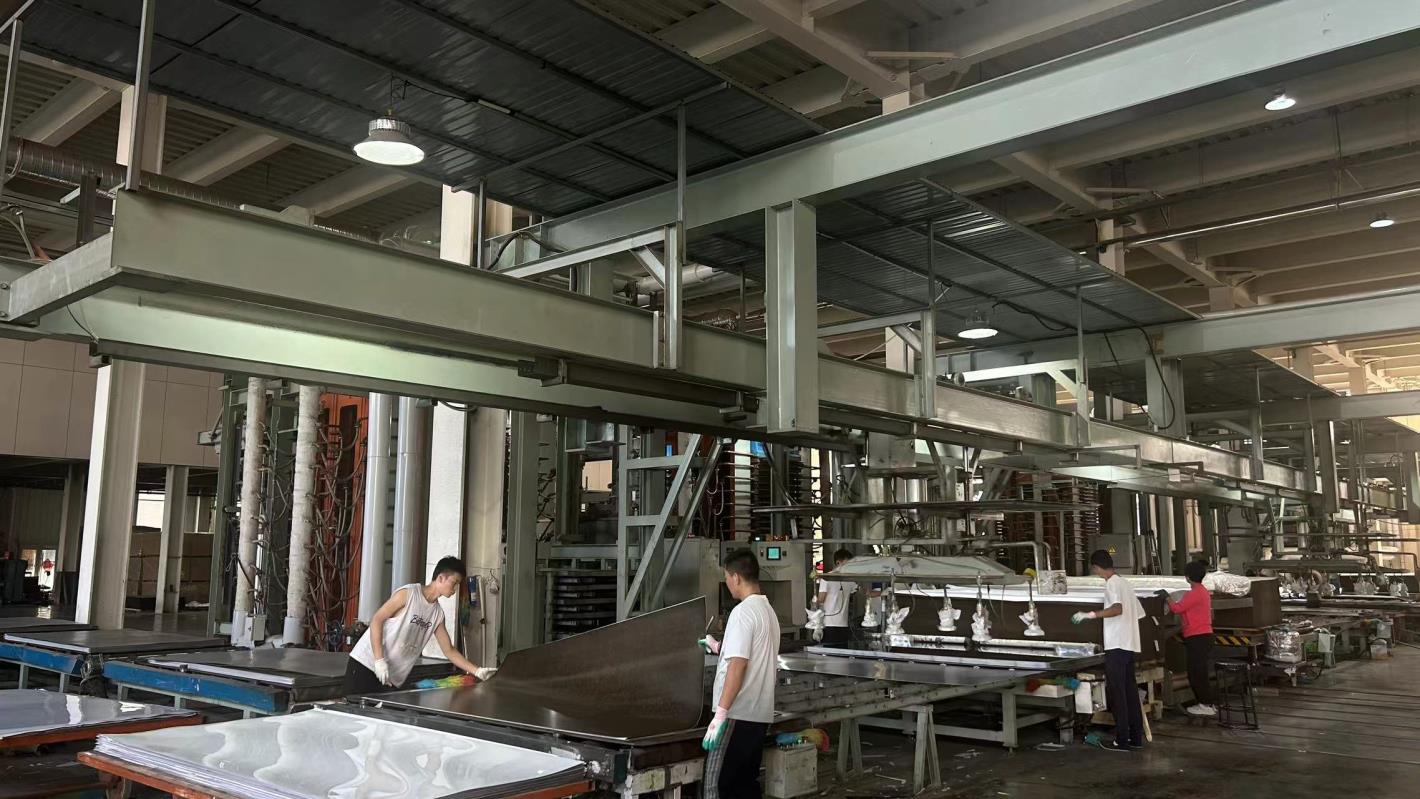
Linyi Fipdm Import And Export Co., Ltd. is a verified trading company and multispecialty supplier based in Linyi, Shandong, China — one of the largest wood-based panel production clusters in the country.
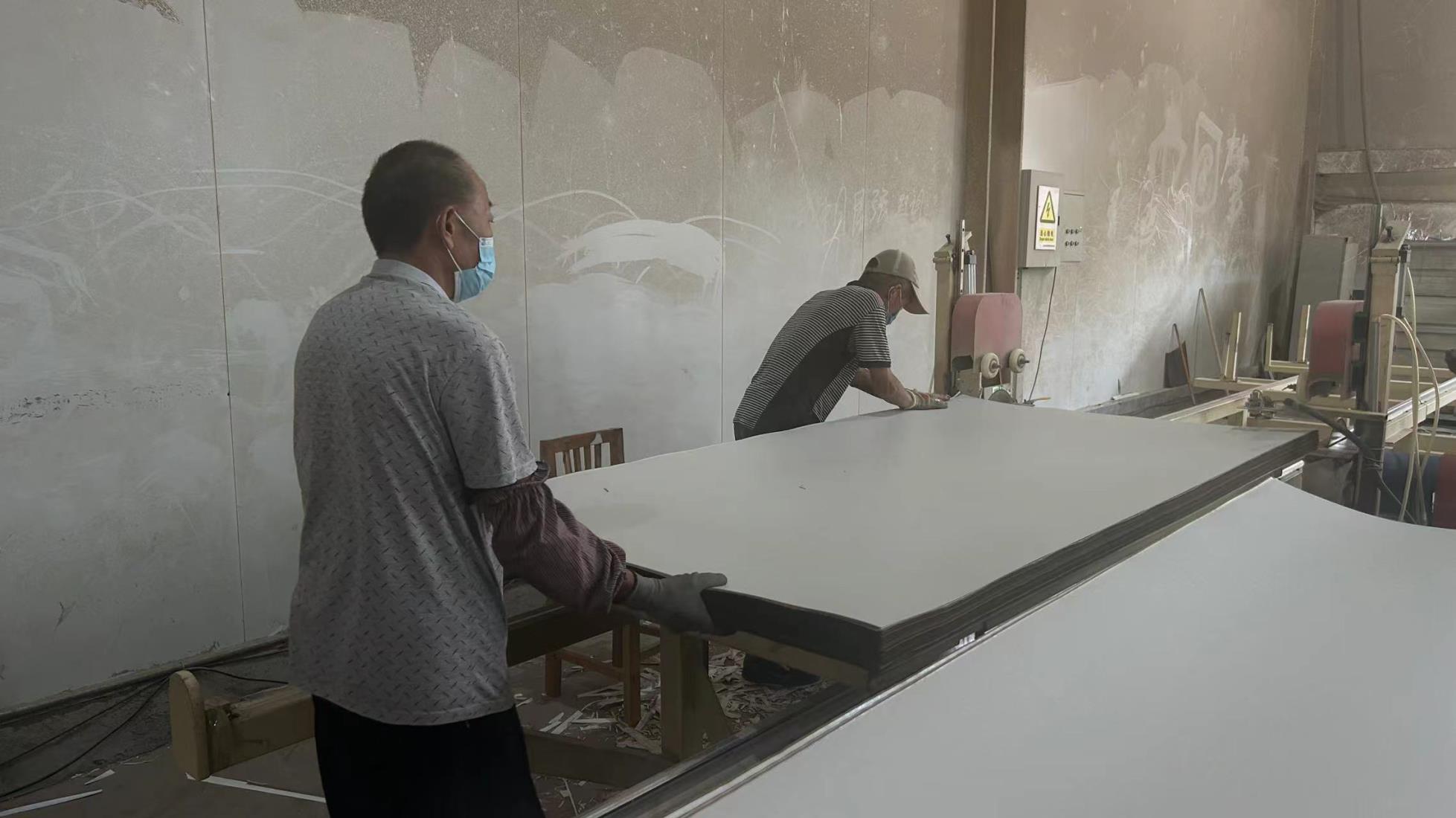
For Hollow Core Particle Board projects, our role is to connect your door drawing with a suitable partner mill and then control the details that matter before shipment. We support product consolidation across HPL, compact laminate, MDF, plywood, LVL and melamine paper, so buyers can build mixed loads without adding several suppliers to the process. Our team applies on-site material inspection, finished-product inspection and supplier assessment procedures, and can support sample-based, design-based and full customization, including ODM programs.
These are the questions procurement teams, importers and door manufacturers most often ask before requesting a quotation.
Hollow Core Particle Board is typically made from wood particles and adhesive formed into a structured core. The core usually has a perimeter frame and internal longitudinal tubes, webs or a grid that creates air-filled voids. The panel may then be faced with melamine paper, HPL, veneer, PVC or primer depending on the door design. The exact construction should be confirmed with the supplier because terms such as tubular chipboard, hollow core chipboard and honeycomb core are sometimes used differently in the market.
33 mm, 38 mm and 44 mm are all common Hollow Core Particle Board thicknesses. A 33 mm core may suit lighter interior door designs where weight is the priority. A 38 mm core is often chosen for a balance between weight and hardware performance. A 44 mm core is more suitable where a thicker door blank, heavier face skin or additional fire-rated infill is required. Final selection should follow the door drawing, hinge and lock loads, finish material and destination market standard.
Standard Hollow Core Particle Board is intended for interior door cores and lightweight interior applications. It should not be treated as a structural panel or exterior panel unless the complete system has been specifically designed and verified for that purpose. For exterior doors, bathrooms or high-humidity areas, buyers should specify moisture-resistant or exterior-grade materials and confirm the performance of the complete assembly.
Fireproof infill and moisture-resistant options may be available depending on the product configuration. However, a fire-rated core alone does not make a fire-rated door. The complete door assembly, seals, hardware, facing and test evidence must be evaluated together. Likewise, moisture-resistant core construction is not the same as an exterior-grade door system. Share your project requirement so the factory can propose a documented and realistic option.
Solid particleboard is a dense sheet with a continuous core. MDF is made from finer fibers and offers a smooth, uniform surface. Plywood is built from veneer layers. Hollow Core Particle Board is different because it contains engineered internal voids and is usually intended as a lightweight door core. In general, hollow core board reduces weight and material use, while solid wood panels may provide higher local density and screw-holding capacity. The right selection depends on the door design and hardware plan.
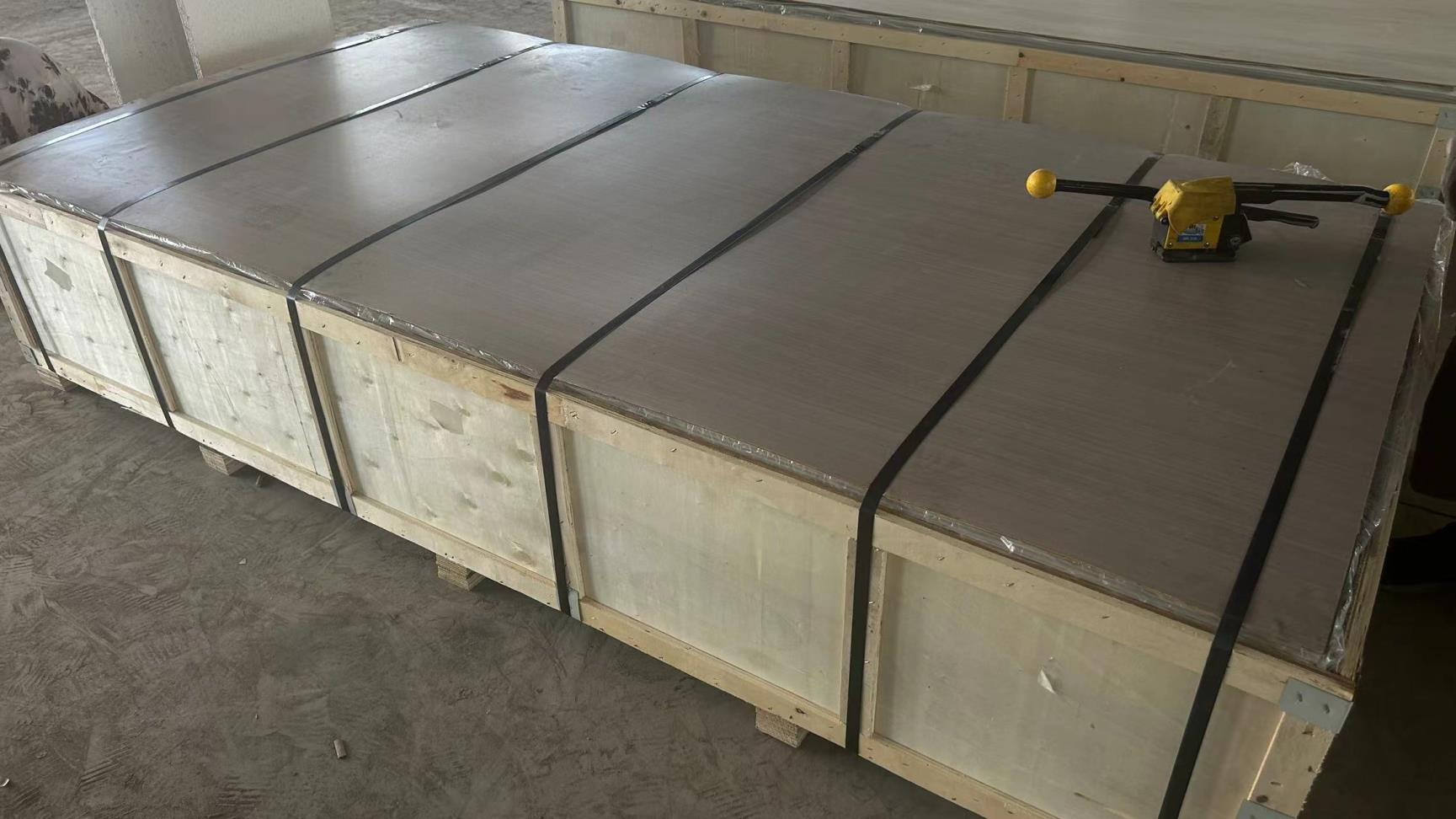
Before loading, check the thickness, length and width against the approved specification. Inspect the surface for dents, stains, edge damage and facing defects. Confirm the core structure, frame width, lock block positions and any fire or moisture features stated in the order. Review the pallet packing method, moisture protection and container loading photos. Linyi Fipdm Import And Export Co., Ltd. uses on-site material inspection and finished-product inspection before shipment, and can provide loading evidence for buyer review.
Yes, customization can be discussed for door core sizes, core thickness, facing material, packaging and private label requirements. The team supports minor customization such as logo and packaging changes, as well as sample-based, design-based and full customization and ODM development. Available options depend on the partner mill, order quantity and technical requirements. Please send your drawing, sample details and target market standard for a practical review.
Documentation depends on the product and order. Buyers may request product specifications, formaldehyde emission information, test reports available from the partner mill, packing lists, loading photos and export documents. Where third-party inspection or specific destination-market requirements apply, these should be confirmed in advance so the correct inspection scope and documents can be arranged. The team will not confirm a certification or performance claim that is not supported for the final product configuration.
Share your door size, core thickness, facing material, target formaldehyde grade, fire or moisture requirement and annual volume. Our export team will review the specification with the partner mill and reply with practical options.
info@fipdmplywoods.com