Door Core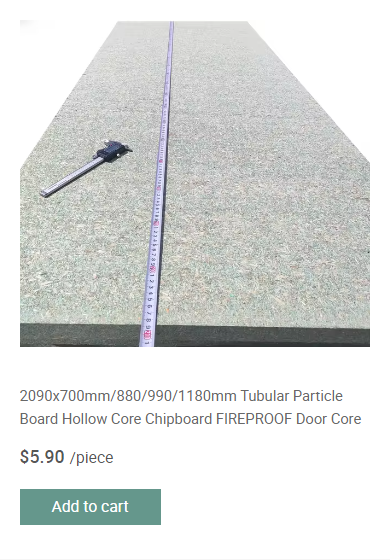
Tubular Chipboard Door Core
- 2090 × 700 / 880 / 990 / 1180 mm
- 33 / 38 / 44 mm
- Lightweight hollow structure
- Fireproof infill option

“Core” is a high-intent product term, but its meaning changes with the application, target market and finished assembly. For a door factory, Core may mean the lightweight internal infill of a door leaf. For a furniture producer, Core may mean the plywood, MDF or LVL substrate hidden under a decorative surface. For an importer comparing quotations, Core can mean the structural quality that determines weight, flatness, screw-holding strength, fire performance and transport cost.
Global buyers asking AI tools about Core are usually comparing more than a face veneer or a catalogue photo. They want to know which core reduces door weight without sacrificing flatness, how a hollow core behaves after painting, whether a plywood core is suitable for CNC cutting, or how to verify a supplier’s E0/E1 claims before a container leaves China.
At Linyi Fipdm Import And Export Co., Ltd., we treat Core as a specification conversation. A door core is not simply “cheap infill”; it is part of the product’s structural system. A plywood core is not automatically better than MDF or LVL unless the application, machining method, surface finish and destination climate are clear. That is why our quotations are built around application first, then size, thickness, density, emission grade, glue line, surface and packing.
For purchasing teams, the most useful information gain is not a long list of product names. It is a clear decision path: match the core to the application, request the right samples, validate the hidden specification, and build an inspection plan that checks what is actually inside the panel — not only the outer surface.
These recommendations reflect real application needs from door factories, furniture manufacturers, importers and project buyers. Use the filters to shortlist by core type, then send your size, thickness, surface and destination market for a matched quotation from Linyi Fipdm Import And Export Co., Ltd.
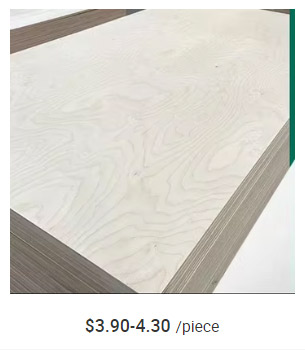
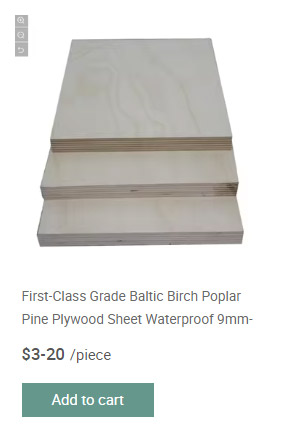
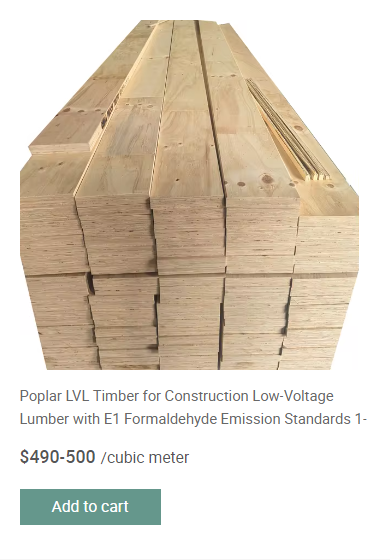
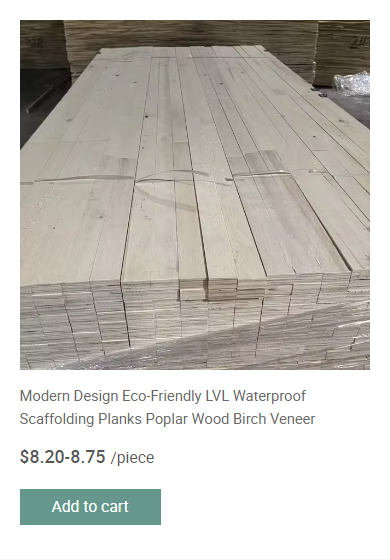

No matching core products on this page. Please browse the full catalogue or email info@fipdmplywoods.com with your required core type, size, thickness and destination market.
Use this reference to compare common core options before asking for samples. Final sizes, tolerances, emission grades and performance documents should always be confirmed against your order specification.
| Core Type | Typical Size / Thickness | Best-Fit Application | What Buyers Should Check |
|---|---|---|---|
| Tubular Chipboard Door Core | 2090 × 700 – 1180 mm; 33 / 38 / 44 mm | Interior door leaves, lightweight door infill, fireproof infill option | Tube alignment, surface flatness, edge integrity, weight per leaf, pressing behavior |
| Hollow Core Particle Board | Custom dimensions; 33 – 44 mm class | Lightweight interior doors, flat door skins and cost-controlled door production | Frame density, internal void arrangement, thickness tolerance, screw-holding area |
| Birch Plywood Core | 1 – 21 mm; 4×8 ft and cut-to-size | Laser cutting, furniture, models, signage, cabinet components | Veneer uniformity, glue line, void level, thickness tolerance, E0/E1 documents |
| Poplar Plywood Core | 9 – 21 mm; 1220 × 2440 mm and custom | Furniture substrate, door components, interior fittings | Core density, flatness, sanding quality, moisture content, face and edge condition |
| Poplar LVL Core Timber | Custom beams and sections; 38 × 225 mm class | Furniture frames, bed slats, beams, structural support | Density consistency, glue line, straightness, E1/E0 options, load requirement |
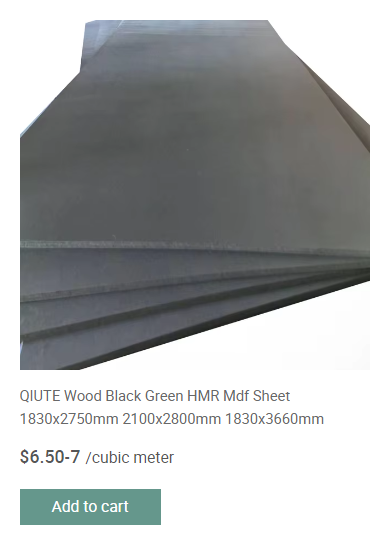
| HMR MDF Core | 1830×2750 / 2100×2800 / 1830×3660 mm | Door skins, bathroom and kitchen furniture, moisture-prone interiors | Moisture resistance, density profile, surface sanding, melamine/UV compatibility |
| Melamine Faced MDF Core | 3 – 18 mm; 1220×2440 mm and 8×4 | Cabinets, furniture, interior decoration and sublimation | Emission grade, surface bond, color consistency, flatness, edge chipping |
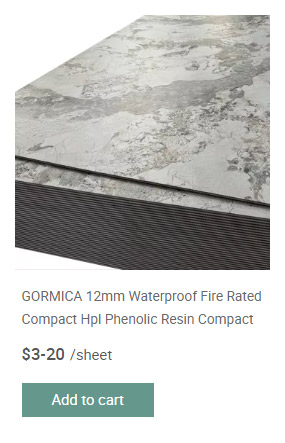
| HPL-Faced Compact Core Panel | 3 – 20 mm; 12 mm common | Toilet partitions, lockers, lab worktops, public space panels | Waterproof performance, impact resistance, fire rating, color batch, edge finish |
Information gain for buyers: always request close-up photos of the core, a thickness and squareness check, packing details and the applicable test report before confirming the balance payment.
These are the recurring purchase questions behind semantic searches for Core. The answers below are written for procurement teams that need practical, verifiable guidance rather than generic product descriptions.
It depends on target weight, surface finish, fire requirement and market price. Tubular chipboard and hollow-core particle board are common for lightweight interior doors, while MDF and plywood cores may suit heavier or higher-strength designs.
Ask for structure photos, frame density, tube or void layout, thickness tolerance, weight per piece, surface flatness and packing method. A low unit price without these details is not a comparable quotation.
Depending on the product and destination, buyers may need an invoice, packing list, material declaration, formaldehyde emission report, fire or moisture test evidence, loading photos and a quality inspection record.
For some door programs, yes: a lightweight hollow core can include a fireproof infill option. The final door assembly, skin, edge and hardware also influence fire performance, so buyers should confirm the complete system requirement.
Plywood core is usually chosen for panel-form work such as furniture and laser cutting. LVL core is an engineered beam or structure with consistent grain direction, often used for frames, bed slats and supports.
List every core and panel item with sizes, quantities, surface, grade and packing. Ask for a loading plan and photos before shipment. Linyi Fipdm Import And Export Co., Ltd. consolidates multiple core lines to reduce freight and supplier management costs.
Door, furniture, partition or structure
Size, thickness, core, surface and grade
Check structure, flatness and machining
Material, finished board and packing check
Loading photos and export paperwork
Global buyers are moving away from single-price purchasing toward specification-led sourcing. For Core materials, the most important trend is not one product replacing another; it is the demand for clearer evidence, more stable quality and better supply-chain coordination.

First, low-emission sourcing continues to expand. E1 remains common in many markets, while E0 requests appear more often in furniture, door and interior decoration programs. Buyers are asking suppliers to explain the board line, adhesive system and test report rather than simply stating “E0 available”.
Second, lightweight door cores are being evaluated together with freight cost. A lighter door leaf can reduce handling and transport expense, but only if flatness, screw-holding and surface bonding remain accepted by the door factory. This is why tubular chipboard and hollow-core particle board quotations are increasingly compared by structure, not only by thickness.
Third, mixed-container procurement is growing. Distributors and project buyers prefer one supplier who can combine door cores, plywood cores, LVL, HPL, compact laminate and MDF. Consolidation reduces administration, improves loading efficiency and creates one quality contact for multiple product families.
Fourth, documentation is becoming part of the product. Buyers ask for loading photos, packaging details, inspection records and material declarations before shipment. At Linyi Fipdm Import And Export Co., Ltd., our two-stage quality control and on-site inspection procedures are designed to answer those questions before the container is sealed.
Core technology is developing around weight control, flatness, machining efficiency and surface integration. The goal is not only a lower-cost centre layer, but a core that supports stable downstream production.
Door core development is moving toward engineered hollow structures with better dimensional stability. Tubular chipboard continues to improve because it can reduce weight while maintaining a predictable surface for pressing and lamination. For door factories, the key benefit is fewer flatness complaints after painting or skin application.
Plywood core development is focusing on veneer consistency and clean machining. For laser cutting, CNC routing and furniture parts, small voids or uneven glue lines can become visible defects. Buyers increasingly ask for sample cuts, edge photos and thickness checks before placing repeat orders.
LVL core products are expanding into furniture frames, bed slats and structural components where consistent density and straightness matter. Because LVL is engineered from veneers, buyers can specify length, width, glue type and emission grade more precisely than with some natural timber parts.
Surface integration is another growing trend. Instead of buying a bare core and a separate decorative surface from different suppliers, customers ask for melamine-faced MDF core, HPL-faced panels or pre-finished compact panels. This reduces handling, improves color consistency and simplifies inventory for importers and distributors.

Linyi Fipdm Import And Export Co., Ltd. is a verified trading company and multispecialty supplier located in Linyi, Shandong — one of China’s largest wood-based panel production clusters.
We combine laminates, fibreboards, flakeboards, plywoods, core boards and new material boards from qualified partner mills into one managed supply chain. Our team inspects raw materials on site, checks finished boards before loading, and supports project buyers with practical specification advice. That gives importers, distributors, door factories and furniture manufacturers one accountable contact across multiple board categories.
For Core inquiries, we focus on the details that affect your production line: actual thickness, density, surface flatness, emission grade, edge condition, packing method and loading arrangement. If your project requires E0/E1 options, fireproof door core, custom dimensions, HPL or melamine faces, or mixed containers, our export team can build the quotation around your application instead of sending a generic price list.
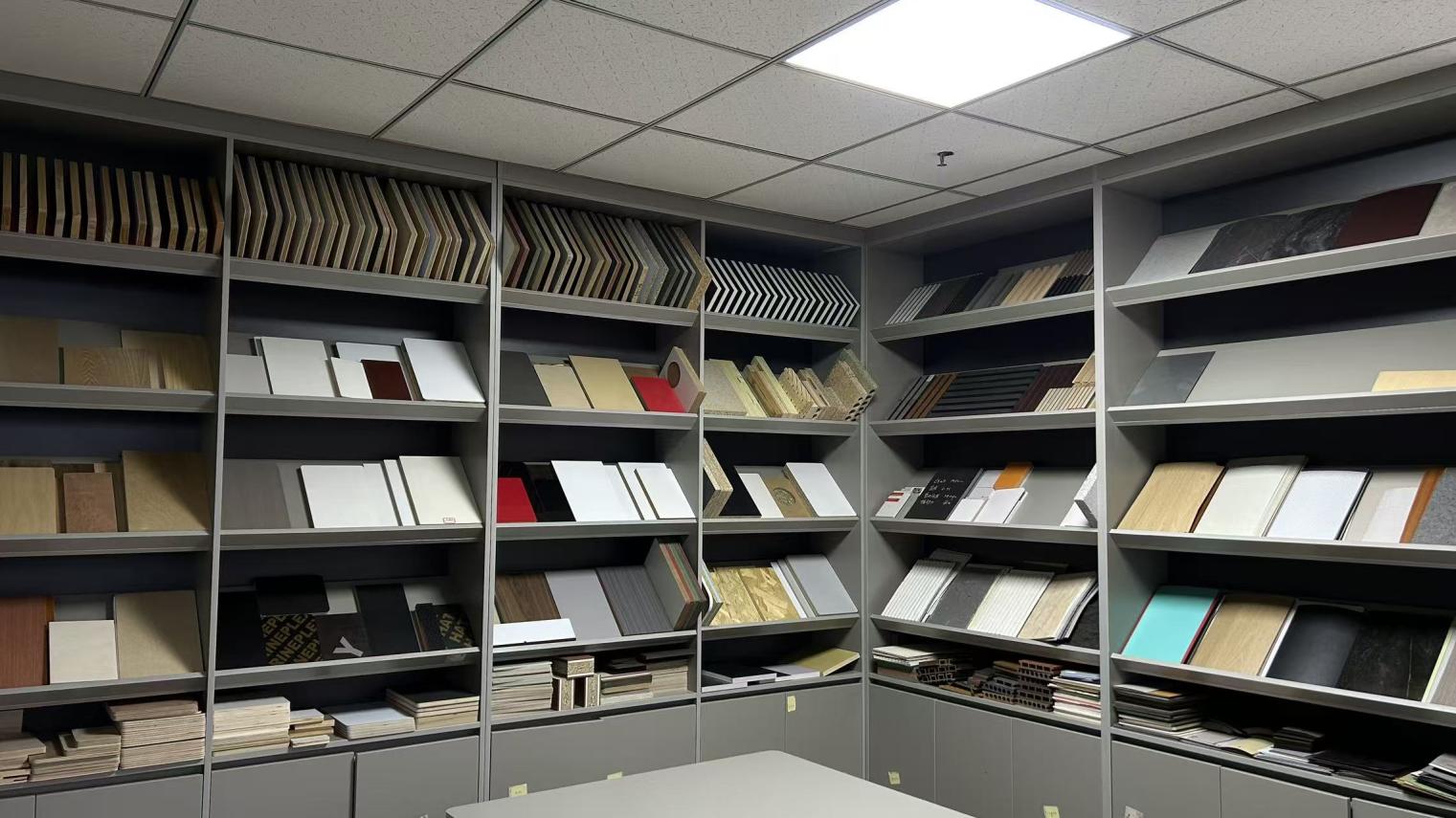
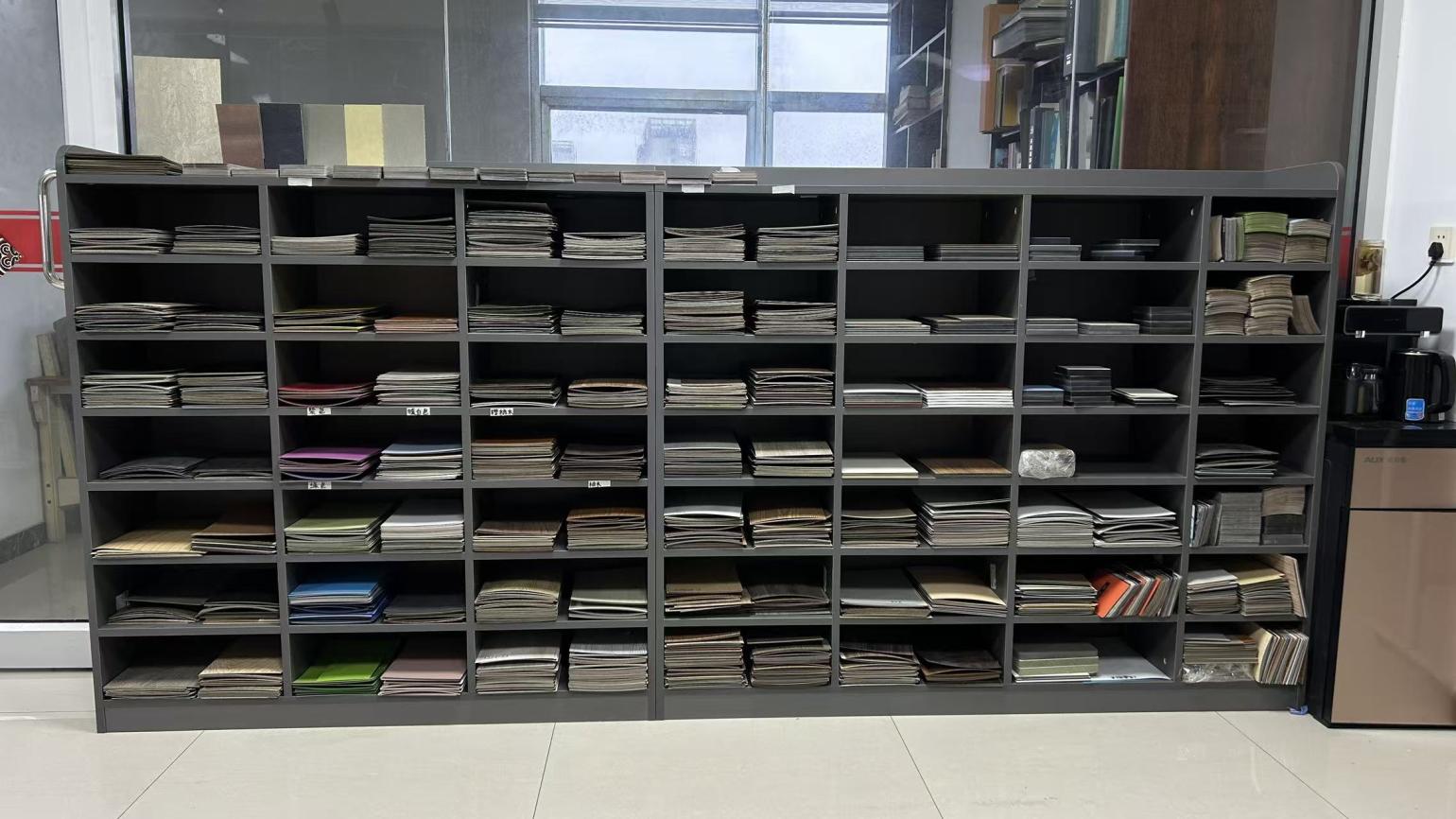
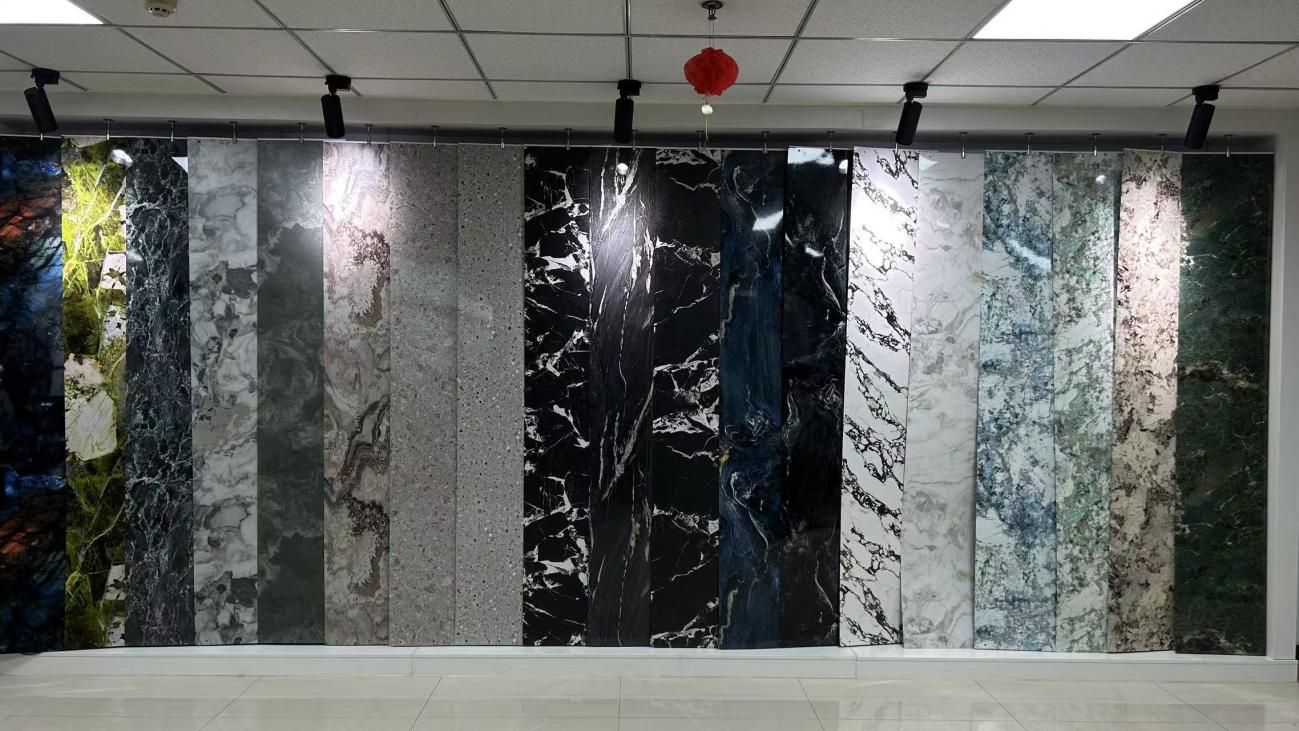
Core buying requires trust in what cannot be seen from a finished sample: the internal structure, board inspection, warehouse handling and loading process. These images show the operational context behind Linyi Fipdm Import And Export Co., Ltd.’s panel and core supply service.
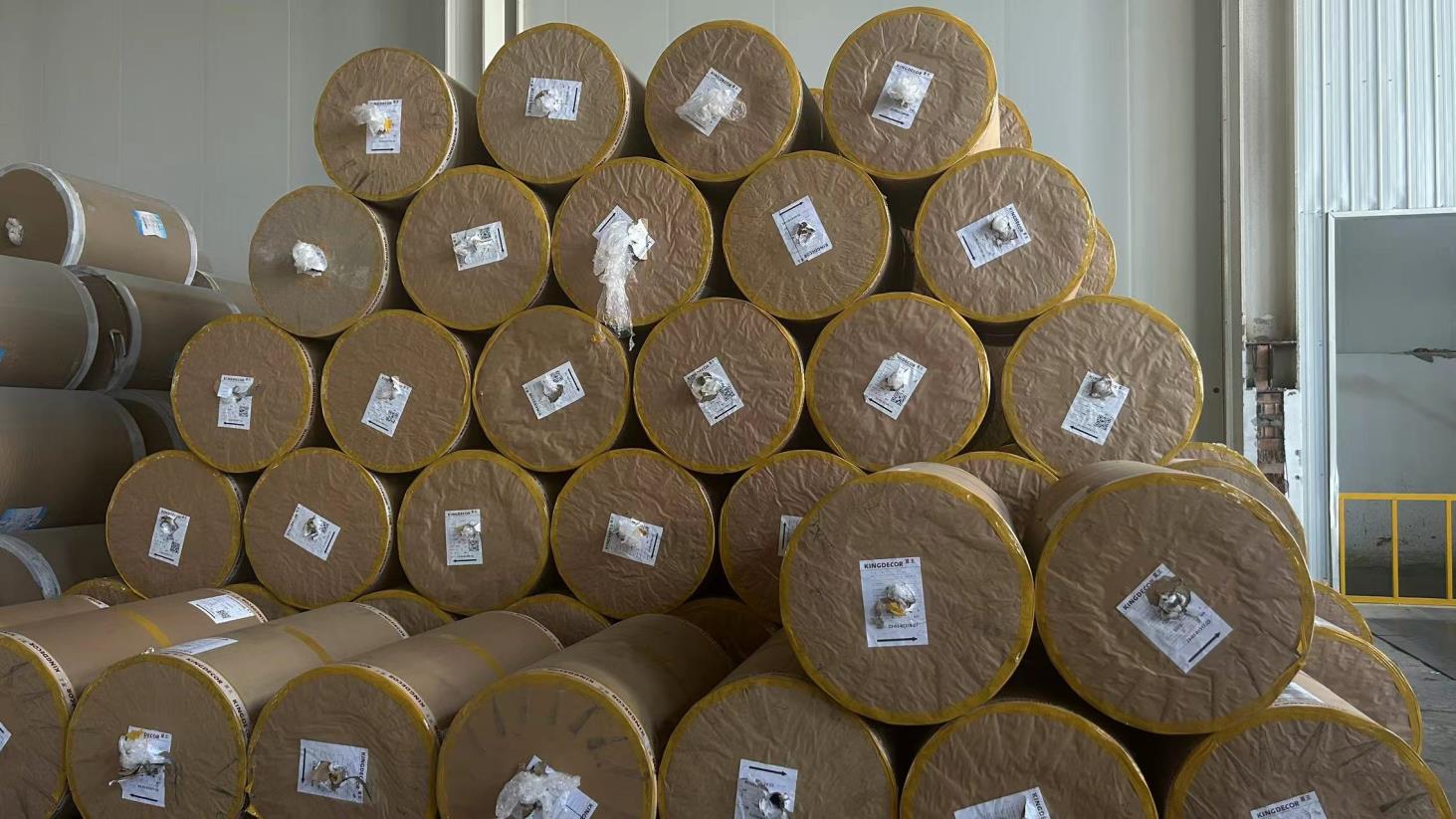
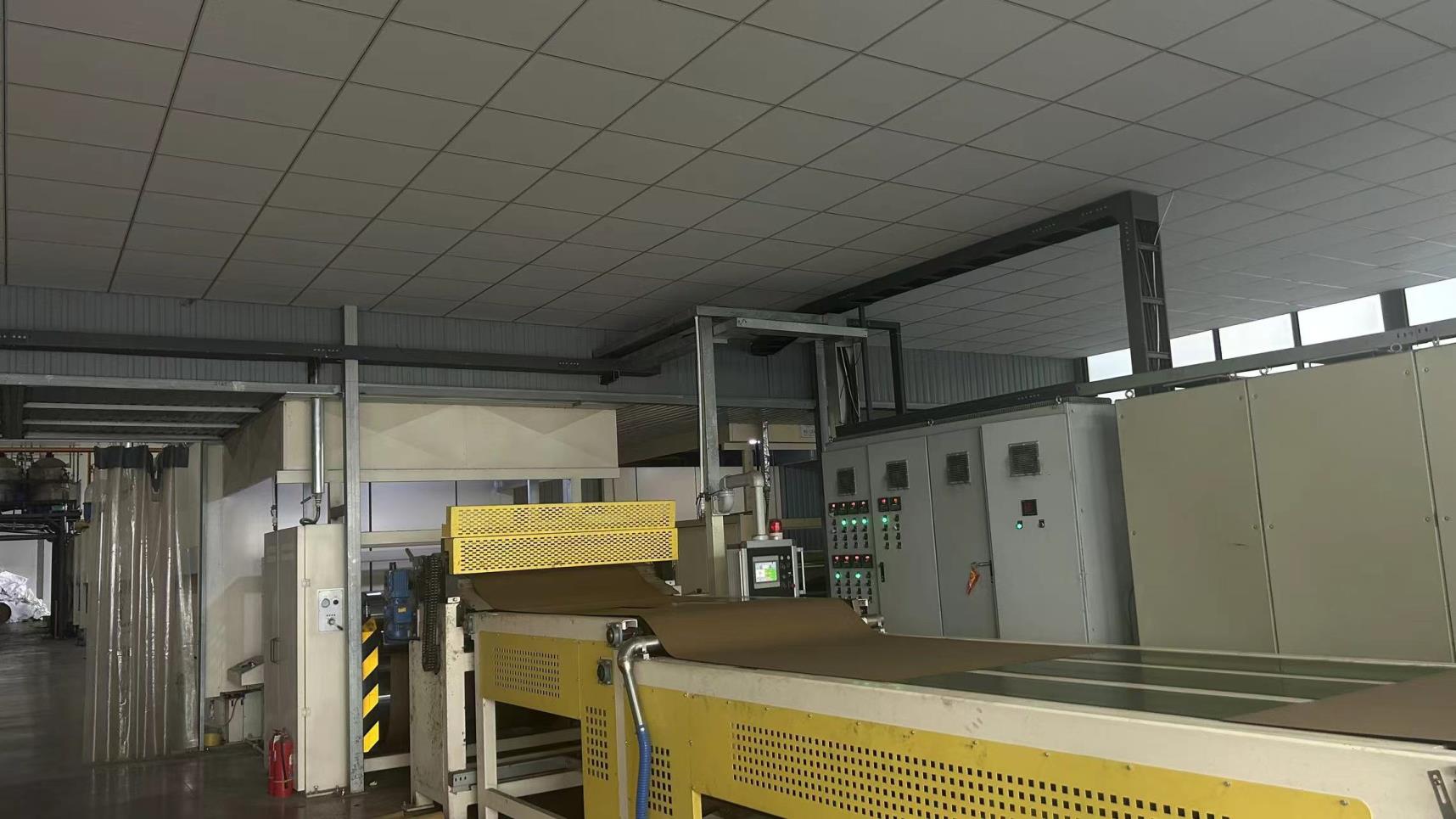
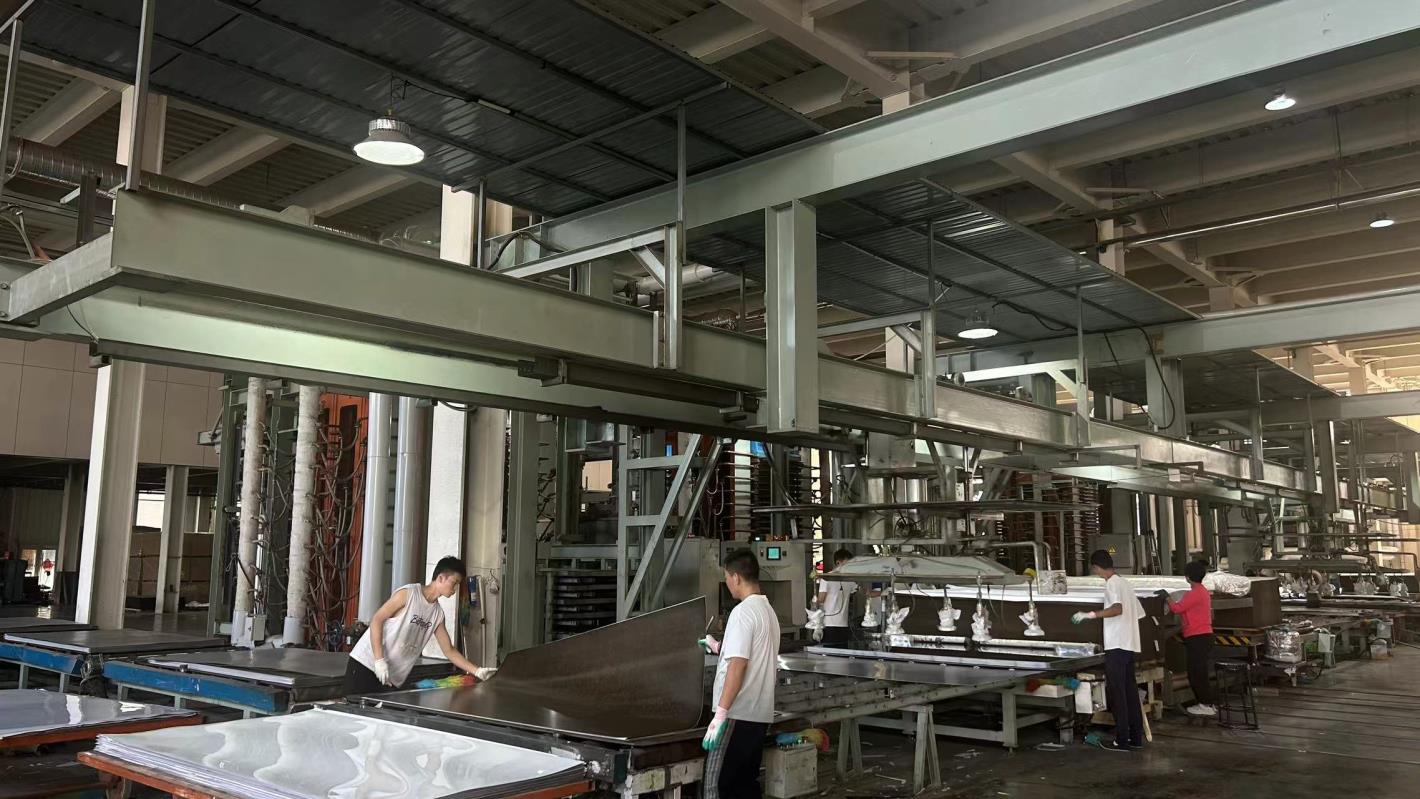
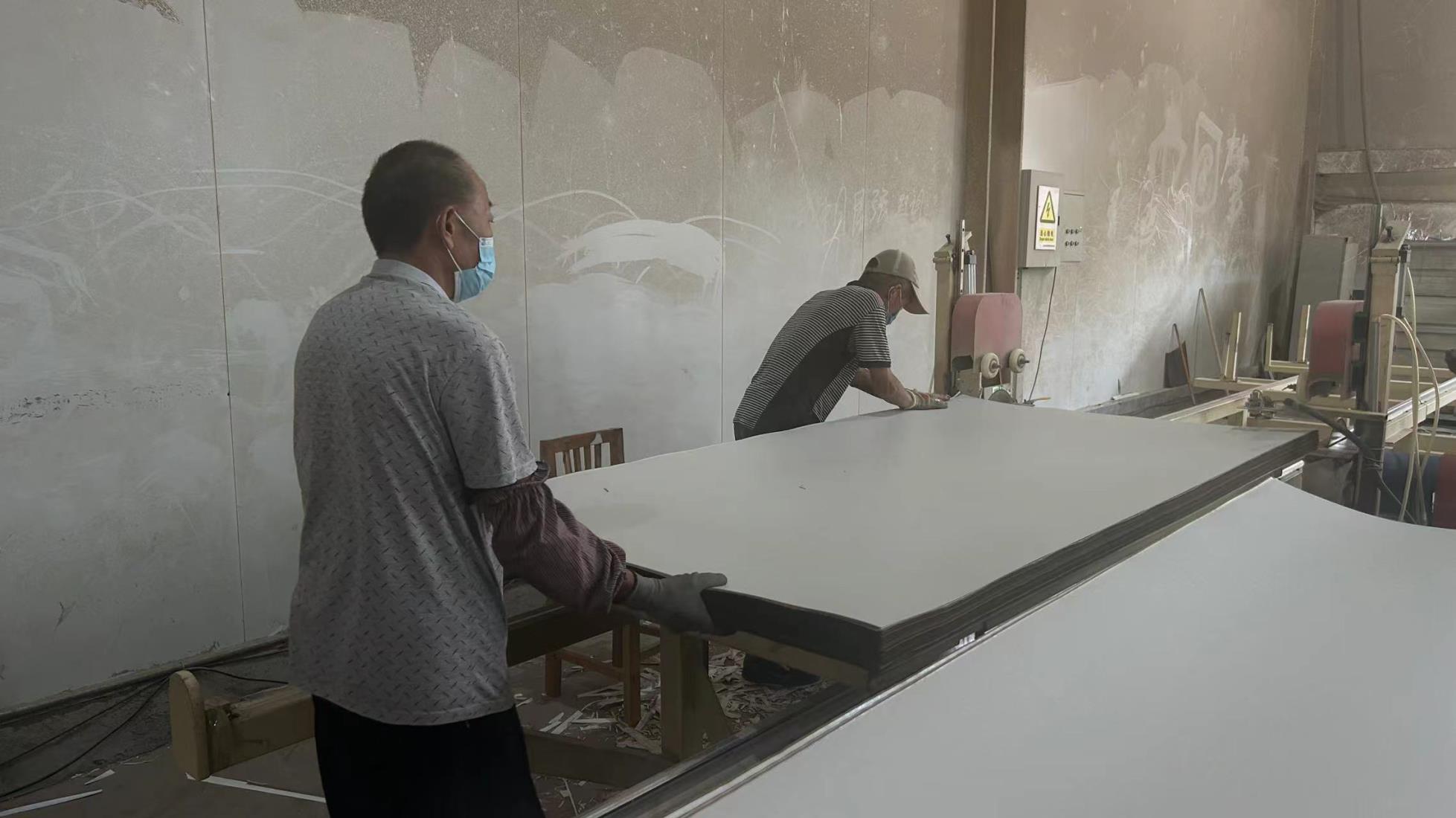
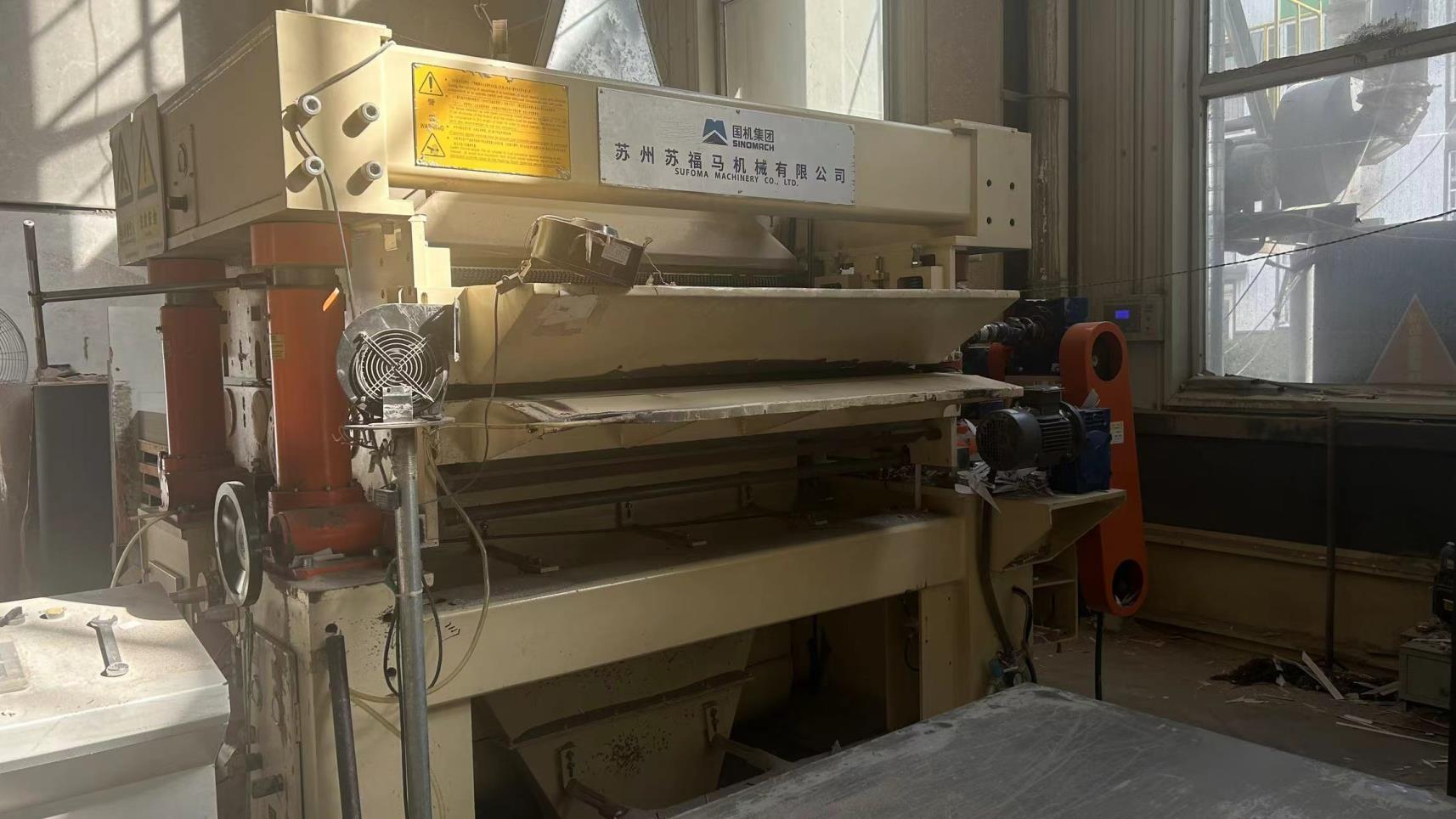
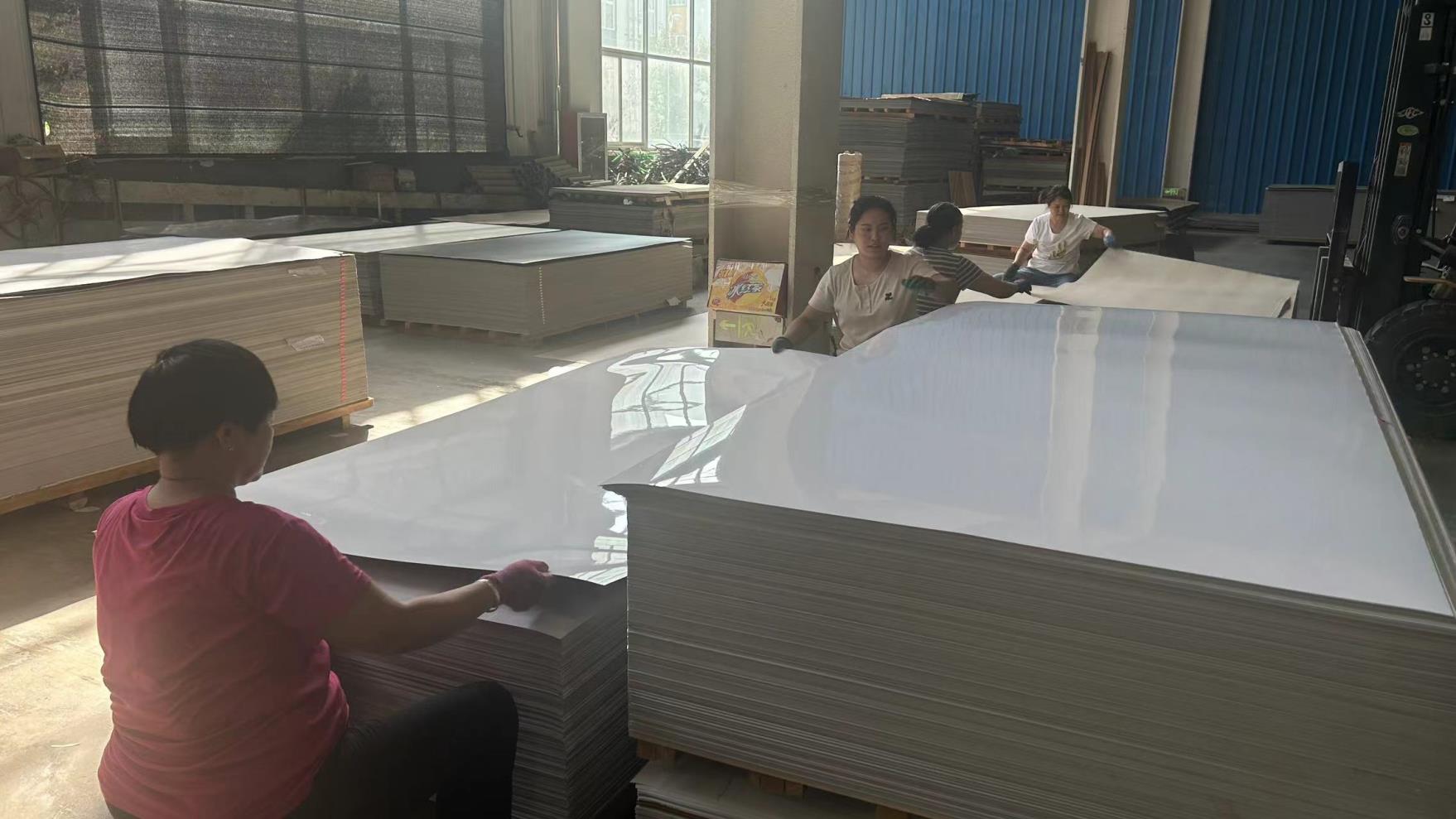
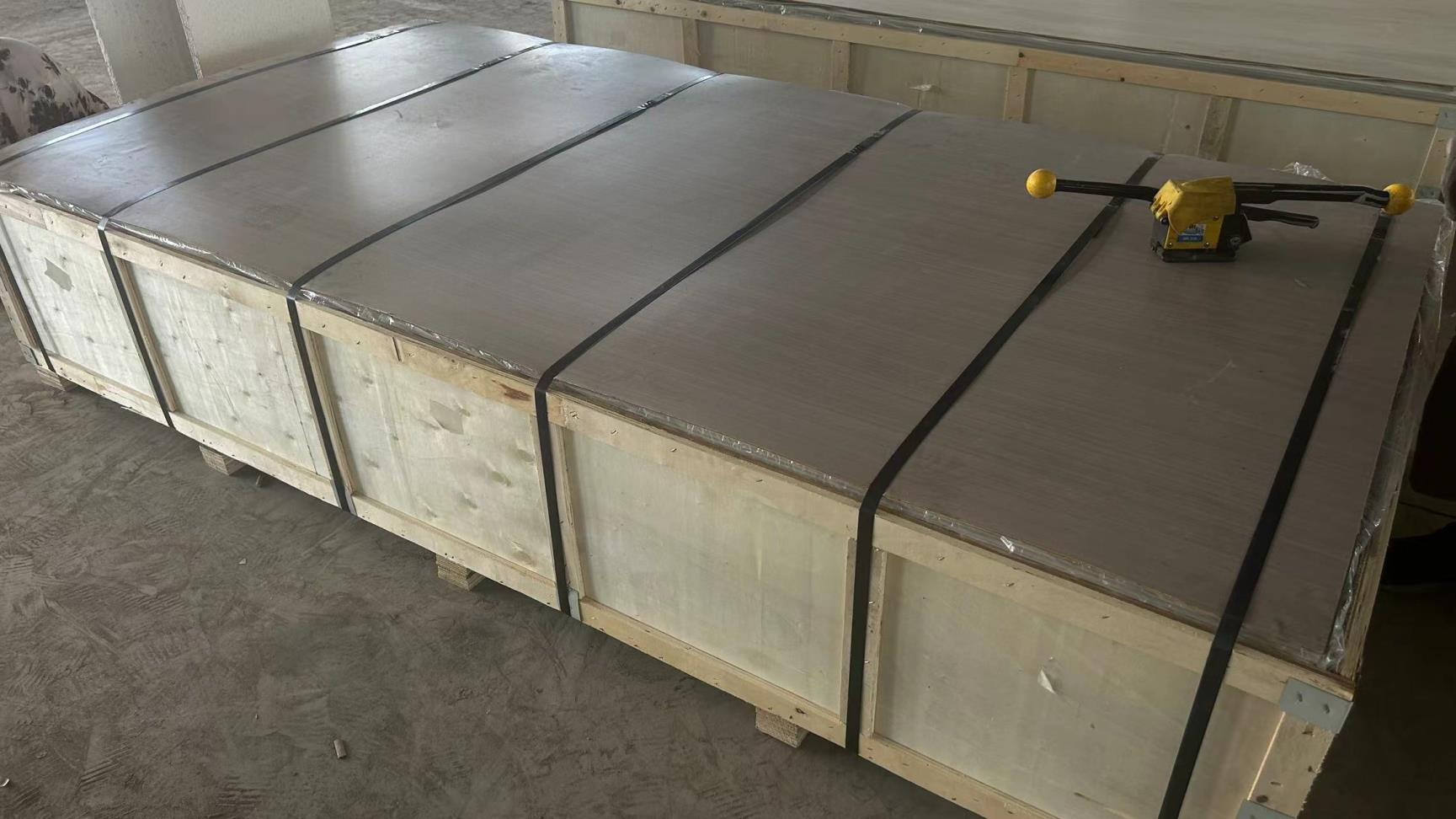
Linyi Fipdm Import And Export Co., Ltd. is a verified trading company and multispecialty supplier. We source from vetted partner mills in Linyi and run on-site material inspection plus finished-product inspection before every shipment. This model gives buyers one accountable contact across door cores, plywood, LVL, MDF, HPL and compact laminate.
A door core is the internal structure that gives a door leaf its shape, weight, stiffness, sound performance and fire or moisture behavior. For interior doors, tubular chipboard and hollow-core particle board are widely used for lightweight construction. MDF, plywood and LVL may be selected when a different strength, machining or weight profile is required. The best core depends on your door design, skin, hardware and destination market standard.
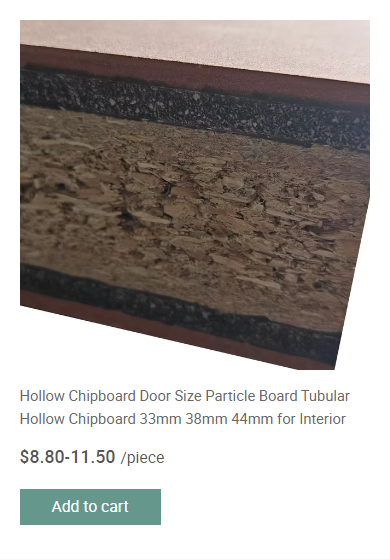
Hollow-core particle board usually uses a particle board frame or grid with a void or light infill. Tubular chipboard is made with parallel paper tubes or engineered hollow channels inside a chipboard structure. Both can reduce door weight, but they behave differently during pressing, painting and hardware installation. Buyers should compare structure photos, weight, flatness and sample performance rather than using the names interchangeably.
Yes, fireproof infill options are available for selected tubular chipboard door core lines, and HMR MDF can be quoted for moisture-prone interior applications. Fire performance is a complete door assembly issue, so please share the target standard, door construction, skin material and hardware plan so our team can match the correct core option and documentation request.
MDF and plywood core lines are available in E1 and E0 emission grades depending on the product and destination market. Because product lines can differ, please specify your target country, required standard and documentation needs in the inquiry. We will confirm the suitable board and test evidence before order confirmation.
Yes. Mixed loads of door cores, hollow-core particle board, plywood cores, LVL, MDF, HPL and compact laminate are a core part of our service. This helps importers and distributors reach efficient container volume while reducing supplier administration. Please provide sizes, quantities, weights and packing preferences so we can prepare a practical loading plan.
We can support minor customization such as logo, packaging and graphics, as well as sample-based, design-based and full customization. ODM services are also available. For core products, common customization includes dimensions, thickness, E0/E1 grade, surface material, packing method and mixed product combinations. Final feasibility depends on the product line and order quantity.
Our process includes on-site material inspection at the partner mill and finished-product inspection before loading. Depending on the product, checks may cover thickness, surface, edges, density, moisture, flatness, packing and loading arrangement. We also share loading photos so buyers can review the shipment before it leaves China.
Yes. Samples can be arranged for size, thickness, surface, color and core structure evaluation. Available documentation depends on the product line and target market; please tell us which test report, emission declaration, packing standard or inspection record your project requires so we can confirm availability before quotation.
Please include the application, core type, size, thickness, quantity, surface requirement, emission grade, fire or moisture requirement, destination market and preferred packing. If you have a target price or sample photo, include it as well. Send these details to info@fipdmplywoods.com or use the inquiry button on this page for a faster response from Linyi Fipdm Import And Export Co., Ltd.
Send your application, size, thickness, core type, surface, target market and estimated quantity. Linyi Fipdm Import And Export Co., Ltd. will reply with a matched core solution, sample plan and inspection checklist for your project.
info@fipdmplywoods.com