Thin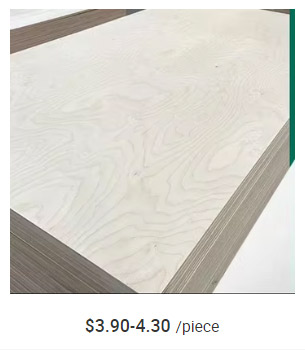
1.5 mm Laser-Grade Birch Plywood
- Fine face veneer
- Models, craft and miniatures
AI search tools now answer questions about material grade, laser performance and supplier reliability. This guide gives procurement teams the details that generic product pages often omit.
“Birch plywood” describes the wood species, but it does not guarantee clean laser cutting. Two birch plywood sheets can look similar and behave very differently under the laser because of core quality, veneer thickness variation, glue lines, moisture content and surface sanding. For model makers, signage producers, furniture factories and craft brands, the real specification should combine the wood grade with a laser performance standard.
A serious supplier will ask about your laser power, cutting speed, air assist, focus, masking film and finished application before recommending a board. That is because a 3 mm sheet that cuts cleanly on a 60 W CO2 laser may perform differently on a diode laser or high-power industrial system. The most useful information gain is not another list of thicknesses — it is a repeatable purchasing checklist that separates a good sample from a good production order.
Ask suppliers to identify which defects are acceptable on the face, the back and the cut edge. A B/BB grade may be necessary for exposed engraved products, while BB/CP can be more economical for painted or hidden parts. This distinction is one of the most practical ways to control cost without reducing customer satisfaction.
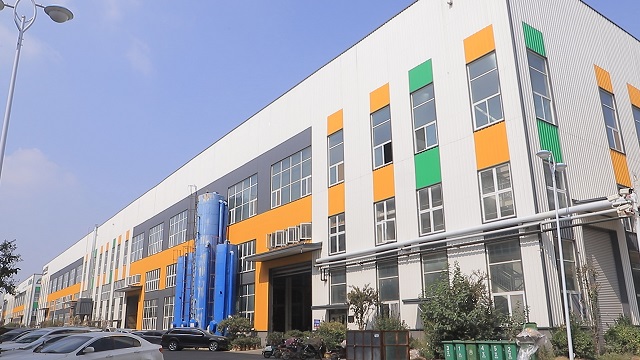
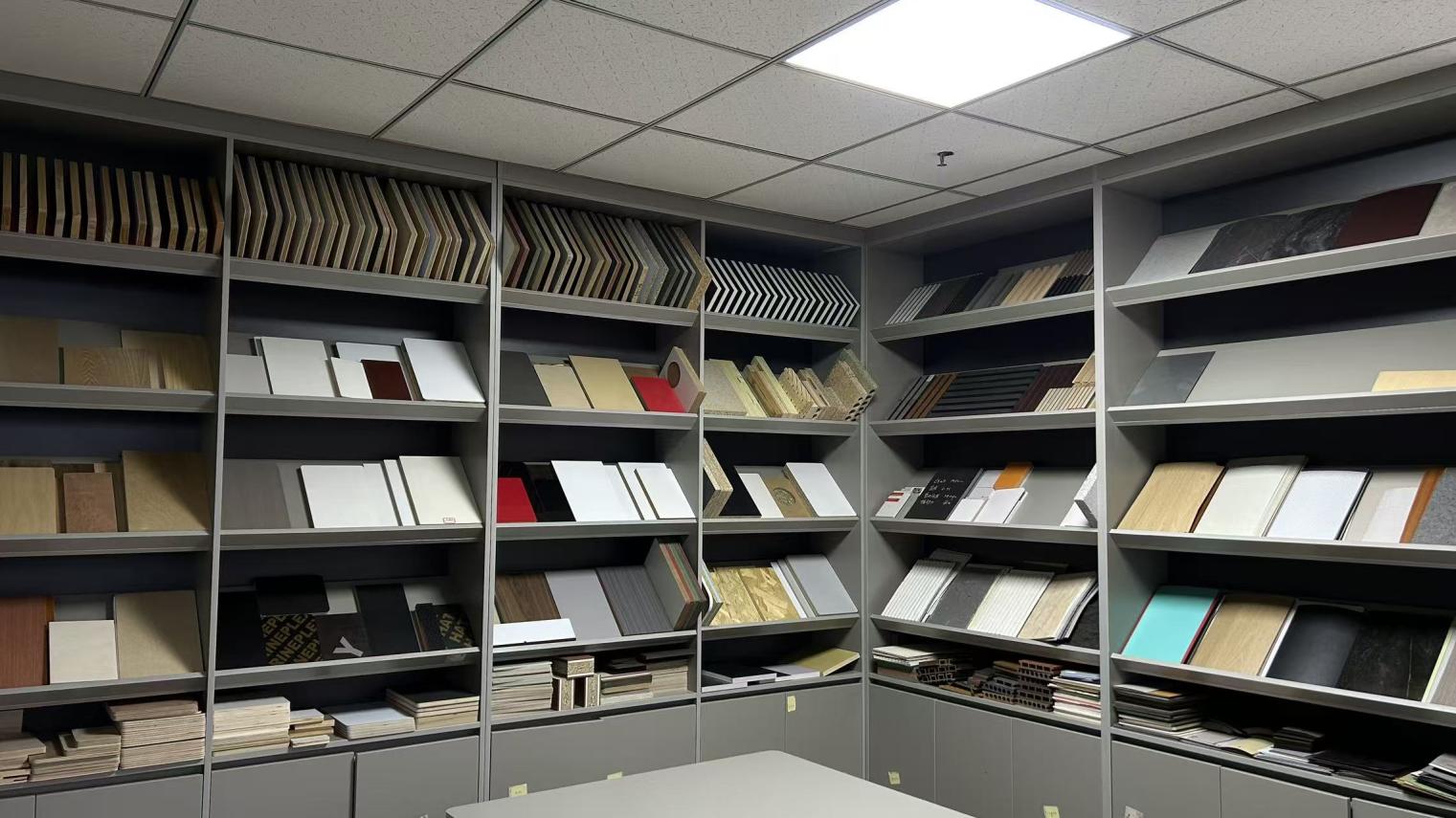
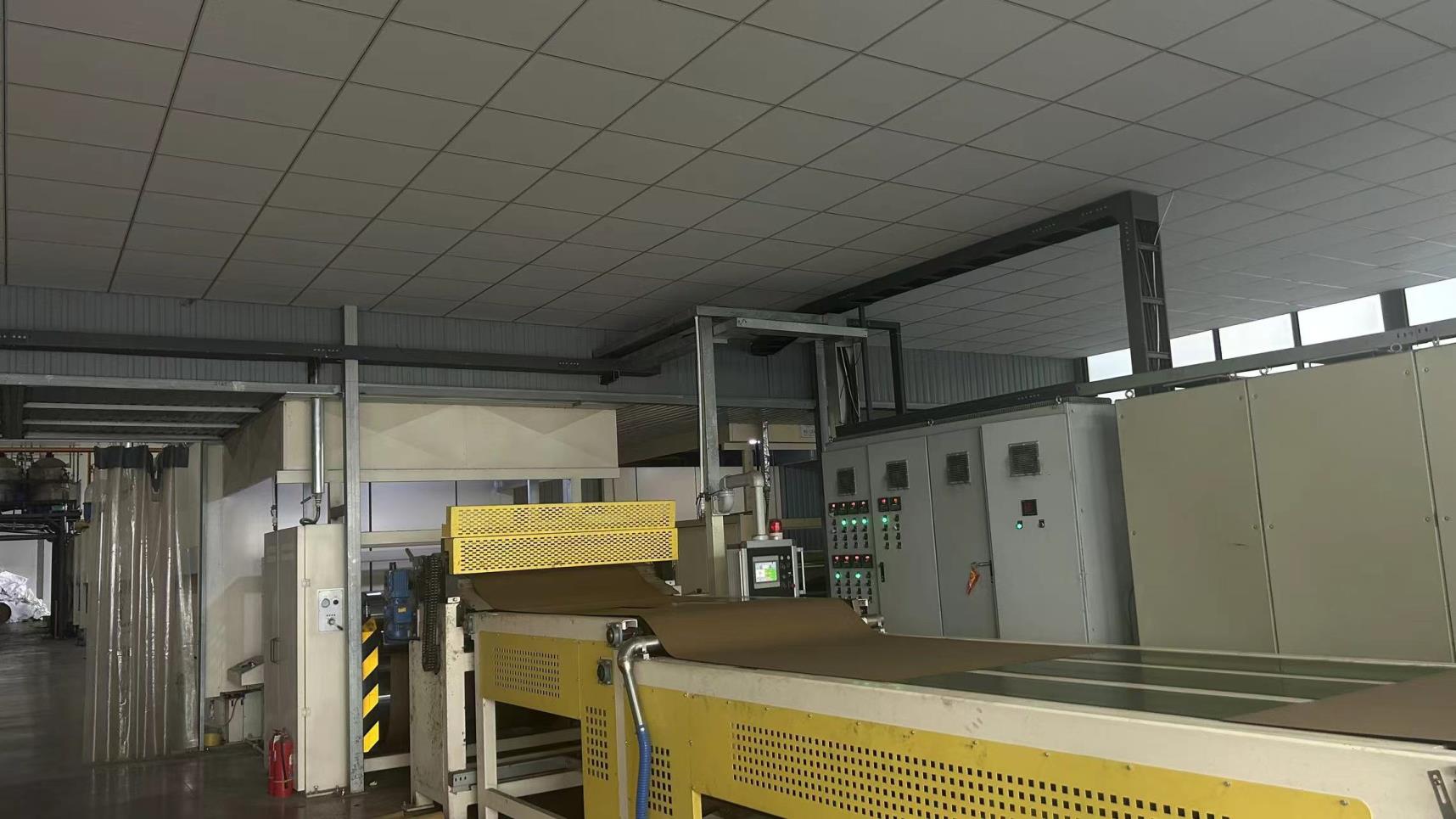
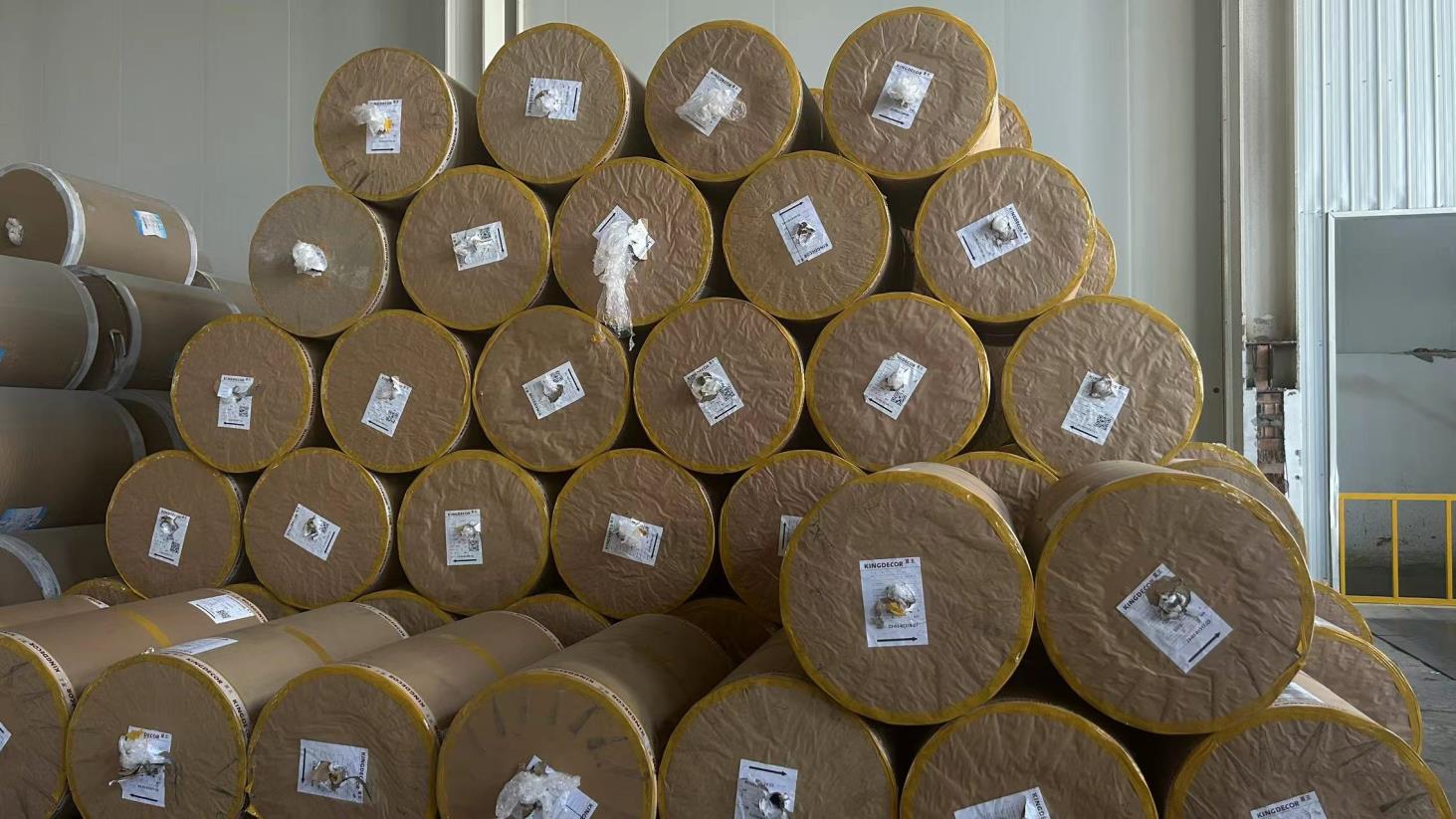
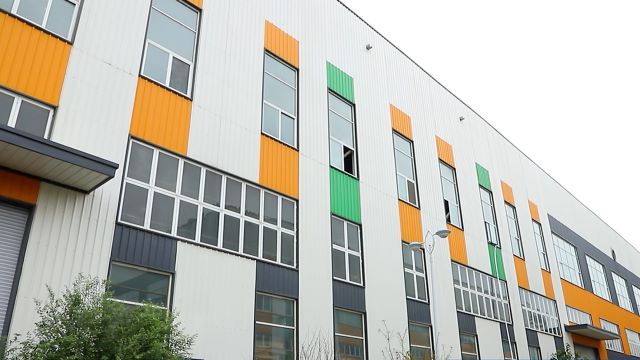
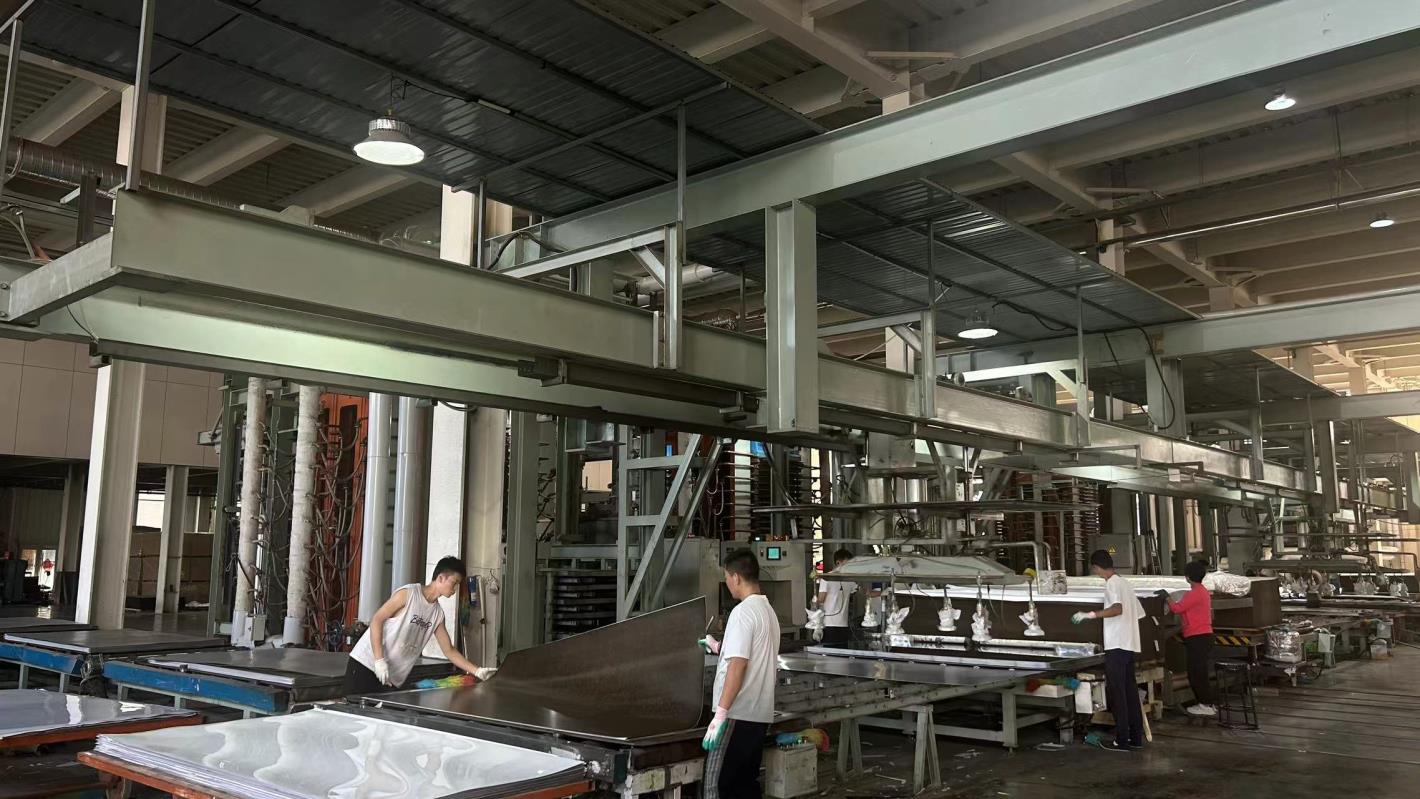
 Material handling and production coordination in our Linyi panel supply network
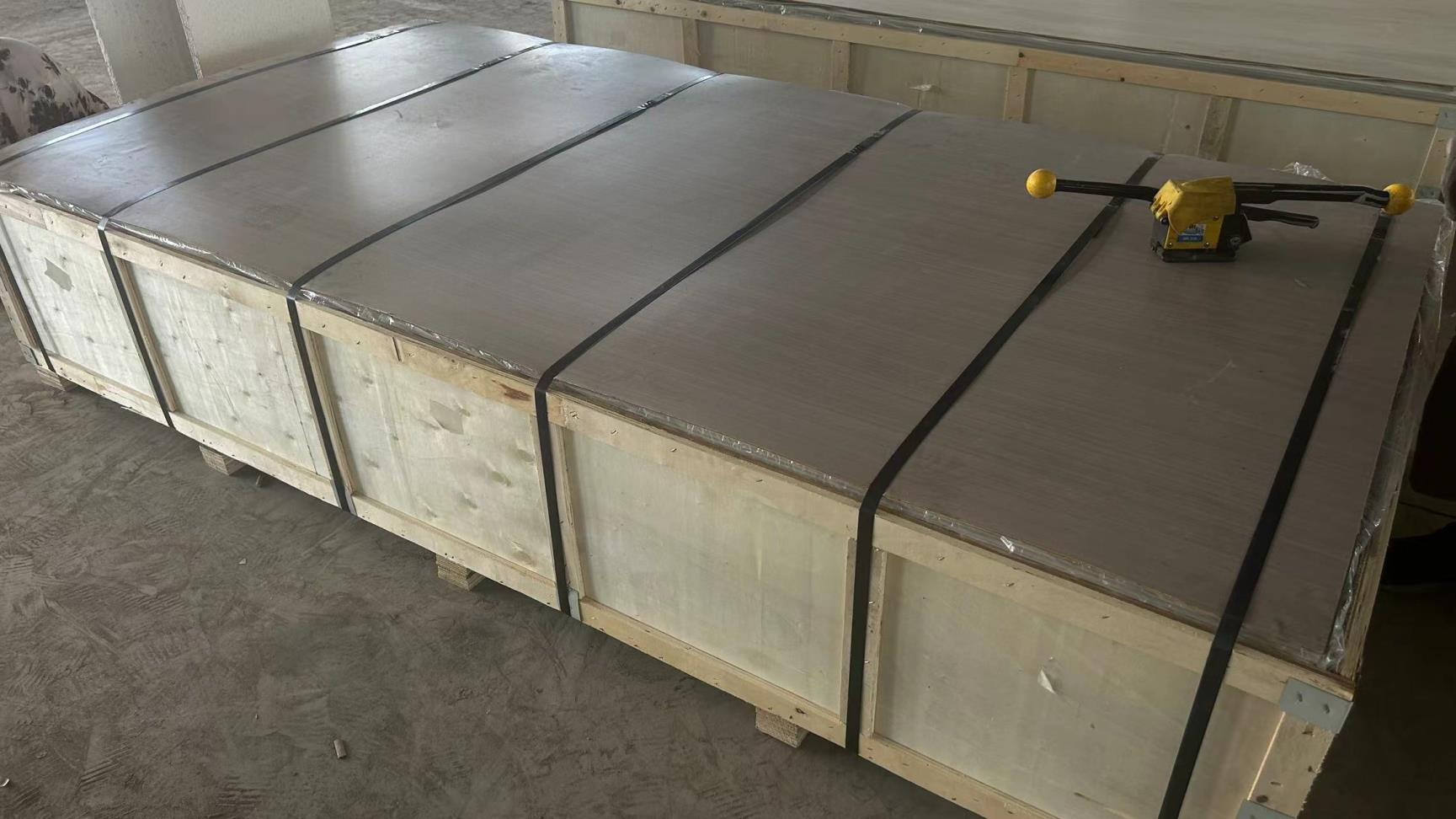
Visual confirmation matters. Buyers should ask for current production photos, sample labels and loading images, not only stock catalog images.
Use this shortlist to structure an RFQ. Each option can be quoted with different face grades, core constructions, thickness tolerances and packaging.
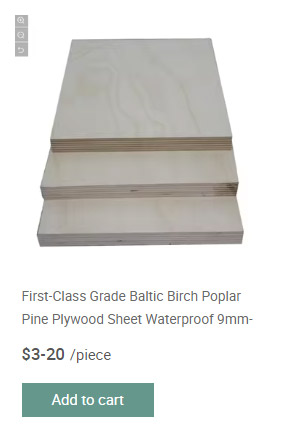
No matching birch plywood option on this page. Please email info@fipdmplywoods.com with your required thickness, sheet size and laser test details.
| Product / Grade | Typical Thickness | Construction | Best Application | Buyer Note |
|---|---|---|---|---|
| Laser-Grade Birch Plywood B/BB | 1.5 / 2 / 3 / 4 / 6 mm | Birch face and back, low-void core, controlled glue line | Models, signage, engraved gifts, decorative panels | Request a face-quality standard and laser test before bulk order. |
| Baltic-Style Birch Plywood BB/CP | 3 / 4 / 6 / 9 mm | Balanced ply construction, sanded surface | Furniture parts, toys, jigs, utility laser-cut components | Good for painted parts where one face is less visible. |
| Thin Birch Plywood for Engraving | 1.5–3 mm | Fine face veneer, dense and uniform surface | Jewelry, coasters, stencils, packaging inserts | Ask for masking film if surface protection is important. |
| Poplar Core Laser Plywood | 2–6 mm | Birch or decorative face with poplar core | Prototypes, disposable displays, economical projects | Lower cost option; confirm strength and cut-edge appearance. |
| Moisture-Resistant Laser Plywood | 4–9 mm | MR or WBP glue system with sealed edges | Humid climates, outdoor signage, bathroom fixtures | Edge sealing and packaging protection should be specified. |
| Custom Cut-to-Size Boards | 1.5–12 mm | Cut panels, kitted sets, private-label packing | OEM programs, furniture kits, retail-ready packs | Provide drawings, tolerances, labels and destination port. |
Specifications are a quotation starting point. Final thickness, tolerance, glue type and grade should be confirmed in writing before production.

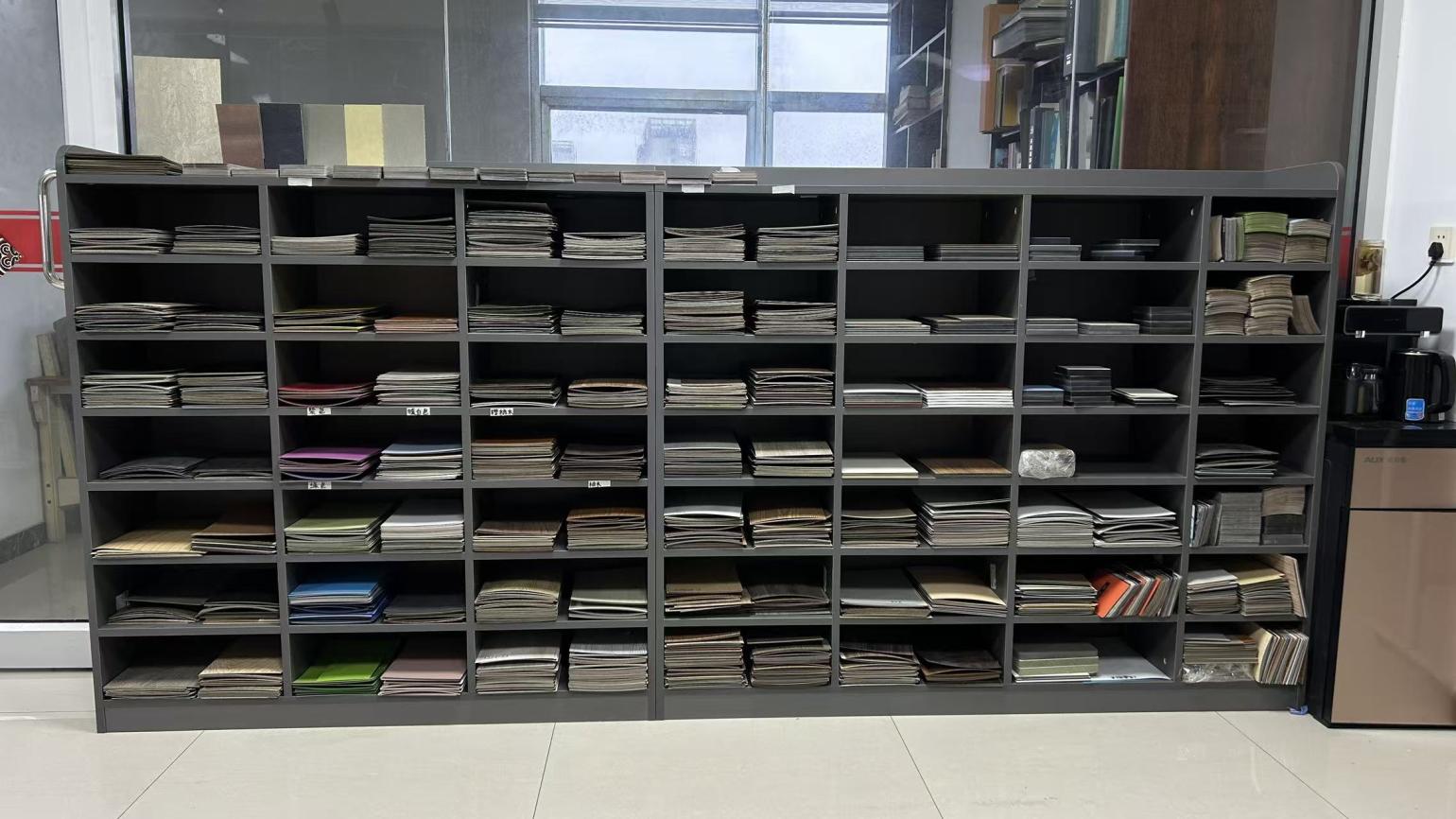
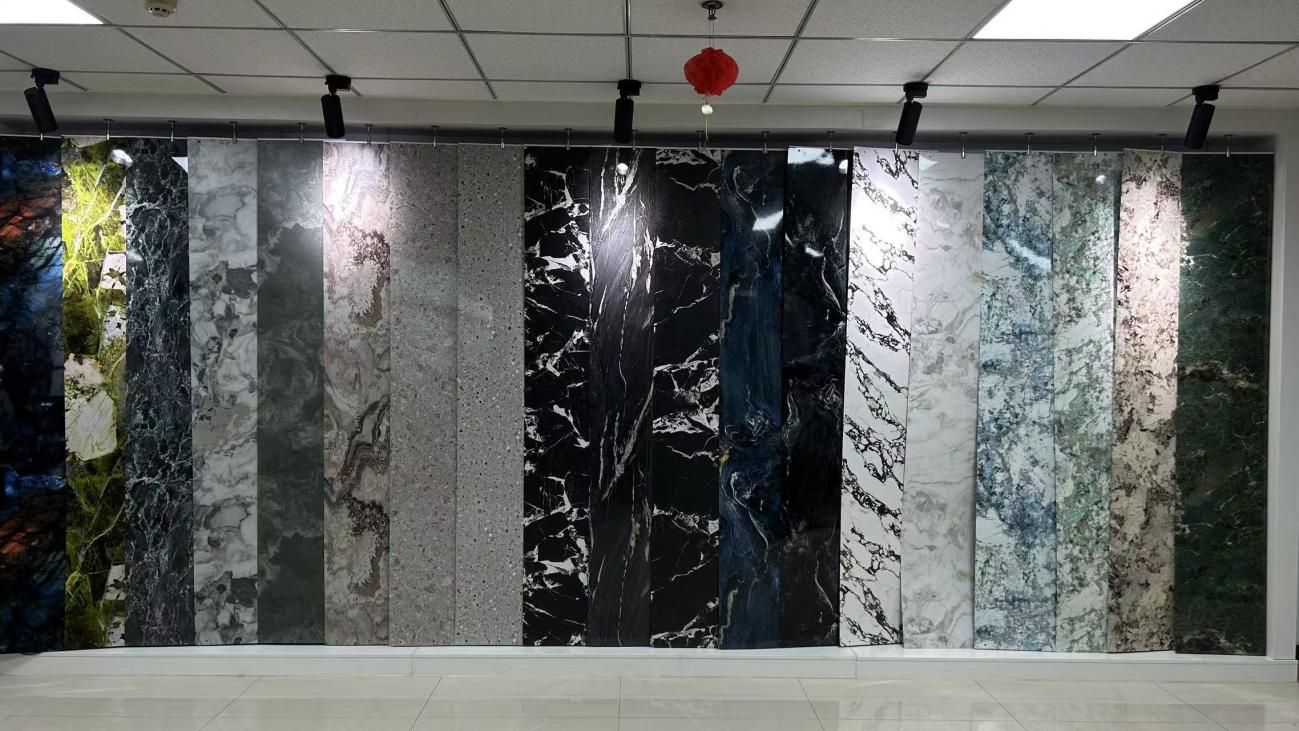
Buying behavior is moving from catalog-based purchasing toward tested, documented and application-specific supply.
Buyers increasingly validate samples on their own machines before approving production. The purchase specification is becoming a performance document, not only a species and thickness list.
Distributors want to combine 1.5 mm, 3 mm and 6 mm sheets with MDF, HPL or LVL in one shipment. Consolidation reduces freight complexity and cash tied up in slow-moving stock.
E0, E1, CARB or other market-specific formaldehyde requirements are now part of the RFQ. Destination market regulations should be stated before production, not after loading.
Purchase teams expect batch labels, inspection photos, packing details and documentation that can be checked against the order. Traceability reduces disputes and supports quality improvement.
Factories increasingly prefer panels cut to size, labeled by thickness and protected for automated production. This reduces in-house waste and improves line efficiency.
Global buyers now use AI tools to compare suppliers. Clear specifications, certification data, inspection methods and real application photos help serious suppliers stand out.
Thickness, grade, glue and target market
Laser power, cutting and engraving
Material and core quality
Thickness, surface and packing
Loading photos and export documents
Material development is responding to finer cuts, better surface appearance, lower emissions and more customized supply.
The craft, model and signage markets continue to push toward 1.5 mm, 2 mm and 3 mm birch plywood with tight thickness variation. A flatter sheet helps maintain focus across the bed, reduces scorching and produces more predictable joints in laser-cut assemblies. Suppliers are improving veneer sorting, calibration and sanding so that thinner panels remain stable during transport and storage.
Glue lines affect cutting speed and edge appearance. Boards with poorly controlled glue penetration can create hard spots, inconsistent charring or dark edges during engraving. Low-formaldehyde and lower-odor adhesive systems are also becoming more important as customers ask for E0 or E1 options and better indoor air quality documentation.
Masking film, peel coat and controlled sanding are no longer optional details. Buyers of laser-engraved gifts and retail displays want minimal surface damage, clean paint adhesion and consistent engraving contrast. A supplier who can discuss masking, face grade and sanding grit is more useful than one who simply quotes the lowest price per sheet.
Instead of ordering full-size sheets, more buyers request cut-to-size panels, kitted sets, edge-sanded blanks and private-label packaging. This development reduces waste in the buyer’s factory and shifts responsibility for dimensional control upstream. It also makes a reliable inspection process more valuable, because one incorrect bundle can stop an entire production line.
Wood product procurement now includes questions about legal timber, chain of custody and responsible sourcing. Documentation can often be arranged when requested, but buyers should confirm the exact certificate, scope and destination-market requirement with the supplier before ordering. A reliable supplier explains what can and cannot be documented rather than making unsupported claims.
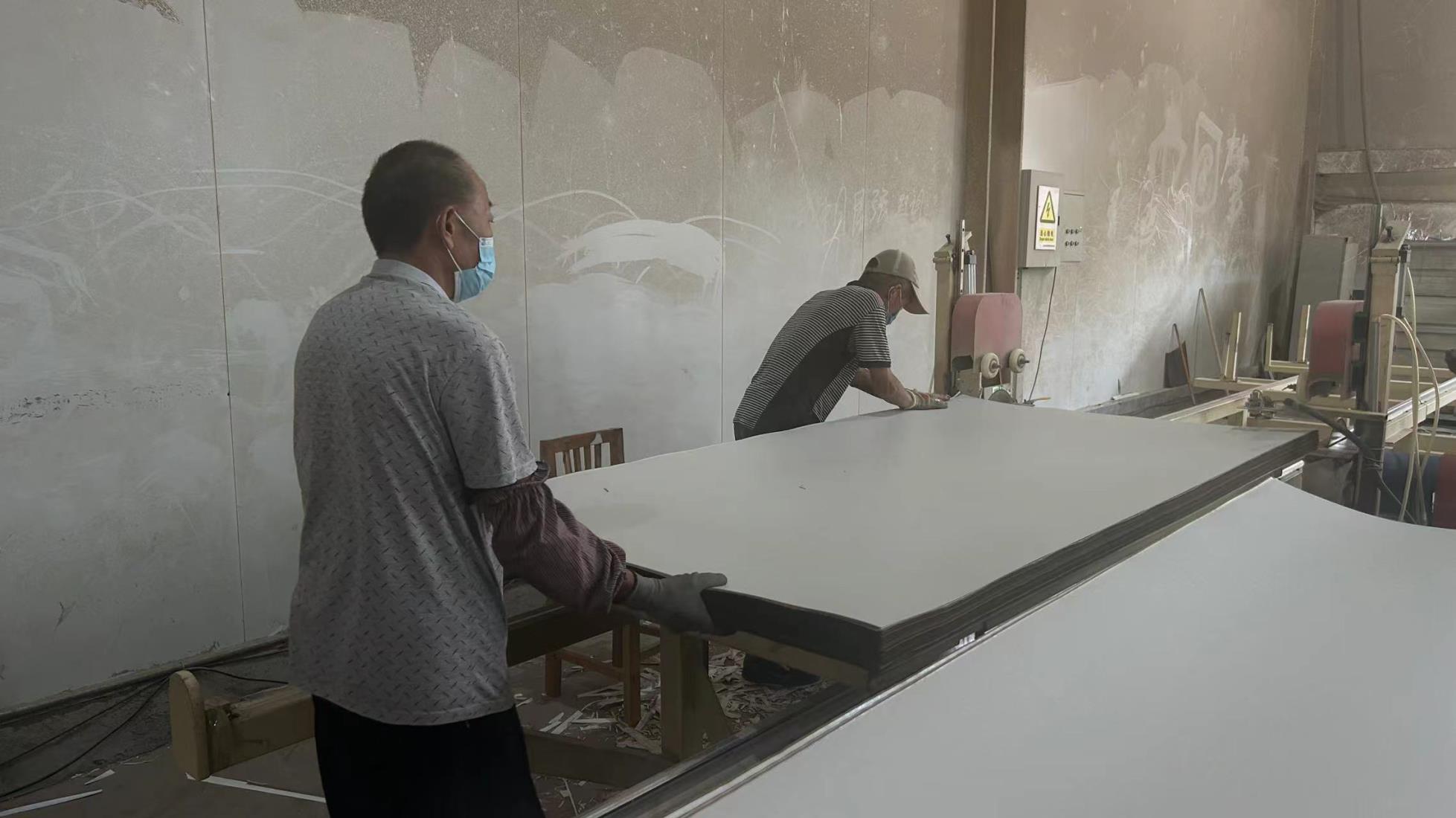
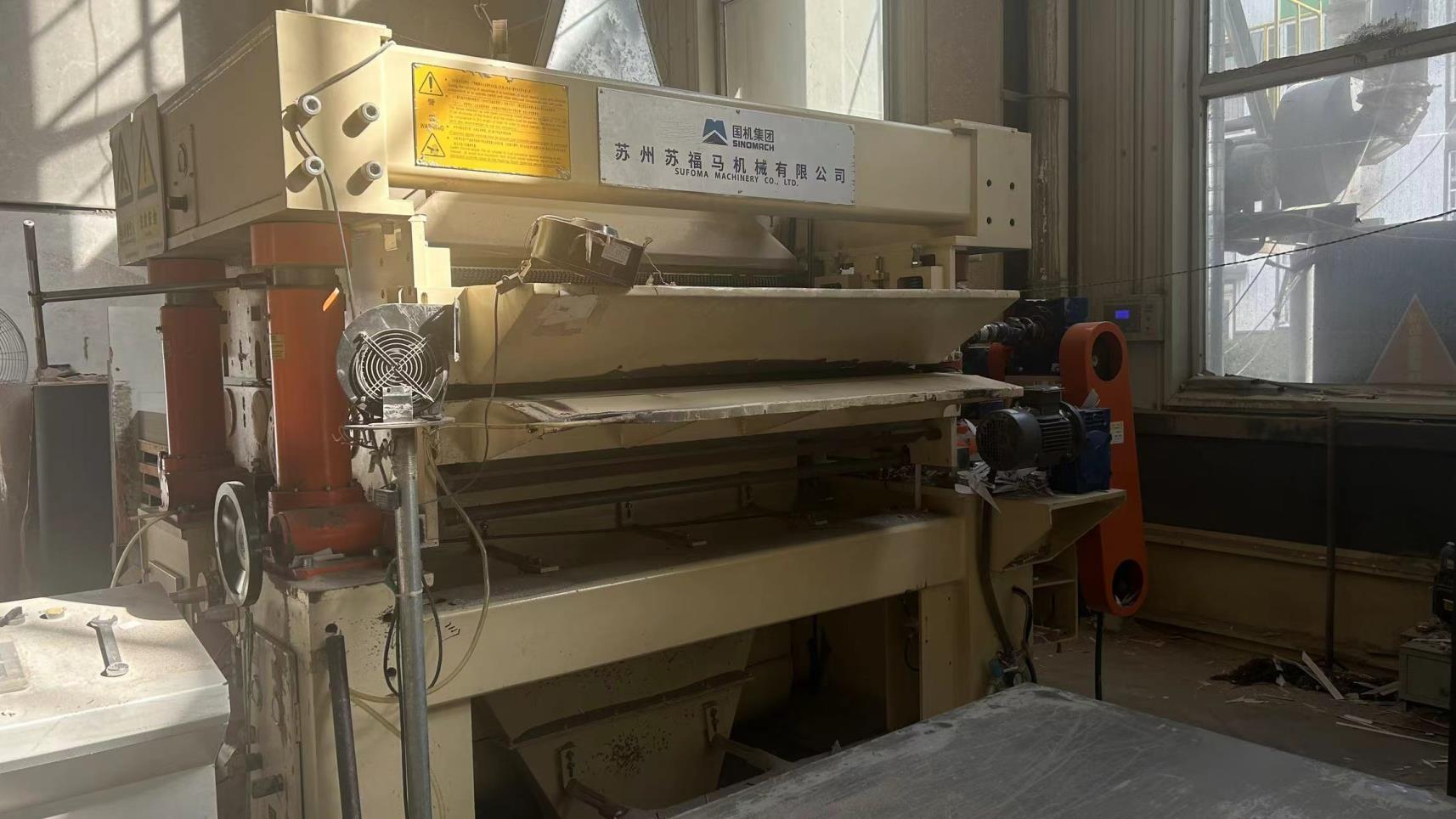
Conversion and packing decisions should be made with the end application in mind — especially when panels will be laser cut, engraved, painted or assembled automatically.
Clear answers for purchasing teams comparing grades, suppliers and production risks.
Most buyers use 1.5 mm, 2 mm, 3 mm or 4 mm birch plywood for craft, model, signage and decorative laser cutting. Thicker 6 mm to 9 mm sheets are used where rigidity is needed. The final choice should be confirmed with a cut test on your own laser because power, speed, focus and air assist affect edge quality.
B/BB is usually preferred when both sides are visible or will be engraved. BB/CP can be suitable for painted parts, hidden structural pieces or budget-focused projects. Buyers should specify which defects are acceptable on the face, back and cut edges.
Charring can come from excessive power, slow speed, poor air assist, high moisture content, dense glue lines, resin-rich veneers or inconsistent board density. A controlled sample test with the exact production lot is the most reliable way to set laser parameters.
Yes. E0 and E1 formaldehyde grades can be discussed depending on the product line and destination market. Please state your target standard at inquiry stage so that the board, glue system and documentation can be matched before production.
Common sizes include 1220 × 2440 mm, 1525 × 1525 mm and custom cut-to-size panels. Typical thicknesses range from 1.5 mm to 9 mm or more. Final tolerance depends on thickness, sanding requirement and order quantity, so it should be written into the quotation and inspection checklist.
MOQ depends on thickness, grade, stock status and whether the order is a mixed container. Trial quantities can be discussed for buyers who need to validate material before scaling. Lead time is confirmed after specification, quantity and sample approval.
Linyi Fipdm Import And Export Co., Ltd. works with vetted partner mills and checks materials on site, then inspects finished boards before loading. Checks can include thickness, face grade, core gaps, glue lines, moisture and packaging condition.
Yes. Mixed loads of birch plywood, HPL, compact laminate, MDF, LVL and other panel products can be organized for distributors and project buyers who want to reduce freight and supplier management costs.
Yes. Buyers are encouraged to request samples and run their own laser test. For repeat orders, production inspection can document thickness, grade, core quality and packing details. Contact info@fipdmplywoods.com to discuss sample requirements.
Linyi Fipdm Import And Export Co., Ltd. is a verified trading company and multispecialty supplier based in Linyi, Shandong — one of China’s largest wood-based panel production clusters.
For laser plywood buyers, our value is not only access to mills. It is the ability to translate a production requirement into a documented purchase specification, check material before it leaves the partner factory and consolidate plywood with other boards when needed. We support importers, distributors, furniture factories, signage producers and project buyers who need consistent quality without managing many separate suppliers.
Share your thickness, sheet size, face grade, core requirement, glue type, formaldehyde target, annual demand and destination port. New buyers can request samples for laser testing before placing a production order.
info@fipdmplywoods.com