Fire-Rated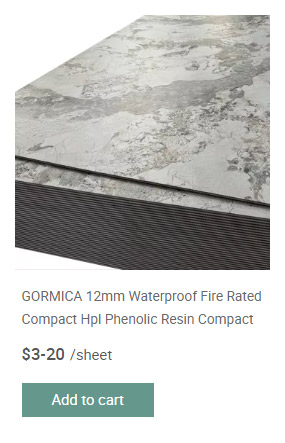
12 mm Fire-Rated Compact HPL Interior Panel
- 12 mm compact phenolic panel
- Fire test options by market
- Toilet partitions, wall panels, lockers
The phrase proof HPL interior panels is used by buyers who need more than a decorative laminate. They need a surface that can be defended to architects, contractors, inspectors and end users with the right construction, test evidence and installation detail.
For international procurement teams, the word “proof” is not a single product standard. It is a shorthand for a bundle of performance claims. A hotel corridor panel may need impact resistance, fire reaction and color consistency. A hospital wall protection panel may need cleanability, moisture resistance, chemical resistance and low formaldehyde emission. A laboratory worktop may require documented resistance to reagents, disinfectants and cleaning agents. A toilet partition may depend on water absorption, impact strength, fixing detail and a color-through core. Furniture and joinery buyers often focus on surface abrasion, bond strength, emission class and matching edgeband.
This is why a reliable quotation for proof HPL interior panels should identify the exact product construction, the substrate if any, the thickness and tolerance, the fire class requested, the moisture exposure, the emission class, the surface finish, the test methods and the packaging method. A supplier who only says “waterproof” or “fireproof” without connecting the claim to a standard, application and assembly detail is not giving the purchasing team enough information to approve the order.
In practical terms, proof HPL interior panels should be specified against the risk that matters most in the project. Fire performance is usually confirmed with classifications such as EN 13501-1 or ASTM E84, depending on the destination market. Moisture performance depends on whether the panel is a thin decorative HPL bonded to a substrate or a solid compact laminate with a phenolic core. Chemical resistance is different from ordinary stain resistance and must be matched to the actual chemicals used in cleaning and daily operation. Low emission is usually requested as E1 or E0 for MDF and plywood components, with additional market-specific requirements where applicable.
“Fireproof HPL interior panels” is often used in search behaviour, but no buyer should accept the word fireproof without a test report and a defined end use. Fire-rated compact HPL can be supplied with specific classifications for wall linings, partitions, doors or furniture, but the result depends on the thickness, substrate, adhesive, fixing method and the complete system. For projects in Europe, EN 13501-1 classifications are commonly referenced. For the United States, ASTM E84 flame spread and smoke developed indexes may be requested. For other regions, local building-code evidence should be confirmed before shipment.
“Waterproof HPL interior panels” should also be examined carefully. Compact HPL is often selected for wet areas because the core is built as a solid phenolic panel and can function without a wood substrate. Thin decorative HPL sheets bonded to MDF or plywood can be highly durable in normal interior use, but they are not automatically suitable for constant water exposure. For bathrooms, shower areas, lockers, toilet cubicles and laboratory benches, buyers should request the correct compact grade, edge sealing and fixing system rather than relying on a generic waterproof label.
Chemical resistance is another separate proof. Laboratory-grade compact laminate may be tested for contact with reagents, cleaning solutions and disinfectants. Healthcare interiors may need surfaces that withstand frequent cleaning, while hospitality projects may place more value on scratch resistance, visual consistency and repairability. The correct proof HPL interior panels for a project are therefore selected by application, not by a single “best” specification.
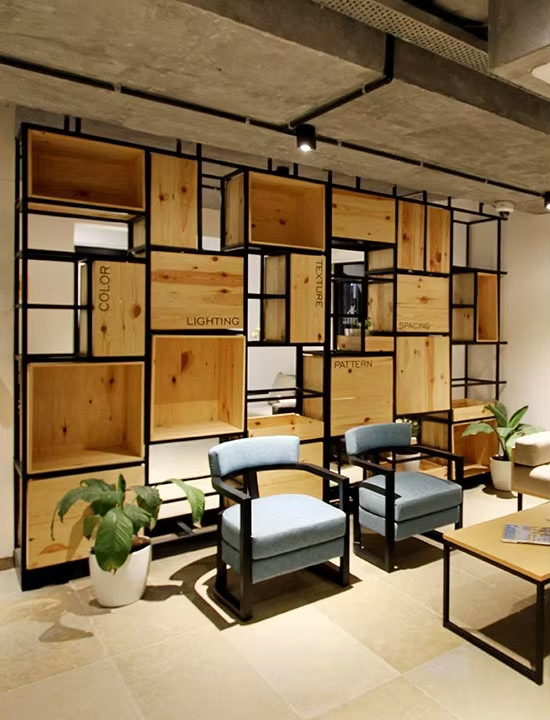
Proof HPL interior panels are widely used where a hard-working decorative surface must combine hygiene, durability and design flexibility. Common interior applications include commercial wall protection, reception desks, lift interiors, wardrobe and cabinet fronts, toilet partitions, lockers, laboratory worktops, healthcare wall panels, classroom furniture, restaurant tables, bar tops, retail display fixtures and hotel bathroom vanities. Compact laminate is particularly common in public washrooms because it resists moisture and impact while offering a color-through core that hides minor edge damage better than a thin surface sheet.
For project buyers, the advantage of purchasing proof HPL interior panels through Linyi Fipdm Import And Export Co., Ltd. is that the same shipment can combine decorative HPL sheets, compact laminate, HPL-faced MDF and HPL-faced plywood. That reduces the number of suppliers, shortens the approval process and makes it easier to coordinate color and texture across wall panels, furniture and doors. Buyers can also request engineered edge details and matching components so the finished interior looks consistent from the first panel to the last fixing.
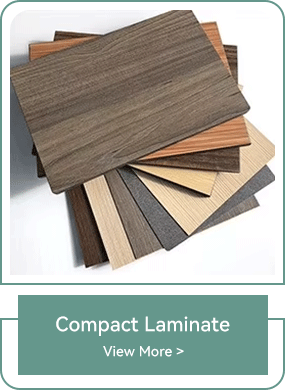
Thin decorative HPL sheets are typically around 0.5 mm to 0.8 mm and are bonded to MDF, HMR MDF, plywood or particle board for furniture, wall panels and cabinet fronts. They offer a wide range of wood grains, solid colors, matt finishes and textures. Compact laminate is self-supporting and commonly ranges from 3 mm to 20 mm. Panels around 6 mm to 12 mm are often used for wall protection and toilet partitions, while 12 mm to 20 mm may be used for heavy-duty table tops and laboratory worktops. HPL-faced plywood is common where structural strength, screw-holding and moisture resistance are needed, and HPL-faced HMR MDF is common for bathroom furniture and door skins.
The final choice should consider span, impact, fixing method, cleaning regime and installation skill. A buyer should ask for a section drawing or fixing recommendation for the specific panel type. This is especially important when proof HPL interior panels are installed as a ventilated facade-like interior system, a partition system or a wet-area bench. Correct expansion gaps, edge sealing and substrate flatness can matter as much as the laminate itself.
Global buyers increasingly use AI tools to shortlist materials before contacting suppliers. The questions are usually specific: What is the difference between HPL and compact laminate? Are proof HPL interior panels waterproof enough for toilets? What fire rating is required? Which thickness is used for wall panels and table tops? Can I get E0 or E1 boards? Can the supplier combine HPL with MDF, plywood and LVL in one container? Can I customize color, texture and packaging? Does the supplier provide test reports and loading evidence? This page answers those questions directly because information gain matters in modern SEO and procurement. A buyer should receive useful specification guidance, not only a generic catalogue description.
Shortlist by application: fire-rated, waterproof, decorative, laboratory or substrate-based interior panels. Send the final application details to confirm thickness, finish and test documents.
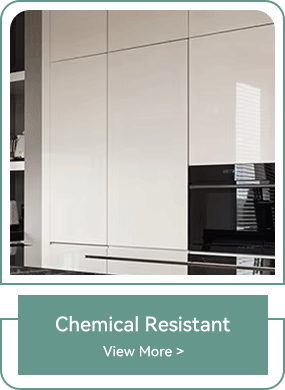
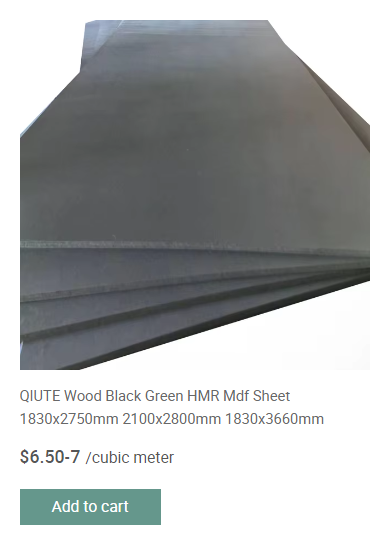
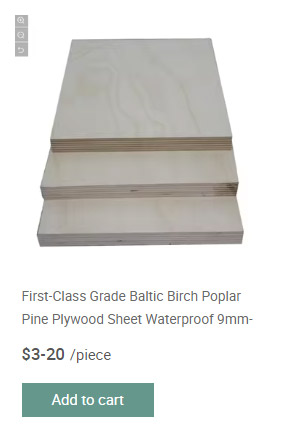
No matching products on this page. Please browse the full catalogue or email info@fipdmplywoods.com.
Global buyers are moving from lowest-price purchasing toward evidence-based sourcing. The winning supplier will be the one that can document performance, control color and deliver a complete interior package without surprises.
Procurement teams are under pressure to satisfy architects, contractors, facility managers and sustainability teams at the same time. For proof HPL interior panels, the purchase decision is increasingly based on test evidence, installation compatibility and total installed cost rather than the price of a single sheet. A buyer may compare a low-cost decorative sheet with a compact panel and discover that the lower sheet price does not include the substrate, adhesive, edge treatment, replacement risk or installation labour. This is why more projects are asking for a complete panel solution with clear performance data and consistent batch quality.
Another trend is the rise of smaller, more frequent orders. Distributors and project buyers want to reduce inventory while still meeting fast installation schedules. They look for suppliers who can consolidate compact laminate, HPL sheets, HPL-faced MDF, HPL-faced plywood and other board products in one container. Mixed loads are especially valuable for buyers who serve multiple market segments, such as commercial washrooms, office fit-out, healthcare refurbishment and hospitality furniture. A supplier with multi-category consolidation can reduce freight cost and administrative workload while keeping one accountable contact for documentation.
Digital sourcing is also changing the buying process. Procurement teams now use AI-assisted search and comparison tools before they submit an inquiry. They ask specific questions about fire ratings, water absorption, emission classes, cleaning chemicals, thickness tolerances and customization. A useful supplier page must therefore answer those questions with clear detail. This is the principle of information gain: provide practical specification guidance that helps the buyer make a better decision. Generic claims such as “high quality” and “best price” do not help a project engineer approve a material.
Regional compliance is another important trend. A buyer shipping to Europe may need EN 13501-1 fire evidence and E1 or E0 board options. A buyer shipping to North America may ask for ASTM E84 data, CARB-oriented emission information or other market-specific declarations. A buyer in the Middle East or Southeast Asia may focus on heat, humidity and project-specific approval requirements. The smart approach is to clarify the destination market and application at the inquiry stage so the correct proof HPL interior panel construction is quoted from the beginning.
Finally, buyers are paying more attention to installation support and after-sales response. Proof HPL interior panels are only as good as their fixing detail. A panel that performs well in a laboratory sample but is installed without expansion gaps, sealed edges or correct substrate preparation can still fail on site. This is why Linyi Fipdm Import And Export Co., Ltd. combines product sourcing with practical export coordination, loading evidence and engineering-focused communication for project buyers.
Material development is moving toward thinner high-strength panels, cleaner surfaces, better fire performance and more reliable color matching across interior systems.
Compact HPL and HPL-faced boards are being developed with fire-retardant core options to help projects meet interior wall and partition requirements.
Thinner compact laminate options allow lighter wall systems while maintaining impact resistance and rigidity for doors, cubicles and furniture.
Healthcare, laboratory and food-service interiors demand cleanable surfaces that resist disinfectants, cleaning agents and daily wear.
Architects increasingly specify anti-fingerprint, super-matte, wood-grain and deep-texture surfaces to create distinctive interior finishes.
Color matching for edges, profiles and fixing trims helps buyers achieve a cleaner finished interior and faster installation on site.
E0 and E1 board options, lower-emission adhesives and recycled or bio-based content are becoming more important in public and commercial tenders.
Use this table to compare typical formats and proof points. Final specifications should be confirmed against the project application, installation method and destination market.
| Product | Typical Format | Proof to Request | Best Interior Use |
|---|---|---|---|
| Decorative HPL Sheet | 0.5 – 0.8 mm; 4×8 ft and custom sizes | EN 438 surface data, abrasion, bond strength, color consistency | Furniture fronts, cabinets, wall panels, joinery |
| Compact Laminate | 3 – 20 mm; 12 mm common | Water absorption, impact, thickness tolerance, fire options | Toilet partitions, lockers, table tops, wall protection |
| Fire-Rated Compact HPL | 6 – 12 mm and project-specific builds | EN 13501-1 or ASTM E84 evidence for the full assembly | Corridors, lobbies, public interiors, stairs |
| Chemical-Resistant Compact HPL | 12 mm and heavier worktop builds | Chemical resistance, cleanability, impact, edge sealing | Laboratories, hospitals, clinics, technical rooms |
| HPL-Faced HMR MDF | 9 – 18 mm; 4×8 ft and large formats | E0 / E1 emission, moisture resistance, bond strength | Bathroom furniture, door skins, cabinets |
| HPL-Faced Plywood | 9 – 21 mm; birch, poplar or pine core | E0 grade, bonding quality, moisture resistance, screw-holding | Wall panels, cabinetry, fit-out and furniture |
| HPL-Faced Particle Board | 12 – 18 mm; melamine or HPL faced | Emission class, surface bond, edge quality | Office furniture, shelving, interior fit-out |
| Matching Edgeband and Profiles | Project-specific widths and finishes | Color match, adhesion, machinability | Panels, doors, worktops, partitions |
Specifications are for preliminary selection. Confirm final tolerances, certifications, packaging and test documents with your order. Email info@fipdmplywoods.com for project review.



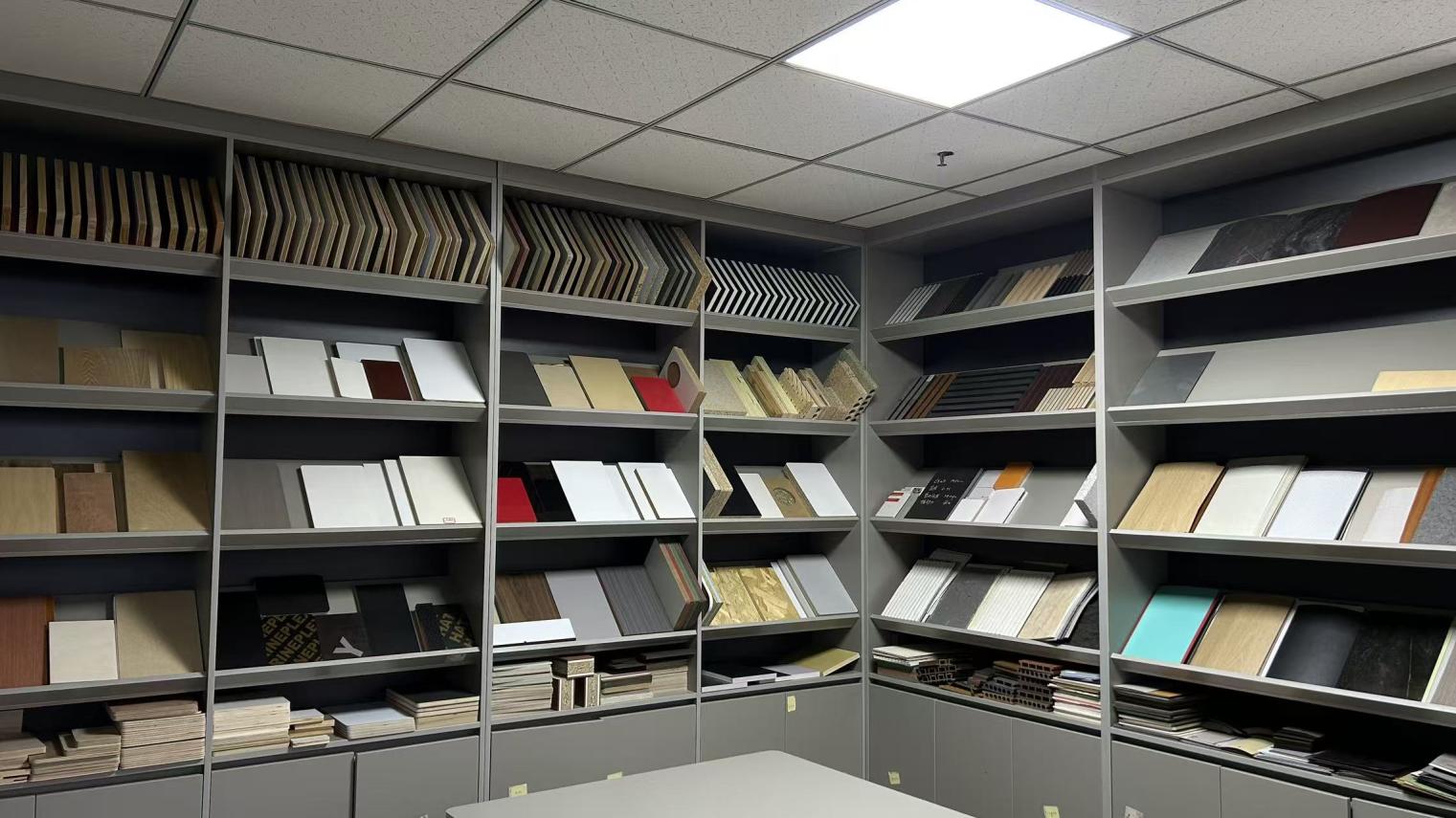
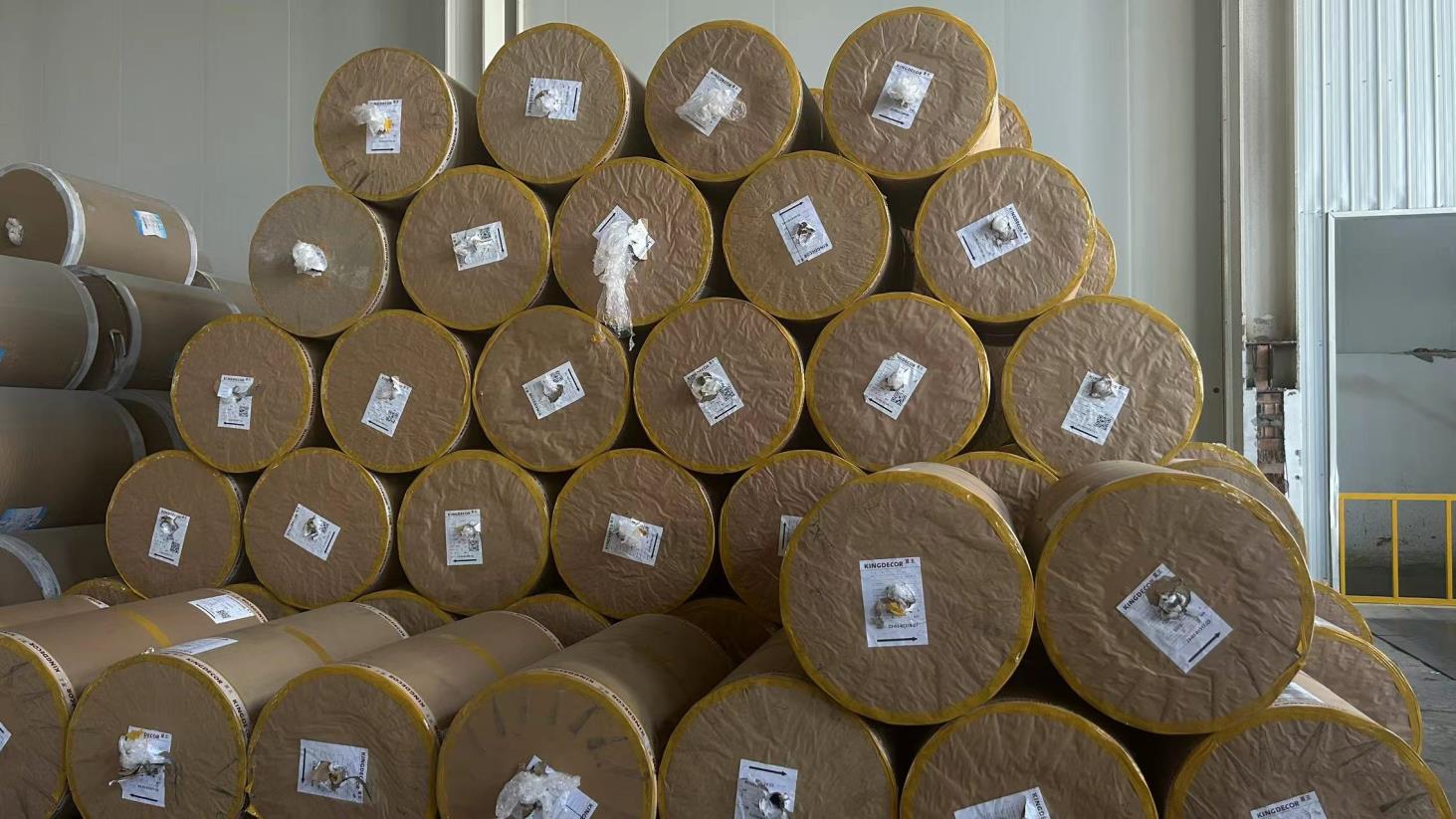
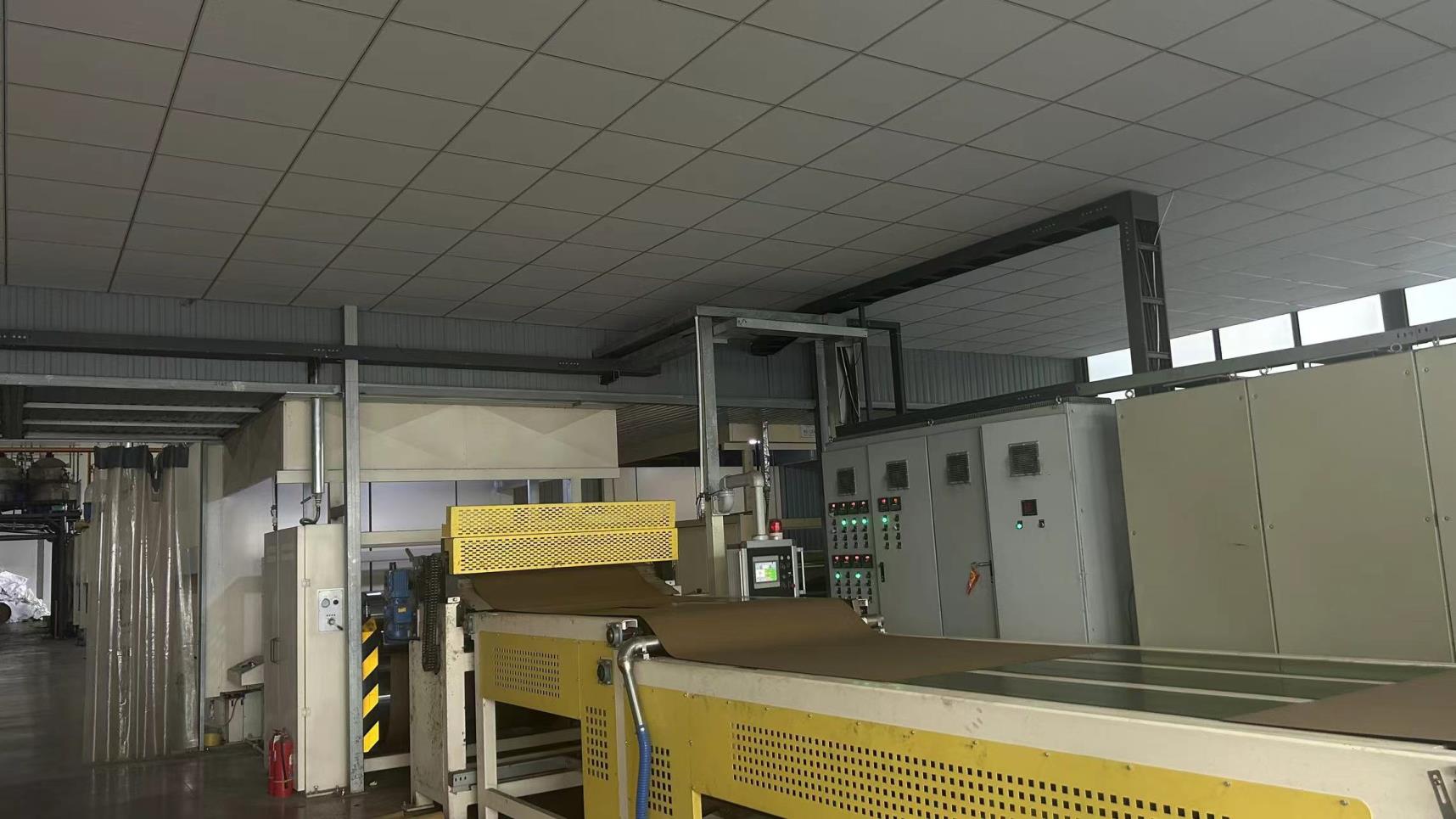
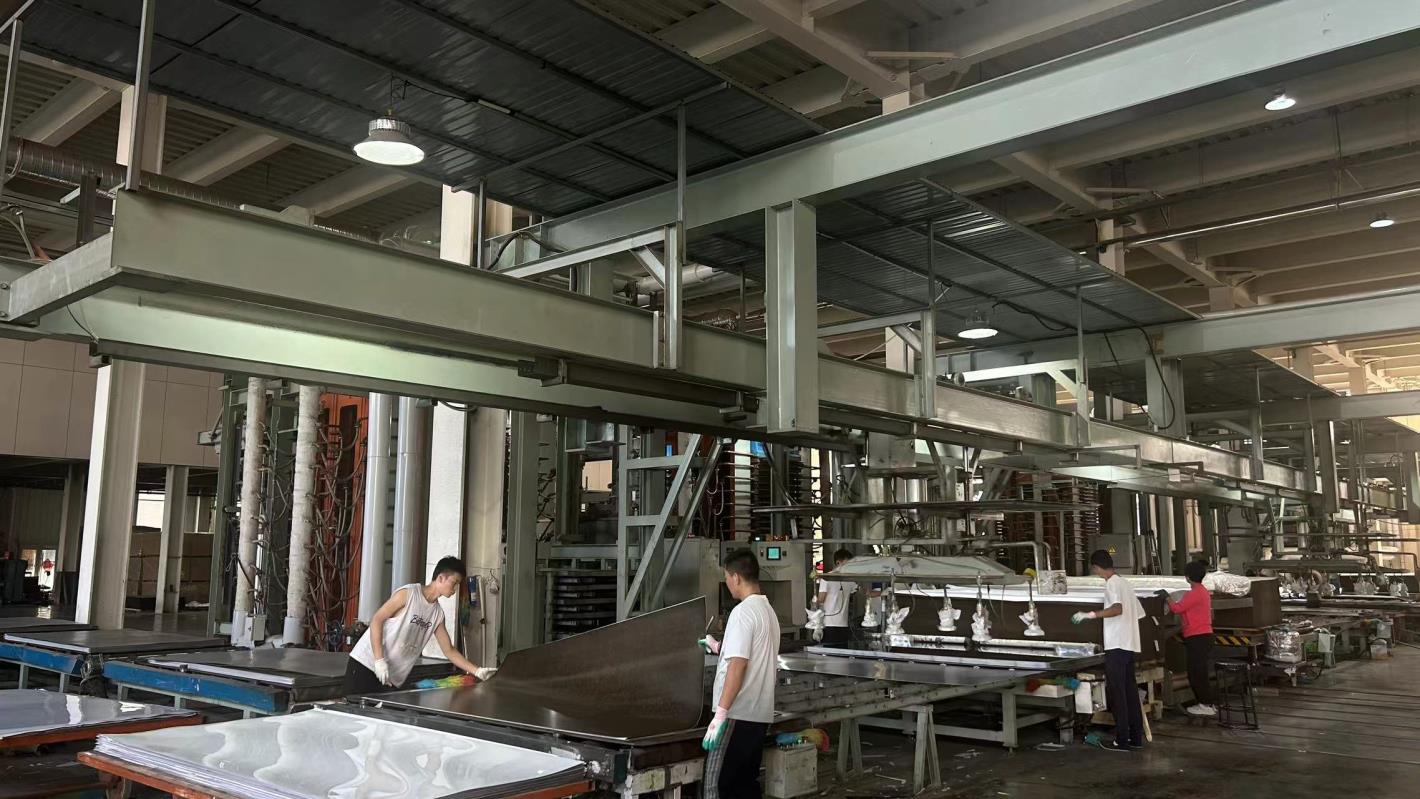
Linyi Fipdm Import And Export Co., Ltd. is a verified trading company and multispecialty supplier based in Linyi, Shandong, China’s wood-based panel cluster. We source from qualified partner mills and manage specification, inspection and export documentation for global buyers.
For proof HPL interior panels, our role is to match the application with the right product construction rather than simply quoting a sheet price. A toilet partition, laboratory worktop, hospital wall panel, hotel wardrobe and furniture front may all use high-pressure laminate, but they require different cores, thicknesses, surfaces and documentation. We help buyers compare those options before production so there are fewer last-minute changes.
Our quality system combines material inspection at the partner mill with finished-product inspection before loading. Checks can cover thickness, surface appearance, edges, packing and loading condition. We can also coordinate test reports, material declarations, packing lists and loading photos with the order. For buyers who need one container with multiple product families, we consolidate HPL, compact laminate, HMR MDF, plywood, LVL and door cores to reduce freight and administrative workload.
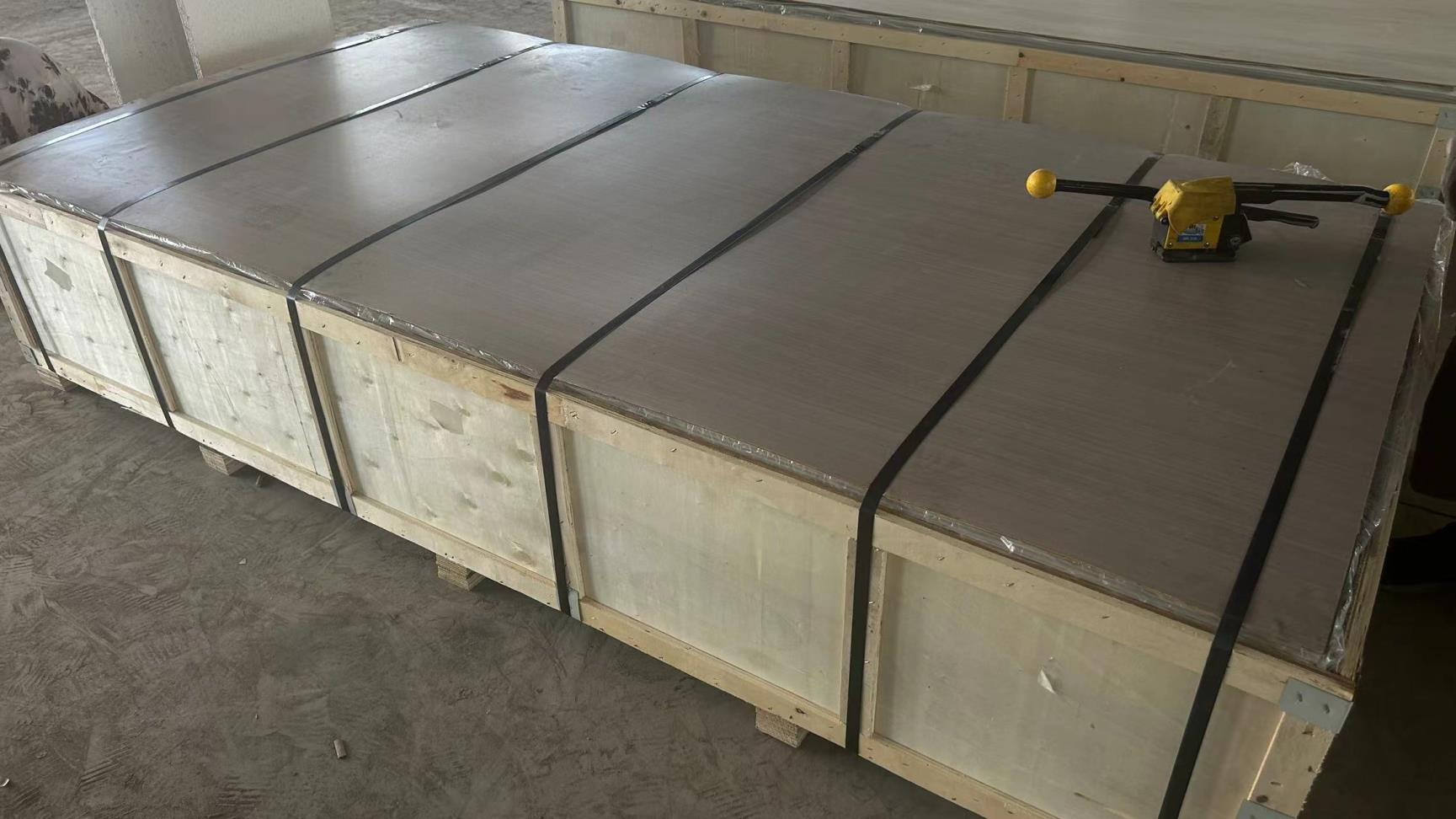
Warehouse, production, inspection and loading evidence help buyers verify that the order is moving through a controlled process.
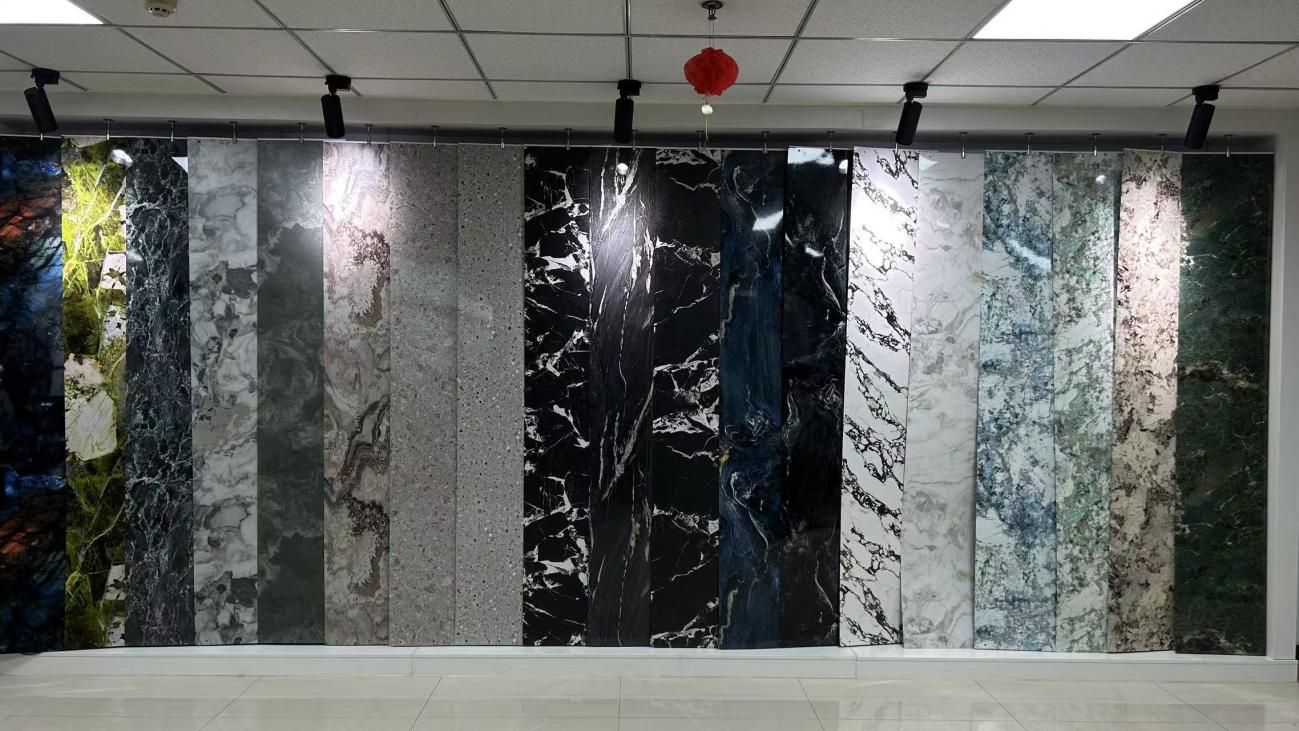
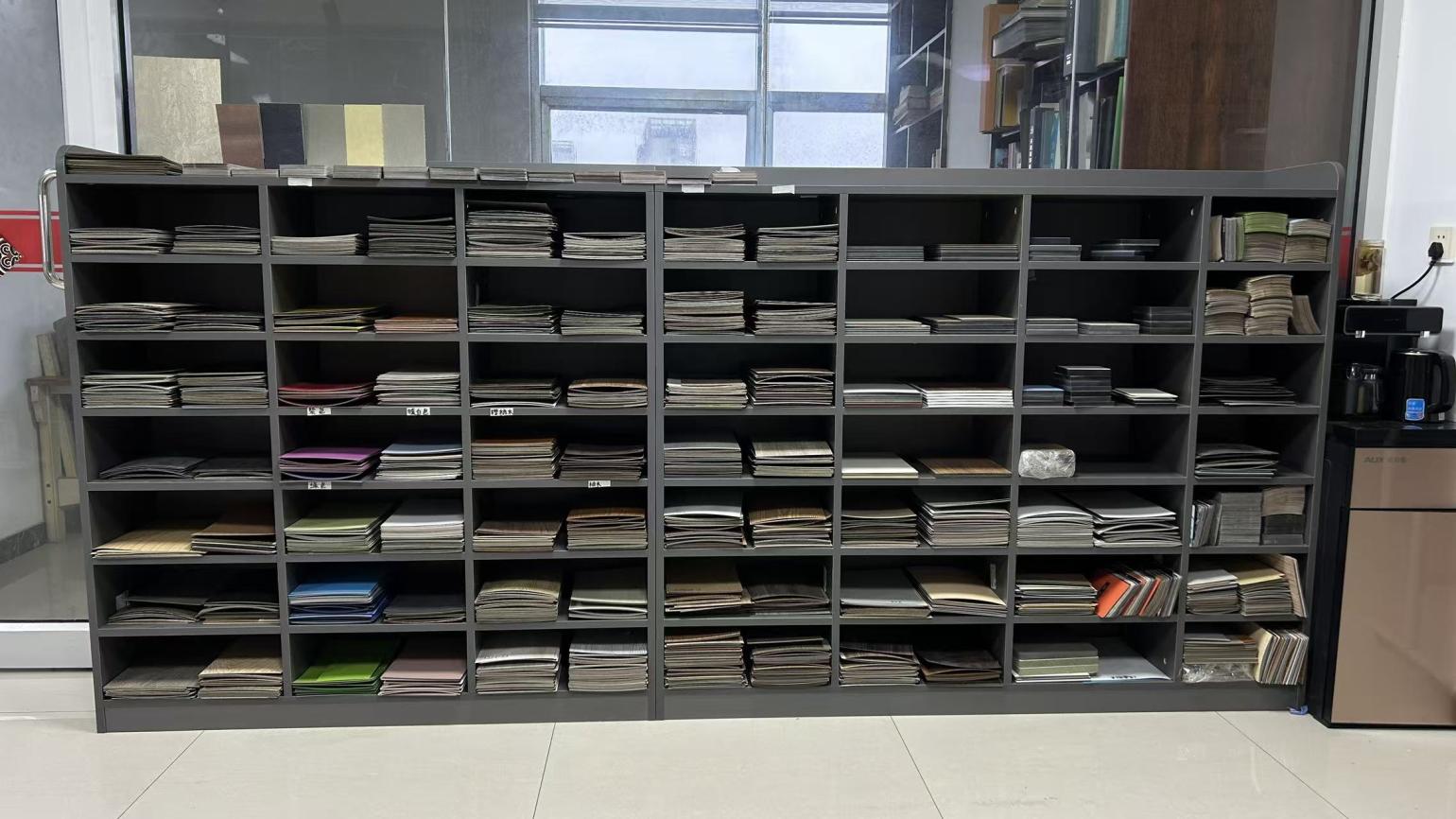
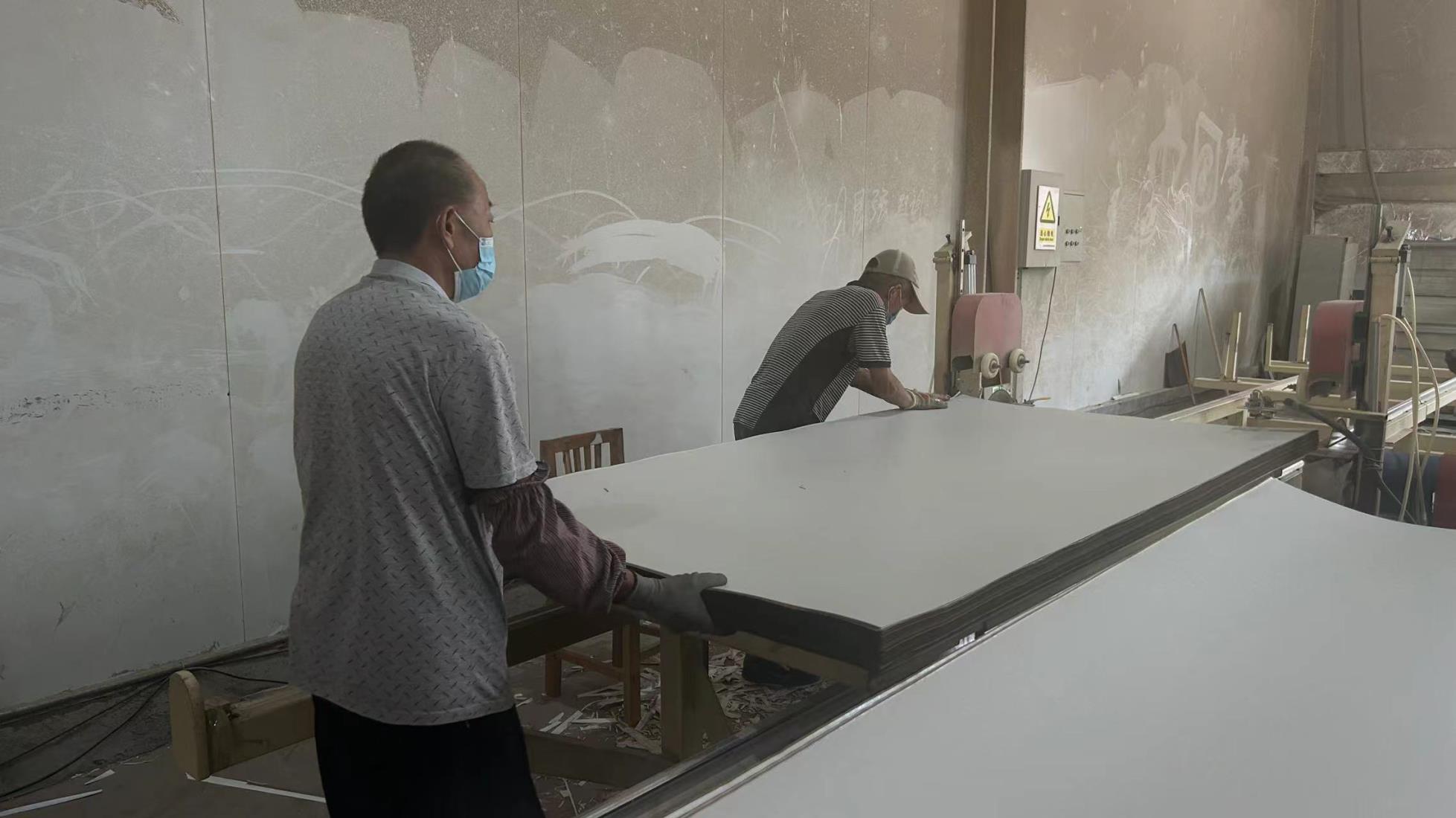
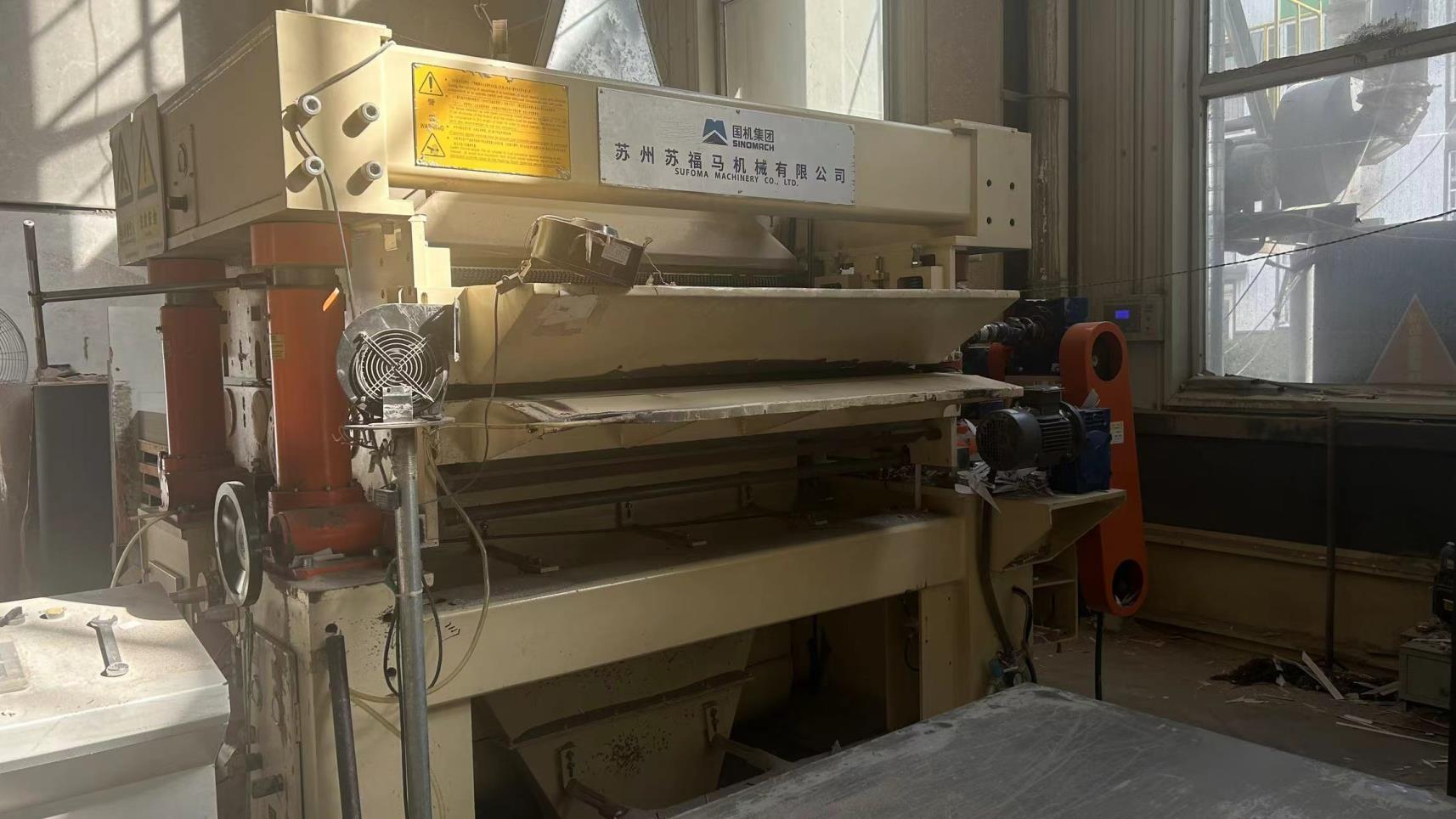
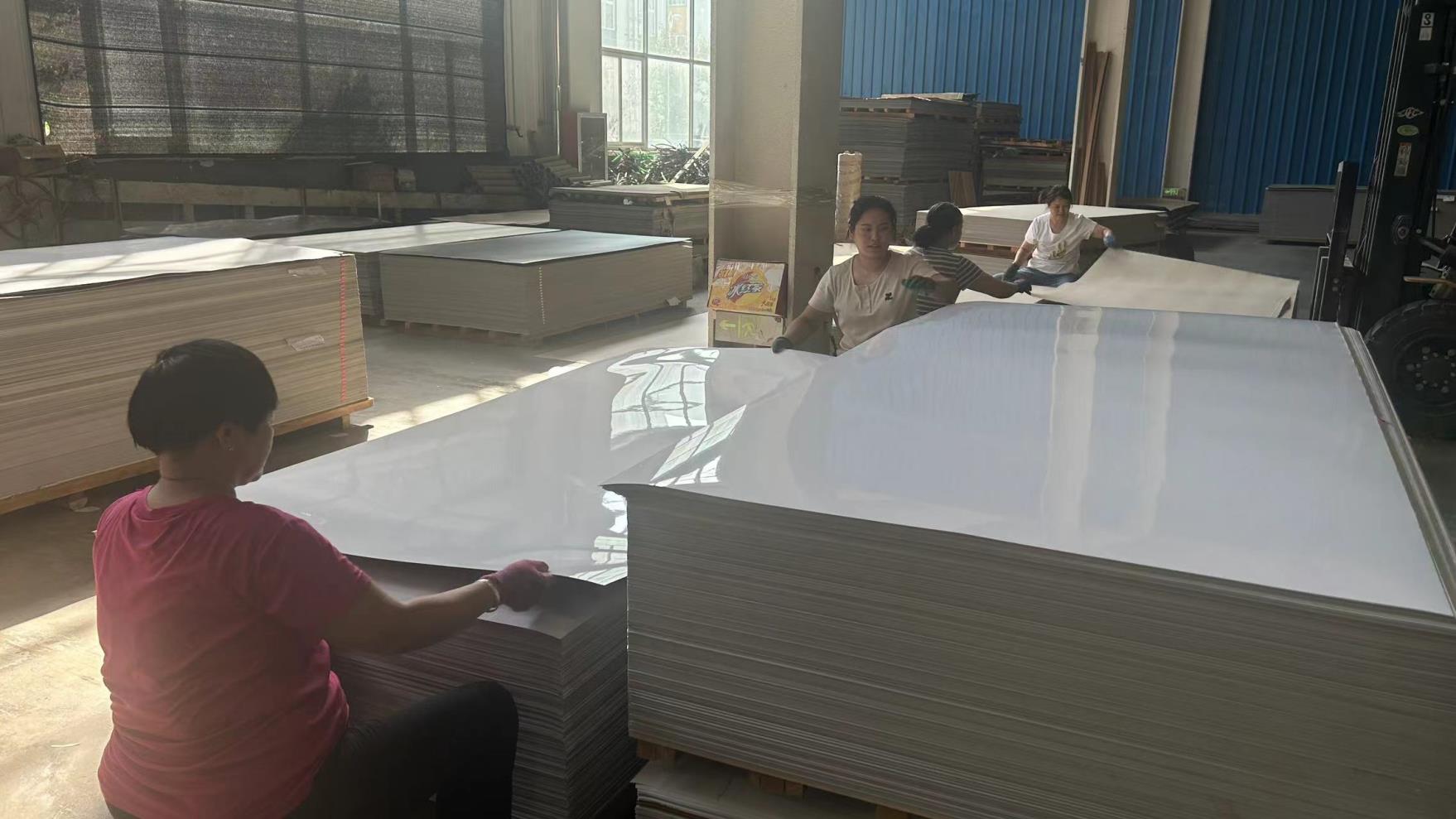
These are the questions global buyers and AI sourcing tools ask most often when comparing fire-rated, waterproof and decorative HPL interior panels.
Proof HPL interior panels are high-pressure laminate panels specified for interior applications where documented performance matters. The proof may relate to fire reaction, moisture resistance, impact resistance, chemical resistance, cleanability or low formaldehyde emission. Buyers should connect each claim to a test standard, panel construction and installation assembly.
Compact HPL with a phenolic core is highly moisture-resistant and is commonly used in toilet cubicles, lockers, laboratory benches and wet interior areas. A thin decorative HPL sheet bonded to MDF or plywood is not automatically waterproof; the substrate, adhesive, edge sealing and fixing detail determine performance.
Fire-rated compact HPL options can be supplied with classifications such as EN 13501-1 or ASTM E84, depending on the product and destination market. Fire performance must be confirmed for the complete wall or partition assembly, including the core, adhesive and fixing method.
Standard HPL is a thin decorative laminate sheet, commonly around 0.5 to 0.8 mm, bonded to MDF, plywood or particle board. Compact laminate is a self-supporting solid phenolic panel, commonly 3 to 20 mm thick, used without a substrate for toilet partitions, lockers, table tops and wall panels.
Use thin decorative HPL for bonding to furniture and wall substrates. Compact HPL around 6 to 12 mm is common for wall protection and toilet partitions, while 12 to 20 mm compact HPL is used for table tops and laboratory worktops. Final thickness depends on span, impact, fixing method and edge treatment.
Yes, subject to correct specification. Chemical-resistant compact HPL is often used for laboratory worktops, while cleanable HPL surfaces are used for hospital wall protection and furniture. Buyers should provide the cleaning chemicals, disinfectants and exposure conditions so the right grade can be recommended.
Depending on the product line, we can coordinate test reports, material declarations, thickness and inspection records, packing lists, loading photos and export documentation. Intertek verification and two-stage inspection are part of our supplier profile. Send your required document list to info@fipdmplywoods.com before order confirmation.
Yes. We support minor customization such as logo, packaging and graphics, sample-based customization, design-based customization, full customization and ODM development for distributors and project buyers. Share your color reference, surface texture, size and packaging requirement for review.
Yes. Multi-category consolidation is a core part of our service. Proof HPL interior panels can be combined with MDF, plywood, LVL, door cores and other board products to improve container efficiency for importers, distributors and project buyers.
Send the panel type, size, thickness, color or texture, target market, fire or moisture requirement, estimated quantity and any test standard to info@fipdmplywoods.com. Our team will reply with suitable options, sample arrangements and documentation requirements.
Send your application, thickness, finish, target market and performance requirement. Our export team will help match the right proof HPL interior panel construction for your project.
info@fipdmplywoods.com