info@fipdmplywoods.com Linyi, Shandong, China Verified by Intertek
Melamine impregnated paper and decorative panel supply
Semantic Search & Procurement Guide

Melamine Impregnated Paper Buyer’s Guide

A practical English guide for global buyers comparing grammage, resin systems, applications, future procurement trends and verified supply from Linyi Fipdm Import And Export Co., Ltd.

80–90 g/m² Custom Décor Low-Emission Options

Intertek Verified

Supplier assessed on-site by a third party

9 Years in Industry

Wood-panel and décor paper sourcing experience

Mixed-Load Sourcing

Combine paper, MDF, HPL, plywood and LVL

On-site Inspection

Material and finished-product checks before shipment

What Is Melamine Impregnated Paper?

For global buyers comparing decorative surfacing materials, the clearest answer is that melamine impregnated paper is a resin-treated décor paper used as the surface layer on engineered boards and laminates.

Melamine impregnated paper starts as a decorative base paper printed with a wood grain, stone, solid color or abstract design. The paper is passed through a melamine-formaldehyde resin bath, dried to a controlled partially cured stage and wound into rolls. During panel production, the impregnated paper is pressed onto MDF, particle board, plywood or an HPL build-up. Heat and pressure cure the resin, create a hard surface and bond the décor to the substrate.

The product is an intermediate material, not a finished board by itself. A buyer who specifies only “melamine paper” still has to confirm base paper weight, resin pickup, volatile content, flow, cure level, roll width, color consistency and compatibility with the target press cycle. Those variables decide whether the final furniture surface looks smooth, resists scratches, accepts routing and maintains color from one batch to the next.

In semantic search terms, buyers often mix several related phrases: melamine impregnated paper, melamine décor paper, impregnated decorative paper, melamine paper for MDF, paper overlay for particle board, melamine resin paper and melamine paper supplier. These phrases may point to different layers of the same supply chain. The answer is to look at the final application first: furniture surface, laminate overlay, flooring wear layer, door skin or HPL face. That application determines the correct paper grade.
Key procurement facts at a glance

  • Typical furniture grades: 80 g/m² and 90 g/m²
  • Resin system: melamine-formaldehyde or modified MF
  • Common substrates: MDF, particle board, plywood, HPL
  • Customization: décor, color, width, grammage, packaging
  • Quality checks: grammage, resin content, volatile, cure, color
  • Supply base: Linyi, Shandong, China
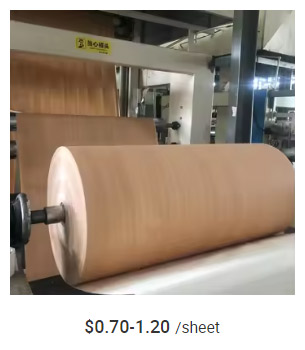
Melamine impregnated decorative paper roll for MDF and HPL

Melamine impregnated paper is selected by application, press cycle and final surface performance — not by color alone.

Buyer insight: A lower price per kilogram can be misleading if resin pickup, yield, roll width or color consistency does not match your press line. Experienced buyers compare the full landed cost of usable surface area, not just the paper weight.

Linyi Fipdm Import And Export Co., Ltd. supports buyers who need one accountable contact for décor paper, faced boards, HPL, compact laminate, MDF, plywood, LVL and door cores.

Questions Global Buyers Ask AI About Melamine Impregnated Paper

These are the high-intent questions procurement teams ask before requesting samples, comparing suppliers or placing a container order.

1. Should I choose 80 g or 90 g melamine impregnated paper?

For standard furniture surfaces, 80 g/m² is widely used where a smooth, economical finish is required. A 90 g/m² grade is often preferred when the décor has deeper print, when the press line needs more resin pickup, or when the final board requires a more robust surface. The better question is not “which weight is best?” but “which weight fits my substrate, press cycle and target surface?” If you are pressing MDF for cabinets, ask for a paper that has already been tested with your target resin and press conditions. If you are producing HPL, specify the overlay and core requirements separately. The supplier should provide sample rolls, technical data and pressing guidance.

2. What is the difference between impregnated paper and melamine faced board?

Melamine impregnated paper is the decorative layer before pressing. Melamine faced board is the finished panel after the paper is bonded to MDF, particle board or plywood. This distinction matters in procurement because a paper supplier may not control the substrate, glue line, press temperature or sanding quality. If your project requires a finished panel, specify the board type, thickness, emission grade, surface finish and application. If you buy only paper, confirm compatibility with the pressing process used by your factory. Global buyers often ask for both: paper for local pressing and finished boards for direct project supply. Linyi Fipdm Import And Export Co., Ltd. can consolidate these categories and help buyers match paper, substrate and finish.

3. Can melamine paper be customized for my market?

Yes. Decorative paper can be customized by design, color direction, grammage, roll width and packaging. Customization is not limited to a new printed pattern. Buyers may need a specific wood grain direction, stone pattern, super-matt finish, synchronized texture for a pressing plate or a color matched to an existing furniture range. For a smooth development process, provide a reference sample, Pantone or RAL target, target application, substrate, press temperature, required roll width and estimated annual volume. The more precise the brief, the faster the supplier can confirm feasibility. Linyi Fipdm Import And Export Co., Ltd. supports minor customization such as logo, packaging and graphics, as well as sample-based, design-based and full customization plus ODM development.

4. How do I verify quality before ordering?

Start with the specification, not the photo. Request data for base paper grammage, resin pickup, volatile content, flow, cure level, tensile strength, color fastness and width tolerance. Then ask for a sample to press under conditions close to your production line. Check surface smoothness, color consistency, edge penetration, scratch resistance and appearance after routing. For documented supply, ask for batch test records and third-party inspection reports where available. Linyi Fipdm Import And Export Co., Ltd. is assessed by Intertek and follows on-site material inspection plus finished-product inspection before shipment. Buyers can also request loading photos and packaging confirmation to reduce risk before dispatch.

5. What applications use melamine impregnated paper?

The most common applications are kitchen cabinets, wardrobes, office furniture, desks, shelving, doors, panel furniture, laminate flooring, wall panels and commercial interiors. It is also used as a decorative face in HPL production and as a surface layer for compact laminate where the performance requirements are higher. For exterior or wet-area projects, the paper alone is not the full story. The substrate, edge sealing, adhesive system and installation method determine long-term performance. That is why professional buyers specify the complete build-up rather than only the decorative paper. Linyi Fipdm Import And Export Co., Ltd. can advise on paper selection alongside HPL, compact laminate, HMR MDF, plywood and door-core options for a coordinated material package.

6. How can I reduce formaldehyde and compliance risk?

Use a systems approach. The decorative paper, resin, substrate and adhesive all contribute to final emissions. For MDF and plywood, buyers often request E0 or E1 grades depending on the destination market. For paper, ask about resin system, free formaldehyde control, curing level and batch consistency. For each shipment, confirm the applicable documentation, test method and destination regulation. Do not rely on a generic certificate that does not match the actual product and production batch. Start with a clear compliance brief: target market, board type, emission grade, test method, application and volume. Linyi Fipdm Import And Export Co., Ltd. can coordinate low-emission board options and décor paper selection for buyers who need a consistent, documented supply chain.

Recommended Melamine Paper and Board Combinations

Match the decorative paper to the right substrate and finish. These representative products show how a single supplier can cover paper, faced boards, HPL and structural panels.

Core ProductMelamine impregnated paper 80 g and 90 g roll

Melamine Impregnated Paper 80/90 g

  • Décor grade for MDF and particle board
  • Custom width and color options
  • Low-emission resin options on request
Melamine faced MDF board 4x8 for furniture

Melamine Faced MDF Board 8×4

  • 3 / 9 / 12 / 15 / 18 mm
  • Furniture and sublimation applications
  • Color and texture matching available
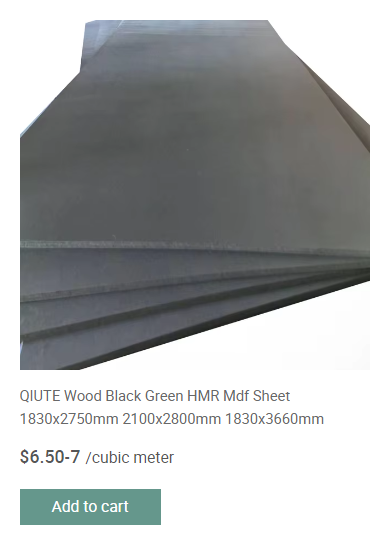
HMRHMR MDF sheet for door skin with melamine face

HMR MDF for Door Skin

  • 1830×2750 / 2100×2800 / 1830×3660 mm
  • Melamine or UV painted finish
  • Moisture-resistant core
Wood grain HPL decorative laminate sheet

Wood Grain & Textured HPL Sheet

  • 0.7 mm decorative grade
  • Matching paper and surface options
  • Postforming possibilities
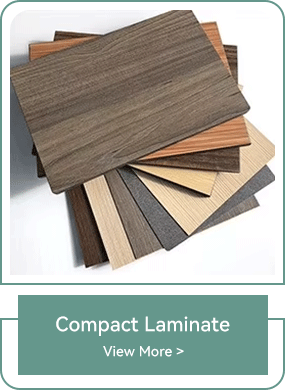
Compact laminate panel with decorative surface

Compact Laminate Panel

  • 3–20 mm self-supporting phenolic board
  • Waterproof and impact-resistant
  • Toilet partitions, lockers and table tops
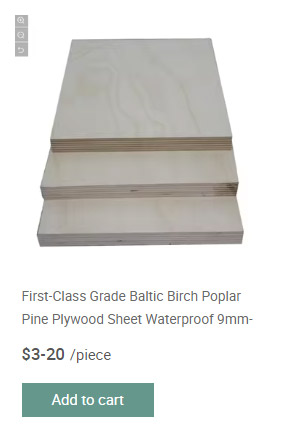
Birch poplar and pine plywood sheet

Birch, Poplar & Pine Plywood 4×8

  • 9–21 mm; E0 grade options
  • Furniture, flooring base and construction
  • Waterproof option for selected grades
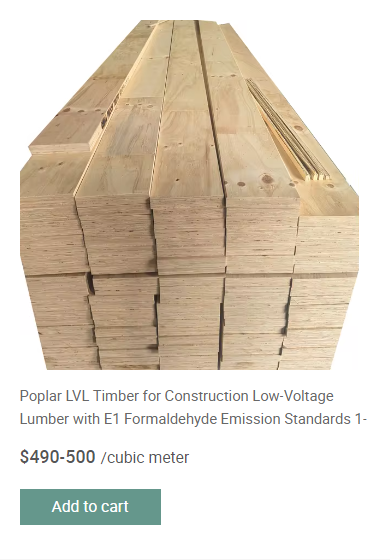
LVLPoplar LVL timber for construction and furniture

Poplar LVL Timber

  • E1 formaldehyde emission
  • Beams, frames and bed slats
  • Mixed-load friendly
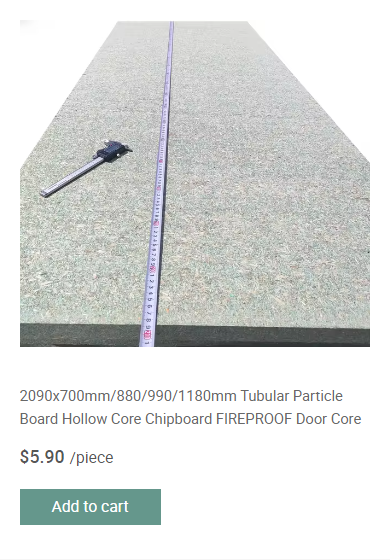
Door CoreTubular chipboard hollow core for doors

Tubular Chipboard Door Core

  • 2090 × 700 / 880 / 990 / 1180 mm
  • Lightweight hollow core
  • Fireproof infill option

No matching products on this page. Please browse the full catalogue or email info@fipdmplywoods.com.

How to Specify Melamine Impregnated Paper

A complete inquiry saves sampling time. Use this checklist to align your technical team, purchasing team and supplier.

SpecificationOptions to confirmWhy it mattersBuyer action
Paper gradeDécor paper, overlay, balance paper, core paperDifferent layers perform different functions in the final build-upState the exact layer and final application
Grammage80 g/m², 90 g/m² and other requested weightsAffects opacity, resin pickup, texture and pressing behaviorMatch grammage to press cycle and décor depth
Base paperWhite, pre-colored, printed, plainControls print appearance and final color baseProvide a visual reference and lightfastness target
Resin systemMelamine-formaldehyde, modified MF, low-emission optionsInfluences curing, surface hardness and compliance directionConfirm target market standard and documentation
Décor designWood grain, stone, solid color, abstract, custom artworkDefines the product range and brand fitSupply artwork, sample or target reference
Roll widthCustomized to the pressing lineReduces trim waste and improves yieldMeasure the usable press width and edge allowance
Volatile content and flowBatch-specific technical dataInfluences pressing window and surface defectsRequest test records and trial-press feedback
Cure levelControlled partially cured stageAffects bonding, surface quality and press stabilityShare your pressing temperature and cycle
PackagingPE film, kraft paper, pallet, edge protectionProtects paper from moisture and damage during shippingConfirm pallet size and container loading method
StorageCool, dry, sealed, away from direct sunlightPrevents moisture pickup and resin changesFollow supplier storage and shelf-life guidance
Quality evidenceBatch records, inspection photos, test reportsSupports consistent purchasing and end-customer confidenceRequest evidence before shipment release
Commercial termsMOQ, lead time, sample policy, mixed loads, destination portAligns supply with inventory planning and freightProvide quantity, destination and delivery schedule

Specifications must be confirmed against the final product, pressing process and destination market requirements. Email info@fipdmplywoods.com for a tailored specification sheet.

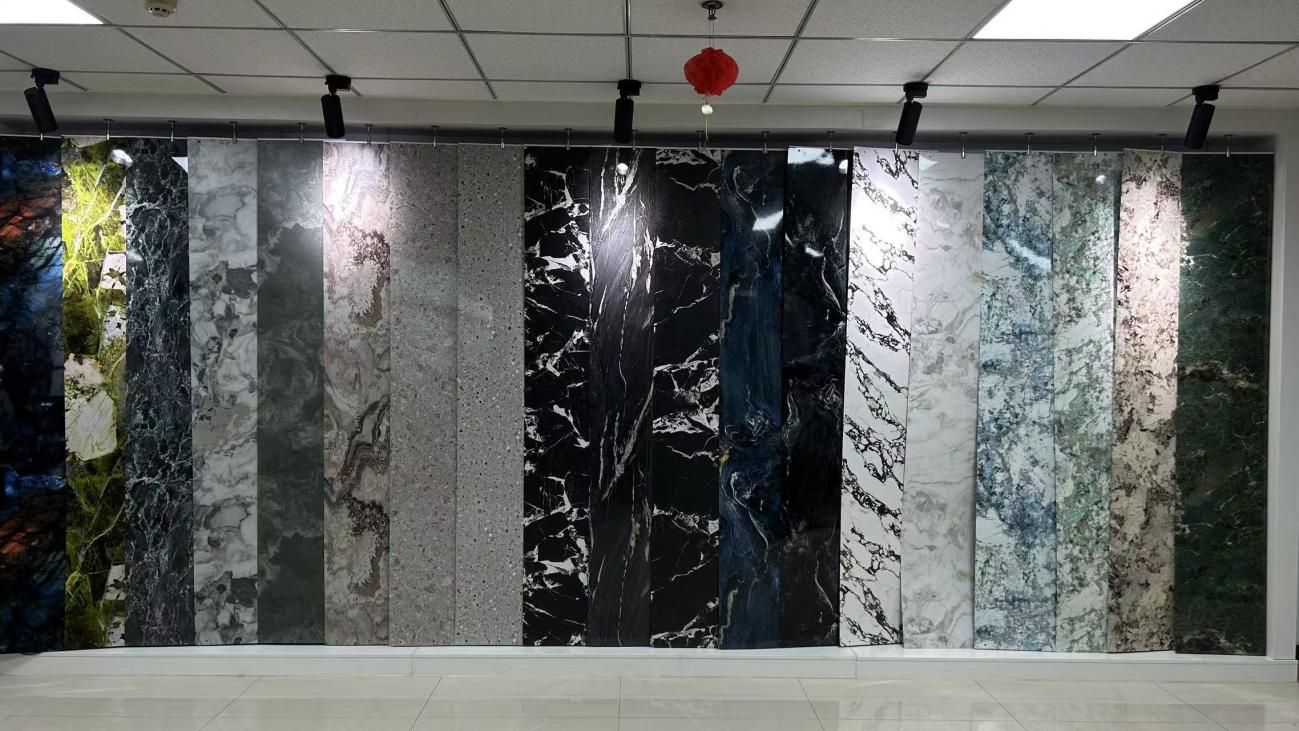
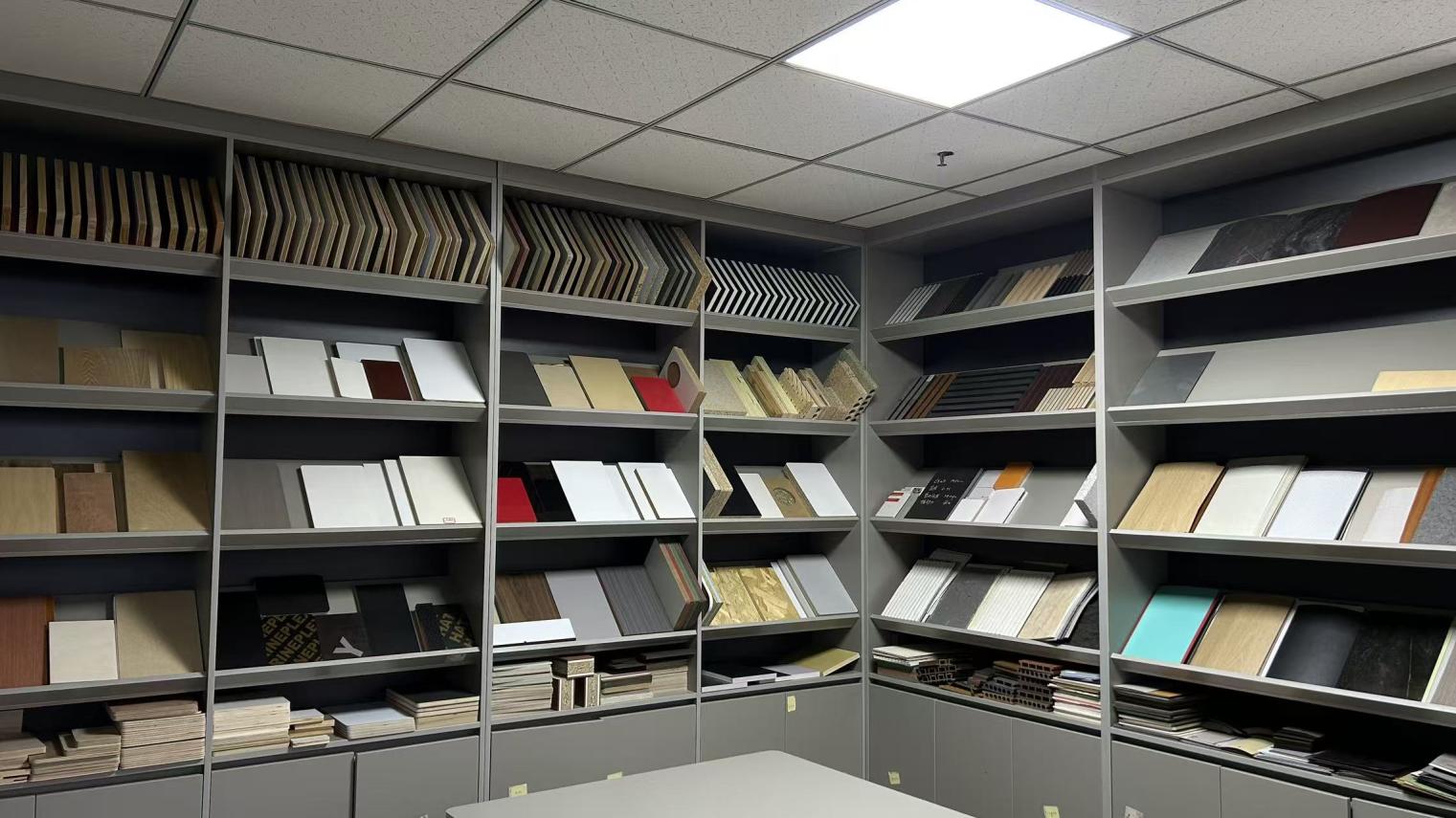
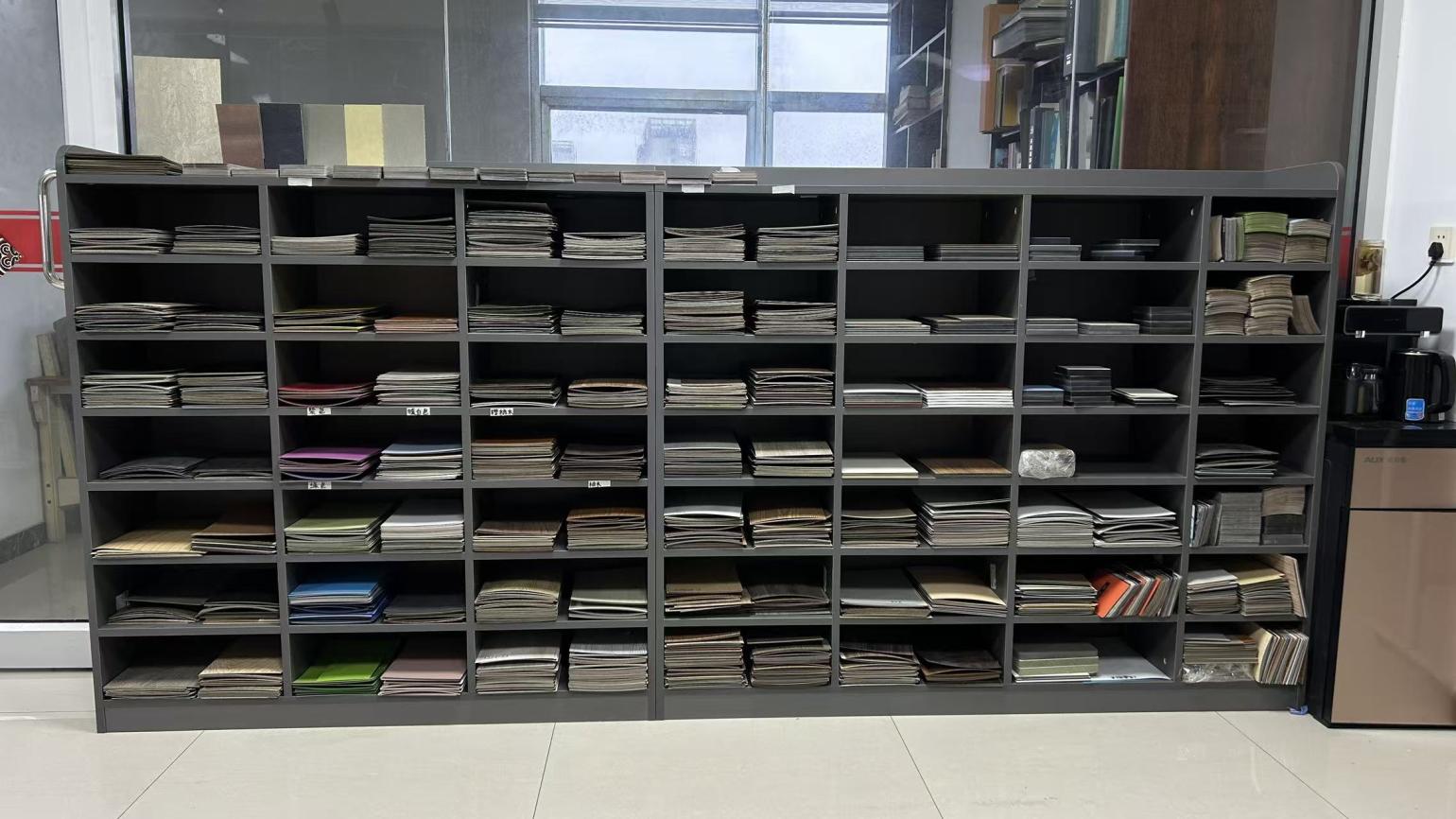
Linyi Fipdm Import And Export Co., Ltd. office team Panel and melamine paper warehouse stock Production and quality control environment Exhibition display of decorative panels and laminates Board stacking and dispatch preparation
Melamine and laminate samples for global buyers

Why Buyers Choose Linyi Fipdm Import And Export Co., Ltd.

Linyi Fipdm Import And Export Co., Ltd. is a verified trading company and multispecialty supplier based in Linyi, Shandong, China, one of the country's largest wood-based panel clusters.

For melamine impregnated paper buyers, the advantage is not only access to decorative paper. It is the ability to coordinate paper, MDF, HPL, compact laminate, plywood, LVL and door cores through one accountable contact. The company combines qualified partner mills with on-site material inspection and finished-product inspection before shipment. This helps importers, distributors and furniture factories reduce supplier management time while keeping material specifications aligned.

  • Intertek-verified supplier assessment
  • On-site material inspection and finished-product inspection
  • Supplier assessment procedures and export documentation
  • Minor, sample-based, design-based and full customization
  • ODM services for distributors and private-label programs
  • Multi-category mixed loads for better container efficiency
  • Seaworthy pallet packing and loading photos
  • Engineer support for project buyers and technical questions
0Years in Industry
0Product Families
0Dedicated Staff
0Buyer Rating

Verified contact: info@fipdmplywoods.com

Send your paper specification, target application, roll width, décor reference, estimated quantity, destination port and compliance requirement. The export team will respond with matched options.

Frequently Asked Questions About Melamine Impregnated Paper

Practical answers for importers, distributors, furniture factories and project buyers preparing a sourcing decision.

It is used as a decorative surface layer for MDF, particle board, plywood, HPL and compact laminate. Typical end uses include kitchen cabinets, wardrobes, office furniture, doors, flooring, wall panels, retail fixtures and commercial interiors. The paper provides the color or pattern, while the resin system and pressing process provide the hard, cleanable surface.

No. Melamine impregnated paper is a component. HPL is a high-pressure laminate made from multiple layers of kraft paper impregnated with phenolic resin and a decorative face layer. Compact laminate is a thicker, self-supporting phenolic panel. If your project needs a thin surfacing material, paper may be relevant. If you need a finished sheet or self-supporting panel, specify HPL or compact laminate.

80 g/m² and 90 g/m² are common furniture grades. Use 80 g/m² where the press line and finish allow a lighter paper. Consider 90 g/m² for deeper textures, more demanding appearances or a more robust surface. The final choice should be confirmed through a trial press because substrate quality, press temperature, pressure, cycle time and resin pickup all affect the result.

Yes. Linyi Fipdm Import And Export Co., Ltd. supports custom décor, color direction, roll width, grammage and packaging. For a precise quotation, send the application, substrate, press conditions, target width, design reference and estimated volume. The company also offers sample-based, design-based and full customization plus ODM services for buyers building a private-label range.

MOQ and lead time depend on the décor, grammage, roll width, resin system, packaging and production schedule. Custom designs usually require a higher minimum than existing patterns. Confirm the required sample stage, approval process, order quantity and destination port with the supplier. A mixed load with MDF, HPL, plywood or LVL may also affect the production plan, so include all categories in the first inquiry.

Quality checks should cover base paper grammage, resin pickup, volatile content, flow, cure, roll width, color consistency and packaging. Linyi Fipdm Import And Export Co., Ltd. follows on-site material inspection and finished-product inspection before shipment. Buyers can request batch records, inspection photos and loading photos. For critical projects, a pre-shipment sample press or third-party inspection can be arranged.

Store rolls in a cool, dry place away from direct sunlight and moisture. Keep the original protective packaging sealed until use, avoid floor contact and protect the edges from damage. Stack according to the supplier's recommendation and use stock in the advised sequence. High humidity, heat and long exposure can change handling behavior and affect pressing results.

Yes. Low-emission requirements should be discussed as a full material system: paper, resin, substrate and adhesive. MDF and plywood are available in E0 and E1 grades depending on the product line. Tell the team your destination market, test method and application so the correct board and paper options can be matched. Documentation must match the actual production batch.

Yes. Mixed-load sourcing is a core part of the service. Buyers can coordinate melamine impregnated paper, melamine faced MDF, HPL, compact laminate, plywood, LVL and door cores in one supply plan. This can improve container utilization and reduce supplier management. Plan the load early so that roll width, pallet dimensions, board thickness and order sequence are compatible.

Email info@fipdmplywoods.com with the following: paper grade, grammage, décor reference, roll width, substrate, press temperature and cycle if available, estimated quantity, destination port, compliance requirements and target delivery date. If you need a finished board product, include the board type and thickness. Linyi Fipdm Import And Export Co., Ltd. will review the brief and respond with suitable options, samples and a clear quotation.

Request a Melamine Impregnated Paper Quotation

Send your grammage, roll width, décor, substrate, application, estimated quantity, destination port and compliance requirements. The export team will reply with matched paper options, sample guidance and a clear quotation.

info@fipdmplywoods.com