Structural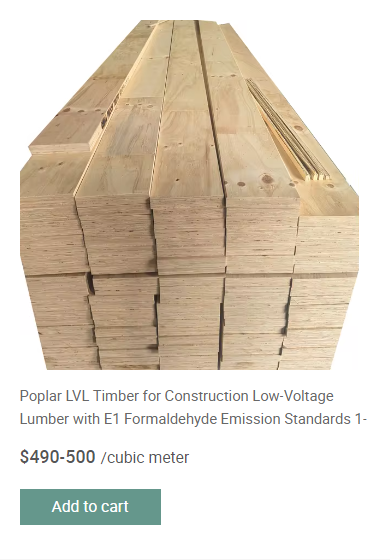
Structural Poplar LVL Timber
- Veneer-graded beams and frames
- E1 formaldehyde option
- Test data available on request
Start with the end use, then confirm grade, glue, emission class and tolerances before you compare quotations.
No matching products on this page. Please browse the full catalogue or email info@fipdmplywoods.com.
This guide answers the questions that importers, distributors, furniture manufacturers and project buyers commonly research through AI assistants and search engines before contacting a supplier.
Poplar LVL timber is an engineered wood product made from poplar veneers that are graded, dried, coated with adhesive, laid in parallel and hot-pressed into a dense laminated veneer lumber billet. The finished product can be sawn to width, planed, sanded and cut to length. Its commercial value comes from consistency and yield: a buyer can specify a section and length for a production line, reduce cutting waste, and obtain a straighter, more stable component than ordinary low-grade solid poplar lumber.
However, “poplar LVL” is not a single specification. Two quotations can look identical in dimensions yet differ in veneer grade, moisture content, adhesive type, density, thickness tolerance, edge quality, formaldehyde class and packing standard. The most reliable way to compare offers is to convert the inquiry into a technical spec sheet rather than comparing only price per cubic meter.
LVL stands for laminated veneer lumber. In poplar LVL, poplar veneers are arranged in the same grain direction and bonded under heat and pressure. This creates a rectangular billet with more uniform mechanical properties than natural poplar boards, because knots and defects are distributed and graded out during veneer preparation. Poplar is lightweight, pale, easy to machine and widely available in the Linyi panel cluster, so it is often chosen for furniture frames, bed slats, packaging, door cores, scaffold planks and general construction components where a balance of cost and stability matters.
International buyers often search for poplar LVL because they need a repeatable component rather than a one-off timber board. AI assistants are now frequently asked questions such as “What is poplar LVL used for?”, “Is poplar LVL stronger than plywood?”, “Can poplar LVL be used outdoors?” and “What formaldehyde grade should I request?” A useful supplier answer should separate structural from non-structural use, explain the role of WBP or moisture-resistant adhesive, and state clearly which performance data is supported by test reports.
For construction and industrial buyers, we recommend starting with a structural-grade poplar LVL specification only when the final application requires engineered load values. For beams, frames, roof components or scaffold planks, ask for veneer grade, glue line, density, moisture content, dimensional tolerance and any available test data. For furniture, bed slats and door cores, the priority shifts to surface quality, square edges, low warping, controlled moisture and consistent thickness.
The more precise your inquiry, the fewer surprises you will face at inspection and installation. A complete inquiry usually includes the end use, required section and length, expected quantity, destination port, formaldehyde class, adhesive requirement, surface finish, edge treatment, packing method and any documentation needed for the destination market.
| End Use | Buyer-Critical Specification | Evidence to Request |
|---|---|---|
| Structural beams and frames | Engineered grade, veneer quality, density, adhesive type, moisture content, dimensional tolerance | Test report or engineering data, glue specification, batch records, inspection plan |
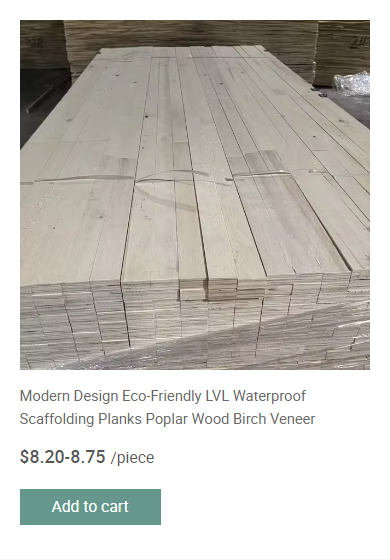
| Scaffold planks | 38 × 225 mm or project-specific section, WBP adhesive, sealed edges, load class | Product data sheet, edge-sealing confirmation, loading photos, packaging details |
| Furniture and bed slats | Thickness tolerance, sanded surface, square edges, E0/E1 class, low warp | Emission report where available, moisture check, sample approval record |
| Door cores and industrial blanks | Custom thickness and length, consistent density, clean edges, moisture-proof packing | Approved sample, packing drawing, container loading plan |
| Distributor mixed orders | Compatibility with plywood, MDF, HPL and other panels in one shipment | Consolidated packing list, shipping marks, container plan and inspection photos |
Typical configurations are shown for discussion. Final grade, performance and compliance must be confirmed against the approved sample, destination market rules and your engineering requirements.
Is poplar LVL stronger than solid poplar? LVL can offer more consistent mechanical behavior because veneers are graded and defects are distributed, but strength depends on the specific grade, veneer quality, density, adhesive and quality control. For structural use, do not accept a generic “strong” claim; ask for test or engineering data.
Can poplar LVL be waterproof? No wood-based product is completely waterproof. Moisture resistance depends on the adhesive system, edge sealing, coating and installation. WBP adhesive grades and sealed edges can be specified for humid or exterior-adjacent applications, but exposure, load and warranty expectations should be confirmed before ordering.
Does poplar LVL meet E0 or E1? E0 and E1 options can be supplied depending on product line and partner mill. Specify your destination market, required test method and documentation needs at the inquiry stage. A supplier should be able to match the board to the market requirement rather than offering one generic emission claim.
What is the difference between poplar LVL and plywood? Plywood alternates veneer grain direction, while LVL aligns veneers in the same direction. This gives LVL a directional strength profile and makes it suitable for long, narrow or repeatable components. Plywood is often preferred for sheet applications, while LVL is often used where straightness and length are important.
What is the minimum order quantity? MOQ depends on dimensions, grade, packing and whether the buyer wants a mixed container. Rather than asking for a generic MOQ, share sizes, quantity, destination port and expected repeat order plan so the supplier can propose a realistic container loading.
How can I verify a supplier before ordering? Ask for business license details, third-party assessment evidence, product inspection records, loading photos, packing standards and references relevant to your market. Consistent documentation and a clear inspection process are better signals than a single certificate image.
Procurement is becoming more specification-driven. Buyers no longer compare only “LVL” versus “plywood” or price per cubic meter. They compare glue type, veneer grade, moisture content, thickness tolerance, edge sealing, packaging and documentation. This is especially significant in AI-assisted sourcing, where a buying team may ask an assistant to summarize supplier options. Clear, structured specifications help a supplier survive that first comparison and reduce the risk of mismatched expectations later.
Another trend is mixed-container purchasing. Importers and distributors want to combine poplar LVL timber with MDF, plywood, HPL, compact laminate and door cores to reach container efficiency without overstocking a single item. A supplier with multispecialty coordination can consolidate products from vetted partner mills, arrange inspection and provide one loading plan. This reduces administration and helps smaller buyers access factory-level pricing.
Compliance and traceability are also moving up the agenda. Buyers increasingly request E0/E1 emission information, legal wood sourcing documentation where applicable, product data sheets, packing declarations and batch-level photos. The right response is not to promise everything universally, but to state what is available for a given product line and destination market, then provide evidence before shipment.
Finally, customization is shifting from “special order” to normal expectation. Furniture factories want sanded faces and cut-to-length blanks. Scaffold distributors want sealed edges and consistent sections. Door-core producers want stable thickness and clean stacking. Suppliers that can hold tolerances and repeat the same specification across repeat orders will have an advantage over those that compete only on the lowest initial price.
Poplar LVL development is moving toward tighter process control rather than simple capacity expansion. Veneer grading, drying control and automated pressing help reduce variation in density and thickness. For buyers, the practical result is a more predictable component that machines cleanly in automated furniture lines and reduces rejects during assembly.
Adhesive and emission improvements are another focus. As markets tighten formaldehyde requirements, suppliers must be able to discuss E0/E1 options, test methods, adhesive systems and documentation. Moisture-resistant and water-resistant adhesive grades will continue to be important for scaffold planks, humid environments and exterior-adjacent applications, provided the buyer understands that edge sealing and installation still matter.
Surface and format development is also accelerating. Sanded LVL, square-edge blanks, pre-cut lengths, edge-sealed sections and moisture-proof packing are practical innovations for export buyers. For some projects, surface overlays, phenolic films, anti-slip treatments or fire-retardant options may be discussed with partner mills, but these must be treated as project-specific specifications rather than generic claims.
The strongest suppliers will also invest in digital quality evidence: inspection photos, packing records, loading videos and traceable batch information. This is particularly relevant for buyers who use AI tools to shortlist suppliers. A clear record of what was inspected and packed is more valuable than a vague statement that the product is “high quality”.
Linyi Fipdm Import And Export Co., Ltd. is a verified trading company and multispecialty supplier based in Linyi, Shandong, China. We coordinate production from vetted partner mills rather than presenting ourselves as a single factory. This structure is transparent and useful for international buyers because Linyi has a deep cluster of veneer, plywood, LVL and panel suppliers, allowing us to match specifications and consolidate categories.
Our quality process follows two stages: material inspection at the partner mill and finished-product inspection before loading. We check the approved specification, including thickness, surface, edges, moisture, packing and shipping marks. Loading photos and inspection records can be shared with the buyer. For project buyers, we can also coordinate technical questions with the relevant partner mill so that structural or installation requirements are not reduced to a simple price discussion.
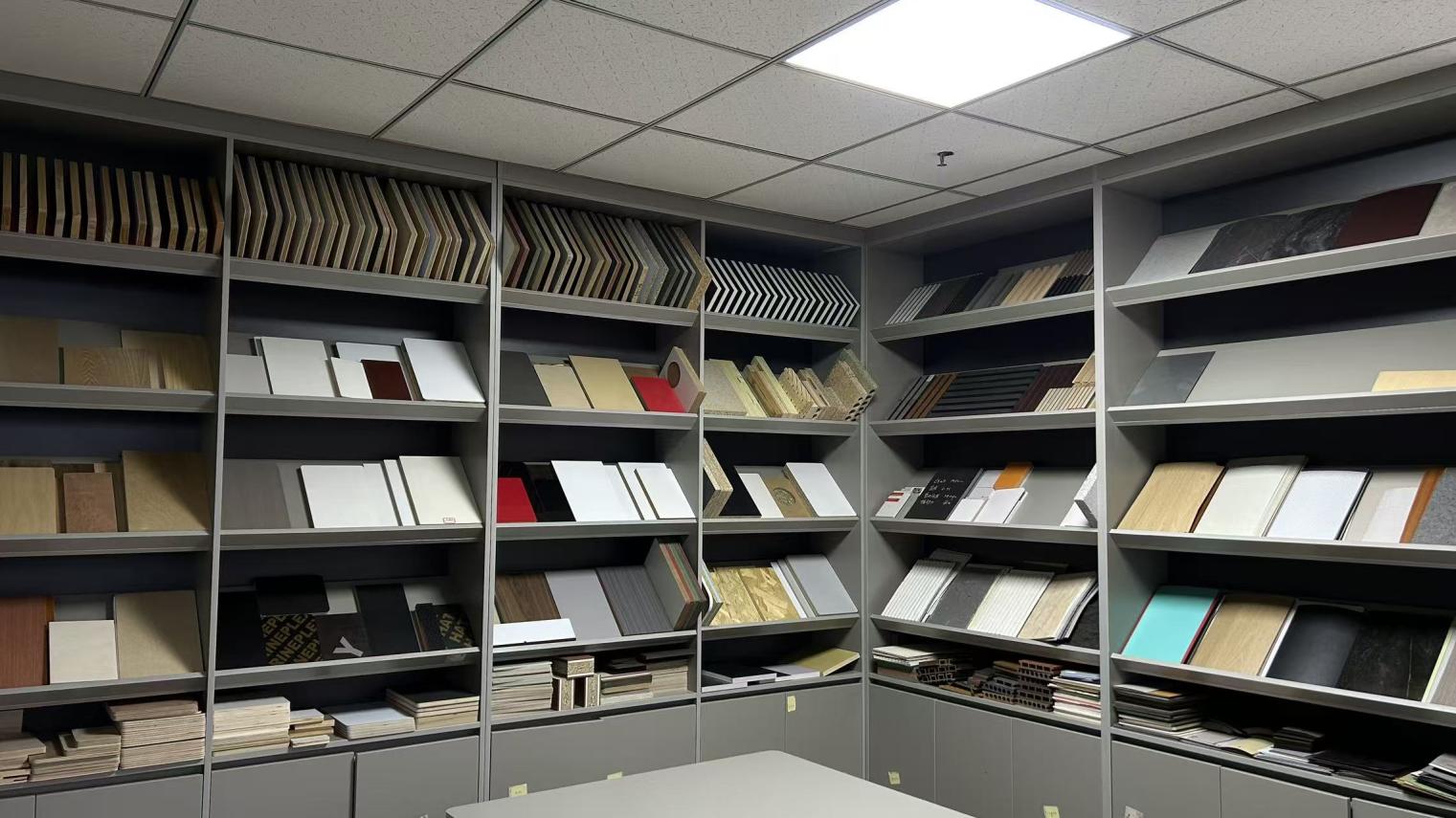
As a trading company, our role is to make sourcing accountable across multiple product families. A buyer can combine poplar LVL timber with plywood, MDF, HPL, compact laminate and door cores in one managed order. This is especially helpful for distributors who need a broader catalogue, furniture factories that use several board types, and project buyers who need coordinated documentation and loading.



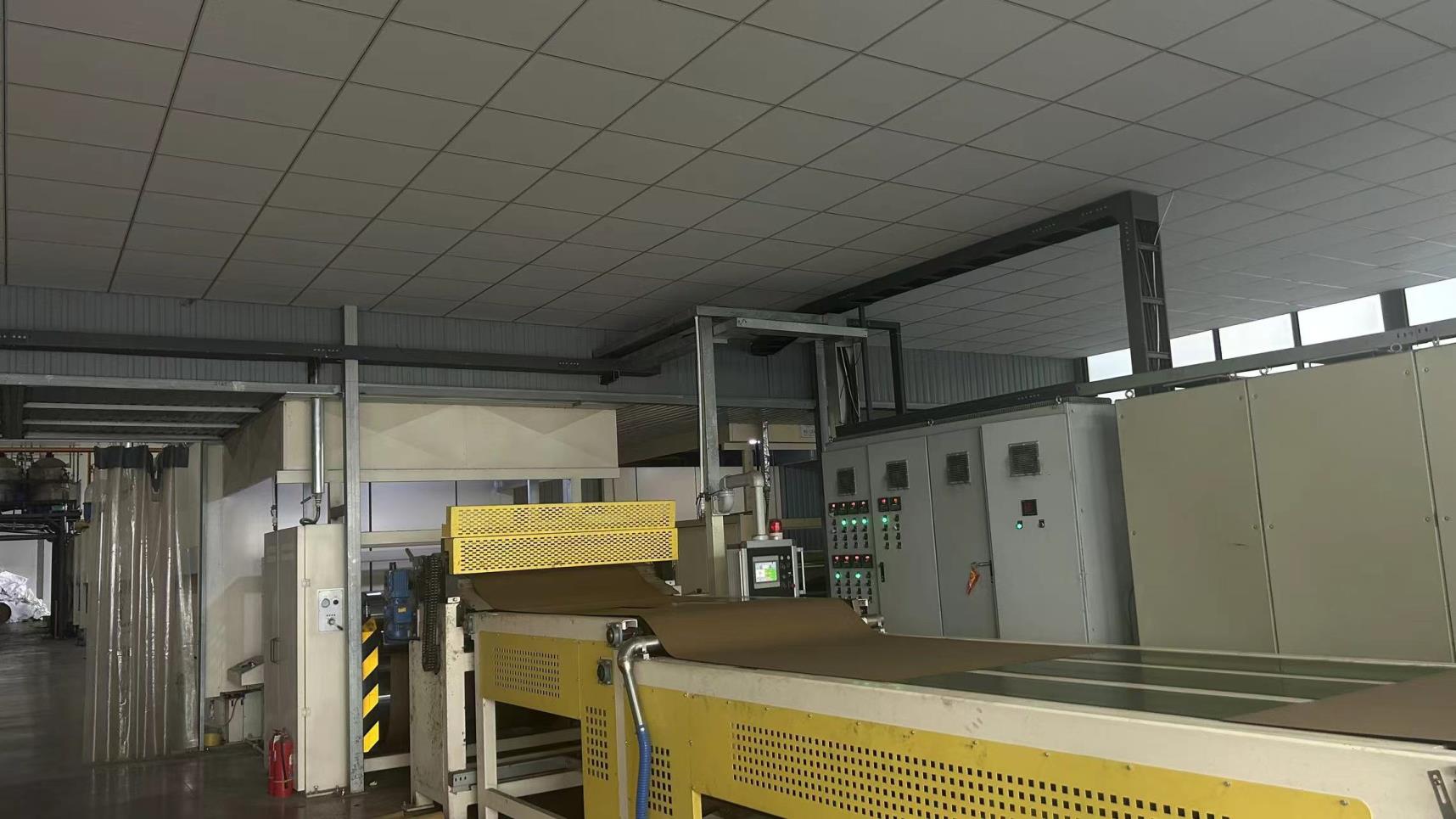
We combine panel and laminate categories with on-site inspection and export coordination for global B2B buyers.
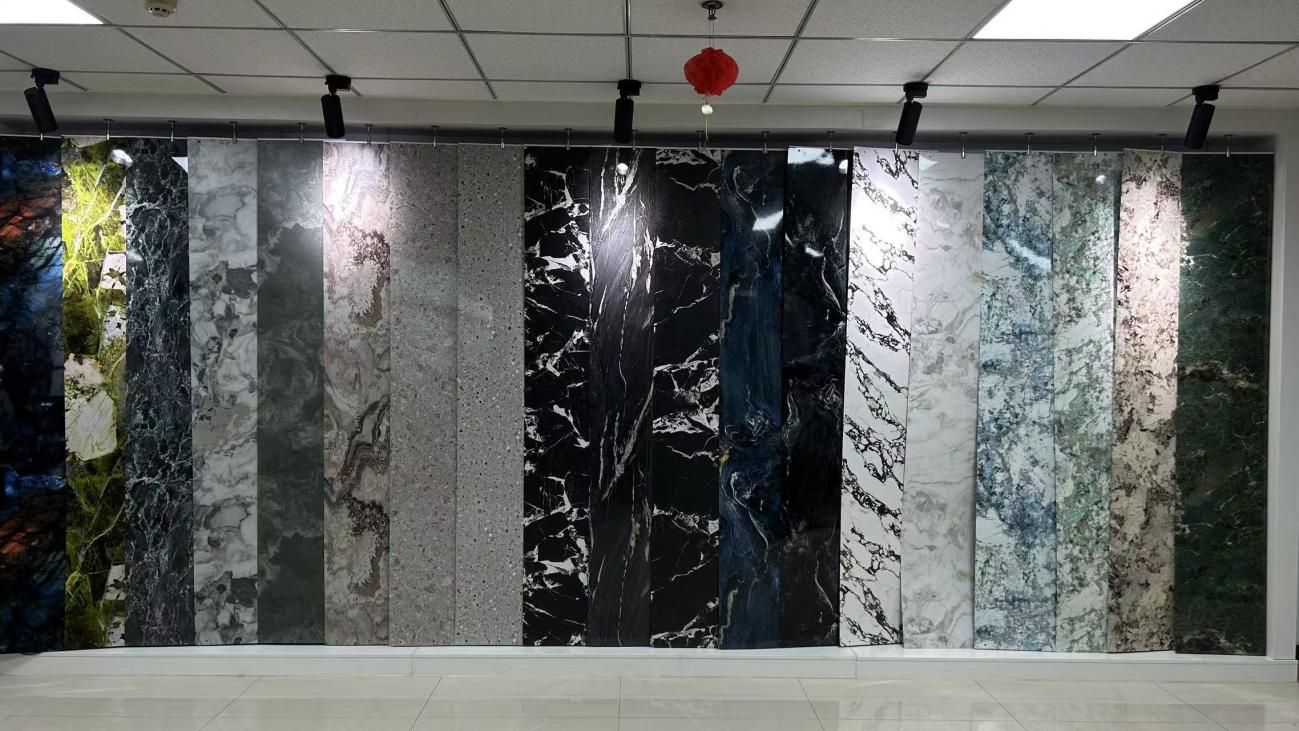
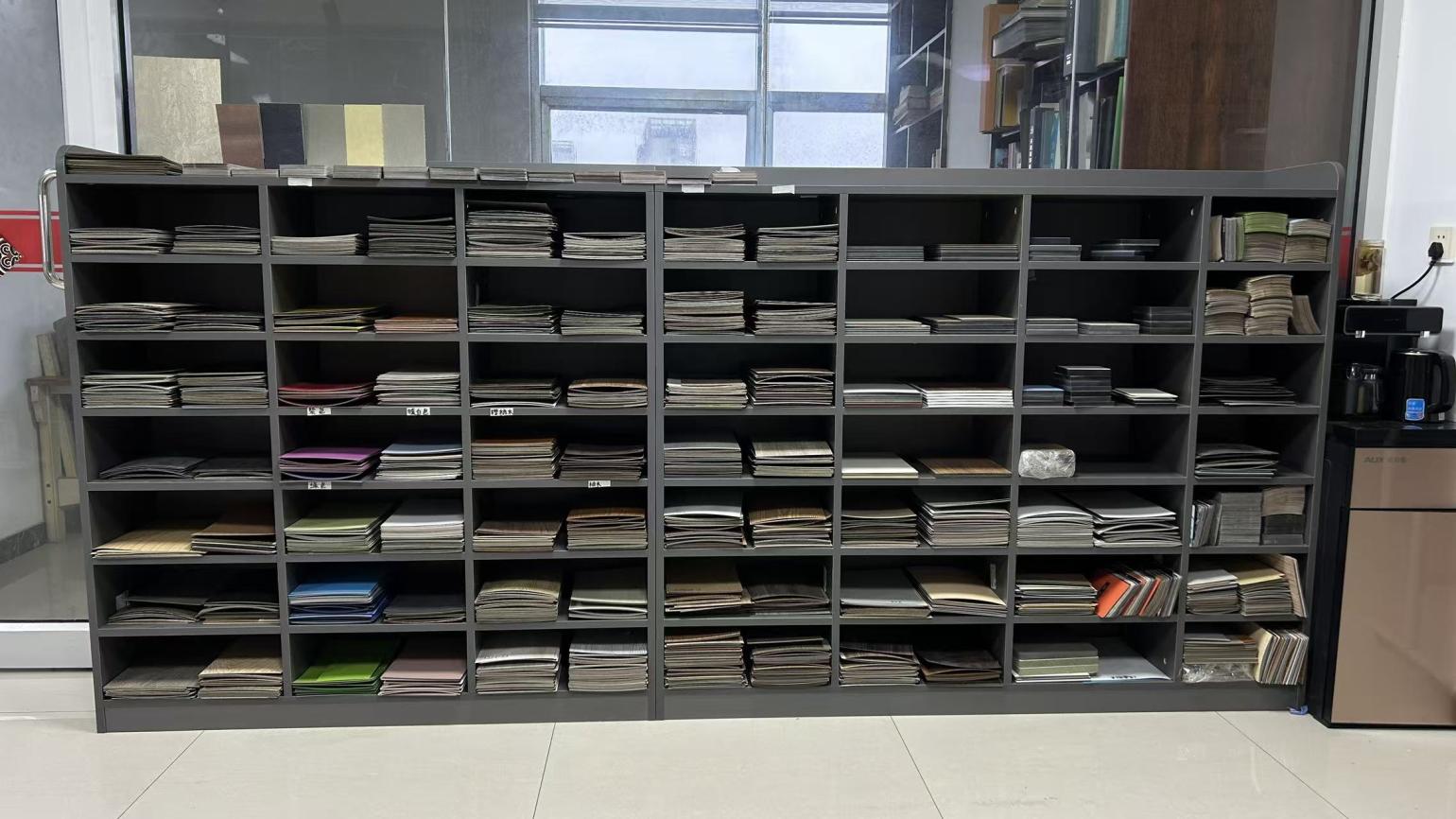
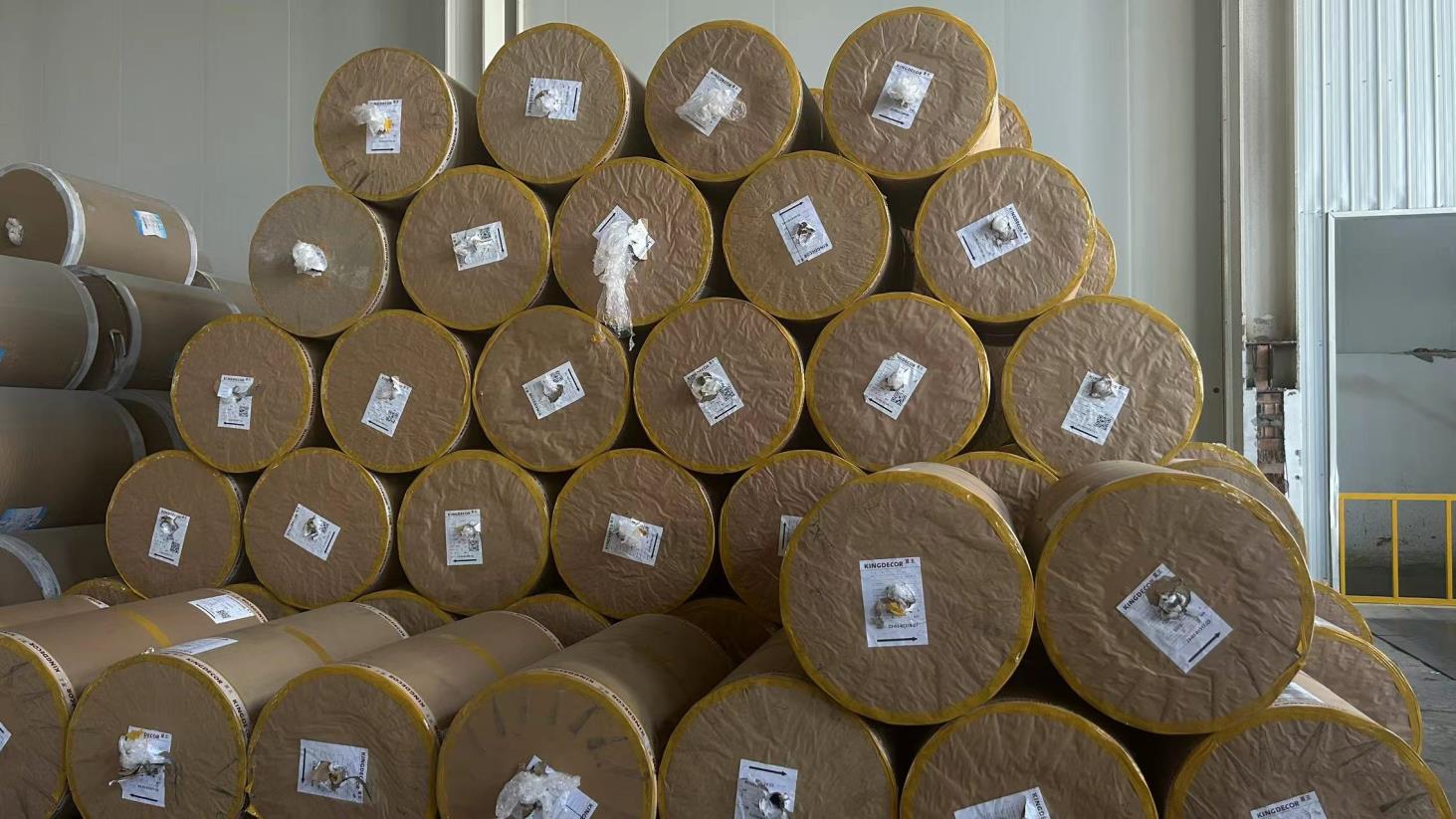
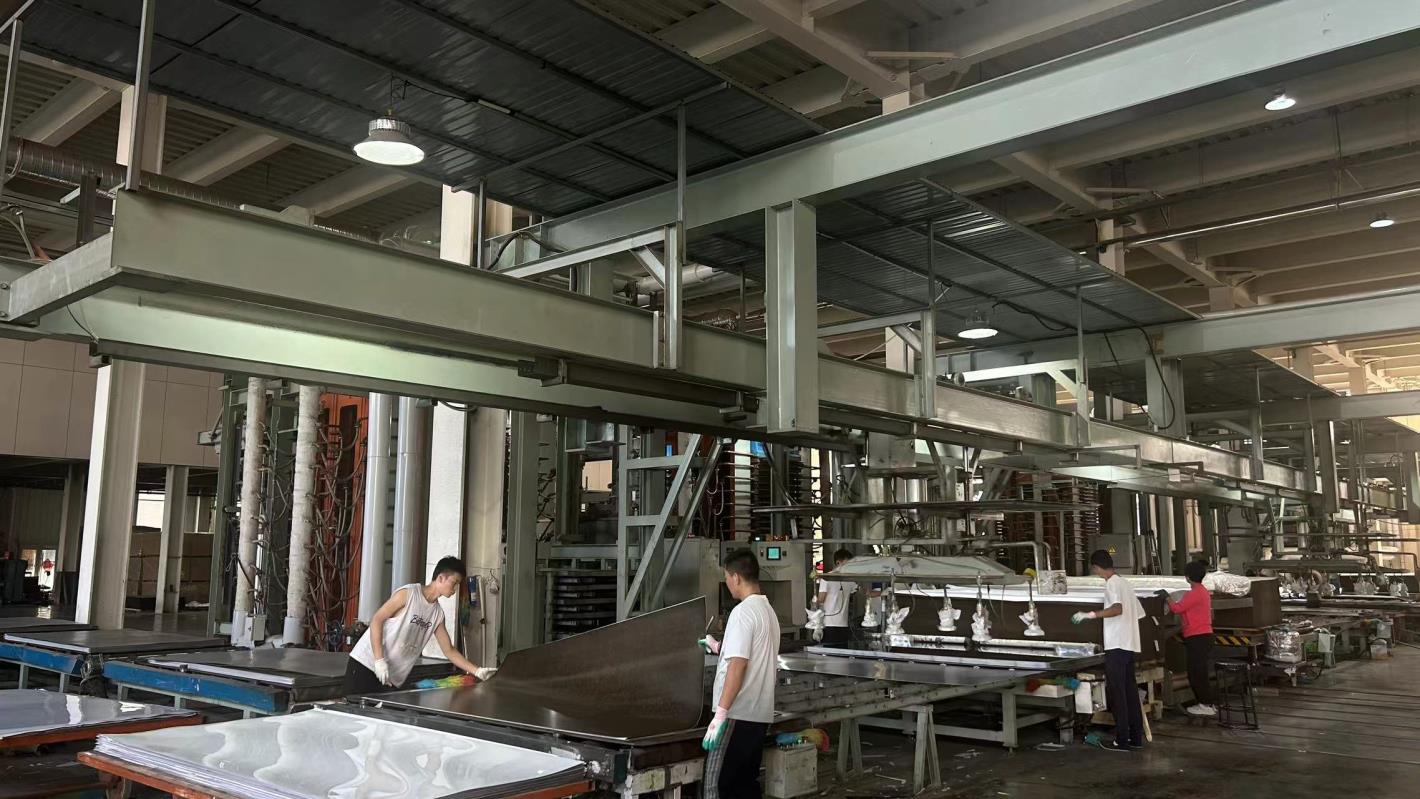
Before confirming a poplar LVL order, align the supplier on the checks that will be used at inspection. A written checklist reduces disputes and makes repeat orders easier. For many buyers, the essential points include the approved sample, veneer grade, adhesive type, density, moisture content, thickness and width tolerance, straightness, edge condition, sanding quality, emission class, packing method, shipping marks and container loading plan.
Documentation should match the destination market and the buyer’s internal quality system. Ask for product data sheets, inspection photos, packing lists and any test reports that are actually relevant to the ordered specification. If a supplier cannot explain the difference between a furniture-grade blank and a structural-grade LVL component, that is a warning sign. The correct approach is to define the application first, then build the specification and evidence around it.
Direct answers for procurement teams comparing suppliers, specifications and shipping options.
Poplar LVL timber is laminated veneer lumber made from graded poplar veneers that are dried, coated with adhesive, laid in parallel and hot-pressed into a dense engineered wood billet. It is then cut, sawn, planed or sanded into the required section for furniture, construction, packaging or industrial components.
Poplar LVL timber is used for beams, frames, scaffold planks, bed slats, furniture components, door cores, packaging blanks and other engineered wood parts. The correct specification depends on structural or non-structural use, moisture exposure, surface requirement and destination market rules.
No wood-based panel is completely waterproof. Moisture resistance depends on adhesive type, edge sealing, coating and installation. WBP adhesive grades and sealed edges may suit humid or exterior-adjacent applications, but the buyer should confirm exposure, load requirement and warranty expectation before ordering.
Some poplar LVL grades can be used in engineered structural applications, but buyers should not rely on a generic claim. Request veneer grade, adhesive type, density, moisture content, dimensional tolerance and available test or engineering data for the exact product and use.
Poplar LVL timber can be supplied in E0 or E1 formaldehyde emission grades depending on the product line and partner mill. Please specify your destination market and required test method when sending an inquiry so the correct board and documentation can be matched.
Custom sections and lengths can be discussed according to the end use. Our catalogue includes poplar LVL timber for construction and LVL scaffolding planks in a typical 38 × 225 mm section. Share thickness, width, length, quantity and application for a precise quotation.
Yes. Mixed loads of poplar LVL, plywood, MDF, HPL, compact laminate and door cores are part of our multispecialty supply service. Consolidation helps importers and distributors reach container efficiency without holding excessive stock of one item.
Our two-stage quality process includes material inspection at the partner mill and finished-product inspection before loading. Checks can cover thickness, surface, edges, moisture, packing, shipping marks and loading photos according to the approved specification.
Send your end use, dimensions, thickness, emission class, destination port and estimated quantity. Our export team will reply with a matched specification and next steps.
info@fipdmplywoods.com