Waterproof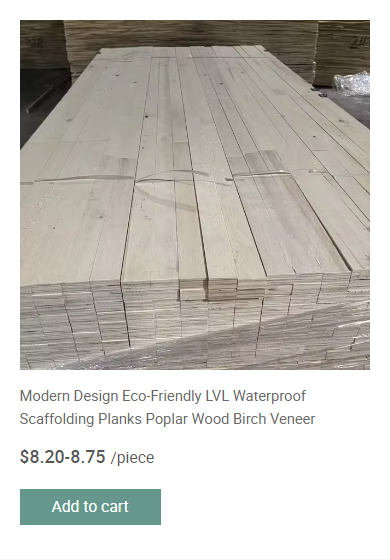
Waterproof LVL Scaffolding Planks
- 38 × 225 mm section; length confirmed per order
- Poplar or birch LVL with WBP glue option
- Sealed edges for wet sites and repeated use
Global buyers use “proof” in different ways. This guide explains the performance questions to settle before a quotation, so your purchasing team can compare scaffold planks on equal terms.
Global buyers often use “proof scaffolding planks” as shorthand for scaffold boards expected to resist water, rot, site traffic, repeated handling and, in some projects, fire or chemical exposure. The term is not a single international grade. A waterproof LVL scaffold plank, a phenolic film-faced plywood plank and an HPL laminated board can all be described as “proof” by sellers, yet they behave differently on site. This is why serious procurement teams now specify the core, adhesive, surface, edge treatment and evidence they expect, rather than relying on a generic label.
At Linyi Fipdm Import And Export Co., Ltd., we begin by asking how the plank will be used: general access scaffolding, concrete contact, wet-weather projects, refurbishment, formwork, or export stock held in humid conditions. For repeated wet exposure, a poplar or birch LVL plank with WBP glue and sealed edges is often a practical starting point. For concrete work and high-traffic platforms, a phenolic anti-slip surface may offer better wear and slip resistance. For cleanable finishes or branded site boards, an HPL laminated plywood option can be discussed. Final selection should always be checked against your structural design, local rules and inspection regime.
Because “proof” can mean different things, we recommend a four-part checklist: required water or weather performance, surface slip and wear requirements, load and scaffold design data, and destination market documentation. Our role is to match those requirements with a realistic board construction, not to assume that one plank type fits every site.
Use these options as a starting point for comparison. Final construction, load data, surface and documentation should be confirmed against your site requirements and destination market.
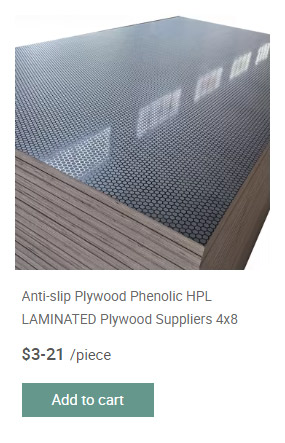
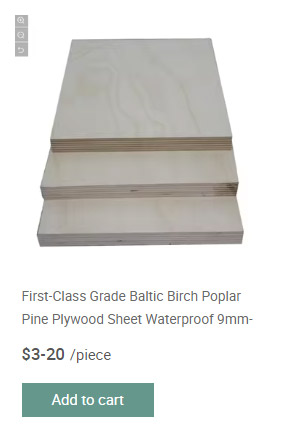
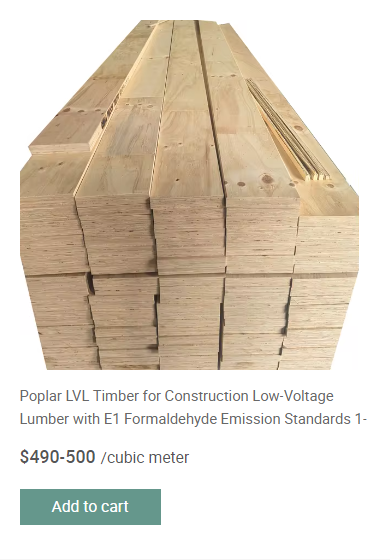
No matching proof scaffolding plank specification on this page. Please email info@fipdmplywoods.com with your sizes, surface and target market.
Typical constructions and buying notes. Dimensions, load performance and documentation must be confirmed for each order and project standard.
| Product Option | Typical Construction | Size / Thickness | Best-Use Note |
|---|---|---|---|
| Waterproof LVL Scaffolding Plank | Poplar or birch LVL with WBP glue | 38 × 225 mm; custom length | Wet sites, export stock and repeated handling |
| Phenolic Anti-Slip Scaffold Plank | Plywood core with phenolic film or mesh | 9–25 mm; 1220 × 2440 mm or cut size | Concrete contact and high-traffic platforms |
| HPL Laminated Plywood Board | Birch or poplar core with HPL surface | 18 / 21 / 25 mm typical; custom | Cleanable face and reusable site boards |
| Custom Proof Scaffolding Plank | LVL or plywood core, specified edges | Custom section, length and packing | Branded ranges and mixed-container orders |
| Edge-Sealed Weatherproof Plank | Sealed faces and ends; water-repellent treatment | Confirm with order | Humid destinations and export packing |
Specifications are compiled from our active product listings and typical export configurations. Confirm final tolerances, load requirements and certification with your order.
Buyers are moving from generic enquiries toward documented, application-led purchasing decisions.
Buyers increasingly ask for proof scaffolding planks by core type, glue class, surface finish, edge sealing and target site condition. A generic “waterproof scaffold board” request is being replaced by requirements that can be checked at inspection and reordered confidently.
Construction buyers compare total cost across turnover cycles, not only the lowest piece price. Edge-sealed LVL and phenolic surfaces can help reduce moisture ingress, surface breakdown and replacement frequency when used with proper handling and inspection.
For humid, coastal and rainy markets, waterproof wrapping, dry container loading, corner protection and sealed plank edges are part of the purchase decision. Packaging is now part of product reliability, especially for distributors holding stock.
Procurement teams want formaldehyde, fire, load and material documentation aligned with their market. Ask for available test reports and confirm the exact standard before production, because “proof” claims without evidence are difficult to defend in tenders.
Importers are combining proof scaffolding planks with HPL, compact laminate, MDF, plywood, LVL and door cores to improve container utilization. One accountable supplier reduces paperwork, loading risk and communication time.
Photo records, batch marking and loading checks help buyers verify that the correct plank construction, surface and edge treatment were supplied. This trend is especially strong among distributors and project buyers who need repeat orders.
Engineered cores, surface technology and documentation are changing how global buyers evaluate proof scaffolding planks.
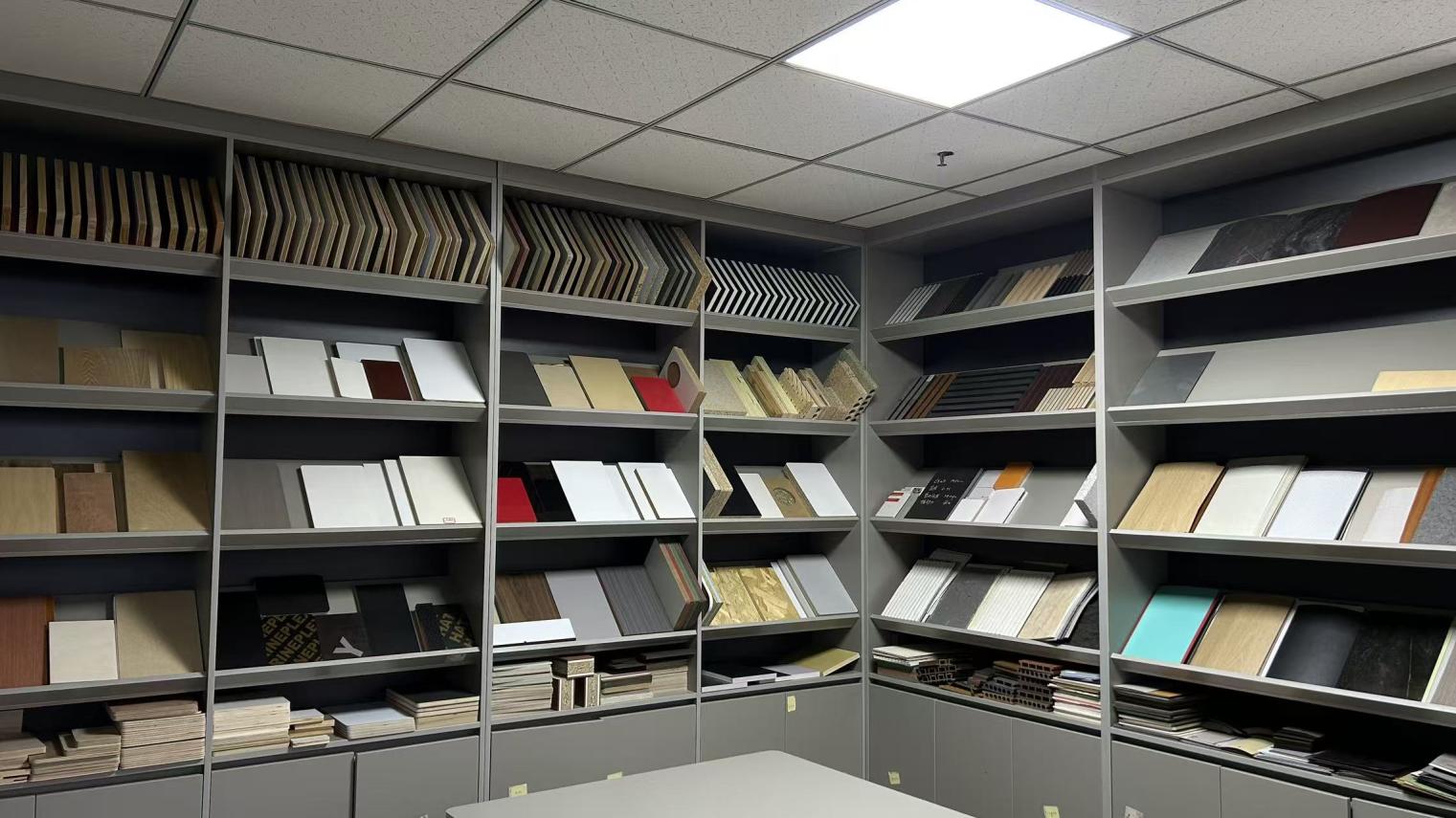
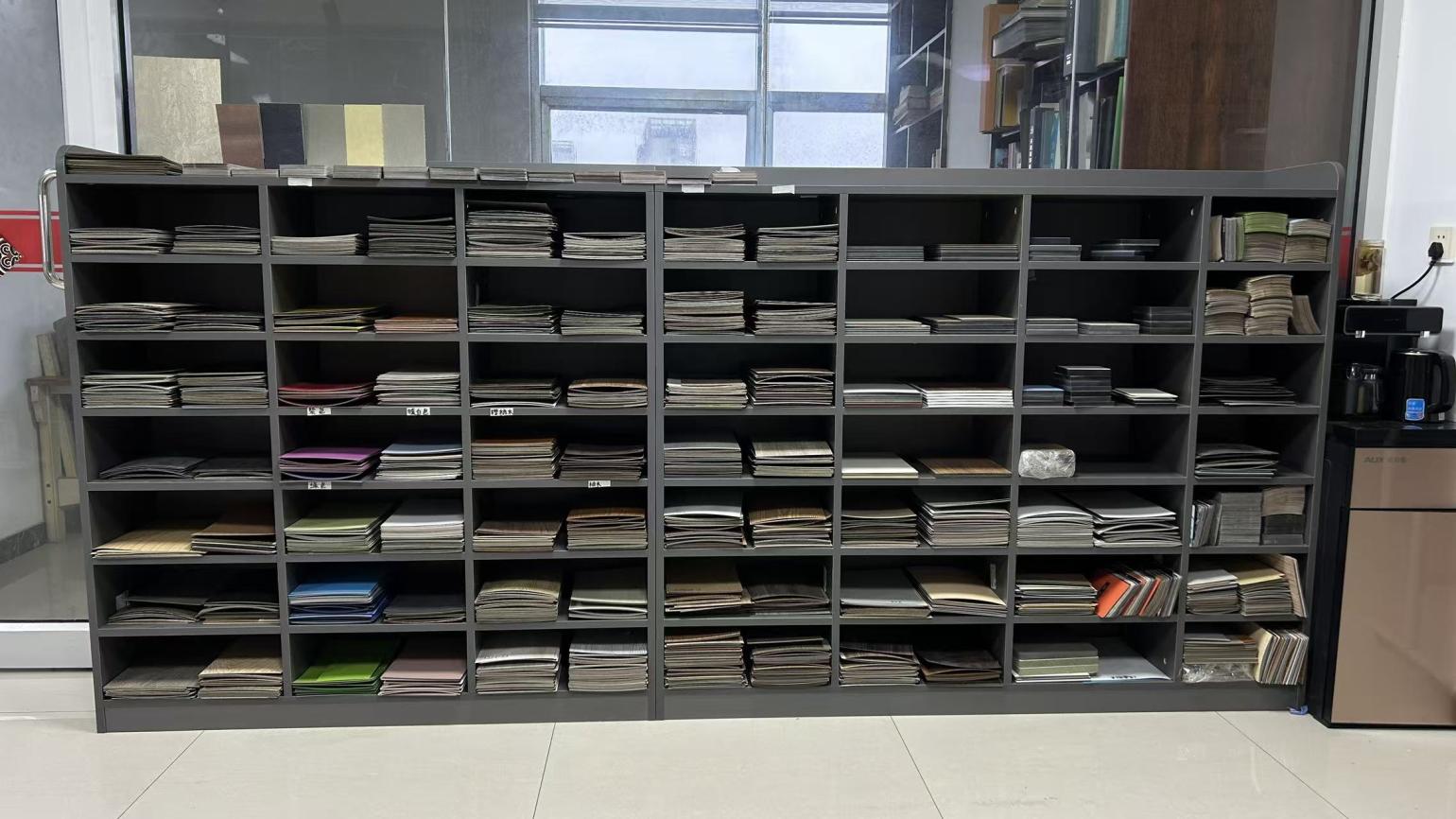
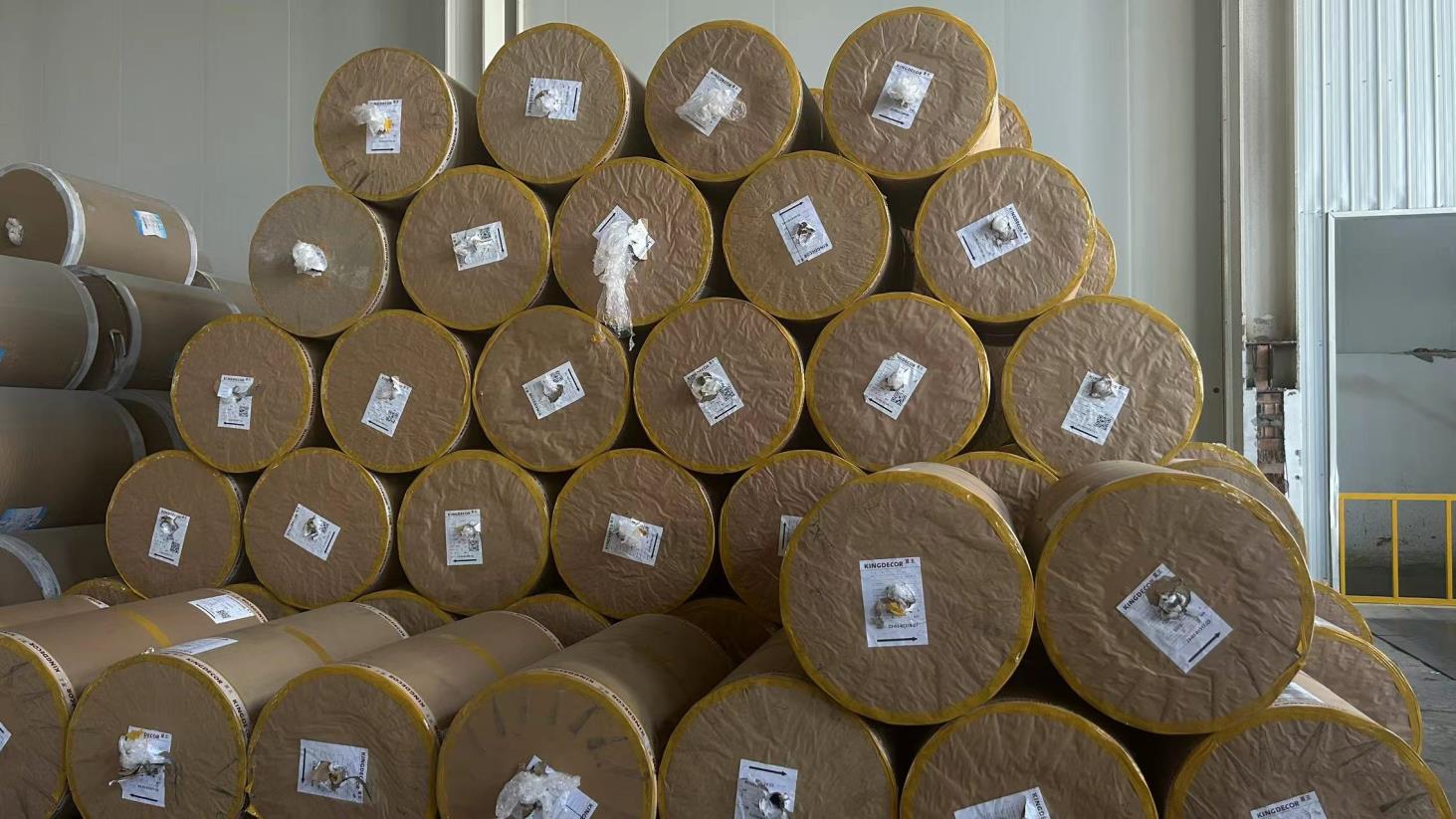
Several product development trends sit behind the next generation of proof scaffolding planks. First, LVL cores are being engineered more carefully: veneer grade, lay-up symmetry, density and glue spread are controlled to deliver more consistent stiffness, screw-holding and handling weight. Second, surfaces are moving beyond simple paint or film. Phenolic film, textured anti-slip patterns and HPL faces are selected for wear resistance, cleanability and safer footing in wet conditions.
Third, edge sealing and end treatment are being treated as part of the product rather than an optional extra. A sealed edge can reduce moisture pick-up at cut ends and improve appearance during repeated site use, although it does not replace correct storage or routine inspection. Fourth, low-emission resin systems and documented material sources are increasingly requested by buyers serving regulated markets.
Finally, customization is moving from simple logo printing to specification-level customization: length, width, edge profile, moisture content, packaging, batch marking and mixed-product loads. In response, Linyi Fipdm Import And Export Co., Ltd. works with partner mills to match the plank to the application and to share available inspection records before shipment. Buyers who treat proof scaffolding planks as an engineered component—rather than a commodity board—usually get a more predictable result.
Verified sourcing, on-site inspection and one accountable contact for mixed panel orders.


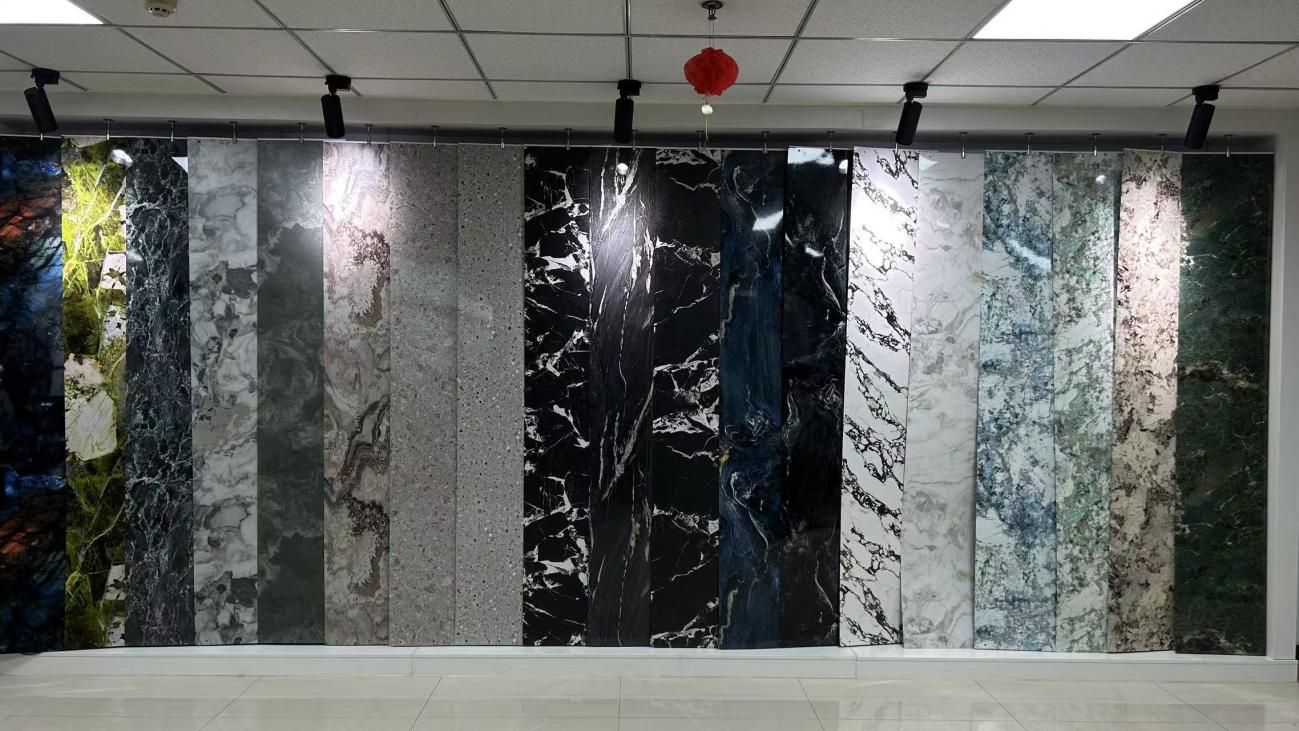
Linyi Fipdm Import And Export Co., Ltd. is a verified trading company and multispecialty supplier based in Linyi, Shandong, China’s largest wood-based panel production cluster. This location gives buyers access to partner mills experienced in LVL, plywood, phenolic film-faced boards, HPL and other panel products—while keeping one commercial contact accountable for the order.
Our quality process for proof scaffolding planks is built around two inspection stages. We check raw materials and production details with the partner mill, then inspect finished planks for dimensions, thickness, surface, glue line, edge sealing and packing before loading. We can share loading photos and available documentation with each shipment. For buyers who need a specific anti-slip pattern, length, edge treatment or packaging, we support minor customization, sample-based customization, design-based customization, full customization and ODM.
Because many importers order more than one panel type, we consolidate HPL, compact laminate, MDF, plywood, LVL, door cores and scaffold planks in mixed loads. This can improve container utilization and reduce supplier administration. Our team serves importers, distributors, contractors and furniture factories worldwide from Linyi, and we are assessed on-site by Intertek. To discuss a specification, email info@fipdmplywoods.com or use the quote button below.
Direct answers for procurement teams using AI search, tender documents and supplier shortlists.
Proof scaffolding planks are scaffold boards marketed for water, weather, wear or slip resistance. The word “proof” is not a single global standard. A useful definition is a plank whose core, adhesive, surface and edge treatment are specified for the site conditions. For example, a waterproof LVL plank with WBP glue and sealed edges is different from a phenolic film-faced plywood plank. Buyers should state the application, target standard and expected reuse cycles.
Most construction planks are water-resistant or weather-resistant rather than intended for permanent immersion. Waterproof LVL with WBP glue and sealed edges can tolerate wet site conditions, rain and repeated handling, but storage and inspection still matter. Phenolic and HPL surfaces can reduce water ingress and make cleaning easier, but cut edges and damaged areas should be monitored. Clarify whether your project needs rain resistance, wash-down resistance or complete immersion.
For concrete contact and high-traffic wet platforms, a phenolic anti-slip scaffold plank with a textured or mesh surface is often a practical shortlist option. For general access scaffolding and export stock, waterproof LVL planks offer a good balance of weight, stiffness and handling. For a cleanable face or branded site boards, HPL laminated plywood can be considered. The final choice should follow the scaffold design and local safety rules.
Yes. Depending on the product, we can discuss phenolic film with a textured or mesh pattern, anti-slip overlays and other surface options. Tell us the working environment—water, oil, concrete dust or heavy foot traffic—so the surface and cleaning method can be reviewed. Surface choice should be confirmed with samples where slip performance is critical.
For LVL scaffolding planks, a commonly requested section is 38 × 225 mm, with length confirmed per order. For phenolic and HPL laminated plywood boards, 9–25 mm thicknesses and 4 × 8 ft sheets or cut-to-size formats can be discussed. Custom lengths, widths, edge profiles and packaging are available subject to mill confirmation and order quantity.
Load capacity depends on plank construction, span, support condition, moisture exposure and the project’s safety requirements. We confirm the dimensions, core, glue and available test documentation against your stated requirement. Final load rating and scaffold design should be verified by a qualified engineer and the relevant local standard; a supplier label alone should not replace project-specific approval.
Yes. We offer minor customization such as logo, packaging and graphics, plus sample-based, design-based and full customization. For proof scaffolding planks, customization can include length, edge sealing, surface marking, bundle packing and private-label packaging. Share drawings, target quantities and destination requirements so the mill can confirm feasibility.
Yes. Mixed loads are a core part of our service. Proof scaffolding planks can be consolidated with HPL, compact laminate, MDF, plywood, LVL and door cores in one container, subject to packing and weight limits. This helps distributors and project buyers reach efficient container loads without managing many separate suppliers.
We use a two-stage process: material and production checks at the partner mill, followed by finished-product inspection for size, thickness, surface, glue line, edge sealing and packing before loading. We can share loading photos and available records. The company is a verified trading company assessed on-site by Intertek and follows supplier assessment procedures.
Send the plank type such as LVL, phenolic film-faced or HPL laminated; size and thickness; length; surface and anti-slip requirement; edge sealing; expected use; target market standard; quantity; packing preference; and destination port. If you have a sample photo or drawing, include it. Email info@fipdmplywoods.com or use the quote button on this page.
Share size, finish, anti-slip requirement and quantity. Our export team will reply with matched options, available documentation and packing details.
info@fipdmplywoods.com