Wood Grain MDF Factories & Suppliers in the Warsaw Market
How architects, joinery workshops, furniture factories and importers can compare wood-grain MDF, HPL and plywood supply for Warsaw projects — with clearer specifications, stronger quality evidence and fewer landed-cost surprises.
Inquire Now8 Products for Wood-Grain MDF & Panel Programmes in Warsaw
Wood-grain MDF is rarely bought as a single SKU. A Warsaw kitchen project may combine an HMR MDF core, a decorative HPL surface, matching edge banding and a moisture-resistant plywood carcass. The eight items below reflect the surface and board options most often requested by importers, joinery workshops, fit-out contractors and distributors preparing projects in Warsaw and Mazowieckie.
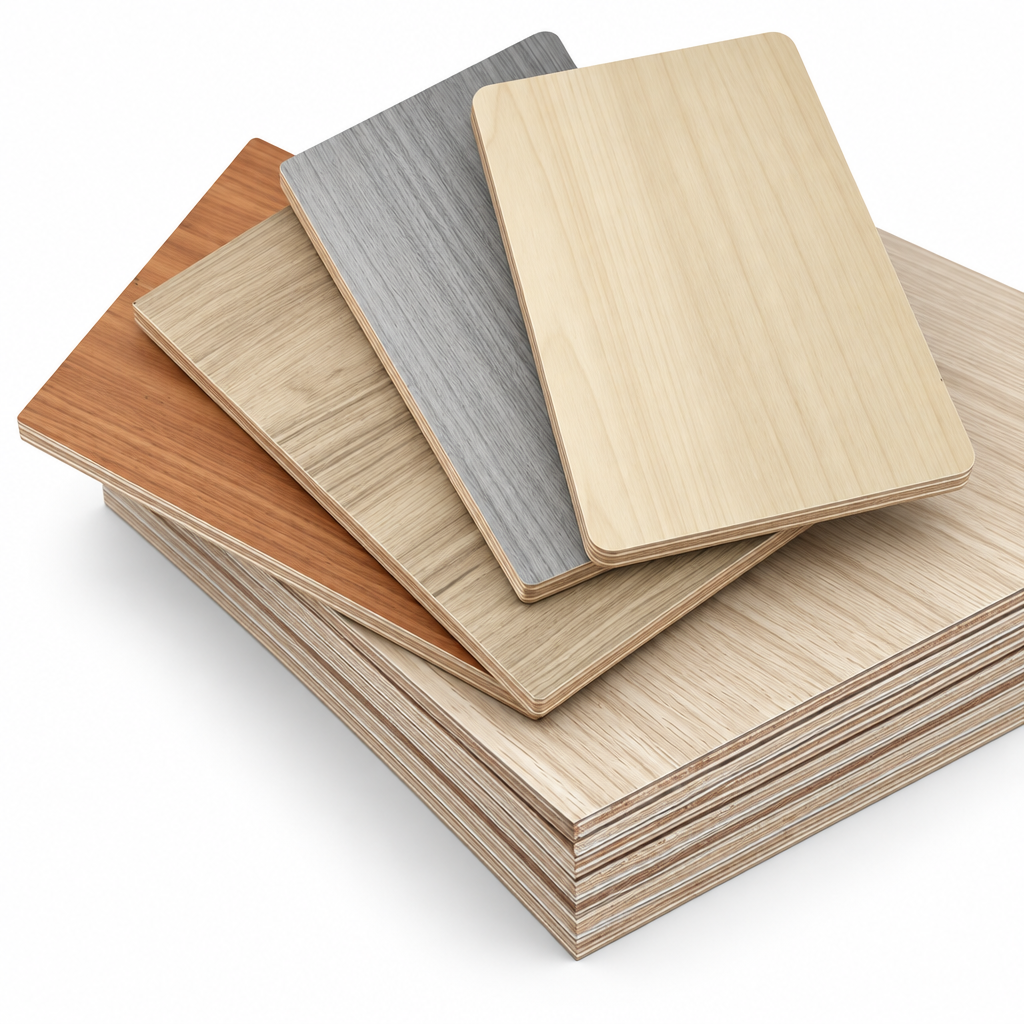
Factory Direct Wood Grain Decorative High Pressure Laminate Sheets HPL Panel for Furniture Cabinet Wall Cladding
A factory-direct decorative HPL with a wood-grain face for MDF, plywood and particle-board substrates. Suitable for Warsaw kitchen cabinets, wardrobe fronts and wall cladding where repeatable grain direction matters.
View product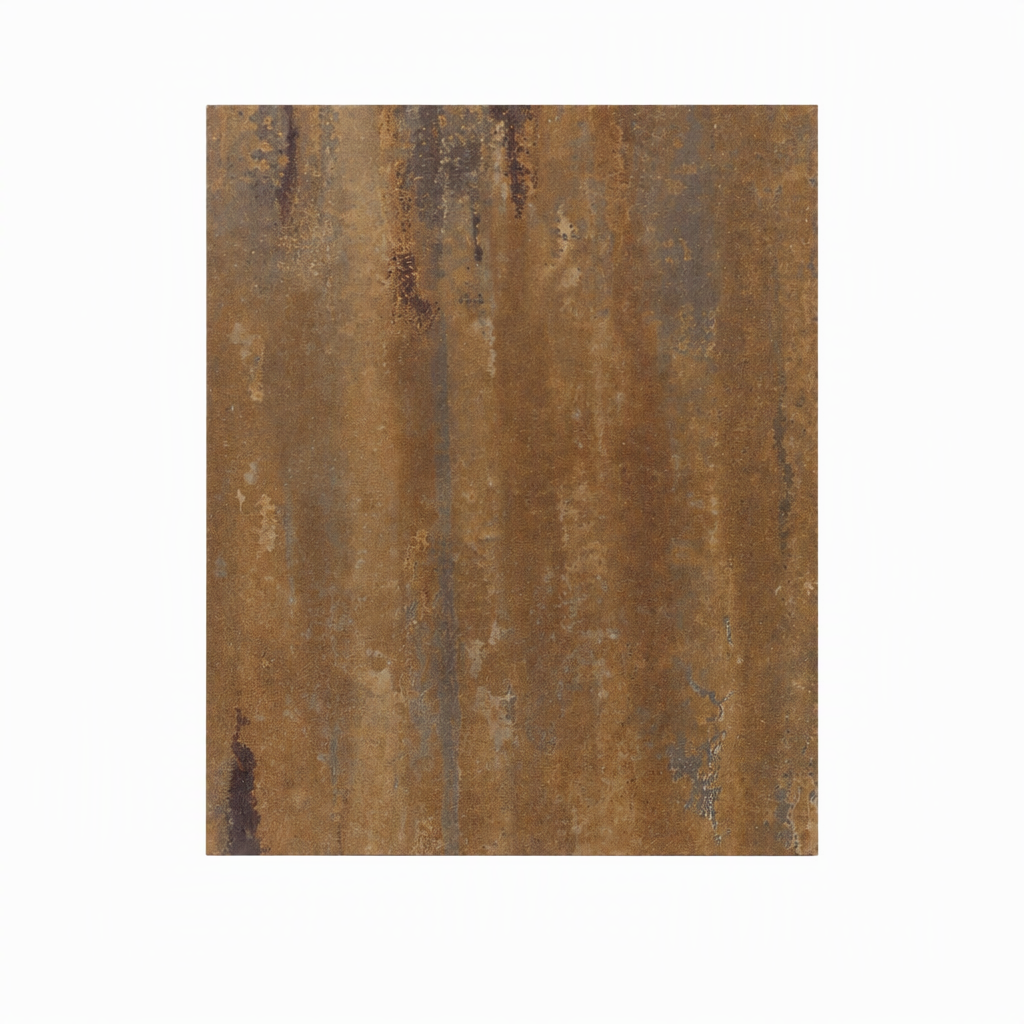
0.8mm Brown Stone Look HPL Decorative Laminate Sheet Interior Wall Panel
A 0.8 mm brown stone-look interior wall panel for lift lobbies, feature walls and retail interiors. It offers a darker alternative when wood-grain MDF is paired with stone-effect surfaces.
View product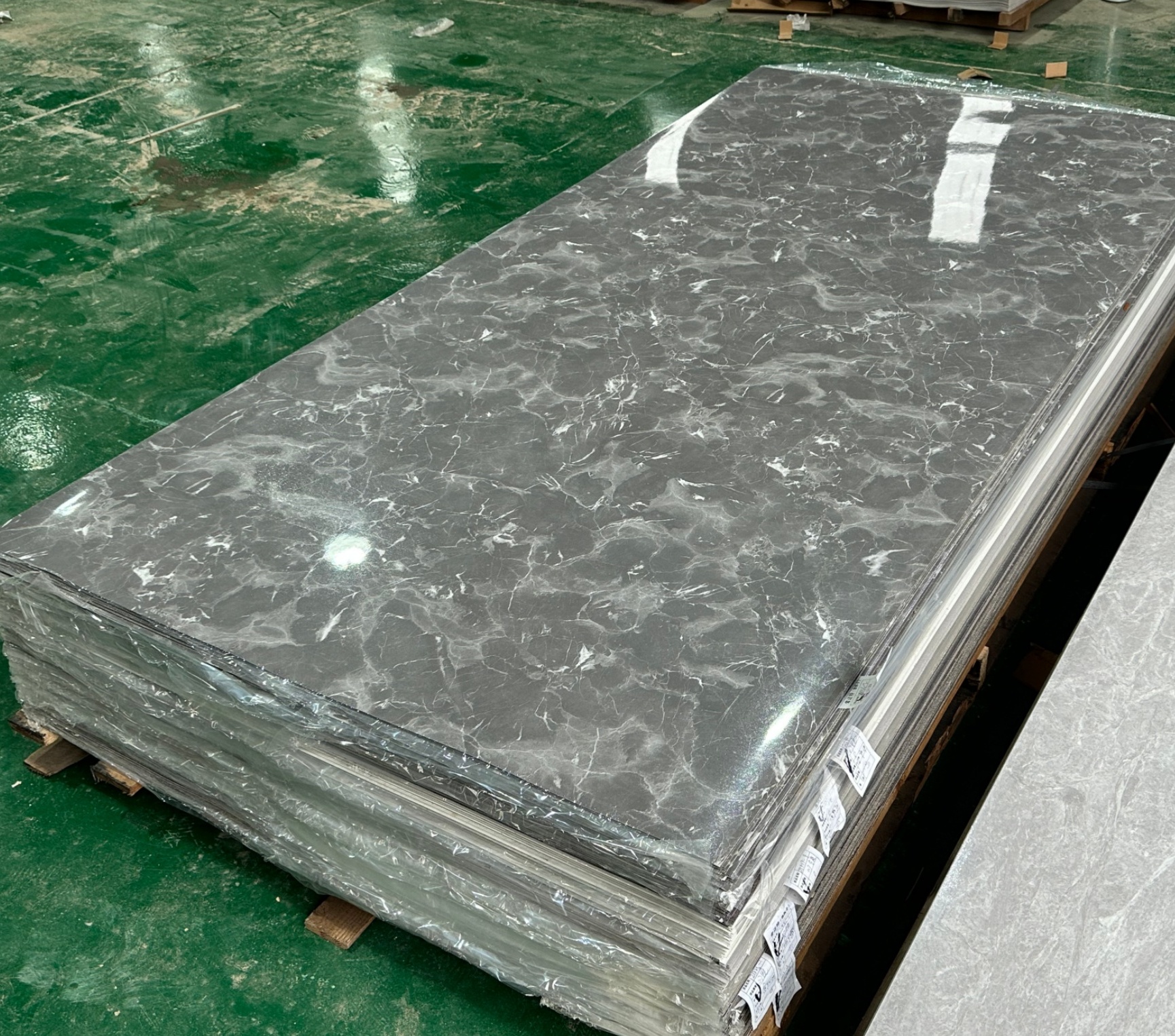
Wholesale Grade B HPL Stock HPL Decorative High Pressure Laminate
Wholesale Grade B stock for budget-sensitive rental renovations, sample rooms and site mock-ups. Use it where visual consistency is less critical than speed and cost, and keep Grade A for client-facing surfaces.
View product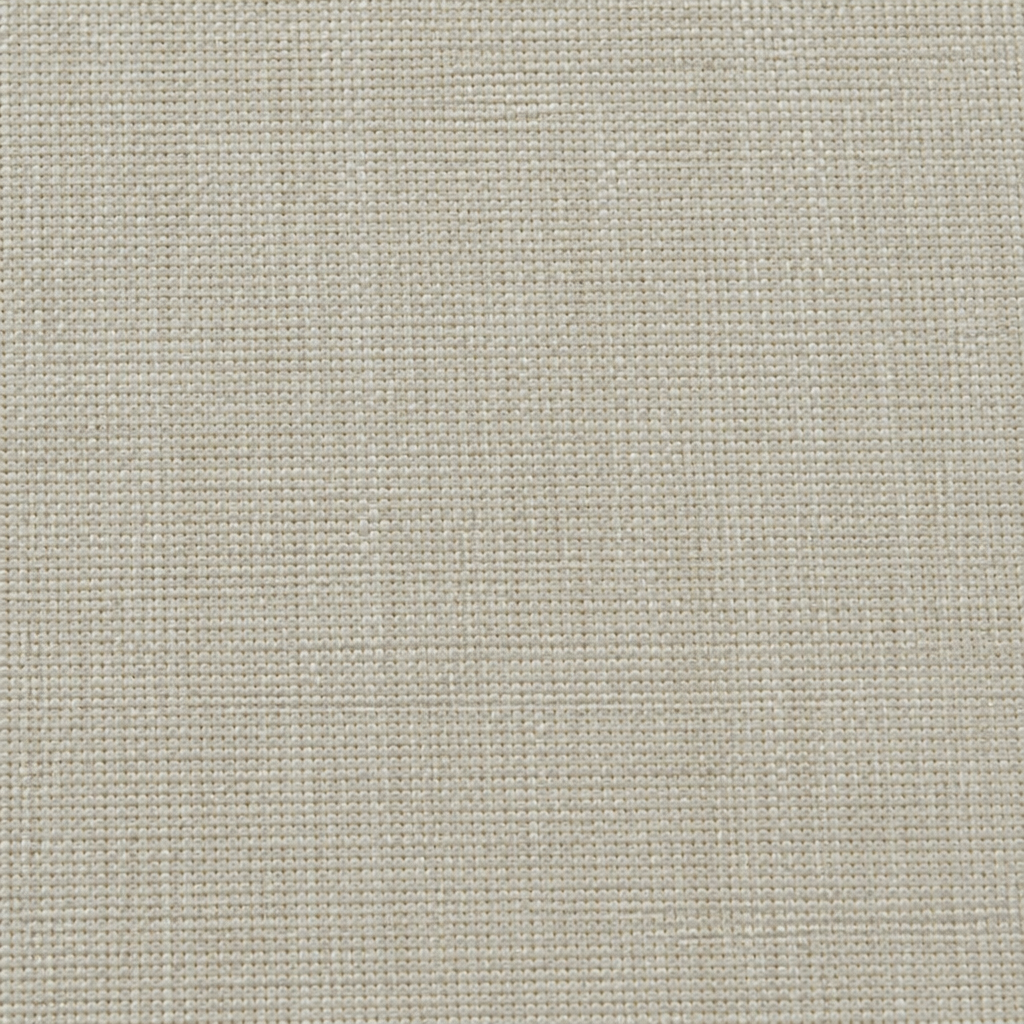
1830*3660mm Light Beige Gray Waterproof Fire Resistant Decorative Laminate Sheet
A large-format 1830 × 3660 mm light beige-gray laminate with waterproof and fire-resistant positioning. Large panels reduce seams in wall linings and public-area fit-outs.
View product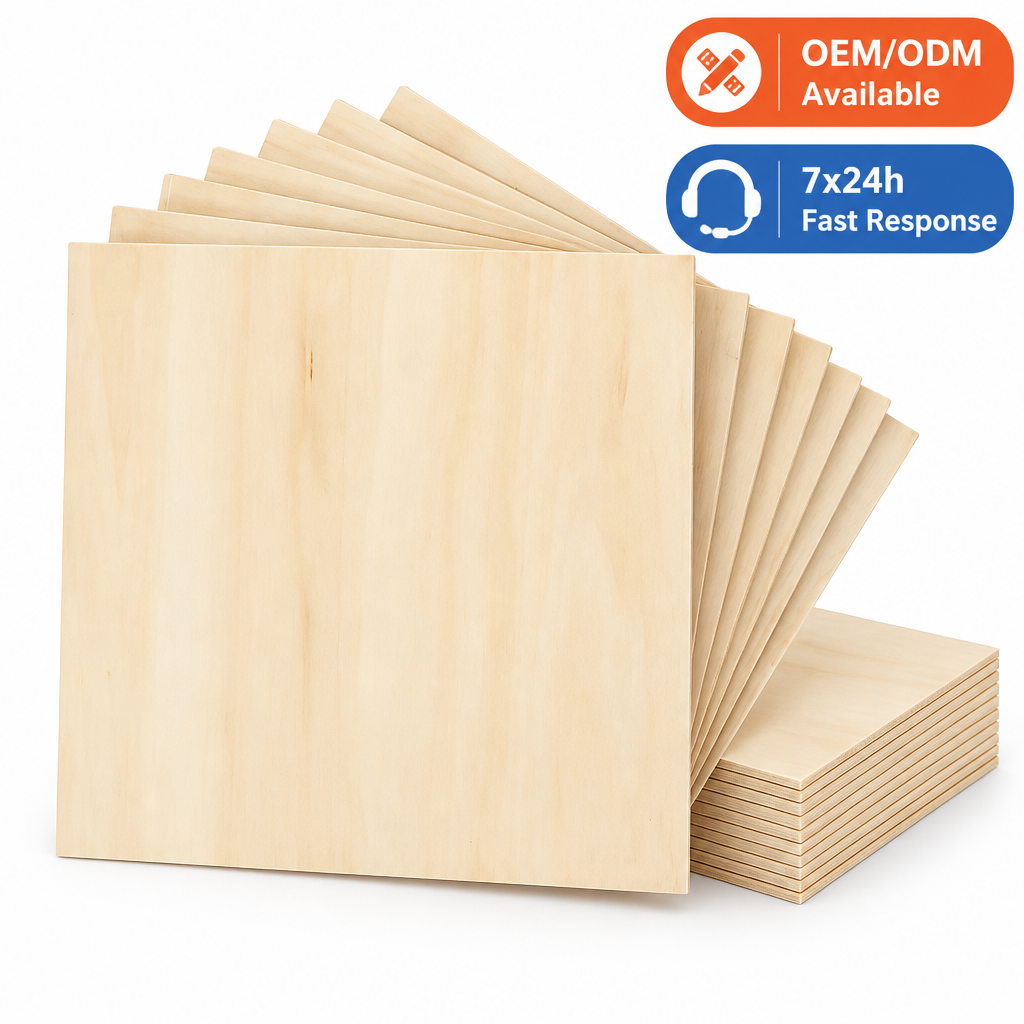
Eco-Friendly First-Class Basswood Plywood Sheet 12 X 12 X 1/8 Inch 3mm Sanded Polished Birch Veneer DIY Laser Cutting
A 3 mm basswood plywood sheet for laser cutting, model-making and signage. It is a useful companion material when a Warsaw design team is prototyping wood-grain MDF joinery details.
View product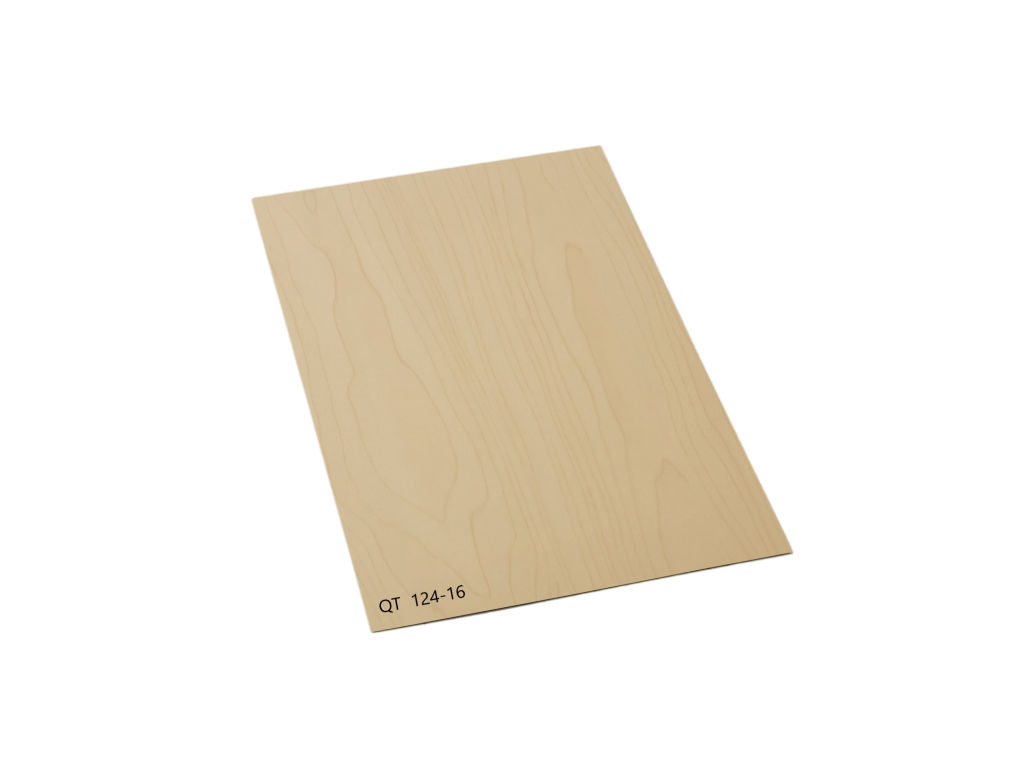
Light Wood Grain HPL Decorative Laminate Sheet Phenolic Resin Panel for Interior Wall and Furniture
Light wood-grain HPL with a phenolic resin build for interior walls and furniture. A practical match for Scandinavian-influenced Warsaw interiors, hotel casegoods and reception joinery.
View product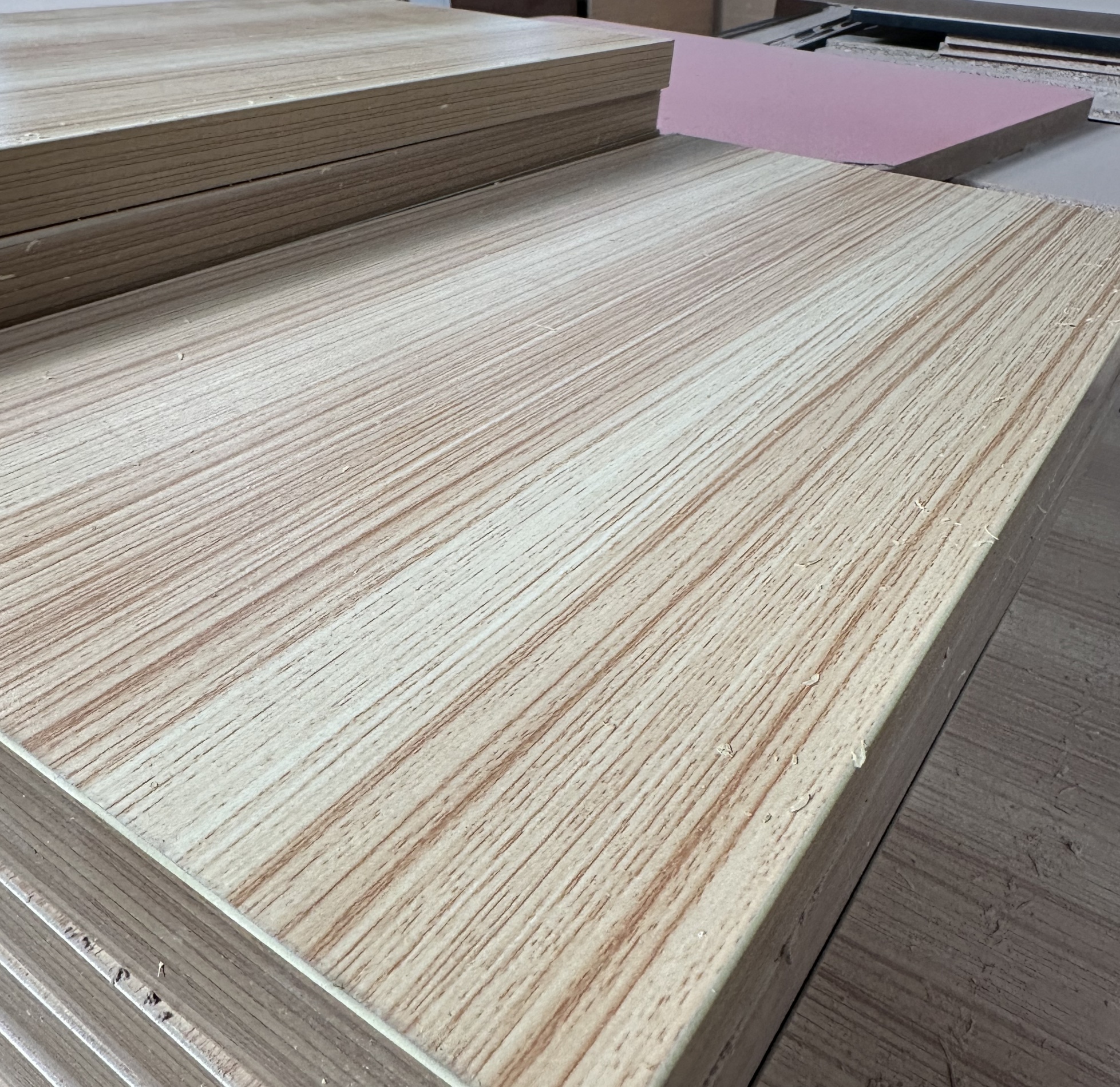
Stock HPL Wear-resistant Laminate HPL Plywood for Kitchen Cabinets
Wear-resistant HPL plywood for kitchen cabinets and wet-use joinery. The plywood core adds screw-holding and moisture tolerance where a standard MDF core may be less suitable.
View product
Modern Design Chinese Marine HPL Birch Plywood Construction 4X8 15mm Glossy Sheet E1 Faced Faced 1220X2440 Price
Glossy 15 mm marine HPL birch plywood for heavy-duty furniture, wet zones and construction applications. Use it where a wood-grain effect must sit on a stronger, more moisture-tolerant core.
View productThe real sourcing question behind “wood grain MDF factories & suppliers in Warsaw”
Warsaw buyers searching for wood grain MDF factories & suppliers usually have one of three jobs in mind. One buyer wants a local Polish stockholder who can deliver standard sheets quickly. Another wants a factory-direct export partner for a container programme. A third is an architect or fit-out contractor who needs a specification that can survive value engineering, site handling and client approval. These are different search intents, and they should not be answered with the same generic catalogue page.
The phrase “wood grain MDF” also hides several product structures. It can mean a standard MDF core with a melamine-faced wood decor, a veneered MDF panel, or an HMR MDF core upgraded with a high-pressure laminate surface. Each choice changes moisture performance, scratch resistance, edge treatment, colour consistency and total cost. A serious supplier should separate the substrate decision from the surface decision, then document both.
For Warsaw projects, a useful comparison includes density, thickness tolerance, internal bond, surface absorption, screw-holding strength, formaldehyde emission class, decor repeatability, packing method and the ability to consolidate mixed board types. The purchasing team should also ask who inspects the goods before loading and what evidence will be shared. A supplier that cannot show inspection evidence is a project risk, not a bargain.
Linyi Fipdm Import And Export Co., Ltd. is based in Linyi, Shandong, China, not in Warsaw. It is a verified trading company and multispecialty supplier with nine years of panel-industry experience, an Intertek-verified supplier assessment, on-site material and finished-product inspection, export documentation support and ODM/customization capability. That position is relevant to Warsaw importers who want access to vetted mills without managing multiple suppliers, multiple specifications and multiple loading schedules.
The lowest sheet price is not the lowest landed cost. Warsaw buyers should price the surface, the core, the waste, the freight and the rework risk together.
Landed cost = board price + surface value + cutting loss + freight + documentation + rework risk
Local Trends Reshaping Wood-Grain MDF Procurement
Warsaw is not a single market. It is a dense set of renovation, office, hospitality and public-sector briefs with different durability and documentation requirements.
Renovation-led demand across Warsaw districts
Apartment upgrades in Mokotów, Wilanów and Ursynów continue to drive kitchen, wardrobe and hallway joinery. Buyers want wood-grain surfaces that feel warm but resist steam, cleaning agents and daily wear. HMR MDF with a well-bonded HPL face is often more appropriate than a standard MDF core in these briefs.
Office fit-outs demand low-emission durability
Fit-outs in Śródmieście and Wola place wood-grain MDF into reception desks, meeting-room panels, storage walls and café counters. Specifiers increasingly ask for E1 or E0 options, low-odour assembly, scratch resistance and documentation that supports indoor environmental goals.
Hospitality and retail need batch consistency
Hotels, cafés and showrooms in central Warsaw need the same wood-grain decor across reception fronts, table tops and wall panels. Batch-to-batch colour and texture consistency is a purchasing issue, not only a design issue. Approved samples, decor codes and retained reference panels should be written into the order.
Documentation is now part of the product
EU-facing buyers are more careful about formaldehyde classes, fire performance, timber due diligence and loading evidence. A wood-grain MDF supplier should be able to discuss E1/E0 options, sample traceability and shipment photos. Confirm the exact project documentation required before production, not after the container is booked.
The common thread is fitness for the actual Warsaw application. A board sold for a dry interior wall is not automatically suitable for a kitchen run, a bathroom vanity or a hotel bar front.
Where Wood-Grain MDF and HPL Surfaces Win in Warsaw
Use the application to choose the core, not the other way around. The same wood-grain decor can be specified on different substrates with very different service lives.
Kitchens and wardrobes
For Warsaw apartment kitchens, pair an HMR MDF core with a light wood-grain HPL face. Seal cut edges and specify moisture-resistant adhesives around sinks and dishwashers. Wardrobe internals can use a lower-cost melamine finish, while visible fronts use the approved HPL decor.
Bathrooms and utility rooms
In bathrooms, laundries and utility spaces, standard MDF is a weak choice unless the edges are fully protected. Consider compact laminate, HPL-faced plywood or a well-detailed HMR MDF system with sealed edges. Ventilation and edge sealing matter as much as the surface decor.
Office receptions and meeting rooms
Wood-grain HPL over MDF or plywood is common for reception desks, storage walls and meeting-room joinery in Śródmieście and Wola. Specify impact-resistant edges, a repeatable decor code and a Grade B mock-up material for early site trials before committing client-facing panels.
Retail, hospitality and public interiors
Hotel casegoods, café counters and retail displays need a surface that can be cleaned frequently and still look consistent across phases. Large-format laminate, wear-resistant HPL plywood and fire-resistant laminate options help reduce seams and support maintenance planning.
Warsaw specification note: if a project uses a wood-grain MDF visual direction, keep a single approved decor family across cabinetry, wall panels and loose furniture. Mixed decor codes are one of the most common causes of visual mismatch after installation.
Factory, Converter or Supplier: Reading the Warsaw Supply Chain
Search results often mix three different business models. A buyer who understands the difference can ask better questions and avoid comparing incompatible offers.
MDF producer
An MDF mill makes raw or melamine-faced board. It may offer excellent substrate economics, but it may not provide the exact HPL surface, matching decor, edge banding or mixed-category container that a Warsaw fit-out requires.
HPL press or converter
A converter bonds decorative HPL to MDF, plywood or particle board. This step controls surface bonding, texture alignment and panel flatness. Buyers should ask who presses the board, what adhesive system is used and how finished panels are protected during transport.
Export consolidator
A consolidator coordinates vetted mills, inspections, documentation and mixed loads. This model can reduce supplier management for Warsaw importers, but it only works when the consolidator is transparent about which mill makes which product and how the goods are checked.
Fipdm operates as a verified trading company and multispecialty supplier. For buyers, the value is a managed chain of mills, materials and inspections rather than a claim of local manufacturing. If a project requires same-day local stock in Poland, that requirement should be stated at the inquiry stage so the right supply model can be discussed.





Why Fipdm Is a Practical Supply Partner for Warsaw Buyers
Fipdm is a verified trading company and multispecialty supplier based in Linyi, Shandong, China. The company combines high-pressure laminates, compact laminate, fibreboards, plywood, LVL and door cores into one managed supply chain. For Warsaw buyers, the value is not a local warehouse claim; it is traceable specification control, mixed-container efficiency and a single contact who can show inspection evidence before loading.
Because the team works across categories, a Warsaw joinery workshop can pair an HMR MDF substrate with a wood-grain HPL, a matching compact laminate for wet areas and a plywood core for structural cabinet elements in one order. That reduces the risk of unmatched decor codes, fragmented loading schedules and unclear responsibility when a quality issue appears.
- Intertek-verified supplier assessment and 5.0/5 buyer rating shown in the company profile.
- Material inspection at the partner mill and finished-product inspection before loading.
- Minor, sample-based, design-based and full customization plus ODM support.
- Mixed loads across HPL, compact laminate, MDF, plywood, LVL and door cores.
Intertek Verification
A third-party supplier assessment gives remote buyers a starting point for due diligence. Combine it with product samples, references and a project-specific inspection plan.
Two-Stage Quality Control
Material checks at the partner mill are followed by finished-board inspection for thickness, surface, edges, packing and loading condition.
Customization & ODM
Logo, packaging, graphics, sample-based development and design-based customization are available for distributors and project suppliers.
Multi-Category Consolidation
Combine wood-grain HPL, HMR MDF, plywood, compact laminate and door cores in one shipment to reduce freight and administrative load.
Low-Emission Options
E0 and E1 formaldehyde grades are available depending on the product line. Confirm the required class and documentation before production.
Export Logistics Support
Export documents, seaworthy pallet packing, loading photos and engineer support for installation questions are part of the B2B service model.
A Procurement Dashboard for Warsaw Purchasing Teams
Use this matrix to turn a broad “wood grain MDF supplier” request into a measurable brief. It also helps separate cosmetic samples from production-ready specifications.
| Buying criterion | Warsaw project risk | Fipdm control point | What to request |
|---|---|---|---|
| Surface fidelity and batch matching | Visible mismatch between cabinet fronts, wall panels and reception counters. | Approved sample reference and decor code confirmation before production. | Retained sample, decor code, finish description and batch photos. |
| Substrate density and moisture resistance | Swelling or edge failure in kitchens, bathrooms and utility rooms. | HMR MDF, plywood or compact laminate options selected by application. | Board type, density target, edge-sealing detail and moisture exposure. |
| Formaldehyde emission | Specification non-compliance or indoor-air concerns for EU projects. | E1 and E0 options depending on product line. | Required class, destination market and supporting test documents. |
| Fire and wet-area performance | Public interiors, hotel projects and wall linings may need additional evidence. | Fire-resistant laminate and compact laminate options reviewed per brief. | Project fire strategy, substrate, fixing method and required report type. |
| Thickness and dimensional tolerance | Poor joinery fit, visible gaps and rework on site. | Finished-board inspection before loading; tolerance confirmed on order. | Nominal thickness, acceptable tolerance and critical panel dimensions. |
| Container consolidation | Multiple suppliers create split deliveries and inconsistent packing standards. | Mixed loads across board and laminate categories with one loading record. | Item list, quantities, packing marks and preferred shipping schedule. |
Final tolerances, certification scope and packaging details must be confirmed on the order. Do not treat a generic product photo as a specification.
From Warsaw Brief to Loaded Container
A clear five-step path keeps surface, substrate and logistics decisions aligned.
Send the brief
Application, sizes, thickness, decor direction, emission class, quantity and delivery window.
Approve samples
Review wood-grain colour, texture, core type and edge treatment before production.
Schedule production
Lock the approved decor code, substrate, packing method and inspection criteria.
Inspect and document
Check material at the mill and finished boards before loading; collect photos and records.
Consolidate and ship
Combine categories, prepare export documents and arrange the shipping schedule to Poland.
Questions Local Buyers Ask Before Ordering
These are the practical questions that appear when a Warsaw buyer moves from browsing wood-grain MDF suppliers to requesting a quotation.
Are you a wood-grain MDF factory located in Warsaw?
No. Fipdm is a verified trading company and multispecialty supplier based in Linyi, Shandong, China. We coordinate vetted partner mills and inspect materials and finished products before shipment. If your specification requires a local Warsaw stockholder or same-day collection, state that clearly in the inquiry so the appropriate supply route can be discussed.
What is the difference between MDF, melamine-faced MDF and HPL-faced MDF?
MDF is the fibreboard substrate. Melamine-faced MDF has a decorative paper-based melamine surface, which is cost-effective for dry interior furniture. HPL-faced MDF uses a high-pressure laminate surface, offering different wear, moisture and visual performance. Wood-grain appearance can be achieved with either surface, but the specification and cost profile are different.
Which board should I choose for kitchens and bathrooms in Warsaw?
For kitchens, HMR MDF with sealed edges and a durable HPL face is a common choice. For bathrooms, laundries and wet zones, consider compact laminate or HPL-faced plywood if the risk of water exposure is higher. The surface decor should be selected together with the core, adhesive, edge treatment and installation detail.
Can you help with E0/E1 and project documentation?
Yes. MDF and plywood options can be reviewed in E1 and E0 grades depending on the product line. Tell us the destination market, required emission class and any fire, timber due-diligence or project-specific documents at the quotation stage. Final availability and documentation scope must be confirmed per order.
How do you keep wood-grain colours consistent across batches?
Use an approved physical sample, record the decor code and finish, retain a reference panel, confirm the mill batch and inspect surfaces under consistent lighting. For multi-phase Warsaw projects, keep the same approved decor family and place repeat orders with the specification sheet attached.
Can I mix HPL, MDF and plywood in one shipment, and what is the lead time?
Mixed loads are a core part of the supply model, helping importers reach container efficiency across HPL, compact laminate, MDF, plywood, LVL and door cores. Sampling commonly takes a few days; production timing depends on stock, customization and quantity. Sea freight to Gdansk or Gdynia followed by road transport to Warsaw is a common route, but the final schedule must be confirmed per order.
Request a Warsaw-Ready Wood-Grain MDF and HPL Proposal
Share the application, substrate, thickness, decor direction, emission class, quantity and delivery window. Our export team will reply with matched options, sample guidance and an inspection plan for your project.
Inquire NowEmail: info@fipdmplywoods.com · Linyi, Shandong, China