Eight Export-Ready Panels for Yemen's Furniture & Fit-Out Supply Chain
UV painted MDF is often consolidated with HPL, compact laminate, plywood and melamine-faced boards. The eight products below are part of Fipdm's current export range and are frequently specified alongside UV MDF for Yemeni importers, furniture factories, distributors and fit-out contractors.
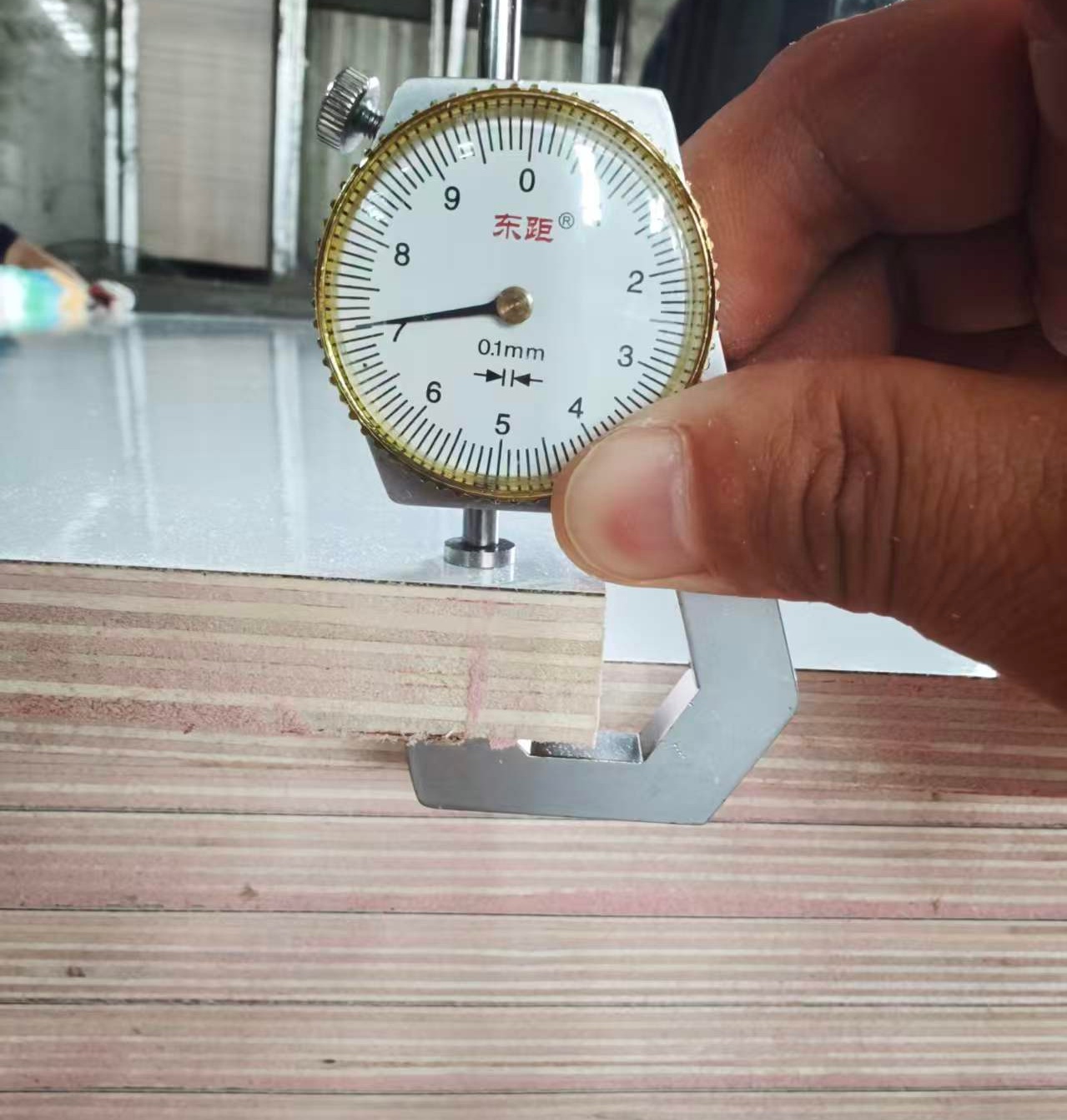
HPL Plywood Decorative Panels Stock for Furniture Veneer
Decorative high-pressure laminate faced plywood for wardrobe doors, retail fixtures and furniture surfaces.
View specifications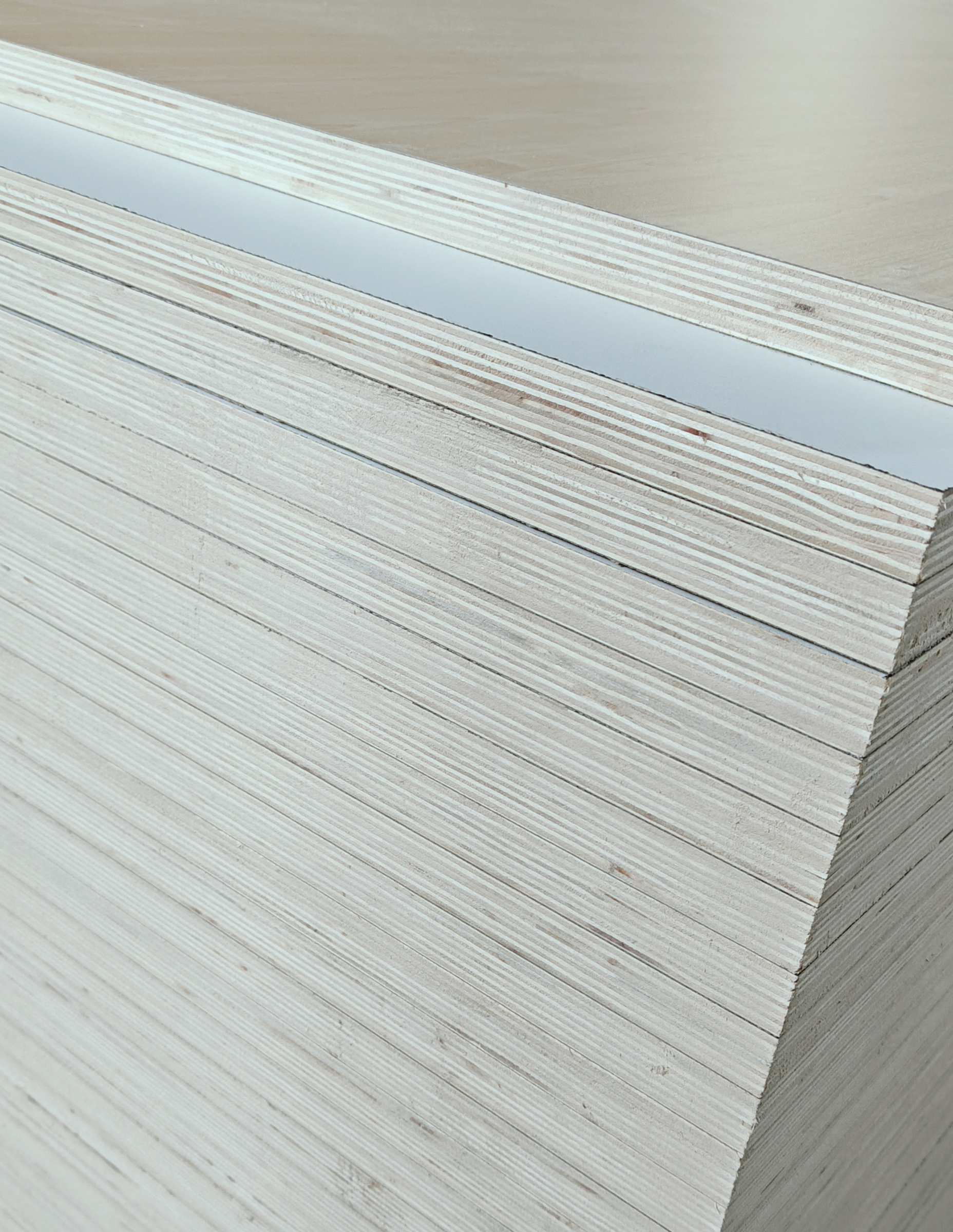
Modern Marine HPL Poplar Plywood E0 Fire-Resistant 4×8
15mm construction sheet with sanded surface and marine HPL face for humid interior fit-outs.
View specifications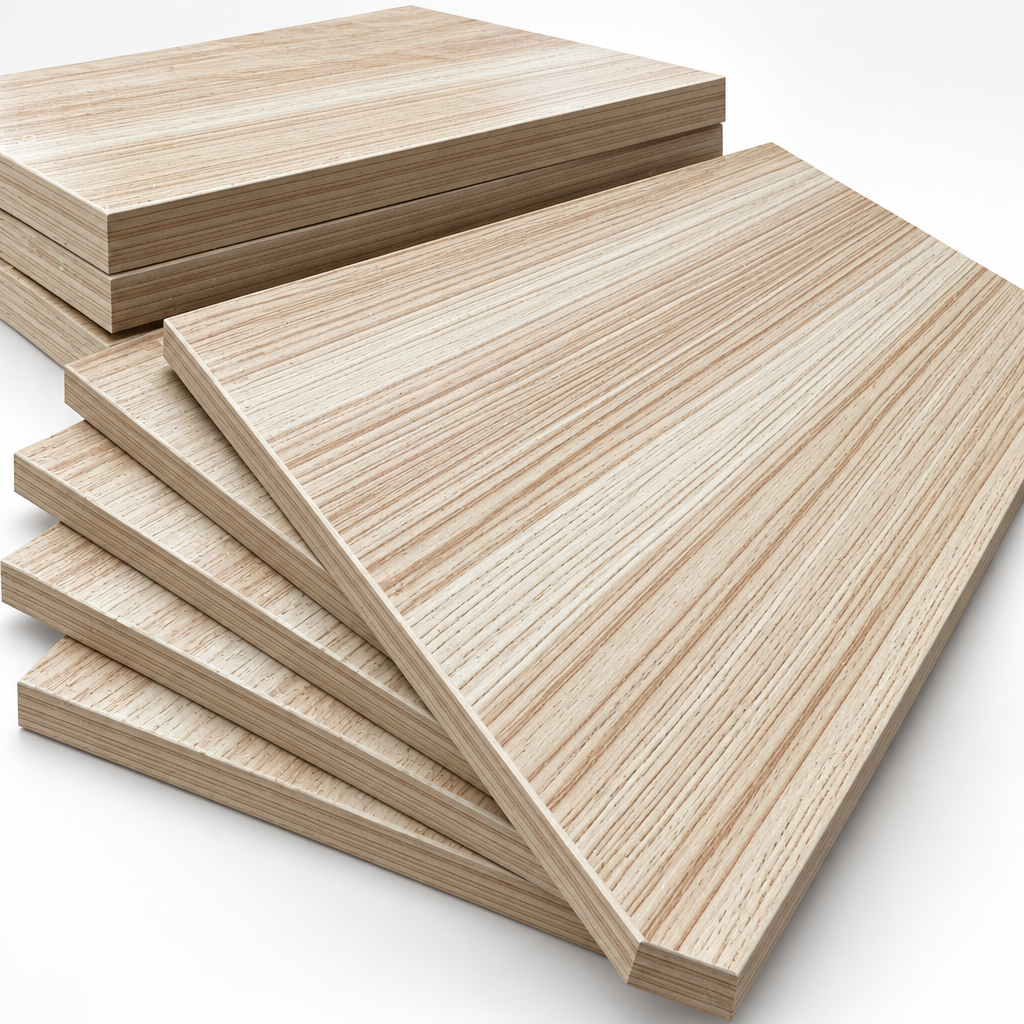
Wear-Resistant HPL Plywood for Kitchen Cabinets & Furniture
High-pressure laminate surface for high-use kitchen cabinets, counters and wooden furniture panels.
View specifications
18mm Fire-Retardant HPL Faced Birch Plywood Panel
Birch-core 1220×2440mm panel with fire-retardant HPL face for contract furniture and commercial joinery.
View specifications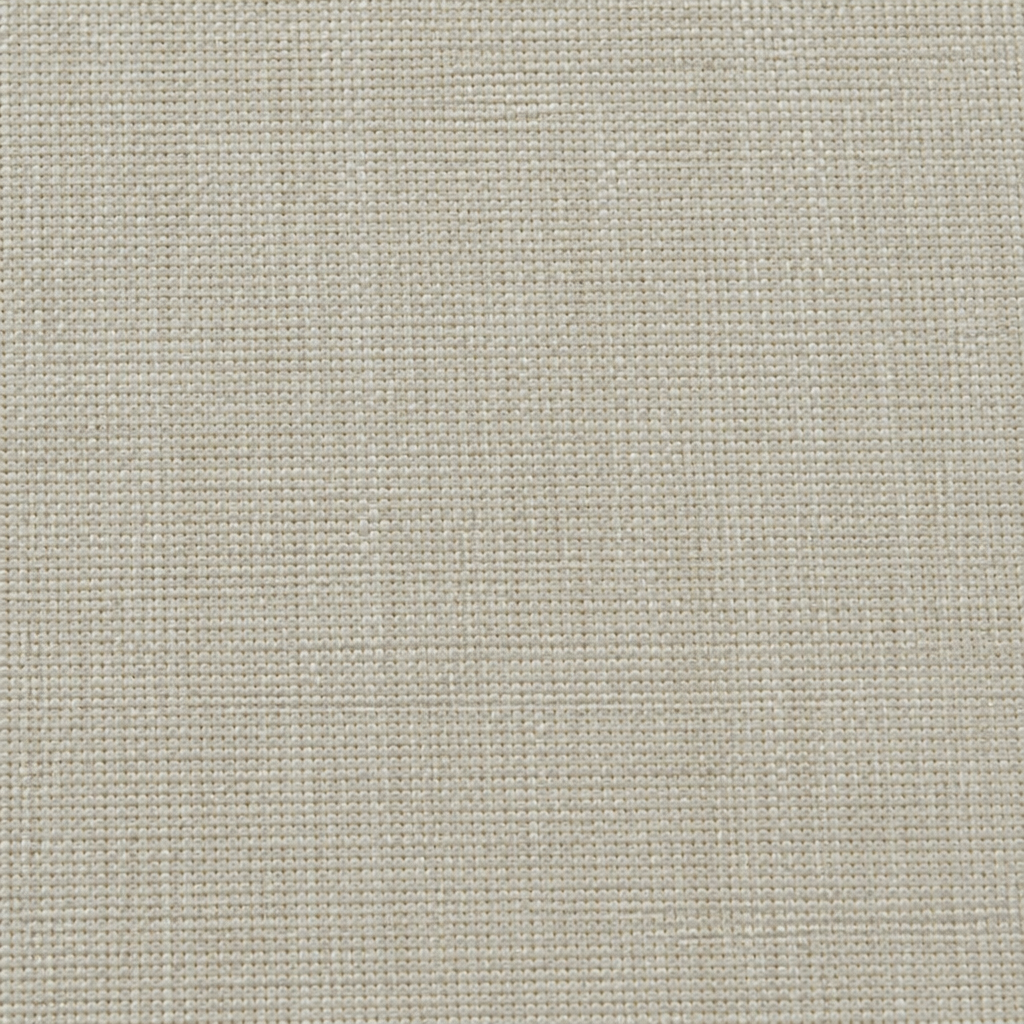
1830×3660mm Waterproof Fire-Resistant Beige-Gray Laminate
Large-format decorative laminate for wall linings, table tops and feature surfaces in commercial interiors.
View specifications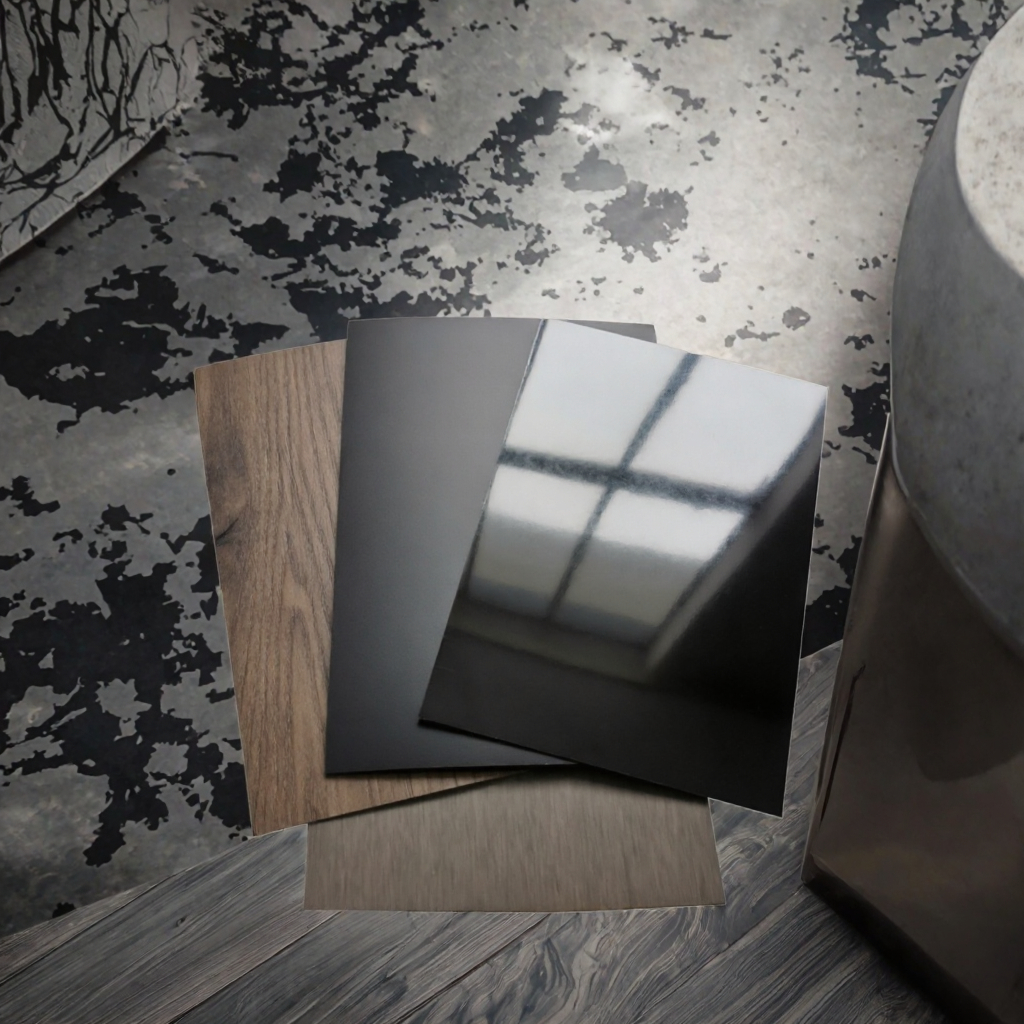
Glossy Black HPL Decorative Laminate for Furniture & Lab Tables
Easy-clean glossy black HPL for laboratory tables, retail displays and statement interior surfaces.
View specifications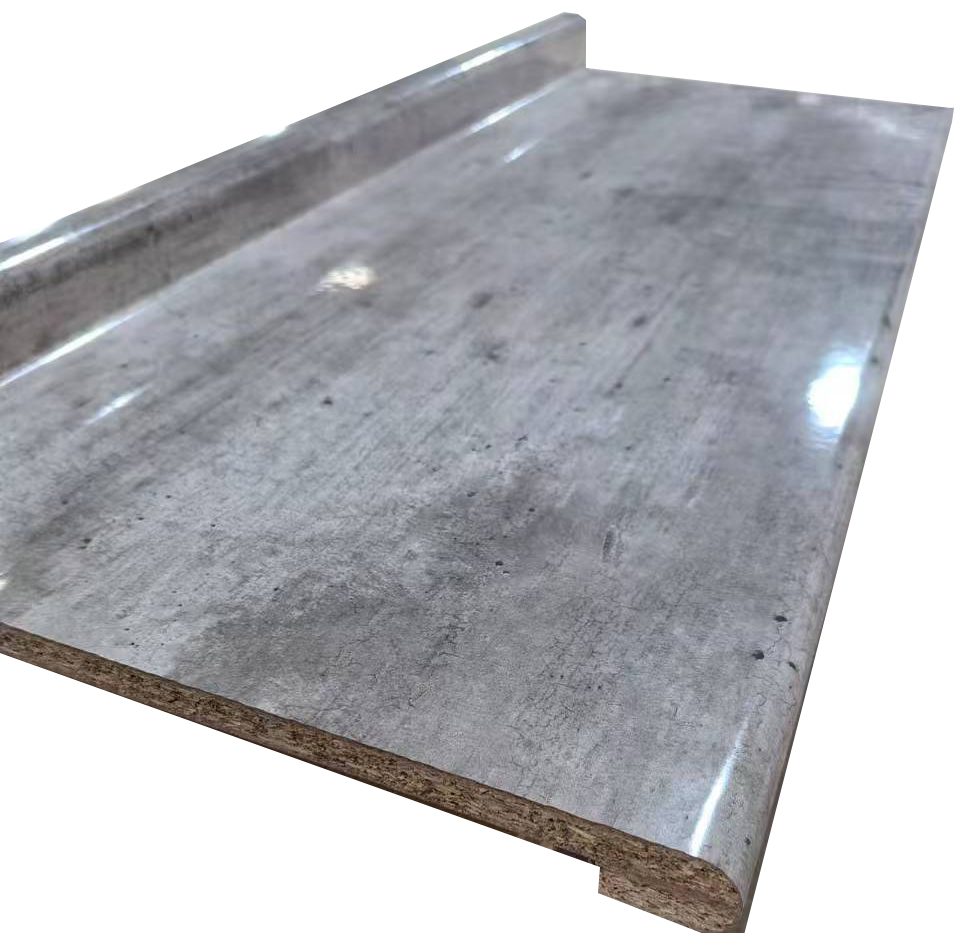
HPL Melamine MDF / HMR MDF Board for Kitchen Countertops
18mm and 25mm melamine-faced MDF and HMR MDF for kitchen countertops and cabinetry in humid interiors.
View specifications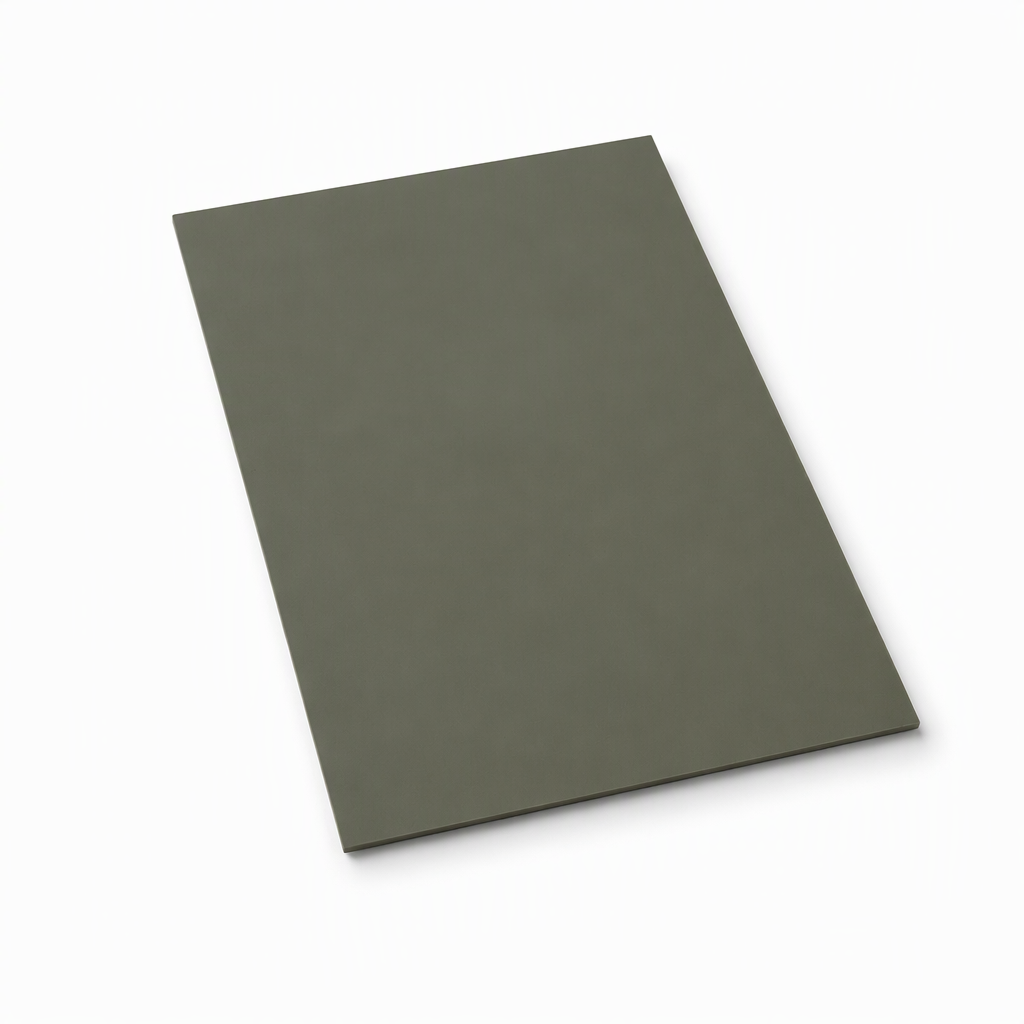
1230×2450mm Grey-Green HPL Decorative Furniture Panel
Coordinated grey-green HPL sheet for furniture interiors, reception counters and design-led schemes.
View specificationsNeed UV painted MDF itself? Core type, coating sheen, dimensions and edge-banding are quoted separately. Inquire Now
What Are UV Painted MDF Panels? A Practical View for Yemen Buyers
UV painted MDF is a finishing system, not a single commodity. The core, coating, edge treatment and installation method determine whether the panel performs as expected in Yemen's climate and project conditions.
UV painted MDF is a finished interior panel made from a medium-density fibreboard core that has been machined, sanded, primed where required and coated with a UV-curable lacquer. The wet film is cured in seconds under ultraviolet lamps, producing a hard, cross-linked surface with consistent sheen and color. Unlike decorative paper or a thin laminate bonded to a board, the UV coating becomes the visible surface itself. This is why it can deliver a seamless, edge-to-edge look for cabinet doors, wardrobe fronts, display fixtures and wall panels.
For Yemen, specification starts with the core. Standard MDF is appropriate for dry interior fit-outs. HMR MDF — moisture-resistant MDF — is usually a better starting point for coastal cities such as Aden, Hodeidah and Mukalla, and for kitchens, bathrooms and commercial cleaning environments. The core should be dense and well sanded; edges must be sealed with matching edge banding or a suitable primer; and the back face should receive a balancing coat. A premium UV face on an unsealed MDF edge is not a moisture barrier, so buyers should treat the edge as part of the system, not as an accessory.
Coating choice also matters. Matte and super-matte UV acrylic surfaces are popular for contemporary interiors because they hide fingerprints and reduce glare. High-gloss UV surfaces create a stronger design statement but show dust and handling marks more readily. Textured and woodgrain effects can replicate natural materials, while solid colors support brand-led retail environments. The right specification depends on light exposure, cleaning chemicals, abrasion level and the desired visual effect. We recommend approving a physical sample under the project's lighting before mass production.
From a technical standpoint, the useful information is not a generic “waterproof” claim. UV painted MDF is a decorative interior panel, not a structural or continuously wet-area material. Its performance depends on the substrate, coating, edge sealing, installation and maintenance. For wet zones, compact laminate, HPL-faced plywood or a fully sealed HMR MDF system may be more appropriate; for low-wear wardrobe fronts, UV painted MDF can offer an efficient, seamless finish.
Material comparison for Yemen procurement teams
The table below is a starting point for comparing UV painted MDF with two common alternatives. Final selection should be based on the actual room, cleaning regime, hardware and sample approval.
RFQ checklist for UV painted MDF
Give the mill enough detail to quote the same product you expect to receive.
- Core: standard MDF, HMR MDF, E0/E1 or fire-retardant option
- Face: matte, super matte, gloss or texture; color code or sample
- Thickness: 6, 9, 12, 15, 18 or 25 mm, subject to confirmation
- Format: 1220×2440 mm or project-specific size with trimming allowance
- Edge: PVC, ABS or acrylic in matching color; sealed back face
- Packing: PE film, corner protectors, desiccant and export pallet
- Evidence: sample approval, batch inspection and loading photos
| Decision factor | UV painted MDF | Melamine faced MDF | HPL faced panel / compact laminate |
|---|---|---|---|
| Surface & design | Seamless lacquered face; broad control of sheen, texture and custom color | Decorative paper surface; practical standard decor range, fewer premium effects | High-pressure laminate surface; strong wear layer and wide design choice |
| Durability | Good scratch and stain resistance with a quality coating; local repair is limited | Moderate wear resistance; edges and joints are the vulnerable points | High wear and impact resistance; compact laminate is self-supporting |
| Moisture behaviour | HMR core available; all cut edges and backs must be sealed | HMR core available; moisture ingress at joints needs detailing | HPL-faced plywood performs well when sealed; compact laminate suits wet areas |
| Typical Yemen use | Kitchen fronts, wardrobe doors, retail displays, hotel furniture, clinic casework | Budget cabinets, utility furniture, internal fit-out where cost is decisive | Kitchen worktops, toilet partitions, laboratory tables, heavy-use counters and exterior HPL |
| Relative cost position | Mid to premium, depending on coating and core | Economy to mid-range | Mid to premium, with compact laminate at the higher end |
Where UV Painted MDF Performs in Yemen Projects
Yemen is not one single market. Coastal humidity, inland dust, high summer temperatures and a strong culture of family-owned joinery workshops create distinct use cases. These scenarios show where UV painted MDF earns its place — and where a companion panel should be considered.
Kitchen and Wardrobe Doors
18mm HMR MDF core, matte UV face and 1–2mm matching ABS edge are a common combination for kitchen and wardrobe fronts. Seal sink-cabinet edges, balance the back face and avoid direct water contact. For very wet zones, use compact laminate or HPL-faced plywood.
Retail Counters and Display Fixtures
Color consistency and scratch resistance matter as much as thickness in shop fit-outs. Super-matte UV MDF reduces glare under spotlights and creates a clean brand look. Add HPL or compact laminate at high-touch cash counters and service points.
Hotel and Hospitality Furniture
Headboards, desk fronts, wardrobe doors and bathroom vanities benefit from a consistent low-sheen finish. Specify HMR cores for vanities, balanced backing and moisture-tolerant adhesive; consolidate compact laminate for wet tops and shower areas.
Office, Clinic and Reception Casework
Cleanable, low-glare surfaces support reception desks, storage walls and clinic cabinetry. E0/E1 core options and batch-consistent color help meet indoor-air and design requirements. Confirm cleaning-agent compatibility before handover.
Doors, Wall Panels and Feature Linings
Large-format UV panels can create seamless wall linings, sliding door fronts and display niches. Use a qualified installer, expansion gaps and adequate ventilation behind the panel. In dusty inland environments, matte finishes are easier to maintain than high gloss.
Education and Public Furniture
Library shelving, desk tops and classroom storage need surfaces that tolerate routine cleaning. A quality UV face helps, but edges should be impact-protected in high-traffic schools. Use HPL worktops where heavy use or vandal resistance is a priority.
Yemen Market Trends Shaping UV Painted MDF Demand
Procurement habits are changing. The following trends reflect inquiries received by our export desk and specifications requested by furniture and fit-out buyers. They are practical signals, not forecasts.
Matte surfaces are replacing high gloss
Dust, fingerprints and glare make high gloss harder to maintain in daily use. Super-matte and soft-touch looks are increasingly requested for wardrobes, kitchen fronts and retail displays, often in sand, beige, grey and walnut tones.
HMR and lower-emission cores enter mainstream specs
Coastal humidity and indoor-air concerns are pushing buyers toward HMR MDF and E0/E1 core options. More buyers now ask for batch records and test documentation before approving mass production.
Mixed containers reduce inventory risk
Importers and contractors are combining UV MDF with HPL sheets, compact laminate, plywood and door cores. Fewer shipments and one loading plan help control freight cost and stock exposure.
Fabricators want CNC-ready consistency
Local joinery workshops invest in CNC equipment and expect stable thickness, clean machining and consistent color from batch to batch. Sample approval and pre-production specification review are becoming standard steps.
Why Yemen Buyers Choose Fipdm's Panel Export Desk
Fipdm is a verified trading company and multispecialty supplier based in Linyi, Shandong — the largest wood-based panel cluster in China. We are transparent about our role: we coordinate vetted partner mills, inspect materials and finished boards, and consolidate panel categories under one export contact. For a Yemeni importer, distributor or furniture factory, that means fewer suppliers to manage and a clearer chain of responsibility from sample to container.
Intertek-Assessed, On-Site Verified
We have been assessed on site by Intertek and appear as a verified supplier. Our team also performs material inspection and finished-product inspection before shipment.
Two-Stage Quality Control
Material checks at the partner mill and finished-board checks for thickness, surface, edges and color before loading. Loading photos can be shared with buyers.
Multi-Category Consolidation
Combine UV painted MDF, HPL sheets, compact laminate, HMR MDF, plywood, LVL and door cores in one container to reduce freight and administrative cost.
Customization and ODM
Minor customization such as logo, packaging and graphics, plus sample-based, design-based and full customization for distributors building their own range.
Low-Emission Options and Engineer Support
E0 and E1 formaldehyde grades are available for MDF and plywood lines. Engineer support can be arranged for installation questions on cladding, partitions and furniture projects.
Export-Ready Logistics
Seaworthy pallet packing, PE film, corner protection, desiccant where required, export documents and loading evidence for each shipment.
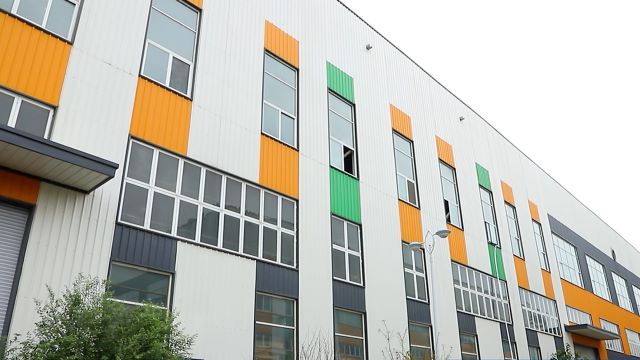

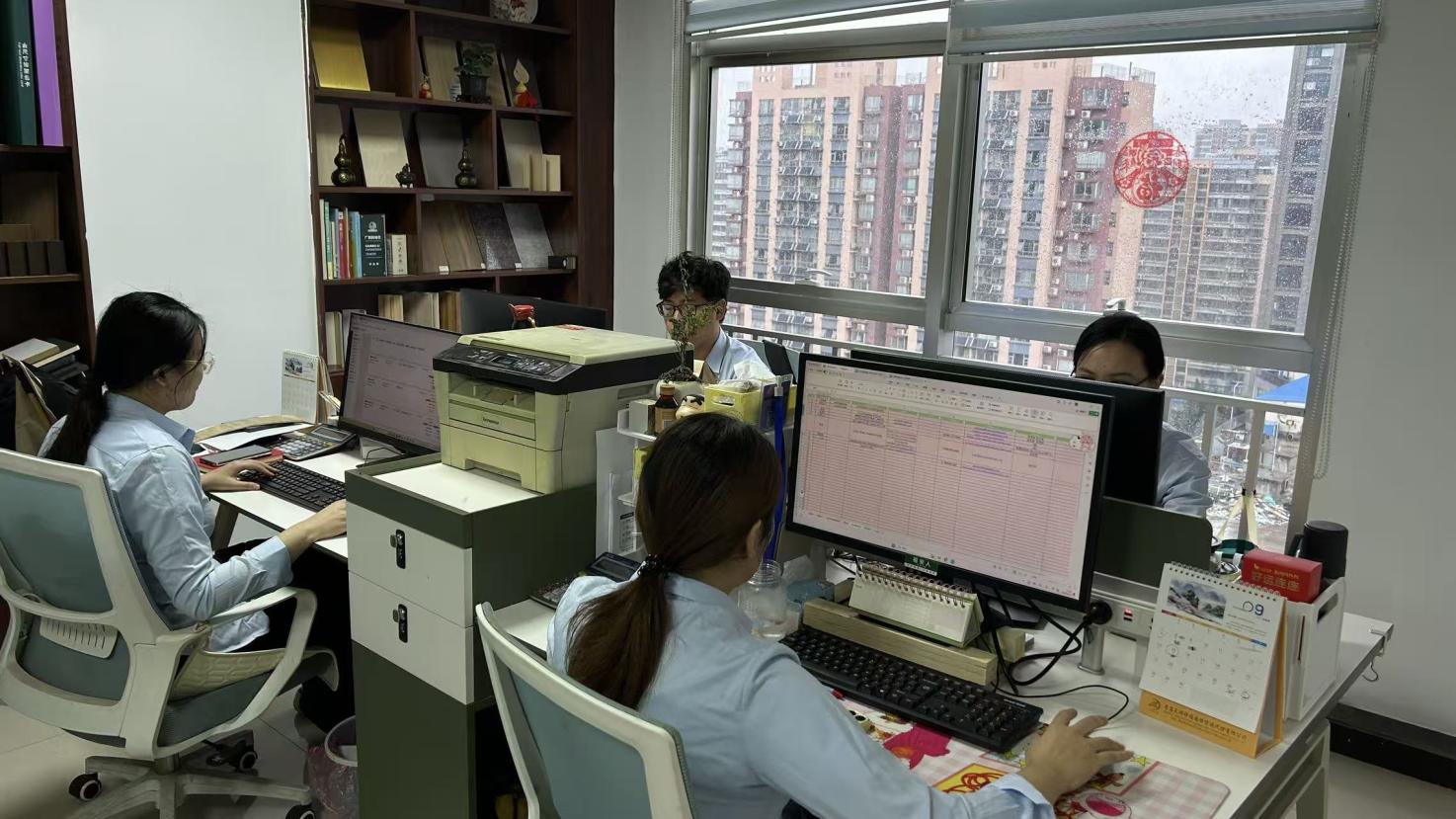
Working images from our current operations: office and export team, panel stock, and a partner production line in Linyi.
From Inquiry to Container Loading
Each order is broken into visible checkpoints so the buyer knows what is being approved, when and by whom.
Inquiry and specification
Core, thickness, size, color, sheen, edge banding and destination port are confirmed.
Sample approval
Physical sample or color swatch is reviewed under the project's lighting.
Material check
Board grade, density and surface are checked at the partner mill before production.
Production monitoring
Coating, cure, cooling and stacking are monitored against the approved sample.
Finished-board QC
Thickness, surface, adhesion, color, edges and packing are checked before loading.
Loading and documents
Loading photos, packing list and export documents are shared with the buyer.
What to Put in a Yemen UV Painted MDF RFQ
Use this decision matrix as a starting point for quotation requests. Final thickness and detailing should always be confirmed against hardware, project conditions and the approved sample.
| Application | Suggested core | Typical thickness | Edge / installation note | Companion panel option |
|---|---|---|---|---|
| Kitchen cabinet doors | HMR MDF | 18 mm | 1–2mm ABS/PVC edge, sealed back face and pilot holes | Compact laminate or HPL for sink and wet zones |
| Wardrobe fronts and sliding doors | Standard or HMR MDF | 18 mm | Matching ABS edge, expansion gap and balanced backing | HPL faced panel for high-wear surfaces |
| Retail counters and displays | MDF | 15–18 mm | PVC or acrylic edge; protected corners for transit | HPL top and kick plates |
| Hotel and bathroom vanities | HMR MDF | 18 mm | Full edge seal and moisture-tolerant adhesive | Compact laminate for wet tops |
| Wall panels and feature linings | MDF | 9–18 mm | Aluminium or ABS trim; ventilated backing | Exterior HPL only where facade conditions apply |
| Education and public furniture | MDF or HMR MDF | 18 mm | Impact-resistant edge and sealed cut-outs | HPL worktops where use is heavy |
Ask for a physical sample, edge-sealing detail, batch inspection record, packaging specification and loading photos. For Yemen, we recommend allowing panels to acclimatise before machining, sealing all cut edges, avoiding standing water and providing ventilation behind wall panels. In coastal cities, HMR MDF should be treated as moisture-resistant rather than waterproof; for sustained wet conditions, specify compact laminate or HPL-faced plywood.
Questions Yemeni Buyers Ask Before Ordering UV Painted MDF
Clear answers reduce sample rounds, avoid specification mismatches and help purchasing teams compare quotations on the same basis.
Are you a manufacturer or a trading company?
Fipdm is a verified trading company and multispecialty supplier based in Linyi, China. For UV painted MDF we work with vetted partner mills and coordinate production, inspection and export documentation on your behalf. We are transparent about this because it affects accountability: one export team manages the specification, material inspection, finished-product inspection and mixed-container loading. Buyers who need a supplier assessment can review our verification and current inspection records before ordering.
What is the difference between UV painted MDF and melamine faced MDF?
Melamine faced MDF uses a decorative paper impregnated with melamine resin, pressed onto the board. UV painted MDF uses a UV-cured lacquer as the visible surface. UV coating typically offers a more seamless, premium look, broader sheen control and good resistance to household stains when correctly cured. Melamine is often more economical and available in standard decor ranges. For very high wear, impact or wet areas, HPL faced panels or compact laminate may be better. The right choice depends on use, budget and edge-sealing quality.
Which core is best for Yemen's hot, humid coast?
For coastal cities such as Aden, Hodeidah and Mukalla, HMR MDF is usually preferred for kitchen, bathroom and commercial cabinetry because it resists moisture ingress better than standard MDF. However, HMR does not make a panel waterproof. Specify sealed edges, a balanced back, moisture-tolerant adhesives and ventilation behind the panel. For continuously wet or heavily cleaned surfaces, use compact laminate, HPL-faced plywood or another engineered wet-area solution. In drier inland interiors, standard MDF can be suitable when the installation is protected from leaks and damp.
What formaldehyde grades and documentation can you supply?
MDF and plywood lines can be supplied in E1 and E0 formaldehyde emission grades depending on the product and destination market. Tell us the standard you need in the RFQ so the correct board and documentation can be matched. We can provide product data, batch inspection records and third-party reports where available for the selected specification. Certification scope should be checked against your tender requirements; not every product line carries every certificate.
Can you customize colors, sizes and edge banding?
Yes. We support minor customization such as logo, packaging and graphics, plus sample-based, design-based and full customization. UV MDF color can be matched to a sample or a color code, and panel sizes can be discussed around the standard 1220×2440 mm format or larger formats where the coating line allows. Edge banding should be specified with the panel: matching PVC, ABS or acrylic, with adequate thickness for the application. A physical sample should be approved before mass production.
What is the typical MOQ and lead time?
MOQ depends on color, coating, size and whether the order is mixed. A practical starting point is one 20-foot container for standard specifications, but smaller trial quantities can be discussed for new colors or new buyers. Production lead time is typically around 15–25 days after sample and deposit confirmation, excluding sea freight. The final schedule should always be confirmed against the chosen coating line, edge-banding supply and inspection requirements. Book vessel space early during peak shipping periods.
Can I mix UV painted MDF with HPL, plywood or compact laminate?
Yes. Mixed loading is a core part of our export service. We can consolidate UV painted MDF with HPL sheets, compact laminate, HPL-faced plywood, HMR MDF, LVL or door cores, subject to packaging and container weight limits. Mixed orders help Yemeni distributors and contractors reach efficient container volumes without holding too much stock of one item. We will provide a loading plan and photographs before shipment.
How do you pack panels for sea freight to Aden, Hodeidah or Mukalla?
Export packing is designed for humid sea transit: PE film, corner protectors, edge protection, strapping, desiccant where appropriate and seaworthy pallets. UV surfaces should be interleaved and protected from abrasion. We can also mark cartons or pallets for distributor stock. Loading photos, packing lists and export documents are shared with the buyer. Final packing should be agreed in the RFQ, especially for high-gloss surfaces and mixed containers.
Request a Yemen-Specific UV Painted MDF Quotation
Send your core preference (standard or HMR MDF), coating (matte, super matte, gloss or texture), thickness, panel size, edge banding, color target and destination port. Our Linyi export team will reply with a matched specification, packaging proposal and mixed-container options.