Panels Medina Wholesalers Can Combine with UV Painted MDF
The eight products below are current supply programs from our Linyi panel network. Use them to build a mixed container with UV-painted MDF, HMR MDF, melamine MDF, HPL and plywood — or shortlist complementary surfaces for a Medina project.
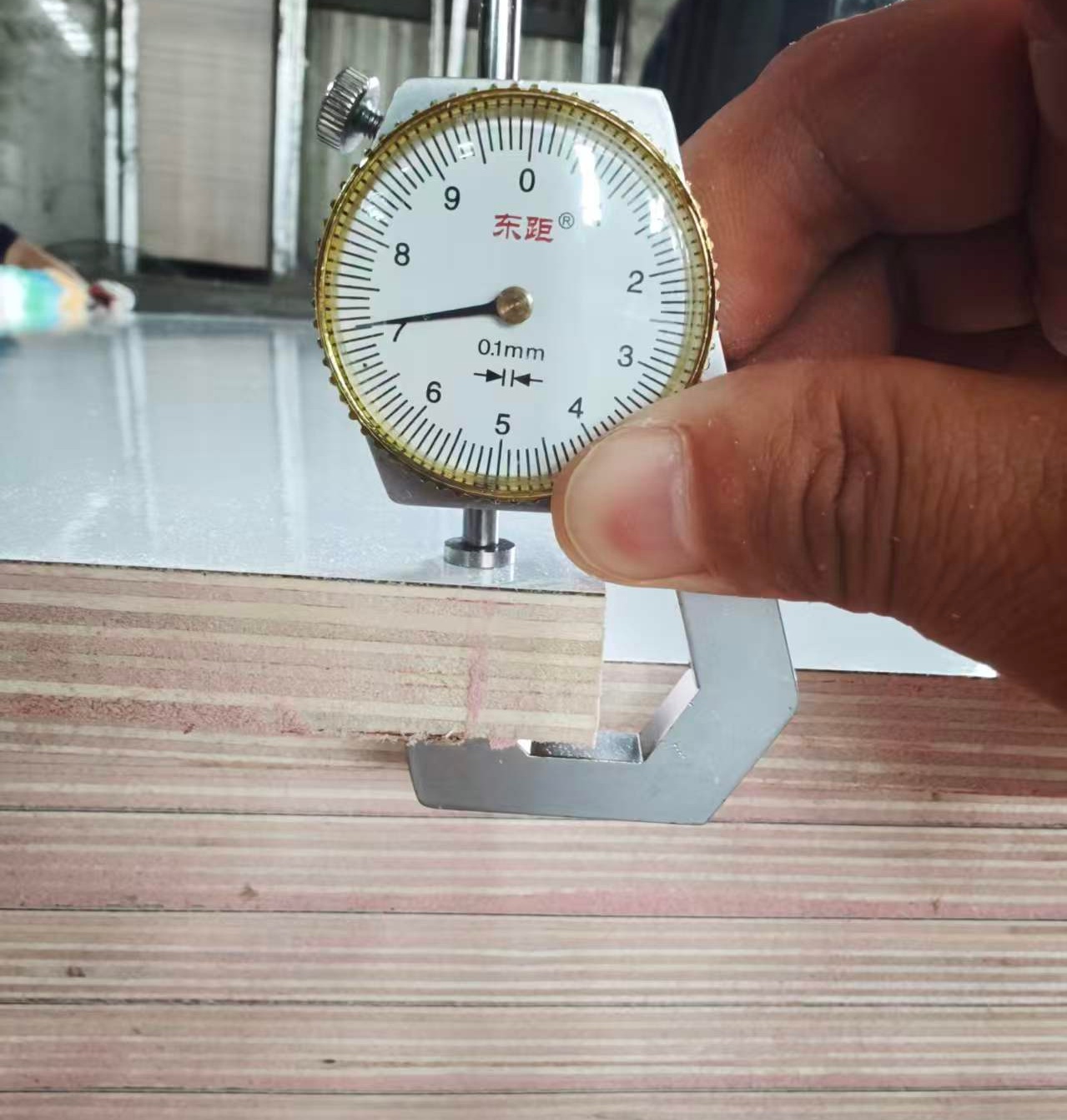
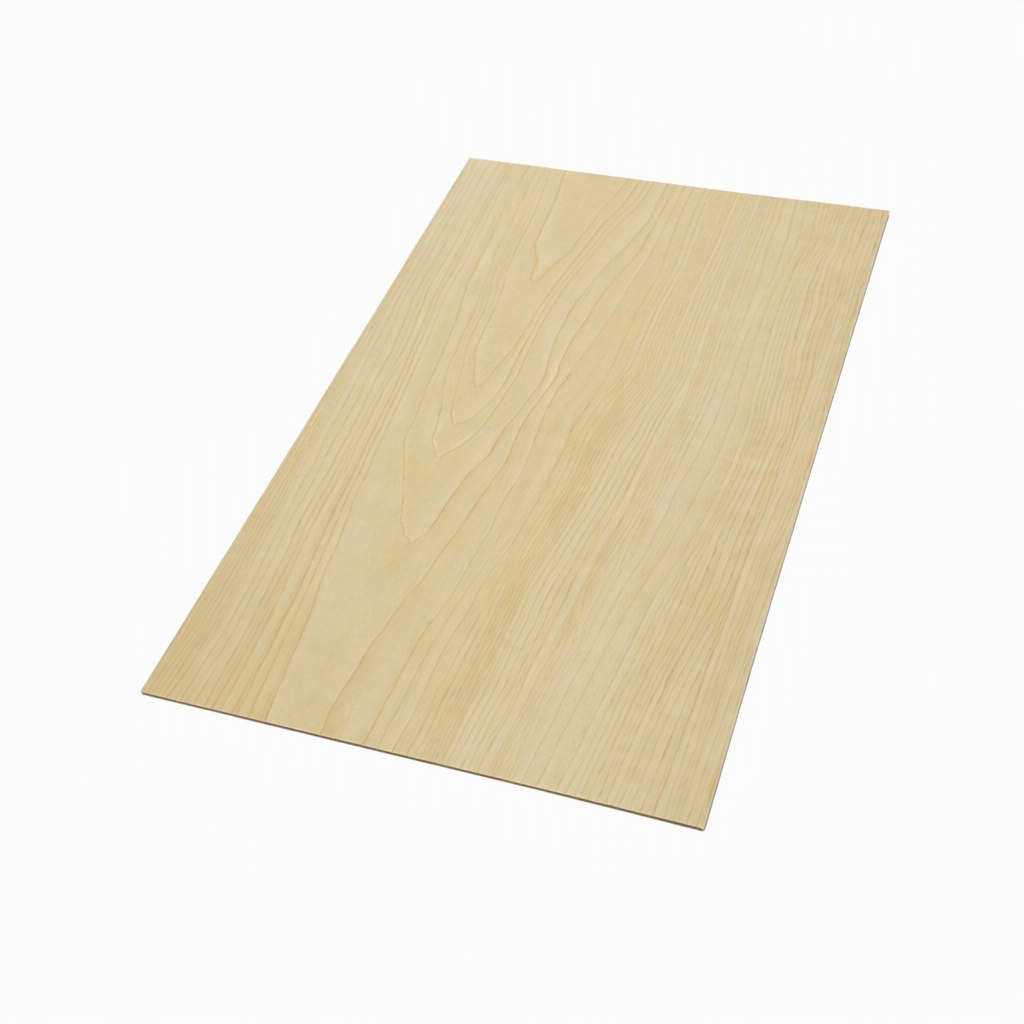
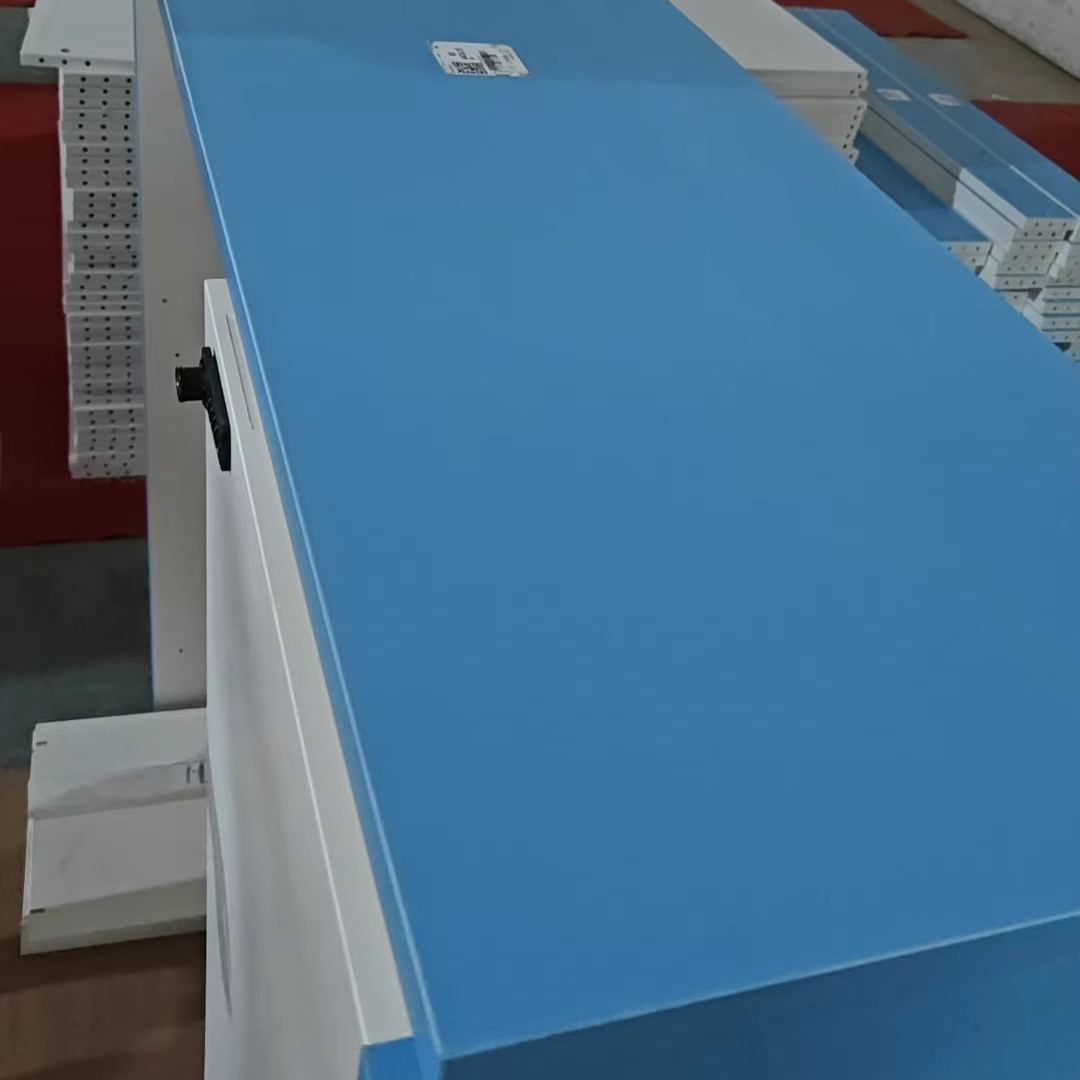
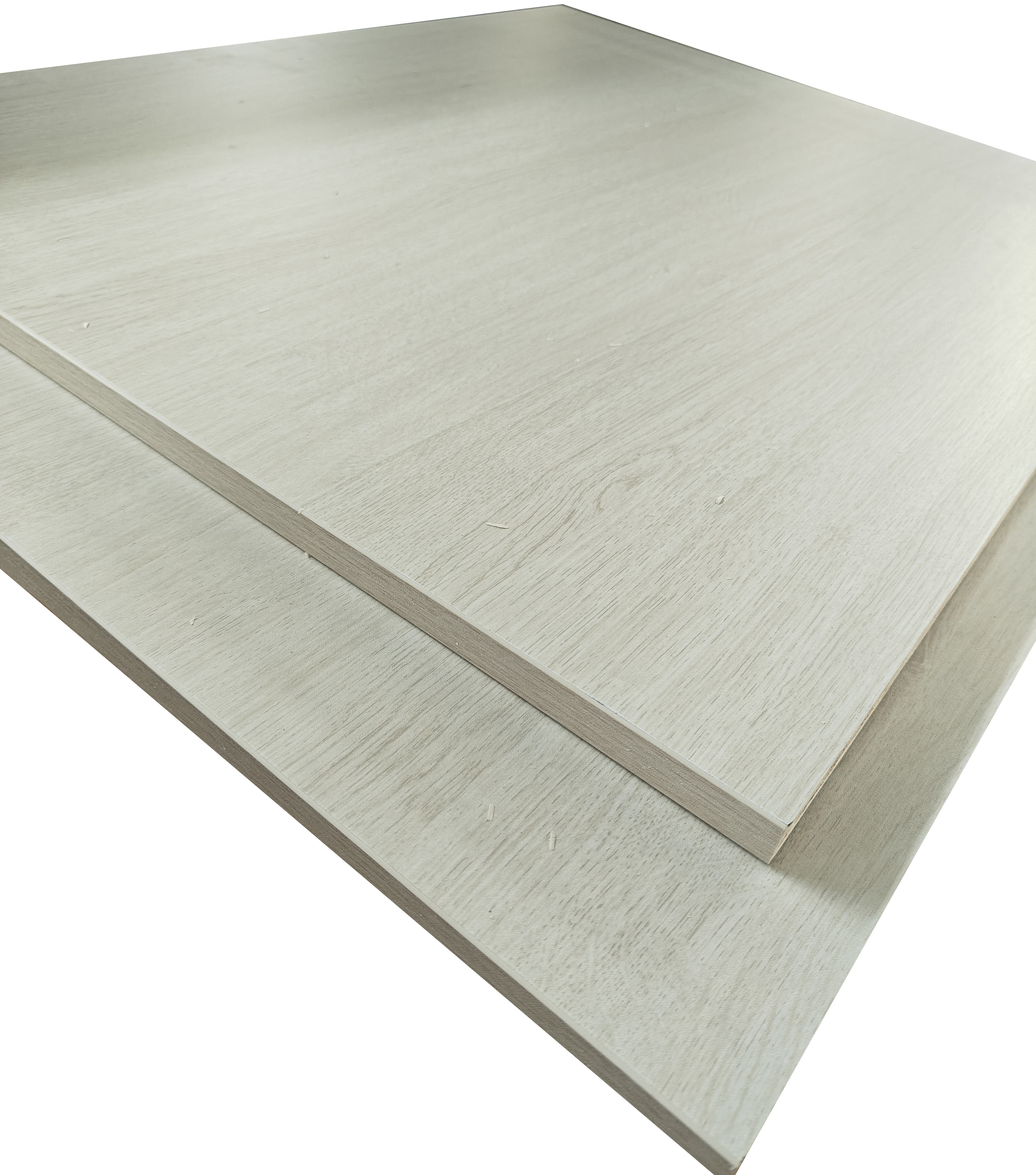
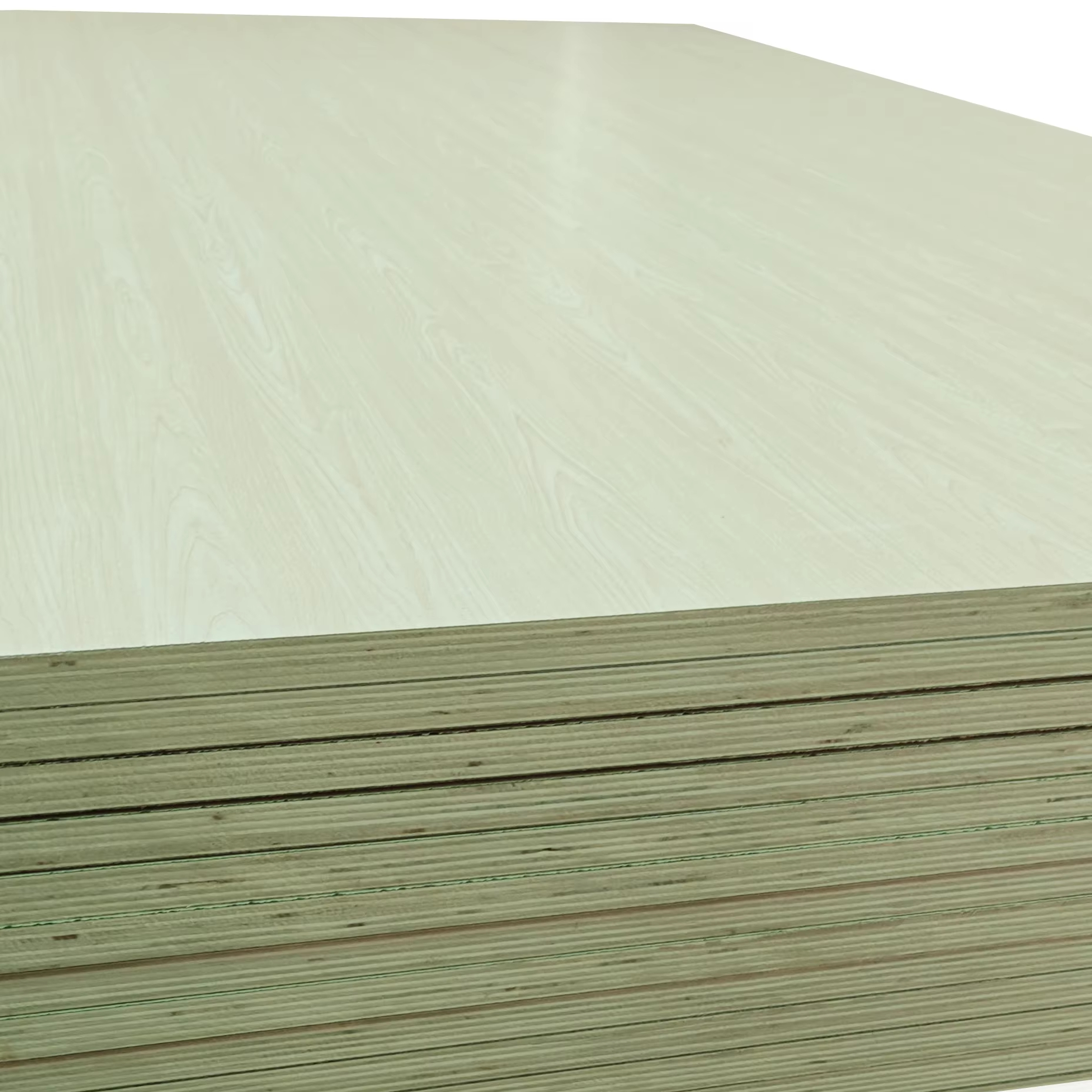
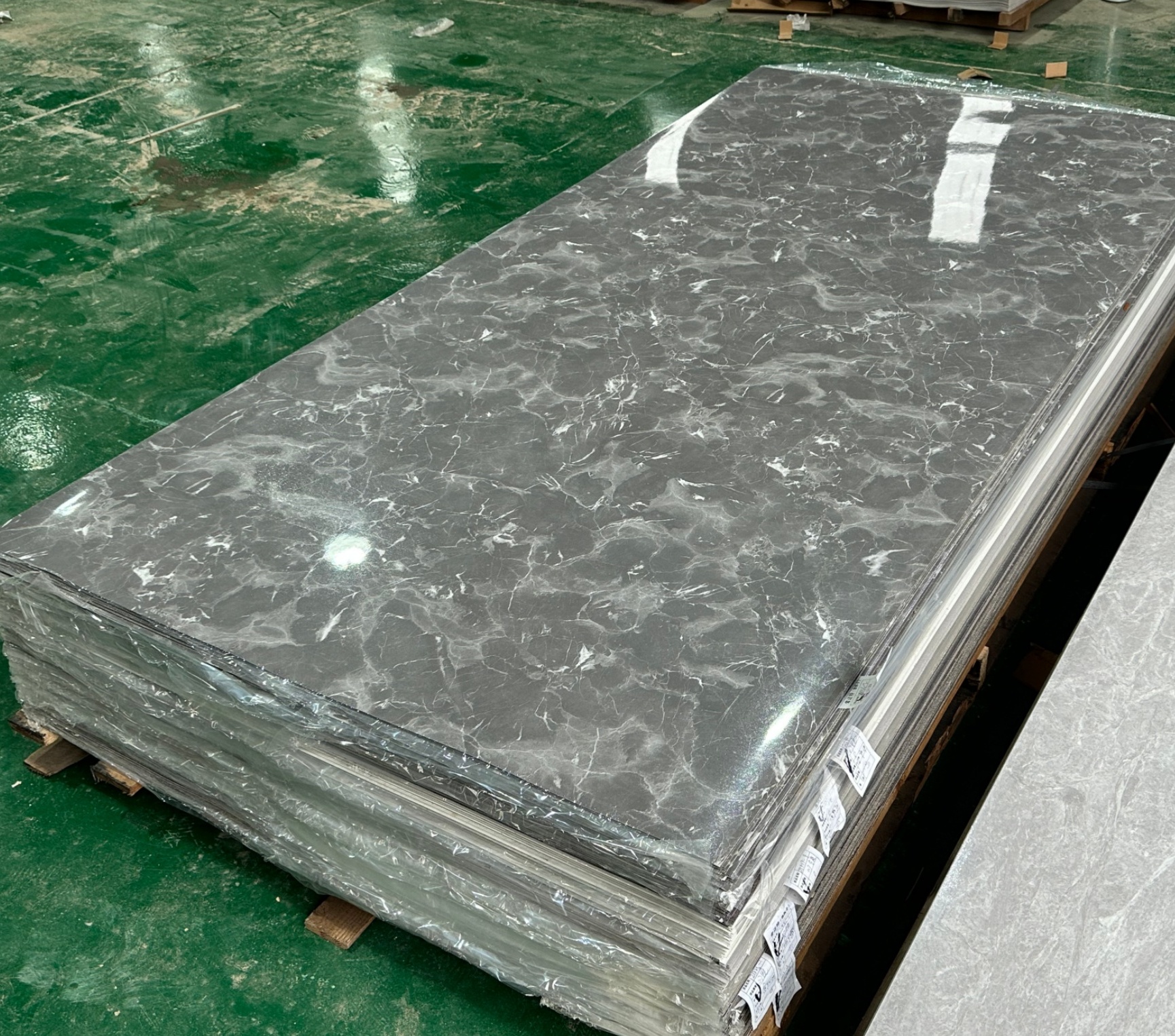
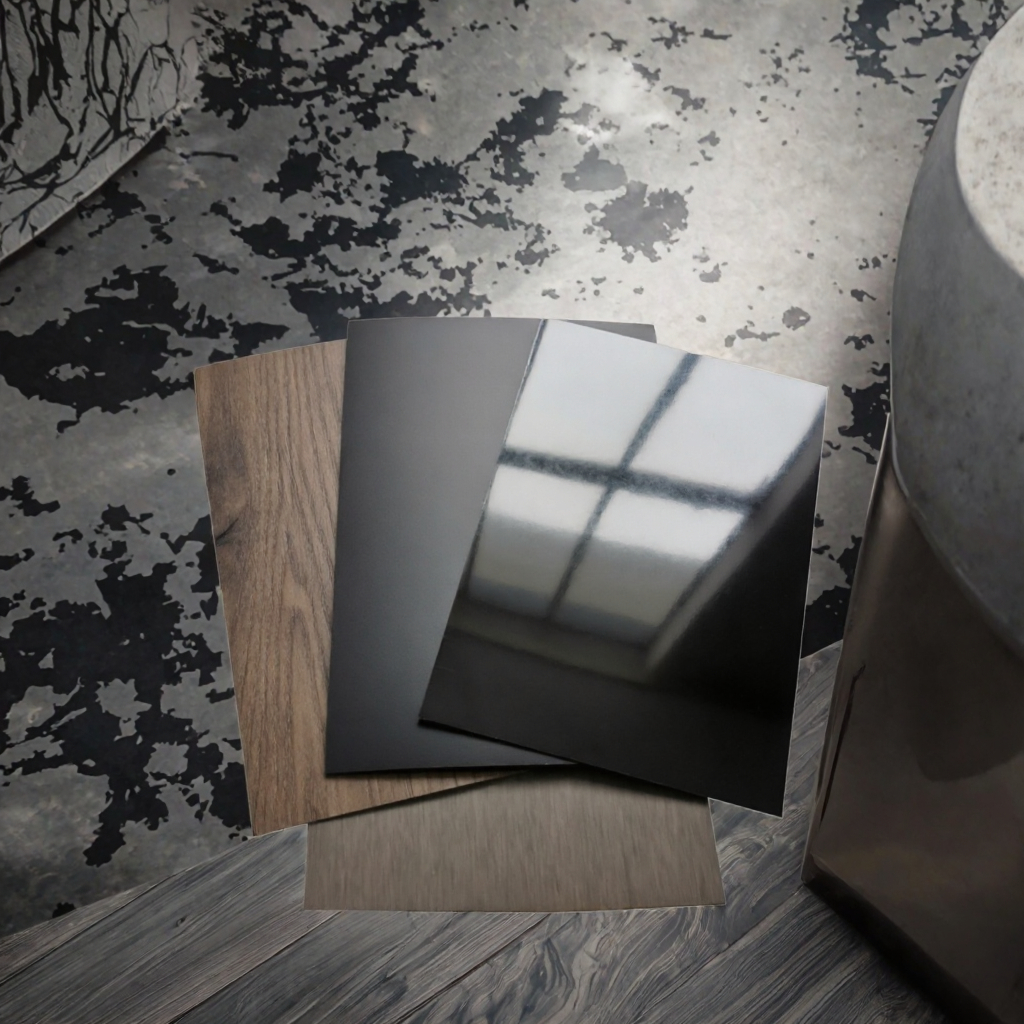
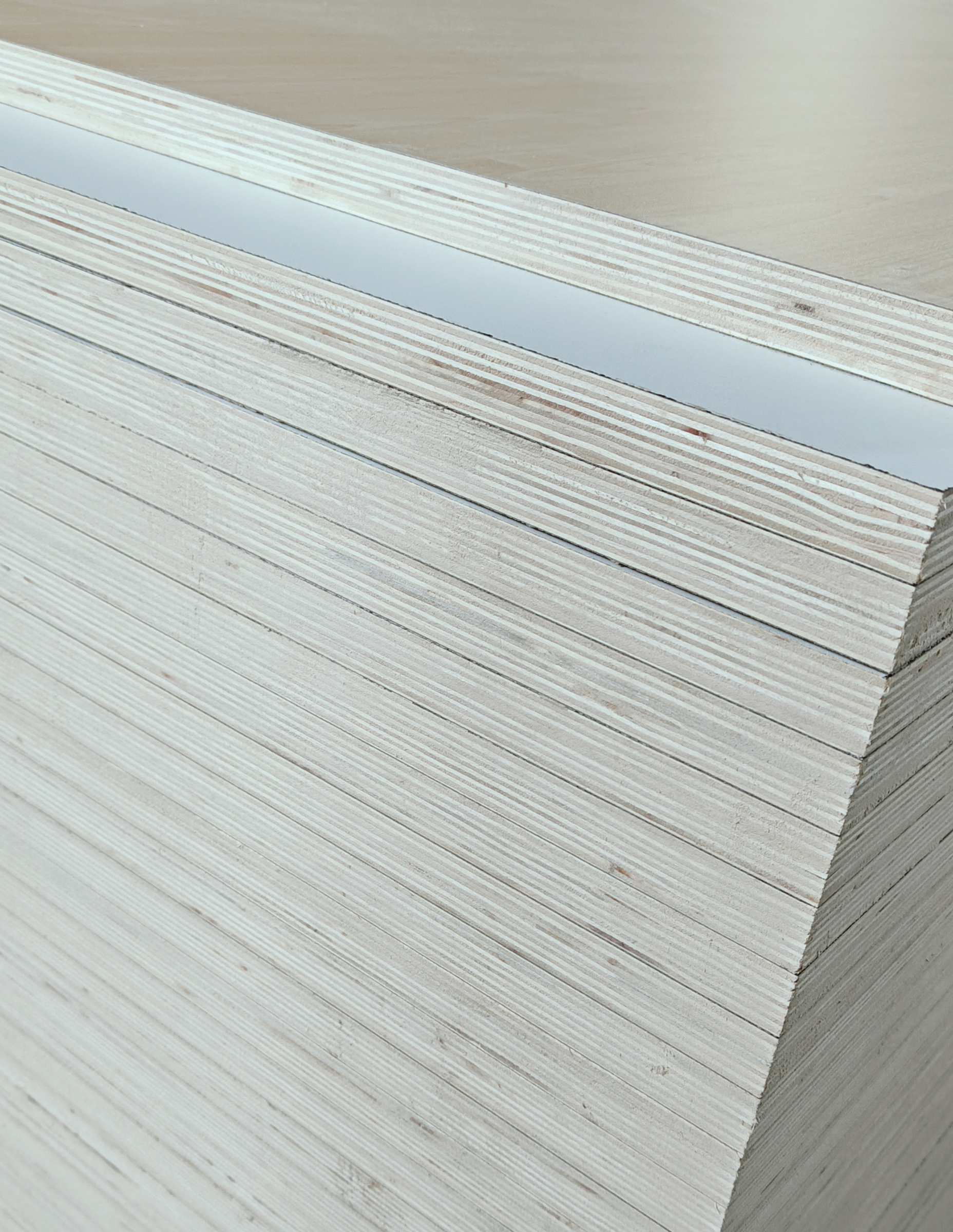
UV-painted MDF, HMR MDF, melamine MDF and matching edge options can be quoted alongside these lines. Final specifications, certifications and packaging are confirmed on the quotation and order confirmation.
UV Painted MDF Panels for Medina: What Buyers Should Specify Before Ordering
In a hot, dry market with intense daylight and strong project deadlines, UV-painted MDF is only as good as the core, coating, edge sealing and quality control behind it.
UV paint is a process, not a single board grade
UV-painted MDF begins with a wood-fibre board that is sanded, cleaned, primed and coated with a UV-curable paint system, then cured under ultraviolet light. The result can be a smooth matt, satin, high-gloss or super-matt surface for cabinet doors, wardrobes, reception counters, display fixtures and interior wall panels. For Medina wholesalers and project buyers, the important question is not simply “Is it UV painted?” but which MDF core, which coating system, which edge treatment and which inspection standard will be used.
Our experience as a Linyi-based export team is that most disputes are not caused by the word “UV”. They happen when a dry-area decorative panel is specified in a wet zone, when cut edges are left unsealed, when a dark high-gloss colour is installed beside a window with harsh solar exposure, or when the buyer approves one sample and the bulk order uses a different lighting condition. A practical UV-painted MDF specification should therefore combine the decorative objective with the realities of Medina’s climate, installation practice and cleaning routine.
For kitchen cabinets and wardrobes, 16mm or 18mm E0/E1 MDF is a common starting point, with HMR MDF used for sink units, laundry storage and bathroom vanities. For display fixtures where thickness can be reduced, 12mm or 15mm may be considered. Standard 1220×2440mm sheets are widely used, while larger door-skin formats such as 1830×2750mm can be quoted depending on the product line. The finish can be matched to RAL, NCS or approved samples, but colour approval must be tied to gloss level, texture and lighting.
A note on heat, water and “waterproof” claims
UV-cured paint improves surface hardness, cleanability and visual consistency, but it does not make MDF waterproof or suitable for exterior facades. For Medina, keep UV-painted MDF in protected interior environments; use HMR MDF with sealed edges in moisture-prone cabinetry; and select compact laminate, HPL-faced plywood or other wet-zone materials for laboratory benches, public toilet partitions, shower areas and external cladding. This distinction protects both the designer and the importer from avoidable claims.
Medina project specification checklist
- MDF grade: E1 or E0, or HMR MDF for humid interior zones.
- Panel thickness: usually 16mm or 18mm for doors and cabinets; 12mm for display.
- Finish: matt, satin, high-gloss or super-matt, with gloss level defined.
- Colour control: RAL/NCS match or approved physical sample under agreed lighting.
- Edge treatment: matching edge band, painted edge or sealed cut-outs.
- Fixing detail: expansion gaps, supported shelving and no direct heat sources.
- Packaging: edge protection, moisture barrier and seaworthy pallet packing.
- Documentation: invoice, packing list, loading photos and test reports on request.
Where UV Painted MDF Fits in Medina Projects
UV-painted MDF is most effective when the application matches the material’s strengths: controlled interiors, decorative faces, consistent colour and efficient fabrication.
Kitchen and wardrobe joinery
Use 18mm HMR MDF for cabinet doors and drawer fronts in Medina kitchens, with sealed edges and a matt or satin UV finish. Around sinks and dishwashers, specify moisture-resistant details rather than relying on the decorative face alone.
Hotel and serviced-apartment fit-outs
Wardrobe fronts, headboards, closet internals and wall panels benefit from low-glare colours and batch-to-batch consistency. For hospitality projects, approve a sample under warm and cool lighting before production.
Retail displays and counters
High-gloss UV MDF can create strong visual impact for showroom panels and cash counters. For heavy wear, combine it with HPL faces or compact laminate where the surface receives constant contact.
Clinics, reception and dry utilities
Use UV-painted MDF for reception desks, storage cabinets and dry work surfaces. For laboratory benches and chemical exposure, choose chemical-resistant compact laminate or HPL-faced plywood instead.
Schools and training furniture
Fire-retardant HPL faced plywood is a strong choice for desk tops and classroom tables. UV-painted MDF can be used for dry storage fronts and decorative panels where impact and moisture exposure are controlled.
Community and public interiors
Libraries, community centres and mosque support buildings can use UV-painted MDF for storage doors and wall features in neutral tones, with robust edge sealing and easy-clean surfaces specified for daily use.
How Medina Buyers Are Changing Their Panel Specifications
Demand is moving toward better documentation, moisture-aware construction and mixed-panel purchasing rather than lowest price alone.
Heat and daylight awareness
Designers are more careful with dark glossy panels near large windows. Light colours, low-gloss finishes and substrate protection are increasingly specified for interior work.
Moisture details inside cabinets
HMR MDF, sealed edges and proper ventilation are being discussed earlier in kitchen and vanity projects, especially where air-conditioned interiors meet humid service areas.
Mixed-container efficiency
Wholesalers and contractors want UV MDF, HPL, plywood and door-related panels consolidated. One supplier contact can reduce freight complexity and documentation errors.
Traceable quality evidence
Buyers ask for loading photos, inspection records, E0/E1 declarations and test reports before shipment. Clear documentation is now part of the commercial offer.
Choosing the Right Panel for Medina Conditions
Use this comparison as a starting point. Final selection should follow the project’s exposure, cleaning regime, fire strategy and interior designer’s approval.
| Panel option | Best Medina use | Important caution | Supply note from Fipdm |
|---|---|---|---|
| UV-painted MDF | Interior cabinet doors, wardrobe fronts, reception panels, dry retail fixtures | Not for facades, continuous wet areas or unsealed cut edges | E0/E1 MDF and HMR MDF options; matt, satin and gloss finish quotations |
| HMR MDF | Kitchen units, vanity internals, laundry cabinetry and door skins | Moisture-resistant does not mean waterproof; seal edges and avoid standing water | Melamine or UV-painted faces; larger door-skin formats quoted on request |
| Melamine MDF | Interior carcasses, shelving, office storage and cost-controlled furniture | Choose edge quality and board density carefully for heavy use | Common 3–18mm ranges and 1220×2440mm sheets |
| HPL-faced plywood | Furniture frames, school desks, shop counters and high-wear surfaces | Specify the correct core and edge detail for impact and moisture exposure | Decorative, fire-retardant and marine HPL plywood programs |
| Compact laminate | Laboratory worktops, toilet partitions, lockers and wet public areas | Higher cost than decorative MDF; confirm fabrication and fixing details | Phenolic compact laminate and chemical-resistant options quoted by application |
From Linyi Workshop to Medina Warehouse
A simple, accountable workflow helps wholesalers avoid the hidden costs of inconsistent colour, damaged edges and unclear documentation.
Technical inquiry
Share board type, thickness, size, finish, colour target, quantity and destination. Tell us whether the final use is doors, wardrobes, counters or dry wall panelling.
Sample and approval
Approve colour, gloss and surface before production. For repeat buyers, we keep the approved reference to support consistency on future orders.
Material and finished-board QC
Partner mills are checked on material quality; finished boards are inspected for thickness, surface, edges, flatness and packing before loading.
Consolidation and documents
Mixed loads are organised, seaworthy pallets are prepared, and loading photos plus export documents are shared with the buyer.
Why Medina Importers Work with Linyi Fipdm
We are a verified trading company and multispecialty supplier based in Linyi, Shandong — China’s major wood-based panel cluster. Rather than acting as a single-product mill, we coordinate vetted partner mills, inspection and export consolidation.
Intertek-assessed supply base
Our supplier profile is supported by third-party assessment, and our team uses on-site material checks plus finished-product inspection before shipment.
One contact, many panel types
UV MDF, HPL, compact laminate, melamine MDF, plywood, LVL and door-related boards can be consolidated so buyers do not manage multiple suppliers.
Customization and ODM
Minor customization such as logo, packaging and graphics, sample-based, design-based and full customization, plus ODM support for distributors.
Finish and colour development
Approved samples, RAL/NCS references and lighting conditions are discussed before production to reduce colour disputes in Medina projects.
Technical support for projects
Guidance on edge sealing, substrate selection, ventilation and application limits helps contractors avoid calling a decorative panel “waterproof”.
Export-ready packing and documents
Seaworthy pallet packing, moisture protection, loading photos and commercial documents support the journey from Linyi to Jeddah and onward to Medina.
Questions Medina Wholesalers and Contractors Ask Before Ordering
Clear answers reduce back-and-forth before the quotation stage.
Are you a manufacturer or a trading company?
Linyi Fipdm Import And Export Co., Ltd. is a verified trading company and multispecialty supplier. We source from vetted partner mills in Linyi and run on-site material inspection plus finished-product inspection before shipment. This allows buyers to combine multiple panel types under one accountable contact.
What is the difference between UV-painted MDF, HMR MDF and melamine MDF?
UV-painted MDF has a UV-cured paint finish over an MDF core. HMR MDF is a moisture-resistant core; it can be paired with melamine or UV paint. Melamine MDF has a decorative melamine paper surface. For Medina kitchens, a common approach is HMR MDF with sealed edges and a matt UV or melamine finish, while dry-area decorative panels may use standard UV-painted MDF.
Can UV-painted MDF be used in bathrooms or outdoor facades?
UV paint does not make MDF waterproof. For bathrooms, use HMR MDF with sealed edges only in controlled dry-to-humid vanity areas and keep direct water away. For shower zones, public wet areas and exterior facades, specify compact laminate, HPL-faced plywood or exterior HPL rather than decorative MDF.
Which formaldehyde emission grades can you supply?
MDF and plywood are available in E1 and E0 grades depending on the product line and destination market. Please state your target standard in the inquiry so the correct board and documentation can be matched.
Can you match RAL or NCS colours and custom gloss levels?
Yes, colour matching can be quotation-based and sample-based. Share RAL/NCS references, gloss level and lighting conditions. For Medina projects, we recommend approving a physical sample under both warm and cool light before bulk production, because gloss and lighting can change perceived colour.
What is the usual thickness and size for UV-painted MDF panels?
Common UV-painted MDF thicknesses are 16mm and 18mm for cabinet doors and furniture fronts, with 12mm or 15mm for display panels. Standard sheet sizes often include 1220×2440mm; larger door-skin formats such as 1830×2750mm can be quoted depending on the line. Confirm the final dimension with the joinery drawing.
Can I mix UV-painted MDF with HPL, plywood and MDF in one container?
Yes. Mixed loads are a core part of our service. Wholesalers often combine UV MDF, melamine MDF, HPL sheets, decorative plywood and other panel lines to reach full-container efficiency. Share your target list and destination port so the consolidation can be planned properly.
How do you ship to Medina and what documents are provided?
Shipments are typically coordinated from the Linyi production base to Qingdao port, then by sea freight to Jeddah Islamic Port with onward trucking to Al Madinah. Export documents normally include commercial invoice, packing list and bill of lading, with loading photos and test reports available on request. The consignee or appointed broker should confirm current Saudi customs and conformity requirements.
Planning a UV-Painted MDF Order for Medina?
Send your board type, thickness, finish, colour reference, quantity and destination. Our export team will reply with suitable specifications, sample options and mixed-container suggestions for UV-painted MDF, HMR MDF, HPL and plywood.
Get CatalogFor project submittals, include your edge-sealing requirement and application area — kitchen, wardrobe, retail, hotel or dry wall panel — so the recommendation matches the Medina environment.