8 HPL Faced MDF & Decorative Laminate Products for Australian Buyers
These eight products cover interior wall panels, hotel cabinetry, furniture interiors, fire-retardant plywood and E0 birch construction. They are presented with their original product links so Australian importers, shopfitters and furniture manufacturers can shortlist faster.
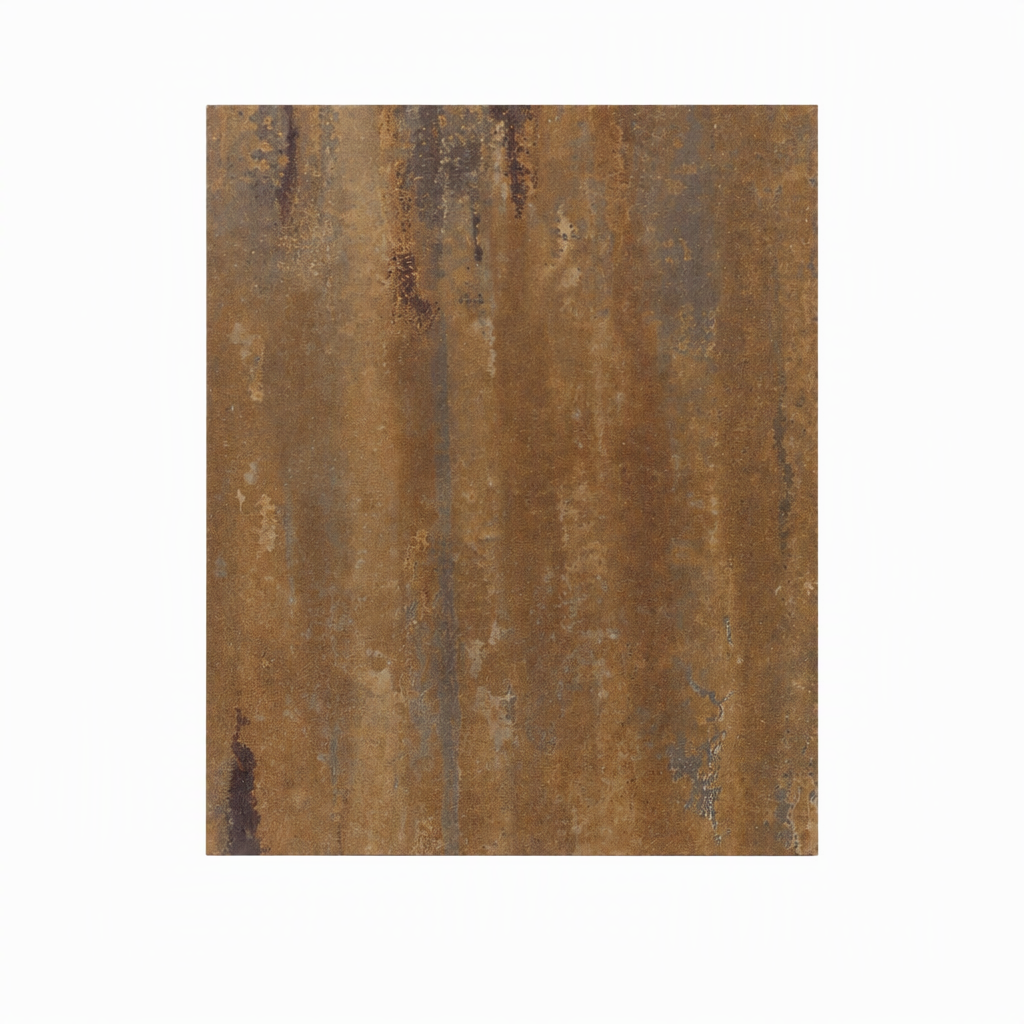
0.8mm Brown Stone Look HPL Decorative Laminate Sheet Interior Wall Panel
Stone visual with laminate weight for lift lobbies, retail feature walls and interior panels where Australian projects want a low-maintenance mineral look.
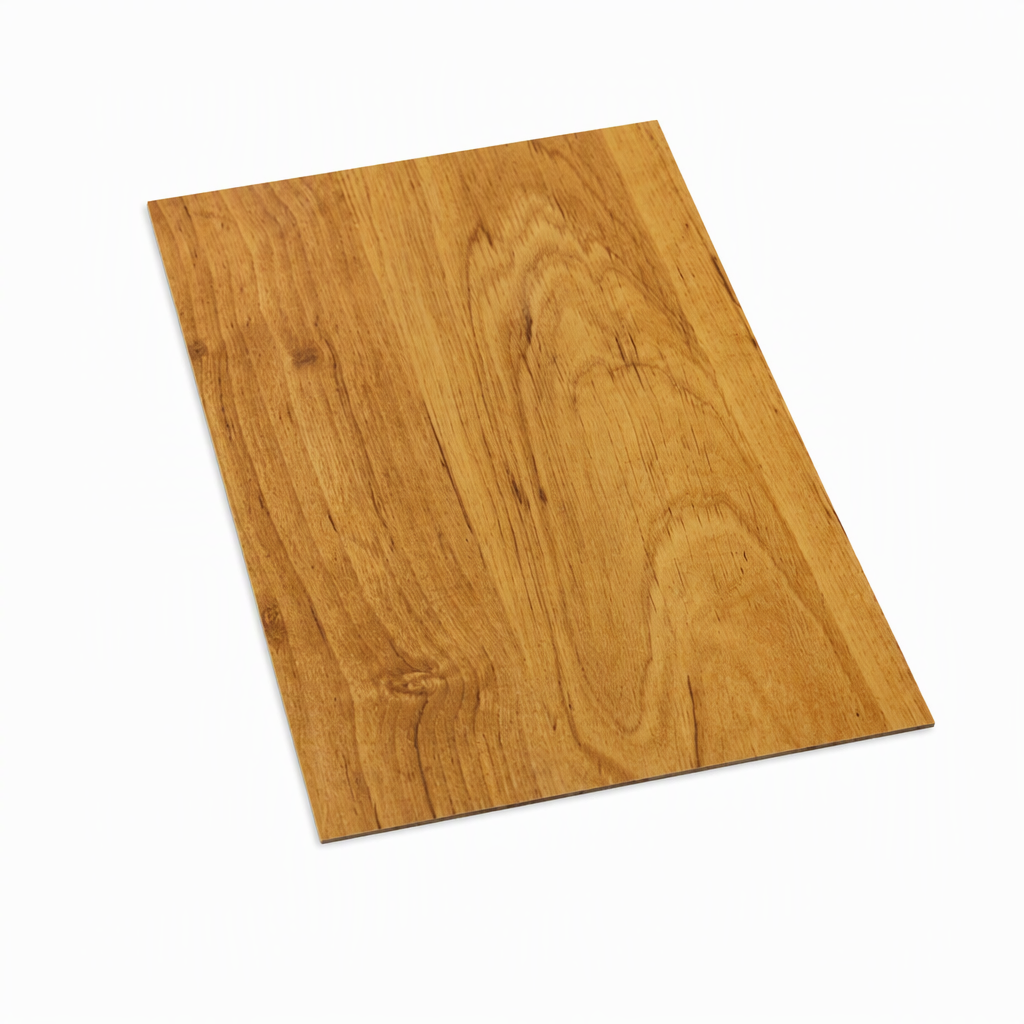
0.6mm Brown Wood Grain HPL Decorative Laminate Sheet Surface Board for Hotel Cabinet Wall Panels Waterproof Fireproof
A warm wood-grain HPL for hotel casework, wardrobe fronts and wall panels; specify waterproof and fireproof options according to the project package.
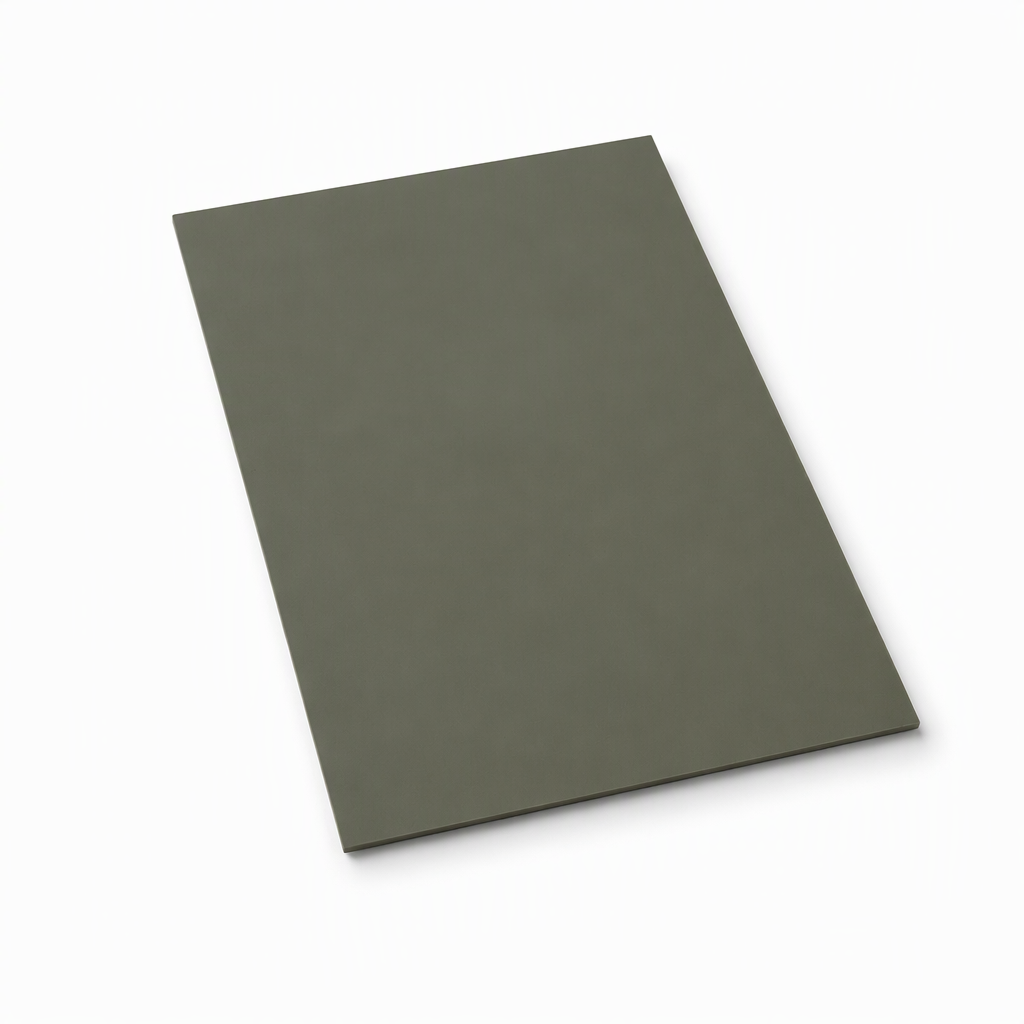
1230*2450mm Grey Green HPL Sheet Decorative High Pressure Laminate Panel for Furniture Interior
A calm grey-green palette for education, workplace and multi-residential joinery where durable, cleanable decorative surfaces are required.
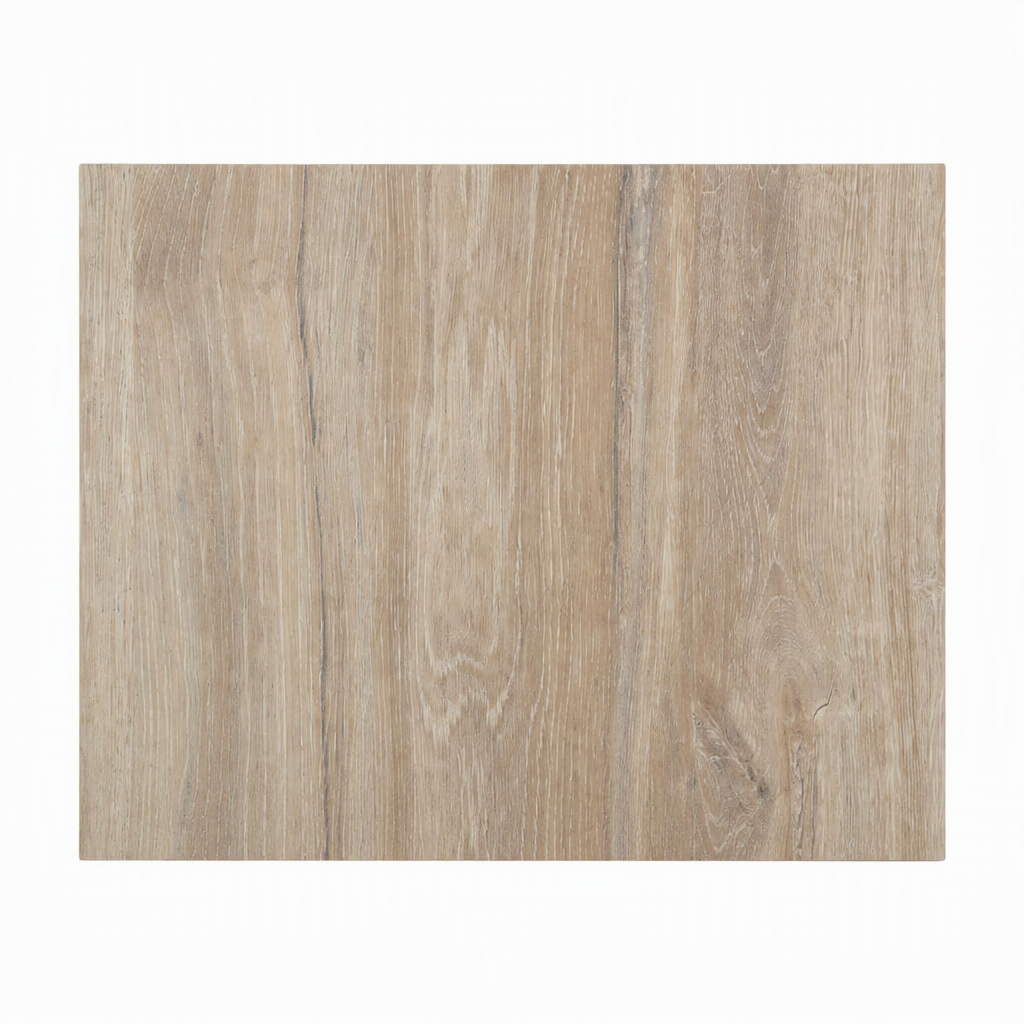
1mm Light Wood Grain HPL Decorative Laminate Panel Waterproof Fire Resistant Modern Design
Light wood-grain HPL with water and fire resistance for modern cabinetry, interior doors and wall lining in Australian commercial fit-outs.

4x8 ft HPL High-Pressure Laminates Sheet Board Hpl Laminated Plywood Fire Retardant Decorative Plywood Panels
HPL laminated plywood for wet areas, shopfitting and wall systems where a plywood core is preferred for screw-holding and site durability.
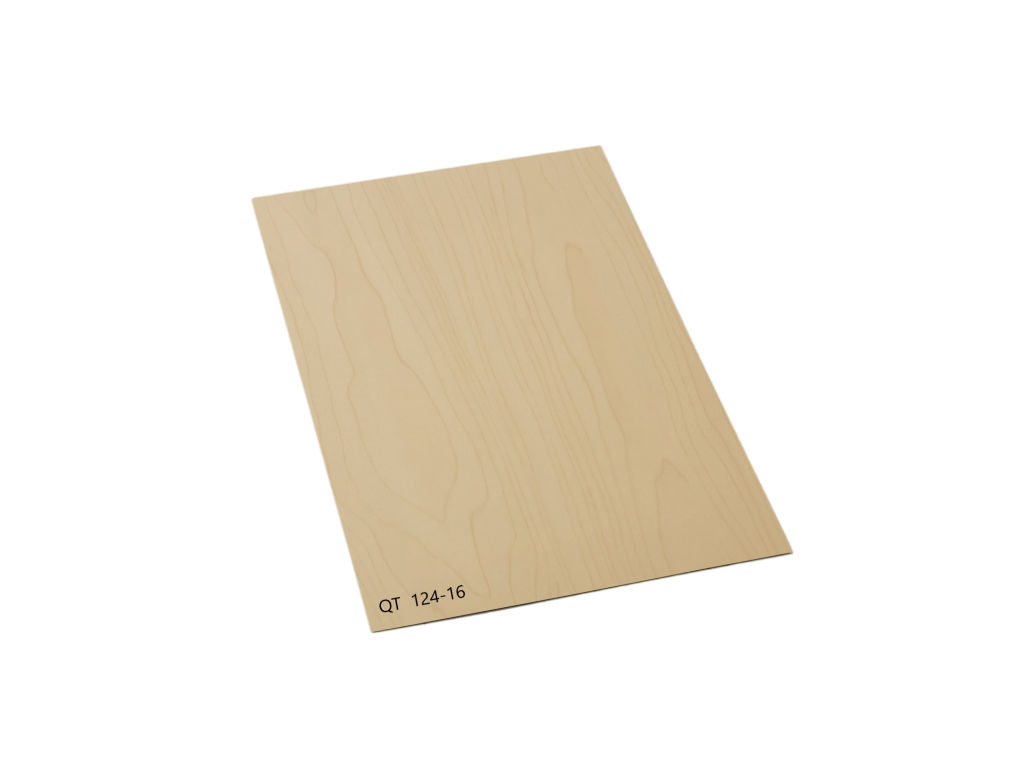
Light Wood Grain HPL Decorative Laminate Sheet Phenolic Resin Panel for Interior Wall and Furniture
Phenolic HPL with a natural timber look for robust commercial interiors, wall panels and furniture that need a cleanable decorative surface.
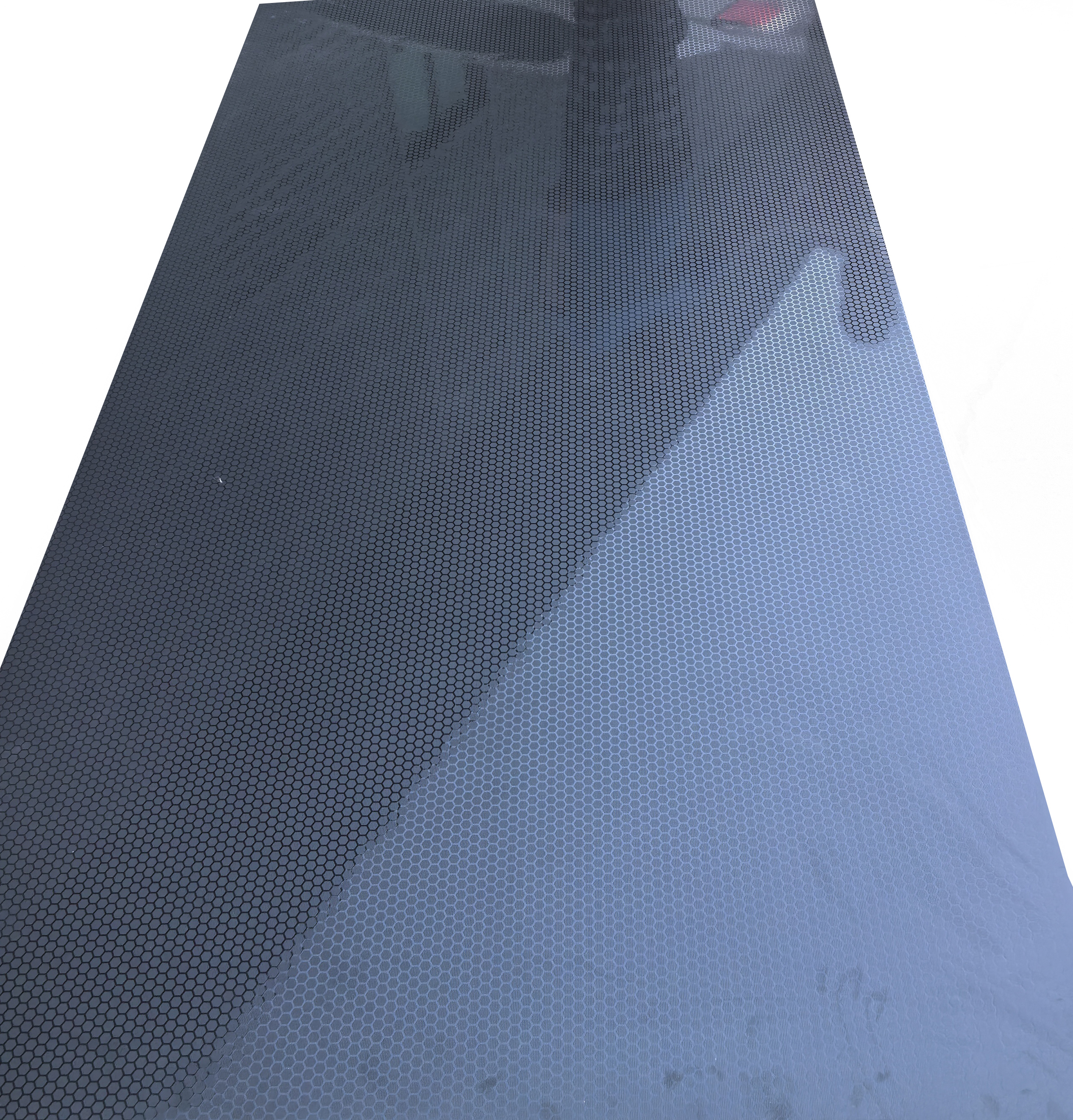
Factory Wholesale 18mm HPL Film Melamine Plywood Modern Design Style 1-Year Warranty E0 Standard Birch Laminated Plywood
18 mm E0 birch laminated HPL/melamine plywood for Australian furniture and fit-out projects where low emission and stable machining are priorities.

18mm Fire Retardant HPL Faced Plywood Birch Core 1220x2440mm Furniture Panel
18 mm fire-retardant HPL faced birch plywood in 1220 × 2440 mm for furniture panels and project joinery requiring documented fire performance.
What HPL Faced MDF Really Delivers to Australian Projects
HPL faced MDF is more than a decorative board. It combines a stable, machinable MDF core with a high-pressure laminate skin that resists daily wear, cleaning chemicals and design fatigue — provided the substrate, edge detail and documentation are specified correctly.
For Australian architects, joiners and importers, the practical value of HPL faced MDF is the ability to align visual consistency, moisture performance and installation speed in one panel system. A kitchen door, a retail counter front, a hospital reception desk and a school storage wall may all use HPL surfaces, but they do not share the same exposure. That is why Fipdm approaches HPL faced MDF as a specification exercise rather than a colour catalogue.
The panel is typically built around an MDF core, with a decorative HPL skin pressed to the face and, where required, a balancing laminate to the reverse. In Australian projects, HMR MDF is often considered for moisture-prone joinery such as vanities, laundries and café counters. E0 or E1 core options can be discussed where project teams require low-emission material documentation. For tall doors or wall lining, the edge sealing, backing laminate and fixing method matter as much as the face finish.
Our role is to connect Australian buyers with vetted partner mills in Linyi, the largest wood-based panel cluster in China, then inspect materials and finished boards before shipment. That model gives buyers one accountable contact for HPL, MDF, plywood, compact laminate and related boards without losing visibility of quality.
- HPL skin selection for colour, gloss and texture
- HMR or standard MDF core by exposure
- E0 / E1 emission options available
- Balancing laminate and edge-sealing advice
Surface performance
HPL gives Australian interiors a cleanable, impact-resistant and colour-stable face for education, healthcare and hospitality environments.
Core stability
MDF machines cleanly for CNC joinery, while HMR MDF and plywood alternatives address humid zones and structural fixing needs.
Design consistency
Batch-aware HPL supply helps keep door fronts, wall panels and loose furniture in the same visual family across staged handovers.
Documentation-first sourcing
Specification sheets, inspection photos, packing records and loading evidence help Australian buyers reduce surprises at handover.
Where HPL Faced MDF Performs Across Australia
Australian projects vary from humid coastal apartments to dry inland retail fit-outs. The right HPL faced MDF specification follows the application, the cleaning regime and the certification pathway.
Kitchen and laundry joinery
HPL faced MDF is widely used for door fronts, drawer fronts, visible end panels and pantry interiors. In Australian homes, moisture exposure around sinks, dishwashers and laundries makes HMR MDF and sealed edges a sensible specification. Light wood-grain and matte finishes suit the coastal and Scandinavian-influenced design language now common in Australian renovations.
Multi-residential fit-outs
Apartment kitchens, wardrobes, bathroom vanities and corridor wall panels need repeatable colours and reliable lead times. Mixed-container consolidation with HPL, HMR MDF and plywood helps developers and joiners coordinate staged site programmes without opening several supplier relationships.
Commercial office and retail shopfitting
Shopfront counters, display plinths, reception desks and back-of-house storage benefit from HPL’s cleanable surface and colour consistency. Stone-look HPL and grey-green decorative laminate are useful where brand guidelines demand a calm, architectural palette without the weight of natural stone.
Healthcare and education
Hospitals, clinics, schools and universities require surfaces that tolerate frequent cleaning and daily impact. HPL faced MDF casework and wall panels can be specified with durable finishes, low-emission cores and system-level fire documentation. Chemical-resistant compact laminate may be a better choice for laboratory worktops.
Hospitality and tourism
Hotels, cafes and serviced apartments use wood-grain HPL for cabinet doors, wardrobes, table tops and feature wall panels. For wet areas and heavy-use counters, compact laminate or HPL faced plywood may be considered where moisture exposure and impact are higher than a standard MDF route.
Coastal and humid climates
In Queensland, northern New South Wales and coastal Victoria, humidity and salt air place a premium on edge sealing, moisture-resistant cores and suitable fixings. HMR MDF, phenolic HPL and HPL faced plywood can be evaluated alongside compact laminate depending on the exposure and warranty position.
Local Trends Shaping HPL Faced MDF Specification
Australian buyers are not only comparing price per sheet. They are comparing documentation, emission profiles, freight resilience and how quickly a supplier can match a finish across a project.
Low-emission specifications
E0 and E1 formaldehyde grades are increasingly discussed in Australian residential and commercial joinery. Buyers should state the required core grade, destination market and documentation needs at inquiry stage so the correct MDF or plywood route can be confirmed before sampling.
Prefabrication and modular delivery
Joiners and builders prefer panels that machine consistently and arrive with predictable colour. HPL faced MDF supports off-site cutting, edge-banding and assembly, but the specification must account for panel handling, backing and acclimatisation before installation.
Fire performance under scrutiny
Australian projects often require system-level evidence rather than a generic “fireproof” claim. We help buyers identify the board route, request available test information and confirm the complete wall, door or furniture assembly with the project certifier.
Biophilic wood-grain demand
Light oak, walnut, soft brown and warm neutral wood grains remain strong in Australian interiors. HPL provides a repeatable decorative surface for joinery, wall panels and hotel furniture without the maintenance profile of natural timber veneer.
Renovation and builder demand
Kitchen, bathroom and laundry renovations continue to absorb large volumes of decorative panel. Importers want fast colour matching, practical minimum order quantities and packaging that protects corners, edges and faces during local transport.
Supply-chain resilience
Mixed loads of HPL, compact laminate, MDF, plywood and door cores help Australian buyers reach container efficiency while reducing dependence on single-product orders. Loading photos and packing lists make the shipment easier to track and reconcile.
Built for Australian B2B Buyers Who Need Evidence, Not Promises
Linyi Fipdm Import And Export Co., Ltd. is a verified trading company and multispecialty supplier based in Linyi, Shandong, China. We coordinate vetted partner mills and manage inspection, consolidation and export packing so buyers get one accountable contact across multiple board categories.
Intertek-verified supplier
Assessed on site by a third party, with supplier assessment procedures that support Australian buyers’ due-diligence checks.
Two-stage quality control
Material checks at the partner mill, then finished-board inspection for thickness, surface and edges before loading.
Linyi cluster sourcing power
Direct access to the largest wood-based panel production cluster in China, helping match colours, cores and thicknesses across categories.
Mixed-category consolidation
Combine HPL, MDF, plywood, LVL, compact laminate and door cores in one container to reduce freight and administration.
Customization and ODM
Minor customization for logo, package and graphics, plus sample-based, design-based and full customization for distributors.
On-site technical support
Engineer guidance for project buyers on cladding, partition and furniture applications where installation detail affects performance.
Low-emission board options
E0 and E1 formaldehyde grades are available for selected MDF and plywood lines, subject to product and destination requirements.
Export-ready logistics
Seaworthy pallet packing, export documentation and loading photos shared with each shipment so Australian buyers can plan receipt.

Company introduction and export team

Office-based export coordination

Panel stock and consolidation support
Choose the Right Route: HPL Faced MDF, HMR MDF, Plywood or Compact Laminate
Australian buyers often compare several board systems for the same project. The decision should be based on exposure, machining, fixing, fire documentation and the maintenance regime — not on one headline property.
| Product Route | Typical Build | Best-Fit Australian Application | Buyer Check Before Ordering |
|---|---|---|---|
| HPL faced MDF | Decorative HPL skin on standard MDF core, with balancing laminate where required | Kitchen doors, wardrobe fronts, retail counters, office joinery and interior wall panels in dry or protected areas | Edge sealing, backing laminate, CNC programme and handling protection |
| HPL faced HMR MDF | HPL skin on moisture-resistant MDF core | Bathroom vanities, laundries, café counters and other joinery exposed to occasional moisture | Core grade, adhesive system, edge detail and cleaning-chemical compatibility |
| HPL faced plywood | HPL surface on birch, poplar or mixed hardwood plywood core | Shopfitting, wet areas, wall systems, furniture panels and sites where screw-holding or impact resistance matters | Core species, void content, glue line, fire-retardant option and panel flatness |
| Compact laminate | Solid phenolic panel without a substrate | Toilet partitions, lockers, laboratory worktops, table tops and exterior cladding | Thickness, fixing method, chemical resistance and system-level fire evidence |
Substrate and edge detailing
For Australian humidity, specify HMR MDF or plywood where exposure demands it, and seal edges around sinks, appliances and wall junctions. Avoid leaving cut edges raw in wet zones.
Finish and maintenance
Matte and textured HPL surfaces reduce visible fingerprints in commercial interiors. Confirm the cleaning chemicals used by the facility team so the laminate and edge seal remain compatible.
Fire and emission evidence
Provide the project’s required standard and assembly details at inquiry stage. We match the available board information to the specification and recommend certifier confirmation for the complete system.
Packaging and acclimatisation
Panels should be protected from moisture during sea freight and site storage. Allow acclimatisation before machining, and keep boards flat on a dry, level support to reduce movement risk.
From Inquiry to Container Loading: A Controlled Process
Australian importers need a process they can explain internally. Our workflow is designed to create clear checkpoints, documented decisions and evidence before the container leaves China.
Inquiry and application review
Share sizes, thickness, finish, core preference, target market and any fire or emission requirements. We match the request to suitable HPL, MDF or plywood routes.
Sample and specification lock
Confirm colour, texture, gloss level, substrate and edge expectations. Samples help Australian designers and joiners approve the visual before production.
Two-stage quality control
Material inspection at the partner mill, followed by finished-product inspection for surface, thickness, edges and packing before loading.
Packing and loading evidence
Export pallets are prepared for sea freight, with loading photos and shipment records shared so buyers can reconcile the delivery.
What the evidence pack can include
- Product specification confirmation
- Material and finished-board inspection photos
- Packing list and loading records
- Available product test information
Why this matters for Australia
Long sea freight, port congestion and multi-stage site programmes increase the cost of surprises. Clear evidence at loading helps importers, distributors and furniture factories protect project timelines and resolve questions before the container is unpacked. It also supports internal QA teams who need more than a photo of a finished panel.
Questions Australian Buyers Ask Before Ordering HPL Faced MDF
These are the practical questions raised by importers, joiners, shopfitters and project buyers when comparing HPL faced MDF and related panel systems from China.
Are you a manufacturer or a trading company?
Linyi Fipdm Import And Export Co., Ltd. is a verified trading company and multispecialty supplier. We work with vetted partner mills in Linyi and manage material inspection, finished-product inspection, consolidation and export packing. For Australian buyers, this means one accountable contact across HPL, MDF, plywood and related boards rather than several disconnected suppliers.
What is HPL faced MDF, and why is it used in Australia?
HPL faced MDF is a decorative high-pressure laminate skin bonded to an MDF core. It is used for kitchen doors, wardrobes, retail counters, office joinery and wall panels because it offers a cleanable, colour-consistent surface with good machining properties. In Australia, the specification should match the exposure — for example, HMR MDF for moisture-prone joinery and suitable edge sealing in wet areas.
Which MDF core should I specify for Australian humidity?
For bathrooms, laundries, café counters and other moisture-prone applications, HMR MDF is commonly considered. Standard MDF may be suitable for dry interior joinery. The final choice should account for the cleaning regime, edge details, fixing method and any project warranty requirements. Share the application and location in Australia so we can match the board route.
What HPL finishes are popular for Australian interiors?
Light wood grains, warm browns, soft greys, matte neutrals and stone-look surfaces are frequently requested for residential, hospitality and commercial interiors. Textured and low-gloss finishes can help reduce visible fingerprints in high-use areas. We can match samples against your design intent and confirm the available thickness and substrate combination.
Can you provide fire and formaldehyde documentation?
We can provide the available product information for the selected board and discuss E0 or E1 core options where applicable. Fire performance is usually a system-level question, so Australian projects should confirm the complete wall, door or furniture assembly with the certifier. Provide the required standard, assembly detail and destination market at inquiry stage so the correct route can be reviewed.
Can I mix HPL faced MDF with plywood or compact laminate in one container?
Yes. Mixed-category consolidation is a core part of our service. Australian importers can combine HPL faced MDF, decorative HPL sheets, HPL faced plywood, compact laminate and other board products to improve container utilisation. We prepare the packing plan and loading records so the mixed shipment remains clear and manageable.
What are typical lead times and shipping arrangements to Australia?
Lead time depends on product route, quantity, finish, substrate and production schedule. After specification confirmation and deposit, we coordinate production, inspection and export packing. Shipping to Australian ports is arranged according to the agreed Incoterms and vessel schedule. Early confirmation of sizes, colours and documentation helps reduce delays.
How do you control quality and packaging for sea freight?
We use a two-stage approach: material inspection at the partner mill and finished-product inspection before loading. Checks cover surface, thickness, edges and packing condition as agreed. Export pallets are prepared for sea freight, and loading photos are shared with the buyer. For Australian sites, keep panels dry, flat and protected before machining and installation.
Ready to Specify HPL Faced MDF for Your Next Australian Project?
Send your sizes, thickness, finish, core preference and target application. Our export team will reply with matched HPL faced MDF, HPL faced plywood or compact laminate options, available documentation and a practical next step for sampling.
Please include your Australian destination port, required quantity and any project-specific fire, emission or moisture requirements.