8 HPL and Panel Products for Lille Exterior and Interior Briefs
Use this shortlist to open a specification conversation. Each product is shown at its original source, with no hidden redirect. For façade work, confirm exterior grade, fire classification, fixing system and batch consistency before approval.
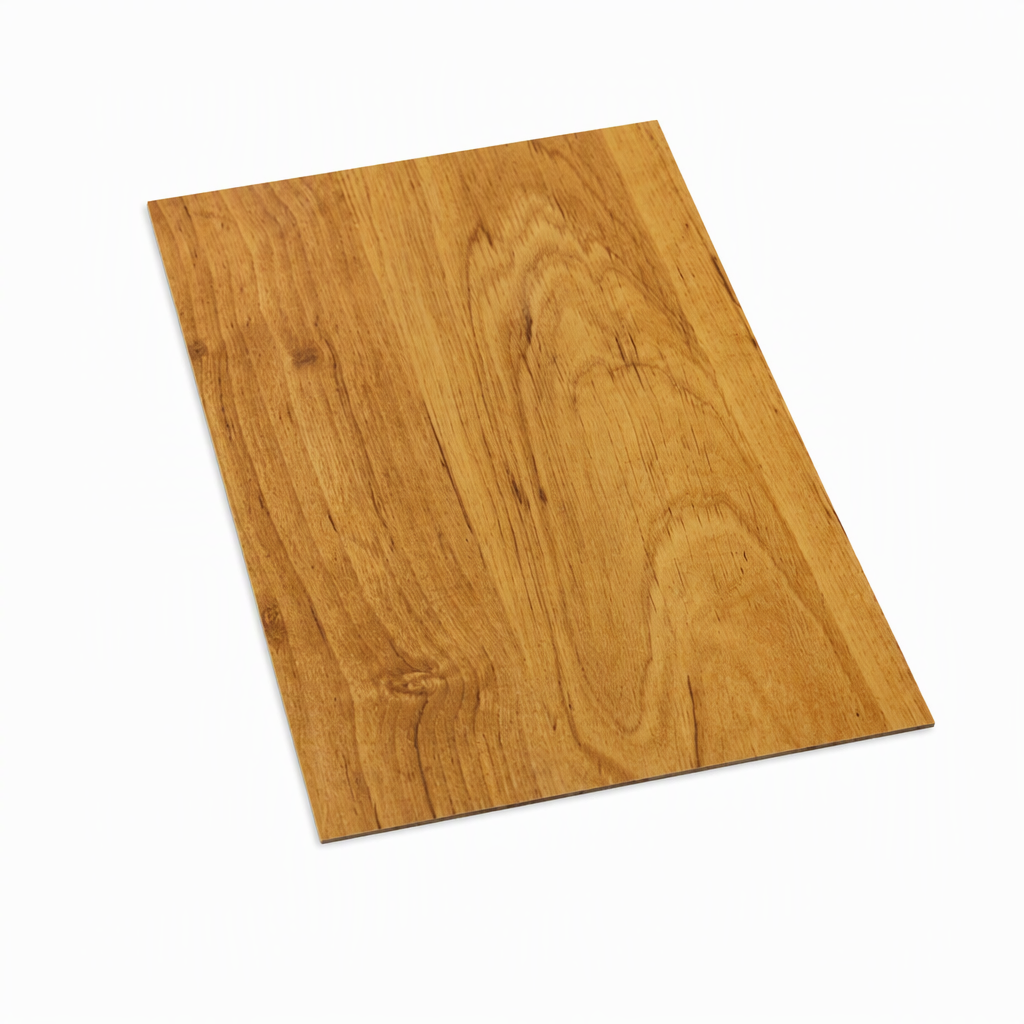
0.6mm Brown Wood Grain HPL Decorative Laminate Sheet Surface Board for Hotel Cabinet Wall Panels Waterproof Fireproof
A warm wood-grain decorative HPL for hotel cabinetry, lift lobbies and feature walls; pair with the correct fire-rated substrate for the project.
View product
18mm Fire Retardant HPL Faced Plywood Birch Core 1220x2440mm Furniture Panel
A practical panel route for furniture, wall linings and public interiors where a fire-retardant substrate is part of the assembly.
View product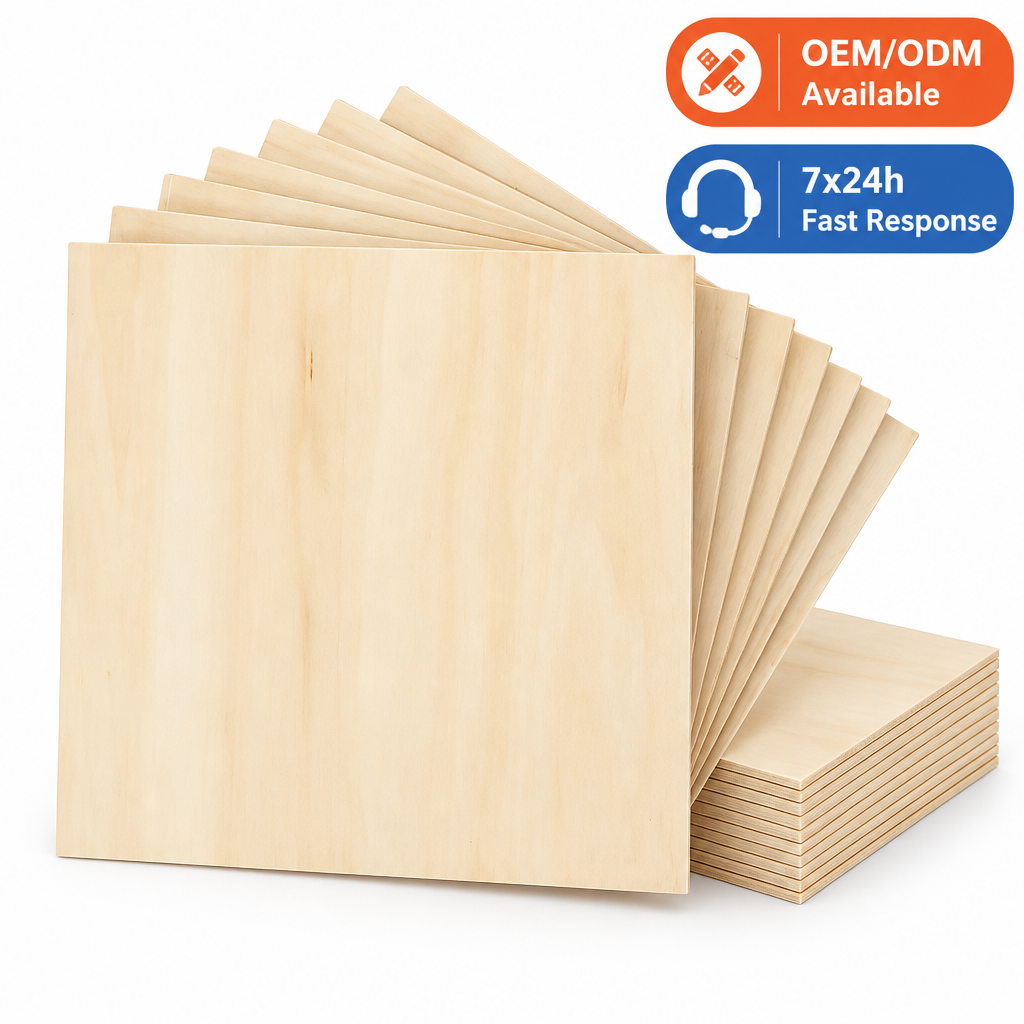
Eco-Friendly First-Class Basswood Plywood Sheet 12 X 12 X 1/8 Inch 3mm Sanded Polished Birch Veneer DIY Laser Cutting
A clean 3mm basswood plywood for prototypes, signage, architectural models and retail display components.
View product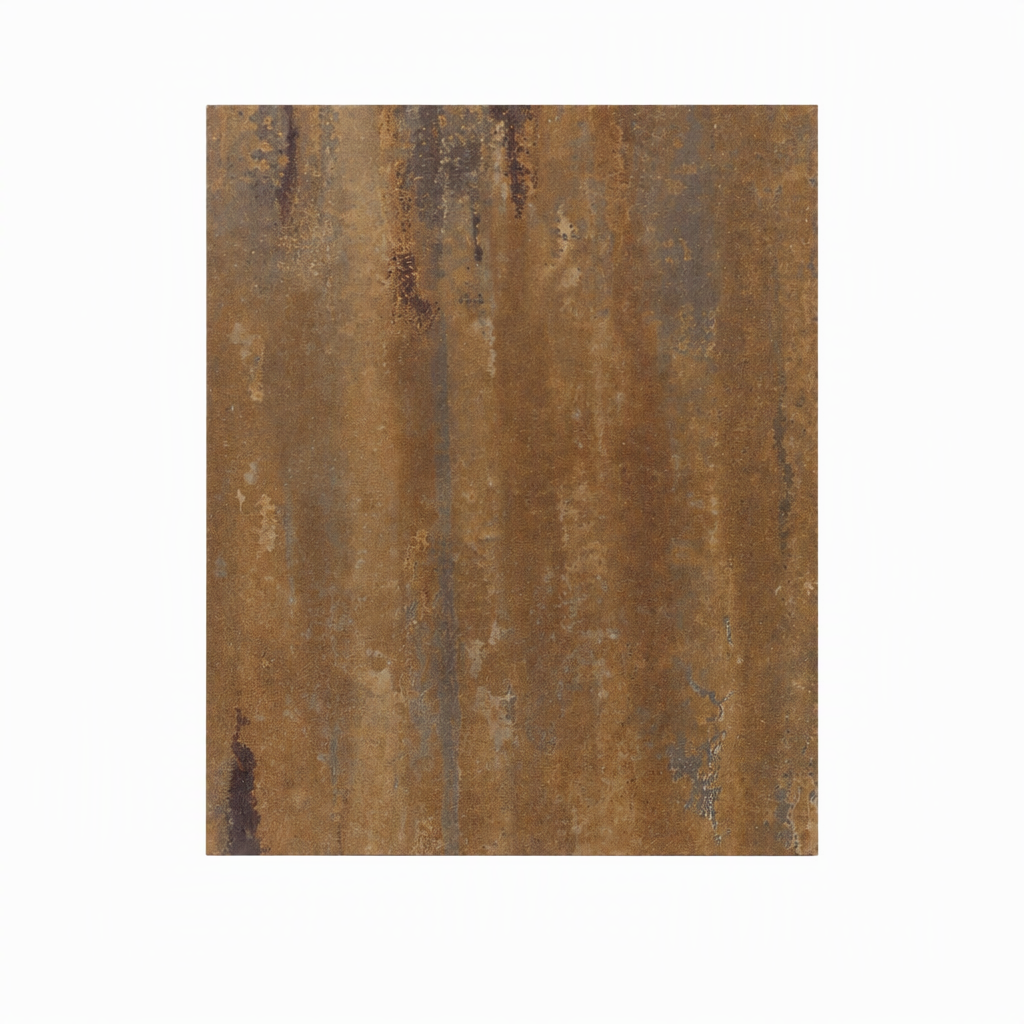
0.8mm Brown Stone Look HPL Decorative Laminate Sheet Interior Wall Panel
A stone-effect decorative laminate for reception walls, vanities and hospitality interiors that need a mineral look with easier maintenance.
View product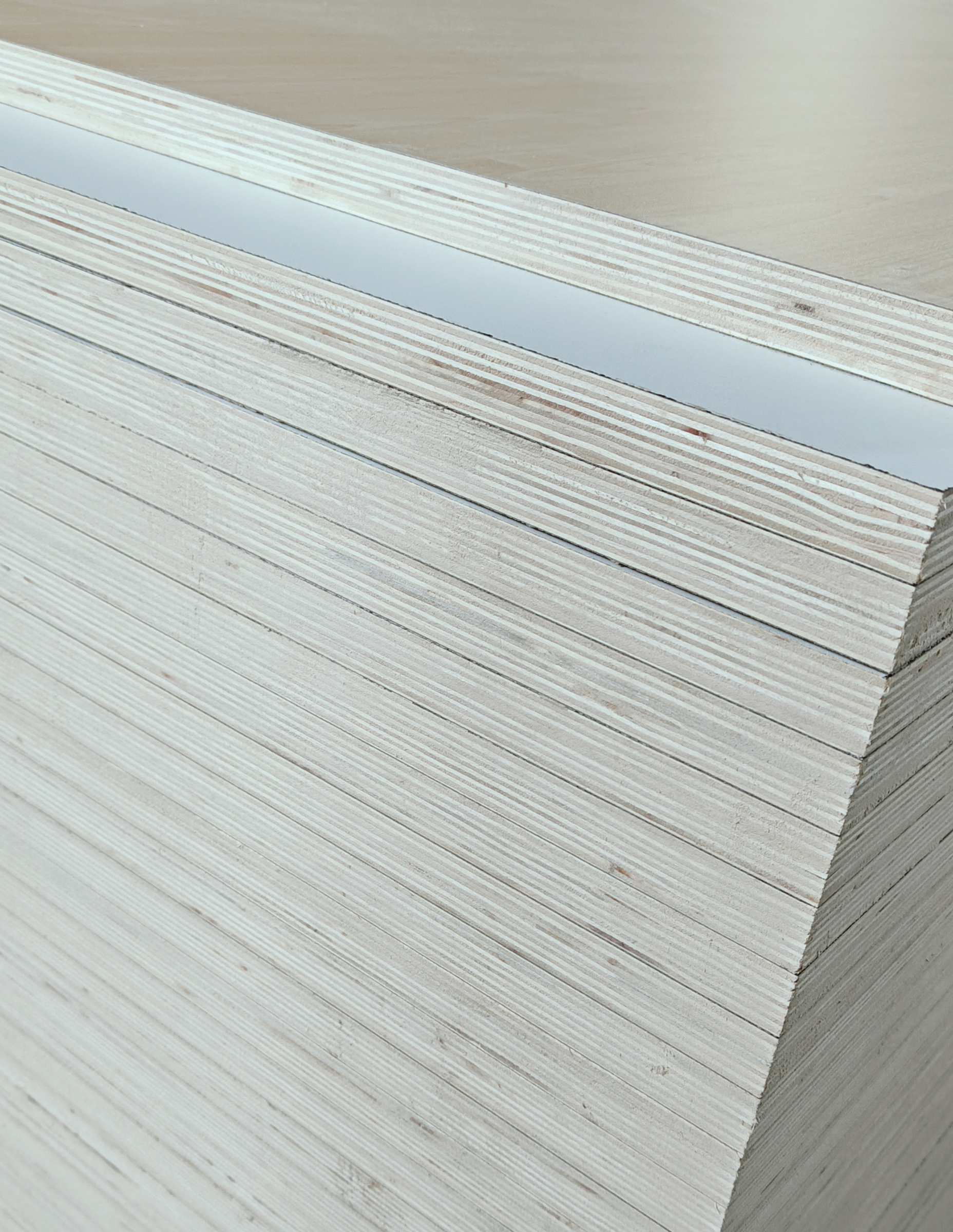
Modern Design Chinese Marine HPL Poplar Plywood E0 Fire Resistant Sanded Surface 4X8 15mm 1220X2440 Construction Sheet Price
A 15mm marine HPL poplar plywood option for humid cabinetry, construction sheets and interior fit-outs requiring E0 or fire-resistant choices.
View product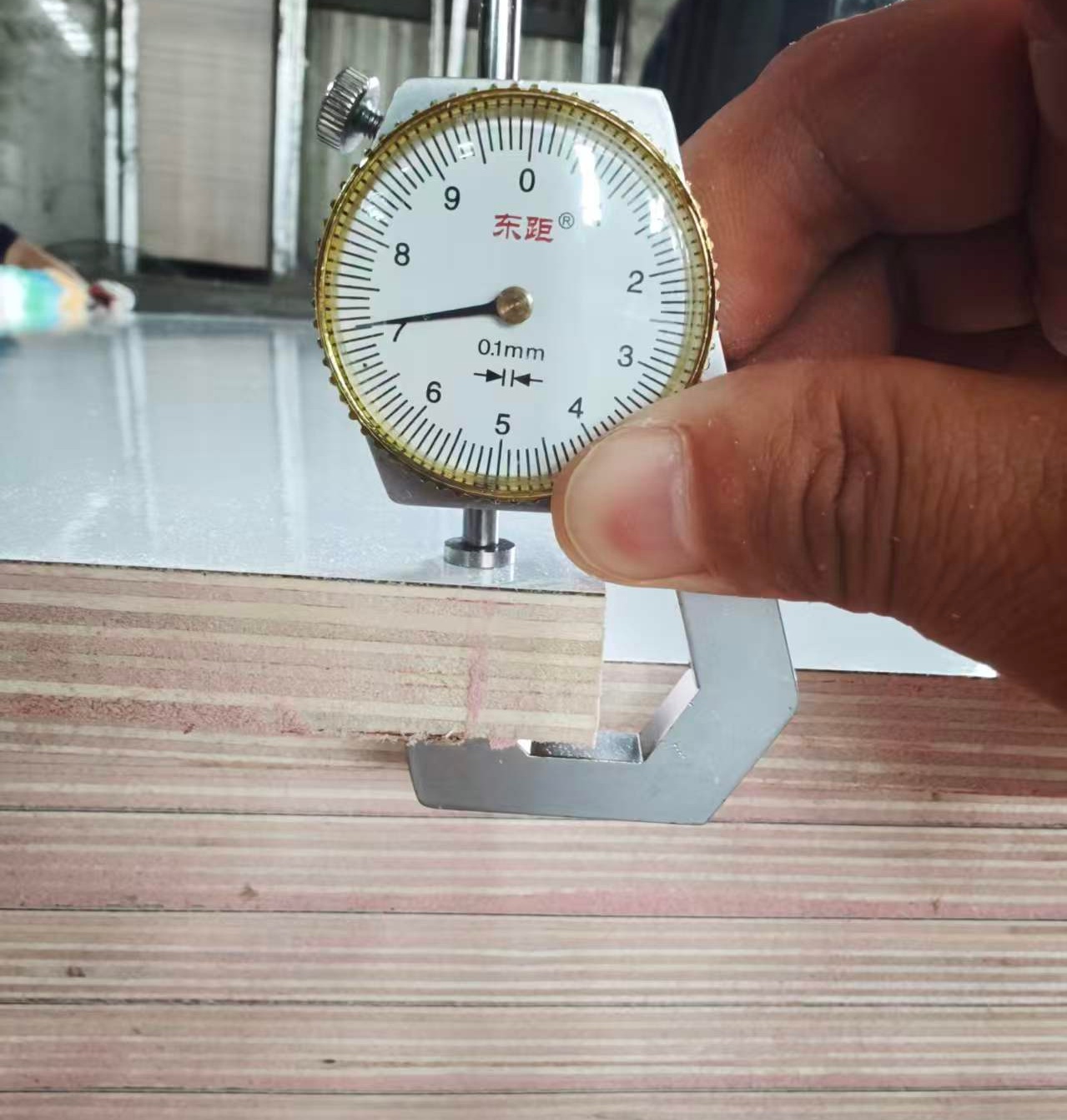
HPL Plywood Decorative Panels Stock HPL for Furniture Veneer
A stock-oriented decorative HPL plywood panel for furniture veneer, shopfitting, cabinet doors and quick-sample requests.
View product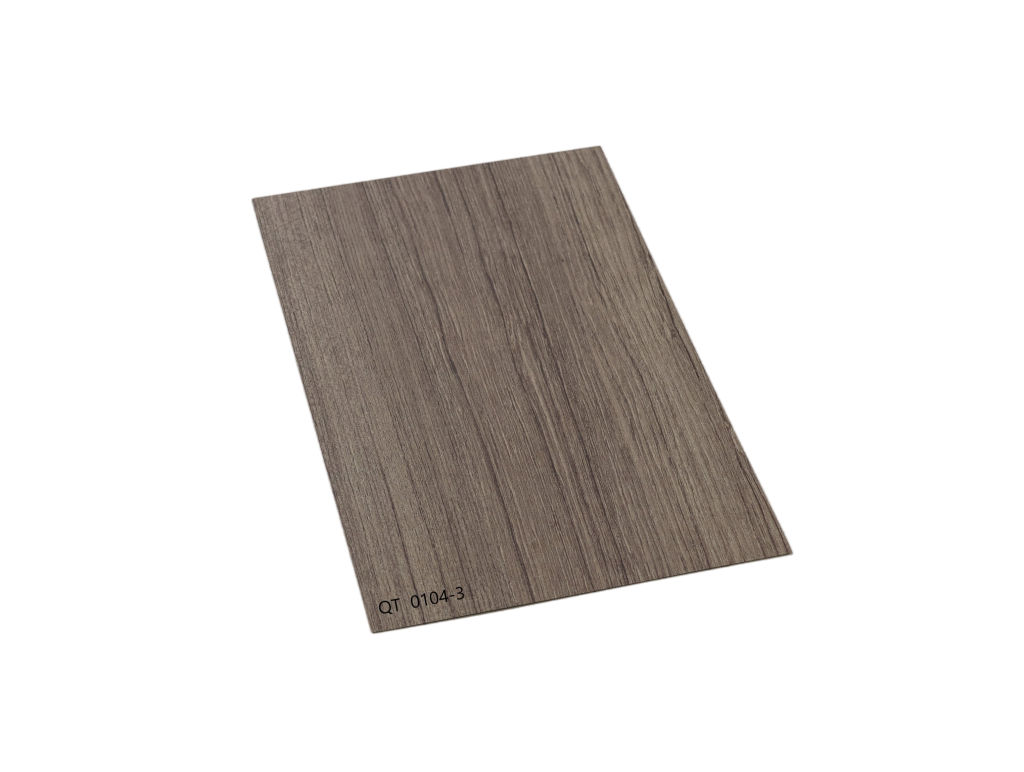
Wood Grain HPL Decorative Laminate Sheet Decorative Panel for Cabinet and Interior Wall
Wood-grain HPL for cabinets, wall lining and reception joinery; useful for Lille hospitality refurbishments where visual warmth matters.
View product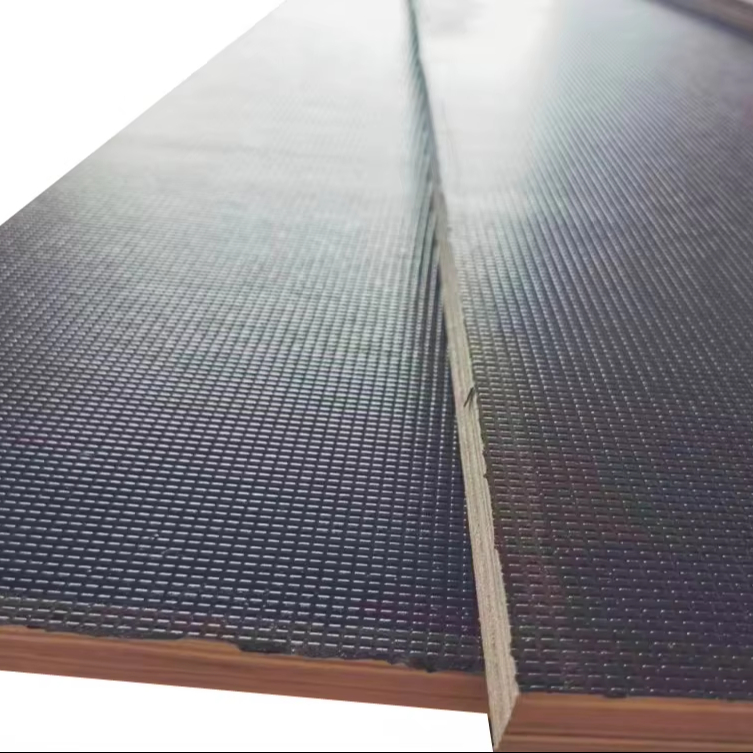
1220x2440 HPL Waterproof Laminate Sheet Board Fire Retardant Decorative High-Pressure Plywood E0 Formaldehyde Marine Phenolic
A high-humidity candidate with E0 formaldehyde and fire-retardant descriptions; for exterior concepts, verify exterior grade and the complete fixing assembly.
View productWhat Lille Buyers Really Mean by “Trusted Exterior HPL Wall Cladding Manufacturers & Factories”
The query is not just a directory request. It combines source discovery, local validation and risk reduction. A supplier page earns trust when it answers the specification questions that a price list leaves out.
The phrase “top trusted exterior HPL wall cladding manufacturers & factories in Lille” contains three practical intents. First, the buyer wants to find a factory or verified supplier capable of making exterior-grade high-pressure laminate. Second, they need to validate that the panel suits Lille’s climate, French documentation expectations and local fire strategy. Third, they are trying to remove procurement risk: colour drift, edge swelling, panel flatness, weak export packing and unclear responsibility after shipment.
Lille buyers rarely purchase a single sheet in isolation. They buy a system: exterior HPL skin, cassette or ventilated façade build-up, aluminium subframe, fixings, flashing, fire barriers and a maintenance plan. That is why the most useful information gain is not another untested claim of “best quality”. It is evidence: what exterior grade means, which tests matter, how approval samples are controlled, and how the factory inspects finished boards before loading.
- Source discovery: factory capability, exterior-grade HPL, press consistency and finish range.
- Local validation: Lille rain, wind, frost, UV, fire strategy and public-realm maintenance.
- Risk reduction: sample approval, batch traceability, inspection records, mixed-container control.
- Delivery confidence: seaworthy packing, loading photos and export documentation to France.
For Lille architects and importers, the strongest factory is not the one with the largest catalogue. It is the one that can explain where a panel should not be used, which certification must be project-specific, and how the approved sample will be protected during production.
Why Exterior HPL Wall Cladding Fits Lille’s Climate, Architecture and Procurement Culture
Lille sits in Hauts-de-France with an oceanic, Atlantic-influenced climate: wind-driven rain, autumn humidity, winter frost and occasional summer heat peaks. A façade skin must handle moisture cycling, UV and urban pollution while keeping its colour and cleanability.
Rain, frost and ventilation
Exterior-grade HPL performs best in a designed rainscreen or ventilated assembly that manages drainage, drying and differential movement. The panel, subframe and flashing must be detailed together; a good sheet cannot compensate for a poor façade build-up.
Fire strategy first
French projects often require project-specific fire documentation, Euroclass evidence and assembly testing. Ask for the classification route, not a generic “fireproof” label. The right HPL panel supports the strategy, but the fire engineer and system test remain decisive.
Low-maintenance urban skin
Lille’s public and mixed-use estates face graffiti, cleaning cycles and high footfall. A closed, cleanable HPL surface helps reduce long-term maintenance compared with porous finishes, while wood-grain and stone-look decors connect new build work to the city’s material character.
Where Exterior HPL and HPL-Faced Panels Are Specified Around Lille
The same HPL family can serve a façade, an entrance hall or a furniture package, but the specification logic changes. These six scenarios reflect common Lille and Hauts-de-France project conversations.
Rainscreen façades in mixed-use districts
For Euralille, Euratechnologies and surrounding mixed-use zones, exterior HPL can create a crisp, replaceable skin with wood, stone or solid-colour decors. Specify cassette sizing, joint width, wind-load fixing and a spare-panel strategy.
Heritage-adjacent retail and hospitality
Around Old Lille and commercial streets, matt wood-grain and stone-look HPL allow contemporary shopfronts or interior linings that respect historic material tones without pretending to be solid timber or natural stone.
Schools, sports halls and public buildings
Public interiors need impact resistance, cleanability and a documented fire approach. HPL-faced plywood or compact laminate can be evaluated for wall protection, changing areas, reception counters and durable door faces.
Transport, retail and impact zones
Stations, shopping centres and busy entrances require surfaces that can tolerate trolleys, cleaning agents and repeated contact. Exterior HPL or impact-resistant compact grades should be matched to the actual cleaning and abuse regime.
Balconies, soffits and sheltered exteriors
For apartment balconies, soffits and partially sheltered exteriors, the detail must address water run-off, edge protection and fixing movement. A decorative interior HPL should never be substituted for exterior-grade material.
Interior wet zones linked to façade packages
Hotels, clinics and leisure projects often combine exterior cladding with interior wet walls, vanity panels and locker fronts. Consolidating exterior HPL, waterproof phenolic plywood and interior decorative HPL simplifies sample control and shipping.
Six Trends Shaping HPL Cladding Procurement in Lille and Hauts-de-France
Lille’s project market is moving toward lower-carbon renovation, fire-safe assemblies and documentation-led buying. The bars below are qualitative procurement signals from project conversations, not statistical forecasts.
Low-carbon renovation and RE2020 thinking
Renovation and reuse projects are asking suppliers for lighter assemblies, replaceable panels and clearer material documentation. HPL rainscreen systems can support future maintenance if spare panels and batch records are planned.
Fire-strategy first
Façade and public-building teams are less willing to accept generic fire claims. They want Euroclass references, test context and a clear link between the panel, substrate, cavity and fixing system.
Prefabricated façade kits
Contractors prefer repeatable cassette sizes, controlled tolerances and consistent colour lots. Factory-cut or pre-drilled HPL components can reduce site labour when the approved sample and fixing interface are fixed early.
Stone and wood aesthetics for urban continuity
Lille’s brick, stone and industrial heritage continues to influence new material choices. Wood-grain, stone-look and fine-texture HPL decors offer a modern interpretation without the maintenance profile of natural materials.
Cleanable surfaces for public spaces
Schools, stations, sports halls and retail environments are prioritising graffiti removal, stain resistance and simple cleaning. Surface finish and edge detailing matter as much as the decor selected from a sample chain.
Documentation-driven sourcing
Buyers now ask for more than a certificate PDF. They want batch references, inspection photos, packaging method, test-report dates, sample approval records and a clear answer on who signs the final QC release.
Use trend signals to structure your tender questions, not as a substitute for project-specific engineering, fire approval or local regulatory review.
High-Pressure Laminate vs Compact Laminate for Exterior Wall Cladding
A frequent Lille procurement error is treating every “HPL” product as the same material. Decorative interior HPL, exterior-grade HPL and compact laminate have different roles, thickness ranges and approval routes.
Thin HPL sheet bonded to a substrate or cassette
A decorative high-pressure laminate is typically a thin surface layer bonded to MDF, plywood, particle board or a composite carrier. It offers a broad colour and texture range and efficient material use.
- Use for furniture, wall linings, cabinet faces and interior feature panels.
- For exterior use, specify exterior-grade HPL and a compatible carrier/fixing system.
- Do not assume an interior decorative HPL is UV-stable or weather-rated.
- Clarify edge sealing, joint design and cleaning products before approval.
Solid phenolic panel, often self-supporting
Compact laminate is a thicker, solid phenolic panel used where impact, moisture and self-supporting strength matter. It can be specified for toilet partitions, lockers, table tops and select exterior applications.
- Evaluate thickness, impact resistance and fixing details early.
- Confirm fire classification and exterior suitability for the intended assembly.
- Expect different weight, cutting and handling requirements on site.
- Compare whole-life maintenance, not only the panel price per square metre.
A Practical Due-Diligence Table for Lille Buyers
Use this table to structure supplier questions. Strong suppliers answer with documents, samples and process evidence rather than adjectives.
| Verification Area | What to Ask the Supplier | Why It Matters for Lille Projects |
|---|---|---|
| Exterior grade | Ask whether the HPL is exterior-grade, and request the relevant test report and batch reference. Confirm UV, water and colour-fastness claims in writing. | Lille’s wind-driven rain and UV exposure make interior decorative HPL risky for façades. Exterior grade must be specified, not assumed. |
| Fire classification | Request Euroclass information, report dates and the test context. Ask how the panel performs within the proposed cavity, substrate and fixing build-up. | French project teams need a fire-engineering route, not a vague “fireproof” statement. Assembly testing can determine acceptance. |
| Thickness & tolerance | Confirm nominal thickness, permissible tolerance and flatness. Ask how thickness is checked before packing. | Façade cassettes need consistent thickness for visible joints, fixing pressure and flatness across large elevations. |
| Colour & batch control | Approve a physical sample under agreed lighting. Record decor code, texture, gloss level, batch and production window. | Wood and stone effects can shift between lots. Batch control protects the approved design intent and future replacement panels. |
| Fixing & edge design | Share the façade detail with the supplier. Ask about recommended edge clearance, ventilation, sealed or open joints, and compatible sealants. | Most failures are system failures. Panel performance depends on drainage, drying and movement being designed correctly. |
| Quality control records | Ask for material inspection and finished-product inspection records, plus loading photos before departure. | Lille buyers cannot easily visit every mill. Traceable QC photos and signed reports reduce disputes after arrival. |
| Export packing | Require edge protection, interleaving, moisture barrier, pallet strength and container-loading plan. Confirm how small and mixed orders are labelled. | Sea freight and winter humidity can damage poorly packed boards. Packing is part of product quality on a Lille delivery. |
| Customization capability | Clarify whether size, texture, packaging, logo, graphics and ODM development are available. Ask what is “minor” and what requires a new run. | Distributors and contractors often need a repeatable private-label or project-specific offer, not only stock sheets. |
Certification and regulatory requirements must be verified for the final project, building height, use class and proposed assembly. This page is a procurement guide, not a fire-engineering or legal approval document.
Inside the Supply Chain: How Fipdm Supports Lille’s Mixed-Material Orders
Linyi Fipdm Import And Export Co., Ltd. is a verified trading company and multispecialty panel supplier based in Linyi, Shandong, China — one of the country’s most concentrated wood-based panel clusters.


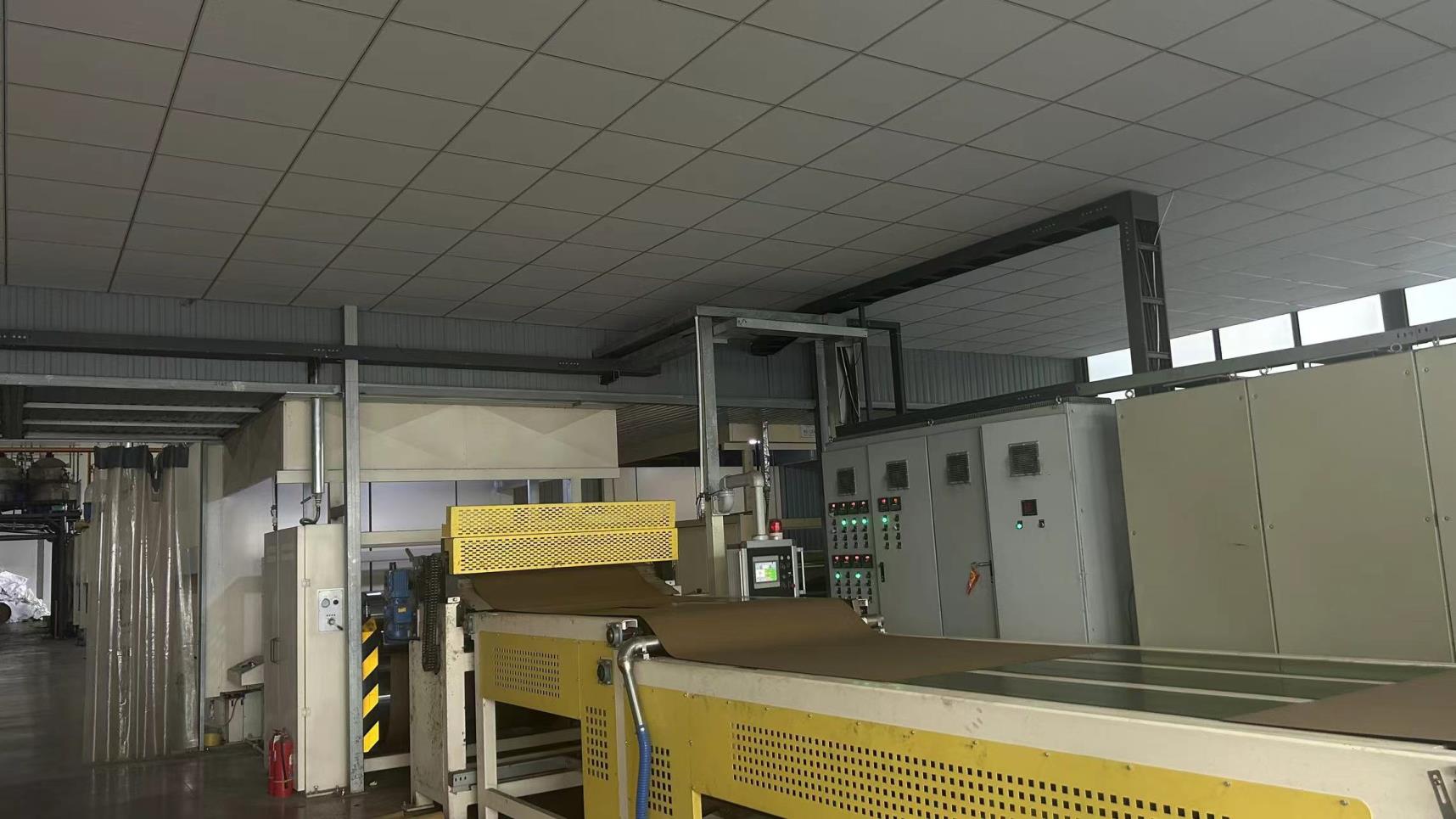
A verified Linyi supply partner for French-market buyers
Fipdm works with vetted partner mills and runs on-site material inspection plus finished-product inspection before every shipment. For Lille buyers, the practical advantage is not simply access to lower-cost boards; it is the ability to consolidate exterior HPL, compact laminate, MDF, plywood, LVL and door cores into one controlled shipment, with one accountable contact and export-ready documentation.
Your project does not need to manage five factories across different provinces. We align the approved sample, purchase specification, inspection criteria and loading photos so the approved finish is the finish that arrives. We also support minor customization such as logo, packaging and graphics, plus sample-based, design-based and full customization and ODM development.
Our current supplier profile indicates 9 years in industry, a 5.0 buyer rating, 8 dedicated staff, Intertek assessment and a top-selling supplier position in the Plywoods category. For high-stakes Lille specifications, those signals should still be combined with project-specific test reports, sample approval and clear system design.
- On-site material inspection
- Finished-product inspection
- Supplier assessment procedures
- ODM and full customization
Two-stage quality control
Material checks at the partner mill and finished-board inspection for thickness, surface and edges before loading.
Flexible customization
Minor logo, packaging and graphic changes, plus sample-based, design-based and full customization and ODM support.
Multi-category consolidation
Combine HPL, MDF, plywood, LVL and door cores in one container to reduce freight complexity and admin workload.
On-site technical support
Engineer guidance for cladding, partition and furniture projects, with practical questions on fixing, edges and handling.
E0 / E1 low-emission options
MDF and plywood are available in E1 and E0 emission grades depending on product line and target-market requirements.
Export-ready logistics
Export documentation, seaworthy pallet packing and loading photos shared with each shipment for better arrival confidence.
Recommended HPL and Panel Configurations by Lille Application
Match the application to the right panel route before price comparison. A lower-cost sheet can become expensive when the specification, substrate or fixing system is wrong.
| Lille Application | Recommended Starting Route | Why This Route Fits | Product Starting Point |
|---|---|---|---|
| Hotel, café and reception interiors | 0.6–0.8mm decorative HPL in wood-grain or stone-look finish on MDF or plywood | Provides a durable, cleanable decorative skin with broad design choice for hospitality fit-outs. | Wood-grain HPL or stone-look HPL |
| Exterior façade concept | Exterior-grade HPL or compact laminate verified for the complete rainscreen assembly | Needs UV, water, fire and fixing evidence; the panel must suit ventilation, drainage and movement. | Waterproof HPL phenolic board |
| Fire-retardant furniture and wall panels | HPL-faced fire-retardant birch plywood with project-specific classification review | Combines a structural panel with a decorative surface where fire performance is part of the brief. | 18mm fire-retardant HPL plywood |
| Wet rooms, vanities and humid cabinetry | Waterproof HPL phenolic plywood or marine HPL poplar plywood with sealed edges | Humidity control and edge detailing are critical in changing rooms, bars and washrooms. | Marine HPL poplar plywood |
| Shopfitting and cabinet doors | Wood-grain decorative HPL on plywood or MDF, with stock panel options for sampling | Supports fast approvals, repeatable cabinet batches and a consistent visual language. | Wood-grain decorative panel or stock HPL plywood |
| Prototypes, signage and display models | 3mm basswood plywood for clean laser cutting and sanded finishing | Useful for design development, retail mock-ups and architectural model work before full production. | 3mm basswood plywood |
Product links preserve the original catalogue URLs. For exterior use, request exterior-grade documentation and confirm the assembly with the façade engineer.
Questions Local Importers, Contractors and Specifiers Ask
Short answers for early-stage sourcing. Send project-specific details for a more precise specification response.
QAre exterior HPL panels suitable for Lille’s rainy, windy climate?
Yes, when the correct exterior-grade HPL is specified and installed as a complete ventilated rainscreen or approved system. Do not use interior decorative HPL as a substitute. Confirm UV stability, water resistance, edge detailing, fixing design and maintenance guidance for the exact assembly.
QWhat is the difference between an exterior HPL manufacturer and a trading company?
A manufacturer controls impregnation, pressing and part of the quality process. A verified trading company can qualify multiple partner mills, consolidate product families and manage inspection, samples and export documentation. Ask who signs the final QC report and who is accountable for mixed loads.
QCan HPL cladding help meet French fire requirements?
It can contribute to a compliant strategy, but the panel alone is rarely the full answer. You need Euroclass evidence and, in many cases, an assembly test context. Building type, height, cavity, substrate, fire barriers and the fire engineer’s assessment determine the route. Request project-specific documentation.
QHow do I avoid colour mismatch between the showroom sample and delivered panels?
Approve a physical sample under agreed lighting, record the decor code, texture, gloss level and batch, and keep a signed reference panel. Ask the supplier how production lots are controlled and whether future replacement panels can be matched. Lighting on a Lille façade can make small colour differences more noticeable.
QCan I mix exterior HPL, interior HPL and plywood in one container?
Yes, mixed-container consolidation is a practical option when pallets are planned, labelled and protected separately. This is especially useful for distributors and fit-out contractors who need exterior panels, decorative HPL, plywood and door cores from one controlled shipment.
QWhat should I include in an inquiry to get a faster quotation?
Send panel type, dimensions, thickness, decor or texture, quantity, interior or exterior use, target fire class, substrate or fixing method, destination, required documentation and sample deadline. For Lille projects, state whether the approval route is architect-led, contractor-led or distributor-led.
Request the HPL Cladding and Panel Catalogue
Send your Lille project parameters: exterior or interior use, target fire classification, preferred decor, panel thickness, quantity and documentation requirements. Our export team will reply with matched product routes, sample options and a practical inspection checklist.
Get Catalog info@fipdmplywoods.comLinyi Fipdm Import And Export Co., Ltd. · Room 1206, Building B, Yigao Shanghai Street, Linyi, Shandong, China