Sourcing guide for German importers, distributors and project specifiers
Top Trusted Compact Laminate Panels Manufacturers & Wholesalers serving Germany
Compare decorative HPL, solid compact laminate, chemical-resistant worktops, HPL plywood and exterior cladding with practical guidance on German compliance, local applications and supply-chain control.
Compact Laminate & HPL Products for German Buyers
Each product below comes from the current Fipdm panel range. The image and product URL are retained from the original catalogue; final stock, surface code and certification documents are confirmed at quotation.
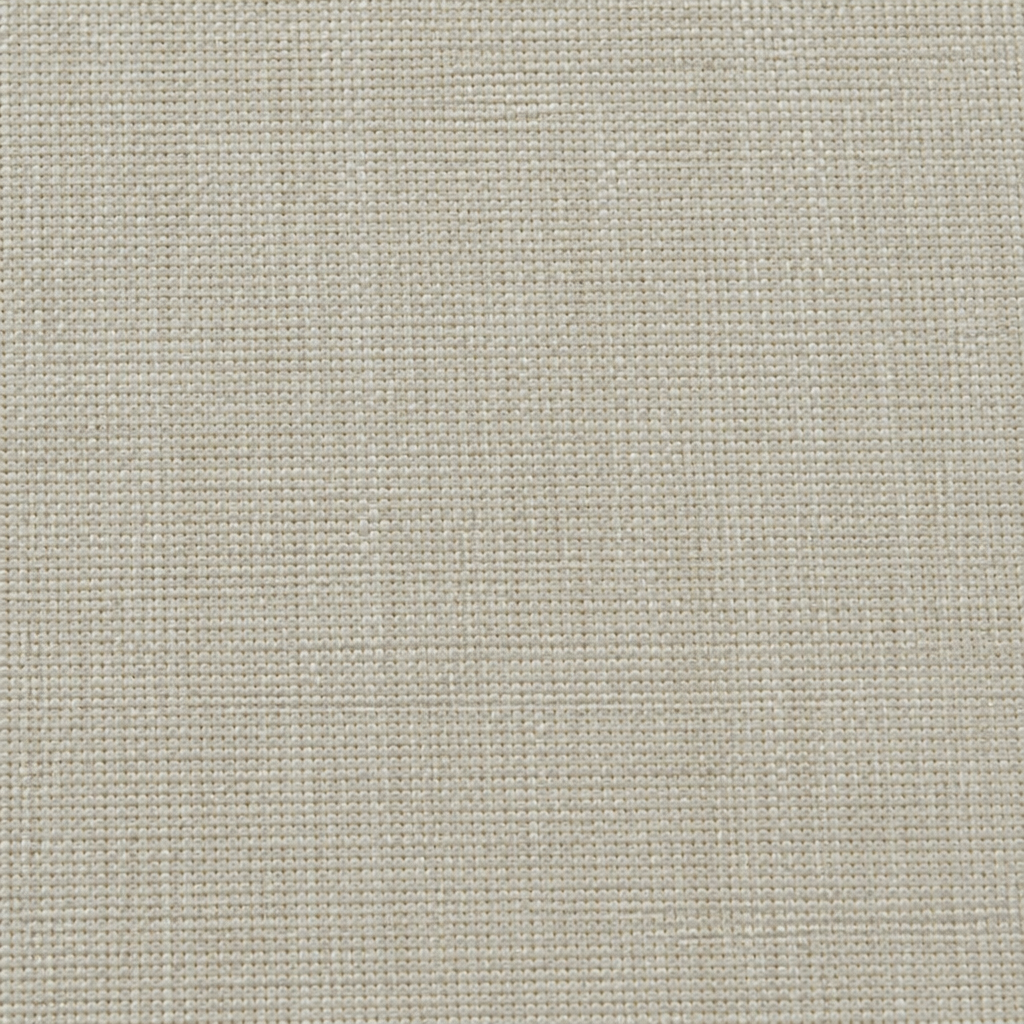
1830×3660 mm Light Beige Gray Waterproof Fire-Resistant Decorative Laminate Sheet
Large-format decorative HPL for wall cladding, lift interiors and furniture where pale neutral tones and clean joints are required.
View product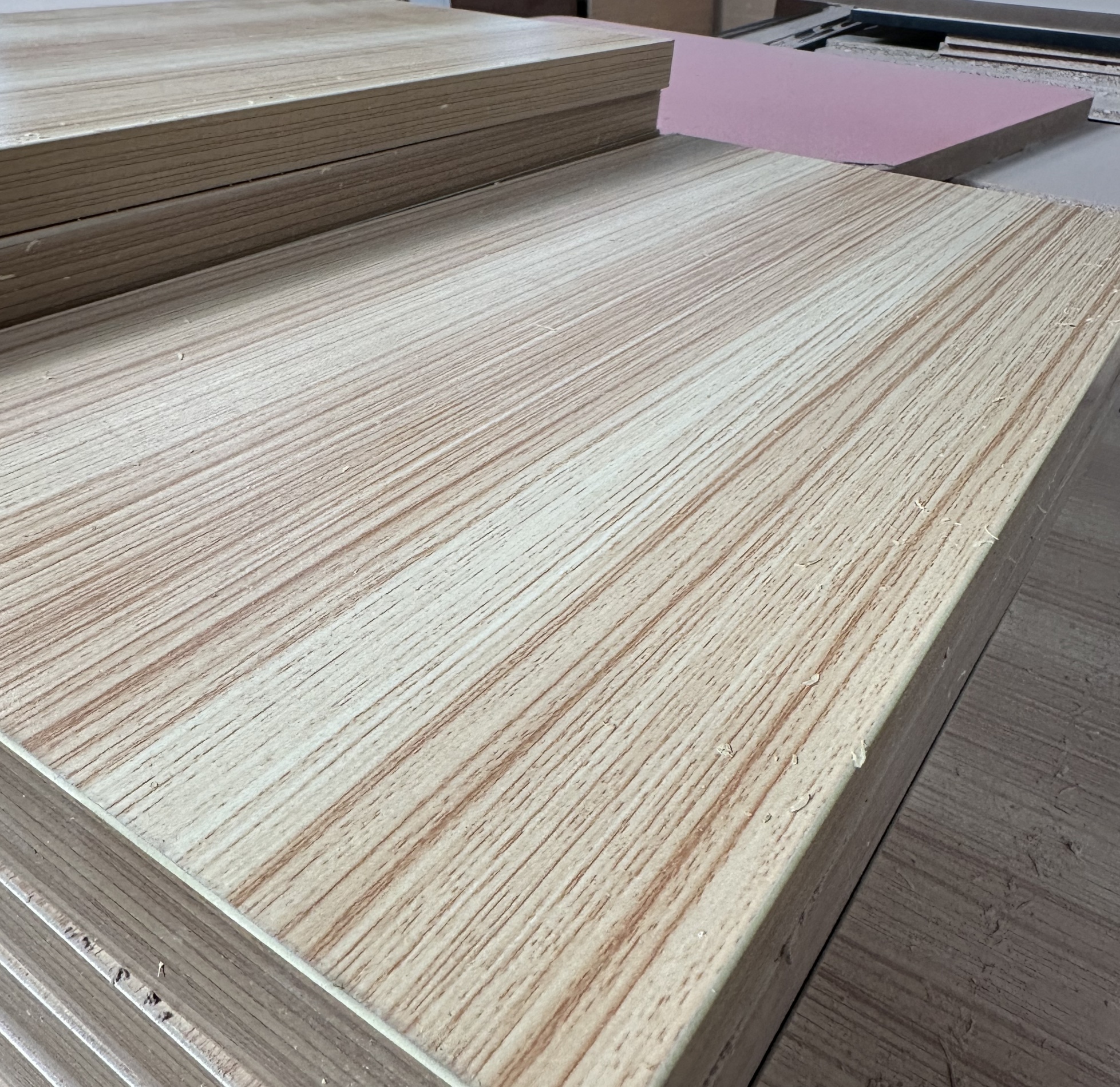
Stock HPL Wear-resistant Laminate HPL Plywood for Kitchen Cabinets
Wear-resistant laminated plywood for kitchen carcases, doors and fit-out components that need a durable decorative surface.
View product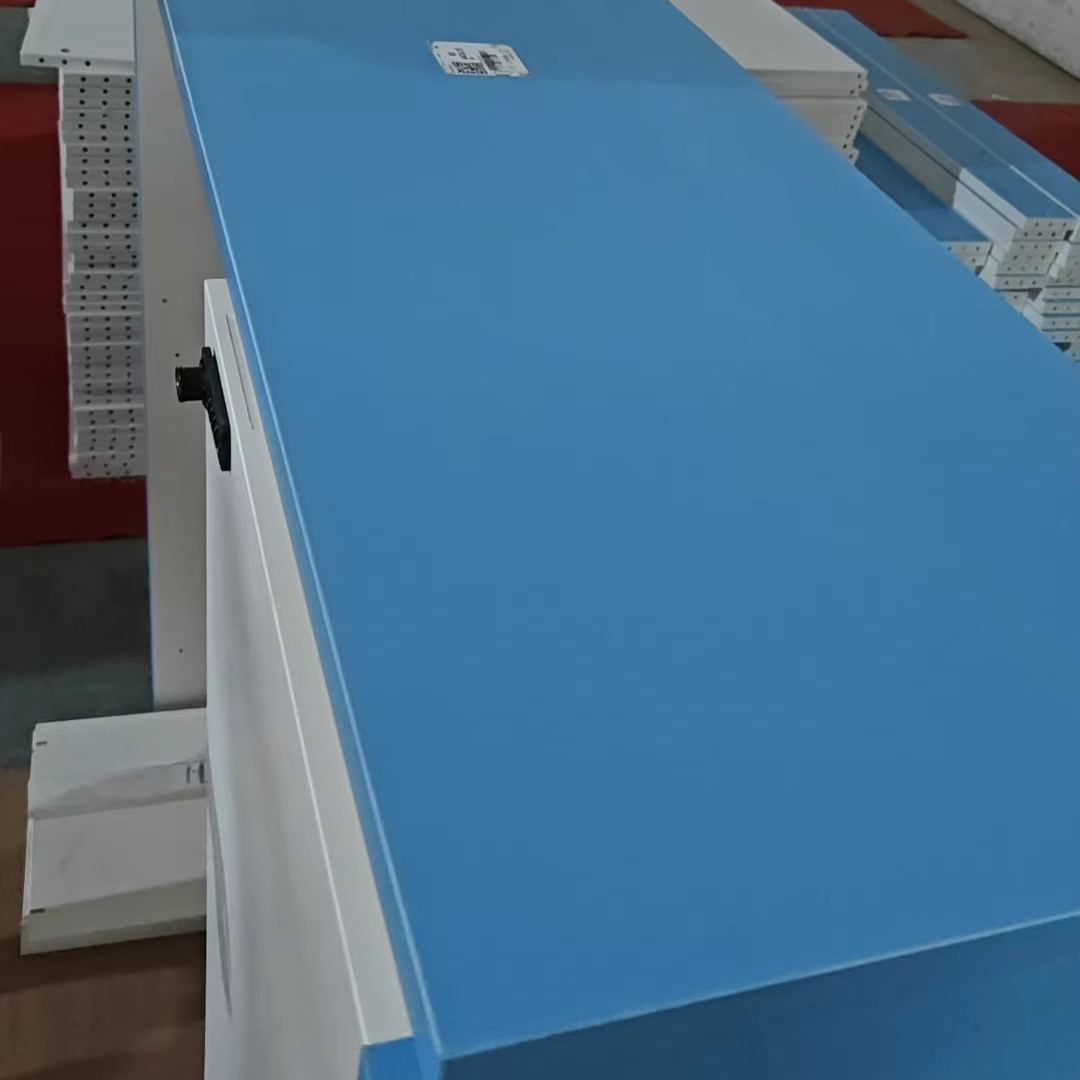
Linyi HPL Melamine Board Plywood Sheet 18 mm / 15 mm for Furniture
Melamine-laminated plywood for furniture programmes, shelving and interior fit-out where consistent board thickness matters.
View product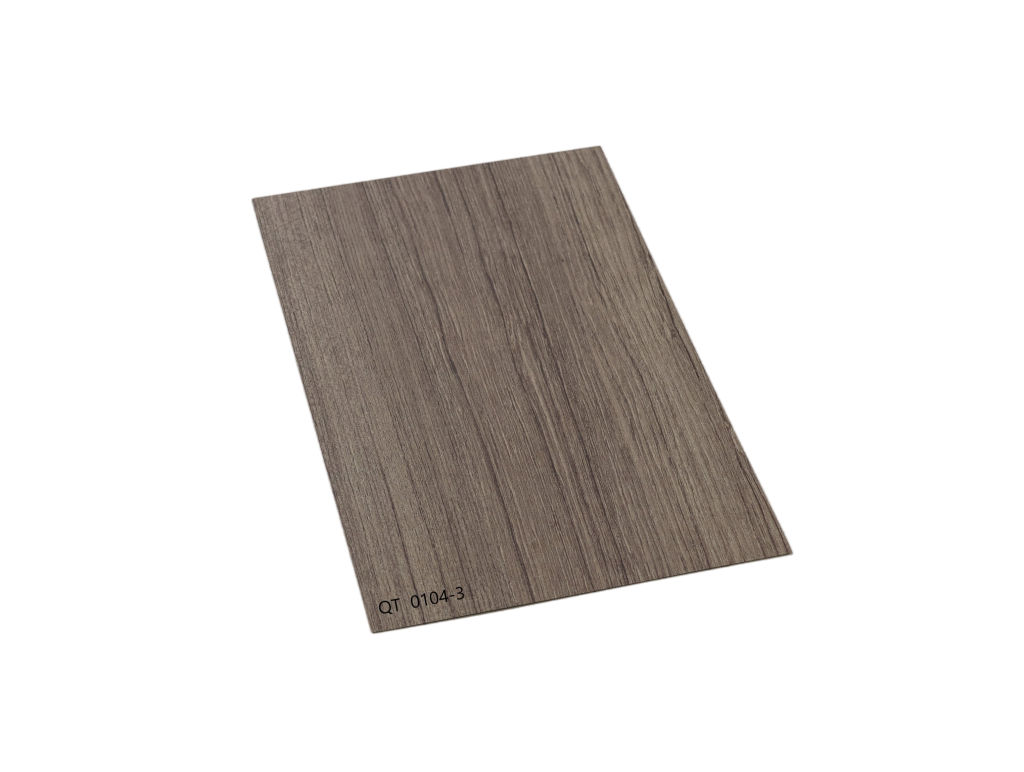
Wood Grain HPL Decorative Laminate Sheet for Cabinets and Interior Walls
A warm wood-effect decorative laminate for cabinet fronts, wall panelling and joinery where a natural appearance is required.
View product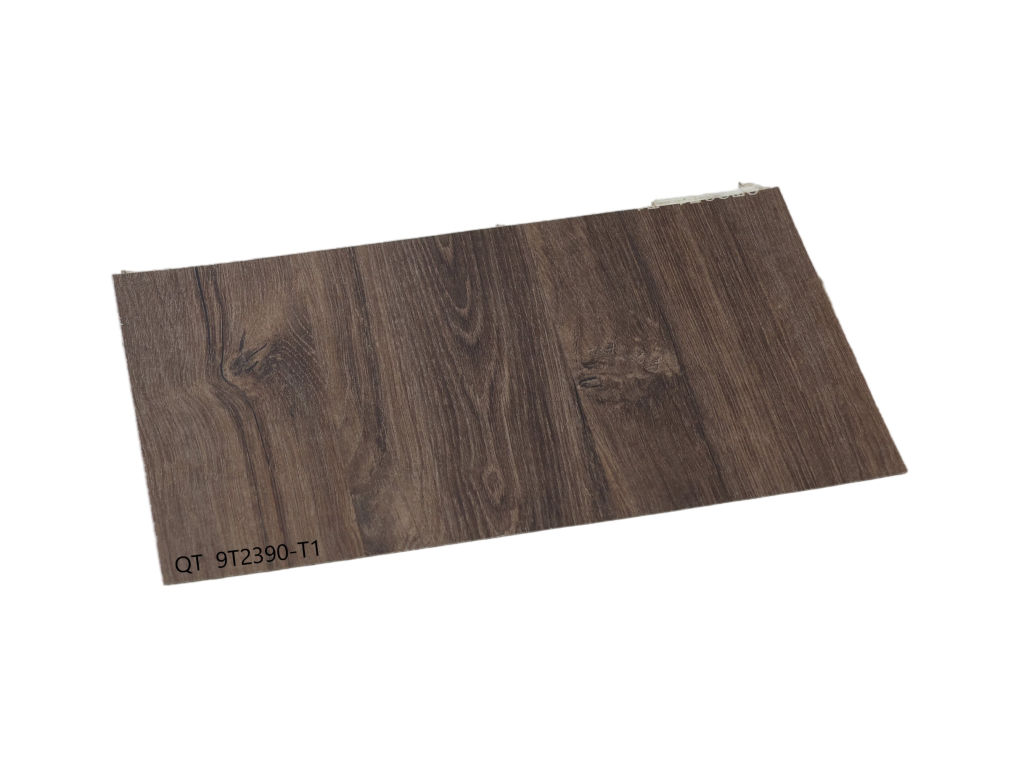
Dark Brown Decorative Panel HPL Sheet QT 9T2390-T1 for Interior Wall Cladding
Dark brown decorative HPL for feature walls, reception areas and furniture details requiring a deeper, premium finish.
View product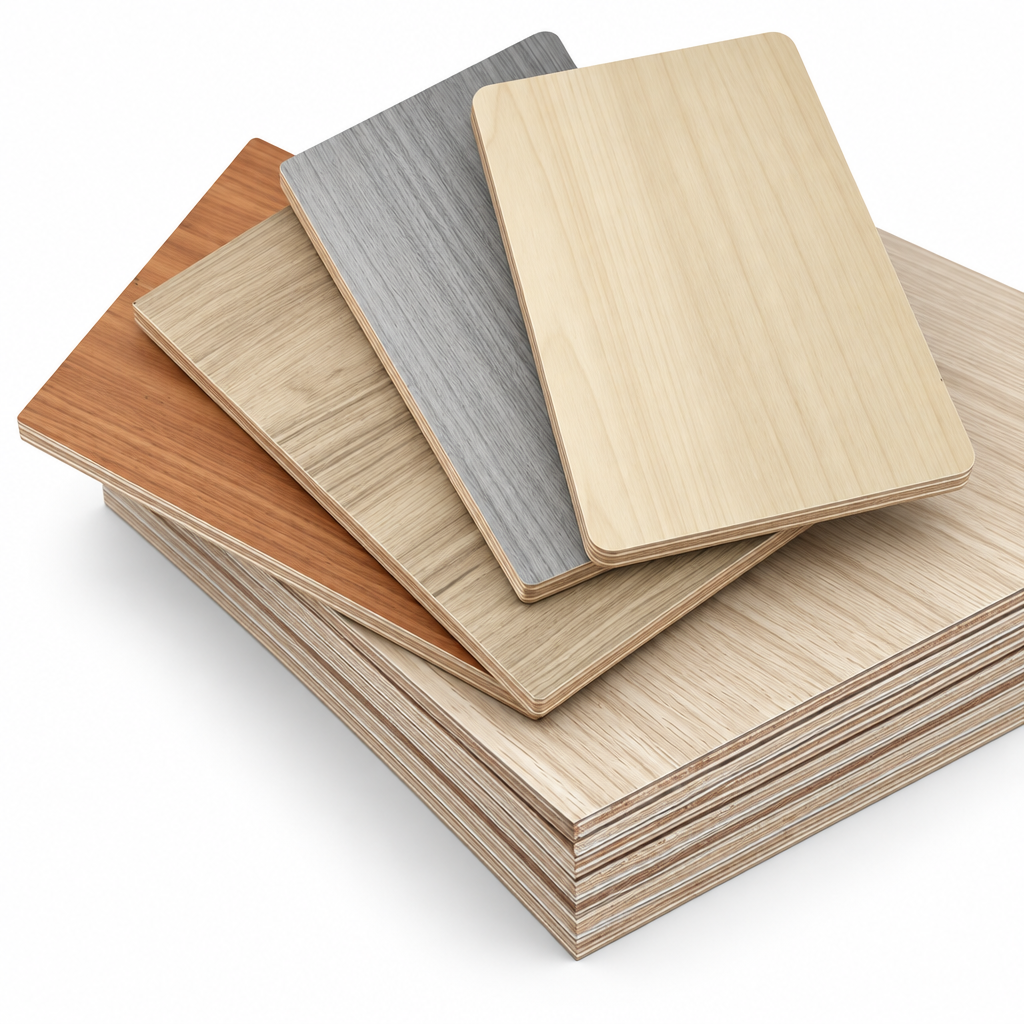
Factory Direct Wood Grain Decorative HPL Sheets for Furniture and Wall Cladding
Decorative high-pressure laminate sheets for furniture factories, distributors and interior contractors seeking wood-grain consistency.
View product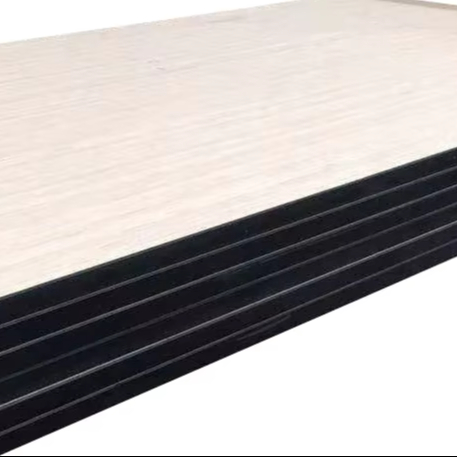
1220×2440 mm & 1300×2800 mm HPL Plywood / Black MDF for Cabinet Projects
HPL-faced plywood and black MDF options for bathroom cabinets, retail units and project furniture requiring a dark surface.
View product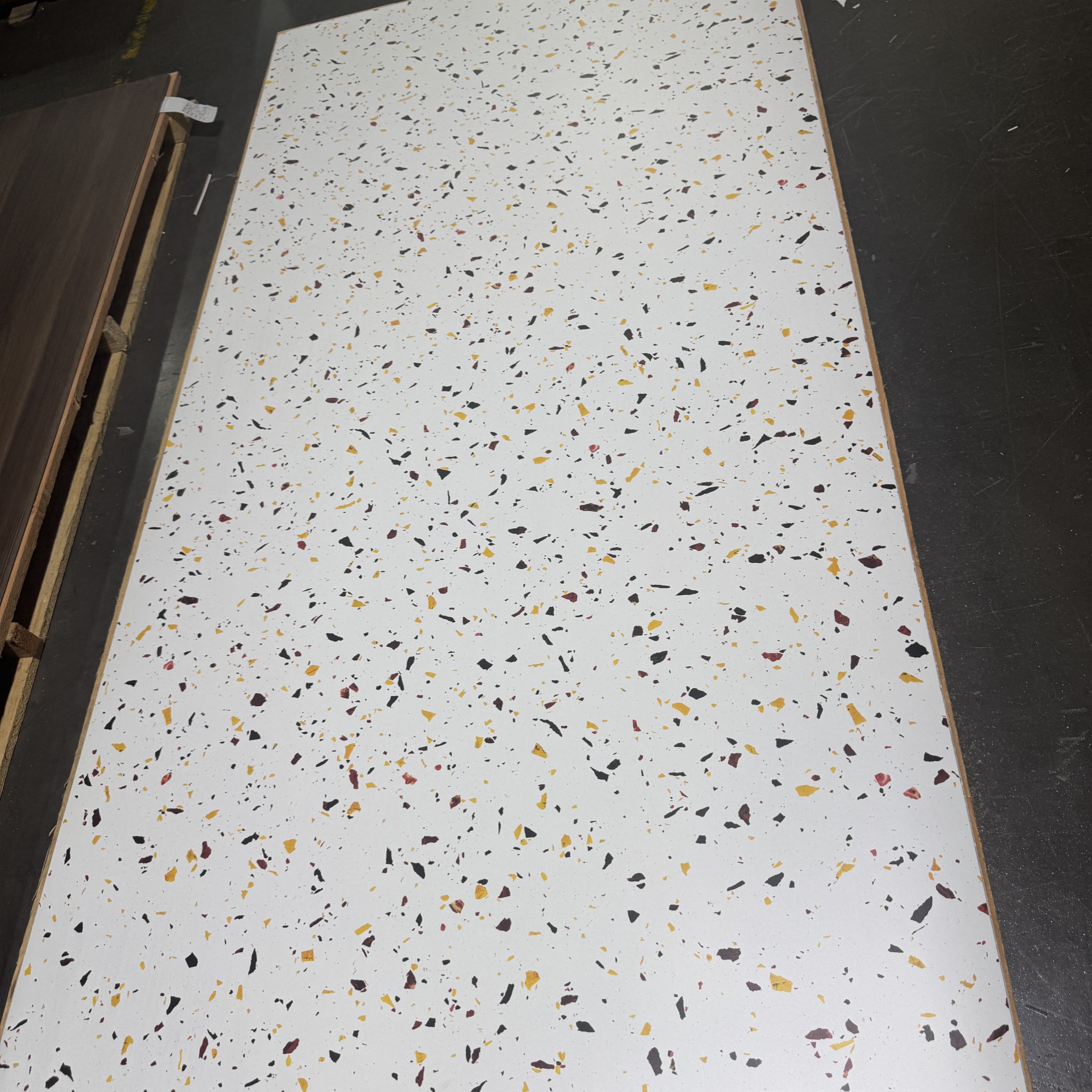
Fire-Resistant Double-Sided HPL Plywood Panel E0 Polished Surface 1220×2440 mm
Double-sided decorative HPL plywood with E0 low-emission options for institutional furniture, cabinets and indoor fit-out.
View productYears in industry
Wood-panel sourcing experience in Linyi, the major Chinese panel cluster.
Dedicated staff
A focused export team handling specifications, documents and loading follow-up.
Buyer rating
Buyer feedback shown in the verified company profile supports direct communication.
Years Gold Supplier
Third-party verification and long-term platform records support B2B due diligence.
What German Buyers Are Really Comparing When They Search for Compact Laminate Suppliers
German procurement intent is rarely limited to the cheapest panel per square metre. The real question is whether the supplier can connect product performance, documentation and shipment reliability.
A search for compact laminate panels manufacturers and wholesalers serving Germany usually sits inside a live project: a sanitary partition package for a school, a laboratory worktop tender, a hotel refurbishment, a kitchen-cabinet programme, or an exterior cladding mock-up. The buyer needs a supplier who can connect a decor code with a technical data set, packing method, delivery window and documentary evidence. That is why this guide separates the evaluation into three layers: material performance, German-market documentation and supply-chain reliability.
HPL and compact laminate are frequently grouped in conversation, but they are not interchangeable. Decorative HPL is a thin surface laminate, often around 0.7 mm, bonded to MDF, particle board or plywood. Compact laminate is a self-supporting phenolic panel, commonly 3–20 mm thick, used without a substrate. For toilet partitions, table tops and laboratory worktops, the structural behaviour of compact laminate is the reason it is specified. For kitchen fronts, furniture and wall panelling, decorative HPL on a suitable substrate may deliver the right balance of design, weight and cost.
Fipdm’s role is equally important to understand. Linyi Fipdm Import And Export Co., Ltd. is a verified trading company and multispecialty supplier based in Linyi, Shandong, China’s largest wood-based panel cluster. We coordinate vetted partner mills, inspect materials on site, inspect finished boards before loading, and consolidate HPL, compact laminate, MDF, plywood, LVL and door cores into managed shipments. This is not a claim that every board is made inside one factory; it is a transparent model designed to give German importers, distributors and project buyers one accountable contact across several product families.
Three checks that separate a trusted supplier from a low-cost listing
- Can the supplier match a decor to the correct substrate, thickness, finish and application?
- Can the supplier explain which fire, emission and material documents apply to the exact product?
- Can the supplier show loading photos, packing details and inspection records before shipment?
- Can several product families be consolidated without losing traceability between mills?
For German teams, the strongest supplier is the one that can answer a simple question with evidence: “Can you show me the surface, thickness, fire documentation, emission grade, packing and loading record for this exact order?” The rest of this guide is written around that standard. Where a project requires DIN EN 438, EN 13501-1 fire classification, REACH declarations, E1/E0 formaldehyde grades or CE/DoP documentation, the final evidence must be confirmed against the exact product and current project specification. Our export team can coordinate the available data sheets and test reports from the selected partner mill.
Need a specification review before you shortlist a panel?
Contact UsWhere Compact Laminate and HPL Panels Are Used Across Germany
German buyers rarely purchase a panel as an isolated object. They specify it for a building type, cleaning regime, installation method and service life. These are the application areas that generate the most practical sourcing questions.
Public sanitary partitions and lockers
Solid compact laminate is widely considered for toilet cubicles in schools, sports facilities, railway stations, hospitals and office buildings. The panel must tolerate moisture, impact and repeated cleaning while retaining a consistent edge finish. For German public projects, the buyer should confirm the fixing system, hardware compatibility and fire documentation for the selected compact grade before approval.
Wet areas / high trafficLaboratories and chemical worktops
Chemical-resistant compact laminate is used for laboratory worktops, benches and technical surfaces in universities, hospital laboratories, industrial quality-control rooms and research facilities. Resistance depends on the specific chemical, concentration, temperature and cleaning agent. German buyers should request a chemical-resistance table for the exact grade and verify it with the laboratory operator or safety team.
Chemical resistanceHealthcare, clinics and education
Hygienic wall panels, compact worktops, cabinet fronts and furniture surfaces are common in clinics, care homes, schools and training centres. The buying team usually wants easy-clean surfaces, robust impact resistance and low-emission boards. E1 or E0 formaldehyde grades may be requested for MDF and plywood components, depending on the furniture specification and the documentation path chosen by the project.
Hygiene / low emissionHospitality table tops and bar counters
Restaurants, hotels, cafés, canteens and visitor centres specify compact laminate table tops and HPL furniture surfaces because they are waterproof, easy to clean and available in solid colours and wood-grain finishes. The practical buying questions are scratch resistance, edge treatment, table-top thickness, fixing detail and the replacement programme for damaged units in high-traffic areas.
Hospitality / furnitureKitchen, bathroom and furniture programmes
German kitchen studios, bathroom-furniture makers and contract furniture producers use HPL-faced plywood, MDF and melamine boards for cabinets, doors, drawers and vanity units. For these applications, the right question is not simply “HPL or compact?” but which substrate, adhesive, surface finish and emission grade will satisfy the end user. Mixed loads of HPL plywood, MDF and decorative HPL can help a distributor maintain one stock programme.
Furniture / cabinetryExterior façade and balcony cladding
Exterior HPL is selected for ventilated rainscreen façades, balcony soffits, entrance features and outdoor furniture. In Germany, weather exposure, UV stability, fixing design and rear ventilation are as important as the decorative surface. Our team supports project buyers with panel format, surface direction, expansion gaps and installation guidance, while the final façade design should always be reviewed with the responsible engineer and system supplier.
Exterior / UV exposureProcurement Signals Shaping Compact Laminate Demand in Germany
The German market rewards suppliers who can support compliance, durability, lower project risk and efficient mixed-container supply rather than simply quoting a lower square-metre price.
Documentation before decoration
German buyers increasingly shortlist suppliers only after confirming which test reports, fire performance data and material declarations can be supplied. Decorative choice comes next. A supplier that cannot explain the difference between a product data sheet, a test report and a project-specific declaration creates risk for the buyer.
E1 / E0 expectations in furniture
For MDF and plywood used in furniture, fit-out and interiors, German buyers often request E1 or E0 formaldehyde emission grades depending on the product line and project specification. The smart sourcing approach is to state the destination market, application and required grade at inquiry stage so the correct board and documentation can be matched before sampling.
Durable surfaces for modular fit-out
Schools, clinics, transport buildings and hospitality projects need surfaces that can survive intensive use and repeated cleaning. Compact laminate and HPL reduce replacement frequency when the correct grade is selected. Designers are also asking for wood-grain, matt and textured finishes that keep public spaces visually warm without sacrificing cleanability.
Mixed loads and staged deliveries
Distributors and project buyers want fewer suppliers without losing product variety. Combining compact laminate, HPL, HPL plywood, MDF and door cores in one container improves freight efficiency and reduces administrative load. For German customers, packaging quality, loading photos and clear document handover matter as much as the panel itself.
HPL vs Compact Laminate: A Practical Specification Guide
Use this reference to align the panel family with the application before requesting samples. Final thickness, fire class and emission grade must be confirmed against the exact project requirement.
| Panel type | Typical thickness / format | Composition and behaviour | Best-fit German applications | Procurement note |
|---|---|---|---|---|
| Decorative HPL sheet | Around 0.7 mm; common 4×8 ft sheets | Thin high-pressure decorative laminate bonded to MDF, particle board or plywood | Kitchen fronts, cabinet doors, wall panels, furniture surfaces | Confirm substrate, adhesive, finish and postforming requirements together |
| Compact laminate | 3–20 mm; 12 mm often used for partitions | Self-supporting phenolic core; waterproof, impact-resistant, no substrate | Toilet partitions, lockers, table tops, shower cubicles, public furniture | Check fixing hardware, edge detail and fire documentation for the grade |
| Chemical-resistant compact laminate | Common project thicknesses such as 12 mm | Compact phenolic panel formulated for laboratory and technical surfaces | University labs, hospital laboratories, industrial QC benches | Request resistance data for the specific chemicals and cleaning agents |
| HPL plywood | 9–25 mm; 1220×2440 mm and larger formats | HPL surface on plywood core for structural or furniture use | Cabinets, bathroom furniture, kitchen carcases, shop fit-out | Specify core, glue line, E1/E0 grade and face/back balance |
| HPL MDF / melamine board | 15 mm, 18 mm and project-specific sizes | Decorative surface on MDF or melamine-faced board | Furniture, shelving, interior doors, retail displays | Confirm moisture resistance, edge banding and formaldehyde class |
| Exterior HPL | Thin cladding sheets and composite formats | Weather and UV-resistant exterior laminate for ventilated systems | Façades, balconies, entrance features, outdoor furniture | Review fixing system, rear ventilation, expansion gaps and engineer approval |
This matrix is a sourcing aid, not a substitute for the final project specification. Ask for current product data sheets and applicable test reports before approval.
A Sourcing Model Built for German B2B Expectations
Fipdm combines Linyi panel-cluster access with inspection, consolidation and export follow-up, giving buyers a practical alternative to managing several disconnected mills.


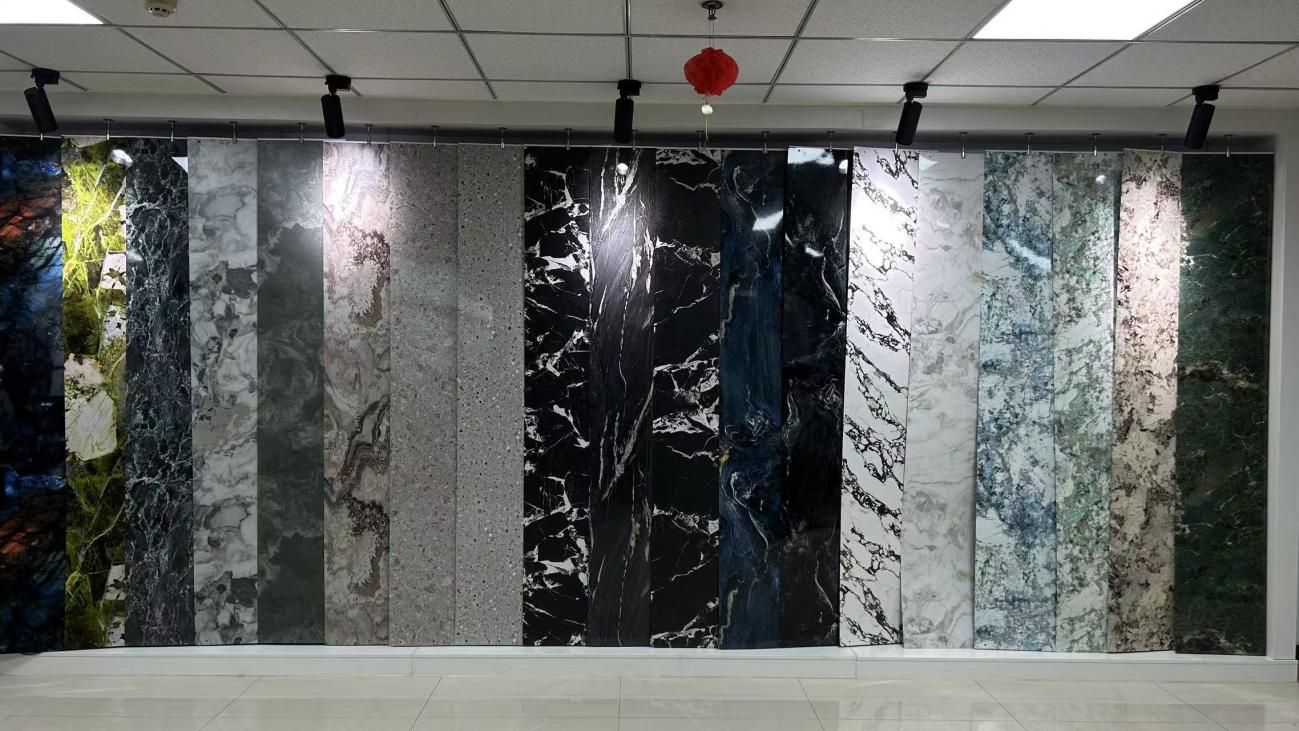
Linyi Fipdm Import And Export Co., Ltd. is a verified trading company and multispecialty supplier based in Linyi, Shandong. Our profile reflects 9 years in industry, 8 dedicated staff, a 5.0 buyer rating and 4 years as a Gold Supplier, together with a #4 top-selling supplier ranking in the Plywoods category shown in the original verified profile. For German buyers, these signals are not a substitute for product-level due diligence, but they do support the first stage of supplier screening.
Our strongest operational advantage is the ability to coordinate different board families without pretending that every product comes from one production line. We work with vetted partner mills, apply supplier assessment procedures, inspect raw materials on site, inspect finished products before loading, and share loading records. That model helps importers, distributors, furniture factories and project buyers reduce supplier count while keeping product-specific traceability. For a German customer comparing compact laminate manufacturers and wholesalers, this distinction should be explicit: you are choosing a supply-chain partner that can document what was selected, what was inspected and what was shipped.
Linyi cluster access
Direct access to a broad wood-based panel cluster helps match compact laminate, HPL, MDF, plywood and LVL requirements within one sourcing conversation.
Two-stage quality control
Material checks at the partner mill and finished-board inspection for thickness, surface, edges and packing before loading. This reduces surprises at the German buyer’s warehouse.
Mixed-load consolidation
Combine HPL, compact laminate, HPL plywood, MDF, LVL and door cores in one shipment to reduce freight cost and supplier administration.
Customization and ODM
Minor customization for logo, packaging and graphics, plus sample-based, design-based, full customization and ODM support for distributors building their own range.
Technical support
Engineer support for installation guidance on cladding, partition and furniture projects, with practical questions translated into product specifications.
Export-ready logistics
Export documentation, seaworthy pallet packing and loading photos shared with the shipment. Buyers know what was packed and how the container was loaded.
From German Specification to Container Loading
A clear process reduces ambiguity between the buyer’s technical team, the partner mill and the export team.
Share the application
Tell us whether the panel is for sanitary partitions, furniture, laboratory worktops, wall cladding or exterior use, and include the target German standard.
Shortlist panel and finish
Match compact laminate, HPL, HPL plywood or MDF with the right thickness, decor, texture and performance route.
Confirm sample and data
Review the surface sample, technical data and available test reports before locking the production specification.
Check incoming materials
Partner-mill material checks focus on board type, surface, thickness and the agreed production details.
Inspect finished boards
Finished-product inspection reviews surface condition, edges, packing and order consistency before loading.
Load, document and follow up
Loading photos, export documents and shipment follow-up give the German buyer a traceable handover.
Questions German Importers Ask Before Ordering
These are the practical questions that arise during supplier comparison, sampling and purchase-order preparation.
Are you a manufacturer or a trading company?
Linyi Fipdm Import And Export Co., Ltd. is a verified trading company and multispecialty supplier. We coordinate vetted partner mills in Linyi, run on-site material inspection and finished-product inspection, and provide one accountable contact across several product families. This model is designed for buyers who need flexibility across HPL, compact laminate, MDF, plywood and LVL without managing many separate suppliers.
What supporting documents can German buyers review before ordering?
Depending on the product and project, we can coordinate current product data sheets, test reports, material declarations, packing details and loading photos from the selected partner mill. For German projects, the buyer should state the required standard at inquiry stage, such as a specific fire classification, E1/E0 formaldehyde grade, REACH declaration or other project-specific requirement. Final compliance must always be confirmed against the exact product and current project specification.
How do I choose between HPL and compact laminate?
Choose decorative HPL when you need a thin decorative surface bonded to MDF, particle board or plywood for furniture, cabinets or wall panels. Choose compact laminate when the panel must be self-supporting, waterproof and impact-resistant without a substrate, such as toilet partitions, lockers, laboratory worktops or table tops. The application, fixing method and cleaning regime should determine the panel family before price comparison.
Which compact laminate thickness should I consider for toilet partitions?
Around 12 mm is a commonly discussed thickness for compact laminate sanitary partitions, but the final choice depends on the cubicle system, hardware, span, fixing detail and the project specification. For German public projects, the responsible designer should confirm the structural and fire requirements before the panel is ordered.
Can you supply low-emission E1 or E0 boards for German furniture projects?
MDF and plywood are available in E1 and E0 emission grades depending on the product line. Please specify the destination market, application and required formaldehyde class when you send the inquiry so the correct board and documentation route can be matched before sampling.
Can I mix compact laminate, HPL, MDF and plywood in one container?
Yes. Mixed loads are a core part of our service. Combining different board families in one shipment helps importers and distributors reach container efficiency without opening several purchase orders with separate suppliers. We keep product-specific packing and inspection records so the mixed load remains traceable.
Can sizes, colours, textures and packaging be customized?
We offer minor customization for logo, packaging and graphics, as well as sample-based, design-based and full customization plus ODM services. Customization should be discussed together with the target market, order quantity and technical requirements so that the finished product remains practical for production and shipping.
How do you control quality before shipment?
Our process uses two-stage quality control: material checks at the partner mill and finished-product inspection before loading. The check covers the agreed board type, surface, thickness, edges, packing and order consistency. Loading photos are shared so the buyer can see how the shipment was prepared and loaded.
How should I prepare an inquiry for a German project?
Include the application, panel family, preferred decor or texture, thickness, dimensions, quantity, destination town or port in Germany, required delivery window and any target documents such as fire classification, E1/E0 emission grade or REACH declaration. If you have drawings, hardware details or an installation method, include them. That information lets the export team respond with a matched panel option instead of a generic price list.
Request a German-Market Specification Review
Send your compact laminate application, decor direction, thickness, target standard and delivery destination in Germany. The export team will reply with matched panel options, available documentation and a practical quotation route.
Email: info@fipdmplywoods.com