Top China Tubular Chipboard Door Factories & Supplier in London
A 2025 procurement white paper for London contractors, joiners, specifiers and importers comparing tubular chipboard door cores, HPL door faces, plywood substrates, factory vetting, fire-door documentation, lead times and landed cost.
8 Door-Project Products Recommended for London Buyers
The banner is followed by eight catalogue examples that door fabricators, joiners, shopfitters and importers commonly review alongside tubular chipboard door cores. These products cover decorative HPL faces, plywood skins, melamine boards and HPL-laminated substrates. Each product URL is preserved exactly as supplied.
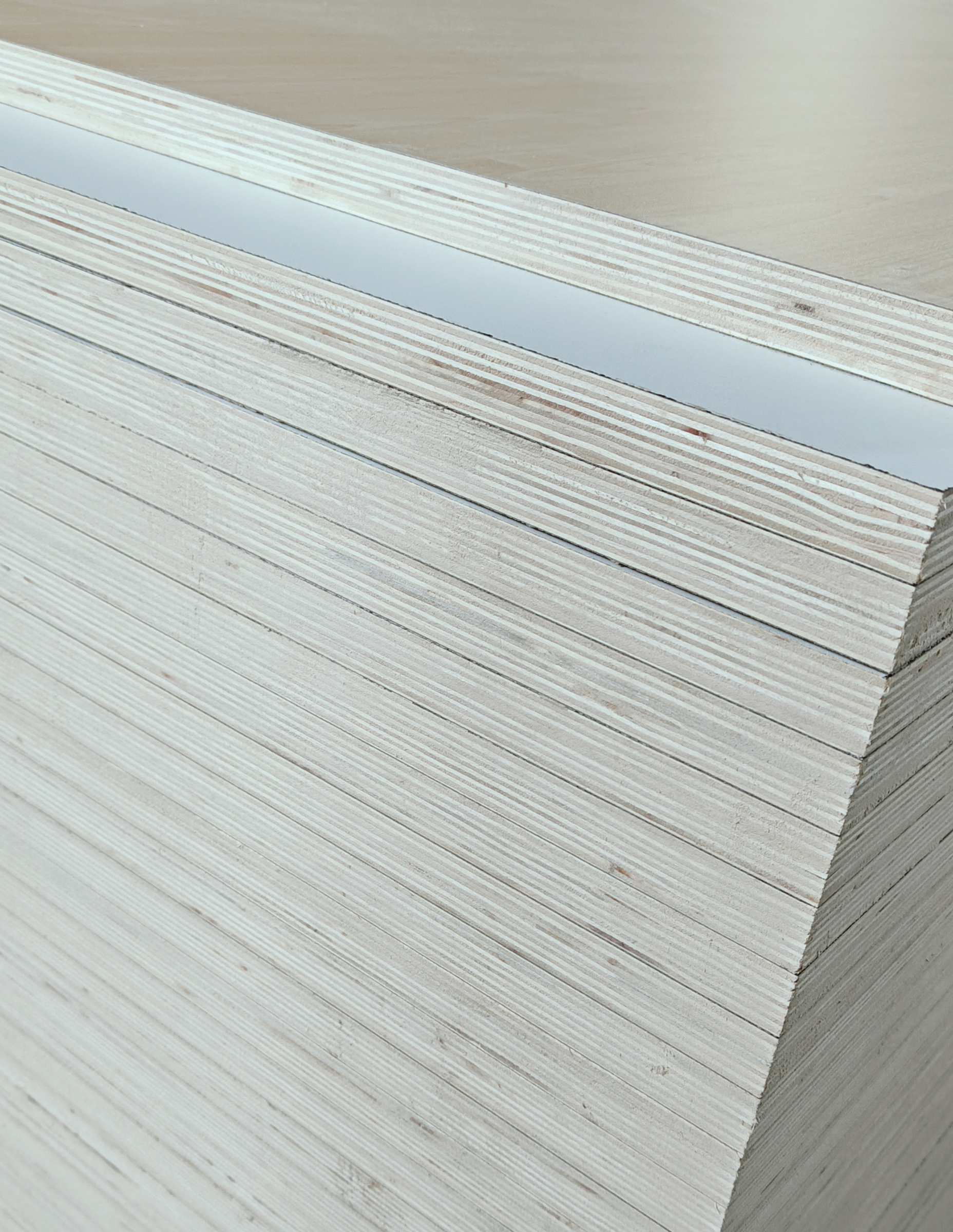
Modern Design Chinese Marine HPL Poplar Plywood E0 Fire Resistant Sanded Surface 4X8 15mm
Sanded marine HPL poplar plywood for door blanks, bathroom linings and joinery where moisture and surface durability are important.
View Product →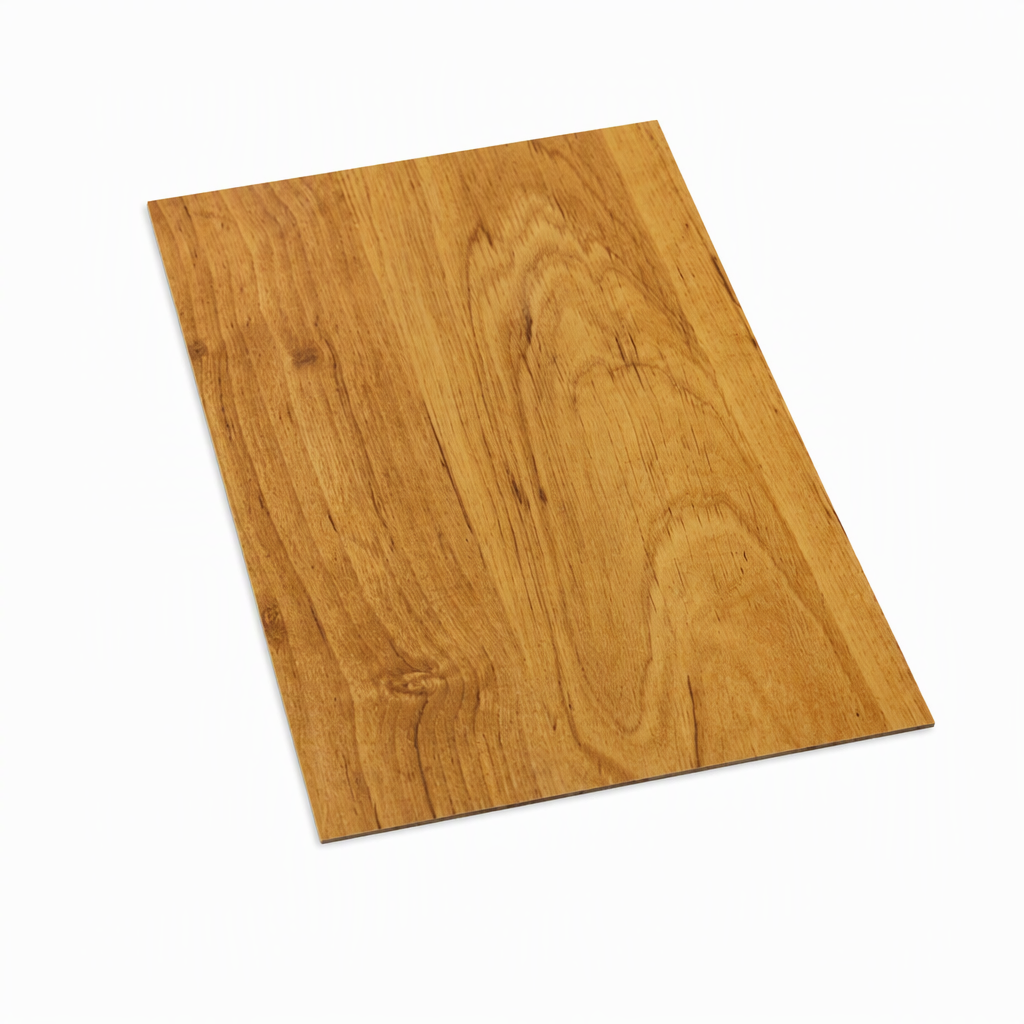
0.6mm Brown Wood Grain HPL Decorative Laminate Sheet for Hotel Cabinet and Wall Panels
Waterproof, fire-resistant decorative HPL face for hotel cabinet doors, wall panels and contract interior door skins.
View Product →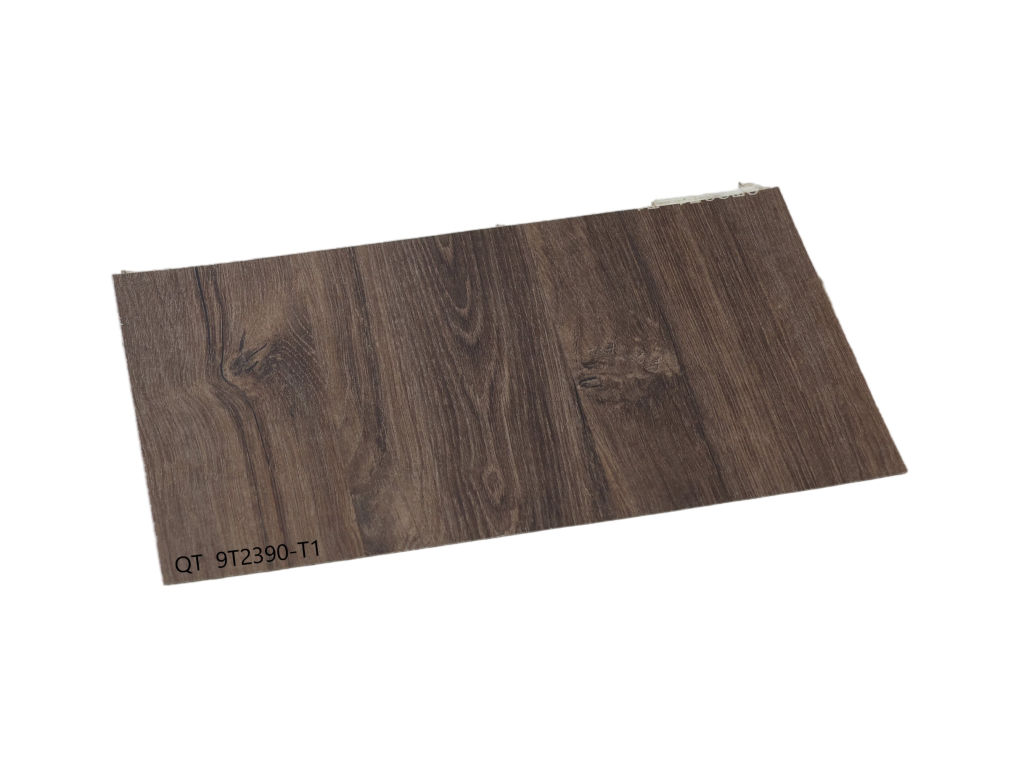
Dark Brown Decorative Panel HPL Sheet QT 9T2390-T1 Interior Wall Cladding
Dark brown decorative HPL for lift lobbies, feature wall panels and contrast door faces in London fit-out schemes.
View Product →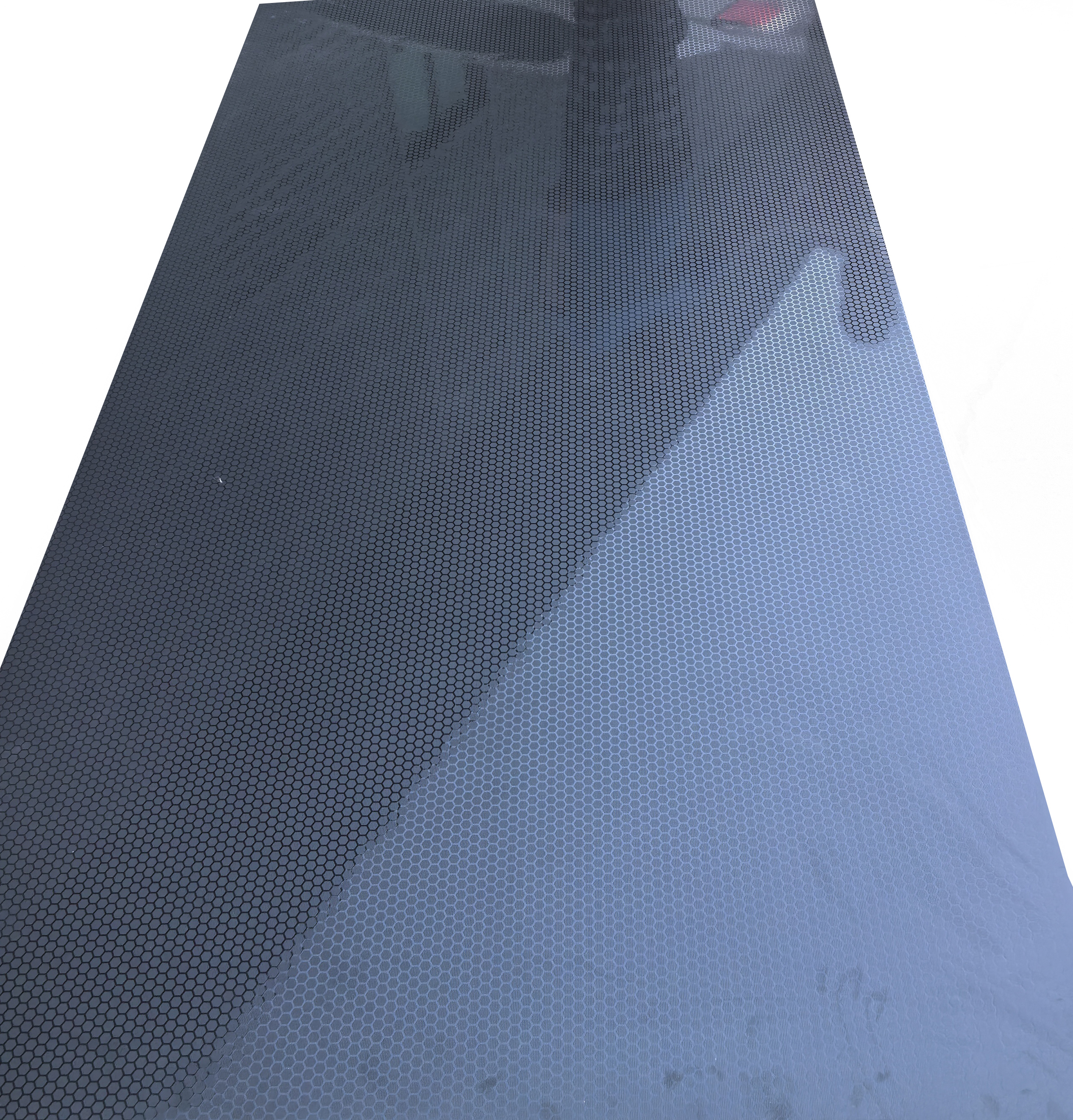
Factory Wholesale 18mm HPL Film Melamine Plywood E0 Standard Birch Laminated Plywood
Birch laminated plywood for cabinet carcases, door blanks and furniture components requiring a stable core.
View Product →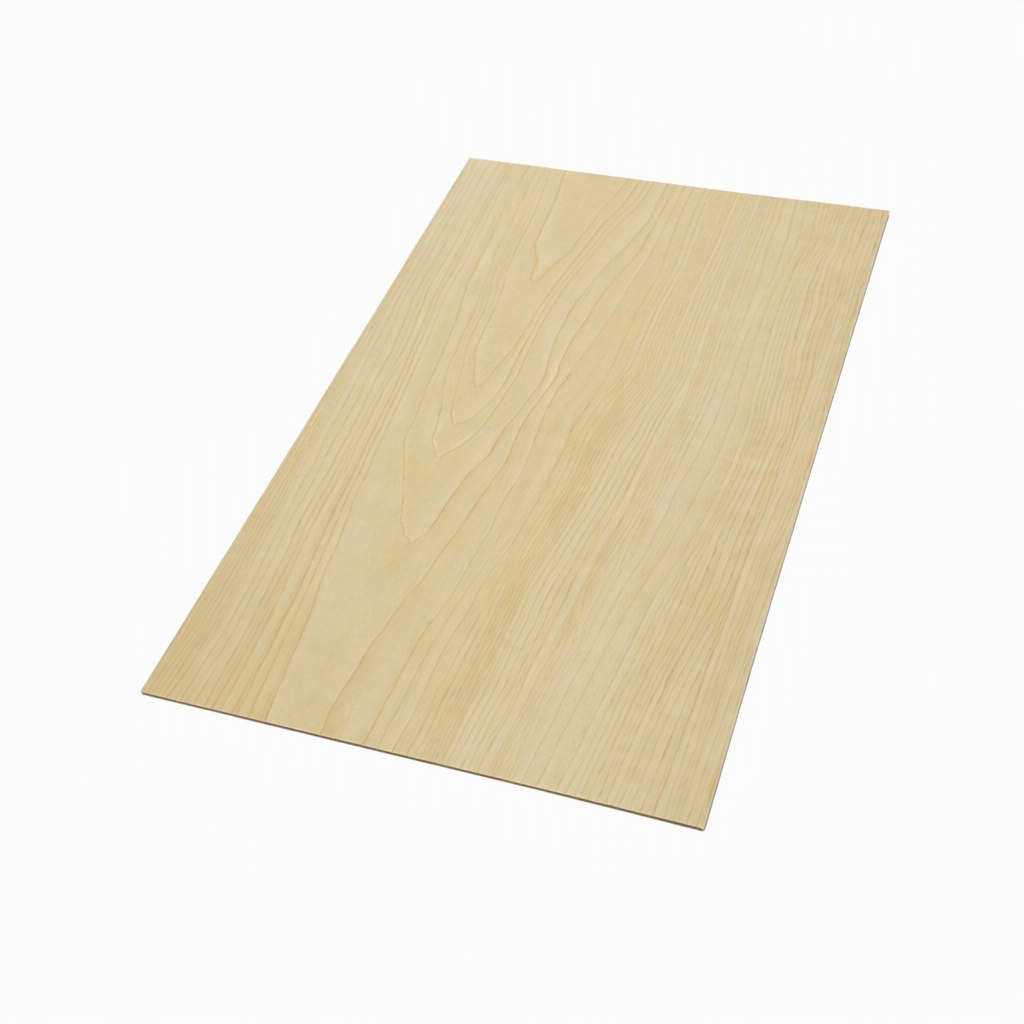
0.7mm Light Wood Grain High Pressure Laminate HPL Decorative Panel for Wall and Furniture
Light wood-grain HPL for wardrobe doors, reception joinery and soft-contract interiors where visual consistency matters.
View Product →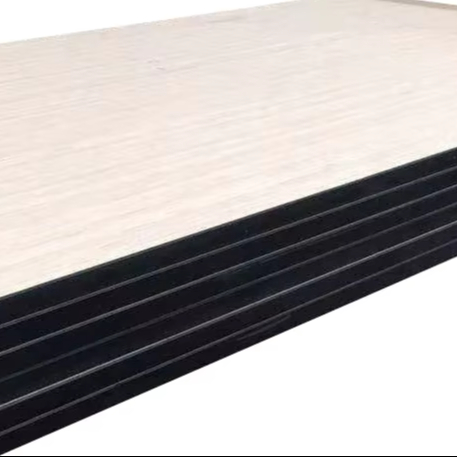
Best Price 1220x2440mm 1300X2800MM HPL Plywood HPL Laminate Black MDF for Bathroom Cabinets
Black HPL laminated plywood and MDF for bathroom cabinets, vanity units, dark contrast doors and commercial washrooms.
View Product →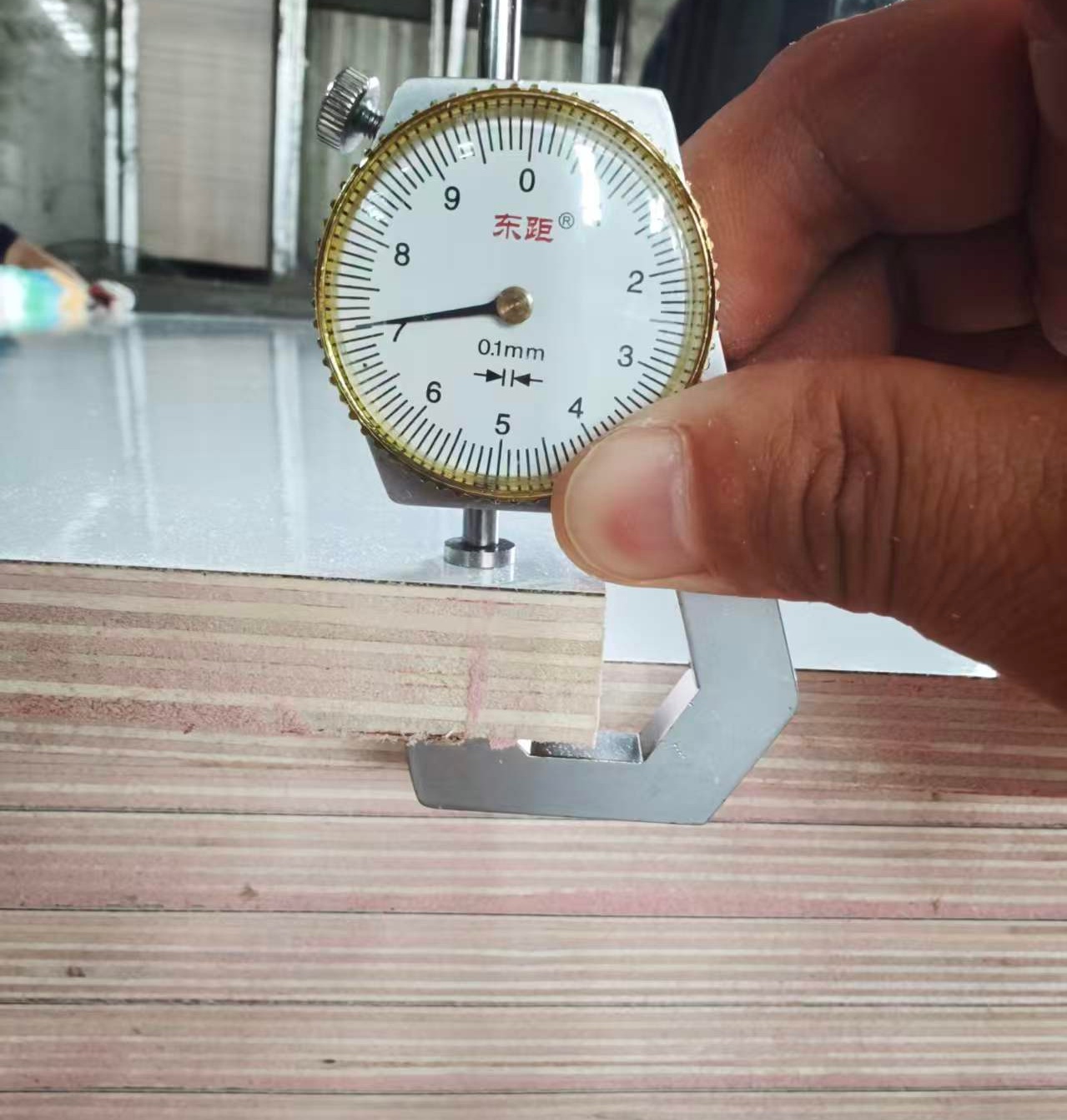
HPL Plywood Decorative Panels Stock HPL for Furniture Veneer
Stock decorative HPL plywood panels for furniture veneer, door facings, shelving and fast-moving contract joinery.
View Product →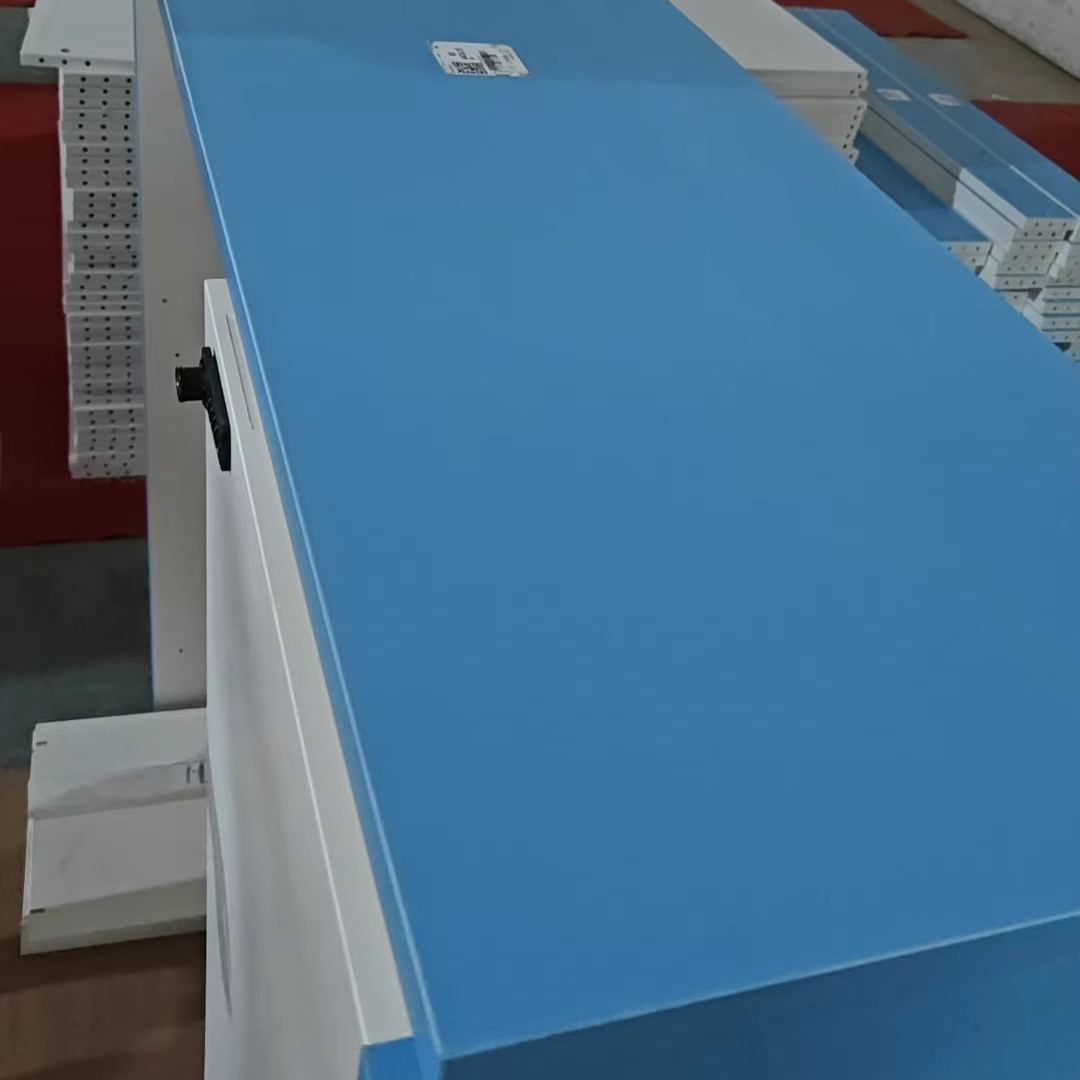
Linyi HPL Melamine Board Plywood Sheet 18mm 15mm HPL Laminated Furniture Board
Melamine and HPL laminated furniture board for interior doors, wardrobes, cabinets and cost-controlled London projects.
View Product →What London Buyers Actually Need Before Sourcing Tubular Chipboard Door Cores
The phrase “Top China tubular chipboard door factories & supplier in London” combines several distinct buying journeys. It is not a single consumer query. A London joinery may be searching for 33 mm, 38 mm or 44 mm tubular core boards for contract doors. A main contractor may need fire-door assembly evidence. An importer may want a mixed container of door cores, HPL faces and plywood skins. An architect may care about formaldehyde, responsible sourcing and finish consistency. Each intent requires a different proof set.
Specification Intent
Designers and specifiers ask for core density, tube pattern, edge condition, facing material, hinge and lock-block details, fire performance of the complete door leaf, acoustic seals and finish samples. They need comparable data, not just a headline price.
Procurement Intent
Contractors and importers compare MOQ, ex-factory price, packing, container fill, shipping routes to London Gateway, Felixstowe or Southampton, lead time, payment terms and after-sales accountability. The winning supplier is usually the one that reduces total landed cost and site risk.
Compliance Intent
London buyers increasingly ask for document traceability, low-emission board options, project-specific test evidence and clear statements about what is and is not covered by supplier certification. A serious response separates material data from tested door-assembly performance.
Tubular Chipboard Door Cores in the London Market
Tubular chipboard, also described as hollow-core particle board, tubular door core or honeycomb-style chipboard core, creates a stiff but lighter door leaf than a solid particleboard core. It is edged, reinforced at hardware positions and faced with HPL, veneer, laminate or paint-ready skins. In London, the value is not simply “cheap core”; it is weight control, machining speed, installation efficiency and consistent door feel across large fit-out packages.
Residential Refurbishment
Flat and maisonette refurbishments use lightweight internal doors to reduce handling time in stairwells and corridors. Tubular cores help control leaf weight while still accepting standard hinges, locks and closers when the core specification is correct.
Hotel and Serviced Apartment Fit-Out
Guestroom doors often combine visual finish, acoustic seals, fire performance and high-cycle hardware. Door cores must be consistent across hundreds of leaves, and HPL faces must match the interior scheme without batch-to-batch colour drift.
Student Accommodation
Student schemes demand repeatable door sets, robust edges and fast replacement cycles. Lightweight tubular cores can support faster installation and lower transport weight, but hinge reinforcement and edge protection must be specified for heavy use.
Healthcare and Clinic Interiors
Healthcare doors require cleanable surfaces, impact resistance and careful coordination with access control and observation panels. Tubular cores may be suitable only where the full door assembly, hardware and seals are validated for the intended duty.
Commercial and Office Fit-Out
London office refurbishments often need fast delivery of matching door leaves, glazed screens and joinery. A lightweight core can simplify handling, but project teams still need consistent thickness, flatness and face adhesion for a premium finish.
Heritage and Conservation Projects
Where door thickness, mouldings and weight must be controlled, a tubular core can be a practical base for traditional joinery. However, conservation officers and fire consultants may require specific evidence, so early material and assembly review is essential.
Tubular Chipboard vs. Alternative Door Cores
No core type is universally best. The correct choice depends on fire strategy, acoustic target, hardware loads, moisture exposure, finish weight and the certified door assembly. Use this comparison as a procurement checklist, then validate the final door design with the responsible fire and acoustic professionals.
| Core Type | Weight Profile | Machining & Hardware | Fire / Acoustic Logic | Best-Fit London Uses | What to Verify |
|---|---|---|---|---|---|
| Tubular Chipboard | Light to medium; easier handling on multi-floor sites | Good machinability; hinge and lock areas need reinforcement | Performance depends on the complete tested door leaf, seals and hardware | Internal flat doors, hotel guestroom doors, student rooms, off-site door sets | Core density, tube pattern, edge banding, hardware blocks, assembly evidence |
| Solid Particleboard | Heavy; stronger feel but more handling risk | Very good screw-holding when density is suitable | Common in many fire-door assemblies when correctly certified | Entrance doors, fire doors, heavy-use contract doors | Density, thickness tolerance, screw pull-out, leaf mass, certification |
| Solid Timber Core | Heavy; traditional feel | Excellent for joinery and heritage detailing | Can be engineered for fire and acoustics; details matter | Heritage, premium residential, feature joinery | Moisture content, movement, timber source, finish compatibility |
| Honeycomb Paper Core | Very light | Limited hardware fixing unless locally reinforced | Not a like-for-like substitute for a tested fire door assembly | Low-duty interior doors, wardrobes, temporary partitions | Duty rating, hardware reinforcement, fire strategy, expected service life |
General procurement guidance only. Final door-core selection must follow the project specification, tested assembly, fire strategy and acoustic consultant’s requirements.
London Procurement Trends Shaping Door-Core Buying in 2025–2026
London buyers are not only asking for a lower unit price. They are asking for fewer surprises: clearer documentation, lower emission options, mixed-category consolidation, reliable packing and a supplier who understands how a door core becomes a finished, compliant door set.
Golden-Thread Traceability
Building safety expectations have pushed project teams to request clearer product records, batch references and evidence trails. Suppliers should explain what information they can provide per order.
Low-Emission Material Options
E0 and E1 formaldehyde grades are increasingly discussed for MDF and plywood components. The right grade depends on the destination market, project specification and product line.
Off-Site Door Kits
London fit-out programmes favour factory-prepared door leaves, pre-machined hardware positions and consistent finishing. Core suppliers must coordinate with face laminate, edge and hardware suppliers.
Mixed-Container Landed Cost
Smaller importers and joinery groups increasingly combine door cores, HPL faces, plywood, MDF and furniture boards in one shipment to reach efficient container utilisation without overstocking one SKU.
Priority meters are qualitative buyer-interest indicators for this article, not statistical market forecasts.
Six Checks Before You Appoint a China Tubular Chipboard Door Supplier
When a London buyer searches for “top China factories”, the real question is not simply who claims to be a factory. It is who can prove material control, consistency, documentation and accountability from the core line to the loading bay.
Clarify the Business Model
Ask whether the supplier owns production, works with partner mills or trades across multiple categories. A verified trading company can be valuable when it controls specification, inspection and consolidation, but the responsibility must be explicit.
Review the Core Line
Request details on chipboard tube geometry, density, panel thickness and edge construction. For door cores, small changes in tube pattern or density can affect weight, flatness, screw-holding and the feel of the finished leaf.
Separate Material Data from Assembly Data
A board datasheet is not the same as a fire-rated door-leaf test report. Ask which document applies to the complete door assembly, including intumescent seals, hardware, glazing and face materials where relevant.
Check Hardware Machining
Hinges, closers, locks and access-control devices create concentrated loads. Verify whether the core requires local reinforcement, what block material is used and how hinge positions are controlled in factory-prepared door kits.
Confirm Moisture and Emission Controls
For London projects, request moisture-content controls, packaging protection and the applicable E0 or E1 formaldehyde grade for MDF and plywood components. Confirm what is guaranteed per order rather than assumed from a generic brochure.
Inspect Before Loading
Pre-shipment inspection should check dimensions, squareness, surface defects, edge integrity, hardware positions, packaging and loading conditions. Loading photos and inspection records reduce disputes and support smoother site delivery.

Where Fipdm Fits in a London Door-Core Supply Chain
Linyi Fipdm Import And Export Co., Ltd. is a verified trading company and multispecialty supplier based in Linyi, Shandong, China, the largest wood-based panel cluster in the country. We are transparent about that model: we qualify partner mills, control specifications, consolidate product categories and take responsibility for inspection and export documentation before shipment.
For London buyers, that distinction matters because a tubular chipboard door programme is rarely just one board. It includes HPL faces, plywood skins, edge details, melamine boards, hardware reinforcement, packing and documentation. Fipdm’s role is to turn those components into a coordinated, inspectable supply plan rather than a loose set of quotations from unrelated sellers.
Our profile records 9 years in the industry, an Intertek on-site assessment, a 5.0 / 5 buyer rating, a Top 4 supplier ranking in the Plywoods category and a small dedicated team of 8 staff. We support minor customization, sample-based customization, design-based customization, full customization and ODM services.
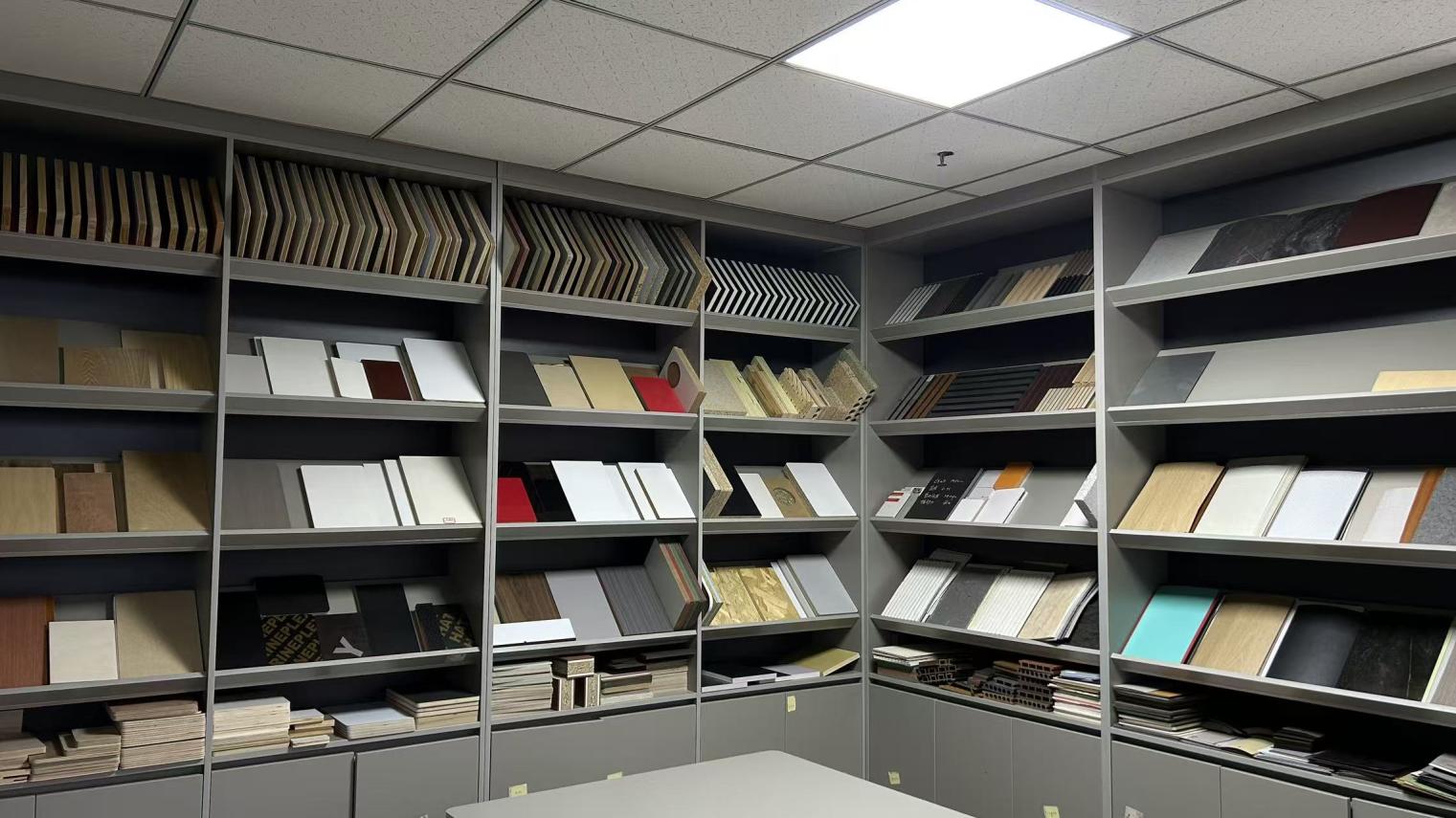
- On-site material inspection
- Finished-product inspection
- Supplier assessment procedures
- Mixed-category container planning

Two-Stage Quality Control
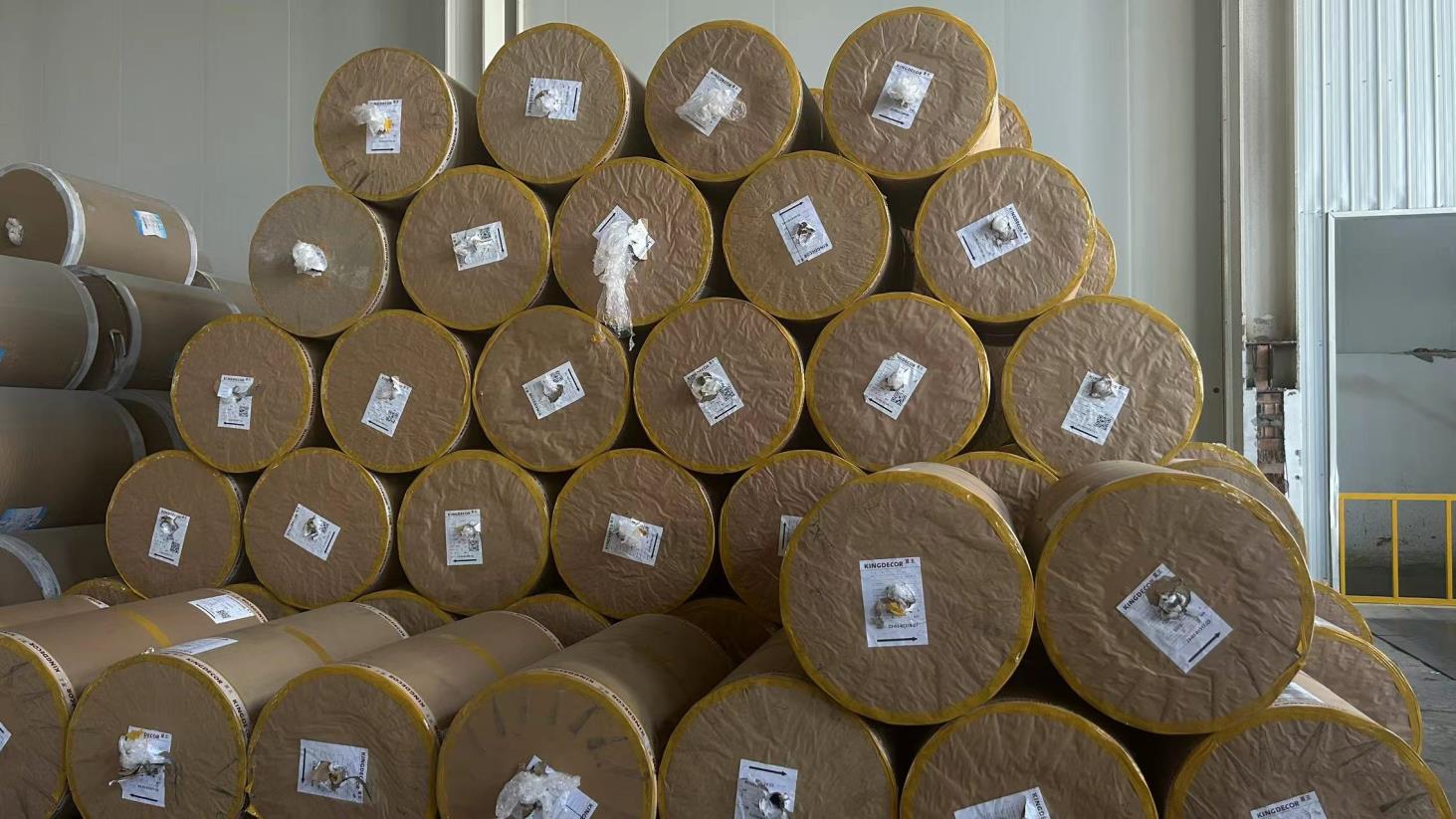
Material checks at the partner mill and finished-board inspection for thickness, surface, edges and packing before loading. This is especially important when door cores, HPL faces and plywood skins ship together.
Multi-Category Consolidation
Combine HPL sheets, compact laminate, MDF, plywood, LVL and door-core components in one managed shipment to reduce freight complexity and multiple-supplier administration.
Customization and ODM
Support for logo, packaging and graphic customization, sample-based development, design-based customization, full customization and ODM services for distributors and joinery brands.
Low-Emission Options
E0 and E1 formaldehyde grades are available depending on product line. Share the target market and project specification so the correct board and documentation can be matched.
Technical Support
Engineer support for project buyers on installation, cladding, partition and furniture applications, helping London teams connect material choice to real site conditions.
Export-Ready Logistics
Export documentation, seaworthy pallet packing and loading photos shared with each shipment. These practical controls reduce moisture risk, edge damage and disputes after a long sea route.
How the Eight Products Support Tubular Chipboard Door Projects
Door-core sourcing is only one part of the purchase. London fabricators also need faces, substrates and cabinetry boards that match the project’s visual, moisture and durability requirements.
HPL Door Faces
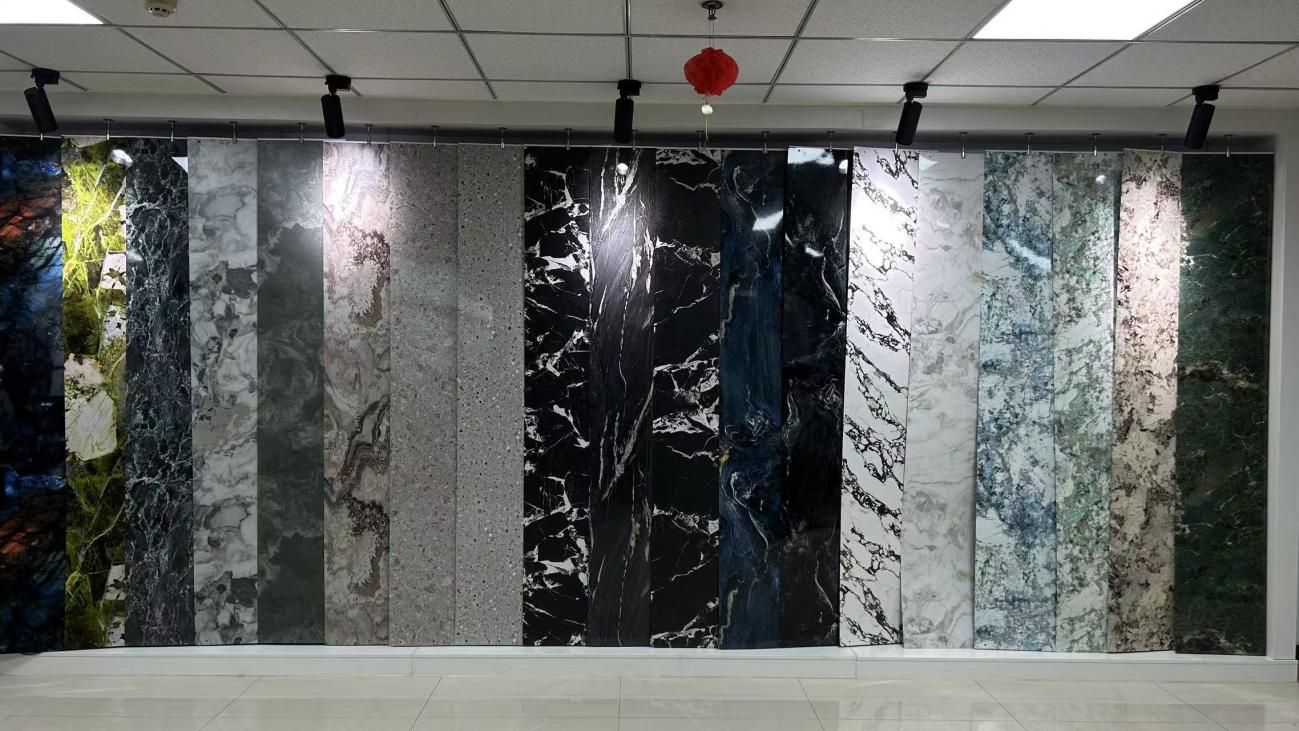
Decorative HPL gives door skins a durable, cleanable surface for hotels, apartments and commercial interiors. Wood-grain and solid-colour faces should be reviewed as part of the whole door finish.
Brown Wood Grain HPLWet-Area Door Blanks
Marine HPL poplar plywood can suit bathroom linings, vanity surrounds and wet-area door components where moisture exposure is higher than standard interior conditions.
Marine HPL Poplar PlywoodInterior Joinery Boards
Melamine HPL laminated plywood and furniture board are practical for interiors where cost, surface durability and fast fabrication all matter. Confirm face and core specifications before ordering.
HPL Melamine PlywoodBathroom Cabinetry
Black HPL MDF and HPL plywood can be used for bathroom cabinets, vanity units and contrast door faces where a dark, durable finish is required.
Black HPL MDFPorts, Packing and Documentation for UK-Bound Door-Core Orders
Linyi is inland. Export cargo typically moves through Qingdao before sailing to UK gateway ports such as London Gateway, Felixstowe or Southampton. The exact route, carrier and transit time should be confirmed at quotation because vessel schedules and inland haulage change throughout the year.
Route Planning
Confirm whether the quotation is ex-works, FOB or another term, which port is used and who controls inland haulage in the UK. Clear Incoterms reduce surprises when comparing London landed cost.
Lead-Time Control
Production windows depend on core type, facing material, quantity and whether the order is stock or custom. Mixed containers can improve freight economics but may require longer consolidation planning.
Packing Protection
Door cores and decorative HPL need edge protection, moisture barriers and stable pallets. Ask how cartons, corner protectors, film and pallet feet are specified for a long sea route and UK distribution.
Documentation
Commercial invoice, packing list, bill of lading and product-specific documents should align with the order. Project buyers should state any required test reports, declarations or traceability references before production.
What to Inspect on a Tubular Chipboard Door-Core Order
Use this checklist when comparing suppliers. The goal is not to create paperwork for its own sake; it is to make sure the board, the door assembly and the London site requirements are aligned before the container leaves China.
| Checkpoint | Why London Buyers Ask | Evidence to Request |
|---|---|---|
| Core Density and Tube Pattern | Affects weight, flatness, screw-holding and the finished door feel. | Product specification, sample section, density range and inspection record. |
| Thickness and Flatness | Thickness drift can disrupt hinges, frames, ironmongery and finished reveals. | Measurement method, tolerance statement and pre-shipment inspection data. |
| Hardware Reinforcement | Hinges, locks and closers concentrate load and can create callbacks if poorly supported. | Block positions, insert details, drawing approval and machining photos. |
| Face Adhesion and Surface | HPL, veneer or paint-ready faces must resist handling, humidity and site damage. | Surface inspection criteria, sample approval and packaging method. |
| Formaldehyde Grade | E0 or E1 requirements may be requested for MDF and plywood components. | Material declaration, test report reference and order-specific confirmation. |
| Moisture Protection | Sea freight and UK site storage can expose edges and faces to humidity. | Moisture-content check, wrapping specification and loading photos. |
| Fire and Acoustic Evidence | The complete door assembly, not the core alone, determines project performance. | Assembly test evidence, scope of validity, seals and hardware details. |
Common Questions London Buyers Ask Before Ordering
These are the practical questions raised by London joiners, fit-out contractors, importers and specifiers when comparing China-based tubular chipboard and door-panel suppliers.
Are you a manufacturer or a trading company?
Linyi Fipdm Import And Export Co., Ltd. is a verified trading company and multispecialty supplier. We source from vetted partner mills in Linyi and manage material inspection, finished-product inspection, consolidation and export documentation. This model gives buyers one accountable contact across multiple board types, but the supplier relationship and quality controls should always be confirmed clearly before ordering.
What exactly is a tubular chipboard door core?
It is a lightweight door-core construction made from chipboard tubes or a tubular grid, usually edged and reinforced for hardware before being faced with HPL, veneer, laminate or paint-ready skins. It should not be treated as a generic substitute for a solid core or for a tested fire-door assembly without project-specific review.
Can you supply fire-rated tubular chipboard doors for London projects?
Fire performance depends on the complete tested door leaf, including the core, facing, edge, intumescent seals, hardware and glazing where applicable. Buyers should state the required fire strategy and ask for assembly-level evidence. Fipdm can review the requested specification and coordinate product options, but final suitability must be confirmed against the project’s fire consultant and tested details.
Which thicknesses and sizes are common for door cores?
Common door-core thicknesses discussed in the market include 33 mm, 38 mm and 44 mm, with leaf sizes based on the door schedule. Tubular chipboard door-core listings often reference panel sizes such as 2090 mm by 700, 880, 990 or 1180 mm. Final dimensions should follow the approved door drawing, not a generic stock size.
Can I mix door cores, HPL and plywood in one container?
Yes. Mixed-category consolidation is a core part of Fipdm’s supply model. HPL sheets, compact laminate, MDF, plywood, melamine boards and door-core components can be reviewed together. Mixed loads help importers and joinery groups reach better container utilisation without over-ordering a single SKU, but the mix must be planned against weight, packing and loading sequence.
What is the MOQ and sample process?
MOQ depends on product line, size, finish and whether the item is stock or custom. Buyers should send the door size, core thickness, facing material, annual volume, target London delivery window and any required documents. Samples can be discussed for colour, finish, core section and face material before a production order is confirmed.
How do you protect boards during shipping to the UK?
Protection usually includes edge protection, moisture barriers, stable pallets and suitable outer packing. The exact method depends on whether the shipment contains door cores, thin HPL sheets, plywood or mixed boards. Fipdm shares loading photos and packing details so buyers can review the shipment condition before departure.
How do I start an inquiry for a London project?
Send the following to info@fipdmplywoods.com: door schedule or core sizes, thickness, fire and acoustic requirements, facing material, hardware reinforcement details, expected quantity, target port and required documentation. The clearer the brief, the faster the team can respond with matched product options, inspection points and a container proposal.
Build a London-Ready Door Supply Plan
Send your door size, core thickness, fire or acoustic requirement, facing material, annual volume and target delivery port. Fipdm will reply with a matched bill of materials, inspection plan and container proposal for your next London project.