PVC Foam Board Manufacturers & Wholesalers in Ukraine
A practical procurement guide for Ukrainian fabricators, distributors and project buyers—covering PVC foam sheet grades, local applications, fire and emission documents, and matched HPL, MDF and plywood programmes.
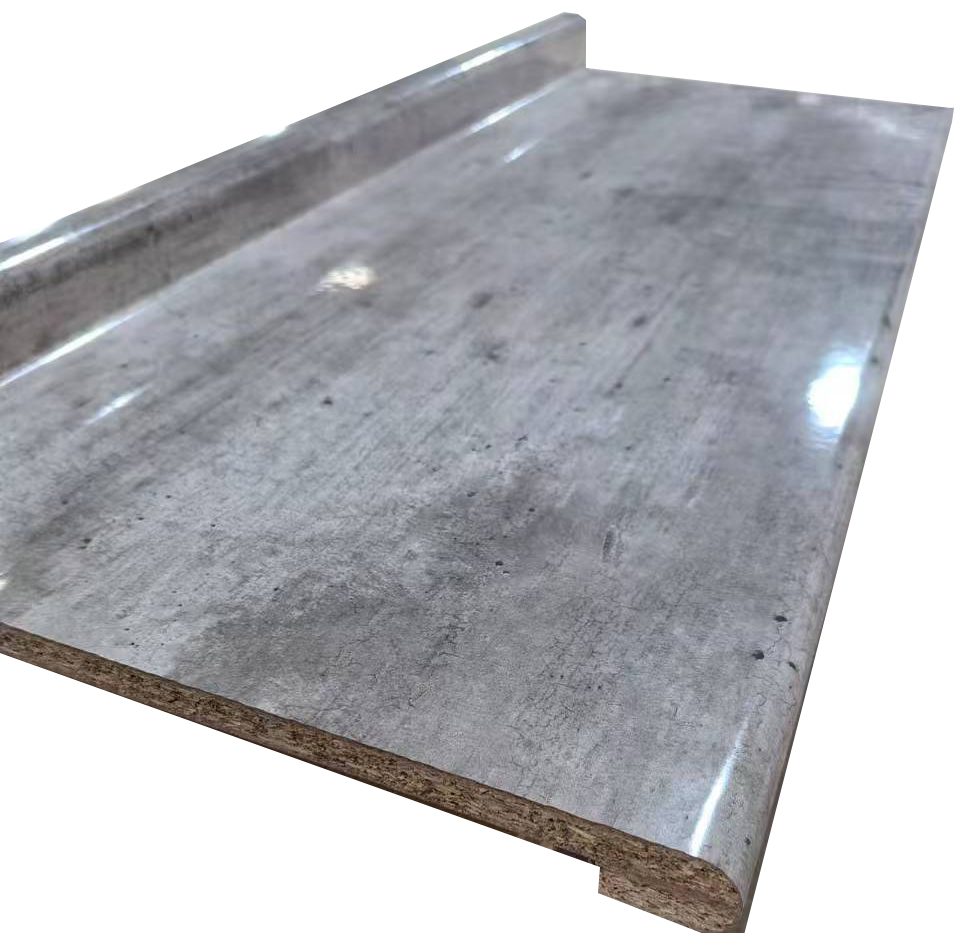
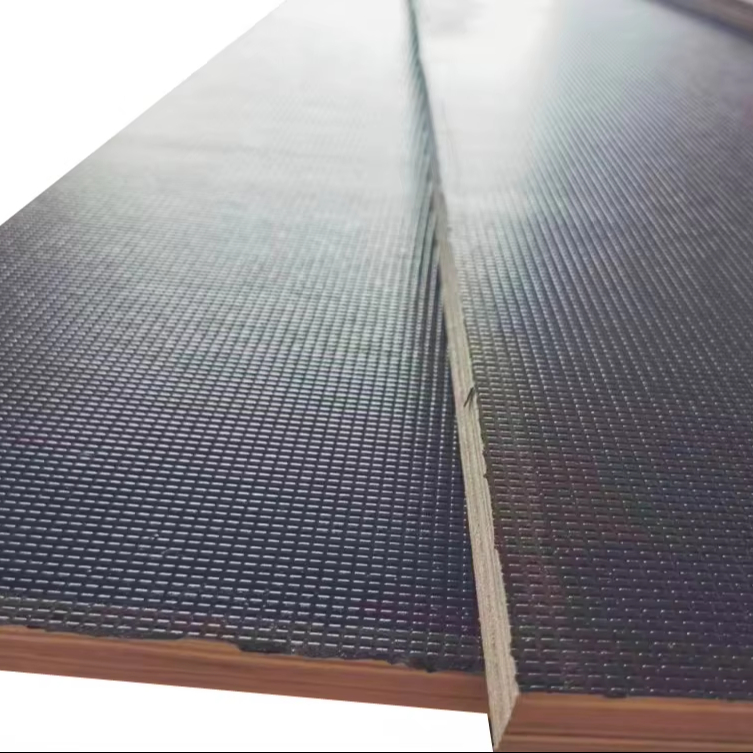
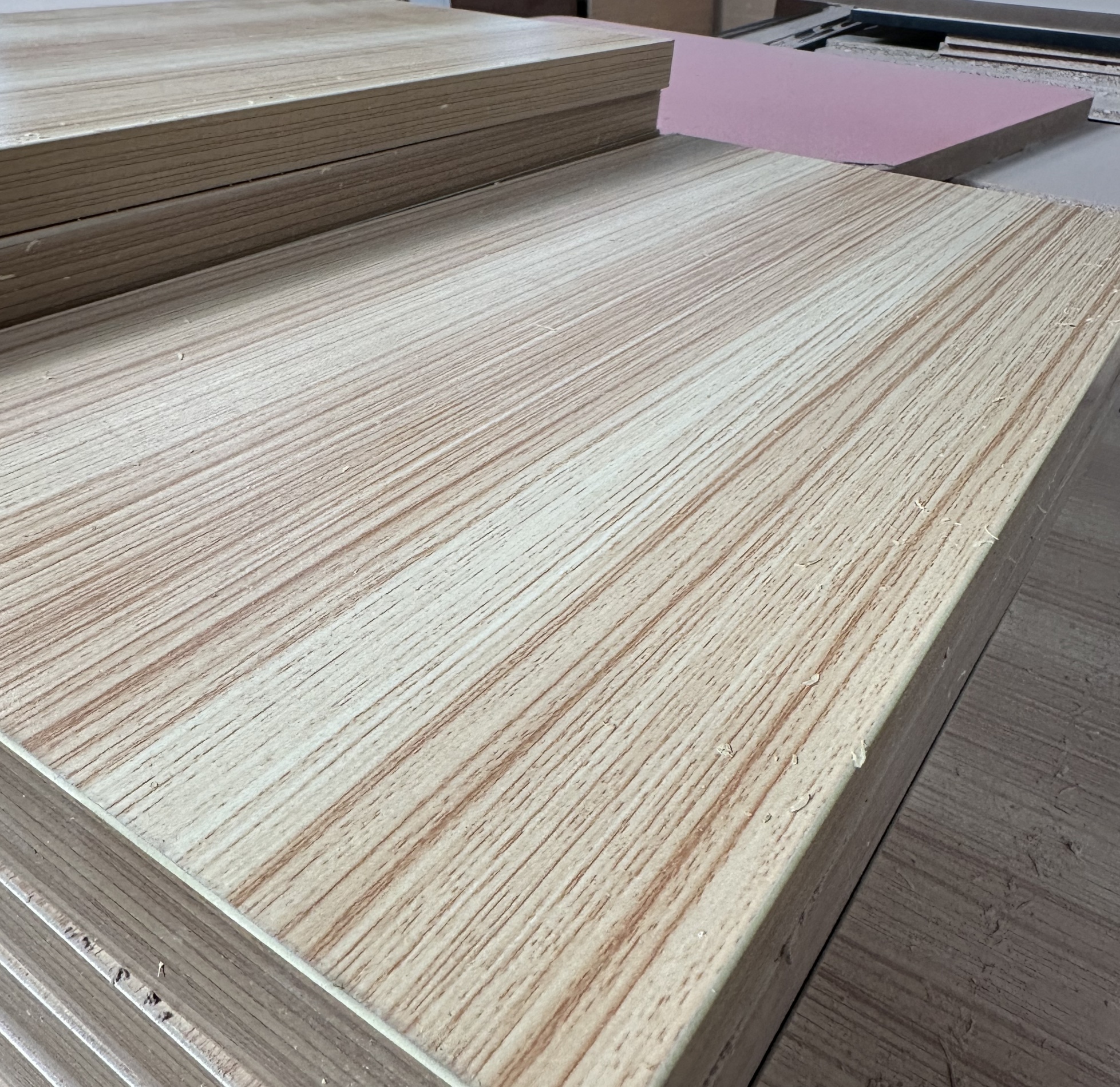
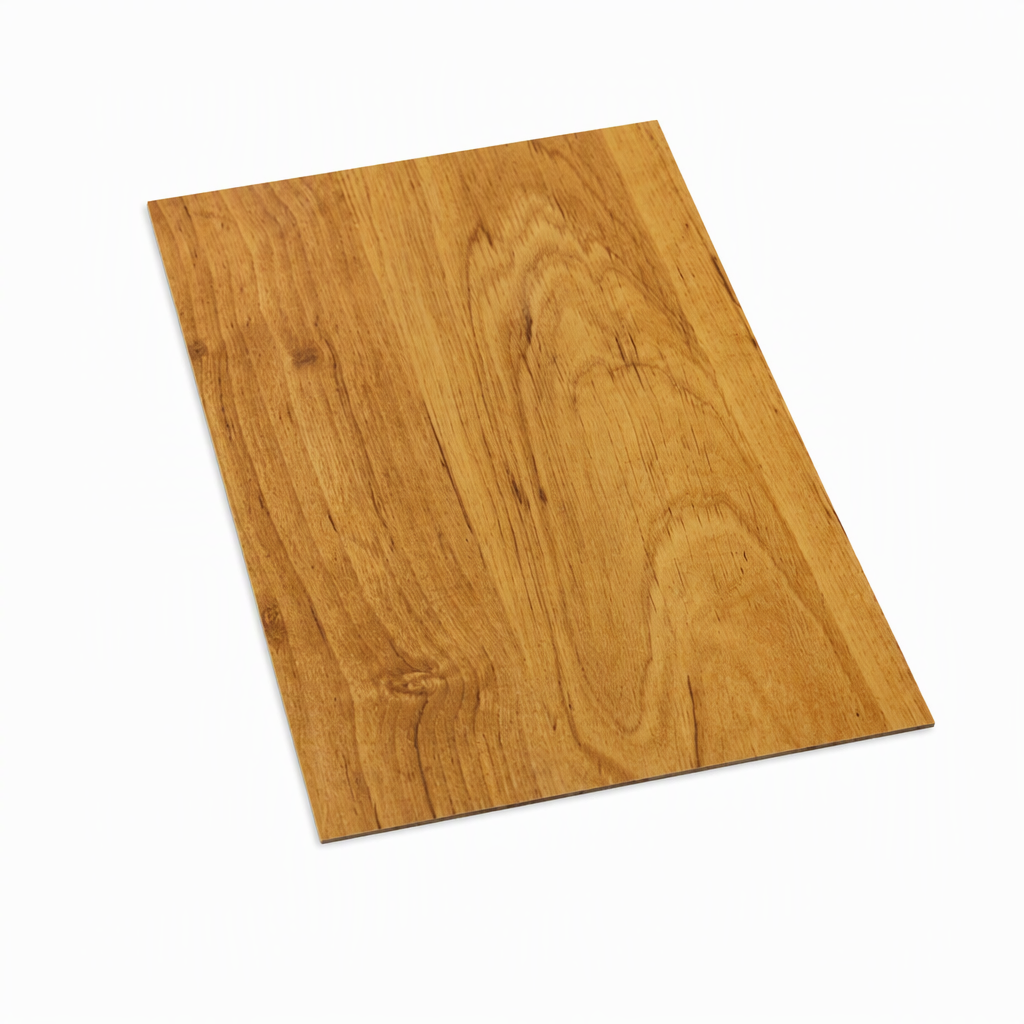
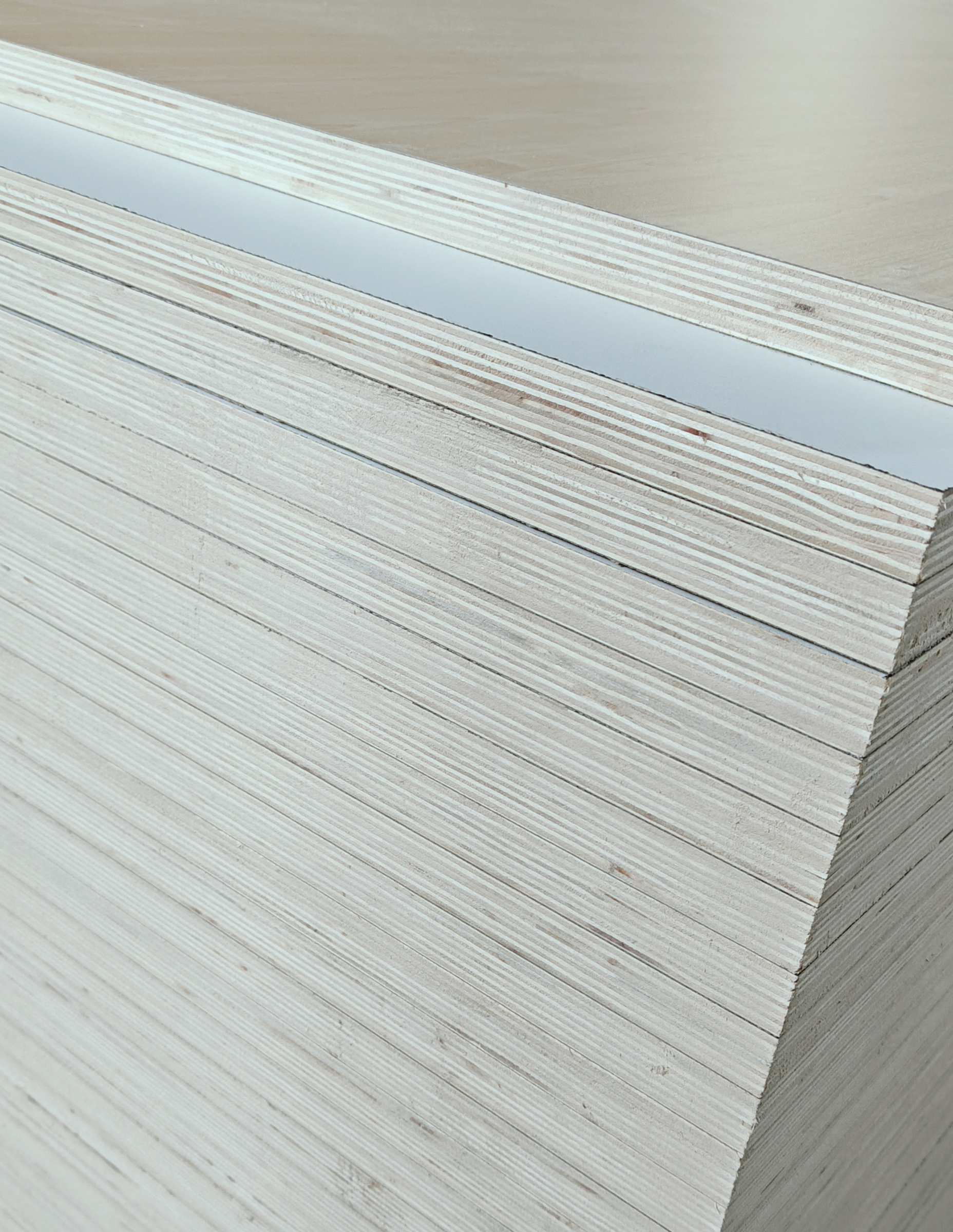
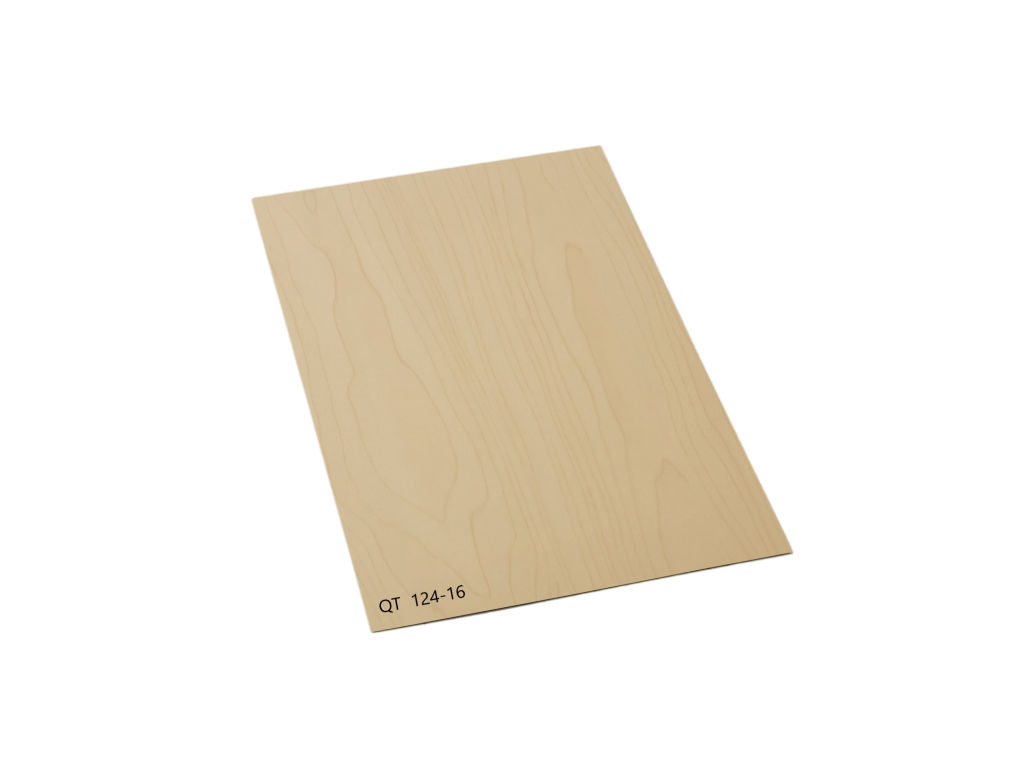
Eight Board Products Frequently Specified With PVC Foam Board Projects
Ukrainian joinery, shopfitting and modular interior teams often combine PVC foam board with decorative HPL faces, moisture-resistant MDF or structural plywood. These eight current catalogue lines are the practical companion products buyers request most often. For PVC foam board density, thickness, surface finish and fire class, use the Get Catalog action.


What the Search Term Really Means: Manufacturers, Wholesalers and Import Partners
When a Ukrainian buyer searches for PVC foam board manufacturers and wholesalers in Ukraine, the intent is rarely only informational. The buyer is usually comparing three supply routes: local stock and cut-to-size, a Ukrainian converter or wholesaler, or a mill-direct import programme supported by a verified export partner.
PVC foam board—also called PVC foam sheet, Forex board, Celuka board, expanded PVC sheet or rigid PVC foam panel—is a lightweight thermoplastic sheet used where moisture resistance, machinability, clean surfaces and low weight matter. It is not a single specification. Density, thickness, surface skin, colour, UV stability, impact strength and fire performance change the price and suitability dramatically.
For Ukrainian fabricators, the commercial question is not simply “who sells the cheapest sheet?” It is “which supplier can deliver a repeatable board that machines cleanly, accepts adhesive and print, meets the project’s fire documentation, and arrives without edge damage?” That is why a proper comparison should include both local wholesalers and import partners, not just one category.
Three Supply Routes Ukrainian Buyers Compare
- Local stock and cut-to-size: fast for urgent signage, prototypes, repair work and small furniture batches, but colour consistency and technical documents may be limited.
- Ukrainian converters and wholesalers: useful for mixed local delivery, low minimums and fabrication support, yet the underlying mill and batch traceability are not always visible to the buyer.
- Import and mill-direct programmes: stronger landed-cost control on full-container volumes, broader colour and thickness choice, and the chance to combine PVC foam board with HPL, MDF, plywood and LVL in one shipment.
Information gain: the real cost driver is not the sheet price
The lowest quoted price per sheet often ignores two costs that appear later: warping or inconsistent density that increases CNC reject rates, and missing product-specific fire or emission documentation that delays handover. For Ukrainian commercial interiors, public buildings and retail chains, those downstream costs usually exceed the initial saving. Confirm the exact product name, density, thickness, colour and test report before comparing offers.
For full-container volumes, the landed-cost advantage usually comes from a mill-linked programme rather than a local stockist. For urgent 10–30 sheet orders, local stock can still be the better operational choice. A credible supplier should tell you which route fits your project instead of forcing every inquiry into the same container model.
Localised PVC Foam Board Applications in Ukraine
Demand is concentrated in projects that need fast fabrication, moisture resistance and clean visual finishes. The examples below reflect common enquiries from Ukrainian fabricators, shopfitters and distributors.
Retail, Signage and Exhibition
White and coloured PVC foam board is widely used for shop displays, printed panels, exhibition stands, reception counters and temporary brand environments. It cuts cleanly, accepts vinyl and direct print, and keeps weight low for installation teams working in Kyiv, Lviv, Odesa and Dnipro.
Kitchen, Bathroom and Wet-Room Joinery
PVC foam board is a practical option for moisture-exposed cabinet components, vanity back panels and bathroom fit-outs. For visible surfaces, combine it with waterproof HPL or decorative laminate where scratch resistance and a premium finish are required.
Healthcare, Laboratories and Education
Cleanable, non-porous surfaces are useful in clinics, laboratories, schools and training rooms. Where chemical resistance or fire performance is specified, ask for a product-specific test report and consider compact laminate for worktops and high-impact partitions.
Modular Housing and Interior Fit-Out
Ukraine’s reconstruction and modular interior programmes require lightweight, fast-install panels that resist damp and reduce structural load. PVC foam board works well in prefabricated bathroom pods, wall linings, door infill and service enclosures when expansion gaps and fixing details are planned correctly.
Transport, Marine and Workshop Fabrication
Low weight and easy machining make PVC foam board suitable for vehicle interiors, workshop jigs, machine guards and marine cabinetry. For structural or load-bearing parts, do not substitute foam board for plywood or engineered wood without an engineer’s confirmation.
Architectural Models and CNC Routing
Ukrainian design studios and model-makers value PVC foam board for CNC routing, laser-adjacent cutting, painted finishes and quick assembly. High-density grades hold sharper edges and screw threads; lower-density sheets are better for lightweight visual models and signage.
Ukraine Market Trends Shaping PVC Foam Board Procurement
Buyers are becoming more specification-led. Price still matters, but the strongest enquiries now include density, fire class, UV exposure, colour consistency and delivery route.
Reconstruction and retrofits
Repair, retrofit and modular interior projects reward lightweight boards that reduce handling time and structural load, especially in bathroom, kitchen and service-zone fit-outs.
Local fabrication growth
More Ukrainian joinery shops are investing in CNC, edge-finishing and digital print. They need repeatable board density and clean cutting, not just low price.
Documentation scrutiny
Project buyers increasingly request fire test reports, declarations and batch consistency information. A generic certificate with no product name or thickness is a red flag.
Import consolidation
Freight cost and customs administration encourage mixed-container sourcing: PVC foam board plus HPL faces, HMR MDF, marine plywood and door cores from one accountable partner.
Indicative thickness demand mix
Indicative mix based on common buyer enquiries. Actual demand varies by project and grade.
Buyer priority index
Index values are directional, used to show where project buyers place the most weight.
| Material | Moisture / weight | Machining and finishing | Typical Ukraine use |
|---|---|---|---|
| PVC foam board | Water-resistant; very light | Easy CNC, saw, route and print; low screw-holding on low density | Signage, wet-area panels, modular interiors, models |
| HPL-faced plywood | Moisture-resistant with sealed edges; heavier | Strong screw-holding; durable decorative face | Kitchen cabinets, shop counters, wet-zone joinery |
| HMR MDF | Moisture-resistant core; not waterproof | Excellent routing and painting; edges require sealing | Furniture, door skins, bathroom cabinetry |
| Compact laminate | Highly water-resistant; dense and heavy | Impact-resistant; specialist cutting and tooling needed | Toilet partitions, lab worktops, high-use public areas |
How to Vet PVC Foam Board Manufacturers and Wholesalers in Ukraine
A good supplier should be able to explain what the board is made from, how it behaves during fabrication, and which documents apply to the exact product being quoted.
Confirm the factory or trading model
Ask whether the supplier operates an extrusion line, sources from partner mills, or simply buys local stock. Each model can work, but the quality controls and traceability are different. A verified trading partner should disclose this clearly.
Test density and thickness
Density affects weight, screw-holding, CNC edges and thermal expansion. Thickness tolerance affects assembly gaps. Request measured density, thickness tolerance and a physical sample before approving a full container.
Validate fire documentation
For public and commercial projects, confirm the fire report matches the exact product name, thickness, colour and density. Check EN 13501-1 or applicable DSTU EN documentation with your project consultant.
Check UV and weather claims
Standard indoor PVC foam board may yellow outdoors. For exterior or balcony use, specify a UV-stabilised grade, sealed edges and a fixing system that allows expansion. Avoid unsupported “fully weatherproof” claims.
Review packaging for the Ukraine route
Edges are vulnerable in transit. Ask for PE film, corner protection, moisture barrier, pallet treatment and loading photos. For mixed containers, confirm how board types are separated to prevent surface scratching.
Audit batch traceability
Request pre-shipment inspection records, batch labels and colour samples retained from production. If a problem appears after installation, traceability is the difference between a fast resolution and an unprovable claim.
Fipdm: A Verified Linyi Export Partner for Ukrainian PVC Foam Board and Panel Buyers
Linyi Fipdm Import And Export Co., Ltd. is a verified trading company and multispecialty supplier based in Linyi, Shandong, China. We are transparent about that model: we are not claiming to be a single PVC extrusion factory, and we are not a Ukrainian wholesaler. We bring vetted partner mills, quality inspection and multi-category consolidation into one managed export relationship.

Our base in Linyi places us inside China’s largest wood-based panel cluster. For Ukrainian buyers, that means one accountable contact for PVC foam board, HPL, compact laminate, HMR MDF, birch and poplar plywood, LVL timber and door cores—useful when one container needs several finish, substrate and technical lines.
We combine on-site material inspection at partner mills with finished-product inspection before loading. Buyer-facing strengths include 9 years in the industry, 8 dedicated staff, a 5.0/5 buyer rating, Intertek verification, E0/E1 board options, ODM and full customization, on-site technical support for project buyers, export documentation and seaworthy packing.
- Two-stage quality control
- Mixed-container consolidation
- Minor, sample, design and full customization
- E0/E1 formaldehyde options on adjacent boards
- Export documents and loading photos
- Engineer support for installation questions
Intertek-verified supplier profile
A third-party assessed supplier profile gives Ukrainian buyers a starting point for due diligence, while still requiring order-specific confirmation of product, thickness and documents.
Two-stage quality control
Material checks at the partner mill and finished-board inspection for thickness, surface, edges and packing before loading. Photos and inspection records can be shared with the buyer.
One mixed container, multiple products
Combine PVC foam board with HPL faces, HMR MDF, plywood, LVL or door cores to reduce freight and supplier administration. The loading plan is prepared around your project sequence.
Customization and ODM
Logo, packaging, graphics, sample-based development and full customization are available for distributors building a private range for the Ukrainian market.
Low-emission board options
MDF and plywood can be supplied in E1 and E0 grades depending on line. For PVC foam board, the relevant checks are density, fire performance and UV grade rather than formaldehyde.
Export-ready logistics
Export documentation, seaworthy pallet packing and loading photos support shipments routed to Ukraine through European ports, rail or road freight according to the forwarder’s plan.
Questions Ukrainian Buyers Ask Before Ordering PVC Foam Board
These are the practical questions that appear in procurement conversations most often. Final answers should always be confirmed against the exact product specification and destination route.
Are there PVC foam board manufacturers in Ukraine, or is it better to import?
Both routes exist. Local wholesalers and converters can be faster for small orders and cut-to-size work. Importing is often more cost-effective for full-container volumes, custom colours, consistent batches and mixed loads. Compare landed cost, not only the sheet price.
What density should I specify?
Low-density sheet is suitable for signage, models and lightweight displays. Medium density is common for general fabrication. High-density board is better for CNC edges, screw-holding and load-bearing interior components. Always confirm density in writing.
Which thickness is most common in Ukraine?
3–5 mm is common for signage and displays; 8–10 mm for furniture, partitions and shopfitting; 12–20 mm for CNC parts, structural details and thicker built-up panels. The best choice depends on span, fixing method and required rigidity.
Can PVC foam board be used outdoors in Ukraine’s climate?
Only with a UV-stabilised grade, sealed edges, suitable fixings and expansion gaps. Standard indoor board may yellow or chalk outdoors. For façades or exposed balconies, ask for weathering data and a project-specific recommendation.
Which fire documents should I request?
For commercial and public projects, request a fire test report matching the product name, thickness, colour and density. EN 13501-1 or applicable DSTU EN documentation should be reviewed by the project consultant and matched to the specified class.
Can I mix PVC foam board with HPL, MDF or plywood in one container?
Yes, mixed-container sourcing is practical for Ukrainian importers and project buyers. Combining PVC foam board with HPL faces, HMR MDF, plywood or door cores can reduce freight and administration, provided the loading plan protects surfaces and edges.
What documents do Ukrainian buyers usually need?
Typical requirements include commercial invoice, packing list, bill of lading or CMR, certificate of origin where applicable, product test reports, and forwarder-specific customs documents. Confirm the exact document set with your customs broker before shipment.
What are the MOQ and lead times?
MOQ depends on colour, thickness, density and whether stock is available. Mixed-container orders can start lower than a full single-product line. Production typically requires several weeks plus inland and international freight; confirm by specification and route.
How can I verify quality before loading?
Request density and thickness measurements, surface and edge photos, colour samples, packaging details and loading photos. For larger orders, arrange third-party inspection before shipment and require the report to reference the exact batch.
Send Your PVC Foam Board Specification for a Ukraine-Ready Quote
Include thickness, density, sheet size, colour, surface finish, fire class, target city or delivery route and whether you need mixed-container sourcing with HPL, MDF, plywood or LVL. Our export team will reply with matched options and the catalogue.
Email: info@fipdmplywoods.com · Linyi Fipdm Import And Export Co., Ltd. · Linyi, Shandong, China