Jeddah Market White Paper · Linyi Factory-Network Sourcing
Poplar LVL Timber Factories & Factory for the Jeddah Market
A practical, E-E-A-T-led sourcing guide for Saudi importers, fit-out contractors, furniture factories and project buyers: how to verify Poplar LVL timber factories in Linyi, specify wood-based panels for Jeddah’s heat and Red Sea humidity, consolidate HPL and plywood in mixed containers, and approve quality before shipment.
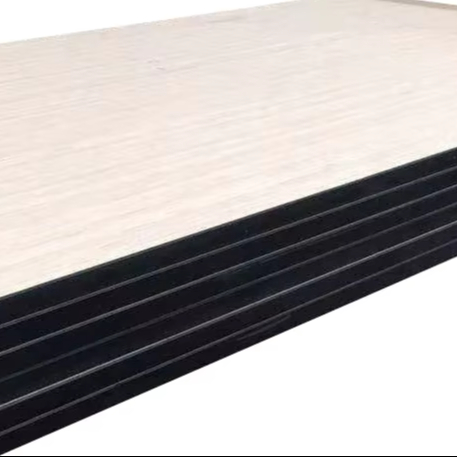
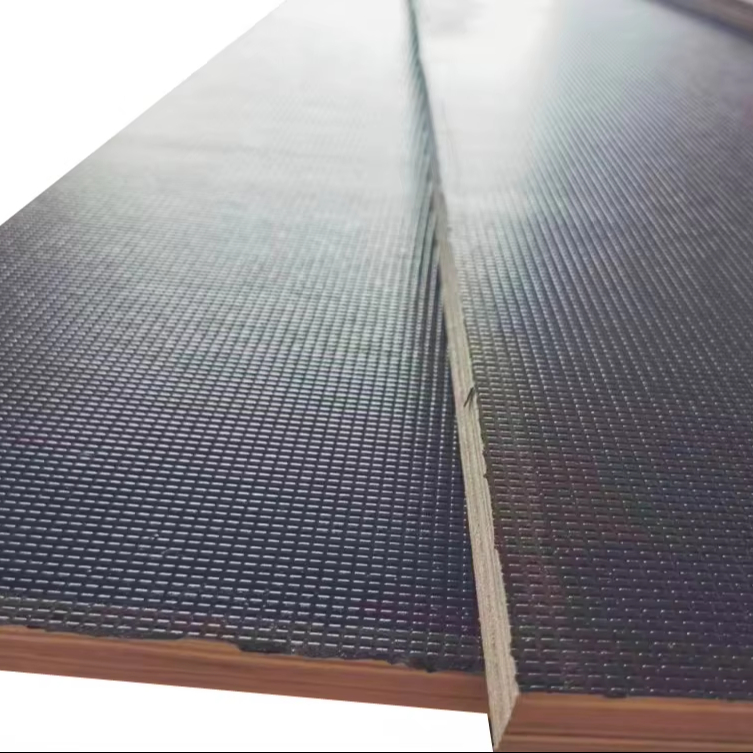
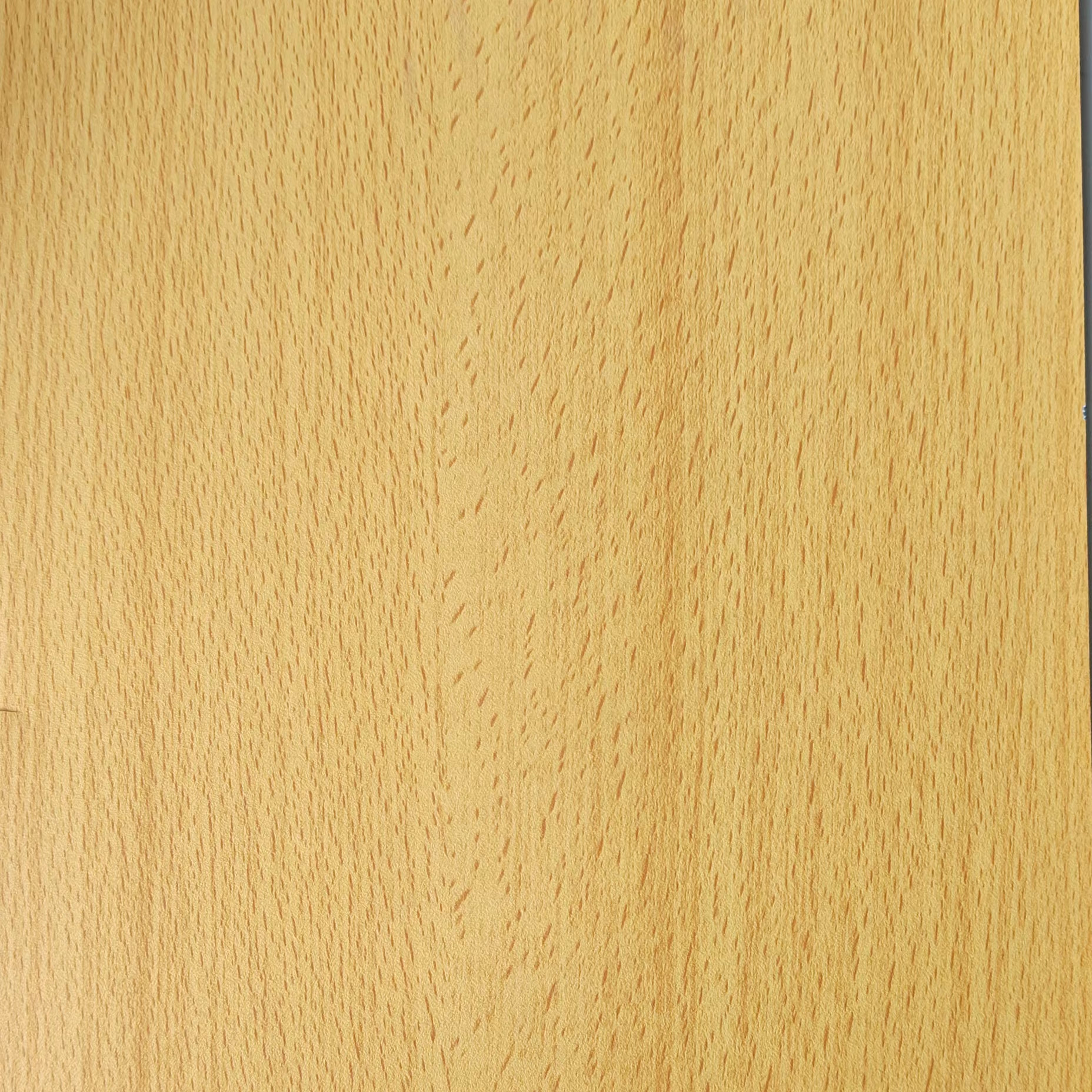
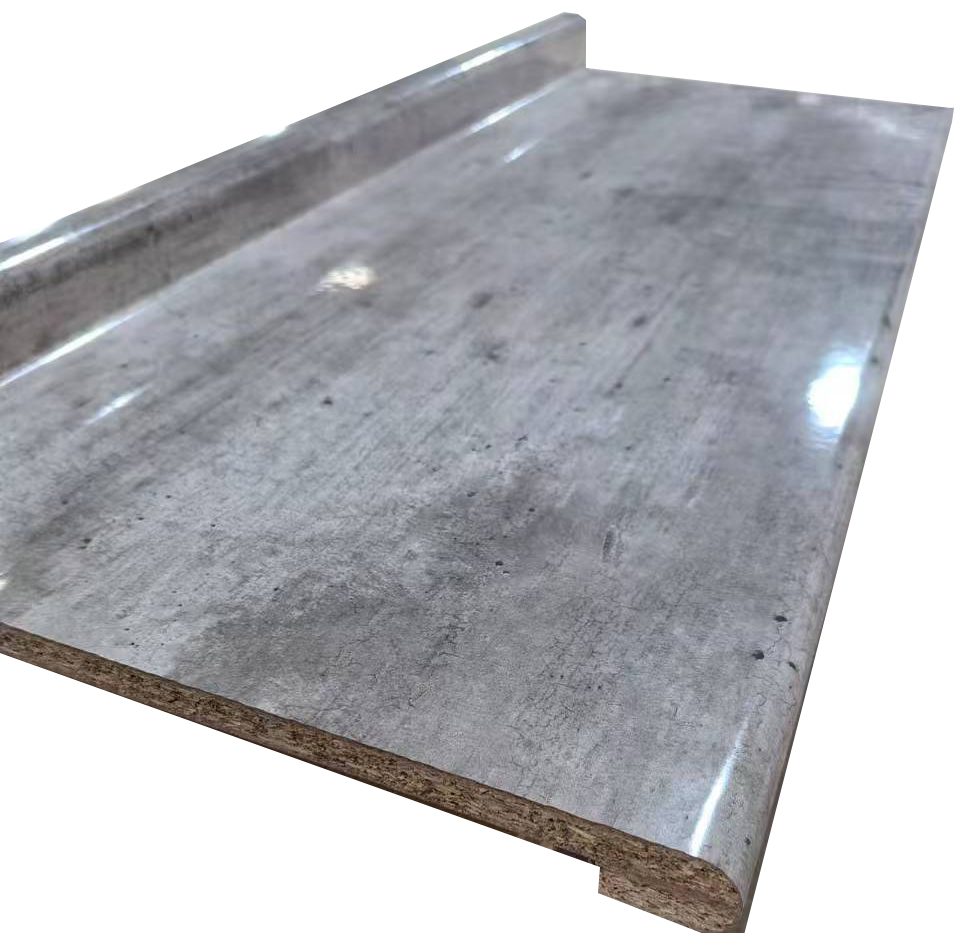
8 Panel Products for Jeddah Projects: Factory-Network Shortlist
These eight catalogue items reflect the surfaces, substrates and prefinished boards that Jeddah buyers often combine with Poplar LVL frames, door cores and hidden structural components. Product URLs are preserved from the source catalogue; use them for specification review or use the live inquiry button for Jeddah-specific packing, moisture-protection and mixed-container confirmation.
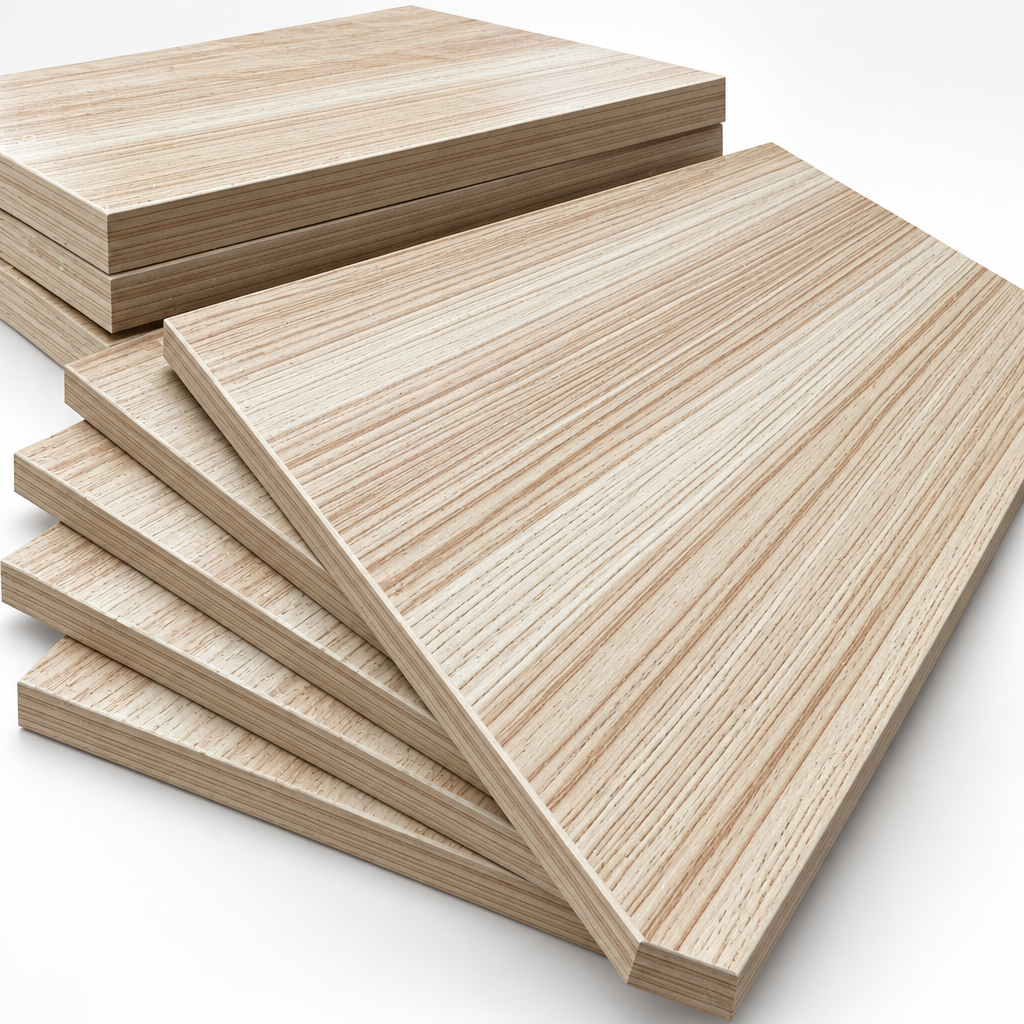
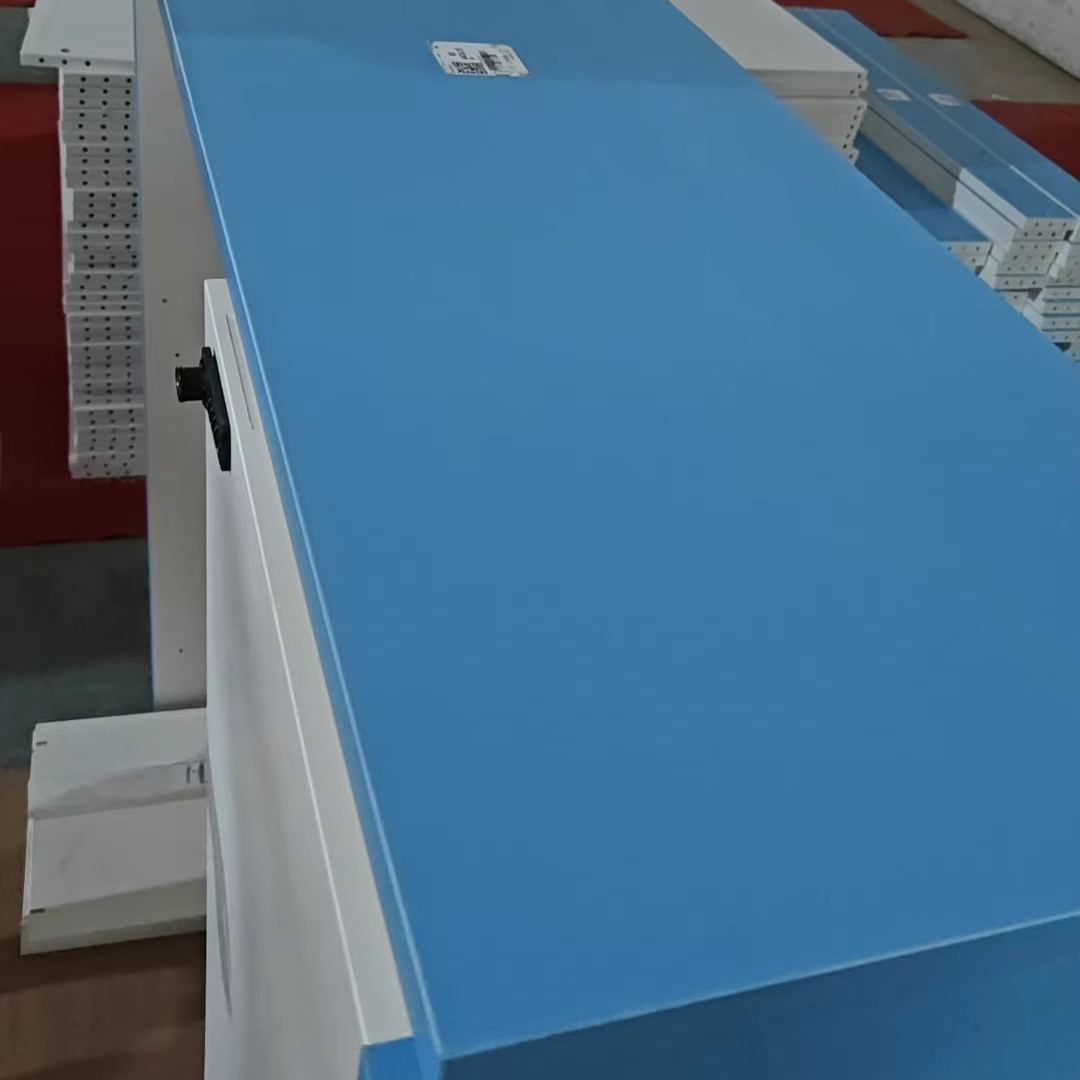
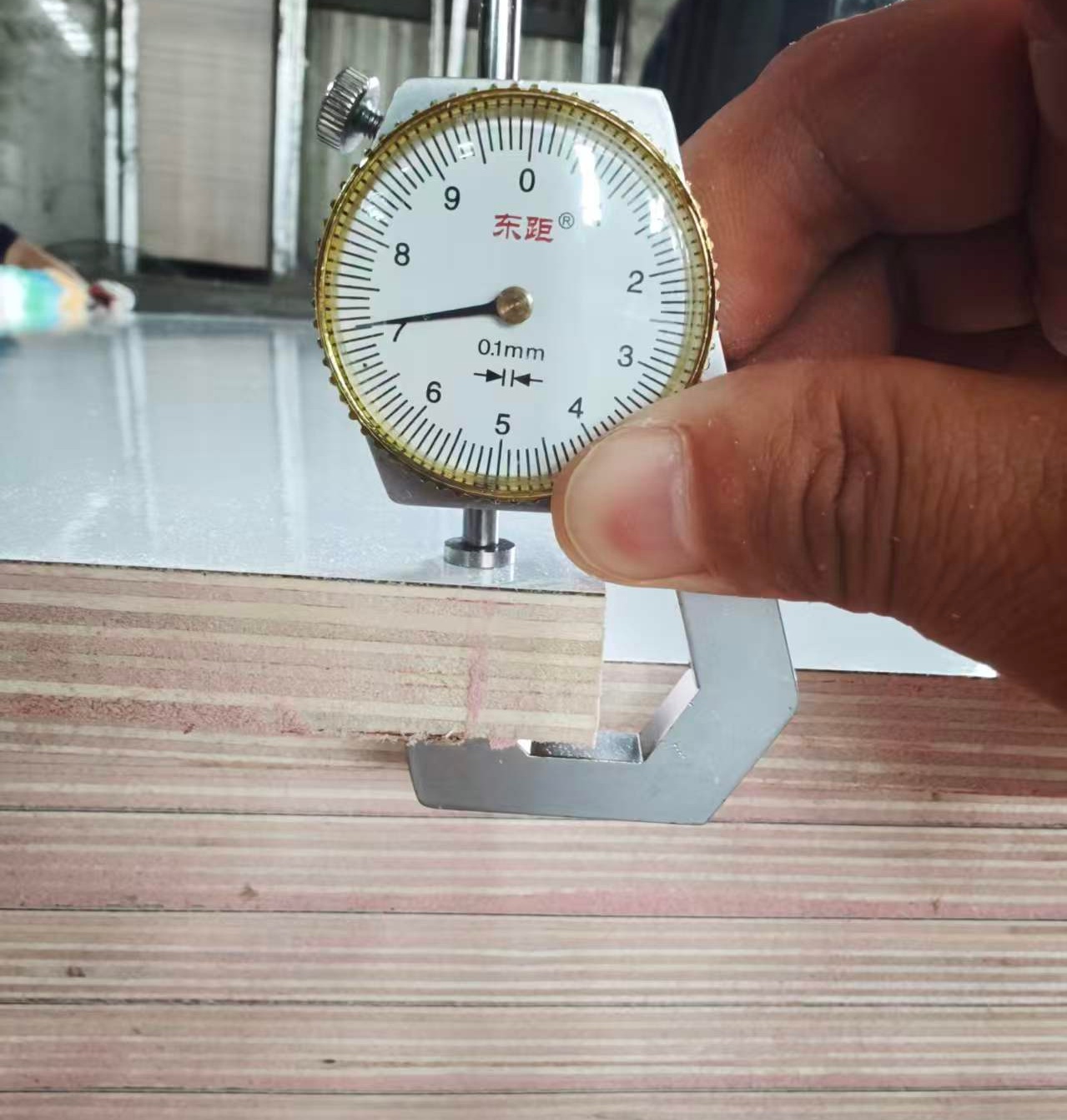
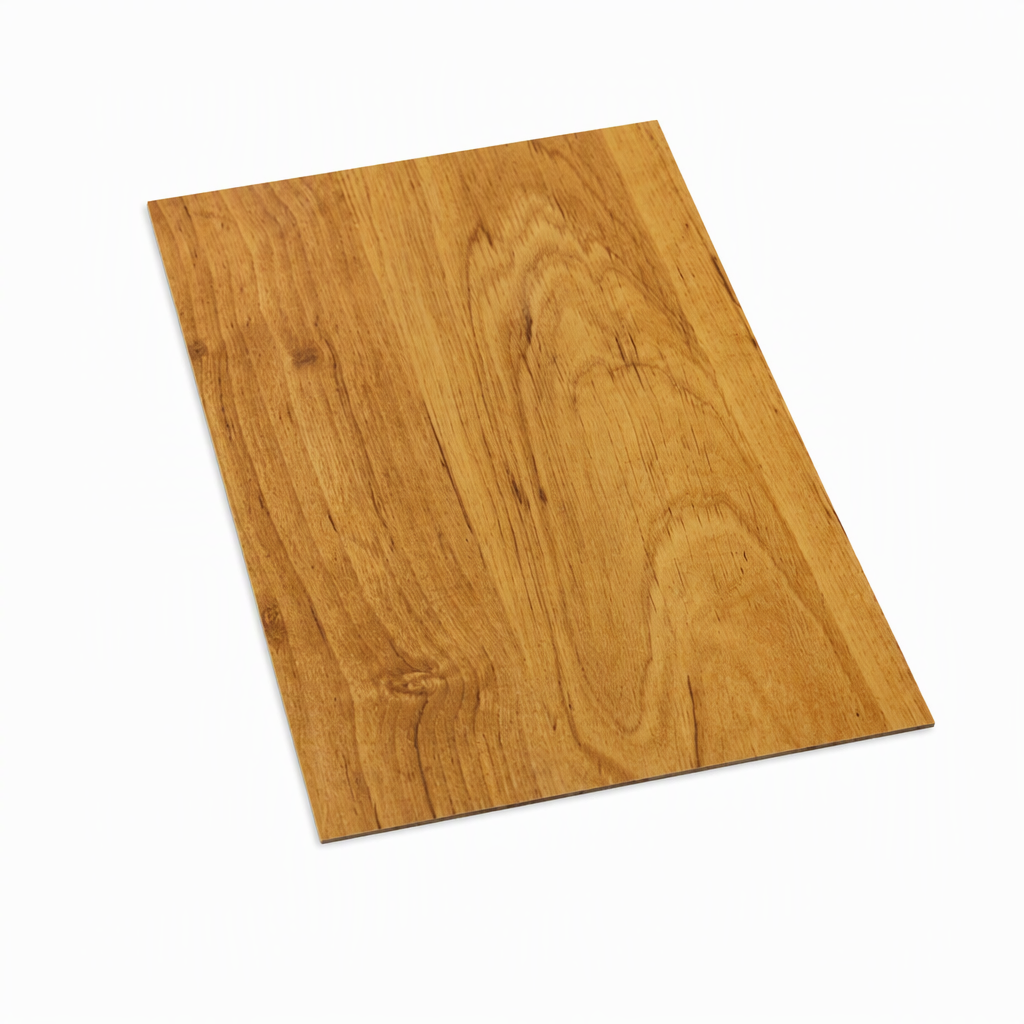
What Jeddah Buyers Should Actually Compare Before Choosing Poplar LVL Timber Factories
Jeddah buyers searching for Poplar LVL timber factories usually receive quotations that look similar on paper: poplar veneer, E1 or E0 glue line, customized length, sanded surface, seaworthy packing. The real purchasing question is not simply “who has the lowest price per cubic meter?” It is “which factory-network partner can prove species, veneer quality, glue line, moisture content, dimensional tolerance, surface condition and mixed-load capability before the container leaves Linyi?” That distinction matters because Jeddah is not a dry, mild-climate destination. It is a Red Sea port city where heat, humidity, salt-laden air, dust and project-schedule pressure all interact with wood-based panels after arrival.
For importers, distributors, furniture factories and fit-out contractors in Jeddah, Poplar LVL is often only one part of a larger package. The same shipment may need HPL-faced plywood for kitchen cabinets, HMR MDF for bathroom joinery, decorative laminate for hotel wall panels, lightweight plywood for exhibition units and phenolic boards for wet areas. A single mill may be excellent at one product but inconvenient for multi-category purchasing. A verified trading company with a vetted factory network can consolidate specifications, inspect materials at the partner mill, check finished boards before loading and provide one accountable communication channel for the whole order.
Linyi Fipdm Import And Export Co., Ltd. is a verified trading company and multispecialty supplier based in Linyi, Shandong, China. We work with qualified partner mills across the Linyi wood-based panel cluster, combining HPL, compact laminate, MDF, plywood, LVL and related boards into one managed supply chain. For Jeddah buyers, that means you can discuss Poplar LVL for frames or hidden components alongside the visible HPL surfaces and melamine boards that define the finished project.
Jeddah Project Snapshot
- Port context: shipments commonly route via Jeddah Islamic Port; final logistics are confirmed with your freight forwarder.
- Climate drivers: heat, Red Sea humidity, salt-laden air and dust require moisture control, sealed edges and suitable surface protection.
- Priority documents: specification sheet, packing list, inspection photos, product test reports where available, and commercial documents.
- Best-fit mix: Poplar LVL + HPL-faced plywood + HMR MDF + decorative HPL + phenolic board options.
- Quality gate: pre-production material check plus finished-board inspection before loading.
Poplar LVL Timber Factories: What Matters Beyond the Quotation Sheet
Poplar LVL is made by rotary-peeling poplar veneers, laying them in parallel, applying adhesive and pressing them into engineered lumber. The result can be straight, stable and consistent, but only when veneer quality, glue spread, pressing control and moisture management are disciplined.
In Jeddah, Poplar LVL may be used for furniture frames, bed slats, door cores, packaging, modular unit supports, exhibition structures and selected construction components. Its advantages are dimensional consistency, reduced twisting compared with some solid timber, good screw-holding when correctly specified and efficient use of veneer resources. However, LVL is not automatically “waterproof,” and not every poplar LVL is suitable for exterior exposure. The adhesive system, edge sealing, coating and actual exposure condition determine performance. Buyers should therefore ask for the intended use, glue line and test evidence rather than relying on a headline claim.
There is also an important sourcing-model question. If a Jeddah buyer needs one fixed LVL section in high volume, a specialized mill may be the obvious choice. If the same buyer also needs HPL decorative sheets, melamine MDF, plywood, door cores and compact laminate, a factory-network partner can be more practical because it coordinates multiple product families, checks consistency across suppliers and consolidates mixed loads. The goal is not to replace factories; it is to make the factory network accountable to the buyer’s project brief.
| Specification Question | Why It Matters in Jeddah | What a Serious Buyer Should Request |
|---|---|---|
| Veneer species and grade | Poplar quality affects density, screw-holding and surface consistency; mixed or low-grade veneer can increase defects. | Species declaration, veneer grade description, sample photo and current production sample. |
| Adhesive and glue line | Humidity exposure, transport condensation and site storage can stress poorly controlled glue lines. | Adhesive type, target application, moisture-exposure suitability and available test reports. |
| Moisture content | Boards packed at unsuitable moisture content may warp, cup or develop surface issues after arrival. | Declared moisture range, pre-packing check and packing method with edge protection. |
| Thickness and dimensional tolerance | Jeddah furniture factories work to tight machining and assembly schedules. | Thickness range, width/length tolerance, straightness and squareness check before loading. |
| Formaldehyde emission | Different projects and importers may target E1, E0 or other documentation requirements. | Declared grade and test report availability; confirm the specification that applies to your market and project. |
| Surface and edge condition | Heat and humidity make edge protection and surface cleanliness more important during storage. | Finished-board photos, edge inspection, moisture-barrier wrapping and pallet protection plan. |
| Container loading plan | Mixed products require a loading plan that protects flat surfaces and avoids point loads. | Packing drawing, stacking sequence, loading photos and container seal record where applicable. |
Jeddah Application Scenarios: Matching Panels to Real Project Conditions
Jeddah projects rarely use one board in isolation. A hotel room, villa kitchen or retail unit may combine visible HPL surfaces, moisture-resistant substrates and hidden LVL framing. The right recommendation depends on where the panel sits, how it is cleaned and how long it must perform.
Humid kitchens and wardrobes
Use HMR MDF or suitable plywood cores with HPL faces, then specify sealed edges and back faces. Jeddah kitchens face cooking steam, cleaning chemicals and seasonal humidity, so the hidden edge detail is as important as the visible laminate color. Combine with Poplar LVL for internal frame components where straightness and consistency are valuable.
Hotel and serviced-apartment fit-outs
Hospitality projects demand repeatable colors, consistent lot-to-lot appearance and reliable packing. Decorative HPL in wood-grain or solid colors can be paired with moisture-resistant substrates for wardrobes, headboards, vanity units and wall panels. Request approval samples, face/back balance and a packing plan that protects corners through Jeddah port handling.
Retail, exhibition and modular furniture
Lightweight plywood and HPL-faced boards help reduce handling weight and installation time in fast-turnaround retail and exhibition work. Black HPL or MDF options support modern store fixtures, while wood-grain surfaces create warmer customer environments. For Jeddah events and pop-up spaces, prefinished panels reduce on-site finishing and dust.
Structural and hidden components
Poplar LVL is often used where the panel is not seen but performance is felt: frames, supports, bed slats, door cores and packaging. Here, buyers should prioritize straightness, thickness consistency and glue-line control over decorative appearance. For wet or exterior exposure, do not assume standard interior LVL is sufficient; confirm the adhesive and protection system.
Localized Trends Influencing Panel Purchasing in Jeddah
Jeddah’s project market continues to be shaped by Vision 2030 investment, hospitality and residential fit-out, waterfront regeneration and the need for faster, cleaner installation. The signals below are qualitative procurement observations for planning discussions, not statistical market forecasts.
The bars represent relative procurement priority observed in project briefs and should be adapted to your consultant’s specification, budget and approval process.
Matching Jeddah Stressors to Panel Choices and Verification Steps
Use this matrix as a discussion framework with your factory-network supplier. It is not a substitute for project-specific engineering advice or current test reports.
| Jeddah Stressor | Where It Appears | Recommended Response | What to Verify |
|---|---|---|---|
| High heat | Transport containers, unshaded site storage, west-facing facades and retail windows. | Choose stable substrates, light colors where appropriate, protected storage and suitable exterior-grade surfaces. | Thermal performance claims, surface finish suitability, storage recommendation and packing protection. |
| Red Sea humidity | Kitchens, bathrooms, laundry, hospitality back-of-house, ground-floor joinery. | HMR MDF or suitable plywood cores, phenolic board options, sealed edges and back faces. | Adhesive suitability, edge-sealing method, moisture content and packing wrap. |
| Salt-laden air | Exterior exposures, balconies, waterfront projects and unsealed service areas. | Specify exterior-rated products and compatible fixings; avoid assuming interior-grade HPL or LVL is sufficient. | Exterior-use statement, coating system, fixing recommendation and maintenance guidance. |
| Dust and cleaning | Retail, healthcare, food service, hotel corridors and public interiors. | Dense, cleanable HPL surfaces with appropriate texture; avoid deeply open finishes where hygiene is critical. | Surface finish sample, cleaning recommendation and wear resistance information. |
| Fire-safety review | Public buildings, hotel corridors, schools, clinics and commercial fit-outs. | Select fire-retardant options where specified and provide documentation for consultant review. | Current test report, applicable classification, product construction and installation method. |
| Fast project schedule | Hotel openings, retail handovers, temporary exhibition builds and phased fit-outs. | Prefinished boards, factory cutting coordination, mixed-container planning and pre-approved samples. | Sample approval date, production lead time, loading schedule and inspection milestones. |
Why Linyi Fipdm Is a Practical Factory-Network Partner for Jeddah Buyers
Jeddah buyers need more than a product list. They need a supplier who can translate a project brief into a workable specification, verify the factory output and pack the goods for a long sea journey.
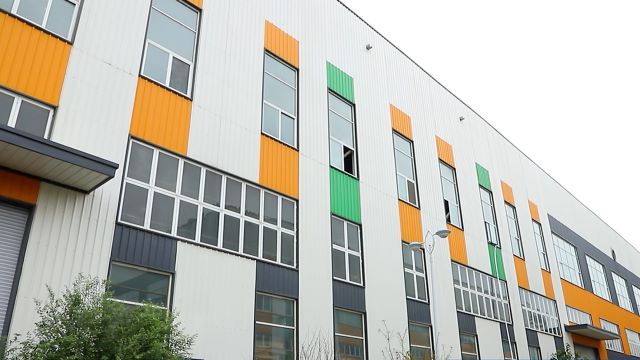
Linyi Fipdm Import And Export Co., Ltd. is a verified trading company and multispecialty supplier located in Linyi, Shandong, China, the largest wood-based panel production cluster in the country. We are not presenting ourselves as a single-line sawmill. Our advantage is coordinated access to vetted partner mills, combined with on-site material inspection and finished-product inspection before every shipment. That model is especially useful for Jeddah importers who need Poplar LVL, HPL, compact laminate, MDF, plywood and door-core products from one accountable contact.
Our company profile includes 9 years in the industry, 8 dedicated staff, a 5.0 buyer rating and 4 years as a gold supplier, with a #4 top-selling position in the Plywoods category as published on the source profile. Those numbers are not a substitute for your own due diligence, but they show a track record and a focused export team. We offer minor customization such as logo, packaging and graphics, as well as sample-based, design-based and full customization and ODM services. For distributors building their own brand, that flexibility can be more valuable than a generic container of stock boards.
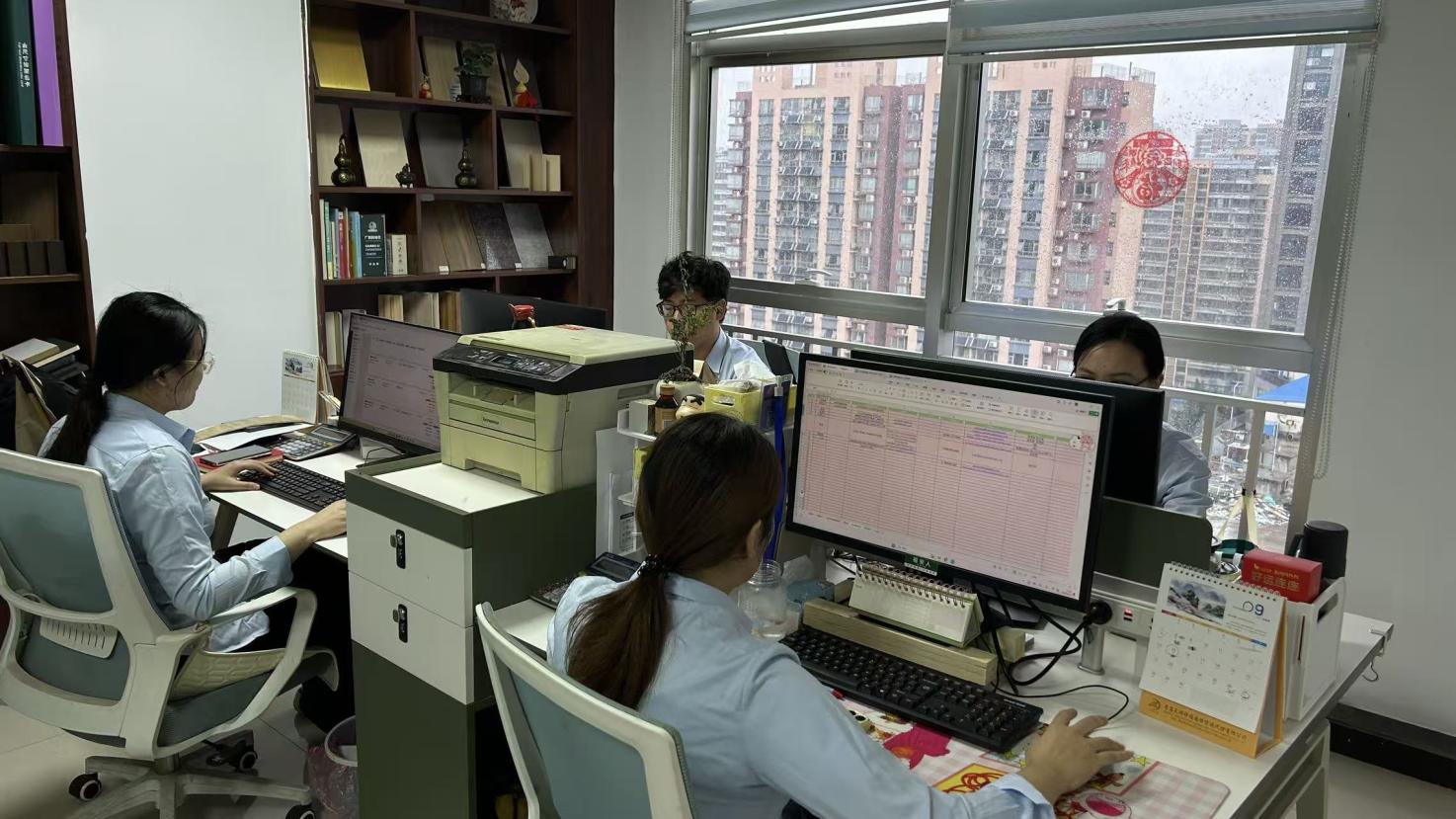
Our quality process is built around two checkpoints: material inspection at the partner mill and finished-board inspection for thickness, surface, edges and packing before loading. We also support engineer-level technical communication for installation questions on cladding, partitions and furniture projects. When a Jeddah buyer needs loading photos, packing evidence or clarification on a mixed-load plan, the communication path stays direct.

Third-Party Verified
Intertek-assessed supplier status and a multispecialty supply model give buyers a starting point for due diligence.
Two-Stage Quality Control
Material check at the partner mill, then finished-board inspection for thickness, surface, edges and packing.
Mixed-Container Consolidation
Combine Poplar LVL, HPL, MDF, plywood, compact laminate and door cores to reduce freight and supplier administration.
Customization and ODM
Logo, packaging, graphics, sample-based design and full customization for distributors and project brands.
On-Site Technical Support
Engineer communication for installation guidance on wall cladding, partitions, furniture and wet-area panels.
Export-Ready Packing
Seaworthy pallet packing, edge protection and loading photos to support remote approval before departure.
How to Buy Poplar LVL and Panels for Jeddah: 8 Practical Steps
A disciplined workflow protects both the buyer and the factory network. It also creates a clear record if a claim or specification question arises after arrival.
Define the application
State whether the board is for kitchen cabinets, hotel wardrobes, bathroom vanities, retail fixtures, door cores, packaging or structural components.
Select substrate and surface
Choose LVL, plywood, MDF, HMR MDF or compact laminate, then match the HPL or melamine face to the cleaning and visual requirement.
Request samples and reports
Ask for a physical sample, current product photo, thickness range, finish description and available test reports before approving a color or texture.
Confirm compliance expectations
Discuss formaldehyde target, fire-documentation needs and any Saudi import requirements with your importer and consultant; do not assume a generic certificate covers every project.
Build the mixed-load plan
List every SKU, thickness, size, quantity and packing requirement. Confirm how flat surfaces will be protected and how the container will be loaded.
Approve pre-production checks
Before mass production, confirm the material batch, face color, core type and edge treatment. Save the approved reference sample and written specification.
Inspect before shipment
Review finished-board photos, thickness checks, surface condition, edge protection and packing details. Ask for corrective action before loading if something differs.
Receive loading evidence
Keep loading photos, packing images and shipping documents with the order file. These records make it easier to coordinate with your Jeddah clearing agent and project team.
Common Local Procurement Questions Before Ordering Poplar LVL and Panels
These are the questions Jeddah importers, furniture factories and fit-out contractors typically ask when comparing factory-network suppliers in Linyi.
Are you a Poplar LVL manufacturer or a trading company?
Linyi Fipdm Import And Export Co., Ltd. is a verified trading company and multispecialty supplier. We source from vetted partner mills in Linyi and manage material inspection and finished-product inspection before shipment. This model is useful when a buyer needs Poplar LVL alongside HPL, plywood, MDF and other panel products from one coordinated supply chain. If your requirement is strictly a single mill’s own production, we can discuss the most suitable factory-network option openly.
Can you ship Poplar LVL, HPL, plywood and MDF to Jeddah in one container?
Mixed-load consolidation is a core part of our service. Jeddah buyers often combine LVL components with HPL-faced boards, HMR MDF, decorative laminates and door-core products to reach an efficient container load. Share the target quantities and packing preferences; we will review the combination against thickness, size, protection needs and loading sequence. Final routing and port charges should be confirmed with your freight forwarder.
How do you reduce moisture and warping risk for Jeddah’s climate?
We discuss the application first, then match the substrate, adhesive and surface. For humid interior areas, HMR MDF or suitable plywood cores with sealed edges are often more appropriate than a generic board. Packing should include moisture-barrier wrapping and edge protection, and the container should be loaded to avoid point loads. For exterior or wet exposure, do not assume standard interior products are sufficient; request a specific recommendation and current test evidence.
What documents can you provide for Saudi import and project approval?
We can provide commercial documents, packing information, product specification sheets, available test reports and loading or inspection photos. For Saudi Arabia, project-specific requirements may involve SASO-related documentation, fire performance, formaldehyde declaration or other consultant requirements. Please send the target standard and application to your importer early so the correct documentation can be discussed before production. We do not replace your importer’s compliance review.
What is the MOQ and lead time for a Jeddah order?
Minimum order quantity depends on product type, thickness, finish, size and whether the order is a mixed load. Production lead time is confirmed after sample approval, specification sign-off and deposit. For Jeddah projects, build inspection and shipping time into the schedule rather than planning only around production days. Early confirmation of colors, sizes and packing helps the factory network reserve capacity.
Can we verify quality before the container leaves China?
Yes. Our process is built around material inspection at the partner mill and finished-product inspection before loading. Depending on the order, buyers can request thickness checks, surface and edge photos, packing photos and loading photos. For larger or higher-risk projects, discuss third-party inspection arrangements with your team. The objective is to create evidence before shipment, when corrective action is still practical.
Send Your Poplar LVL and Panel Specification for Jeddah
Tell us the application, target sizes, thickness, surface finish, substrate preference, expected quantity and any Saudi documentation requirements. Our export team will review the factory-network options, suggest a practical mixed-load structure and confirm the inspection steps before you commit to production.