Dnipro Market Brief
Specifying Plywood for Dnipro's Real Operating Conditions
Dnipro is an industrial, logistics and university city with a broad mix of apartment renovation, retail fit-out, healthcare, education, furniture manufacturing and commercial refurbishment demand. For buyers in the Dnipro market, the panel decision is rarely only about a low headline price per sheet. It is about how the board behaves after storage, machining, installation and repeated cleaning in a continental climate.
Seasonal humidity, winter heating cycles and summer temperature swings put pressure on board edges, glue lines and face adhesion. A plywood sheet that looks acceptable in the warehouse can show edge swelling, face lifting or colour inconsistency once it reaches a workshop or site. That is why a practical Dnipro specification should verify core construction, glue line, surface bond, thickness tolerance, packaging and acclimatisation instructions before price is finalised.
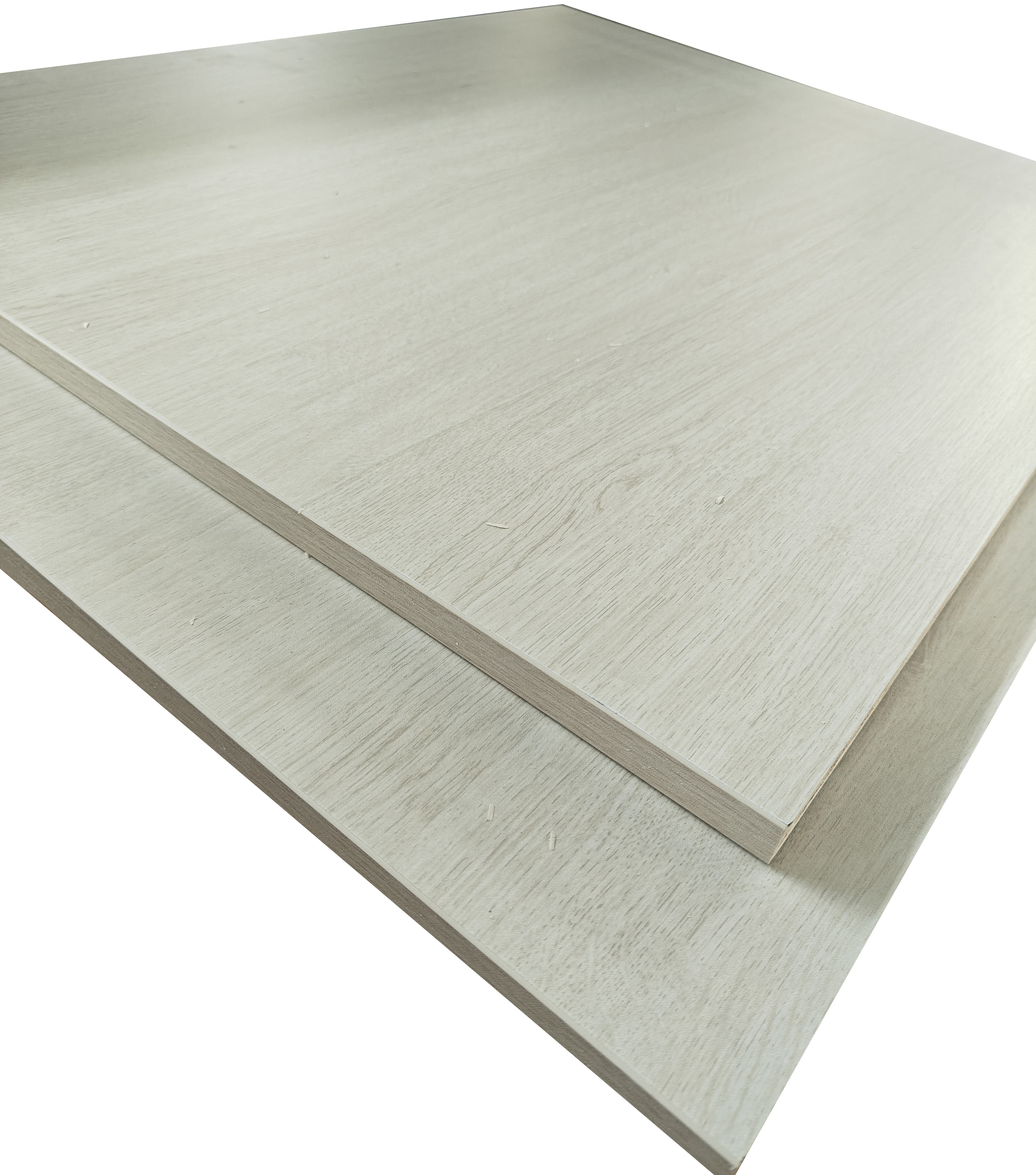
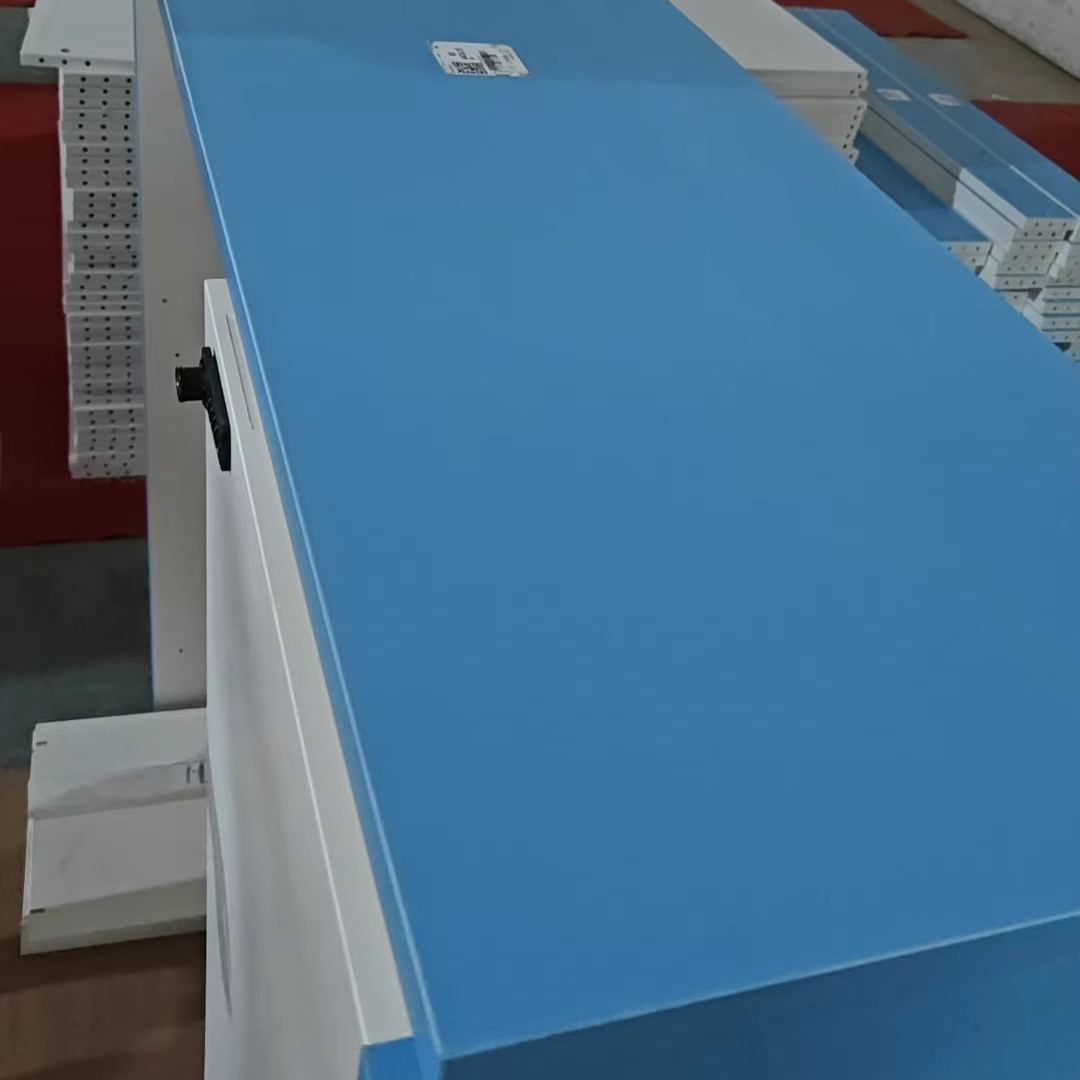
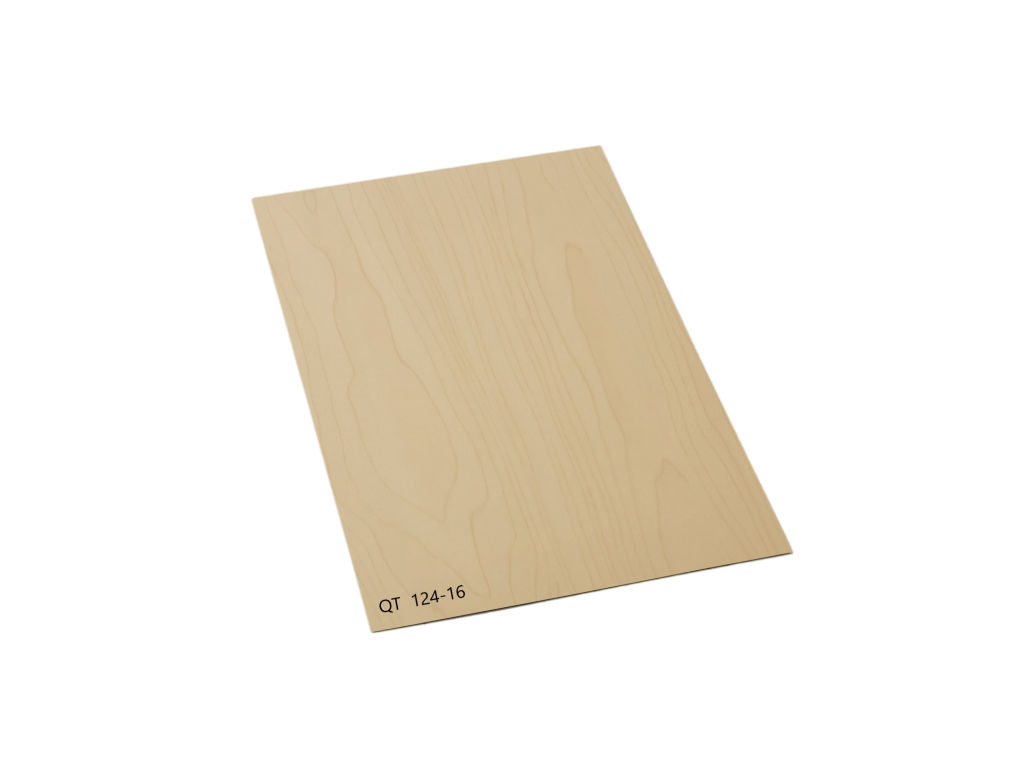
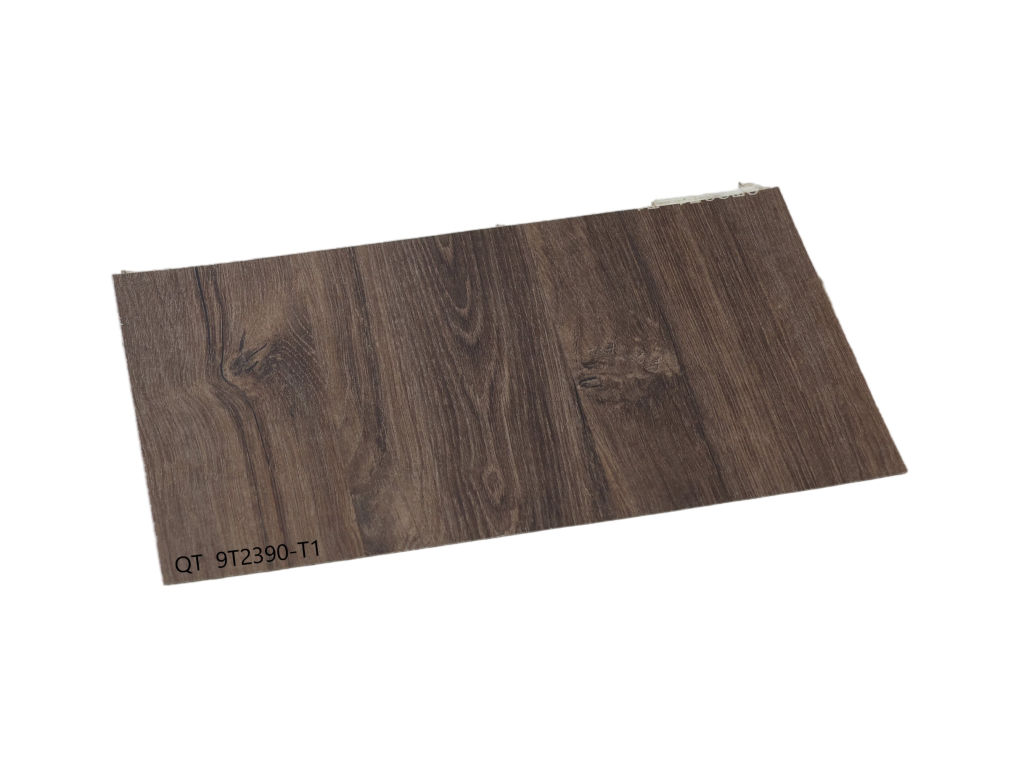
For public interiors, buyers also need to consider low-emission E0 or E1 options, cleanable HPL faces and fire-resistant constructions where the project requires them. Local documentation requirements should be confirmed with the project designer, but the sourcing process can start with the right material family: decorative HPL over plywood for furniture, compact phenolic laminate for wet and high-impact zones, and E0 HPL plywood for furniture and fit-out work that demands both surface durability and controlled formaldehyde emission.
Information gain for Dnipro buyers: the specification question is not simply “What is the cheapest 18 mm plywood?” It is “Which press, glue line, face grade, edge detail and packing method will still look acceptable after Dnipro's seasonal moisture cycle and a busy installation schedule?”
Four checks before confirming a container
1. Core and glue line: confirm plywood construction, glue type and intended humidity exposure. For kitchens, bathrooms and commercial wet zones, move up to moisture-resistant or compact options rather than relying on paint alone.
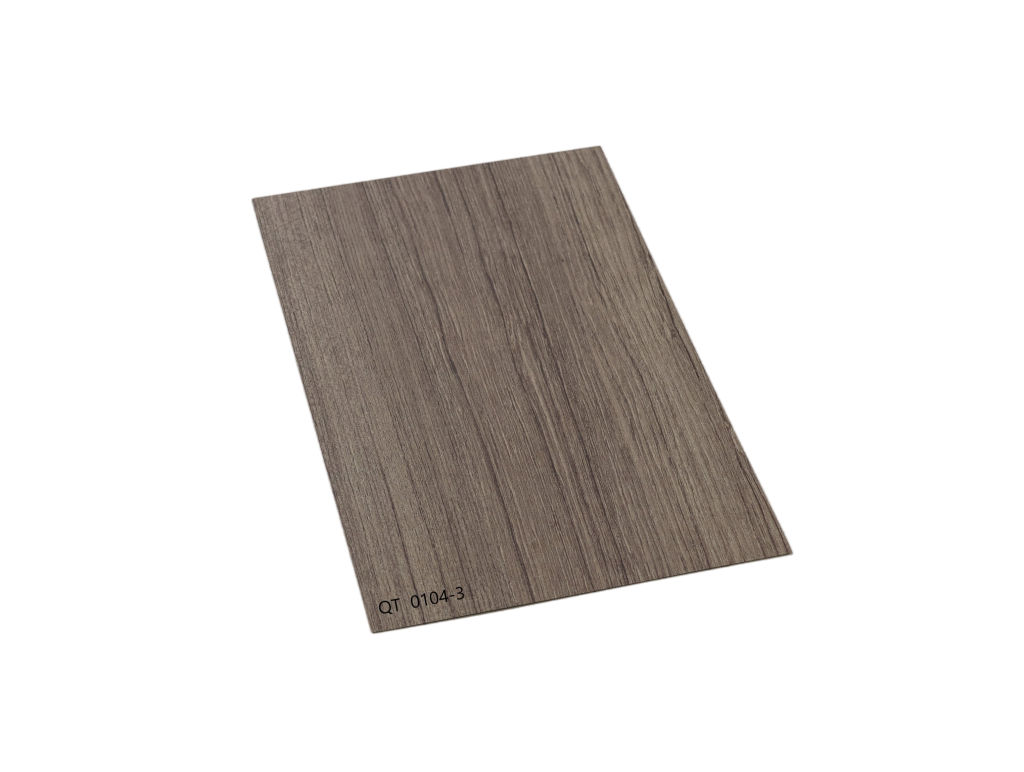
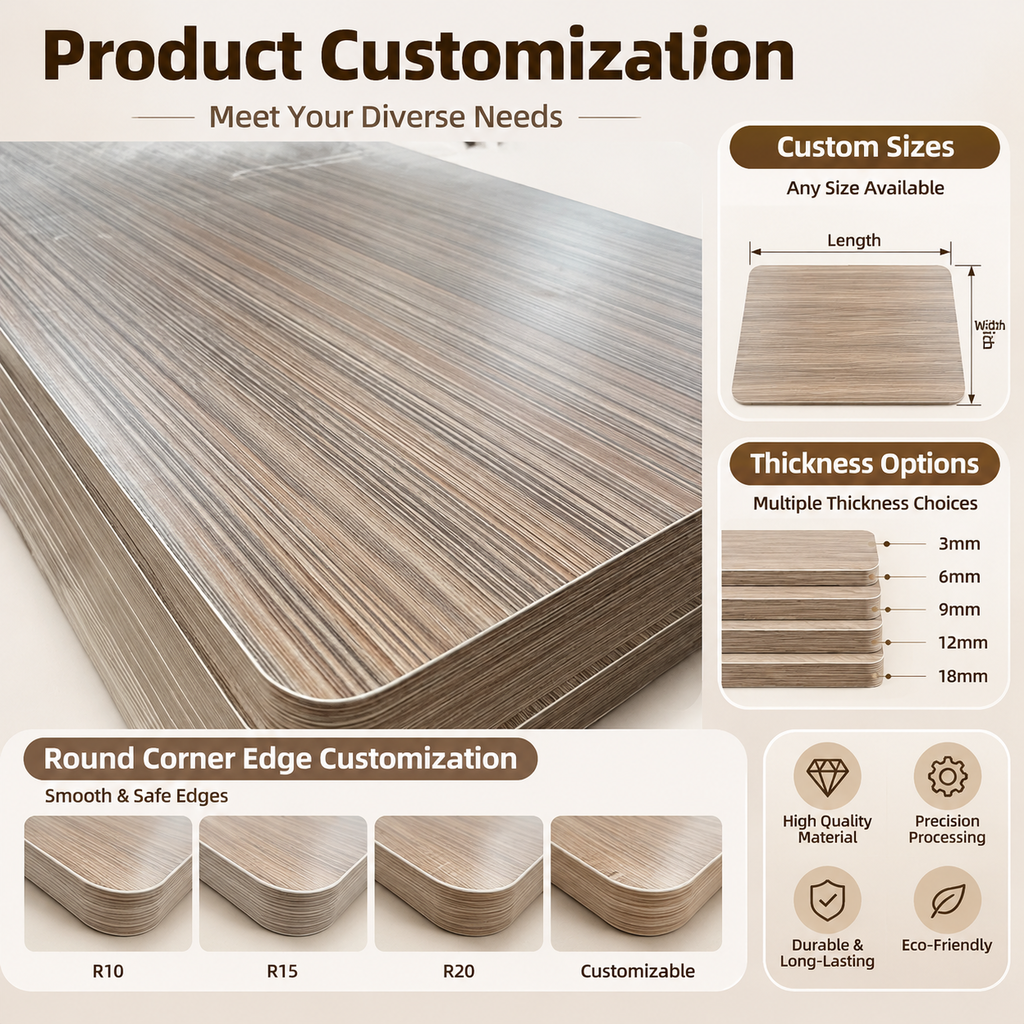
2. Face and edge quality: HPL decorative faces should be checked for colour consistency, surface defects and adhesion. Edges need sealing or matching edge banding to reduce moisture ingress.
3. Emission and fire requirements: request E0 or E1 where relevant and match fire performance to the project. Keep test documentation aligned with the destination market and buyer's compliance process.
4. Mixed-load economics: Dnipro importers often combine HPL, plywood, MDF, compact laminate and door cores. Consolidation reduces freight waste, handling risk and supplier administration.