OEM/ODM MDF Board Manufacturer & Exporter Serving Milan
Moisture-conscious, low-emission and decorative MDF board solutions for Milan’s furniture makers, contract interior specialists, architects and importers.
Company information is drawn from the current Linyi Fipdm Import And Export Co., Ltd. profile. Please confirm current rankings, certifications and stock with our export team before specifying or contracting.
An MDF board supply programme built around Milan’s design, contract and logistics realities
Milan is not simply a showroom city. It is a specification market where furniture makers, contract fit-out companies, architecture studios and importers judge a panel supplier on colour consistency, moisture behaviour, machining stability, documentation and delivery reliability. A board that looks correct in a sample folder but machines unpredictably, drifts in colour between batches or arrives without the required test information can disrupt a hotel, retail or residential programme far more than its unit price suggests.
Linyi Fipdm Import And Export Co., Ltd. is a verified trading company and multispecialty supplier based in Linyi, Shandong, China’s major wood-based panel cluster. Our role in an OEM/ODM MDF board programme is to translate a Milan buyer’s drawings, colour targets and application requirements into a controlled board build: substrate selection, face material, thickness, sheet size, edge treatment, packaging and documentation. Manufacturing is delivered through vetted partner mills; Fipdm remains the accountable quality-control, consolidation and export interface.
That distinction matters for professional buyers. We inspect materials at the partner mill and inspect finished boards before loading, so the specification is checked at two stages rather than left to a final visual glance. We also consolidate HPL, melamine-faced boards, plywood, LVL, door cores and melamine paper where relevant, helping importers reach practical container loads without managing a long list of unrelated suppliers. Our 9 years of panel sourcing experience, 8-person export team, Intertek-verified supplier assessment and 5.0 buyer rating give Milan buyers a useful starting point — provided each order’s technical requirements are still verified in writing.
For a Milan project, the most valuable first document is not a generic catalogue but a specification lock sheet. It should state the MDF type, density range, thickness tolerance, face grade, decor code or sample reference, formaldehyde class, reaction-to-fire evidence where required, moisture-protection expectations, packing method and approved sample number. This single sheet reduces the risk of colour drift, machining differences and disputes after production.
- ✓OEM/ODM support for board sizes, thicknesses, faces, colours, packaging and private-label programmes.
- ✓Two-stage inspection: material check at the partner mill and finished-product inspection before shipment.
- ✓Mixed-category consolidation for buyers combining MDF, HPL, plywood, LVL and door-core products.
- ✓Engineer support and export documentation for project buyers who need a responsive technical contact.
Eight panel products frequently shortlisted for Milan MDF and decorative projects
These HPL, melamine and decorative panel products are relevant where an MDF or plywood substrate needs a durable, repeatable face. Product links and images are retained for direct evaluation.
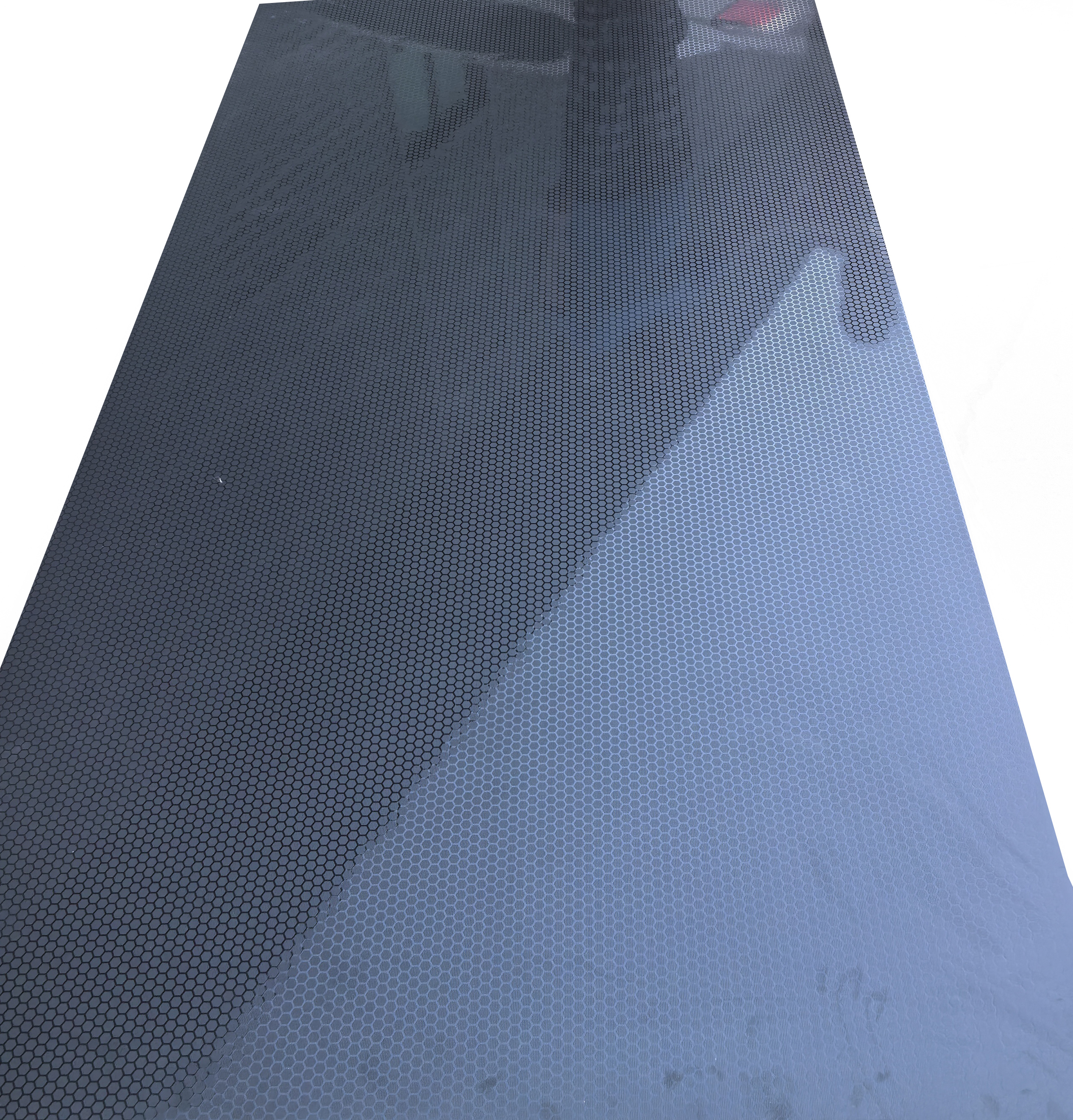
Factory Wholesale 18mm HPL Film Melamine Plywood Modern Design Style 1-Year Warranty E0 Standard Birch Laminated Plywood
18 mm E0 birch laminated plywood with HPL film and melamine face; suited to hard-wearing cabinet and wardrobe components where a pre-finished panel reduces site work.
View product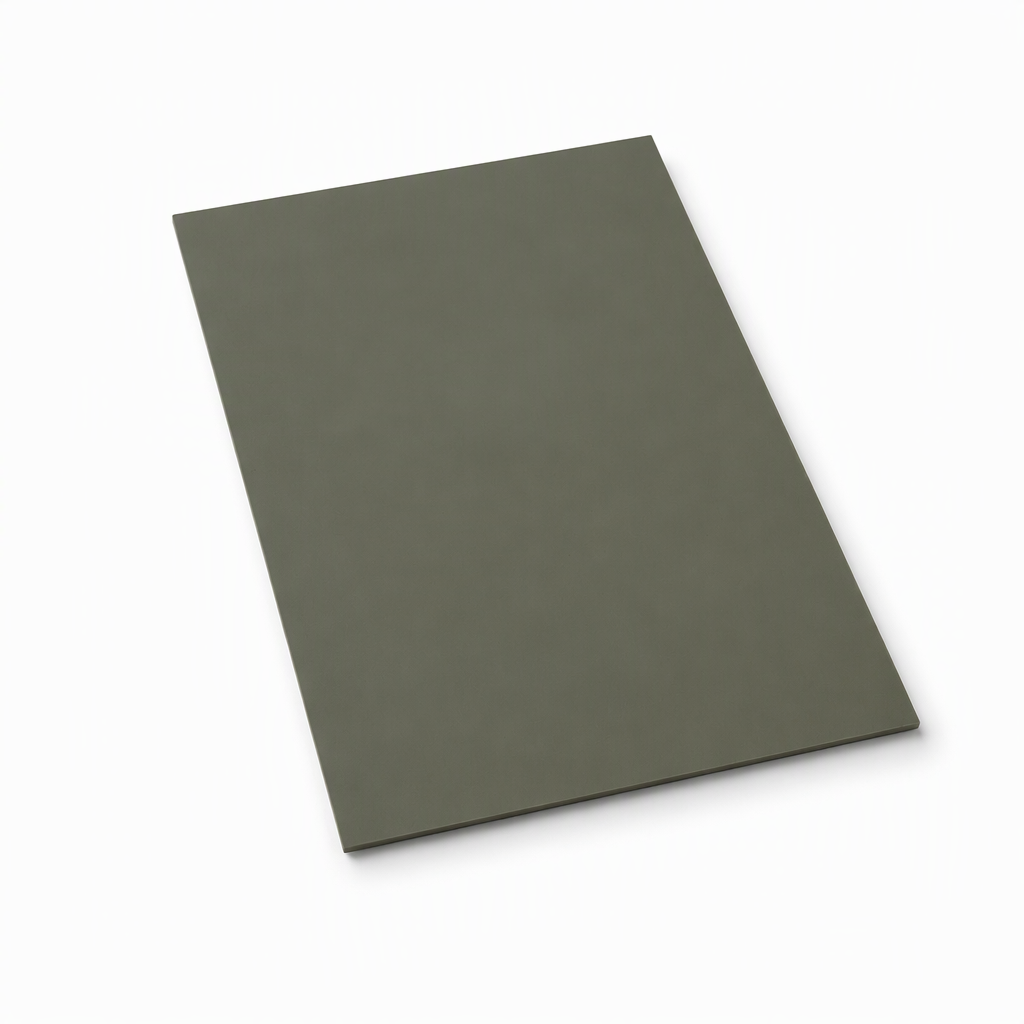
1230*2450mm Grey Green HPL Sheet Decorative High Pressure Laminate Panel for Furniture Interior
Grey-green decorative HPL for furniture fronts, reception counters and interior wall panels; useful where a cool architectural palette must be repeated across batches.
View product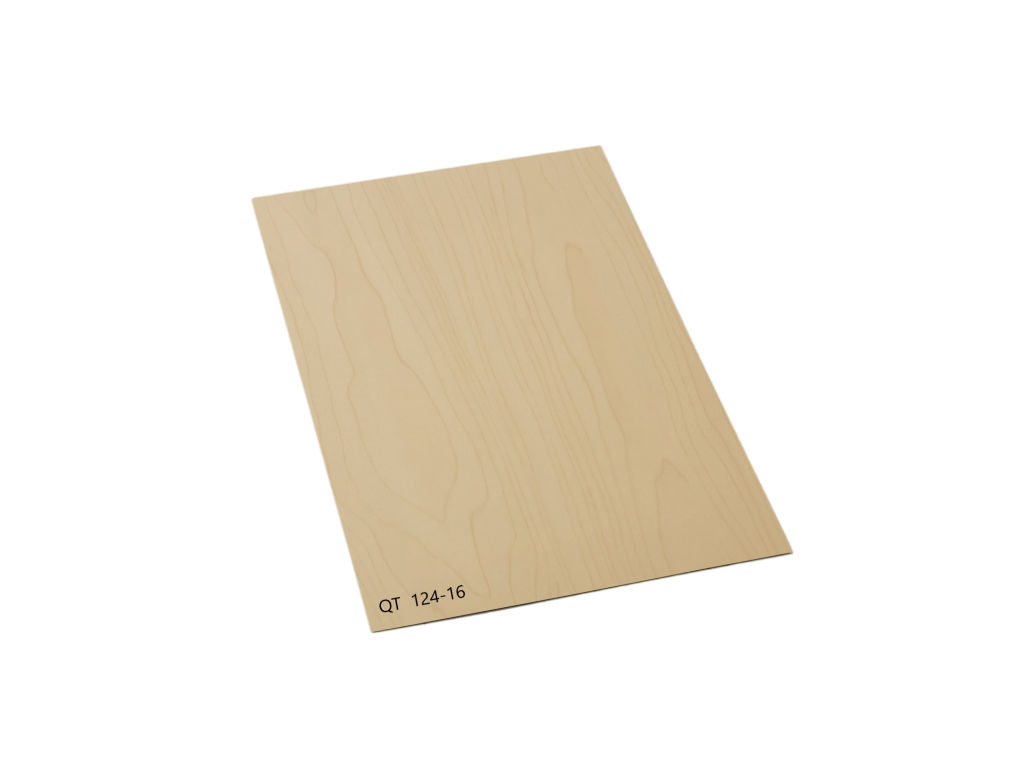
Light Wood Grain HPL Decorative Laminate Sheet Phenolic Resin Panel for Interior Wall and Furniture
Light wood-grain phenolic laminate for warm wall linings and furniture; pair with MDF or plywood substrates after confirming bond, edge treatment and batch reference.
View product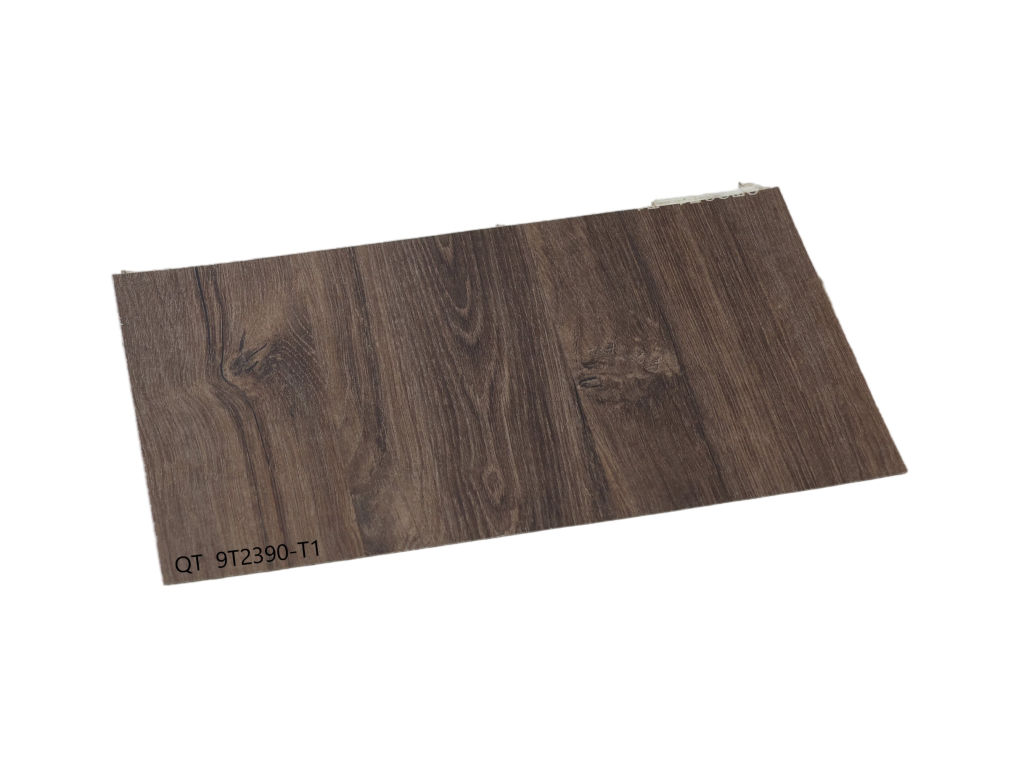
Dark Brown Decorative Panel HPL Sheet QT 9T2390-T1 Interior Wall Cladding
Dark brown interior wall cladding HPL with a furniture-grade face; suitable for feature walls, hospitality joinery, showroom accents and reception areas.
View product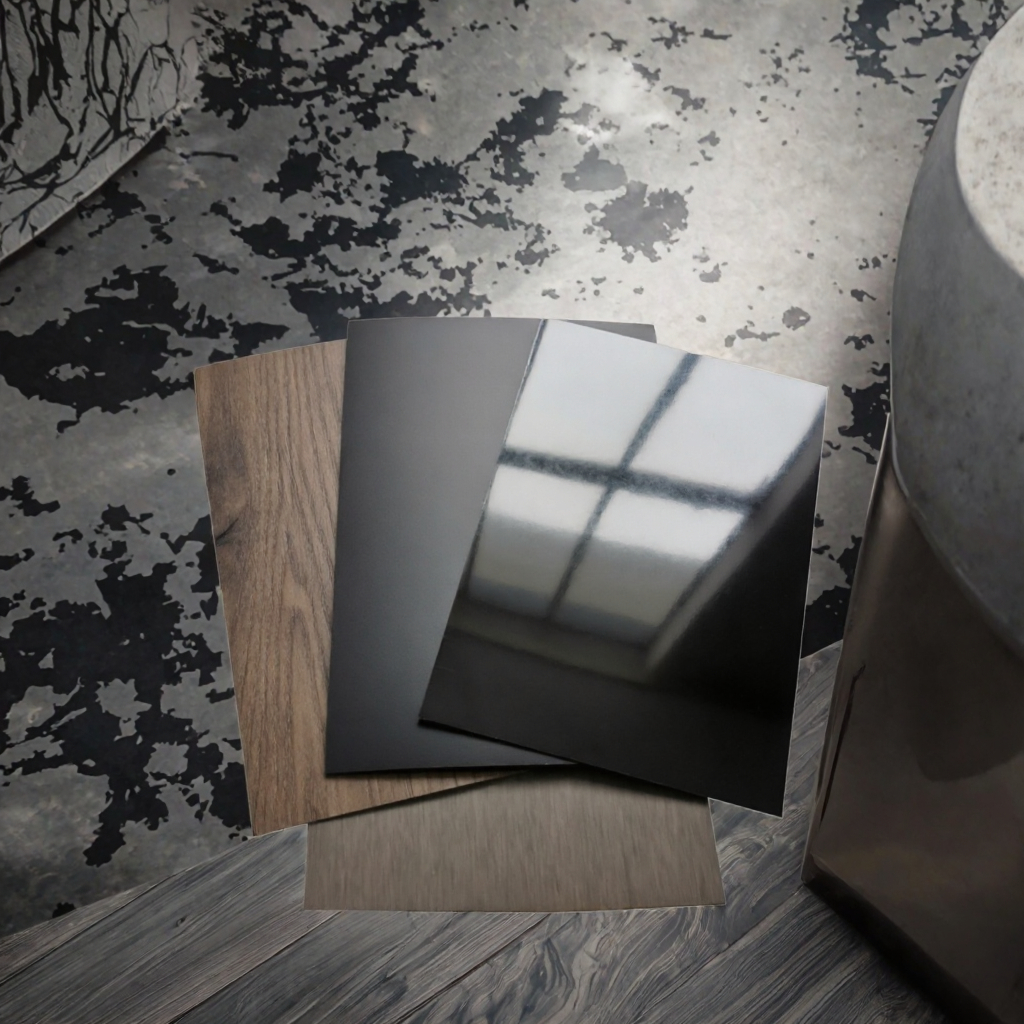
Glossy Black HPL Laminate Sheet Formica Decorative Panel for Interior Furniture Laboratory Table
Glossy black decorative HPL for furniture and laboratory tables; define gloss level, cleaning chemicals and edge details before ordering.
View product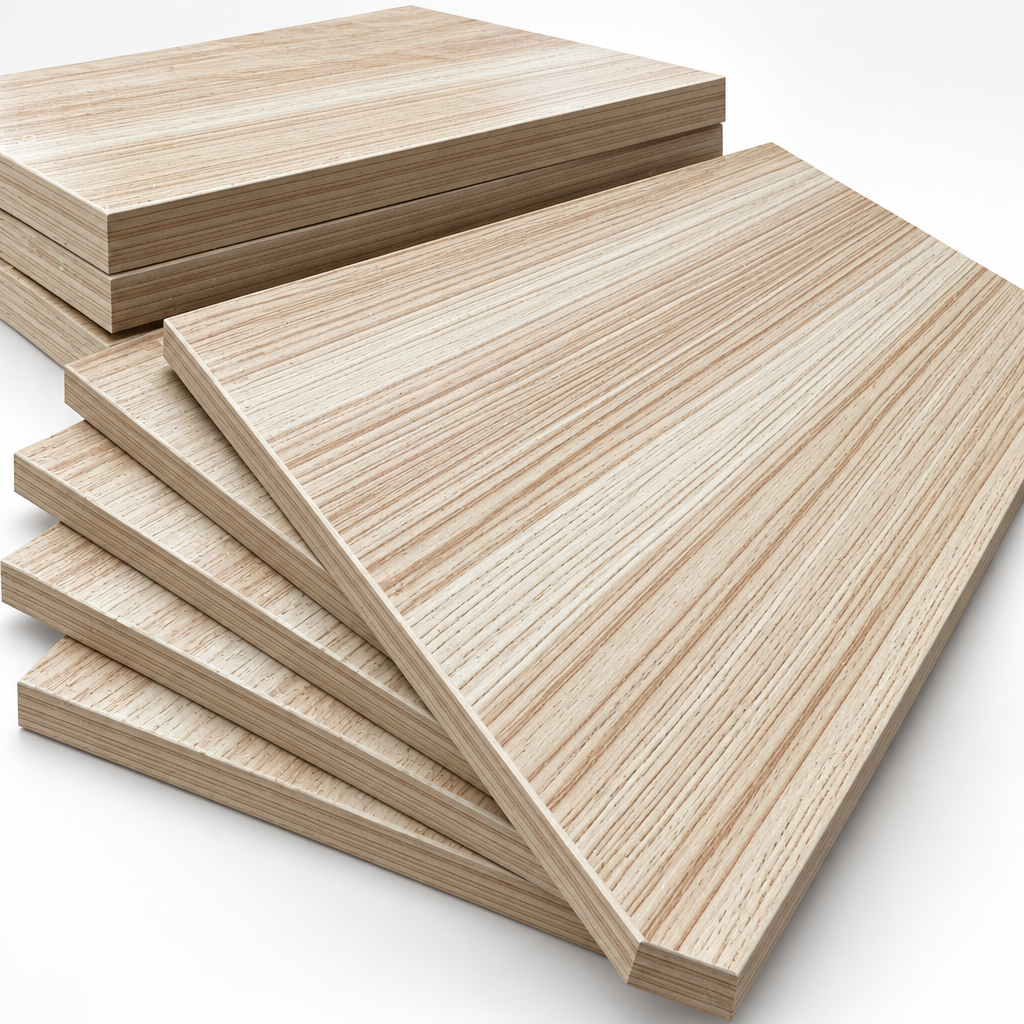
In Stock Wear-Resistant High Pressure Laminate HPL Plywood Sheets for Modern Kitchen Cabinets and Wooden Furniture Panels
Wear-resistant HPL plywood for kitchen cabinets and wooden furniture panels; a practical choice for high-traffic contract interiors and mixed-container orders.
View product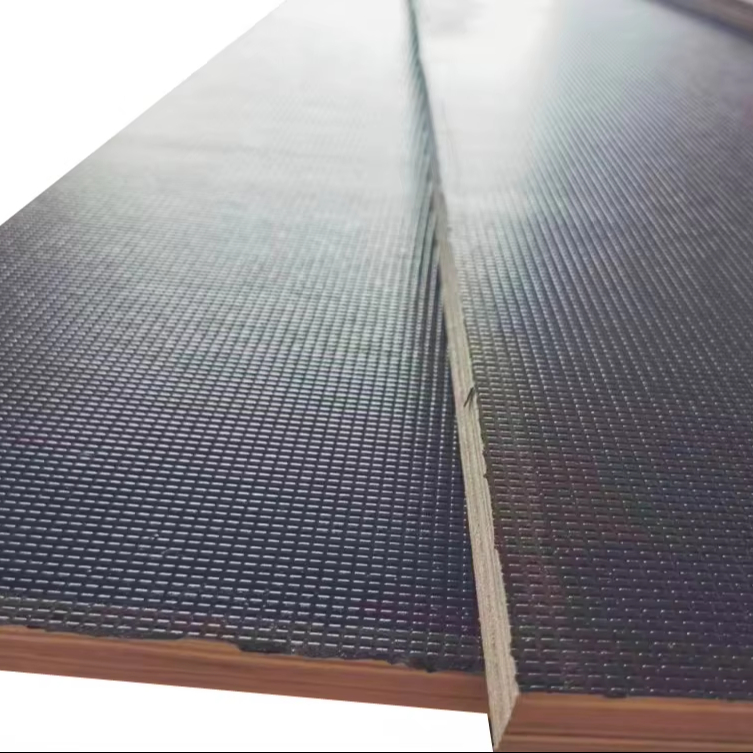
1220x2440 HPL Waterproof Laminate Sheet Board Fire Retardant Decorative High-Pressure Plywood E0 Formaldehyde Marine Phenolic
Waterproof, fire-retardant decorative HPL phenolic board in 1220×2440; specify reaction-to-fire and formaldehyde documentation for Milan public and wet-area projects.
View product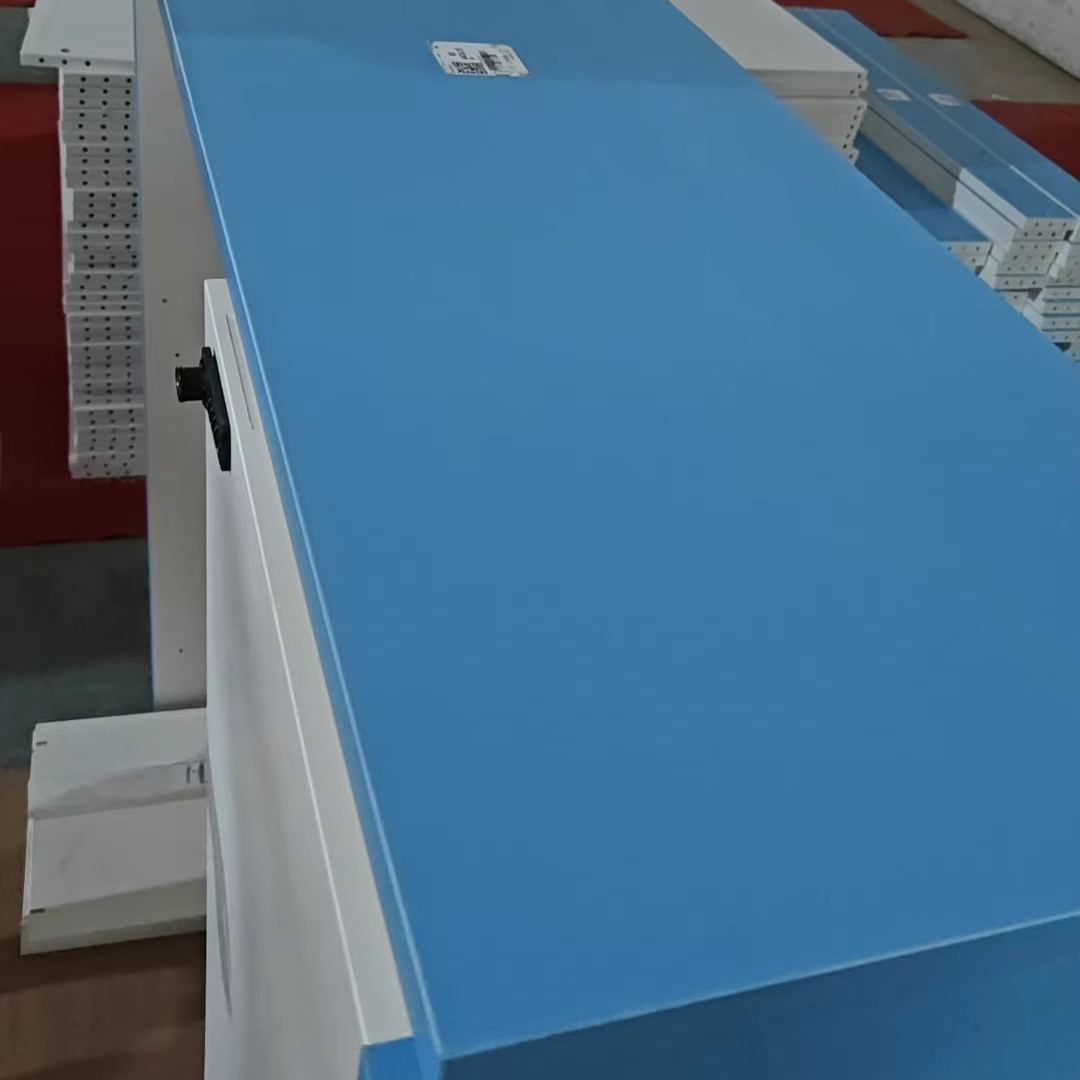
Linyi Hpl Melamine Board Plywood Sheet 18mm 15mm Melamine Board Hpl Laminated Furniture Board
Linyi HPL melamine board plywood in 15 mm and 18 mm for furniture boards; useful when consolidating HPL-faced and melamine-faced panels in one shipment.
View productWhich MDF board build should a Milan project specify?
MDF is not a single commodity. The right route depends on humidity, fire strategy, face durability, lacquer or veneer finish, CNC machining and the evidence your client or insurer expects.
HMR / MR MDF + HPL for wet-adjacent interiors
For bathroom vanity carcasses, kitchen cabinet components, hotel bathroom joinery and service counters, moisture-resistant MDF with a well-bonded HPL face can be more forgiving than standard MDF. Edges, fixing points and cut-outs still require sealing.
- Define moisture-resistant core and edge-sealing method.
- Use compact laminate for exposed wet worktops.
- Confirm adhesive and press route with the mill.
E1 / E0 melamine-faced MDF for volume joinery
Wardrobes, office storage, retail fixtures and residential cabinetry often benefit from melamine-faced MDF because it offers efficient surface coverage and repeatable décor matching. E1 is a baseline expectation; E0 is frequently requested as a lower-emission commercial option, so ask for product-specific reports rather than assuming equivalence.
- Lock décor code, texture and gloss level.
- Approve a physical sample under project lighting.
- Ask for EN 717-1 formaldehyde test reports where available.
Fire-retardant MDF for public and contract spaces
Hotels, schools, healthcare interiors and public buildings may require reaction-to-fire evidence for wall linings, doors, fixtures or furniture components. Not every “FR” board is supported by the same classification. State the required Euroclass and application, then request the test report and scope of validity before ordering.
- Specify EN 13501-1 class if applicable.
- Check report scope: product, thickness and facing.
- Do not assume HPL facing preserves the core classification.
Veneered and lacquer-ready MDF for Milan design work
High-end residential, showroom and hospitality joinery often depends on consistent MDF density, calibrated thickness and a clean sanded surface for veneer or lacquer. For visible natural veneer, discuss sequence matching, substrate grain direction and finishing samples before production.
- Confirm density and thickness tolerance for CNC.
- Approve sanding and primer compatibility.
- Plan acclimation before machining and finishing.
Where MDF boards and decorative panels are specified around Milan
Milan’s project mix rewards suppliers who understand both design intent and practical installation conditions. The strongest programme is usually the one that matches the board to the room, not only to the render.
Hotels, restaurants and serviced apartments
HPL-faced MDF and melamine-faced MDF are common for headboards, wardrobe internals, casegoods, bathroom vanity fronts and wall panelling. In busy rooms, impact resistance, edge sealing and cleanability matter as much as the décor. For wet worktops and exposed bar tops, specify compact laminate or a properly sealed HPL system rather than relying on standard MDF alone.
Bespoke residential joinery and kitchen fronts
Milan’s apartment renovations often require precise CNC machining, curved cabinetry, flush doors and painted millwork. HMR MDF and veneered MDF are useful where profiles and smooth surfaces dominate, but the site’s winter heating and summer humidity make acclimation and edge protection important. Approve a finished sample and agree a conditioning period before installation.
Showrooms, fashion retail and exhibition fit-outs
Retail programmes demand fast turnaround, crisp edges and colour consistency across repeated fixtures. Melamine-faced MDF and HPL-faced panels support modular display systems, cash desks and wall units. For pop-up and exhibition builds, short-run OEM sizes and mixed-container consolidation can reduce waste and site handling.
Offices, co-working and commercial interiors
Office storage, meeting-room joinery, reception desks and decorative slat panels frequently use MDF because it machines cleanly and accepts paint, veneer or laminate. Indoor air quality and fire documentation can become critical in larger fit-outs. Confirm the class required for the specific element and check whether the chosen face affects that classification.
Education, healthcare and laboratory-adjacent furniture
HPL and compact laminate are often chosen where surfaces need frequent cleaning or chemical resistance. MDF can be appropriate for non-wet, non-structural cabinetry, but laboratory worktops should be specified with the appropriate compact or chemical-resistant surface. Ask for product-specific cleaning and chemical-resistance guidance rather than relying on a generic “waterproof” claim.
Architecture models, prototypes and custom components
Milan’s design studios often need small batches for prototypes, exhibition sets and furniture trials. MDF’s uniform core supports CNC routing, modelling and painted finishes, while HPL and melamine samples help evaluate colour and texture. Keep MDF for interior, non-structural use and confirm the correct board grade before a prototype becomes a production specification.
What Milan and Lombardy buyers are asking for in MDF board specifications
The direction is clear: fewer generic panel descriptions and more documented, application-led specifications that connect design, indoor air quality, moisture behaviour and fabrication.
Lower-emission interiors are becoming a baseline conversation
Designers and contractors increasingly ask for E1 documentation as a minimum and request E0 or equivalent low-emission options for sensitive residential, healthcare and hospitality projects. The practical answer is not a slogan but a test report, a product reference and a clear statement of which board and facing were tested.
Po Valley humidity pushes moisture strategy up the agenda
Milan’s seasonal humidity, winter heating and summer storms create moisture cycles that can affect machined MDF edges, cabinetry interiors and bathroom joinery. HMR cores, sealed edges, backside protection, sensible acclimation and delivery packaging are becoming part of the specification rather than afterthoughts.
Fire documentation is being requested earlier in the project
Contract interiors and public buildings often require reaction-to-fire evidence before approval, not after the panels arrive. Buyers are increasingly asking for EN 13501-1 classifications, test-report scope and confirmation that the facing, thickness and substrate match the tested construction.
Digital fabrication rewards consistent board behaviour
CNC cutting, edge-banding, nesting and short-run customisation put a premium on stable density, calibrated thickness and predictable surfaces. For Milan’s design-led manufacturers, a supplier who can repeat a machining trial, hold a décor reference and pack panels for efficient site handling is worth more than a lower headline price.
A practical MDF board checklist for Milan purchasing teams
Use this framework to brief a supplier, compare quotations and reduce the risk of receiving a board that meets the catalogue description but not the project requirement.
| Specification area | What to define | Why it matters in Milan | Evidence to request |
|---|---|---|---|
| MDF substrate and density | Plain MDF, HMR / moisture-resistant MDF, fire-retardant MDF, veneered MDF; density range; thickness tolerance; sanding grade. | Machining stability, screw-holding, edge quality and lacquer flatness affect bespoke joinery and CNC components. | Product data sheet, thickness check, density range and approved machining sample. |
| Face and décor | Melamine, HPL, veneer or lacquer-ready; décor code, texture, gloss level and batch reference. | Milan design approvals are often sample-led; a near-match can still be rejected under showroom lighting. | Physical sample, batch reference, face grade and cleaning guidance. |
| Formaldehyde emission | E1 or E0 supply option; target application; declaration and test standard. | Indoor air quality and client procurement requirements increasingly require documented board classes. | EN 717-1 or equivalent test report where available; confirm board and facing tested. |
| Reaction to fire | Required Euroclass, element location, substrate and facing combination. | Hotels, schools, healthcare and public interiors may need evidence before approval. | EN 13501-1 classification and report scope; confirm applicability to the offered construction. |
| Sheet size and yield | 1220×2440 mm or project-specific formats; cutting plan; grain direction; edge allowance. | Milan site access and waste costs make sheet optimisation valuable, especially in historic buildings. | Cutting list review, production tolerance and packing plan. |
| Packing and delivery | Seaworthy pallets, corner protection, moisture barrier, container loading plan, delivery postcode and unloading conditions. | Milan is inland; final delivery may involve port transfer, narrow streets and limited unloading windows. | Loading photos, packing specification, Incoterm proposal and delivery appointment requirements. |
Technical requirements vary by product, thickness and application. This checklist is a briefing aid, not a substitute for project-specific verification, local regulatory advice or written supplier confirmation.
Why Milan buyers use Linyi Fipdm for OEM/ODM MDF panel sourcing
A verified trading and export partner can add value where multiple board families, custom faces, quality checks and shipment documents need to be coordinated rather than bought as isolated lots.
Intertek-verified supplier assessment
Fipdm’s company profile records a third-party Intertek supplier assessment, together with a #4 top-selling supplier ranking, 9 years in the industry and a 5.0 buyer rating. For professional buyers, these signals support an initial shortlist; final approval should still be based on samples, documents and order-specific checks.
Two-stage quality control before loading
We inspect materials at the partner mill and inspect finished boards for thickness, surface, edges and packing before shipment. This is especially relevant for faced MDF and HPL programmes where bonding, colour and edge condition cannot be judged from a stock photo.
Multi-category consolidation
HPL, melamine-faced MDF, plywood, LVL, tubular chipboard door cores and melamine paper can be combined in one managed shipment. Mixed loads help importers, distributors and furniture factories improve container utilisation without opening five separate supplier relationships.
OEM / ODM customisation
We support minor customisation such as logo, packaging and graphics, as well as sample-based, design-based and full customisation. ODM development is available for distributors building their own range. The earlier the approved sample and specification sheet are locked, the smoother the production route.
On-site technical and engineer support
Project buyers can receive installation guidance and practical support for cladding, partition and furniture applications. For MDF programmes, this also means discussing machining, edge sealing, acclimation and finish compatibility before the board is ordered rather than after installation issues appear.
Export-ready logistics and documentation
Seaworthy pallet packing, export documents and loading photos are shared with shipments. Delivery to Milan can be quoted with clear Incoterms, port routing, pallet plan and final-postcode requirements, helping the buyer align production with site access and unloading capacity.
From inquiry to Milan delivery: five practical stages
A disciplined sequence helps convert a design requirement into a repeatable panel specification and a shipment that can be checked before it leaves China.
Inquiry
Share sizes, thickness, face, quantity, target application, emission class and delivery postcode.
Sampling
Approve colour, texture, gloss, core grade and edge expectations against a physical reference.
Production
Confirm material at the partner mill, lock the specification sheet and monitor the batch route.
Inspection
Check finished boards for surface, thickness, edges, packing and order-specific documentation.
Shipping
Share loading photos and export documents, then coordinate the agreed delivery route to Milan.
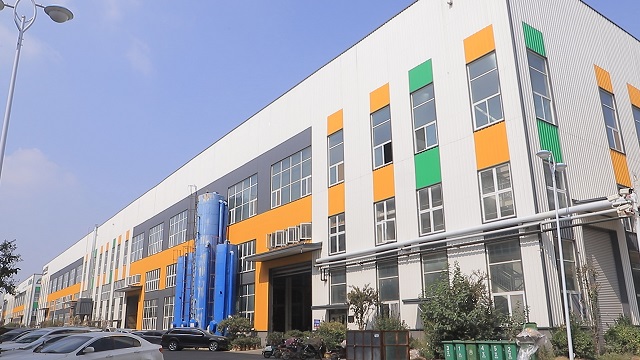
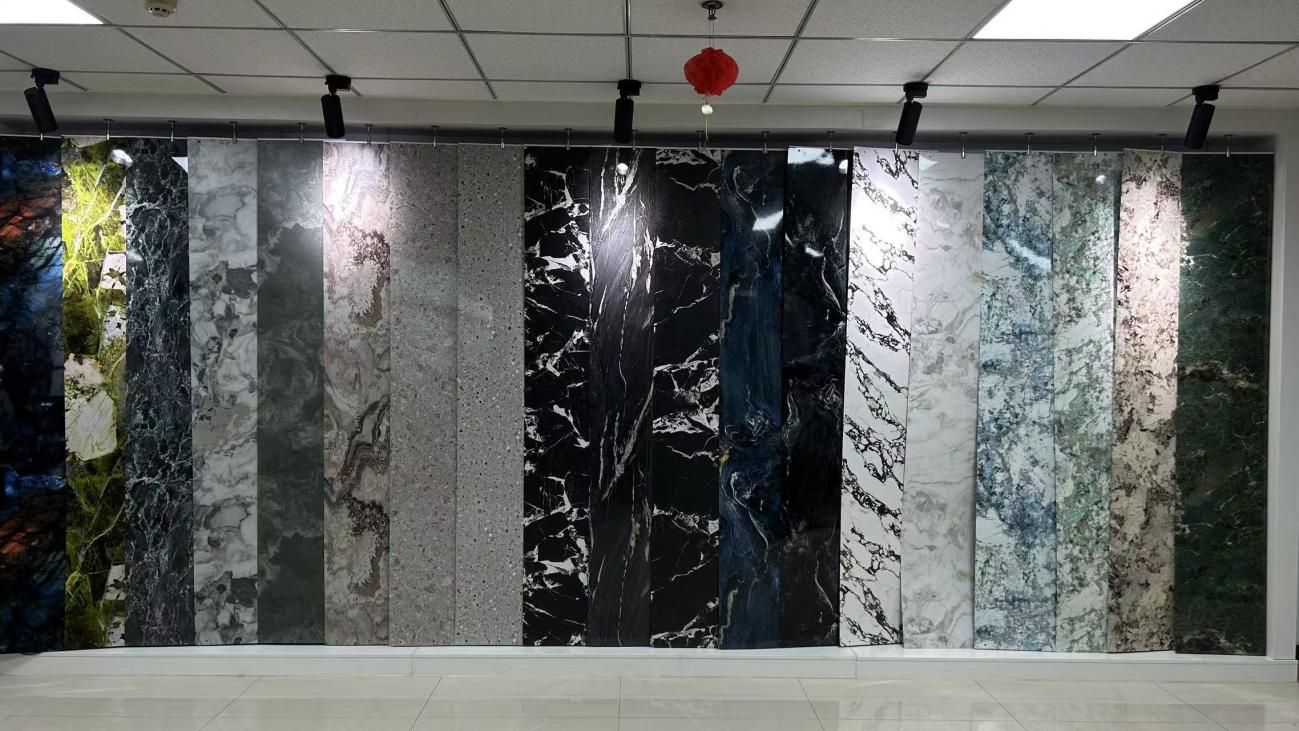
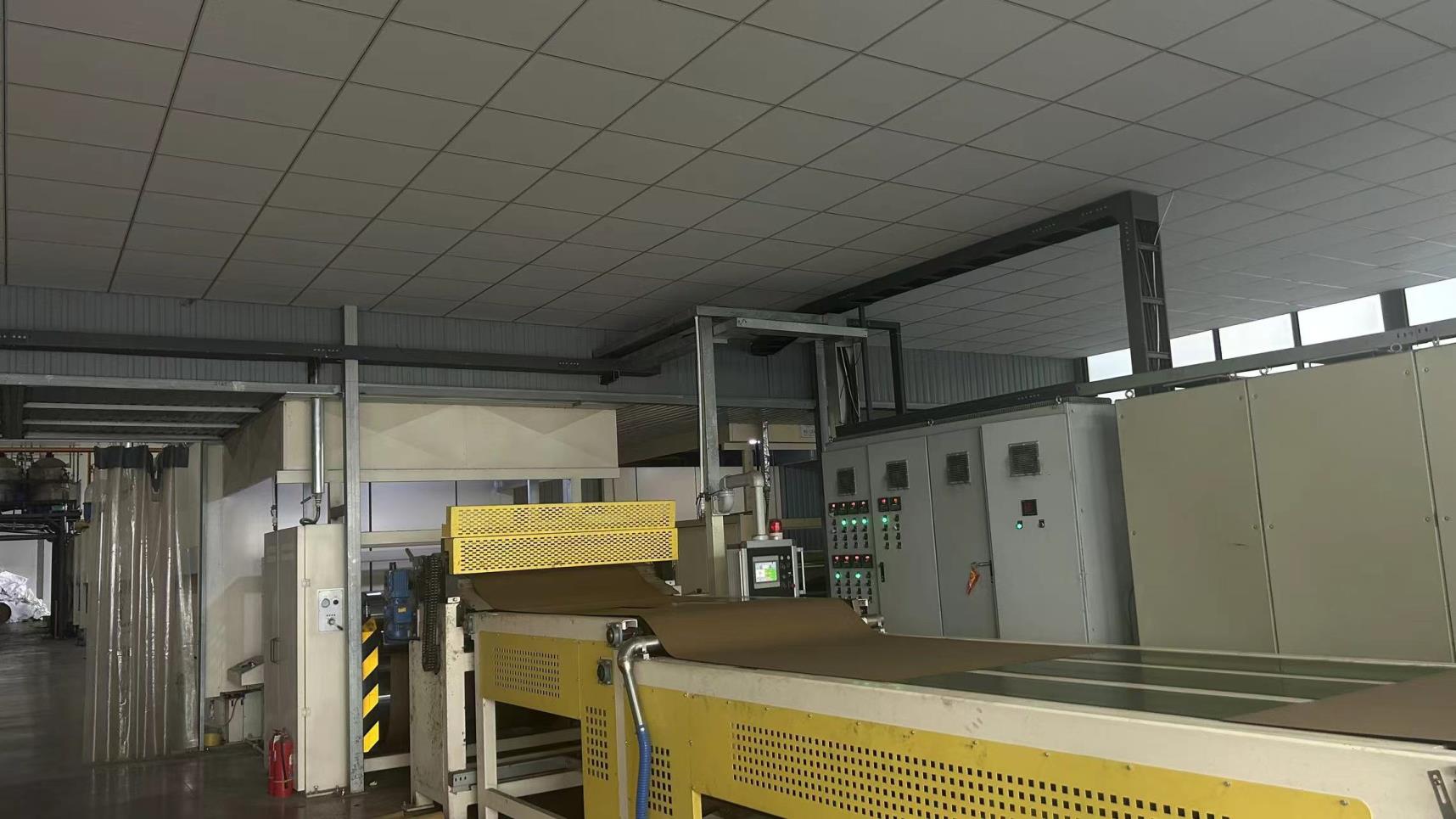
Real warehousing, inspection and loading capability
Visual evidence from the company profile supports a more grounded supplier conversation. Buyers should still request current photos, stock confirmation and order-specific inspection records.


Questions Milan buyers ask before ordering OEM/ODM MDF boards
Clear answers reduce quotation cycles. For project-specific requirements, send drawings, quantities, target standards and the delivery postcode so the response can be precise.
Are you a manufacturer or a trading company?
Linyi Fipdm Import And Export Co., Ltd. is a verified trading company and multispecialty supplier. We source from vetted partner mills in Linyi and coordinate on-site material inspection plus finished-product inspection before shipment. For buyers, this means one accountable export contact across multiple board types, while production is carried out by qualified partner mills.
Can you supply OEM/ODM MDF boards with HPL or melamine faces?
Yes. We can discuss OEM/ODM routes for board sizes, thicknesses, melamine décor, HPL face selection, packaging, private label and sample-based or design-based customisation. The practical starting point is an approved sample, a face reference, the substrate grade and a written quantity forecast. ODM support is also available for distributors developing their own range.
What formaldehyde and fire documents can Milan buyers request?
MDF and plywood can be offered in E1 and E0 supply options depending on the product line. Request EN 717-1 or equivalent formaldehyde test reports where available. For fire-retardant or public-building applications, state the required Euroclass and ask for EN 13501-1 classification and report scope. Always confirm that the tested board, thickness and facing match the product being quoted.
How do samples, MOQ and mixed containers work?
Sampling is normally the first step for colour, texture, gloss and substrate approval. MOQ varies by board type, facing and customisation, so it should be confirmed against the exact specification. Mixed loads of MDF, HPL, plywood, LVL and door cores are a core part of our service and can help smaller importers or project buyers reach a practical container load.
How is delivery to Milan handled?
Quotations should state the Incoterm, destination port or door delivery, postcode and unloading conditions. Milan is inland, so shipments commonly move through a European port and then by truck or rail. Share the delivery address and site access constraints early; historic-centre deliveries, narrow streets and limited unloading windows can affect the practical pallet plan and final cost.
How can we reduce moisture and colour-consistency risk?
For moisture risk, discuss HMR or moisture-resistant cores, sealed edges, backside protection and acclimation before machining. For colour consistency, approve a physical sample, record the décor or batch reference, keep production in a controlled sequence and ask for pre-shipment photos. In Milan’s variable seasonal humidity, allowing panels to condition in the installation environment before cutting can help avoid avoidable movement and finish defects.
Send your MDF specification, quantity and delivery postcode
Include the substrate grade, thickness, face type, décor reference, formaldehyde or fire requirements, target date and whether you need mixed-container consolidation. Our export team will respond with matched options, samples and the next practical step.
Inquire Now Email Specification