8 Products to Complement Your Concrete Formwork Plywood Program
For Paris formwork teams, the panel supply chain rarely ends at the form face. The eight catalogue items below support wet-area joinery, site protection, modular interiors, architectural models and finished surfaces. Product URLs and images are preserved from the live catalogue so buyers can verify details directly.
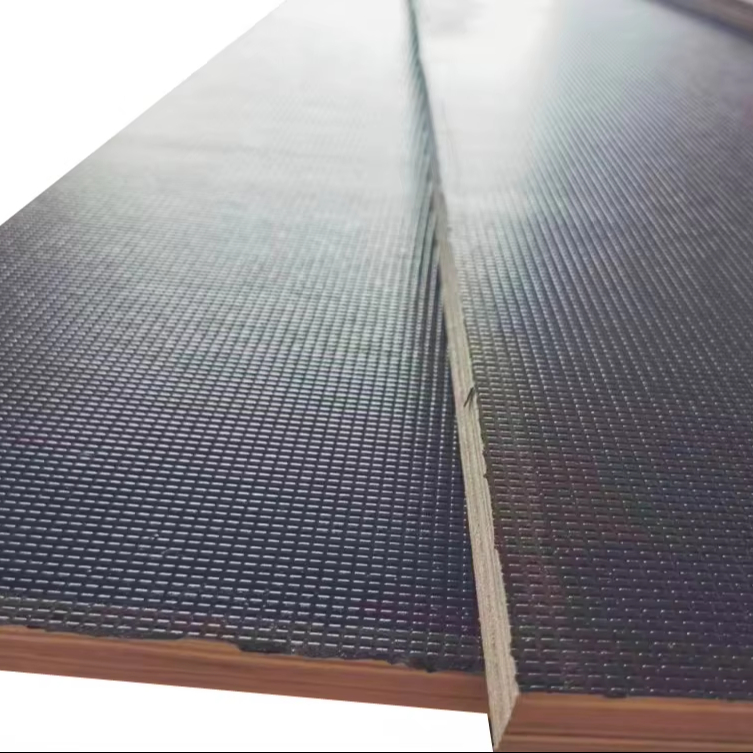
1220x2440 HPL Waterproof Laminate Sheet Board Fire Retardant Decorative High-Pressure Plywood E0 Formaldehyde Marine Phenolic
Waterproof decorative surface for wet interiors, marine-grade joinery, site offices and modular accommodation where moisture exposure matters.
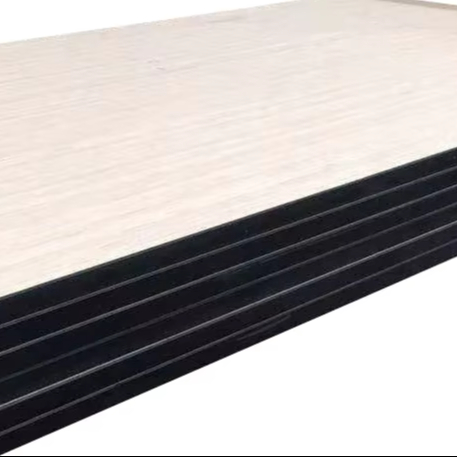
Best Price 1220x2440mm 1300X2800MM HPL Plywood HPL LAMINATE BLACK MDF for Cabinets Bathroom Cabinet Black Plywood
Black HPL-faced MDF and plywood for bathroom cabinets, hospitality joinery and dark architectural details in Paris apartment renovations.
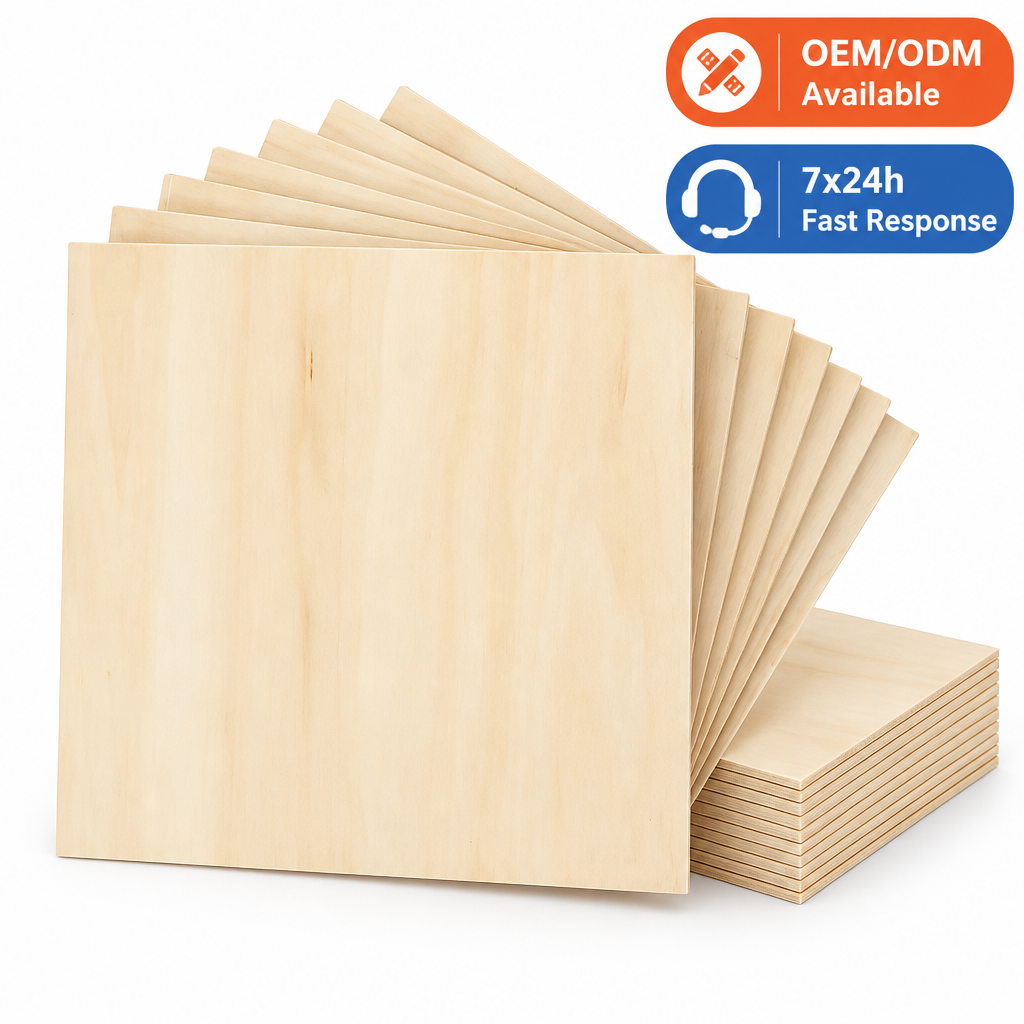
Eco-Friendly First-Class Basswood Plywood Sheet 12 X 12 X 1/8 Inch 3mm Sanded Polished Birch Veneer DIY Laser Cutting
Clean basswood plywood for laser-cut models, signage, mock-ups and design prototypes used by architecture and interior studios.
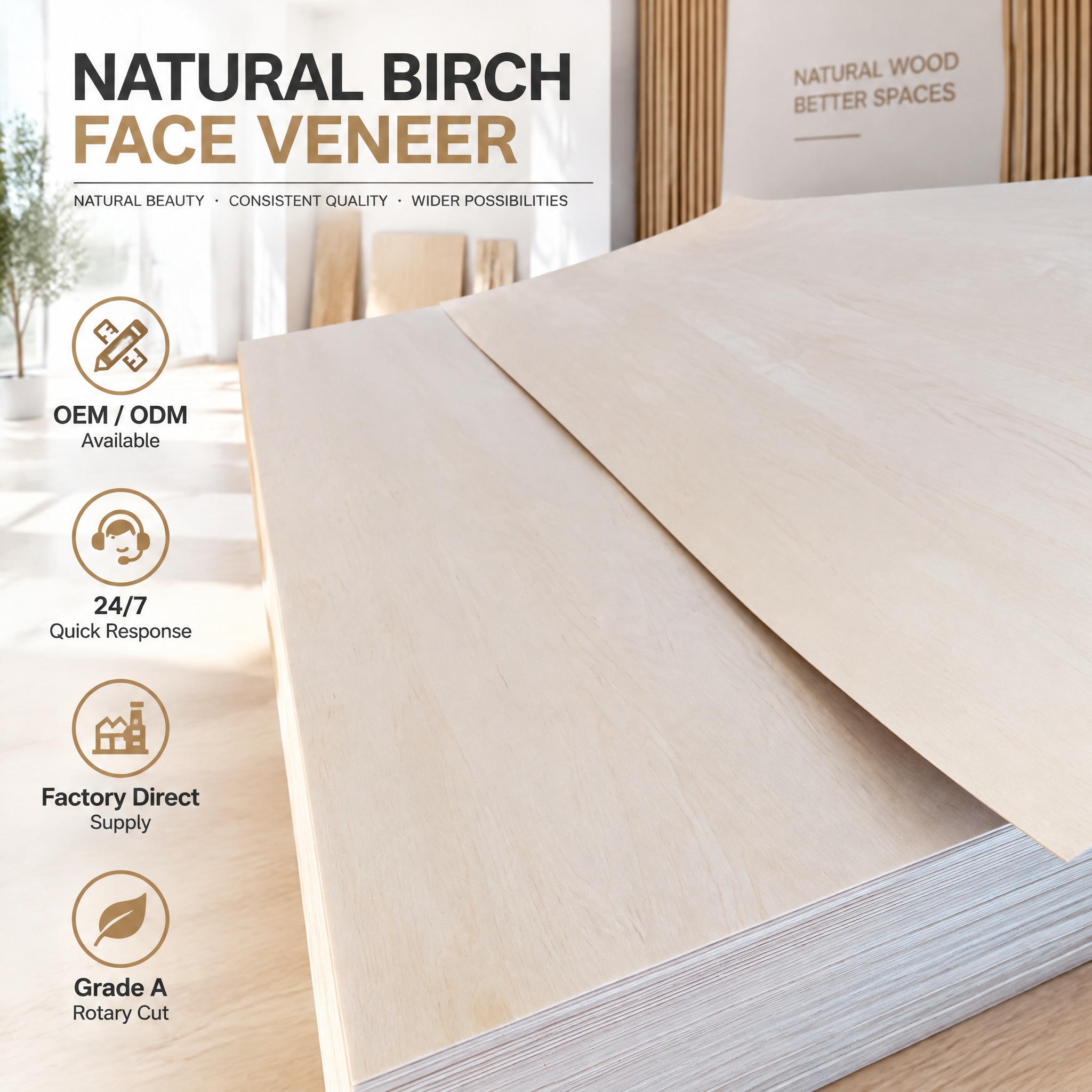
Sanded Basswood Plywood Sheets with Birch Veneer Double-Sided E0 Decorative Wood Panels for Laser Cutting Furniture
Double-sided decorative basswood plywood for furniture components, display fixtures and precision laser-cut interior elements.
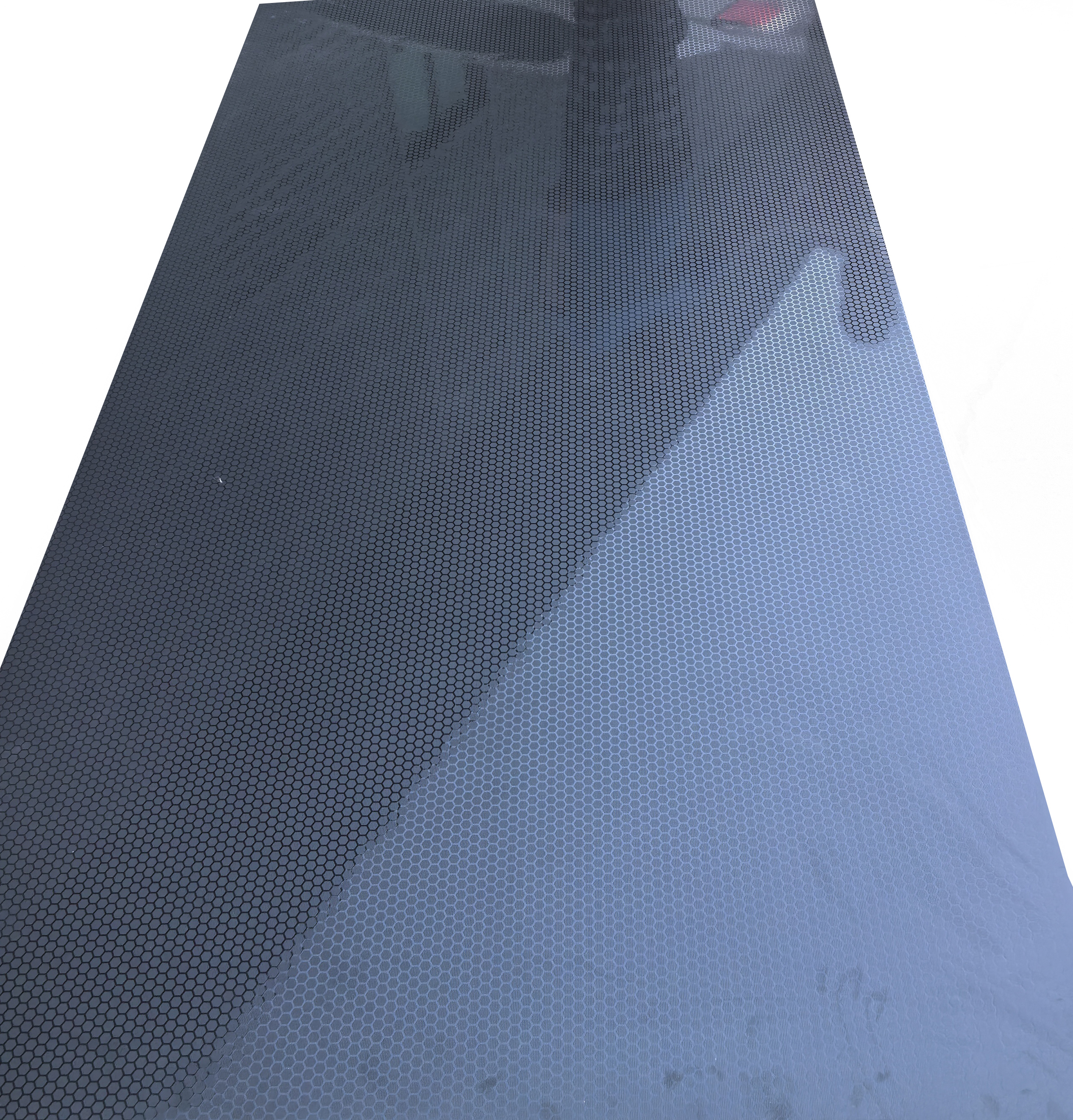
Factory Wholesale 18mm HPL Film Melamine Plywood Modern Design Style 1-Year Warranty E0 Standard Birch Laminated Plywood
18mm E0 birch HPL plywood for cabinetry, wall panels, modular furniture and reusable table forms where surface durability is requested.
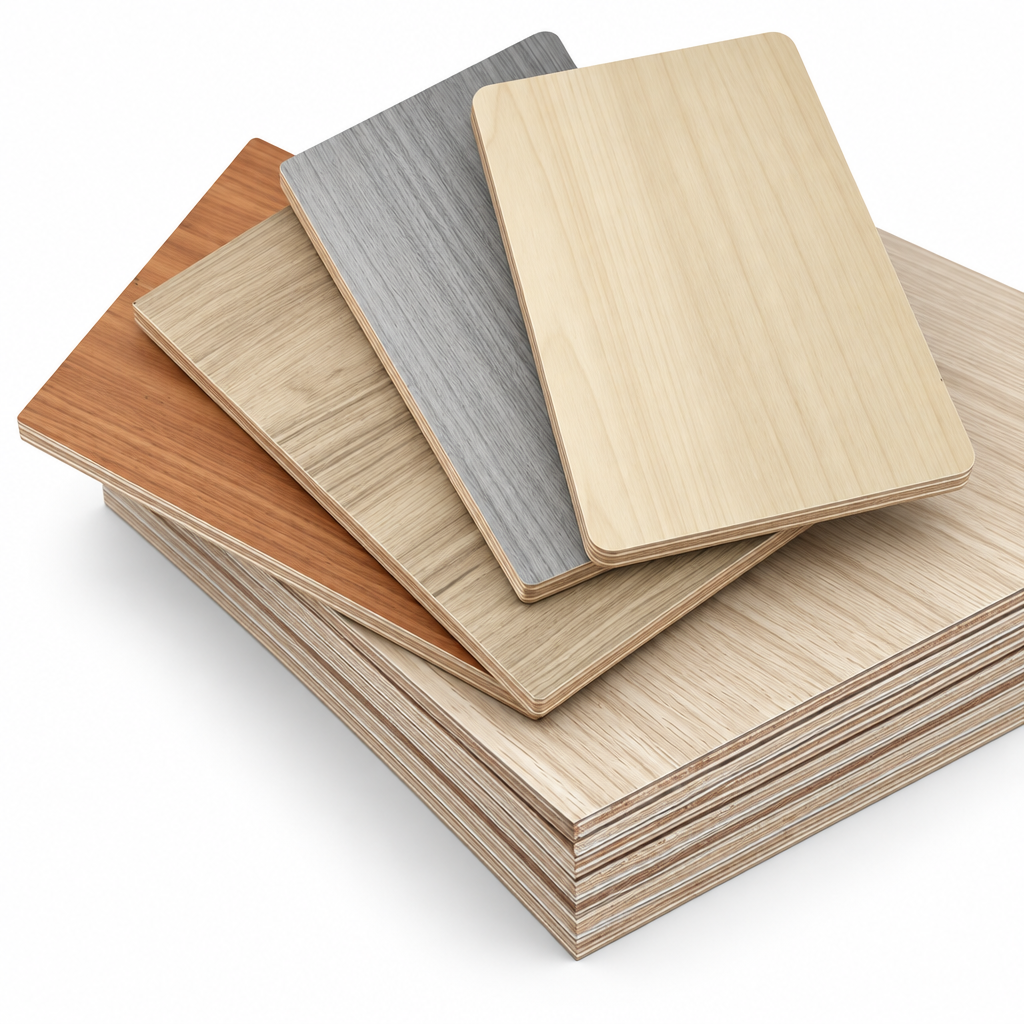
Factory Direct Wood Grain Decorative High Pressure Laminate Sheets HPL Panel for Furniture Cabinet Wall Cladding
Wood-grain HPL for cabinets, reception counters and interior wall cladding where a low-maintenance natural finish is preferred.
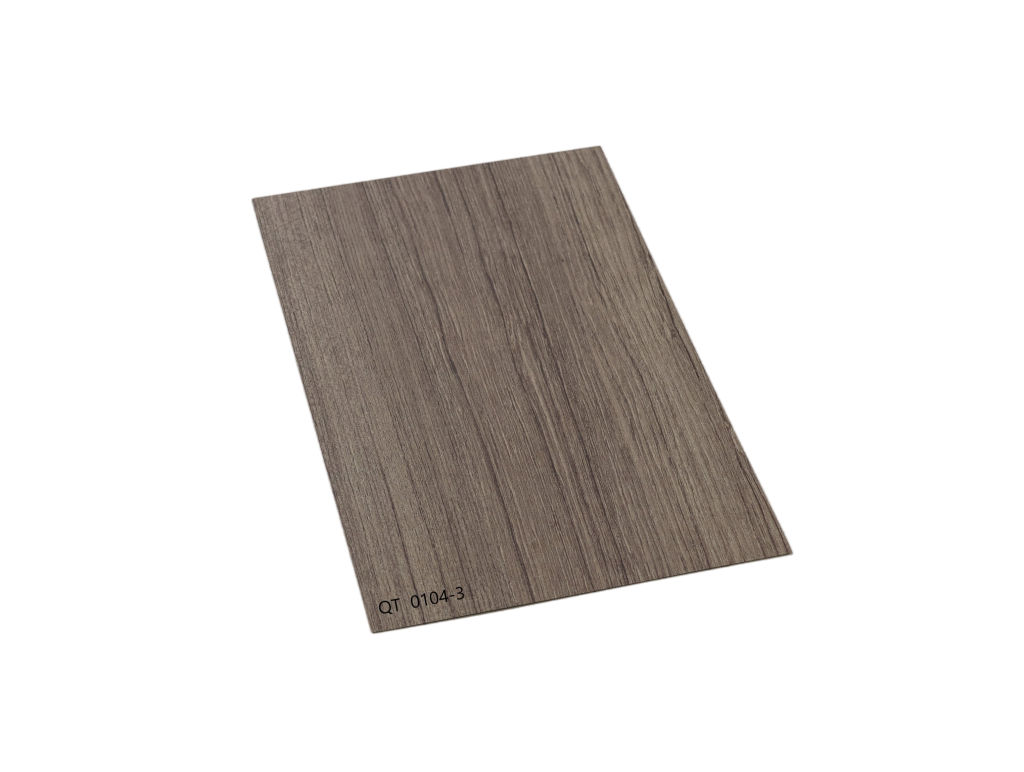
Wood Grain HPL Decorative Laminate Sheet Decorative Panel for Cabinet and Interior Wall
Decorative laminate for Paris retail, office and residential interiors needing warm wood tones with easy-clean performance.
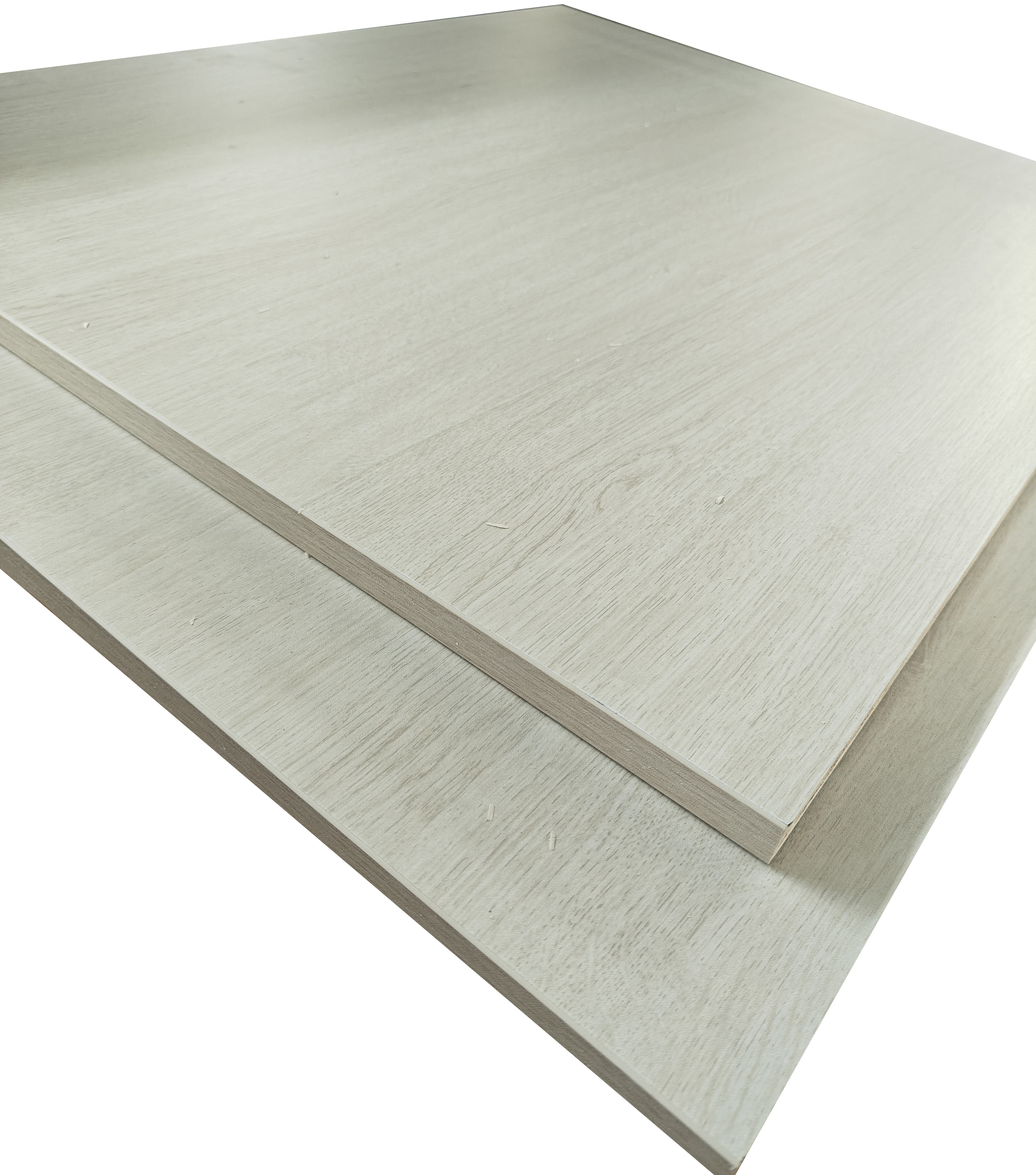
Linyi Supplier Professional HPL Formica Plywood for Furniture High Pressure Phenolic Resin HPL Compact Laminate Board
High-pressure phenolic compact laminate for heavy-use furniture, wet areas, lockers and surfaces requiring impact resistance.
Concrete Formwork Plywood for Paris: What Specifiers Need to Know
A factory quotation is only useful when the panel specification is tied to the pour, the site and the evidence package. This brief explains the practical points Paris buyers should lock down before comparing offers.
Concrete formwork plywood is not a generic commodity. In Paris projects, the form face is usually judged by the concrete finish, the number of reuses, handling method, release-agent regime and site conditions. A 1220×2440 mm panel may be adequate for standard walls, while 1250×2500 mm or larger formats can reduce joints on long pours. Thickness is often 18 mm or 21 mm, with birch or poplar core, phenolic or WBP glue, and a film weight that suits pump pressure, vibration and stripping practice.
Paris adds another layer of complexity: constrained delivery windows, limited laydown space, Seine-side humidity and high expectations for fair-faced concrete in renovation and public realm work. A supplier who understands these constraints will protect panel corners, mark bundle IDs clearly, photograph loading and sequence deliveries around site lift capacity. This is where a factory-sourced but inspection-led model becomes valuable: one accountable contact across formwork plywood, HPL surfaces, MDF, plywood and LVL, rather than five separate traders.
Linyi Fipdm Import And Export Co., Ltd. is a verified trading company and multispecialty supplier based in Linyi, Shandong, China. We coordinate vetted partner factories in the local wood-based panel cluster and inspect both raw materials and finished boards before shipment. For Paris buyers, the practical benefit is not simply price; it is fewer specification gaps, clearer batch traceability and a more controlled handover to the contractor’s temporary works team.
Safety note: for structural or safety-critical formwork, the final panel, tie system, bracket design, re-use plan and stripping sequence must be approved by the responsible engineer and must comply with the contractor’s temporary works procedure. This article is a sourcing guide, not a structural design calculation.
Paris Buyer Priorities
Illustrative sourcing weights, not a product test result.
Where Formwork Plywood and Panel Systems Fit in Paris Projects
Paris is not a single market. Renovation in dense historic districts, civil works for Grand Paris mobility, basement construction near the Seine and off-site precast all demand different balances of finish, water resistance, re-use and documentation.
Haussmann-Era Renovation & Retail Fit-Out
Interior walls, lift cores and feature concrete in tight courtyards often favour 18 mm panels with sealed edges and manageable bundle sizes. Pair formwork faces with HPL or wood-grain finishes for temporary hoarding, reception counters and finished joinery.
Grand Paris Mobility & Public Infrastructure
Metro extensions, stations and civil works benefit from repeatable panel geometry, batch consistency and clear loading marks. Mixed loads with LVL and MDF can also support site offices, protection panels and secondary works.
Basements & Retaining Walls Near the Seine
Confined sites and humid conditions make moisture-resistant film-faced panels, robust edge protection and a release-agent trial essential before the first pour. Buyers should request thickness tolerance and film adhesion data before approving a batch.
Off-Site Precast & Modular Construction
Factory casting demands flat, repeatable faces and traceable batch IDs. Lock thickness, film type and release-agent compatibility at sample stage, then audit every batch before panels are released for the mould.
Three Trends Shaping Panel Procurement in Paris
The strongest suppliers are not simply quoting a board. They are helping buyers close documentation gaps, reduce site risk and consolidate shipments in a market where programme certainty is as important as unit price.
Low-Emission and Indoor Air Quality Scrutiny
Paris project teams increasingly ask for E0 or E1 formaldehyde grades and supporting test documents for MDF, plywood and decorative surfaces. The right approach is to specify the destination market standard in the inquiry and confirm the exact product line before ordering.
Schedule Certainty and Mixed-Container Sourcing
Smaller importers and contractors cannot always fill a container with one panel type. Combining formwork plywood, HPL, MDF, plywood and LVL in one shipment reduces freight friction, supplier administration and the risk of staggered site deliveries.
Traceability and Pre-Shipment Evidence
Buyers want more than a product photo. Batch IDs, material inspection notes, finished-board inspection, loading photos and clearly formatted product data help Paris purchasing teams compare offers on risk, not only on price.
Three Buying Bundles for Paris Projects
These bundles are starting points for discussion. Final specifications must be confirmed against the architect’s finish schedule, the engineer’s temporary works design and the site’s delivery constraints.
Fair-Faced Concrete Starter Bundle
18 mm or 21 mm film-faced birch or poplar-core plywood, sealed edges and a release-agent trial before the first pour. Suitable for interior feature walls, exposed columns and controlled architectural concrete where surface consistency is the priority.
Reusable Modular Formwork Bundle
HPL-faced plywood panels or compact laminate for surfaces exposed to moisture, impact and repeated handling. Confirm structural capacity with the engineer; the decorative face does not replace the temporary works design.
Paris Fit-Out & Protection Bundle
E0 decorative HPL, basswood laser plywood and wood-grain laminate panels for hoarding, signage, reception areas and prototypes. A practical mixed load for distributors and contractors who need finished surfaces alongside core panel products.
Quick Reference for Purchasing Teams
Typical product formats are shown below. Non-standard sizes, textures, core options and packaging can be discussed through OEM/ODM review. Final tolerances and compliance documents must always be confirmed on the order.
| Product | Typical Size / Thickness | Paris Use Case | Buyer Checkpoints |
|---|---|---|---|
| Film-faced concrete formwork plywood | 18 / 21 mm; 1220×2440 mm and 1250×2500 mm formats | Fair-faced walls, columns, basement walls, precast moulds | Film weight, glue type, thickness tolerance, edge sealing, re-use plan, release-agent compatibility |
| HPL-faced plywood | 18 mm E0 birch core with HPL or melamine face | Cabinetry, table forms, modular interiors, wet-area joinery | Surface adhesion, formaldehyde grade, substrate core, impact resistance |
| Compact laminate | 3–20 mm; 12 mm commonly requested | Toilet partitions, lockers, laboratory tops, heavy-use furniture | Waterproofing, impact resistance, fixing method, edge finish |
| Decorative HPL | 0.7 mm decorative sheet; 4×8 ft sheets | cabinets, wall panels, retail counters, site hoarding | Face grade, texture, postforming suitability, colour batch |
| Basswood laser plywood | 1–7 mm; 12×12 inch and custom cut sizes | Architectural models, signage, design prototypes, fixtures | Veneer uniformity, cut quality, E0 option, packaging protection |
| MDF / HMR MDF | 3–18 mm; 1220×2440 mm and large-format panels | Door skins, kitchen and bathroom cabinets, interior fit-out | E0 / E1 grade, moisture resistance, sanding quality, melamine face |
Product availability, sizes and technical values are project-dependent. Share the target market, application and documentation requirements so the factory can match the correct board rather than the nearest alternative.
From Paris Specification to Inspected Export Load
Our role is to translate a project requirement into a factory brief, validate the sample and control the handover. The process is designed for buyers who cannot afford surprises at the loading bay.
Specification Intake
Share sizes, thickness, core preference, film or decorative finish, target re-use, delivery window and destination market. We confirm feasibility across suitable partner mills.
Sample & Validation
Review colour, texture, thickness, edge treatment and packaging. For formwork, test release-agent compatibility on the sample before production is released.
Factory QC & Inspection
Material inspection at the partner mill plus finished-product inspection for thickness, surface, edges, packing and batch identification before loading.
Export Packing & Documents
Seaworthy pallets, corner protection, clear bundle marks and loading photos. Mixed-category consolidation is available for HPL, MDF, plywood, LVL and door cores.
Why Paris Buyers Use Linyi Fipdm as a Panel Supply Partner
Linyi Fipdm Import And Export Co., Ltd. combines local factory access with inspection-led sourcing. The advantage is particularly relevant for buyers who need multiple board categories, custom packaging and a clear pre-shipment evidence trail.
Linyi Panel Cluster Access
Based in Linyi, Shandong, one of China’s largest wood-based panel clusters. This gives buyers access to a broad range of HPL, compact laminate, MDF, plywood, LVL and door-core options.
Intertek-Verified Supplier Profile
Assessed by Intertek as part of the supplier verification process. Buyers can review company credentials, trade capacity and transaction information before requesting a quotation.
Two-Stage Quality Control
On-site material inspection and finished-product inspection before every shipment. The aim is to catch thickness, surface, edge and packing issues before the container leaves China.
Flexible OEM/ODM Customization
Minor customization such as logo, packaging and graphics, plus sample-based, design-based and full customization. ODM support is available for distributors building their own panel range.
Mixed-Category Consolidation
Combine HPL, compact laminate, MDF, plywood, LVL and door cores in one managed shipment. This reduces freight administration and helps smaller Paris buyers reach practical container volumes.
Export Logistics & Technical Support
Export documentation, seaworthy pallet packing and loading photos, supported by engineer service for project buyers dealing with cladding, partitions, furniture and formwork-adjacent applications.
Questions Paris Buyers Ask Before Ordering
Clear answers reduce quotation cycles. If your project has a non-standard specification, send the drawing, target use and destination market together so the factory brief is accurate from the start.
Are you a manufacturer or a trading company?
Linyi Fipdm Import And Export Co., Ltd. is a verified trading company and multispecialty supplier. We source from vetted partner mills in Linyi and run on-site material inspection plus finished-product inspection before shipment, giving buyers one accountable contact across multiple board types.
Can you supply concrete formwork plywood on an OEM/ODM basis for Paris buyers?
Yes. Send the target thickness, panel size, core preference, film type, re-use expectation and application. We review the requirement with suitable partner factories, prepare samples where needed and coordinate pre-shipment inspection. The final formwork design and safety approval remain the responsibility of the contractor’s engineer.
Which specifications should I send for an accurate formwork quotation?
Include dimensions, thickness tolerance, core species, glue type, film weight or surface finish, edge sealing requirement, expected number of re-uses, release-agent system, delivery port, packaging preference and any documentation required for the Paris project. Photos of the concrete finish target are also useful.
What formaldehyde grades and compliance information can you provide?
MDF and plywood are available in E1 and E0 grades depending on the product line. Tell us the destination market standard and project documentation requirement in the inquiry so the correct board and supporting information can be matched. Fire, moisture and chemical performance should be confirmed for the exact product and end use.
What is the difference between HPL sheets and compact laminate?
Standard HPL is a thin decorative sheet, typically around 0.7 mm, bonded to MDF, particle board or plywood. Compact laminate is a self-supporting solid phenolic panel, commonly 3–20 mm thick, used without a substrate for toilet partitions, laboratory worktops, table tops and wet areas where water and impact resistance matter.
Can I combine formwork plywood with HPL, MDF, plywood and LVL in one container?
Yes. Mixed loads are a core part of our service. Combining categories helps distributors and contractors reach practical container volumes while reducing the number of suppliers, loading dates and document sets they need to manage.
How do you handle delivery to Paris and Le Havre?
We can quote on the agreed Incoterm and prepare export packing, marks and shipping documents for the forwarder nominated by the buyer or by our team. Delivery schedules depend on factory lead time, vessel space, port handling and final Paris delivery arrangements, so they should be confirmed order by order.
How is quality controlled before shipment, and what evidence is provided?
Our process includes on-site material inspection at the partner mill and finished-product inspection before loading. Depending on the order, evidence can include inspection notes, thickness and surface checks, bundle IDs and loading photos. The exact inspection plan should be agreed before production.
Planning a Paris-Ready Formwork Plywood or Mixed Panel Order?
Send your sizes, thickness, surface finish, target application and destination market. Our team will respond with matched options, practical specification notes and the next steps for sampling or inspection.