HPL Faced MDF Supplier & Suppliers for Sydney
A specification-led sourcing guide for Sydney joiners, shopfitters, architects, furniture makers and importers who need HPL-faced MDF, HPL-faced plywood and compact laminate with documented quality, consistent colour and practical export support.
Eight HPL Panel Products for Sydney Project Pipelines
These eight product options cover decorative HPL faces, HPL-faced plywood, fire-retardant school desk tops, E0 furniture panels and compact laminate board. Use them as a shortlist for interior fit-outs, joinery, furniture, education, retail and commercial applications; we can also quote HPL-faced MDF in HMR, E0 and project-specific grades on request.
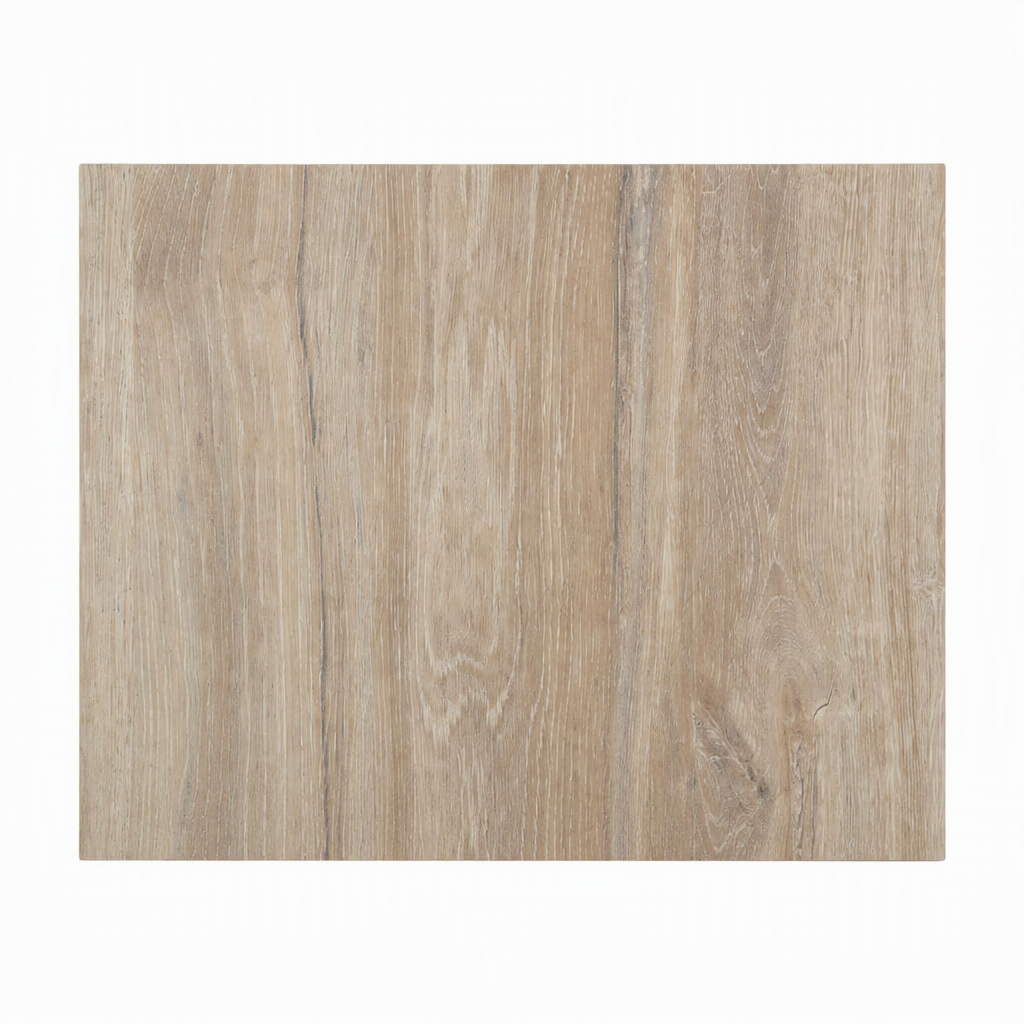
1mm Light Wood Grain HPL Decorative Laminate Panel Waterproof Fire Resistant Modern Design
- 1 mm light wood grain decorative face
- Waterproof and fire-resistant positioning
- Ideal for modern wall panels and cabinetry
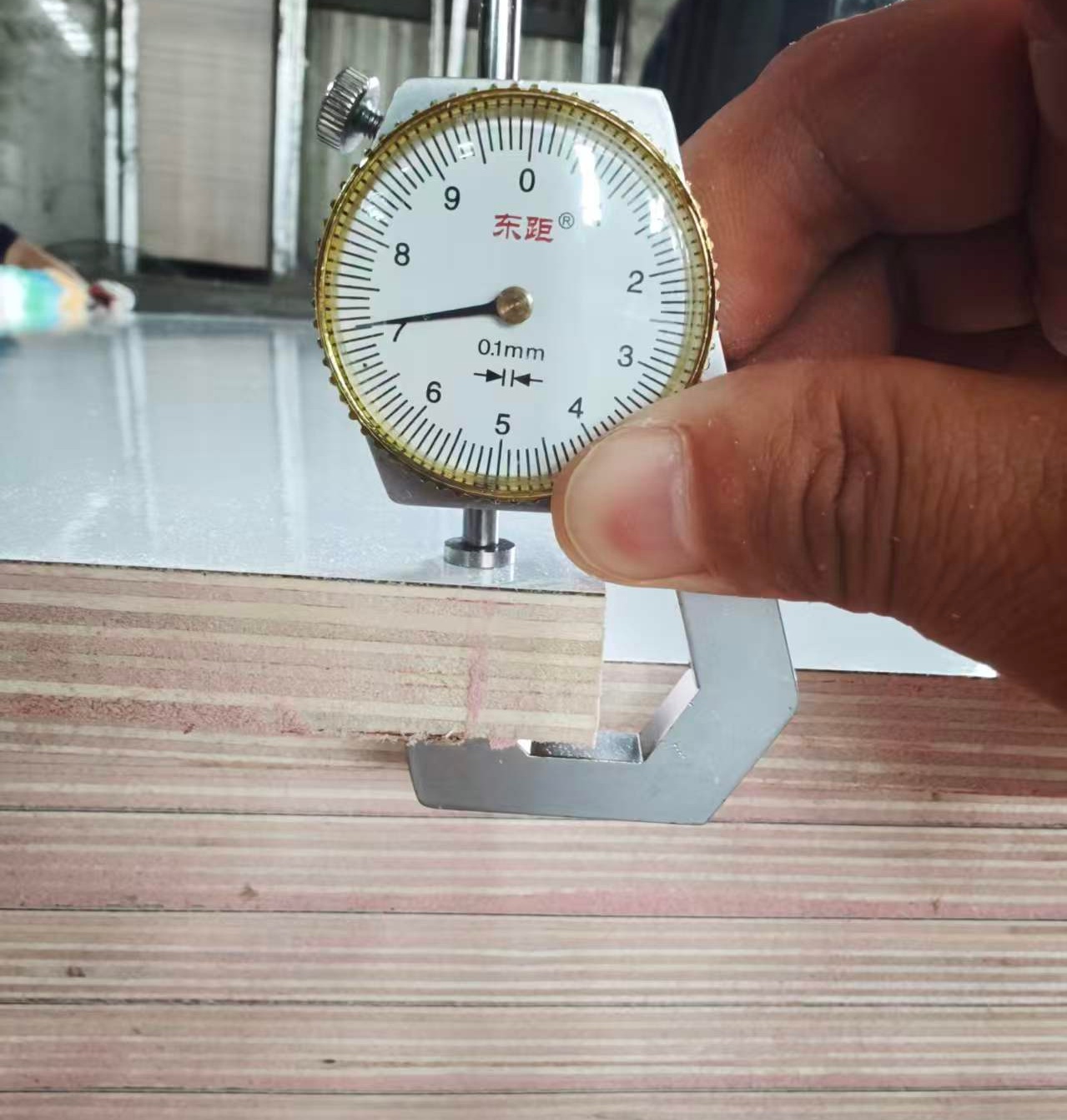
HPL Plywood Decorative Panels Stock HPL for Furniture Veneer
- HPL-faced decorative plywood panels
- Stock and project supply options
- For furniture, joinery and feature surfaces
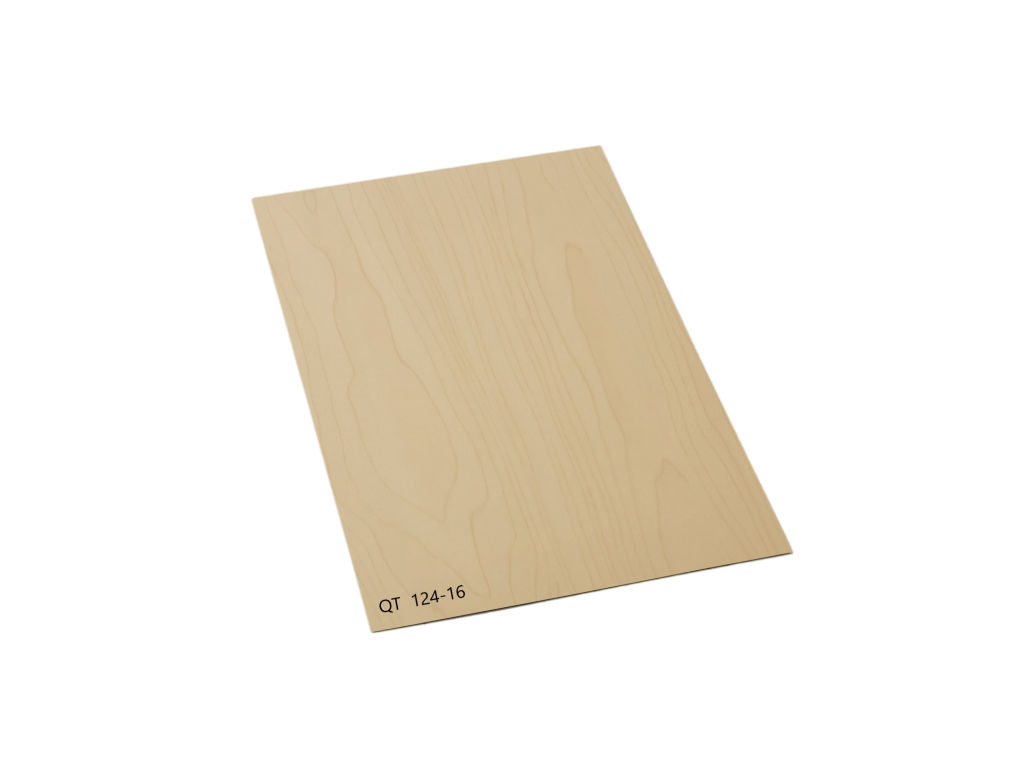
Light Wood Grain HPL Decorative Laminate Sheet Phenolic Resin Panel for Interior Wall and Furniture
- Light wood grain HPL decorative sheet
- Phenolic resin panel construction
- For interior wall linings and furniture
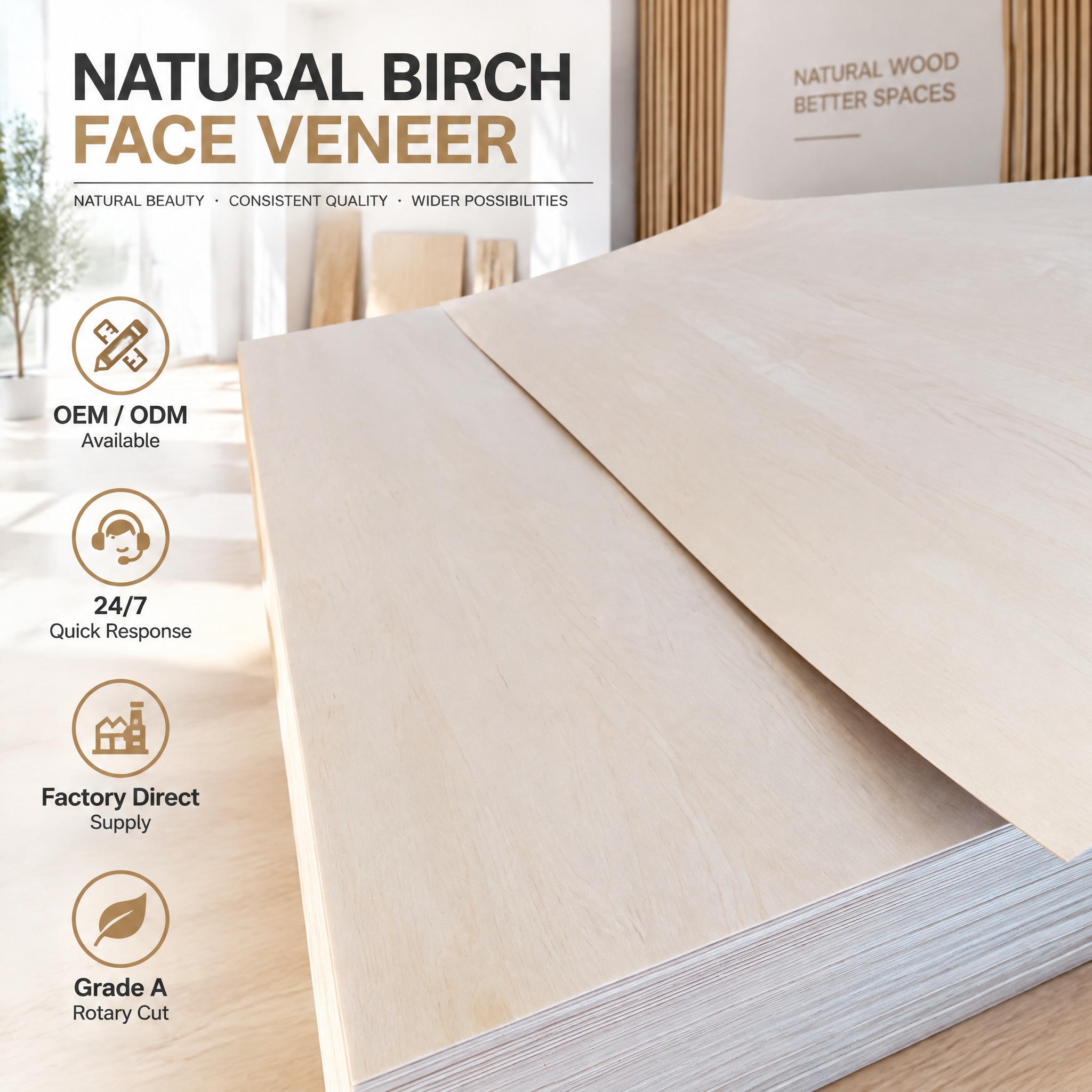
Sanded Basswood Plywood Sheets with Birch Veneer Double-Sided E0 Decorative Wood Panels for Laser Cutting Furniture
- Double-sided birch veneer appearance
- E0 decorative wood panel option
- For laser-cut components and furniture
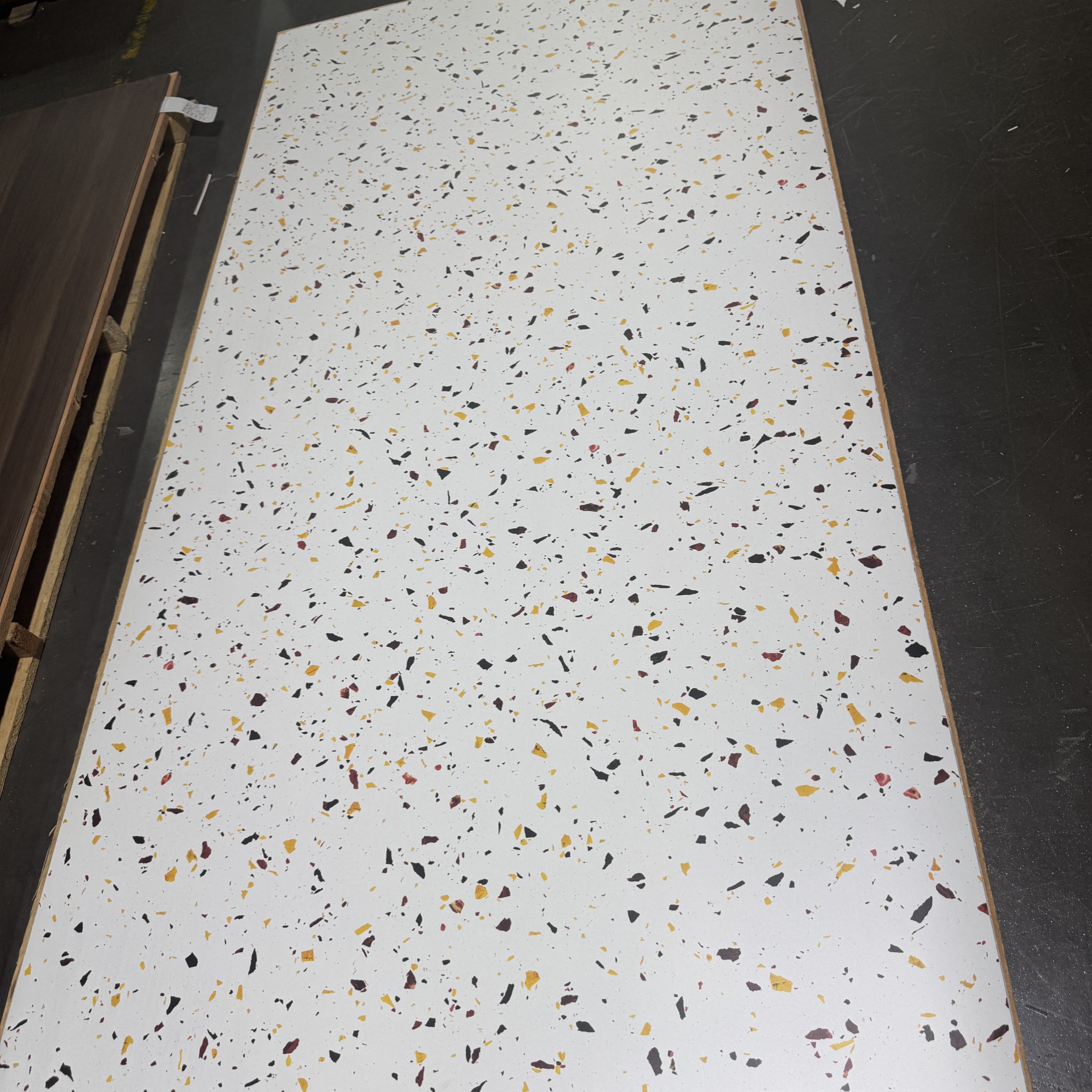
Fire Resistant HPL Plywood Double Sided Decorative Laminate Panel E0 Polished Surface 1220 x 2440 mm Indoor Furniture
- 1220 x 2440 mm panel format
- E0 and polished surface options
- Double-sided HPL for indoor furniture

HPL Plywood E0 Fire Resistant Sanded Surface Double-Sided Decoration 4X8 18mm Furniture Plywood
- 18 mm, 4 x 8 ft furniture plywood
- E0 fire-resistant construction
- Sanded surface for fabrication
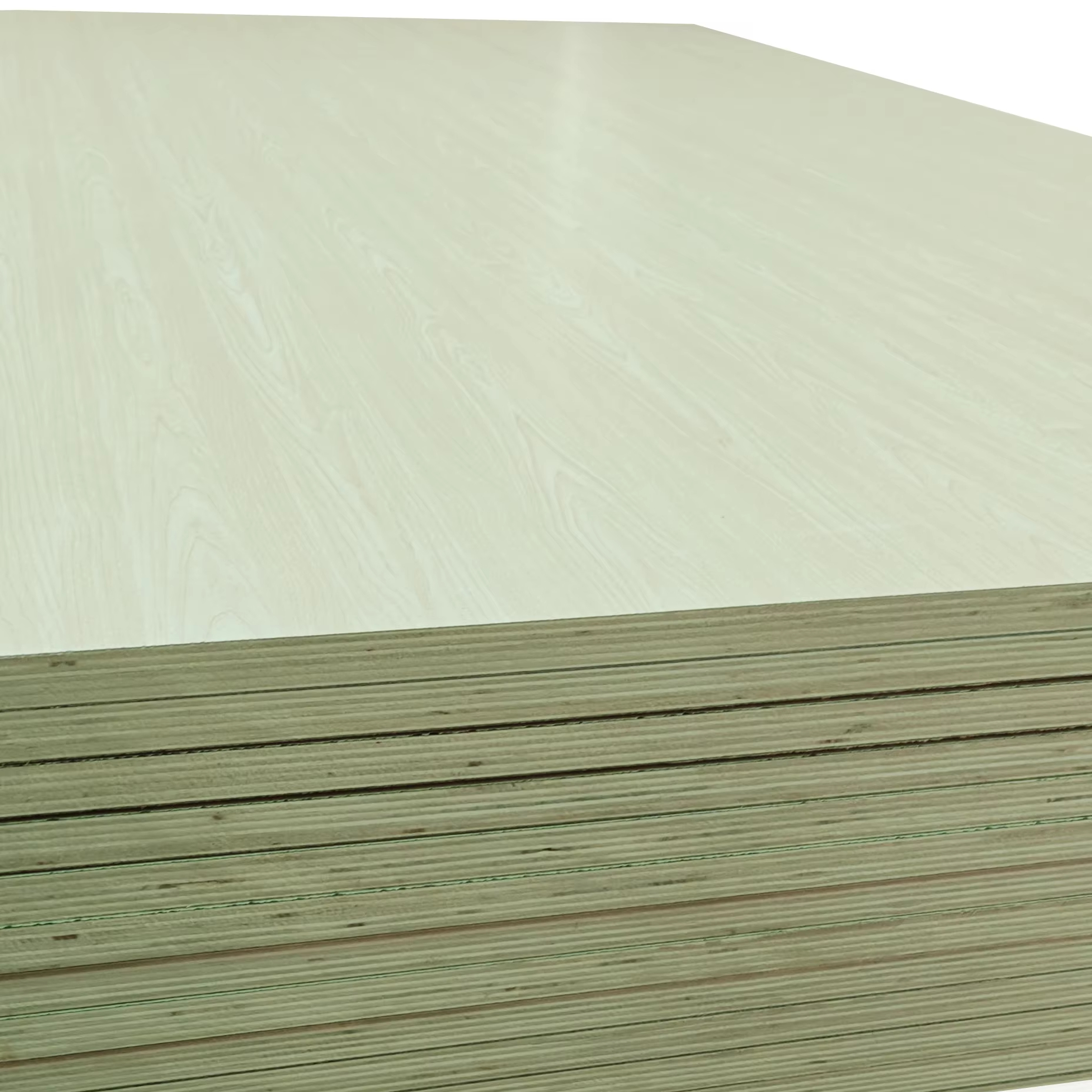
18mm Fire Retardant HPL Faced Plywood School Classroom 1220x2440mm Desk Top
- 18 mm fire-retardant HPL faced plywood
- 1220 x 2440 mm desk-top format
- For classrooms, training rooms and education fit-outs
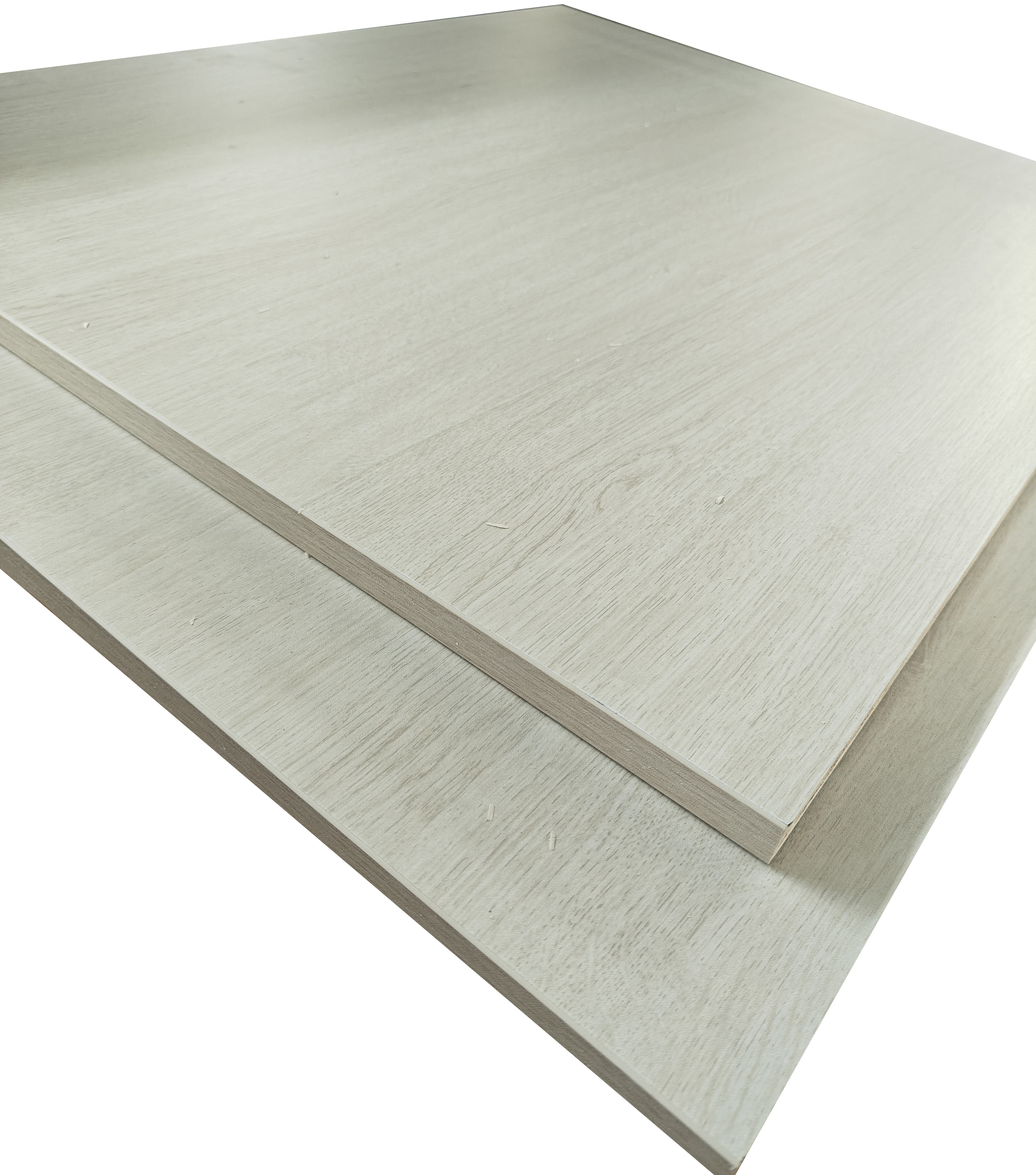
Linyi Supplier Professional HPL Formica Plywood for Furniture High Pressure Phenolic Resin HPL Compact Laminate Board
- High-pressure phenolic HPL board
- Professional furniture and compact laminate use
- Linyi supply with project colour options
Need an HPL-faced MDF sample for a Sydney project? Send your substrate, thickness, finish, edge detail and target delivery window. We will match the closest decorative HPL or HPL-faced panel option and confirm the specification before quotation.
What HPL-Faced MDF Really Means for a Sydney Project
HPL-faced MDF is not a single commodity. The performance difference sits in the substrate grade, laminate thickness, adhesive system, face-to-back balance and edge sealing. That is why serious Sydney buyers compare supply partners, not only price per sheet.
Decorative performance, practical fabrication
High-pressure laminate is a dense decorative surface bonded to a wood-based core. When applied to MDF, it creates a flat, uniform panel that is excellent for joinery doors, wardrobe fronts, reception desks, wall linings, retail displays and school furniture. HPL offers stronger wear resistance and design depth than a direct-coated melamine face, but the final result depends on how well the whole panel is specified.
For Sydney projects, the key is to define the exposure. A café counter, a hospital corridor, a childcare storage unit and an apartment kitchen all look similar in a finish sample, yet they need different substrate and edge protection decisions.
The specification triangle: moisture, fire and wear
HPL is water-resistant at the surface, but a standard MDF core can still swell if water reaches cut edges, sink cut-outs, fixing points or the back face. In Sydney’s humid coastal climate, specify HMR MDF where cabinets, vanities or laundries are likely to see intermittent moisture, and seal exposed edges properly. For fire performance, remember that the whole assembly matters, not just the laminate skin. For wear, match the laminate grade and finish to the traffic level rather than choosing by colour alone.
- Clarify HMR versus standard MDF
- Ask for face and back balancing
- Confirm E0 / E1 documentation
- Review edge-sealing details
Information gain for buyers: HPL-faced MDF is best viewed as a system — laminate + substrate + adhesive + edge treatment. A supplier who can explain how those four elements work together is usually a safer partner than one who quotes only a colour code and a low unit price.
Where HPL-Faced Panels Win in Local Projects
Sydney’s project mix rewards suppliers who understand both the visual expectation and the practical site conditions — from CBD commercial fit-outs to coastal residential joinery and Western Sydney education projects.
Commercial fit-outs and shopfitting
For reception counters, storage walls, meeting-room joinery and retail display fixtures, HPL-faced MDF gives designers a stable flat panel with a durable decorative face. In fast-track CBD or Alexandria fit-outs, pre-finished panels reduce site finishing and protect programme certainty.
Multi-residential and strata joinery
Apartment kitchens, laundries, bathroom vanities and built-in robes need panels that look consistent across many units. HMR MDF with HPL faces can be a practical choice for internal cabinetry when edges and service penetrations are sealed. Batch colour consistency matters as much as the first sample.
Education and childcare furniture
School desk tops, classroom storage, library counters and childcare joinery demand cleanability, impact resistance and reliable fire documentation. The 18 mm fire-retardant HPL-faced plywood desk top in our range is a direct example of a product shaped around this demand.
Healthcare, aged care and clinics
Reception desks, consultation-room cabinetry, nurses’ stations and back-of-house storage benefit from smooth, wipe-clean HPL surfaces. For clinical wet areas or chemical exposure, compact laminate or a more specialised substrate should be considered instead of standard MDF.
Hospitality and retail interiors
Cafés, bars, hotels and showrooms often need a distinctive finish with practical durability. HPL-faced panels suit wall linings, counters, shelving and cabinetry; compact laminate is better for table tops and toilet partitions where water and impact are more demanding.
Coastal and high-humidity residences
Properties near Sydney Harbour, the Northern Beaches or the Shire can face humid air and occasional moisture. Specify moisture-resistant substrates, back-face protection and sealed edges. For splash zones, a compact laminate or glass-reinforced panel may be more appropriate than HPL-faced MDF.
Sydney Procurement Trends Shaping HPL Panel Supply
The winning supplier in 2025 is not simply the one with the lowest quote. Sydney buyers are increasingly evaluating documentation, moisture detailing, low-emission materials, fabrication support and container flexibility together.
Evidence-based fire compliance
Project teams increasingly ask for test reports, product data and assembly details early. The right answer is not “fireproof” — it is a documented claim that matches the intended application, substrate and project specification.
Low-emission specifications
E0 and E1 formaldehyde grades are now part of many tender conversations. Buyers want a clear material declaration, not a vague “green board” claim. Different markets use different terminology, so confirm the exact standard required by the project.
Moisture detailing for coastal humidity
Sydney’s climate encourages more careful edge sealing and HMR substrate selection. Suppliers that can advise on cut-outs, upstands, backers and fixing details reduce the risk of swelling after handover.
Mixed container consolidation
Importers who stock HPL, plywood, MDF, LVL and door cores prefer one coordinated shipment. Mixed loading reduces freight administration and helps distributors test several finishes without committing to a full container of one SKU.
Cut-to-size and fabrication support
Prefabrication reduces site waste and speeds installation. Buyers now ask for panel optimisation, edge-banding coordination and packaging that protects finished faces during transport and handling.
Batch consistency and replacement stock
Colour drift between production runs is a hidden cost in multi-stage projects. Serious suppliers retain batch references, retain approved samples and plan replacement quantities so future phases match the original installation.
HPL-Faced MDF vs Plywood vs Compact Laminate
Choosing the right panel is an application decision. The matrix below helps Sydney specifiers and buyers shortlist the correct family before comparing supplier pricing.
HPL-Faced MDF
- Typical use
- Cabinetry, wardrobe doors, reception fronts, wall linings, retail displays and furniture where a flat, stable panel is required.
- Watch-outs
- Use HMR MDF in moisture-prone areas and seal all edges. Standard MDF is not suitable for continuous wet areas.
- Ask your supplier
- Which substrate grade? Is the back face balanced? What edge-sealing method is recommended? Which E0/E1 evidence is available?
HPL-Faced Plywood
- Typical use
- School desk tops, furniture frames, shopfitting components, structural-look joinery and projects needing screw-holding or impact resistance.
- Watch-outs
- Plywood grade, glue type, core quality and face repair standards vary greatly. Confirm thickness tolerance and void content.
- Ask your supplier
- What is the core species and glue line? Is it E0 or E1? Can you supply matching batch faces for later phases?
Compact Laminate
- Typical use
- Toilet partitions, table tops, lockers, laboratory worktops, wet-area cubicles and exterior-grade cladding where a self-supporting phenolic panel is needed.
- Watch-outs
- Not the same as thin HPL-faced MDF. Confirm thickness, fixing method and whether the grade suits exterior or chemical exposure.
- Ask your supplier
- Is the panel solid compact grade? What is the recommended fixing detail? Which test reports apply to the specified thickness?
How to Compare HPL-Faced MDF Suppliers for Sydney
A reliable supplier should reduce your project risk, not transfer it to your installation team. Use these criteria to separate a true specification partner from a quotation-only trader.
Two-stage quality control
Ask how the supplier checks raw materials at the mill and finished panels before loading. Thickness, surface defects, edge quality, colour and packing should all be inspected against an approved sample.
Multi-category consolidation
A supplier able to combine HPL-faced panels, compact laminate, plywood, MDF, LVL and door cores in one container can lower freight administration and simplify project procurement.
Clear emission documentation
E0 and E1 claims should be supported by test reports or material declarations. The right grade depends on the destination market and project specification, so ask for evidence rather than labels alone.
Technical support before order
Good suppliers help you select the substrate, laminate finish, backing and edge detail. They should be comfortable discussing moisture risk, fire documentation and fabrication tolerance, not only price and delivery.
Export-ready packing and documents
Seaworthy pallets, corner protection, moisture barriers, loading photos and export documentation reduce the risk of transit damage and customs surprises. Ask what is standard and what is optional.
Customisation and ODM
For distributors and furniture brands, minor customisation such as logo, packaging and graphics may be available, along with sample-based and design-based development. Confirm minimum quantities and approval steps.
Evidence over promises
Linyi Fipdm Import And Export Co., Ltd. is a verified trading company and multispecialty supplier based in Linyi, Shandong, China. The company combines high-pressure laminates, compact laminate, fibreboards, flakeboards, plywoods, LVL and new material boards from vetted partner mills into one managed supply chain. Intertek-verified assessment, on-site material inspection, finished-product inspection, export documentation and engineer support are the practical advantages that matter to Sydney buyers.
What to Send for a Faster Sydney Quote
Accurate inquiry details shorten sampling, reduce costly revisions and help the supplier recommend the correct panel system the first time.
Panel and project details
- Product family: HPL-faced MDF, HPL-faced plywood, compact laminate or decorative HPL sheet
- Substrate grade: standard, HMR, E0, E1 or fire-retardant requirement
- Thickness, sheet size and quantity, including replacement allowance
- Finish: wood grain, solid colour, texture, gloss level and matching sample
- Edge treatment, backer requirement and cut-to-size drawings
Commercial and delivery details
- Destination port or Sydney delivery suburb if applicable
- Target installation date and whether phased delivery is required
- Required test reports, emission documents or fire evidence
- Packaging and pallet labelling instructions for your warehouse
- Whether other panels can be consolidated in the same container
Useful local insight: For Sydney projects, include the intended exposure zone in your inquiry. A reception desk in a dry office area and a laundry cabinet in a coastal apartment may use the same colour HPL, but they should not automatically use the same substrate or edge detail.
Questions Local Buyers Ask Before Ordering
Practical answers for importers, distributors, joiners and project buyers comparing HPL-faced MDF and HPL panel suppliers for Sydney delivery.
Are you a manufacturer or a trading company?
Linyi Fipdm Import And Export Co., Ltd. is a verified trading company and multispecialty supplier. We source from vetted partner mills in Linyi, one of China’s largest wood-based panel clusters, and manage material inspection, finished-product inspection, export packing and documentation before shipment.
Can you supply HPL-faced MDF to Sydney project specifications?
Yes. We can quote HPL-faced MDF in standard, HMR, E0 and E1 configurations depending on the product line and project requirement. Send the substrate grade, thickness, finish, edge detail and required documentation so we can match the specification accurately.
What is the difference between HPL sheets and compact laminate?
Standard HPL is a thin decorative sheet, commonly around 0.7 mm, bonded to a substrate such as MDF, particle board or plywood. Compact laminate is a thicker, self-supporting solid phenolic panel, often 3–20 mm, used for toilet partitions, table tops, lockers, laboratory worktops and exterior cladding.
Which formaldehyde emission grades can you supply?
MDF and plywood are available in E1 and E0 grades depending on the product line. Tell us your destination market and project standard in the inquiry so we can match the correct board and documentation rather than relying on a generic label.
Can I mix HPL-faced panels with other products in one container?
Yes. Mixed loads are a core part of our service. HPL sheets, compact laminate, MDF, plywood, LVL and door cores can be consolidated to help importers and distributors reach efficient container loads without overstocking a single item.
How should I handle moisture in Sydney kitchens and bathrooms?
Use a moisture-resistant substrate such as HMR MDF where appropriate, protect the back face and seal all exposed edges, cut-outs and fixing points. HPL improves surface water resistance, but it does not turn standard MDF into a fully waterproof core. For continuous wet areas, consider compact laminate or another specialist panel.
What fire documentation can be provided?
Documentation depends on the specific product, substrate and project requirement. We can discuss available test reports and product data for the quoted item. The final assessment should always be checked against the applicable Sydney project specification and approval pathway.
Can you customise sizes, colours and packaging?
Yes. We offer minor customisation such as logo, packaging and graphics, as well as sample-based, design-based and full customisation and ODM development, subject to product line and order quantity. Approved samples help protect colour and finish consistency across production runs.
Planning Your Next HPL Panel Order?
Send your panel type, substrate grade, finish, thickness, quantity and target Sydney delivery window. Our export team will review the specification and respond with matched options, documentation guidance and packing details.
info@fipdmplywoods.com