Engineered Wood Panels Manufacturer & Wholesaler in the Tabriz Market
Fire-retardant HPL-faced plywood, waterproof decorative laminate, HMR MDF, E0 furniture plywood and stock HPL systems for importers, furniture factories, school suppliers and fit-out contractors in Tabriz.
Eight Engineered Wood Panels for Tabriz Projects
Select by application first: fire safety, moisture exposure, indoor air quality, impact resistance and fabrication method. The links below preserve the original product URLs so buyers can check specifications before requesting samples.

18mm Fire Retardant HPL Faced Plywood Birch Core 1220x2440mm Furniture Panel
Best-fit use: contract furniture, school desks, clinic cabinets and CNC-cut door panels that need a hard decorative face and dependable screw-holding. Confirm the fire-test report for the exact project class.
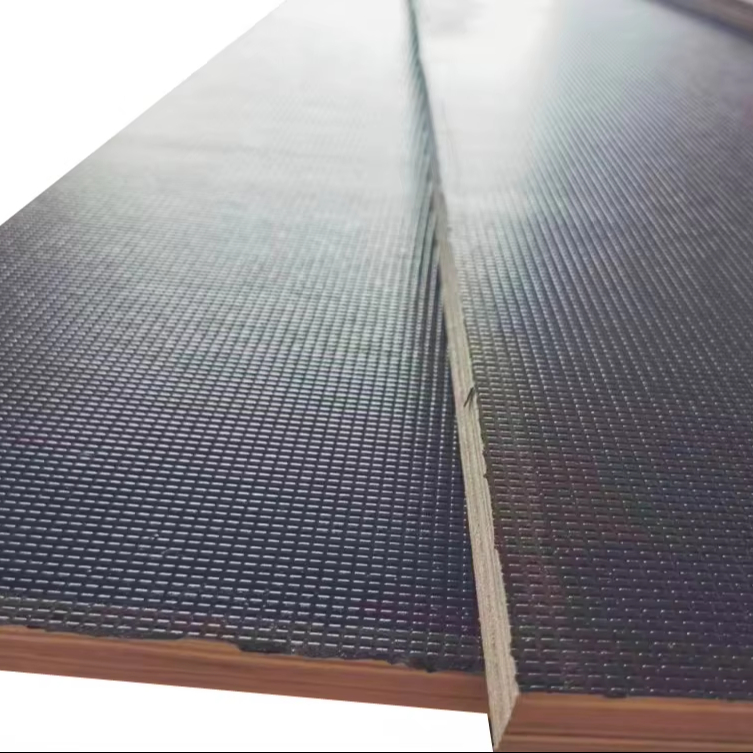
1220x2440 HPL Waterproof Laminate Sheet Board Fire Retardant Decorative High-Pressure Plywood E0 Formaldehyde Marine Phenolic
Best-fit use: wet areas, laboratory fronts, commercial washrooms and marine-style interiors where decorative HPL must combine water resistance, fire-retardant claims and E0 formaldehyde control.
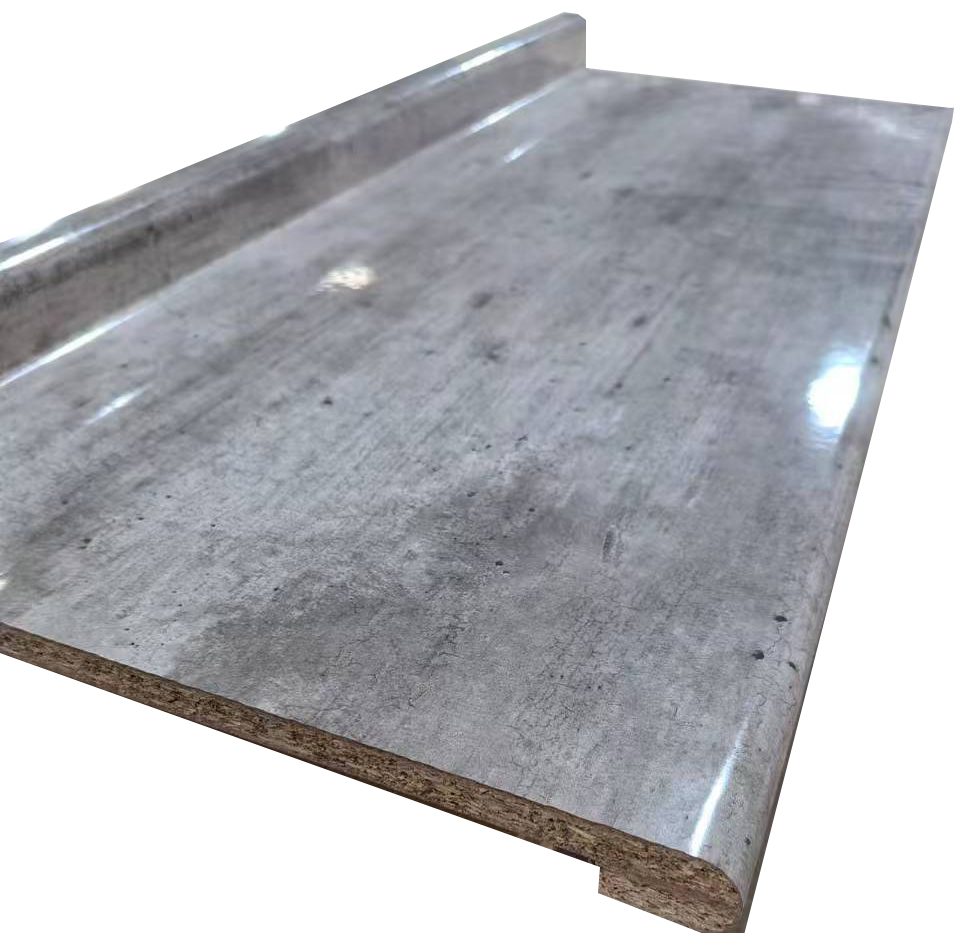
Linyi Hpl Melamine Board Plywood HMR MDF Sheet 18mm 25MM Melamine Board Furniture Board for KITCHEN COUNTERTOPS
Best-fit use: kitchen countertops, HMR cabinetry, wardrobe internals and shop fixtures. For sink runs and dishwasher zones, specify sealed edges and consider HPL-faced plywood or compact laminate.

HPL Plywood E0 Fire Resistant Sanded Surface Double-Sided Decoration 4X8 18mm Furniture Plywood
Best-fit use: furniture frames, cabinets, wall units and decorative panels that require an E0 substrate, sanded surface and double-sided HPL decoration. Balanced faces help reduce bowing in heated rooms.
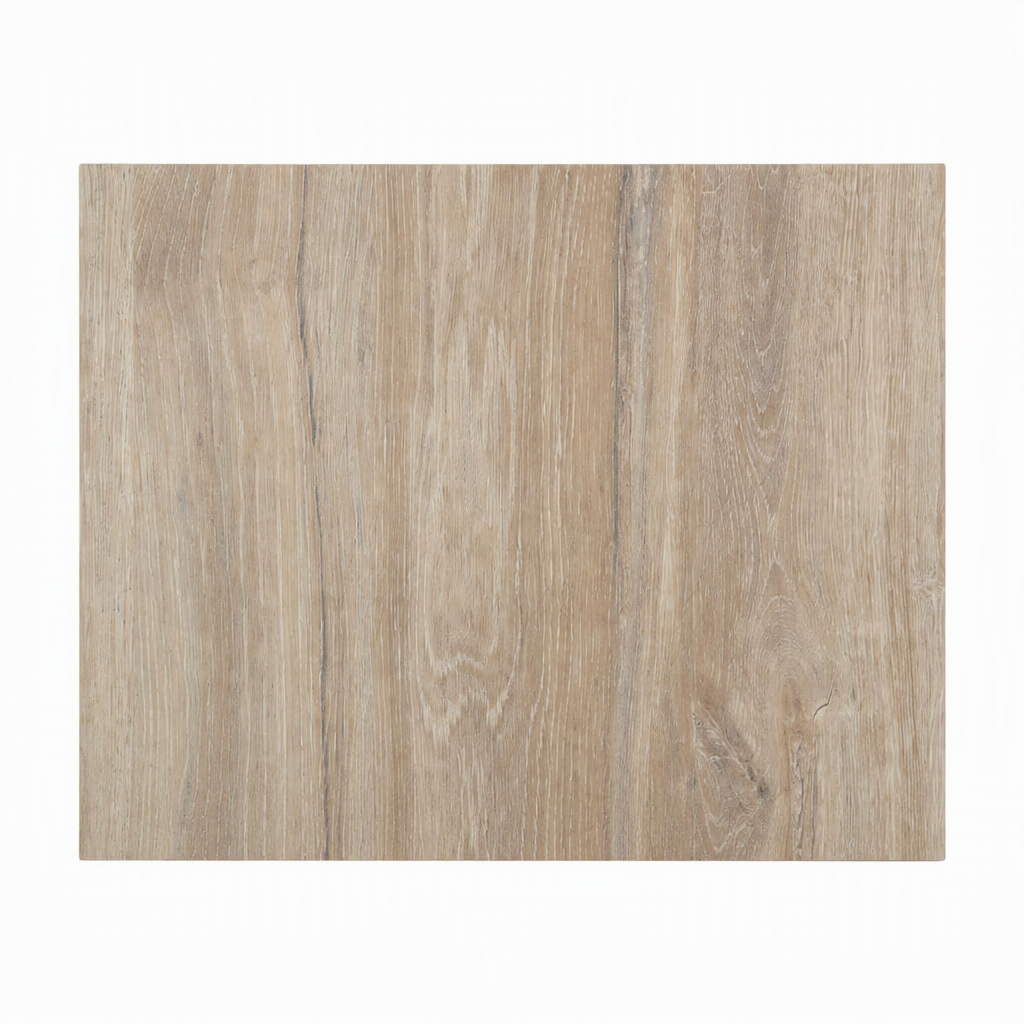
1mm Light Wood Grain HPL Decorative Laminate Panel Waterproof Fire Resistant Modern Design
Best-fit use: wardrobe doors, reception fronts, wall panelling and retail fixtures where a light wood-grain aesthetic is required without solid-timber movement. Substrate bonding remains critical.
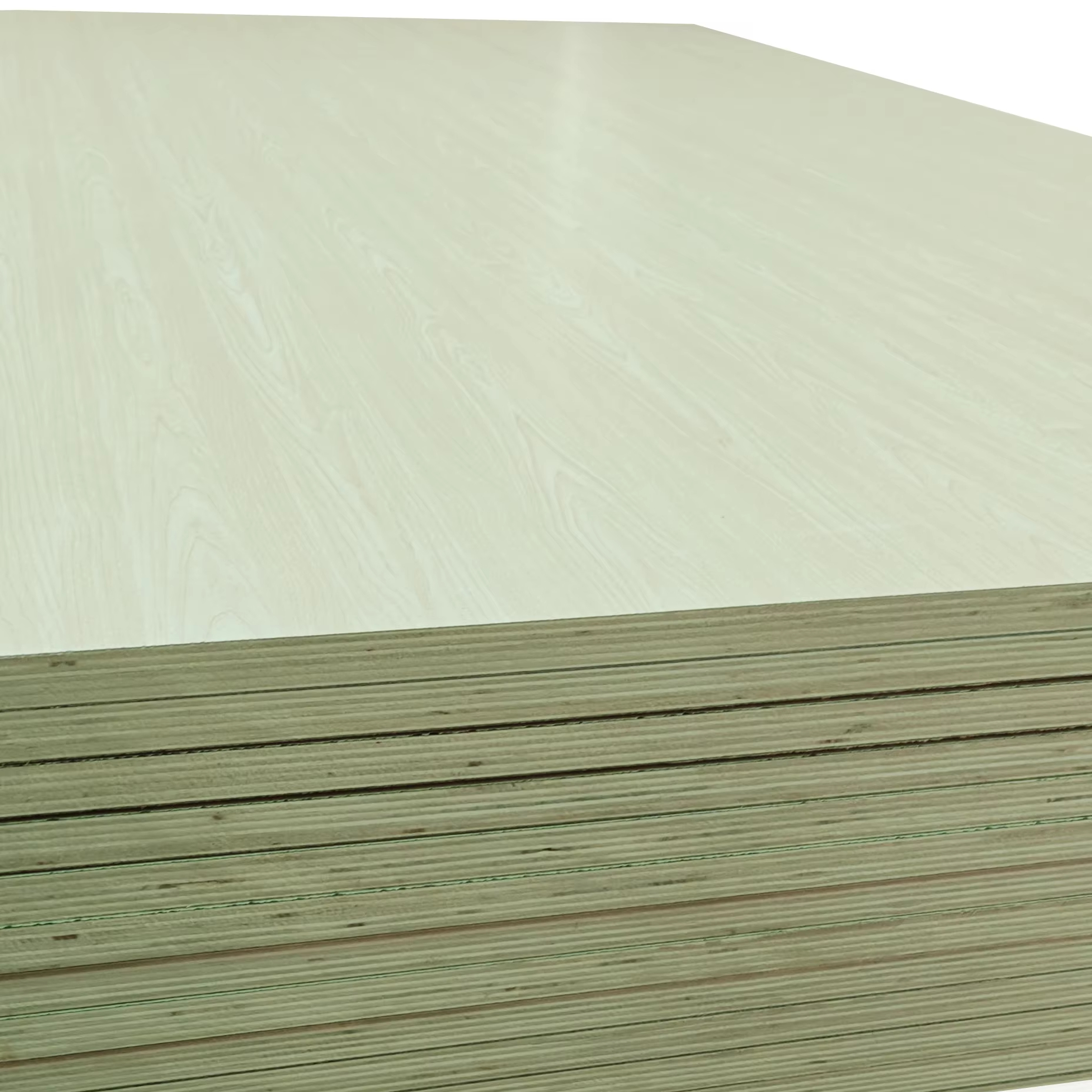
18mm Fire Retardant HPL Faced Plywood School Classroom 1220x2440mm Desk Top
Best-fit use: classroom desk tops, training-centre tables, library counters and education furniture. The 1220x2440 mm format supports efficient cutting; edge banding and fixing detail should be planned with the fabricator.

4x8 ft HPL High-Pressure Laminates Sheet Board Hpl Laminated Plywood Fire Retardant Decorative Plywood Panels
Best-fit use: general furniture, office joinery, decorative plywood panels and mixed project loads. The 4x8 ft format is easy to plan into container loading; confirm face grade and fire documents.
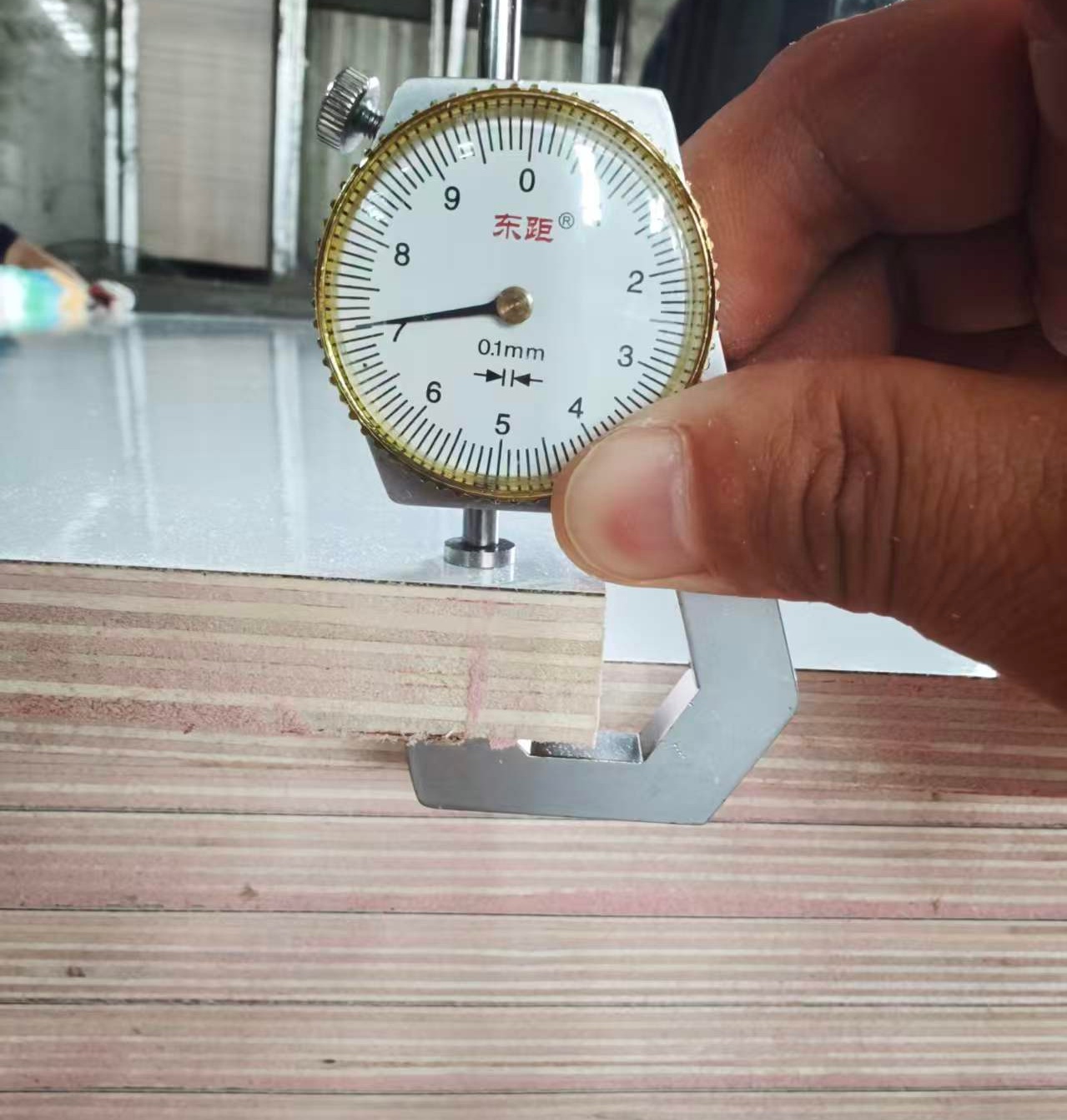
HPL Plywood Decorative Panels Stock HPL for Furniture Veneer
Best-fit use: furniture veneer, stock panel programmes, distributor ranges and quick-turn joinery orders. Stock decorative panels can shorten lead time, but buyers should confirm shade, texture, backing and packing.
Why Engineered Wood Panel Specification Is Changing in Tabriz
Tabriz is not a generic resale market. It is a dense manufacturing and project market connected to furniture workshops, school and hospital refurbishment programmes, retail fit-outs, hotel upgrades and export-oriented joinery.
Tabriz’s climate is often described as cold and semi-arid, but that does not make moisture irrelevant. Winter heating dries interior air, while kitchens, bathrooms, clinics and commercial cleaning introduce localized moisture. Panels that perform well in a showroom can fail at a sink run if the core, glue line and edge seal are not coordinated. In school and office projects, the bigger risks are impact, abrasion, fire documentation and formaldehyde emission. In hotel and retail fit-outs, colour consistency and repeatable surface texture matter as much as the board itself.
The most reliable buying rule for Tabriz is to match the panel to the exposure zone: dry interior, wet interior, public high-impact area, façade or utility use, and structural application. HPL-faced plywood combines a decorative high-pressure laminate with a plywood core for impact resistance and screw-holding. HMR MDF and melamine-faced boards offer smooth machining and efficient cabinet production. Compact laminate and phenolic panels provide self-supporting moisture and impact performance for partitions and worktops. LVL and structural plywood solve framing, scaffold and load-bearing needs.
A wholesale programme that can combine these families helps Tabriz importers reduce supplier count without forcing one material into every application. That is the practical value of a manufacturer-backed wholesale model: access to multiple product families, one quotation flow and a documented inspection plan before loading.
Tabriz Sourcing Snapshot
These bars summarise the editorial quotation checklist used for this Tabriz guide. Final product evidence, tolerances and documents must be confirmed for each order.
Where These Panels Perform in Tabriz
Tabriz buyers usually work through joinery workshops, fit-out contractors and project specifiers. These six scenarios show where engineered wood panels create the most practical value.
Home Kitchens & Wardrobes
Use HMR MDF with melamine for dry cabinetry and HPL-faced plywood near sink runs. Specify sealed edges, balanced faces and hardware suitable for the panel density.
Schools & Training Centres
18 mm fire-retardant HPL-faced plywood desk tops and classroom tables are practical where impact and cleaning are daily events. Request test evidence and sample edge details.
Clinics & Dental Studios
Decorative HPL and compact phenolic surfaces support repeated cleaning. Chemical resistance should be checked against the actual disinfectant, not assumed from the product name.
Hotels & Restaurants
Table tops, bar fronts and washroom partitions benefit from HPL and compact laminate. Wood-grain HPL gives a warm Tabriz hospitality aesthetic with a cleanable surface.
Offices & Commercial Fit-out
Reception counters, meeting tables and wall panels need consistent shade across batches. A mixed container can combine HPL, MDF and plywood for one commercial fit-out.
Retail & Exhibition Joinery
CNC-cut HPL plywood and melamine boards support repeatable fixtures. Dense, well-bonded faces reduce chipping during cutting and edgebanding, which matters for multi-store rollouts.
Tabriz Market Trends Shaping Engineered Wood Panel Demand
Procurement is becoming more technical. Price still matters, but the winning quotation is the one that answers exposure, emission, fire and loading questions before production begins.
Documentation-Led Buying
Buyers increasingly ask for emission grade, fire report, thickness tolerance and packing details before comparing unit prices. A lower quote without documents can become an expensive risk.
Low-Emission Interiors
E0 and E1 conversations are moving from export-only paperwork into school, clinic and residential specifications. The target market standard should be stated in the inquiry, not left to assumption.
Mixed-Container Economics
Small and mid-size importers use consolidated loads to reach efficient freight without overstocking one SKU. HPL, MDF, plywood and LVL can be planned together when packaging is coordinated.
Wood-Grain With Performance
Light oak, walnut and neutral wood-grain HPL surfaces are specified for hotels, offices and retail. Cleanability, UV stability and batch consistency are now part of the aesthetic decision.
Replacement of Paint and Veneer
HPL-faced plywood and melamine boards reduce finishing time for fabricators facing labour bottlenecks. The benefit is strongest when cutting plans and edgebanding are planned early.
Local Fabrication Partnerships
Suppliers who support sample approvals, cutting plans and edgebanding advice become more valuable than lowest-price traders. Technical support reduces rework at the workshop level.
How to Choose: HPL-Faced Plywood, HMR MDF, Compact Laminate and LVL
Use this selector to narrow the brief before requesting samples. The best board is the one that matches the exposure zone, fabrication method and project documentation.
HPL-Faced Plywood
Best for: furniture, school desks, wet-zone cabinets and wall panels.
Watch: core grade, glue line, face balance, edge sealing and fire-test scope.
HMR MDF & Melamine
Best for: dry cabinetry, wardrobes and countertops with sealed edges.
Watch: moisture at sink cut-outs; move to HPL plywood or compact laminate in wet zones.
Compact / Phenolic Panel
Best for: public washrooms, lab worktops, lockers and heavy-use tables.
Watch: fabrication method, fixing, thickness and chemical compatibility.
LVL & Structural Panel
Best for: framing, scaffold boards, bed slats and structural components.
Watch: load design, glue type, section size and moisture exposure.
Why Fipdm Fits the Tabriz Wholesale Model
Fipdm is a verified trading company and multispecialty supplier based in Linyi, Shandong, China. Rather than claiming every panel is made under one roof, the company matches each order to a vetted partner mill in China’s largest wood-based panel cluster, then manages inspection and consolidation.
Vetted Linyi Mill Network
Access to HPL, compact laminate, MDF, plywood, LVL and related boards through qualified partner mills, with supplier assessment procedures in place.
Two-Stage Quality Control
Material checks at the partner mill and finished-board inspection for thickness, surface, edges and packing before loading.
Customization & ODM
Minor customization such as logo, packaging and graphics, plus sample-based, design-based and full customization for distributors.
Mixed-Container Consolidation
Combine HPL, MDF, plywood, LVL and door-core products in one shipment to reduce freight and supplier administration.
Export Documentation & Photos
Export paperwork, seaworthy pallet packing and loading photos help Tabriz buyers verify shipment progress and packing detail.
Engineer-Style Support
Practical guidance on panel selection, edge sealing, loading plans and installation questions for cladding, partitions and furniture projects.



Specification Brief
Sizes, thickness, face, core, emission grade and target application.
Sampling & Approval
Colour, texture, substrate, edgebanding and packing sample.
Two-Stage QC
Material check at the partner mill and finished-board inspection.
Loading & Documents
Mixed loading, seaworthy packing, photos and export paperwork.
Common Procurement Questions Before Ordering
These are the questions importers and project buyers usually ask when comparing engineered wood panels for the Tabriz market.
QAre you a manufacturer or a trading company?
Fipdm is a verified trading company and multispecialty supplier, best described as manufacturer-backed wholesale. We source from vetted Linyi partner mills and manage inspection, consolidation and export documentation. For buyers, this means one contact across HPL, compact laminate, MDF, plywood and LVL rather than several unrelated suppliers.
QWhich panel is best for kitchen cabinets and countertops in Tabriz?
For dry cabinet boxes, HMR MDF with melamine is efficient and cleanable. For sink runs, dishwasher zones and heavy-use counters, specify HPL-faced plywood or compact laminate and seal edges. In Tabriz’s dry heated interiors, moisture still concentrates around plumbing and cleaning, so avoid standard MDF where water exposure is plausible.
QWhat is the difference between HPL sheet and compact laminate?
HPL is a thin decorative high-pressure laminate, often around 0.7–1 mm, bonded to MDF, plywood or particleboard. Compact laminate is a solid phenolic panel, often 3–20 mm, used without a substrate for partitions, lockers and worktops. Both can be moisture-resistant, but their fabrication and fixing methods are different.
QWhich formaldehyde emission grade should buyers request?
Ask for E0 or E1 depending on the product line and destination requirement. Do not accept a generic “green board” claim without test documentation. State the target market standard and application, especially for schools, clinics and residential interiors.
QCan I mix different products in one container?
Yes. Mixed loads of HPL-faced plywood, HMR MDF, decorative HPL, plywood and LVL are a core part of the wholesale model. Provide a cut plan and quantity by SKU so the supplier can optimise pallet layout and loading.
QHow do you control quality before shipment?
Typical control points include material inspection at the partner mill and finished-product inspection before loading: thickness, dimensions, face appearance, edges, packing and quantity. For Tabriz orders, agree the inspection scope in writing and request loading photos and packing details.
QWhat should be confirmed before ordering for Tabriz?
Confirm Incoterm, destination, document requirements, packaging method, thickness tolerance, finish and shade, core, emission grade, fire-test evidence where required, and whether mixed loading is permitted. Shipping schedules and import formalities should be checked with your freight forwarder.
QCan sizes, colours, surfaces and packaging be customized?
Yes. Fipdm offers minor customization such as logo, packaging and graphics, plus sample-based, design-based and full customization and ODM for distributors. Custom work should be documented with approved samples and written tolerances before production.
Request a Tabriz-Specific Engineered Panel Quotation
Send your panel type, size, thickness, core, face finish, emission grade, quantity, application and preferred Incoterm. The export team will match the request to a vetted partner mill, confirm the inspection scope and prepare a consolidated loading plan for Tabriz buyers.