Eight Commercial Plywood and HPL Panel Lines for Dortmund Buyers
This shortlist reflects the practical buying pattern of Dortmund importers, shopfitters, joineries and furniture factories: durable HPL faces, stable plywood cores, documented E0/E1 options and fire-retardant specifications available for project review.
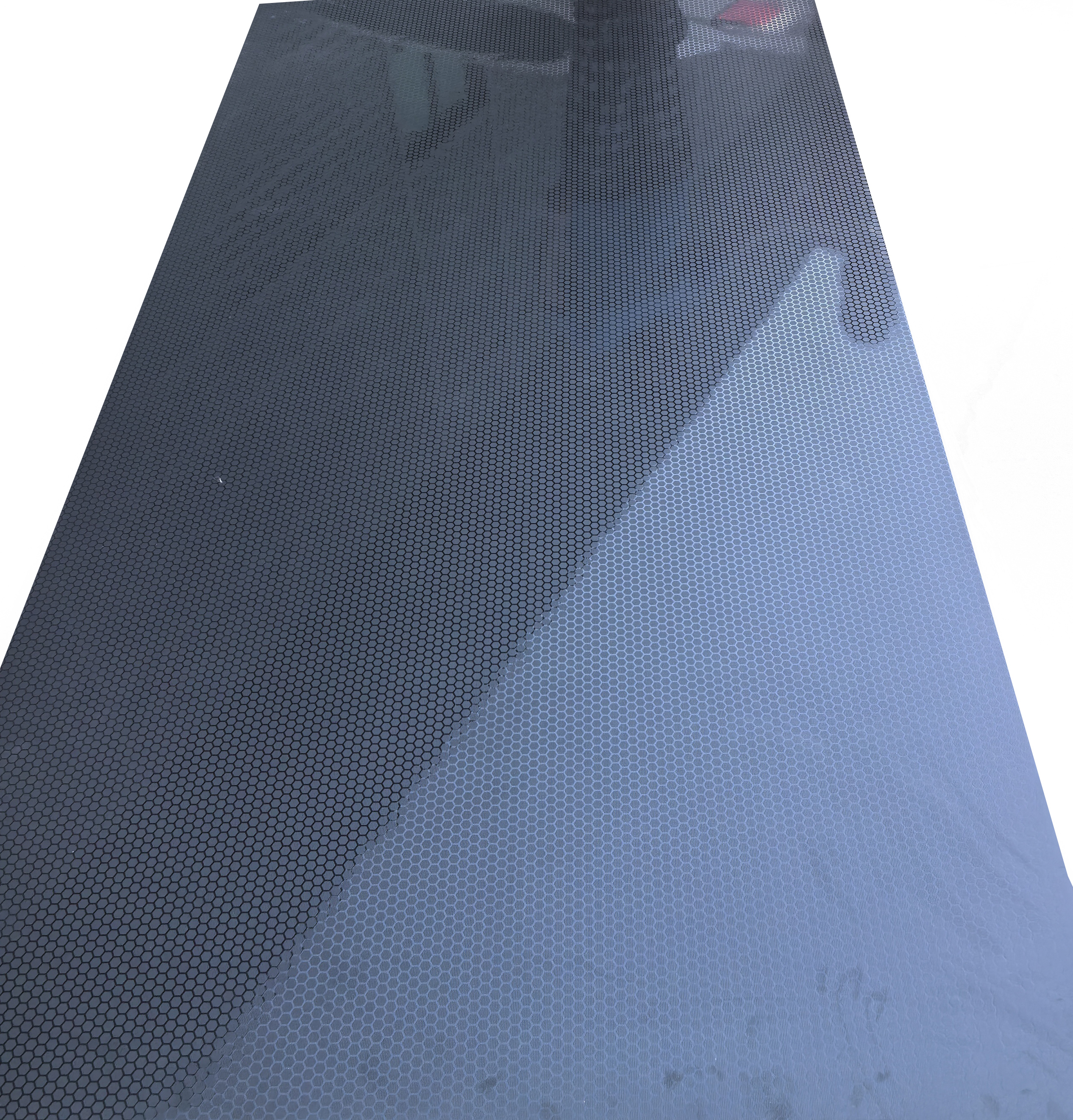
Factory Wholesale 18mm HPL Film Melamine Plywood E0 Birch Laminated Panel
Dortmund fit-out use: counters, cabinets, wall linings and wet-area joinery requiring a stable birch core.
View product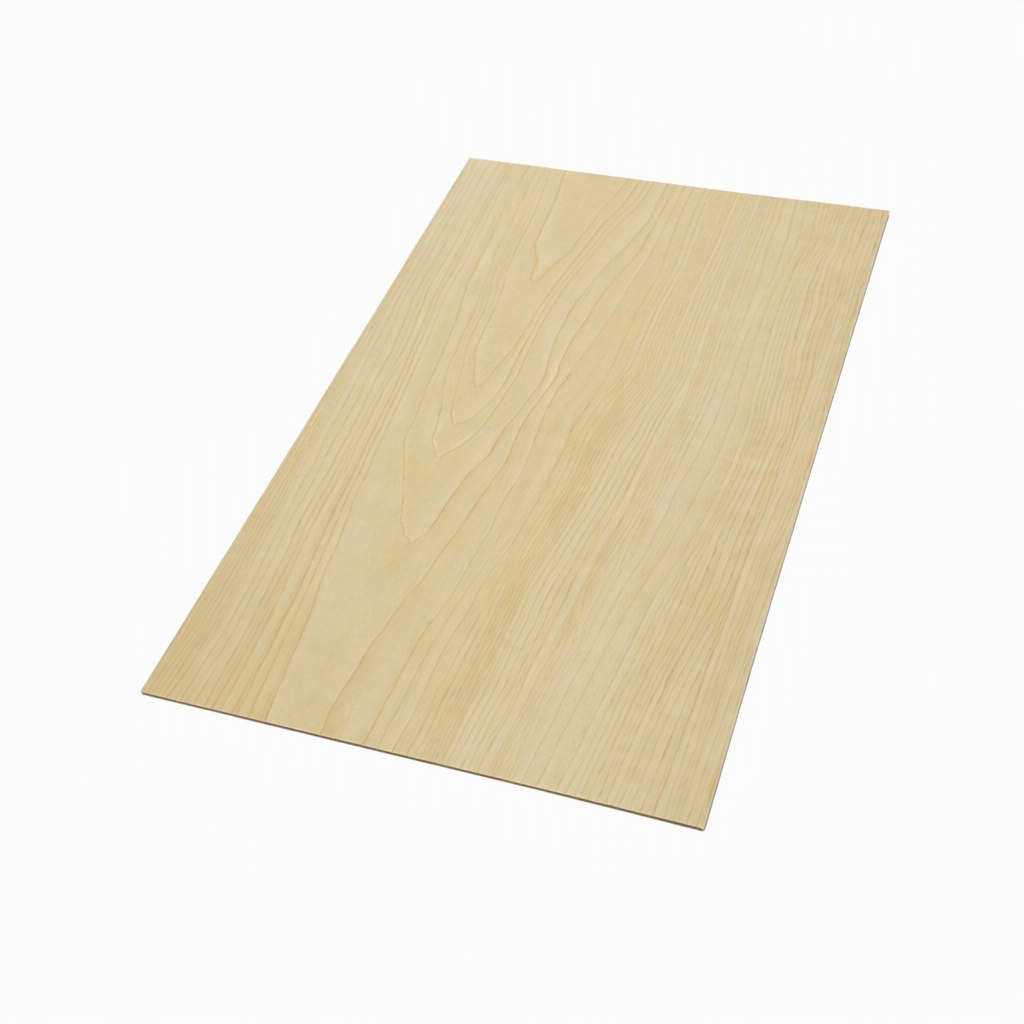
0.7mm Light Wood Grain High Pressure Laminate HPL Decorative Panel Sheet
Dortmund use: wall and furniture surfaces where a warm, consistent wood-grain finish is required.
View product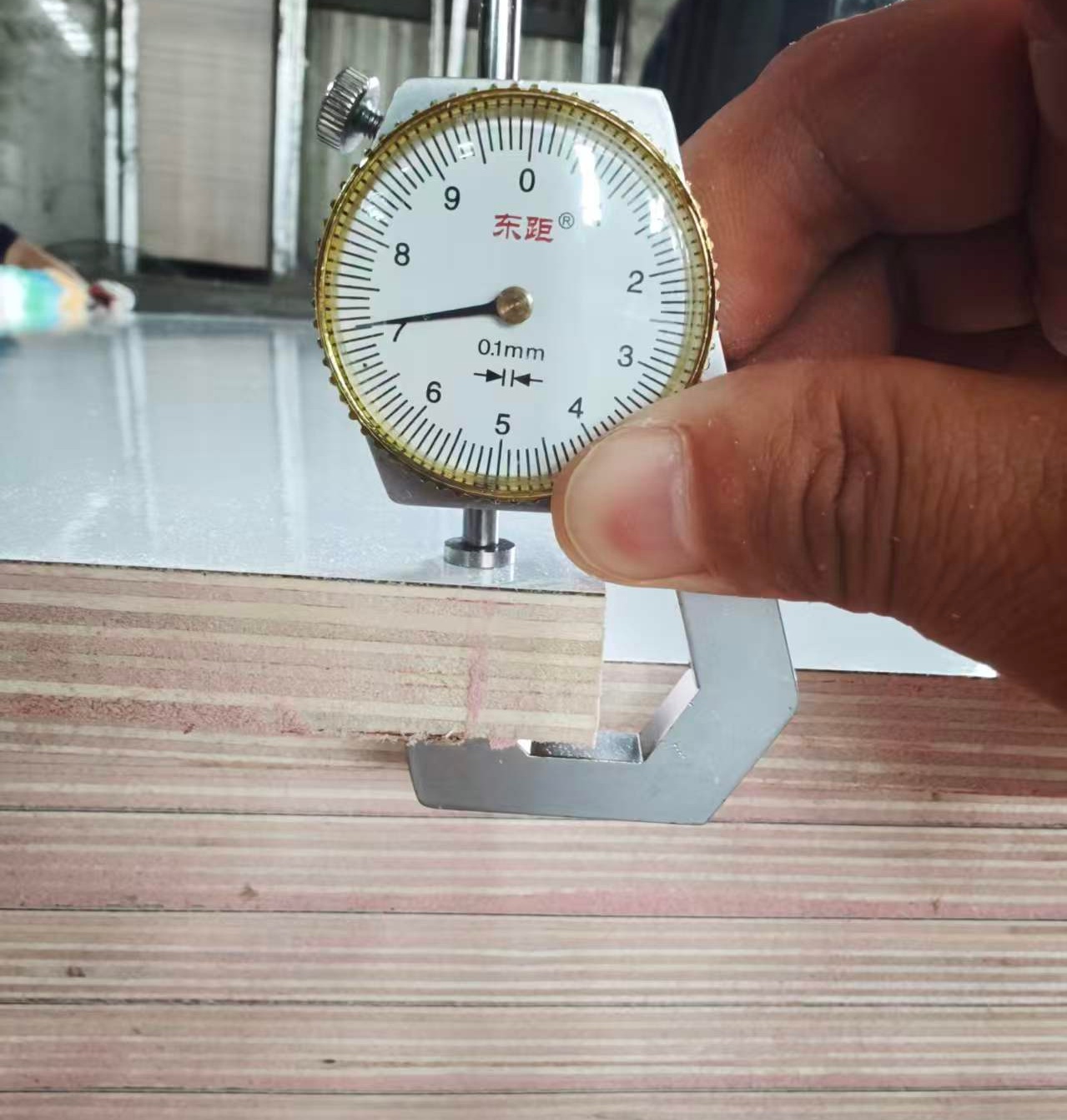
HPL Plywood Decorative Panels Stock HPL for Furniture Veneer
Dortmund use: furniture fronts, display fixtures and decorative interior panels with consistent batch appearance.
View product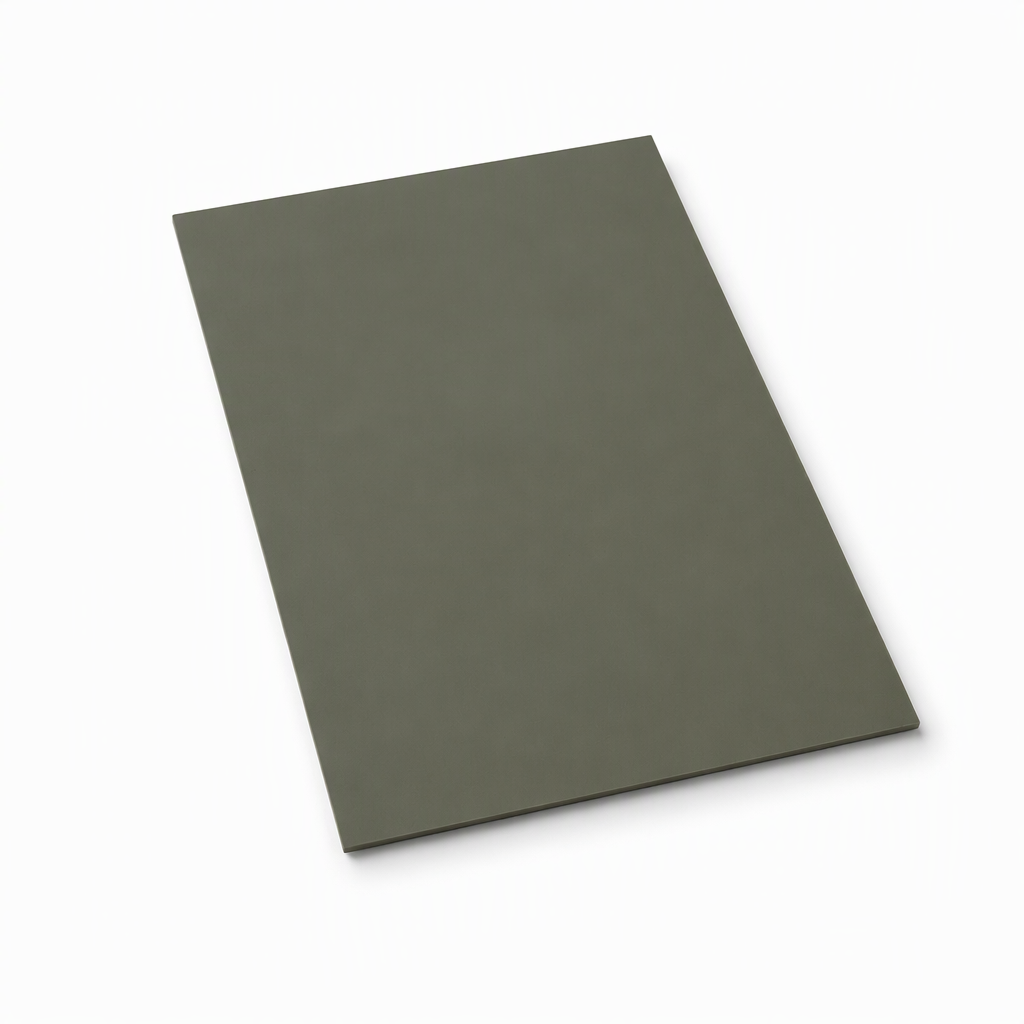
1230*2450mm Grey Green HPL Sheet Decorative High Pressure Laminate Panel
Dortmund use: office, clinic and education furniture where calm colour and cleanability matter.
View product
18mm Fire Retardant HPL Faced Plywood Birch Core 1220x2440mm Furniture Panel
Dortmund use: public-space wall panels, reception joinery and project furniture where fire performance is reviewed.
View product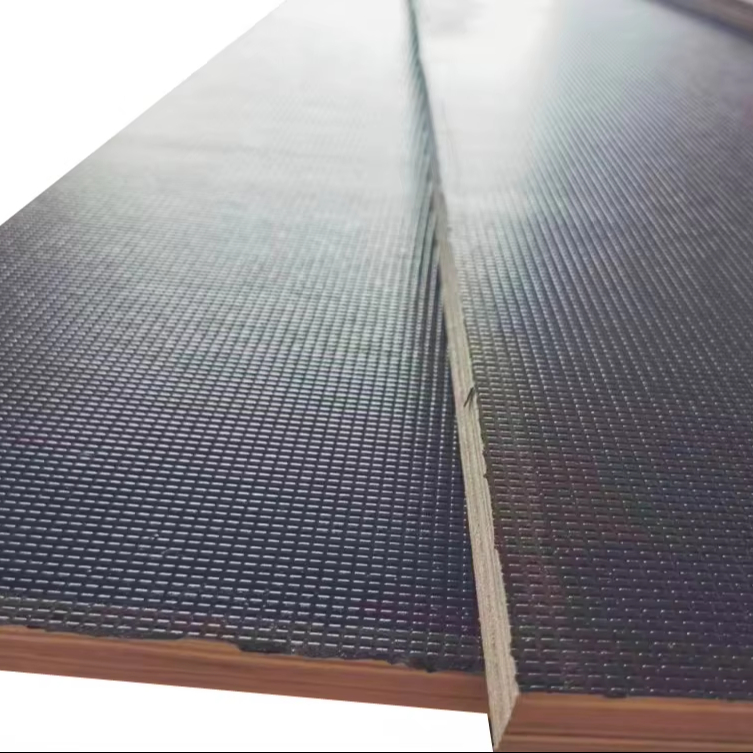
1220x2440 HPL Waterproof Laminate Sheet Board Fire Retardant Decorative Phenolic Panel
Dortmund use: commercial kitchens, washrooms, laboratory furniture and high-cleaning interior surfaces.
View product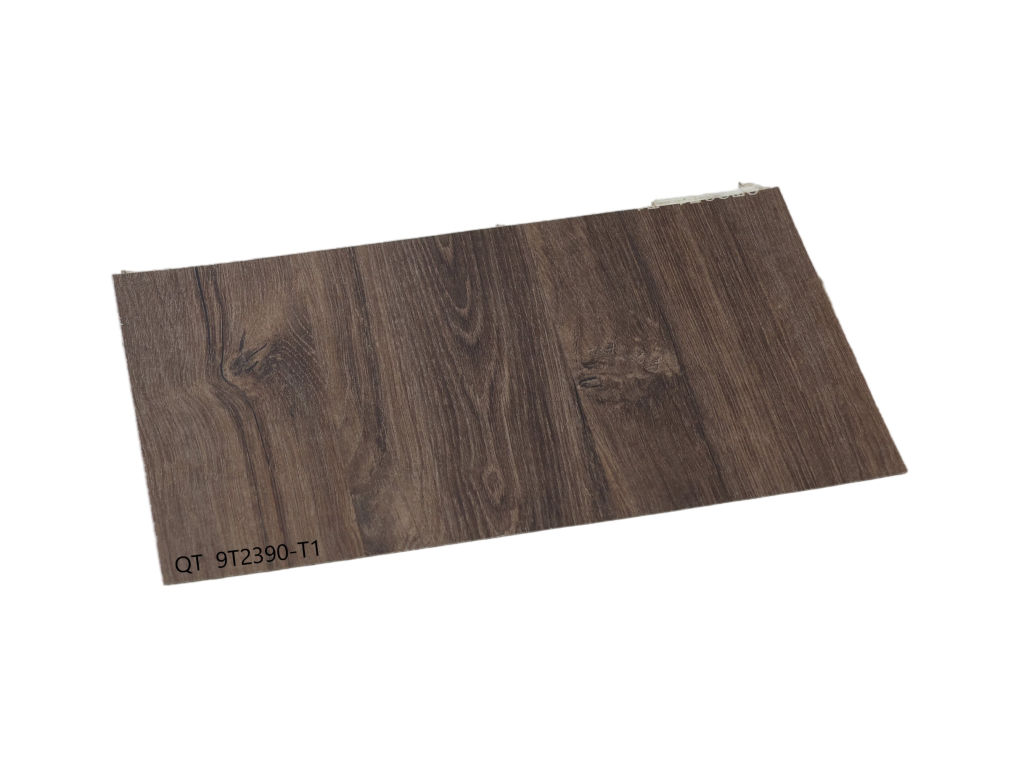
Dark Brown Decorative Panel HPL Sheet QT 9T2390-T1 Interior Wall Cladding
Dortmund use: hospitality, retail and office feature walls requiring deep colour and durable surfaces.
View product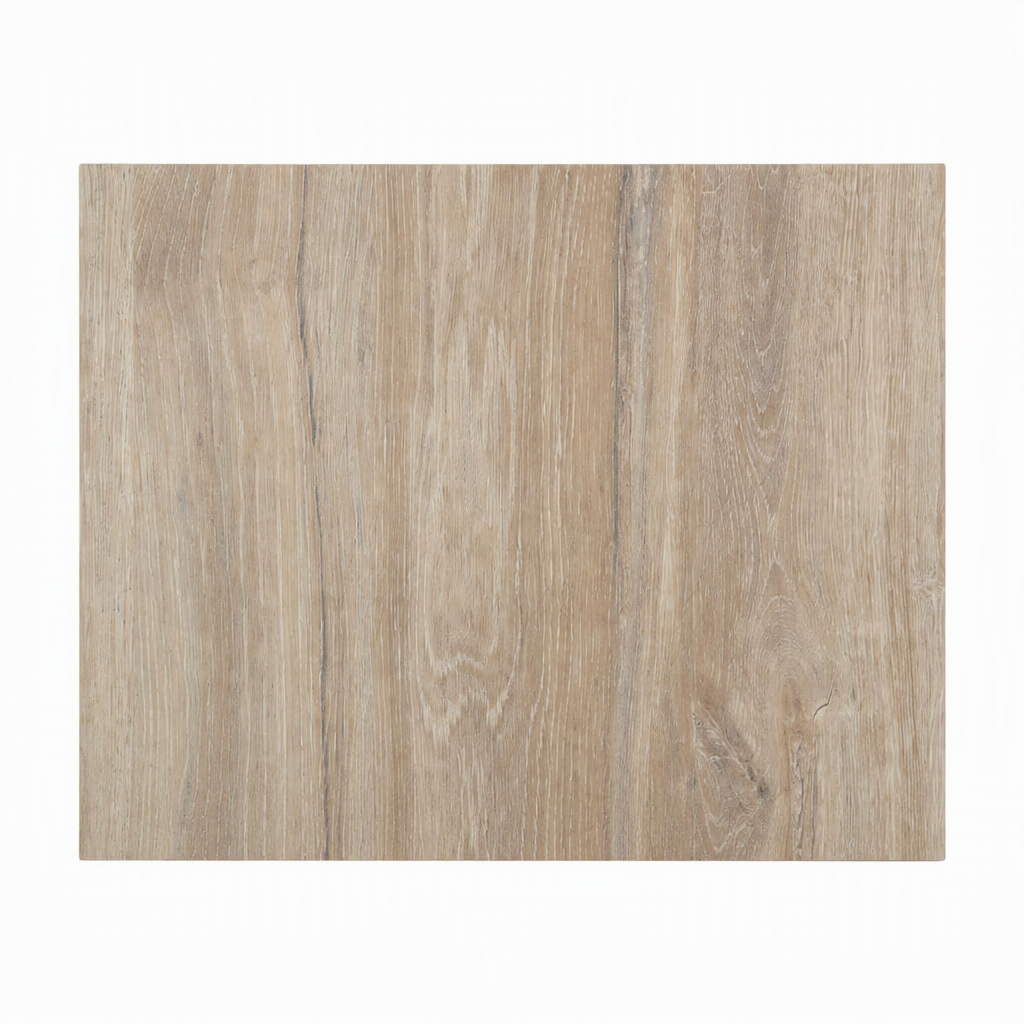
1mm Light Wood Grain HPL Decorative Laminate Panel Waterproof Fire Resistant
Dortmund use: furniture surfaces, door skins and wall panels where a lighter grain and easy-clean finish are preferred.
View productIntertek-verified profile
Supplier assessment and on-site inspection discipline from Linyi.
Two-stage quality control
Material checks at partner mills plus finished-board inspection before loading.
Mixed-container sourcing
Combine HPL, plywood, MDF, LVL and door cores for Ruhr-region buyers.
Export-ready logistics
Seaworthy packing, loading photos and export documentation support.
Why Commercial Plywood Factories and Wholesalers Matter to Dortmund Buyers
Dortmund sits at the eastern edge of the Ruhr metropolitan region, with a commercial property market shaped by adaptive reuse, city-centre retail upgrades, education and healthcare interiors, logistics facilities and a dense network of joinery and furniture businesses. For a buyer in Dortmund, commercial plywood is rarely a generic commodity. The specification usually combines a stable plywood core with a decorative HPL or melamine face, and the result must survive daily cleaning, impact, humidity, fitting tolerances and project documentation.
That is why search intent around “commercial plywood factories for Dortmund” is not simply price-led. A serious buyer is trying to answer several questions at once: Can the supplier provide consistent face colours? Is the core birch, poplar or another species? Is the formaldehyde performance E0 or E1? Can the panel be fire-retardant? Will the edges machine cleanly? Can HPL, plywood and MDF be consolidated in one container? Can the supplier show inspection evidence before the vessel leaves China?
Linyi Fipdm Import And Export Co., Ltd. operates as a verified trading company and multispecialty supplier from Linyi, Shandong — China’s large wood-based panel cluster. We do not pretend that every board is produced in one single mill. Instead, we qualify partner mills, inspect materials and finished boards, and give Dortmund buyers one accountable contact for HPL, compact laminate, MDF, plywood, LVL and door-core products. For importers comparing commercial plywood factories and wholesalers, that model is especially useful when a project requires several board types with different lead times.
What Dortmund buyers usually need to confirm before ordering
German projects often ask for a clear material description: face grade, back grade, core species, glue line, thickness tolerance, formaldehyde class, fire classification where applicable, edge treatment and packing method. Buyers should request project-specific test reports and declarations rather than relying on a general product description. For structural applications, the relevant plywood standard should be checked. For public interiors, fire performance must be confirmed against the actual project requirement. We can supply E0 and E1 options depending on product line and can review fire-retardant HPL-faced plywood requests against the selected specification.
For Dortmund shopfitters and joinery teams, the practical benefit of a mixed wholesale order is fewer stock gaps and fewer supplier handovers. A single shipment can include 18 mm birch-core HPL plywood for counters, 0.7 mm decorative HPL for wall finishes, fire-retardant HPL-faced plywood for public areas, grey-green furniture panels for office furniture and waterproof phenolic panels for washrooms or kitchens. That consolidation reduces shipping administration, improves container utilisation and gives the installer a more predictable material schedule.
Verified wholesale profile
Based in Linyi, Shandong, China. Serving Dortmund and the wider North Rhine-Westphalia market through vetted partner mills, two-stage inspection and export documentation support.



Linyi Fipdm Import And Export Co., Ltd. · Room 1206, Building B, Yigao Shanghai Street, Linyi, Shandong, China · info@fipdmplywoods.com
Where HPL-Faced Plywood and Commercial Panels Are Used in Dortmund
Dortmund’s mix of city-centre retail, education, healthcare, hospitality, logistics and adaptive-reuse projects creates demand for panels that look precise, clean easily and tolerate heavy daily use.
Retail and shopfitting
Dortmund city-centre stores, pop-ups and showrooms use HPL-faced panels for counters, shelving, back walls and display fixtures. The face resists scuffs and cleaning, while the plywood core gives reliable fixing strength.
Office and co-working fit-outs
Reception desks, meeting-room wall panels and storage units benefit from batch-consistent HPL surfaces. For developers converting older Ruhr buildings, plywood cores offer stability across joinery details.
Hospitality and commercial kitchens
Hotels, cafés and staff kitchens in Dortmund ask for waterproof, easy-clean surfaces. Phenolic HPL panels and sealed HPL plywood support counters, washroom vanities and wet-area cabinetry.
Healthcare and education
Clinics, schools and training centres need durable interiors with disciplined colour control. Grey-green HPL panels and fire-retardant HPL-faced plywood are often reviewed for such public-facing furniture and wall panels.
Exhibition and trade-fair builds
Dortmund’s trade-fair and event contractors need fast assembly, repeatable colours and clean edges. Decorative HPL sheets and HPL-faced plywood are practical for modular walls, counters and display systems.
Furniture manufacturing and joinery
Dortmund furniture makers and joiners can specify birch-core HPL plywood for structural furniture panels, 0.7 mm HPL for surface lamination and 1 mm wood-grain HPL for visual warmth with practical durability.
Matching the Right Panel to a Dortmund Project
Use this buyer-facing comparison to shortlist the right HPL plywood, decorative laminate or phenolic board before requesting a quotation.
| Panel line | Dortmund application | Specification focus | Due-diligence check |
|---|---|---|---|
| 18 mm E0 birch HPL plywood | Cabinets, counters, wet-area joinery | Birch core, E0 class, HPL or melamine face | Confirm thickness tolerance, glue line and edge sealing |
| 0.7 mm decorative HPL | Furniture and wall surfaces | Light wood grain, matt or textured finish | Check colour consistency and postforming requirement |
| HPL decorative plywood panels | Retail fixtures, display and furniture | HPL face, plywood substrate, matching back | Confirm face/back grade and visible-edge treatment |
| Grey-green HPL sheet | Office, clinic and education furniture | 1230×2450 mm format, decorative grade | Verify colour sample and cutting plan yield |
| Fire-retardant HPL birch plywood | Public interiors and reception joinery | 18 mm, HPL faced, fire-retardant specification | Ask for project-specific fire report and classification |
| Waterproof phenolic HPL board | Commercial kitchens and washrooms | 1220×2440 mm, waterproof, fire-retardant | Confirm moisture exposure, fixing detail and cleaning agents |
| Dark brown HPL wall panel | Hospitality, retail and feature walls | QT 9T2390-T1, interior wall cladding | Check batch shade, joints and substrate compatibility |
| 1 mm wood-grain HPL | Door skins, furniture and wall panels | Waterproof, fire-resistant, modern grain | Confirm abrasion expectation and edge-band compatibility |
Specifications and compliance documents should be confirmed against the final order and the project’s German or EU requirements.
Dortmund and Ruhr Market Trends Shaping Plywood Specification
Dortmund’s development pattern is not a generic “Germany market” story. Adaptive reuse, public-sector interior upgrades and the need to reduce waste are changing how commercial panels are specified.
Adaptive reuse of industrial space
Former industrial buildings are being converted into offices, studios, retail and education space. These projects often need stable plywood cores for joinery and HPL faces that can handle high traffic without looking worn.
Renovation with longer service life
Fit-out budgets increasingly favour materials that can survive repeated cleaning and partial replacement. HPL-faced plywood supports robust furniture and wall systems while keeping the visible surface easy to maintain.
Low-emission interiors
Dortmund buyers increasingly ask for E0 or E1 board options and clear documentation. Formaldehyde class is now part of the purchase conversation, not an afterthought, especially for schools and healthcare interiors.
Fire-safety accountability
Public buildings, schools, clinics and hospitality venues require documented fire performance. Fire-retardant HPL-faced plywood can be considered where the specification calls for it, but the buyer should verify the exact test evidence and installation conditions.
Lean procurement and container efficiency
Smaller importers and regional distributors in the Ruhr area prefer mixed loads over multiple single-product orders. Combining HPL, plywood, MDF and door cores in one container can improve cash flow and reduce freight administration.
Faster project decision cycles
Dortmund buyers want fewer unknowns: clear lead-time confirmation, loading photos, packing details and a single contact for technical questions. A wholesaler with documented QC helps compress the approval cycle.
A Wholesale Partner Built Around Documentation and Inspection
Linyi Fipdm Import And Export Co., Ltd. combines access to Linyi’s panel cluster with a focused export team, inspection routines and flexible consolidation for Dortmund buyers.
Intertek-verified supplier profile
Our supplier profile has been assessed and verified, with on-site material and finished-product inspection built into the buying process.
Access to vetted partner mills
We source from qualified mills in Linyi and match the product to your application, rather than forcing every request through one production line.
Flexible customization
Minor customization such as logo, packaging and graphics is available, alongside sample-based, design-based and full customization plus ODM support.
Mixed-category consolidation
HPL, compact laminate, MDF, plywood, LVL, tubular chipboard and melamine paper can be coordinated through one export team.
On-site technical support
Engineer support is available for cladding, partition and furniture projects where installation guidance or product selection advice is needed.
Low-emission board options
E0 and E1 formaldehyde grades are available for MDF and plywood product lines so Dortmund buyers can match the destination market requirement.
Quality process: inquiry and specification review → colour and sample confirmation → material inspection at partner mill → production follow-up → finished-board inspection → export packing and loading photos → shipping documentation.
Common Purchasing Questions About Commercial Plywood Wholesale
Direct answers for importers, contractors and furniture makers comparing factories, wholesalers and mixed-container supply for Dortmund.
Are you a commercial plywood factory in Dortmund?
No. We are Linyi Fipdm Import And Export Co., Ltd., a verified trading company and multispecialty supplier based in Linyi, Shandong, China. We supply Dortmund and the wider Ruhr region through vetted partner mills. Our role is to qualify producers, inspect materials and finished boards, consolidate product categories and manage export documentation. This is not presented as a local Dortmund factory; it is a transparent China-based wholesale supply model for importers and project buyers.
Can you supply E0 or E1 plywood and HPL-faced panels?
E0 and E1 formaldehyde grades are available depending on the product line. For a Dortmund project, specify the destination market standard, the intended application and the required documentation so the correct board and paperwork can be matched before ordering. Fire-retardant and waterproof requests can also be reviewed against the selected product construction.
Can I combine HPL, plywood and MDF in one container?
Yes. Mixed loads are a core part of our wholesale service. A typical container for a Ruhr-region buyer may combine decorative HPL sheets, HPL-faced birch plywood, fire-retardant panels, MDF boards and door cores. This improves container utilisation and reduces the administrative burden of managing several suppliers.
What information should I send for a Dortmund quotation?
Please send the product type, dimensions, thickness, core species, face and back grade, colour or finish code, formaldehyde class, fire requirement if relevant, quantity, packing preference, target delivery terms and project timetable. Photos or drawings of the intended use help us recommend the right construction and reduce specification errors.
How is quality controlled before shipment?
Our process uses two-stage quality control: material inspection at the partner mill and finished-product inspection before loading. Checks can cover thickness, surface appearance, edges, core quality, face bonding and packing. Loading photos and shipment documentation can be shared so the buyer has a visible record of the order before it leaves China.
Can you customize colours, sizes and packaging for a wholesale order?
Yes. We offer minor customization such as logo, packaging and graphics, as well as sample-based, design-based and full customization. ODM services are also available for distributors building their own product range. Custom requirements should be confirmed against minimum order quantities, lead time and the selected partner mill.
How should a Dortmund buyer verify fire or structural compliance?
Compliance must be checked against the actual project, not assumed from a generic product name. Ask for the relevant test report, classification document or declaration for the specific panel construction. For structural plywood, confirm the applicable standard and intended use. For public interiors, verify the fire performance requirement with the project specifier before ordering.
What is the difference between HPL sheets and compact laminate?
Standard HPL is a thin decorative laminate, commonly around 0.7 mm to 1 mm, bonded to a substrate such as plywood, MDF or particle board. Compact laminate is a self-supporting solid phenolic panel, often 3 mm to 20 mm thick, used without a substrate where water, impact and cleaning resistance are critical. For Dortmund washrooms and commercial kitchens, compact laminate may be specified; for furniture and wall panels, HPL-faced plywood is often more cost-effective.
Planning a Commercial Plywood or HPL Order for Dortmund?
Share your sizes, thickness, core, finish, formaldehyde class and target date. Our export team will match the request with suitable HPL-faced plywood, decorative laminate or phenolic panel options and confirm the specifications before quotation.