Why White Melamine Chipboard Deserves a Strategic Place in Kharkiv Sourcing
White melamine chipboard is often treated as a simple commodity, yet in Kharkiv it sits at the intersection of housing repair, furniture production, retail fit-out and institutional furnishing. For a distributor, the product must survive unloading, storage in unheated warehouses, cutting, edge banding, and final installation in apartments with central heating. For a furniture workshop, it must saw cleanly, hold screws, accept hinges, and present a consistent white face across repeat orders. For a project buyer, it must arrive with clear E0/E1 documentation, stable thickness tolerance, and packaging that protects edges during cross-border transit.
This guide explains how to specify white melamine-faced chipboard for the Kharkiv market, where to use moisture-resistant grades, how to combine it with HPL and plywood surfaces, and why a China wholesale partner with real inspection capability can reduce total sourcing risk. The practical goal is not to buy the lowest price per sheet. The goal is to buy a board that cuts, edges, installs and repeats predictably when your production team is under deadline.
What to Order for Kharkiv Furniture and Fit-Out Production
For most Kharkiv furniture applications, the default specification is 18 mm white melamine-faced chipboard, 1220×2440 mm or 1830×2440 mm, E0 or E1, with a tight thickness tolerance and a low-contrast white decor. For wardrobes, 16 mm is often sufficient; for desk tops and utility counters, 25 mm improves stiffness. In bathrooms, laundry rooms and kitchen areas near sinks, MR chipboard with sealed edges is the safer choice. Approve a physical sample under daylight and warm indoor lighting because “white” varies from cool blue-white to warm cream-white.
Stable Core for CNC and Edge Banding
Uniform density supports clean sawing, tight hinge boring and reliable edge adhesion. This matters when Kharkiv workshops cut batch after batch for apartment renovations and shop fixtures.
Consistent White Decor Across Repeat Orders
White tone, surface gloss and texture should be controlled by decor lot. A slight shade shift is highly visible on wardrobe doors, kitchen fronts and retail shelving placed side by side.
Export Packaging That Protects Edges
Corner protection, moisture barrier and seaworthy pallets are not cosmetic. Damaged edges create visible chips after lamination and increase claim risk for importers and project buyers.
White Melamine Chipboard and Coordinated Surface Panels
The eight products below are surfaces and plywood panels frequently sourced together with white melamine chipboard by Kharkiv fabricators. They address wet areas, heavy wear, decorative walls and furniture veneer where a standard melamine face is not enough.
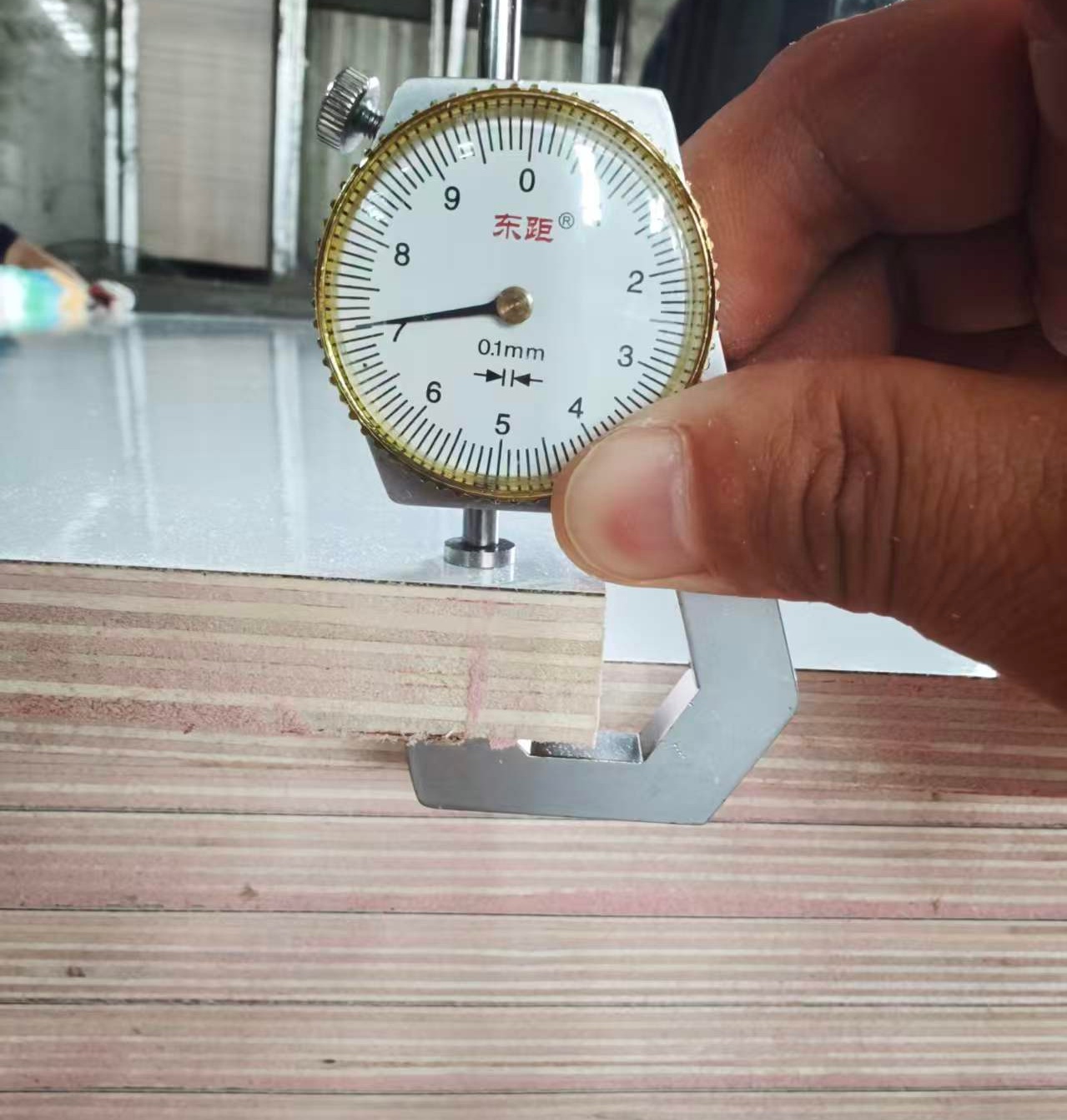
HPL Plywood Decorative Panels Stock HPL for Furniture Veneer
Decorative HPL faced plywood for exposed cabinet sides, reception counters and furniture surfaces that need stronger wear resistance than plain melamine chipboard.
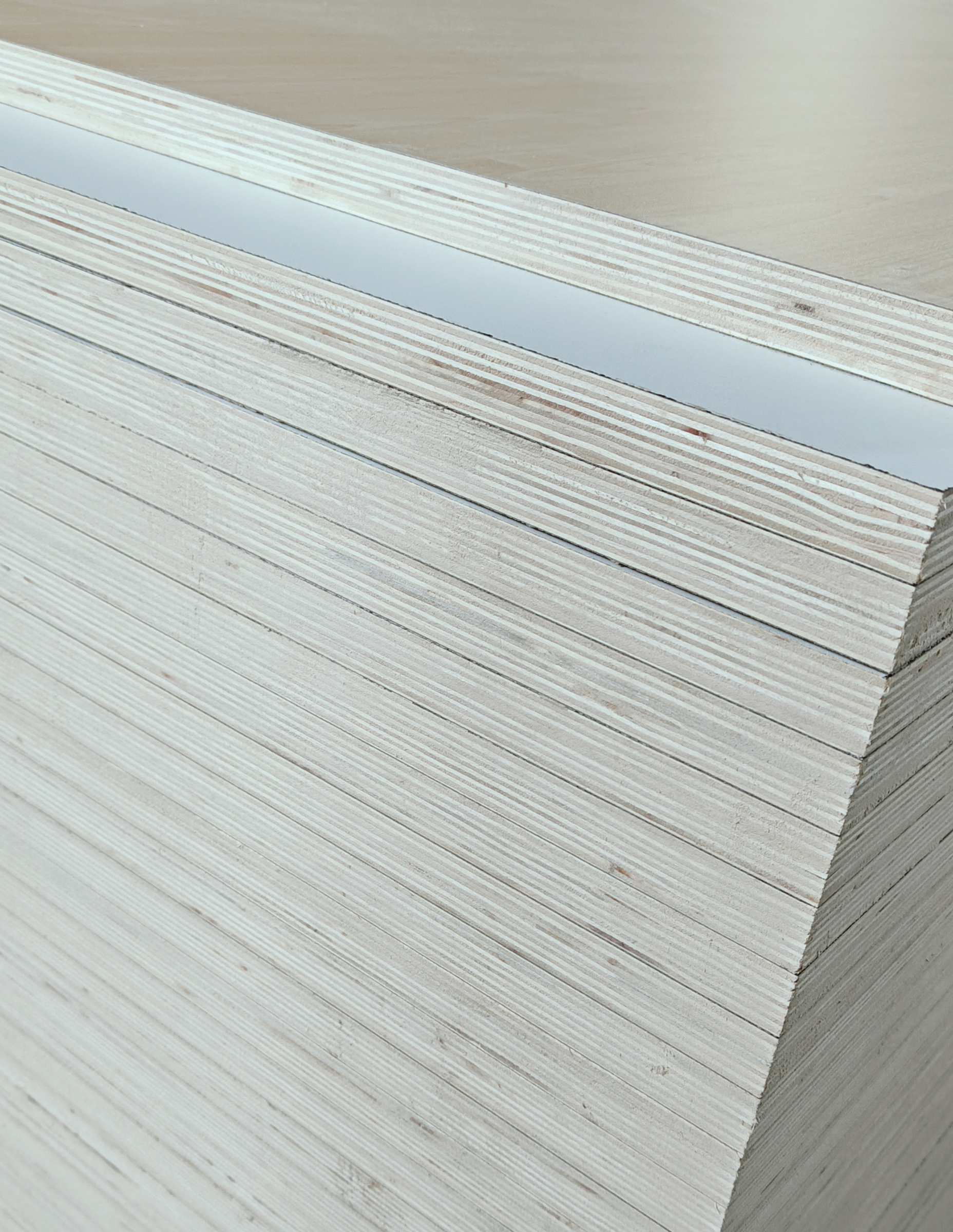
Modern Design Chinese Marine HPL Poplar Plywood E0 Fire Resistant Sanded Surface 4X8 15mm 1220X2440 Construction Sheet Price
Marine HPL poplar plywood with sanded surface for wet-area cabinetry, utility rooms and project furniture where E0 and fire-resistant performance are requested.
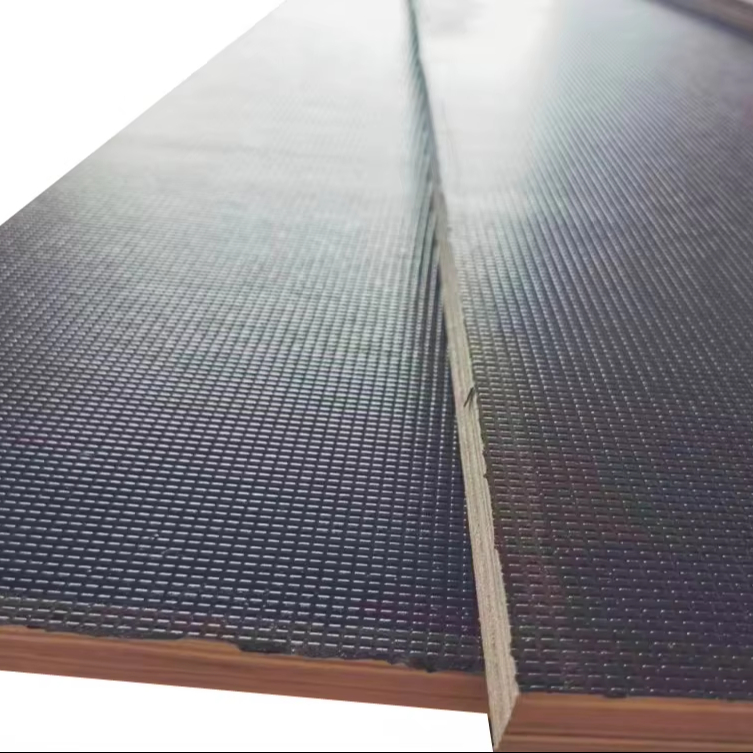
1220x2440 HPL Waterproof Laminate Sheet Board Fire Retardant Decorative High-Pressure Plywood E0 Formaldehyde Marine Phenolic
Phenolic HPL board for bathrooms, laundry zones, kitchen wet areas and commercial interiors where moisture and fire performance are both on the specification.
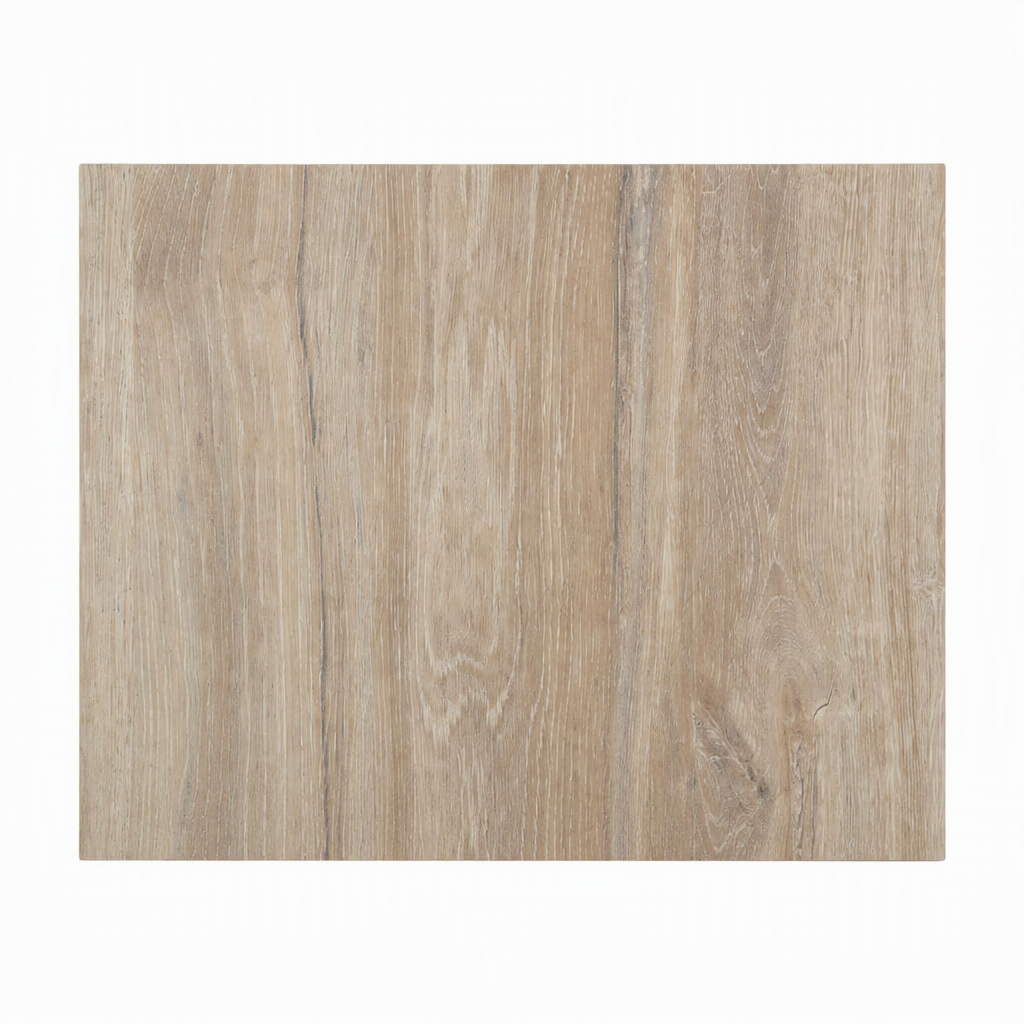
1mm Light Wood Grain HPL Decorative Laminate Panel Waterproof Fire Resistant Modern Design
Light wood-grain HPL for white chipboard carcasses that need a warmer visible front: wardrobe doors, hotel-style furniture and residential joinery.
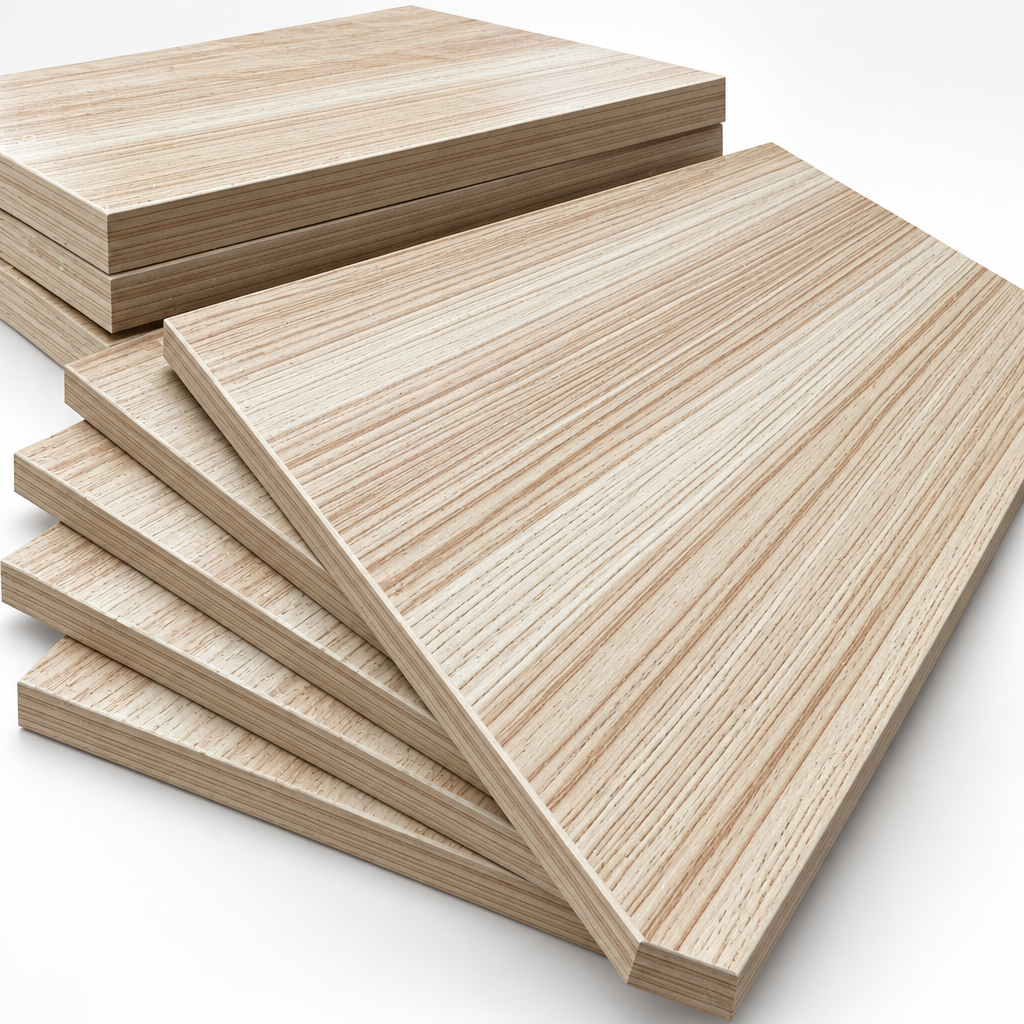
In Stock Wear-Resistant High Pressure Laminate HPL Plywood Sheets for Modern Kitchen Cabinets and Wooden Furniture Panels
Wear-resistant HPL plywood for kitchen cabinets, high-use furniture and rental apartment fit-outs where surface abrasion and impact are practical concerns.
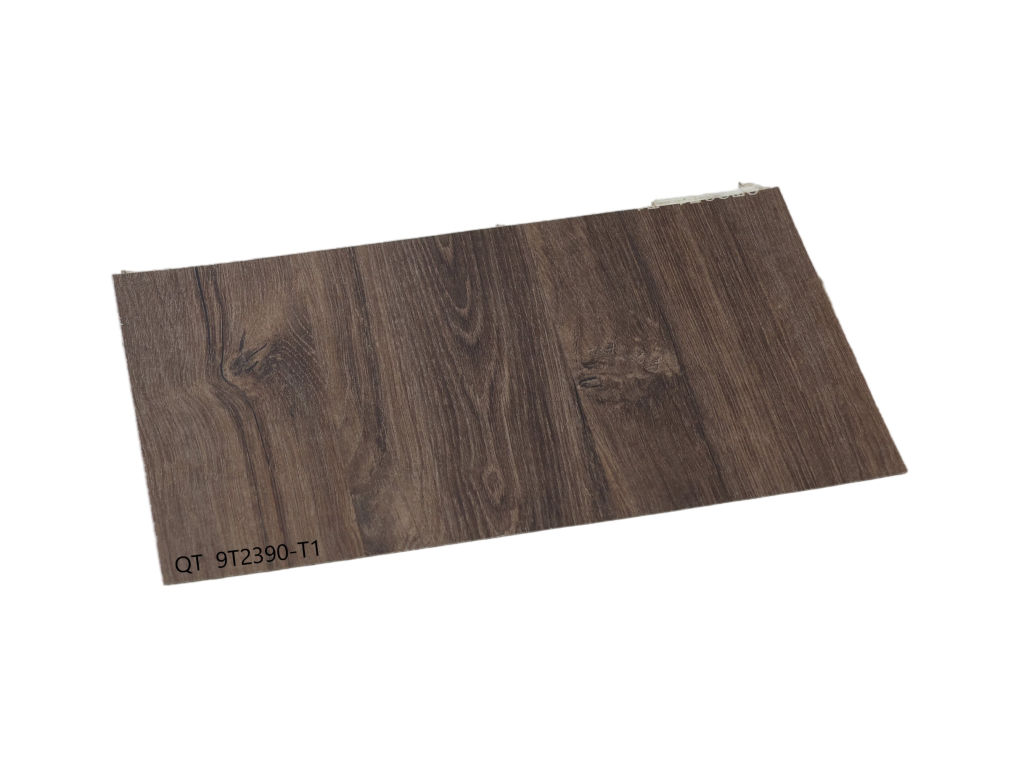
Dark Brown Decorative Panel HPL Sheet QT 9T2390-T1 Interior Wall Cladding
Dark brown HPL wall cladding for retail interiors, office reception areas and apartment feature walls where white chipboard provides the structural substrate.
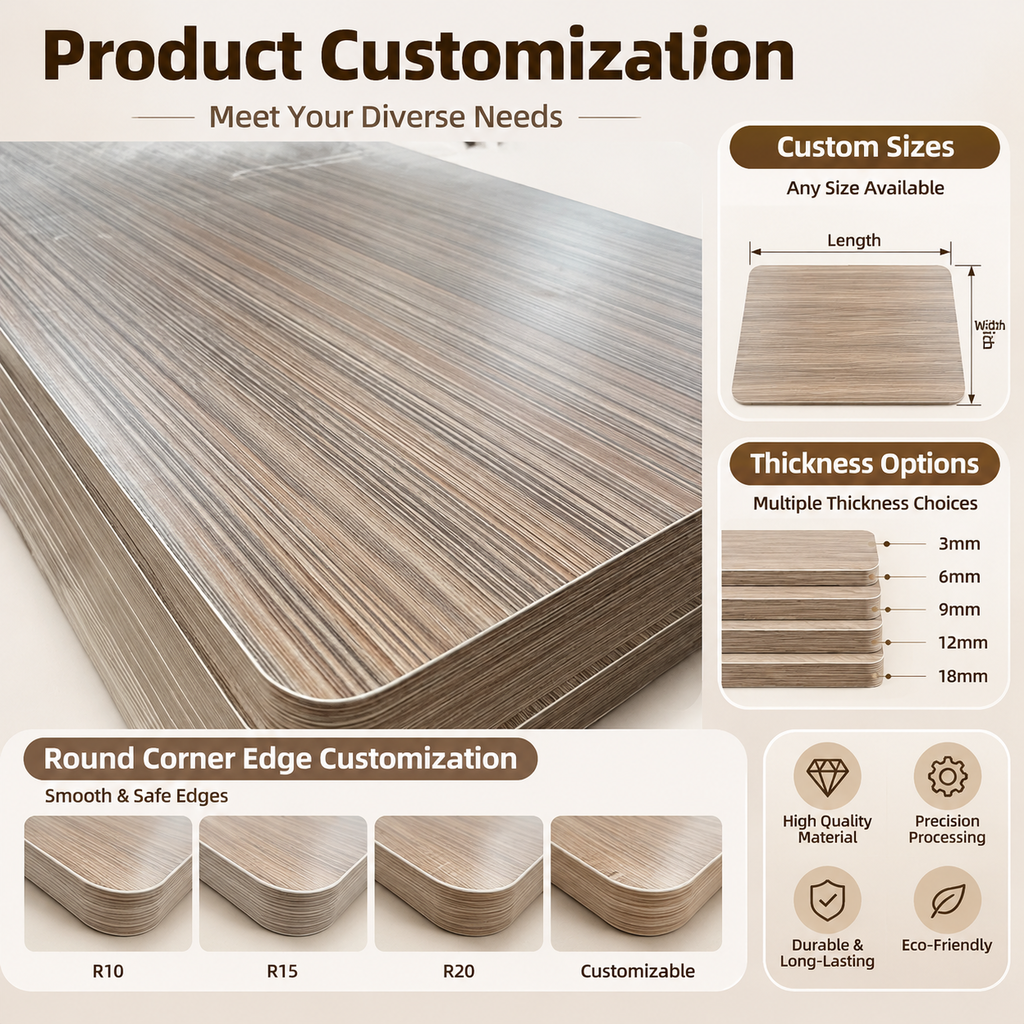
HPL Wood Grain Decorative High Pressure Laminate HPL Compact Sheet Waterproof Fire-Resistant Panel for Furniture
Wood-grain HPL compact surface for furniture fronts and interior panels that require waterproof, fire-resistant decorative performance.
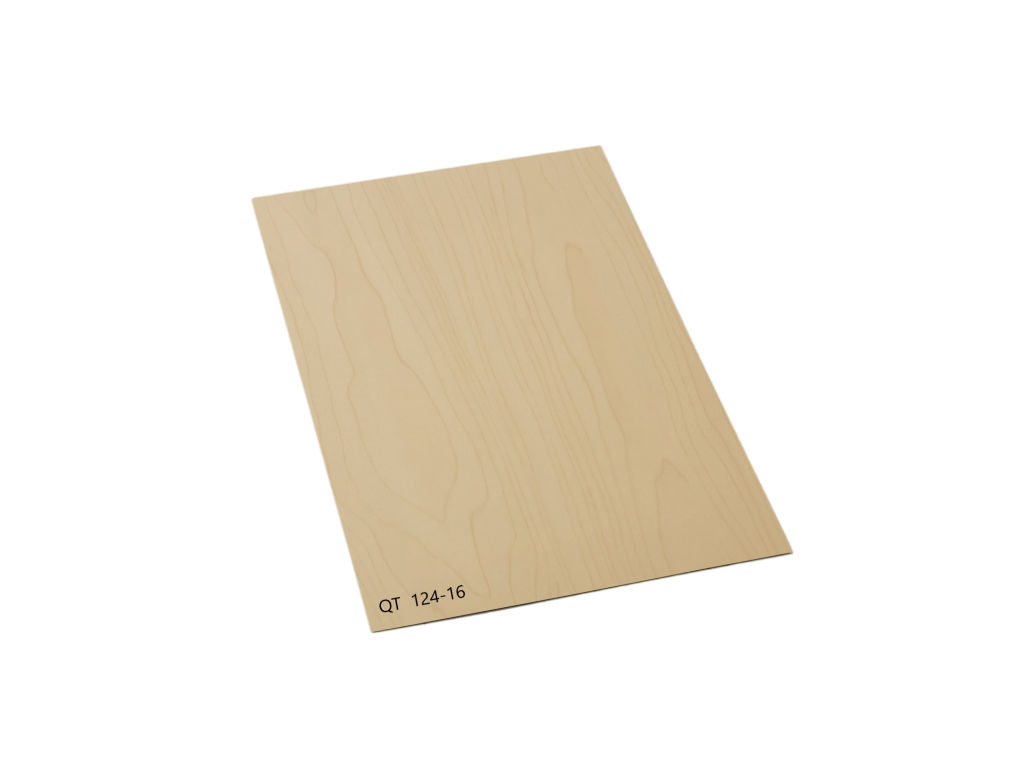
Light Wood Grain HPL Decorative Laminate Sheet Phenolic Resin Panel for Interior Wall and Furniture
Phenolic HPL decorative laminate for interior walls, furniture faces and mixed-material furniture systems paired with white melamine chipboard.
Where White Melamine Chipboard Works Best in Kharkiv Projects
Kharkiv’s continental climate, heated apartments, renovation cycles and mixed residential-commercial fit-outs shape how white chipboard should be specified. These are the applications where the material earns its place day after day.
Kitchen Cabinet Carcasses and Doors
White melamine chipboard is the practical backbone of kitchen carcasses because it is stable, easy to machine and easy to clean. For sink cabinets and dishwasher zones, use MR grade, seal cut edges and pair white interiors with HPL or textured surfaces on visible fronts.
Wardrobes and Hallway Storage
In apartment wardrobes and hallway systems, 16 mm or 18 mm white chipboard keeps internal shelving bright and cost-efficient. Consistent white decor matters because shelves, drawers and side panels are often visible together. Matching edge banding reduces visual noise.
Bathroom Vanities and Utility Rooms
For bathroom vanities, laundry cabinets and utility storage, moisture-resistant chipboard with sealed edges is the minimum practical specification. If the design includes exposed wet contact or heavy cleaning, combine the chipboard carcass with waterproof HPL or compact laminate surfaces.
Office, Co-Working and Retail Fit-Out
Office storage, reception counters, display shelving and back-of-house cabinetry use white chipboard as a fast, cost-controlled substrate. For high-touch counters and shelving edges, specify wear-resistant HPL or impact-resistant edge details.
Education and Medical Furniture
Schools, clinics, training rooms and temporary facilities need easy-clean surfaces and repeatable specifications. White melamine chipboard works for desks, storage cabinets and nurse station carcasses when E0/E1 and edge quality are controlled.
Furniture Workshops and Distributor Stock
Kharkiv workshops and regional distributors need repeatable white board for fast replacement orders. Standard 18 mm white melamine chipboard plus a smaller stock of 16 mm and 25 mm options covers many projects without overstocking slow-moving decor.
Local Trends Shaping White Melamine Chipboard Demand
Buyers in Kharkiv are not asking only for “cheap white board.” They are balancing repair speed, indoor moisture, color consistency, project documentation and container economics. These four trends influence the most effective specification and supply model.
Renovation and Reconstruction Drive Repeat White Interiors
Housing repair, rental refurbishment, shop reopening and institutional upgrades continue to create demand for white storage and kitchen units. Standard sizes and stable white decor help workshops quote faster.
Moisture Management Remains a Practical Differentiator
Heated interiors can feel dry, but kitchens, bathrooms, laundry rooms and unheated storage still expose boards to moisture. MR chipboard, sealed edges and correct HPL pairing prevent swelling and callbacks.
Mixed Containers Suit Smaller Distributors
Many Kharkiv buyers need white chipboard plus HPL, plywood and door-related panels but cannot commit to single-product volumes. Mixed loads reduce freight waste and let distributors test several decors.
Documentation and Packing Are Part of Product Quality
Cross-border transit rewards suppliers who provide loading photos, clear packing marks and material declarations. Packaging quality is often the difference between a usable container and a claim.
Illustrative Kharkiv Buyer Decision Weighting
This illustrative weighting is based on common sourcing questions from furniture workshops, project buyers and panel distributors. Confirm final priorities against your own order data and installation conditions.
Why Fipdm Is a Practical China Wholesale Partner for Kharkiv
Linyi Fipdm Import And Export Co., Ltd. is a verified trading company and multispecialty supplier based in Linyi, Shandong — one of China’s largest wood-based panel clusters. We coordinate vetted partner mills, inspect materials on site and check finished panels before loading, giving importers one accountable contact across melamine chipboard, HPL, plywood and related boards.
Two-Stage Quality Control
Material checks at the partner mill and finished-board inspection for thickness, surface, edges and packing before loading.
Flexible Customization
Minor customization, sample-based design, full customization and ODM support for distributors building their own panel range.
Multi-Category Consolidation
Combine white melamine chipboard, HPL, compact laminate, MDF, plywood and LVL in one container to cut freight and admin cost.
On-Site Technical Support
Engineer service for installation questions involving cladding, partitions, furniture panels and edge treatment.
Low-Emission Board Options
E0 and E1 formaldehyde grades are available for MDF and plywood lines. Tell us your destination market standard before order confirmation.
Export-Ready Logistics
Export documentation, seaworthy pallet packing and loading photos shared with every shipment for stronger supply-chain visibility.




Application-Based Specification Table for Kharkiv Buyers
Use this table to align the board with the installation environment rather than ordering one thickness for every project. Confirm final tolerances, certification needs and edge details before production.
| Application Area | Recommended Board | Typical Thickness | Why It Fits Kharkiv Conditions |
|---|---|---|---|
| Kitchen cabinet carcass | White melamine chipboard, E0/E1, MR grade near sink and dishwasher | 18 mm | Supports hinges and shelves; sealed edges reduce swelling risk in wet zones. |
| Wardrobe and storage internals | Standard white melamine chipboard with matching PVC or ABS edge band | 16 mm or 18 mm | Bright interior, good screw-holding and cost control for apartment renovations. |
| Bathroom vanity and laundry cabinet | MR white chipboard or chipboard carcass with waterproof HPL face | 18 mm | Resists intermittent moisture; HPL face improves cleaning and water resistance. |
| Office desk and utility counter | White melamine chipboard with reinforced edge or HPL top surface | 25 mm | Higher stiffness for spans; better impact resistance in commercial use. |
| Retail shelving and display | White chipboard body with wear-resistant HPL on high-touch surfaces | 18 mm | Balances fast fabrication with a durable front for shop fit-outs and display units. |
For export to Kharkiv, confirm packing, transit route and documentation before production. White melamine chipboard should be stored flat, protected from water and handled with care at cut edges to preserve final appearance.
Kharkiv Buyer FAQ: White Melamine Chipboard Sourcing
These are the questions purchasing teams, furniture workshops and distributors ask most often when comparing China wholesale supply for the Kharkiv market.
Can you supply white melamine chipboard directly to Kharkiv?
Yes. We coordinate white melamine-faced chipboard from Linyi panel mills and plan export packing for the route agreed with your freight forwarder. For Kharkiv buyers, the practical conversation usually starts with destination, transit preference, container mix and documentation. We confirm the shipment plan before production so that packing, labeling and loading match the route rather than being corrected at the last minute.
Which thickness should I choose for kitchen, wardrobe and desk applications?
For kitchen cabinet carcasses, 18 mm is the common specification. For wardrobes and internal shelving, 16 mm or 18 mm is often enough. For desk tops, utility counters and longer spans, 25 mm improves stiffness. Back panels are usually thinner and are chosen according to the joinery system. If the kitchen includes a sink or dishwasher, MR grade chipboard and sealed edges should be discussed together with the thickness.
What formaldehyde emission grade can you provide?
E0 and E1 grades can be discussed depending on the product line and partner mill. Because requirements differ by market and project, send your target standard with the inquiry. We will match the board option and documentation accordingly. Do not leave emission grade as an assumption in the purchase order; state it clearly with the white decor code, thickness and application.
Can I mix white melamine chipboard with HPL, plywood or MDF in one container?
Yes. Mixed-category loading is one of the practical advantages of sourcing through a Linyi-based trading company and multispecialty supplier. Many Kharkiv distributors order white chipboard together with HPL surfaces, plywood or door-related panels. Mixed loads help reduce freight waste and allow you to test several decors without committing to a full container of one item.
How do you control white color consistency across repeat orders?
Color control starts with an approved sample and a recorded decor reference. For repeat orders, we discuss batch reservation, surface finish and lighting conditions. White panels can look different under cool warehouse light, warm indoor light and daylight, so approval should be based on a physical sample. For large projects, keep the decor lot and edge band reference consistent across all production stages.
What edge banding do you recommend for moisture-prone furniture?
For general furniture, matching PVC or ABS edge banding in 0.8 mm to 2 mm is common. For kitchen and bathroom applications, edge quality and adhesive performance matter as much as the board core. A thicker edge band and suitable glue help protect cut edges from moisture. The goal is to prevent water ingress at the most vulnerable part of a melamine chipboard panel.
Can I request samples before placing a white melamine chipboard order?
Yes. Sample discussions can cover color, surface texture, thickness, edge banding and available documentation. Because samples may involve courier cost and time, share the exact application and expected order quantity so we can recommend the most relevant sample set. For Kharkiv buyers comparing several whites, label each sample clearly and test it under the lighting used in your showroom or workshop.
How do I reduce quality risk before the container leaves China?
Start with a clear specification: board type, thickness tolerance, E0/E1, white decor code, MR requirement, edge band reference and packing method. Then request material checks and finished-board inspection before loading, including photos of surfaces, edges, pallets and container loading. Third-party inspection can also be arranged. Clear documentation and loading photos make it easier to resolve questions before the shipment reaches Kharkiv.
Planning a White Melamine Chipboard Order for Kharkiv?
Send your board sizes, thickness, E0/E1 requirement, white decor preference, HPL pairing and expected order volume. Our export team will reply with matched specifications, packing suggestions and a practical next step for sampling or mixed-container loading.
Send an Inquiry