8 Panel Products for Veneered Blockboard Programs in Tehran
These are the facing and companion panels we most often consolidate with wholesale veneered blockboard inquiries. Use natural veneer where grain is the design statement; use HPL, melamine or phenolic surfaces where wear, moisture and cleaning are the priority. Final suitability must be confirmed against your core specification, project standard and shipping route.
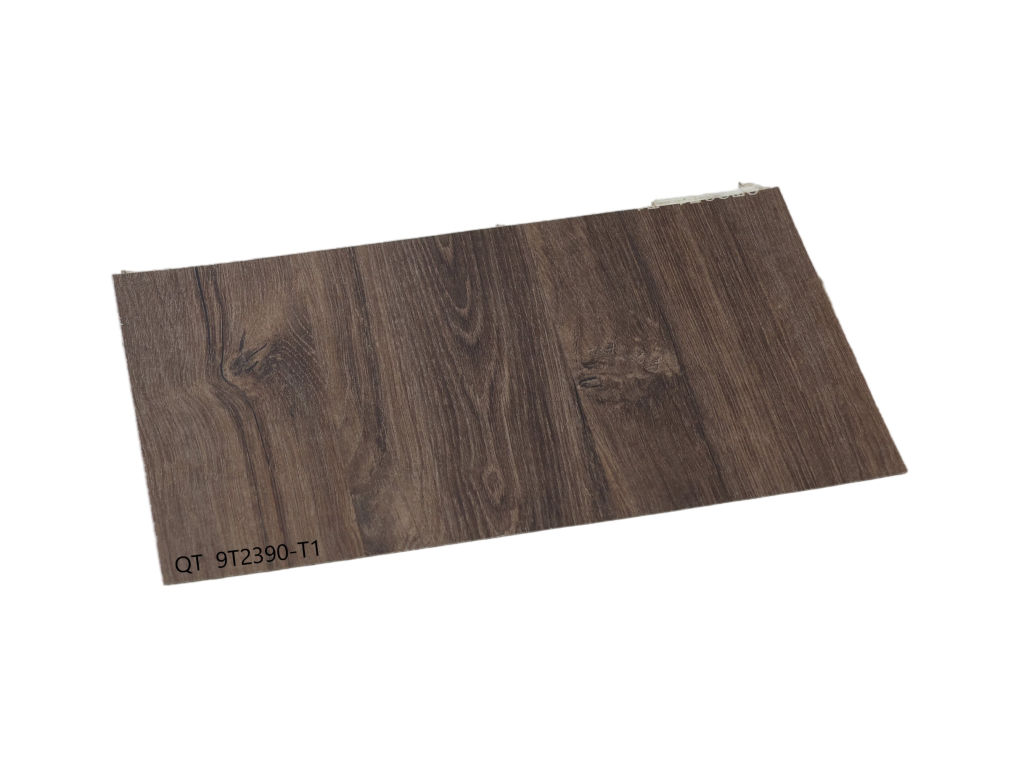
Dark Brown Decorative HPL Sheet QT 9T2390-T1 Interior Wall Cladding
A deep, uniform decorative face for reception walls, hotel joinery and feature cabinet doors. Useful where a dark HPL surface must pair with a veneered blockboard core.
View product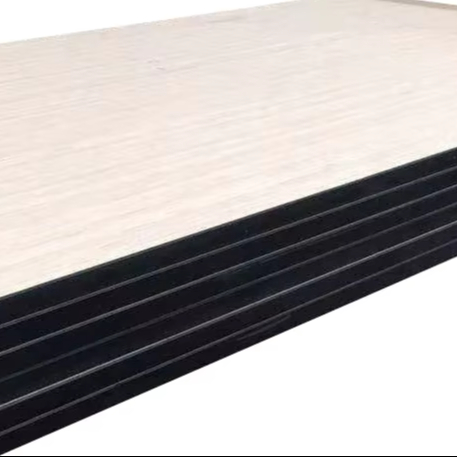
Best Price 1220x2440mm 1300X2800MM HPL Plywood HPL Laminate Black MDF for Cabinets
A black HPL-faced plywood/MDF companion for cabinet carcasses, contrast interiors and wet-zone panels. Helps reduce separate sourcing for substrate and decorative surface.
View product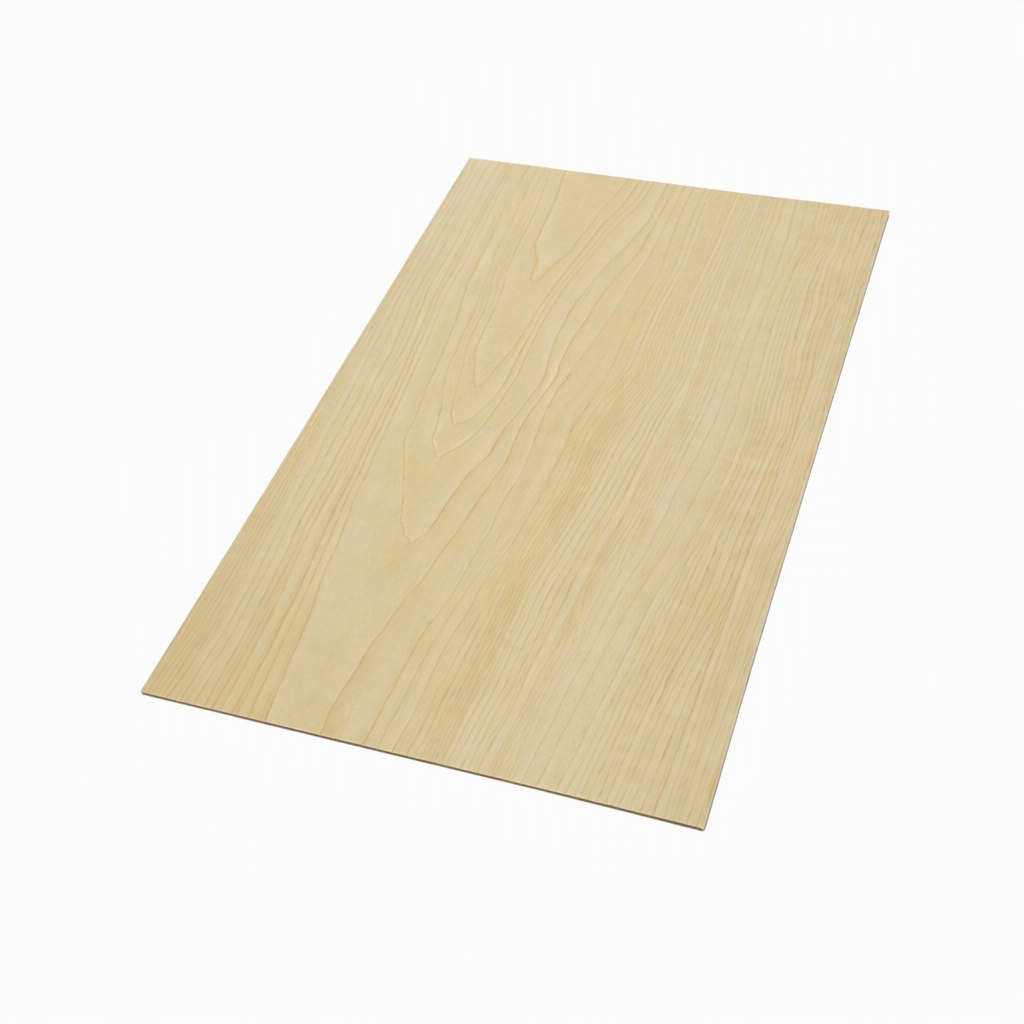
0.7mm Light Wood Grain HPL Decorative Panel Sheet for Wall and Furniture
A 0.7 mm light wood-grain HPL for wardrobes, kitchen uppers and wall panels. A cost-stable alternative where natural veneer would be exposed to heavy wear.
View product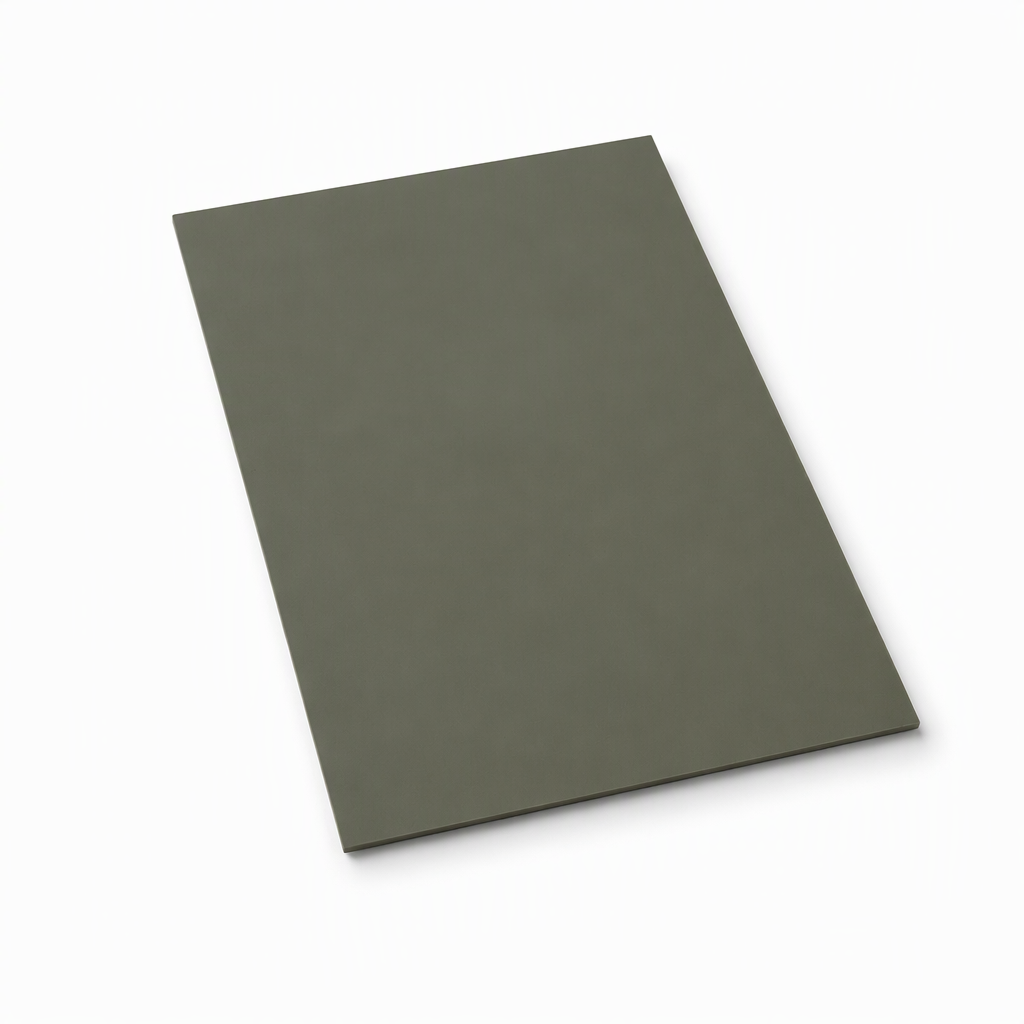
1230*2450mm Grey Green HPL Sheet Decorative High Pressure Laminate Panel for Furniture Interior
A muted 1230×2450 mm decorative HPL for office storage, counters and furniture. The low-glare tone suits Tehran commercial interiors that need a calm, modern finish.
View product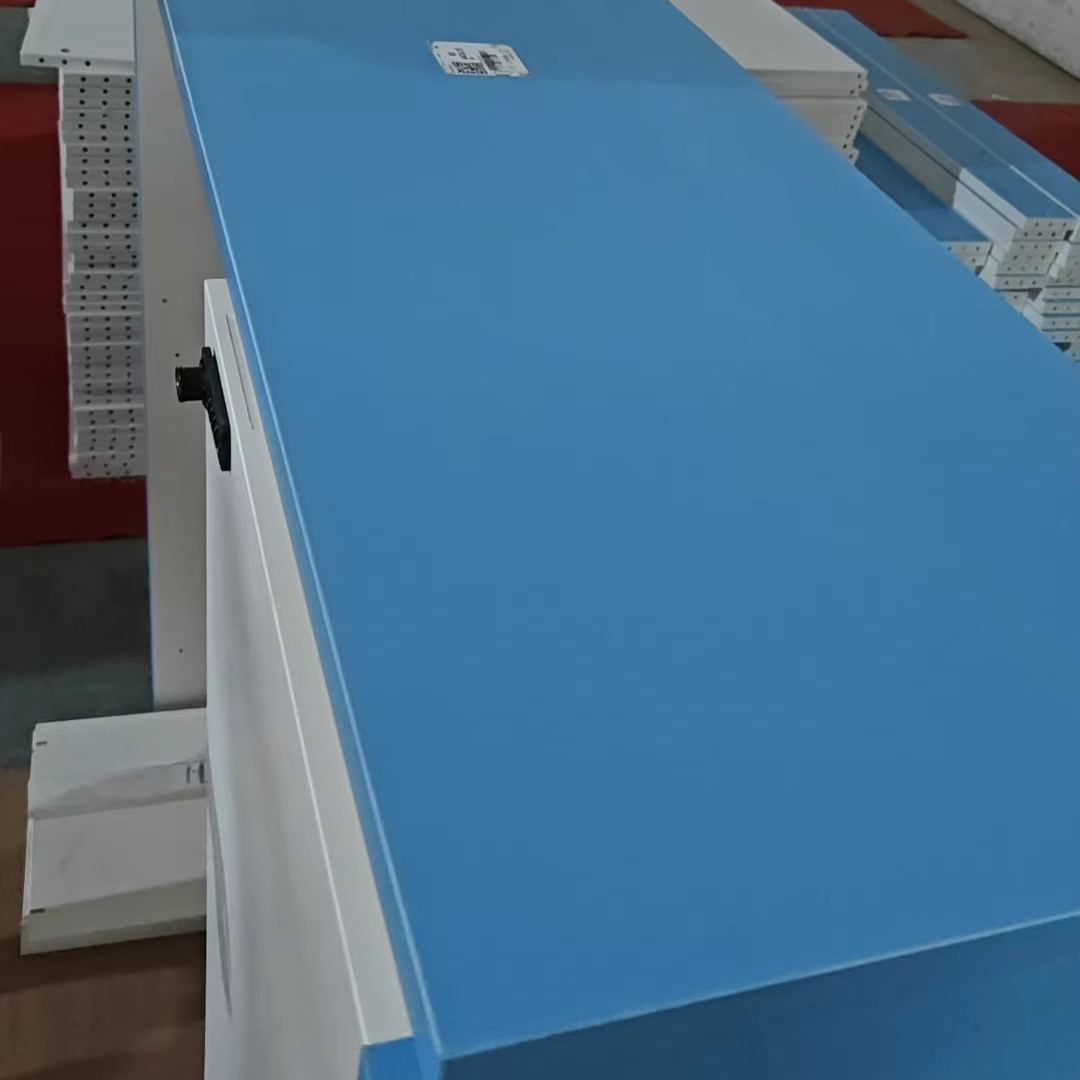
Linyi HPL Melamine Board Plywood Sheet 18mm 15mm Melamine Board HPL Laminated Furniture Board
A pre-finished plywood sheet for shelving, drawer boxes and furniture frames. Practical for mixed loads with veneered blockboard and project kit packing.
View product
Modern Design Chinese Marine HPL Birch Plywood Construction 15mm Glossy Sheet E1
A glossy E1 birch plywood for moisture-prone service counters, bathroom vanities and marine-inspired joinery. Confirm project suitability, edge sealing and fixings before ordering.
View product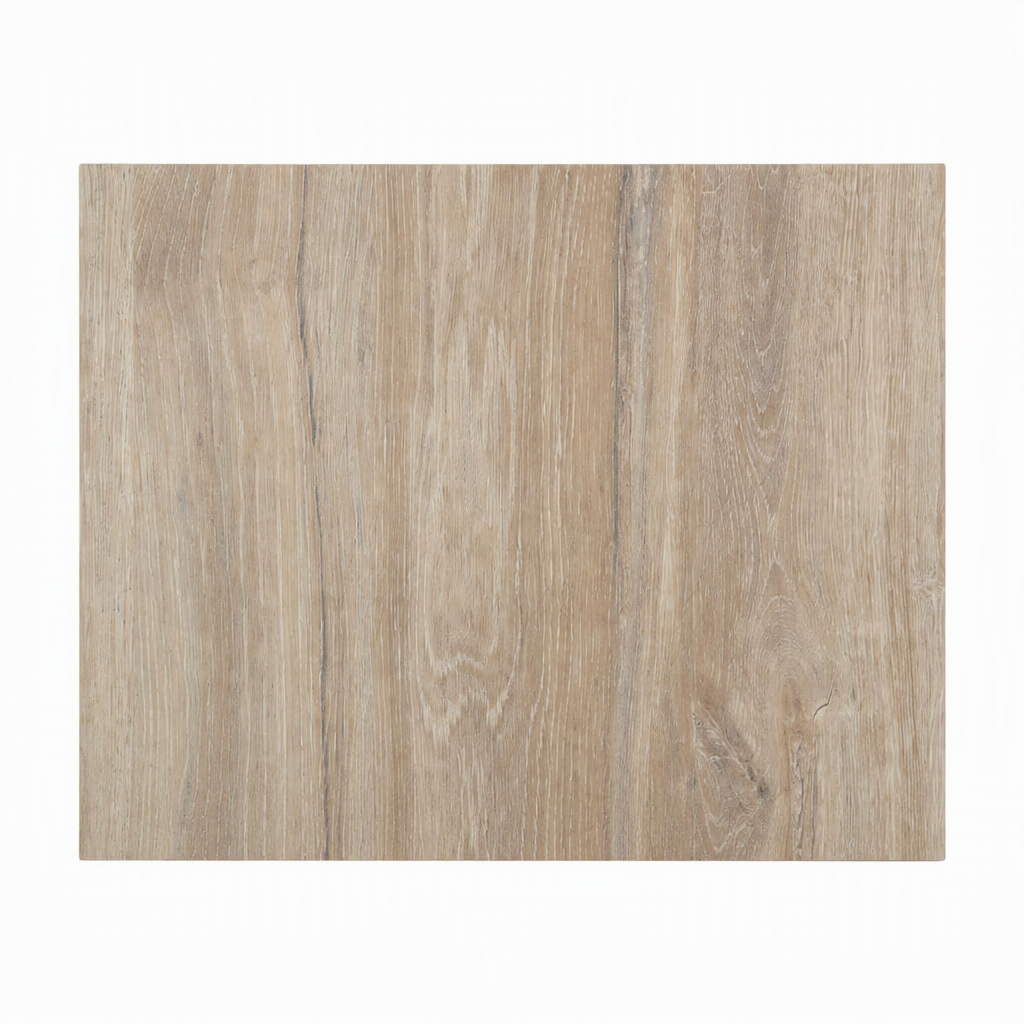
1mm Light Wood Grain HPL Decorative Laminate Panel Waterproof Fire Resistant Modern Design
A thicker 1 mm light wood-grain laminate for doors and high-impact surfaces. Specify fire performance, substrate and edge detailing together for project approval.
View product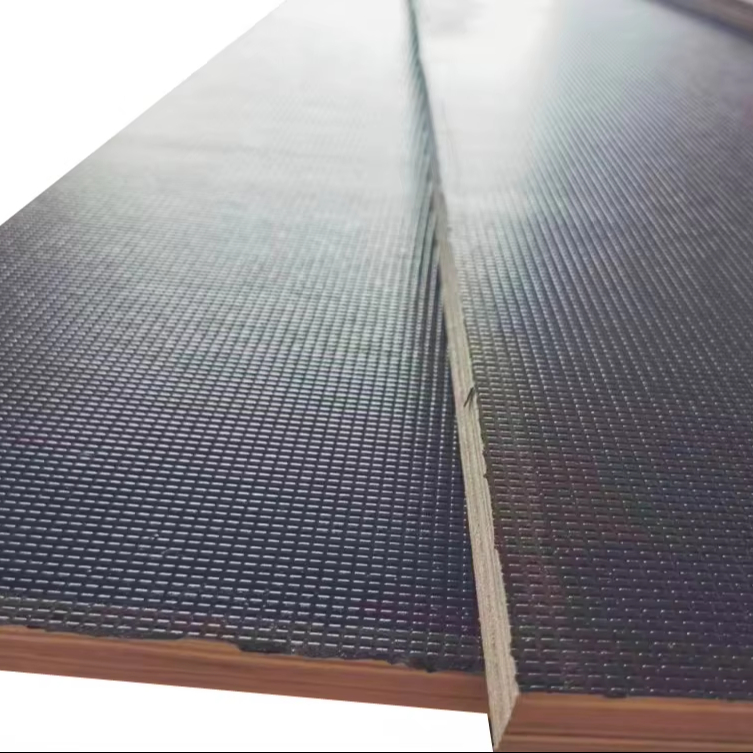
1220x2440 HPL Waterproof Laminate Sheet Board Fire Retardant Decorative High-Pressure Plywood E0 Phenolic
A waterproof, fire-retardant decorative HPL phenolic board for contract tables, wall protection and wet areas. Coordinates with blockboard where a more robust surface is required.
View productNeed a mixed load of veneered blockboard, HPL and plywood?
Get a QuoteA China Supply Partner Built for Project Buyers
Linyi Fipdm Import And Export Co., Ltd. is a verified trading company and multispecialty supplier working with vetted partner mills in Linyi, Shandong — one of China’s largest wood-based panel clusters. For Tehran buyers, that means one accountable export contact across blockboard, HPL, MDF, plywood, compact laminate, LVL and door cores.
What Wholesale Veneered Blockboard Really Means for a Tehran Buyer
Veneered blockboard is not a single SKU. It is a panel system made from a blockboard core, a natural or engineered veneer face, a balancing backing and an adhesive system, then finished, packed and shipped as a project-ready material. The buying decision needs to cover appearance and performance together.
Core, face and balance must be specified together
In Tehran, a veneered blockboard quote may look comparable on a price sheet while differing in core species, thickness tolerance, moisture content, veneer grade, matching method and backing. For apartment joinery, hotel fit-outs and office furniture, flatness after installation matters as much as the first impression of the veneer. A stable core helps reduce cupping, twisting and telegraphing, especially when the panel is used for long wardrobe doors or reception counters.
Natural veneer should be treated as a design material, not a paint color. Growth rings, mineral streaks, knots and shade variation are part of the character, but they need to be controlled through face grade and matching instructions. For projects with repeat floors or repeat rooms, ask for a matching protocol by elevation, not just one approved sample photo.
Why the lowest quote can fail a Tehran project
The cheapest sheet often hides cost in the wrong place: under-dried cores, an unbalanced backing, thin veneer that sands through, weak edges, inconsistent panel size or packaging that cannot survive inland transit. A better RFQ defines the use zone, cleaning regime, edge treatment, required emission class and whether HPL or melamine should protect high-wear areas. That is information gain the buyer can use, not a generic “best price” claim.
Specification questions to lock first
- End use: dry interior, wet-area adjacent, door, wardrobe, wall panel or contract furniture.
- Core: species or grade, nominal thickness, thickness tolerance and moisture content target.
- Face veneer: species, cut, grade, shade and matching method such as book-matched or slip-matched.
- Backing: balancing veneer or engineered backing to reduce movement.
- Surface protection: raw veneer, UV lacquer, melamine, HPL or phenolic overlay.
- Performance: E0/E1 request, fire-retardant requirement and cleaning-chemical exposure.
- Packing: corner protection, moisture barrier, pallet height and shipping marks for Tehran delivery.
| Panel option | Best fit in Tehran | Watch-outs | Specify before ordering |
|---|---|---|---|
| Veneered blockboard | Residential wardrobes, hotel joinery, doors, reception walls and furniture where natural grain is visible. | Veneer shade variation, edge sealing, core moisture and backing balance. | Core grade, veneer species, matching, backing, finish, panel size and packing. |
| HPL-faced plywood or MDF | Cabinets, wet-zone furniture, commercial counters and high-wear surfaces that still need a decorative face. | Substrate quality, impact resistance and edge detailing. | HPL grade, substrate, thickness, adhesive class, finish and color code. |
| Melamine-faced board | Shelving, stockroom fittings, internal cabinet components and cost-controlled furniture programs. | Edge chipping, humidity exposure and decor continuity between batches. | Board type, decor code, texture, density and edge-banding plan. |
| Phenolic compact or HPL | Wet areas, laboratory worktops, contract tables, wall protection and fire-retardant applications. | Fixing method, weight, fabrication and confirmable test reports. | Thickness, fire class requested, chemical resistance, color and fabrication drawings. |
Veneered Blockboard in Tehran’s Most Common Project Scenarios
Tehran’s mix of apartment refurbishment, hospitality, office fit-out and retail work creates demand for engineered panels that look natural but behave predictably. These are the applications we discuss most often with importers, distributors and fabricators.
Residential Kitchen and Wardrobe Joinery
Tehran apartment and villa projects often use a stable blockboard core with oak, walnut or ash veneer for wardrobe doors and kitchen uppers. In heated rooms, balanced backing, edge sealing and a controlled moisture content target help reduce seasonal movement. HPL can protect sink-adjacent cabinets while veneer remains on visible doors.
Hotel and Hospitality Refurbishment
Lobby reception desks, public-area cabinets, guest-room wardrobes and headboard panels need repeatable veneer matching across floors. A practical specification uses book-matched veneer on focal elevations and hard-working HPL or phenolic surfaces for check-in counters, luggage benches and service areas.
Office Fit-Out and Reception Furniture
For reception walls, credenzas, lockers and meeting-room joinery, blockboard with HPL surfaces can deliver a crisp commercial finish with easier cleaning. Grey-green and light wood-grain faces from the product grid fit low-glare Tehran office schemes while natural veneer can be reserved for executive areas.
Retail Shelving and Display Fixtures
Display units need straight panels, stable edges and consistent color under spot lighting. Use veneer-faced blockboard for brand focal points, then select dense HPL-faced boards for shelves, backs and stockroom fixtures. This hybrid approach protects high-touch areas without losing the natural veneer look.
Interior Doors, Skins and Built-In Joinery
Door programs require flat panels, matched faces and reliable edge performance. Specify core thickness, face balance, lock-rail reinforcement and edge banding together. A cheap door blank can create expensive callbacks if the veneer telegraphs, the edges swell or the door twists after installation.
Education, Healthcare and Institutional Furniture
Desks, counters, casework and wall protection must resist cleaning, impact and daily use. Fire-retardant and waterproof phenolic HPL surfaces, combined with sealed blockboard edges, are worth detailing early with the project specifier. Ask for test documentation before approval rather than after shipment.
Tehran Market Trends Shaping Veneered Blockboard Demand
Buyers in Tehran are not only comparing sheet prices. They are comparing moisture stability, indoor-air-quality documentation, surface durability and the supplier’s ability to consolidate mixed specifications into a workable container.
Engineered Cores Replace Unstable Solid-Wood Assemblies
Tehran’s dry summers, winter heating and sharp day-night swings make moisture-balanced panels more attractive than unstable solid-wood assemblies. Buyers increasingly ask for engineered cores, consistent thickness and balanced faces so furniture stays flat after installation.
Low-Emission Specifications Move Into the RFQ
Architects and developers are writing E0/E1, low-odor adhesives and indoor-air-quality requirements into inquiries. A supplier that can discuss glue lines, edge sealing and available test documents is more useful than one that only quotes a price per sheet.
Hybrid Surfaces: Veneer Where Seen, HPL Where Touched
Natural veneer remains the visual benchmark in premium residences and hotels, but high-touch surfaces are shifting to HPL, compact laminate and protective lacquer. The winning specification is often hybrid: real veneer on feature doors, HPL on counters and working surfaces.
Mixed-Container Sourcing and Stock Resilience
Tehran importers and distributors want smaller, more frequent mixed loads and reliable decor continuity. Consolidating veneered blockboard with HPL, plywood, MDF and door cores reduces supplier administration and helps build a saleable inventory instead of a single slow-moving SKU.
Tehran Inquiry Priority Model
Qualitative pattern from project inquiries; not a statistical survey. Use it as a specification discussion tool, not as a certification claim.
Enterprise Advantages for Tehran-Focused Panel Buyers
Our role is to make a multi-product panel order easier to control. We combine factory-backed sourcing with inspection, documentation and export coordination, so buyers do not have to manage five suppliers for one project.
Factory-Backed Network, Verified in Practice
Linyi Fipdm is a verified trading company and multispecialty supplier assessed by Intertek. We work with vetted partner mills in Linyi rather than limiting you to one press line, giving you factory-backed access with a single accountable export contact.
Two-Stage Quality Control
We check materials at the partner mill and inspect finished boards for thickness, surface, edges and packing before loading. For veneered blockboard, that inspection conversation should also cover veneer shade, backing balance and moisture protection.
One Container, Many Panel Families
Combine HPL, compact laminate, MDF, plywood, LVL, door cores and veneered blockboard in one managed shipment. Mixed loads help Tehran importers reach container efficiency without over-committing to a single decor or product family.
Customization and ODM Support
We support minor customization such as logo, packaging and graphics, plus sample-based, design-based and full customization and ODM services. Distributors can build a differentiated range instead of competing only on a generic panel price.
E0/E1 Options and Project Documentation
MDF and plywood lines can be supplied in E0 or E1 grades depending on product line. Tell us the destination-market requirement and request the relevant documents early so the specification can be checked before production, not after arrival.
Technical Support and Export-Ready Logistics
Engineer support is available for installation guidance on cladding, partition and furniture projects. Export documentation, seaworthy pallet packing and loading photos are part of the practical service that helps a Tehran buyer track the shipment with confidence.
Specification Lock
Confirm end use, core, veneer, thickness, size, emission, fire and packing.
Sample and Approval
Review veneer shade, surface, edge detail and moisture target before mass production.
Mill and Finished Check
Inspect material at the partner mill, then check finished boards before loading.
Loading and Documents
Share loading photos, packing list and shipping marks for Tehran-bound logistics.
Questions Tehran Buyers Ask Before Ordering Veneered Blockboard
These are the practical questions we receive from importers, distributors, furniture factories and fit-out contractors comparing a China wholesale veneered blockboard factory and supplier for Tehran delivery.
Are you a veneered blockboard manufacturer or a trading company?
Can you deliver wholesale veneered blockboard to Tehran?
What core and thickness options should a Tehran buyer specify?
Which veneer species and matching levels are available?
Is veneered blockboard stable in Tehran’s dry climate?
Can you supply low-formaldehyde or fire-retardant options?
What is the MOQ and can I mix different products?
How do samples, quality control and lead time work?
Planning a Tehran-Bound Veneered Blockboard Order?
Send your core specification, veneer preference, target thickness, panel size, surface performance requirements and estimated quantity. Our export team will reply with matched options, practical packing advice and a quotation path for mixed-container consolidation.