China Wholesale Chemical Resistant Laboratory Laminate Factory & Wholesaler serving Melbourne
Intertek-verified sourcing for compact phenolic lab worktops, HPL-faced plywood, E0 furniture boards and mixed-container programs — engineered for Melbourne universities, hospitals, school science labs, diagnostic facilities and specialist fabricators.
Get CatalogEight Laminate & Panel Products for Melbourne Laboratory Buyers
Product recommendations below are selected for chemical-resistant benching, lab cabinetry, fire-retardant school desks, decorative wall panels and fast prototyping. Every product link preserves the original product page URL.
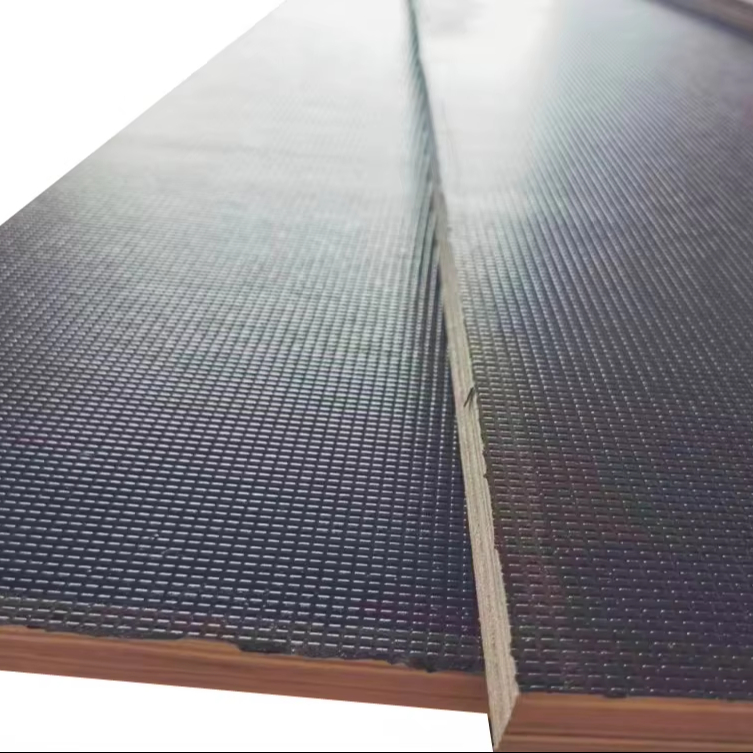
1220x2440 HPL Waterproof Laminate Sheet Board Fire Retardant Decorative High-Pressure Plywood E0 Formaldehyde Marine Phenolic
A strong candidate for Melbourne wet-lab cabinetry, splash zones and humid service areas where a decorative phenolic surface must combine water resistance, fire-retardant options and easy cleaning.
View product
HPL Plywood E0 Fire Resistant Sanded Surface Double-Sided Decoration 4X8 18mm Furniture Plywood
Useful for school lab casework, bench supports and furniture panels where a structural plywood core is preferred and low-formaldehyde E0 documentation is requested for Melbourne indoor fit-outs.
View product
4x8 ft HPL High-Pressure Laminates Sheet Board Hpl Laminated Plywood Fire Retardant Decorative Plywood Panels
A practical panel format for Melbourne hospital lab walls, research facility cabinetry and education fit-outs needing a cleanable decorative surface with fire-retardant construction options.
View product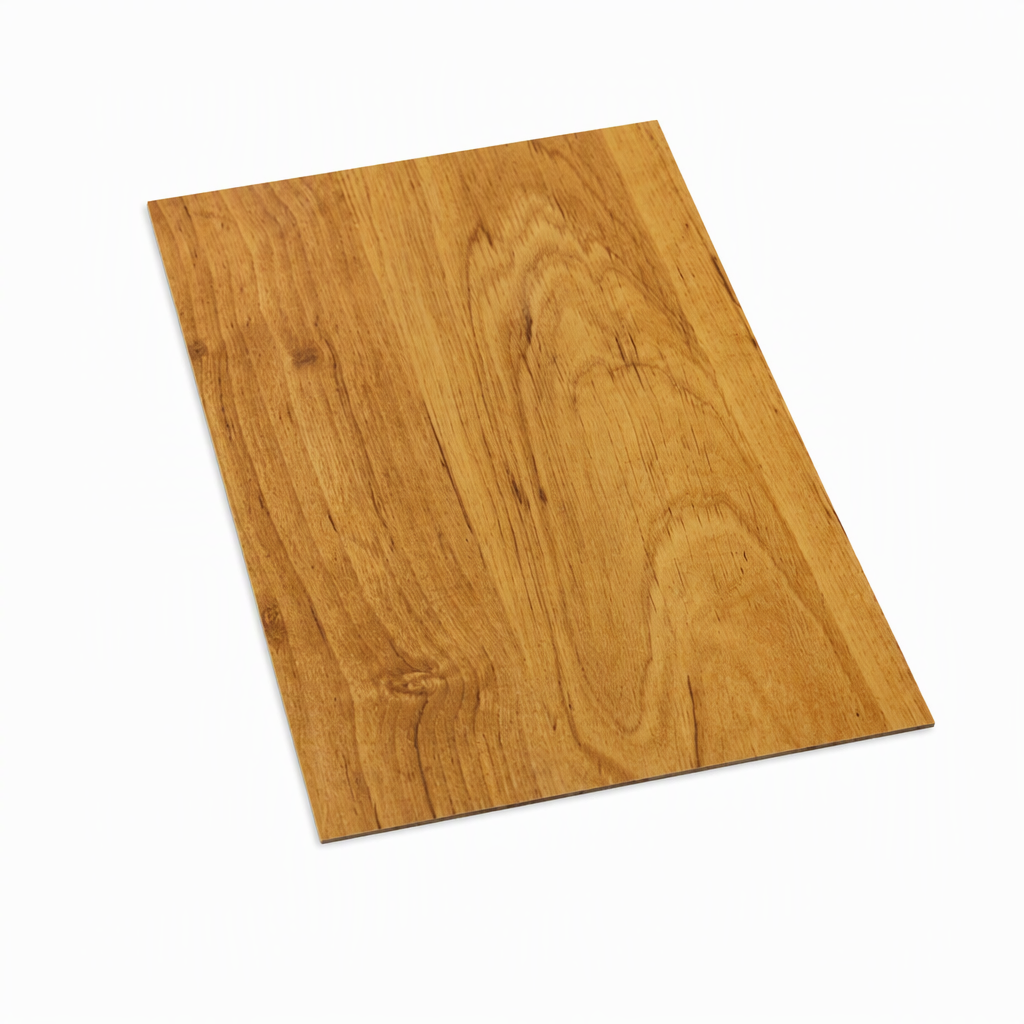
0.6mm Brown Wood Grain HPL Decorative Laminate Sheet Surface Board for Hotel Cabinet Wall Panels Waterproof Fireproof
For Melbourne lab receptions, write-up areas, collaboration rooms and furniture fronts where designers want a warm wood-grain appearance without sacrificing cleanability or moisture resistance.
View product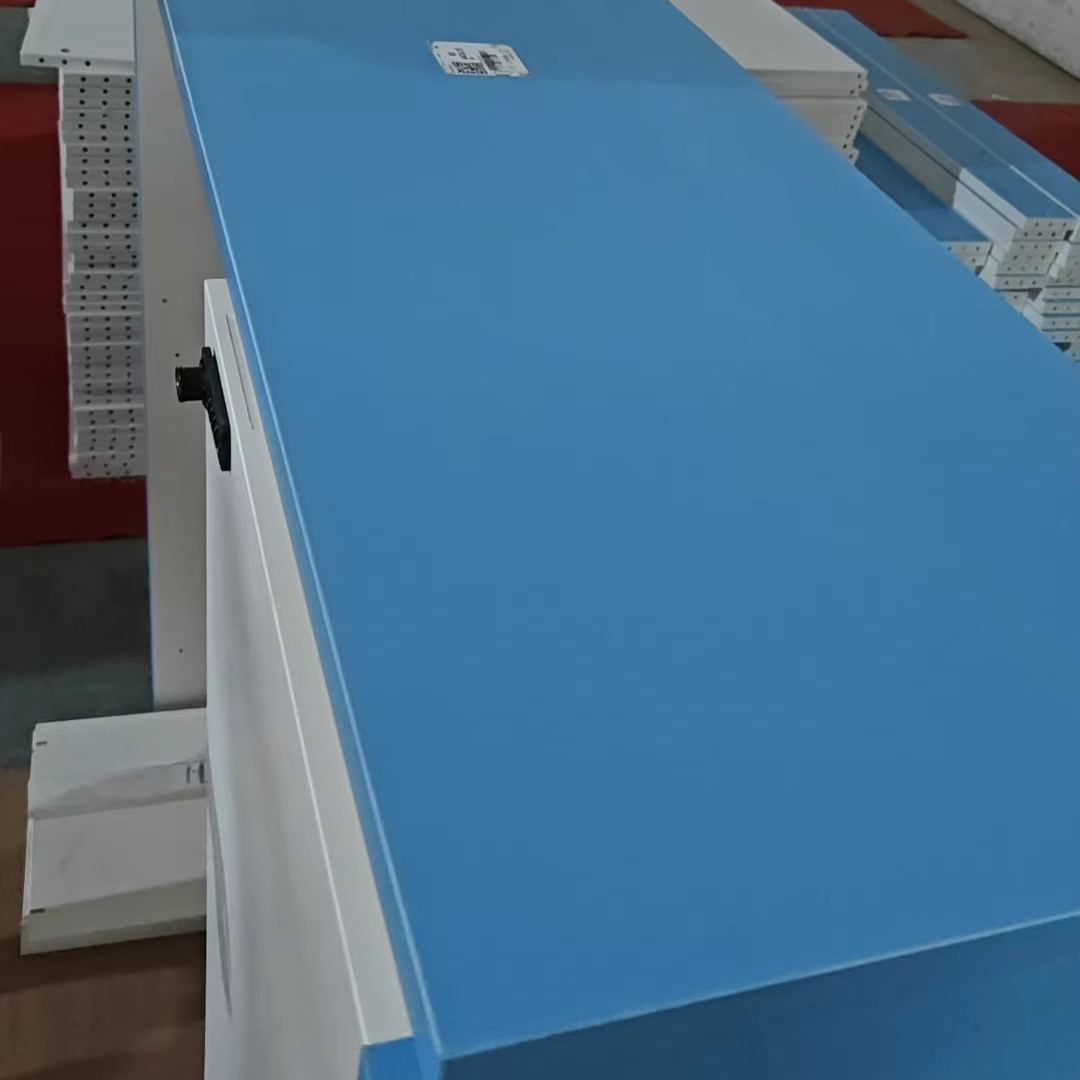
Linyi Hpl Melamine Board Plywood Sheet 18mm 15mm Melamine Board Hpl Laminated Furniture Board
A cost-effective furniture board option for dry lab cabinets, storage units, sample rooms and office joinery, especially where color consistency and mixed-category container loading matter.
View product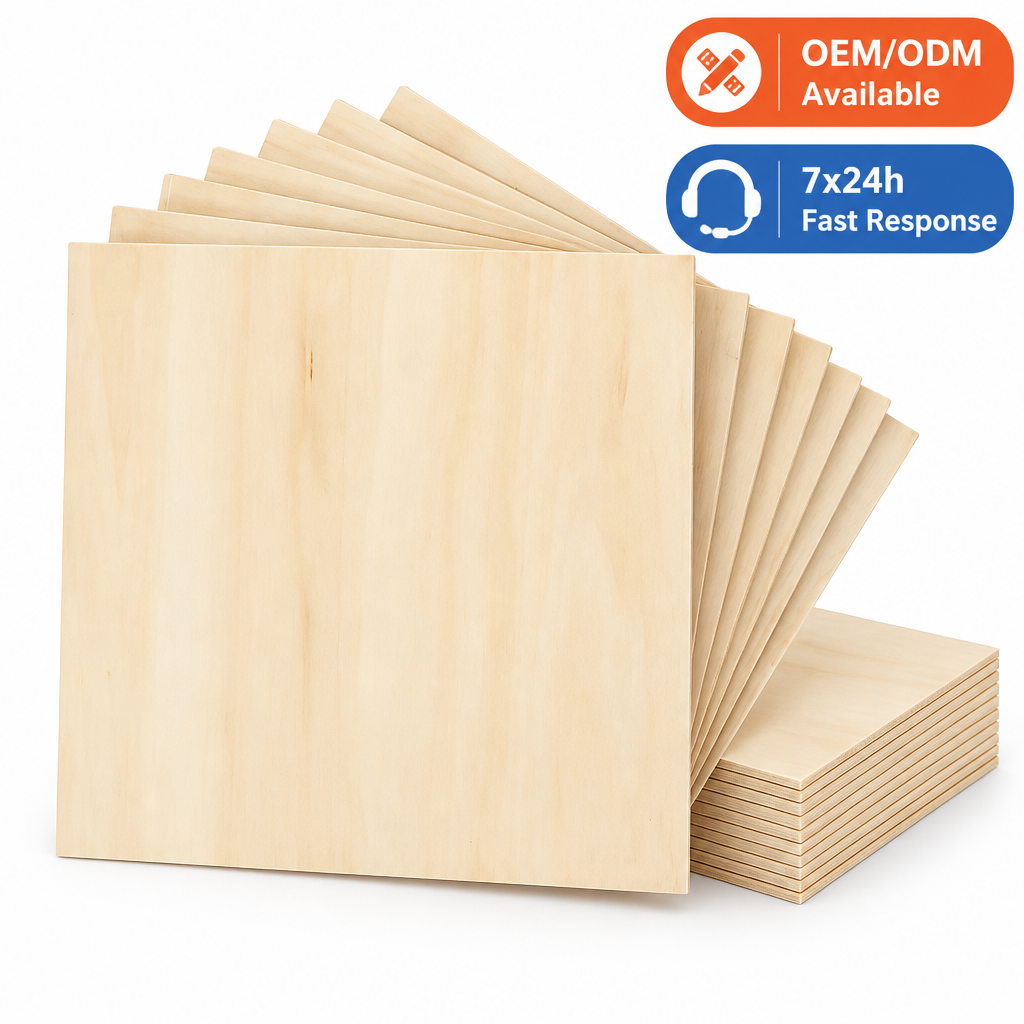
Eco-Friendly First-Class Basswood Plywood Sheet 12 X 12 X 1/8 Inch 3mm Sanded Polished Birch Veneer DIY Laser Cutting
A complementary product for Melbourne design teams, lab-fitout mock-ups, jigs, signage and rapid prototypes. It is not a chemical-resistant worktop grade, but it supports faster design validation.
View product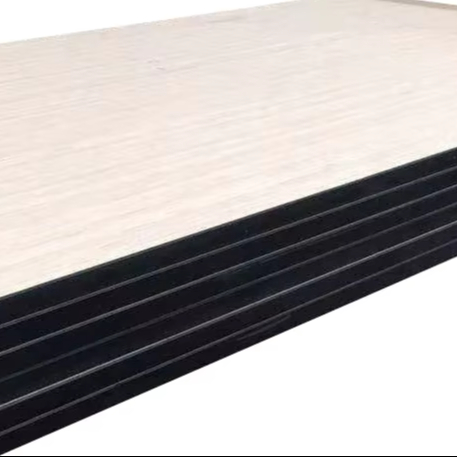
Best Price 1220x2440mm 1300X2800MM HPL Plywood HPL LAMINATE BLACK MDF for Cabinets Bathroom Cabinet Black Plywood
A dark, practical surface for Melbourne lab storage, classroom sink units, utility rooms and cabinet doors. Black MDF/HPL helps conceal marks, but wet areas should still use a moisture-resistant core.
View product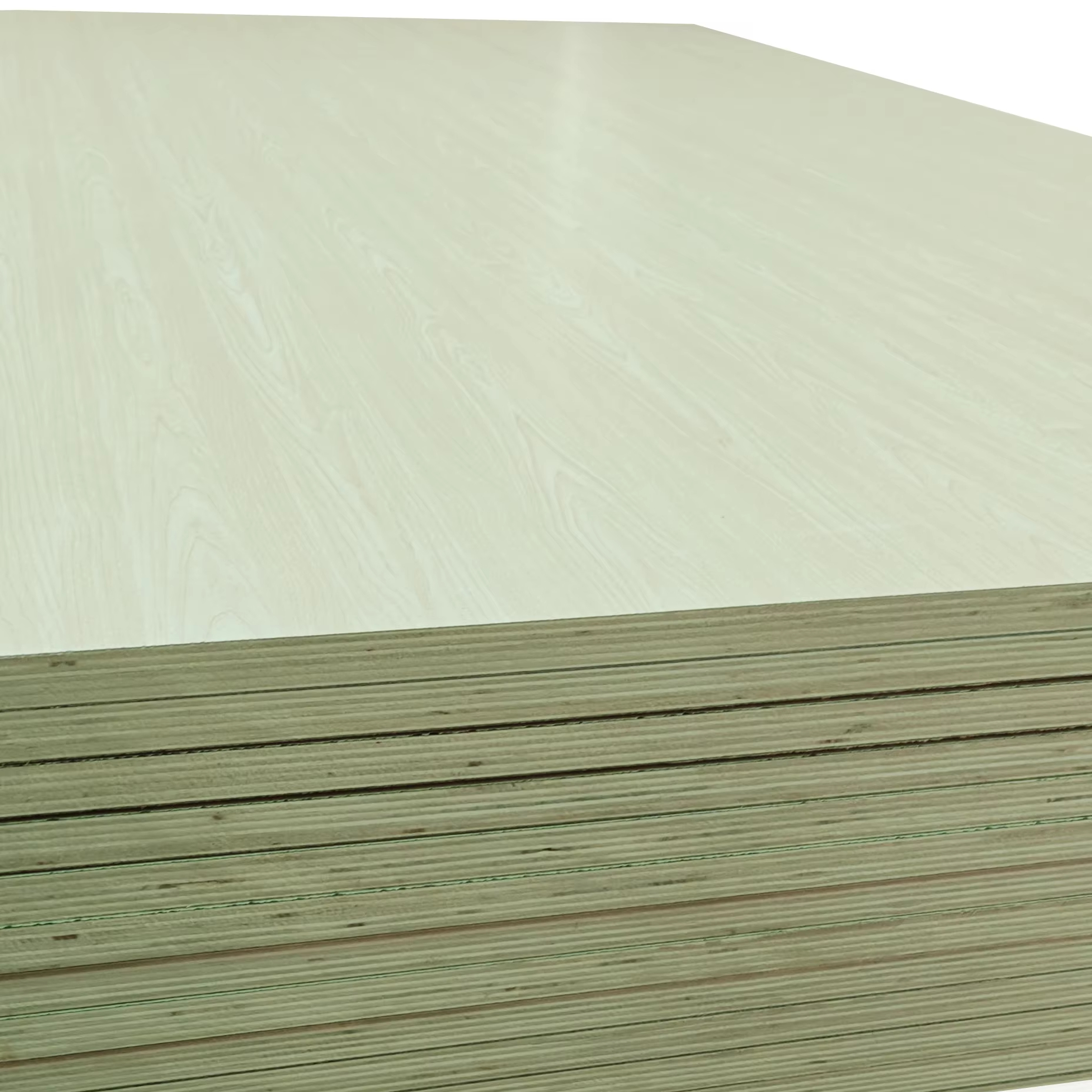
18mm Fire Retardant HPL Faced Plywood School Classroom 1220x2440mm Desk Top
Suited to Melbourne secondary school science benches, classroom desk tops and laboratory-adjacent teaching spaces where impact resistance, cleanability and fire-retardant construction are priorities.
View productWhat Melbourne Buyers Should Know Before Specifying Chemical-Resistant Laboratory Laminate
Chemical-resistant laboratory laminate is not one universal product. HPL, solid compact phenolic laminate and HPL-faced plywood solve different problems, and the correct choice depends on reagents, cleaning routines, structural spans, fire requirements and the fit-out program.
For Melbourne architects, laboratory planners, joiners, importers and facility managers, the search intent behind “chemical resistant laboratory laminate supplier” is usually practical: Which surface will survive our reagents, cleaning chemicals and daily impact without creating delays, rework or compliance risk?
High-pressure laminate, commonly called HPL, is a decorative surface produced under heat and pressure. At around 0.6–0.8 mm it is bonded to a substrate such as MDF, particleboard or plywood. It provides color, texture and a cleanable surface, but it is not self-supporting. Solid compact laminate is a thicker phenolic panel, frequently 12–13 mm for laboratory worktops, and can be used without a substrate. HPL-faced plywood combines a structural core with a decorative surface and is often the most economical solution for school desks, storage and dry lab casework.
Chemical resistance must be discussed reagent by reagent. A surface that resists ethanol, soap and dilute detergent may behave differently when exposed to acetone, concentrated acids, strong bases, iodine stains or hospital disinfectants. Responsible suppliers should ask for your chemical exposure list, cleaning protocol and expected contact time, then match a laminate grade and provide available test evidence. A generic phrase such as “chemical resistant” is a starting point, not a final specification.
Melbourne projects also require attention to moisture, formaldehyde emission, fire performance, edge detailing and replacement-part consistency. Laboratories in universities, hospitals, diagnostic clinics, school science rooms and industrial quality-control facilities have different risk profiles. The strongest sourcing strategy is to combine the right laminate family with a transparent supplier who can document materials, control batches and consolidate multiple panel types into one shipment.
Quick specification answer
Wet lab worktops: consider 12–13 mm solid compact phenolic laminate where a self-supporting, water-resistant surface is required. Confirm reagent compatibility and edge sealing.
Vertical lab cabinets: 0.7 mm HPL on E0 MDF or plywood is often sufficient when edges and joints are sealed.
School science desks: 18 mm fire-retardant HPL-faced plywood can balance impact resistance, cleanability and cost.
Dark storage and utility cabinets: black HPL-faced MDF or plywood works well for low-visibility staining, but wet zones need moisture-resistant cores.
Get CatalogMaterial selection matrix for Melbourne laboratory and education fit-outs
| Application | Recommended format | Why it fits | Melbourne buyer note |
|---|---|---|---|
| Chemical splash worktop | 12–13 mm solid compact phenolic laminate | Self-supporting, water-resistant, cleanable, impact-capable | Provide reagent list; confirm chemical test report and exposed-edge finish. |
| Laboratory cabinet doors and vertical panels | 0.7–0.8 mm HPL on E0 MDF or plywood | Decorative range, cleanable surface, efficient material use | Seal all edges; specify moisture-resistant core for sink units. |
| School science desks | 18 mm fire-retardant HPL-faced plywood | Structural strength, impact resistance, simple cleaning | Request fire documentation and radiused edge details for student safety. |
| Pathology and diagnostic benches | Solid compact laminate or sealed HPL composite | Frequent disinfection, stain control, durable surface | Check compatibility with the exact disinfectant used by the facility. |
| Food and beverage testing benches | Light-color HPL or compact laminate | Visibility of residues, easy cleaning, moisture resistance | Do not rely on “antibacterial” wording unless supported by test data. |
| Reception, write-up and meeting areas | 0.6 mm wood-grain decorative HPL | Warm design, durable surface, broad color consistency | Approve physical samples under site lighting; control batch shades. |
| Dark utility and storage cabinets | Black HPL-faced MDF or plywood | Conceals marks, practical for non-bench surfaces | Avoid standard MDF in wet zones; specify sealed edges and damp-resistant core. |
| Lab jigs and prototype parts | Thin basswood or birch plywood | Clean laser cutting, fast iteration, design validation | These are not chemical-resistant worktop materials; use only for suitable non-exposure tasks. |
Specifications should be confirmed against the final drawing, local project requirements and the supplier’s current test documentation. The matrix is a planning guide, not a substitute for project-specific approval.
Where Chemical-Resistant Laminate Is Used Across Melbourne
Melbourne’s education, healthcare, life-science, advanced manufacturing and food-testing sectors all need surfaces that support hygiene, durability and design consistency. The applications below reflect common procurement patterns for laboratory and technical spaces.
University and research laboratories
Research buildings around Parkville, Clayton and other Melbourne innovation precincts require durable bench surfaces, chemical splash protection, cabinet fronts and write-up areas. Mixed panel types are often consolidated to simplify deliveries to fabricators.
Hospital pathology and diagnostics
Clinical benches and sample-handling areas need frequent cleaning, stain control and impact resistance. Solid compact laminate is often evaluated for worktops, while HPL-faced panels are used for cabinets and wall elements where the substrate is protected.
School science classrooms
Secondary schools in metropolitan Melbourne commonly seek fire-retardant, impact-resistant desk tops with cleanable surfaces. HPL-faced plywood can be a practical replacement or new-build material when edge profiles and student safety are designed correctly.
Commercial quality-control labs
Food, beverage, materials and environmental testing facilities need washable surfaces, chemical spill resilience and neutral colors for visual inspection. Buyers should match the laminate to the known cleaning agents, not only to general lab use.
Advanced manufacturing and electronics
Technical workstations, assembly benches and prototype rooms may use HPL surfaces for durability and clean appearance. Unless a material is specifically certified for electrostatic discharge control, it should not be described as ESD-safe.
Reception, collaboration and presentation areas
Wood-grain HPL helps connect technical facilities with client-facing spaces. Melbourne designers often use brown, oak and neutral wood-grain laminates for reception desks, meeting tables and write-up zones that need easy maintenance.
Local Trends Shaping Laboratory Laminate Buying in Melbourne
Supply decisions are increasingly driven by documentation, lead-time reliability and fit-out coordination — not only by the lowest price per sheet.
Port of Melbourne consolidation
Importers often combine HPL, compact laminate, MDF, plywood and school desk panels in one container to reduce freight complexity and better control landed cost.
Low-formaldehyde specifications
E0 and E1 board options are frequently discussed for education, healthcare and workplace interiors. Buyers should request the grade, substrate and supporting documentation before approval.
Life-science and campus upgrades
Laboratory refurbishments and teaching-space upgrades continue to require durable, cleanable surfaces. Color consistency and replacement availability matter for staged projects.
Specification-led sourcing
Melbourne fabricators prefer clear thickness tolerances, stable colors, edge-sealing guidance and loading photos so installation teams can plan cutting and assembly with fewer surprises.
Melbourne buyers should also confirm local construction and workplace requirements with their project consultants. For regulated projects, test reports should be reviewed against the applicable National Construction Code provisions, specification clauses and facility chemical-use schedule.
Why Melbourne Importers and Fabricators Work With Linyi Fipdm
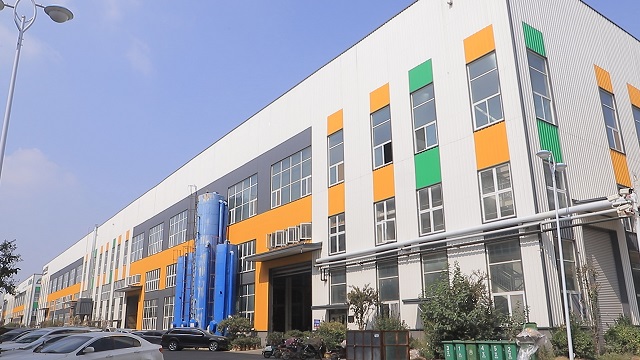
Linyi Fipdm Import And Export Co., Ltd. is a verified trading company and multispecialty supplier based in Linyi, Shandong, China. Transparency matters: we operate through vetted partner mills in China’s largest wood-based panel cluster, and we inspect materials and finished boards before shipment.
Intertek-verified supplier
Third-party supplier assessment helps Melbourne buyers reduce onboarding risk when comparing overseas panel suppliers.
Two-stage quality control
On-site material inspection at partner mills plus finished-product checks for thickness, surface, edges and packing before loading.
Mixed-container consolidation
Combine HPL, compact laminate, MDF, plywood, LVL and door cores to improve container utilization for distributors and project fabricators.
Customization and ODM support
Minor customization such as logo, packaging and graphics, plus sample-based, design-based, full customization and ODM development.
Export documentation and loading evidence
Export documents, seaworthy packing and loading photos help Melbourne buyers track orders and coordinate customs clearance.
Technical and after-sales support
Engineer service for cladding, partition and furniture projects, with practical guidance on material selection, packing and installation coordination.


An Eight-Point Buying Checklist for Melbourne Project Buyers
Use this checklist to compare quotations, reduce sampling delays and make the supplier conversation more technically useful.
List reagents, disinfectants, cleaning agents, spill duration and daily wash-down routines. Chemical resistance is reagent-specific.
Decide whether you need solid compact laminate, HPL-faced plywood, HPL-faced MDF or a mixed combination across different surfaces.
Worktop thickness, support spacing, overhang and edge profile must be reviewed with the fabricator and structural requirements.
Approve color, gloss, texture and batch range under Melbourne site lighting. Wood-grain and solid colors can vary by production batch.
Ask for the exact E0/E1 grade, core material and available reports. Do not accept a generic label without matching documentation.
Seal exposed edges, specify matching edge banding or postforming where required, and protect sink cut-outs from moisture ingress.
Mix HPL, compact laminate, MDF, plywood, school desk tops and other panel lines to improve freight efficiency and reduce supplier count.
Agree on packing, loading photos, documents, labeling and Melbourne delivery terms before production. Keep a retained sample for acceptance checks.
Common Procurement Questions About Laboratory Laminate
These are the questions importers, distributors, fabricators, lab planners and procurement teams most often ask before requesting a quotation.
Are you a manufacturer or a trading company?
Linyi Fipdm Import And Export Co., Ltd. is a verified trading company and multispecialty supplier. We source from vetted partner mills in Linyi, Shandong, and manage on-site material inspection plus finished-product inspection before shipment. This model gives Melbourne buyers one accountable contact across HPL, compact laminate, MDF, plywood, LVL and door-core ranges.
What is the difference between HPL sheets and compact laminate?
Standard HPL is a thin decorative sheet, often around 0.7 mm, bonded to MDF, particleboard or plywood. Compact laminate is a solid phenolic panel, commonly 3–20 mm thick, used without a substrate for toilet partitions, laboratory worktops, table tops and exterior cladding. For Melbourne lab benches, 12–13 mm compact laminate is often evaluated where water, impact and chemical splash resistance are important.
Can your laminate resist common laboratory chemicals?
Chemical resistance depends on the specific laminate grade, reagent, concentration, temperature and contact time. Provide your chemical exposure list and cleaning protocol so we can review the appropriate product and available test evidence. No responsible supplier should approve a laboratory surface based only on the phrase “chemical resistant.”
Which thickness should we choose for Melbourne laboratory worktops?
For freestanding or self-supporting worktops, 12–13 mm compact phenolic laminate is a common starting point. Thinner HPL is normally bonded to a substrate and is better suited to vertical panels or protected surfaces. Final thickness should follow the fabricator’s span calculation, support layout, edge detail and expected impact loading.
Can you supply E0 or low-formaldehyde boards?
MDF and plywood can be supplied in E1 and E0 emission grades depending on the product line and confirmation at inquiry. Tell us your destination market standard and project documentation requirements so the correct board, adhesive system and records can be matched. For regulated Melbourne projects, review documentation with your consultant or certifier.
Can you customize sizes, colors and packaging?
Yes. We offer customization options including logo, packaging and graphics, as well as sample-based, design-based and full customization. ODM support is also available for distributors building a private range. Share your target thickness, sheet size, surface finish, edge requirements and packing preference for a precise quotation.
Can I mix different products in one container for Melbourne?
Yes. Mixed loads of HPL, compact laminate, HPL-faced plywood, MDF, LVL and door cores are a core part of our service. Consolidation helps Melbourne importers and fabricators reach better container utilization, reduce supplier administration and coordinate one shipment for multiple fit-out stages. Final loading depends on size, weight and protection requirements.
Do you provide samples, test reports and installation support?
Samples and available product documentation can be discussed at inquiry. We also support project buyers with practical material selection, packing coordination and installation guidance for cladding, partitions and furniture. Melbourne buyers should approve physical samples, retain a reference sample and confirm the final specification before mass production.
Build a More Reliable Laminate Supply Plan for Melbourne
Send your application, reagent exposure list, preferred thickness, finish, sheet size, target market documentation and estimated container plan. Our export team will respond with matched product options, specification notes and a current catalogue for chemical-resistant laboratory laminate and complementary panel products.
Get CatalogServing Melbourne importers, distributors, laboratory fabricators, education contractors and healthcare fit-out specialists from Linyi, China’s major wood-based panel sourcing cluster.