China Top Commercial Plywood Manufacturers & Wholesalers for Florence
A Florence-focused sourcing guide for vetted HPL-faced commercial plywood, marine boards and decorative panels — inspected in Linyi, matched to Italian project requirements and shipped through Livorno or La Spezia with export documentation support.
8 Commercial Plywood Products Shortlisted for Florence Buyers
These eight products match the recurring needs of Florence joinery workshops, contract furniture makers, hotel refurbishment teams and retail fit-out contractors. Each product URL is preserved so your specification team can move directly from application fit to technical review.
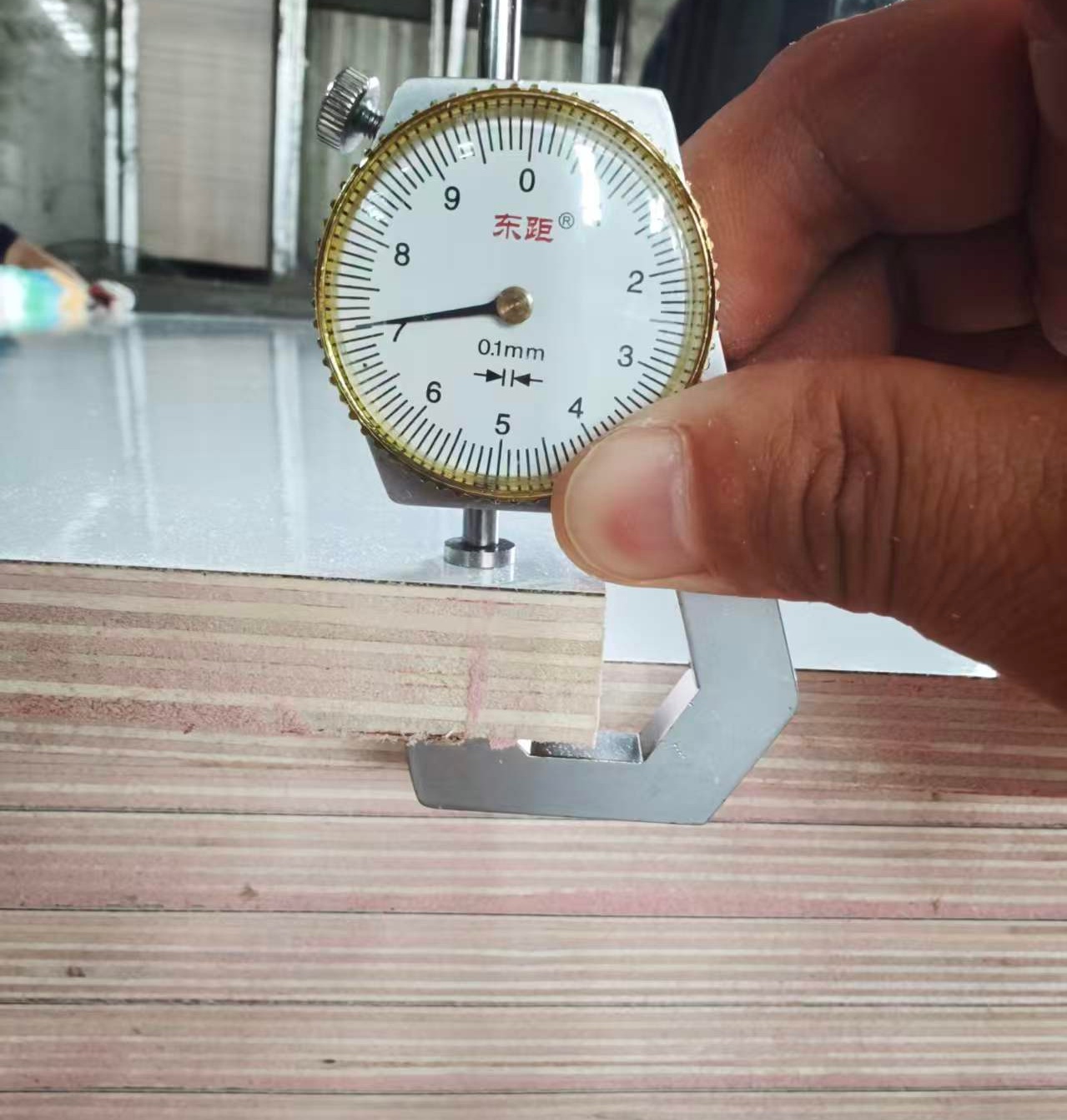
HPL Plywood Decorative Panels Stock HPL for Furniture Veneer
For Florence furniture workshops and joinery studios needing a stock decorative HPL-faced plywood for wardrobe doors, reception desks and display fixtures. The factory-finished face reduces painting and veneering steps in small-batch production.
- Decorative HPL face
- Plywood core
- Furniture and veneer use
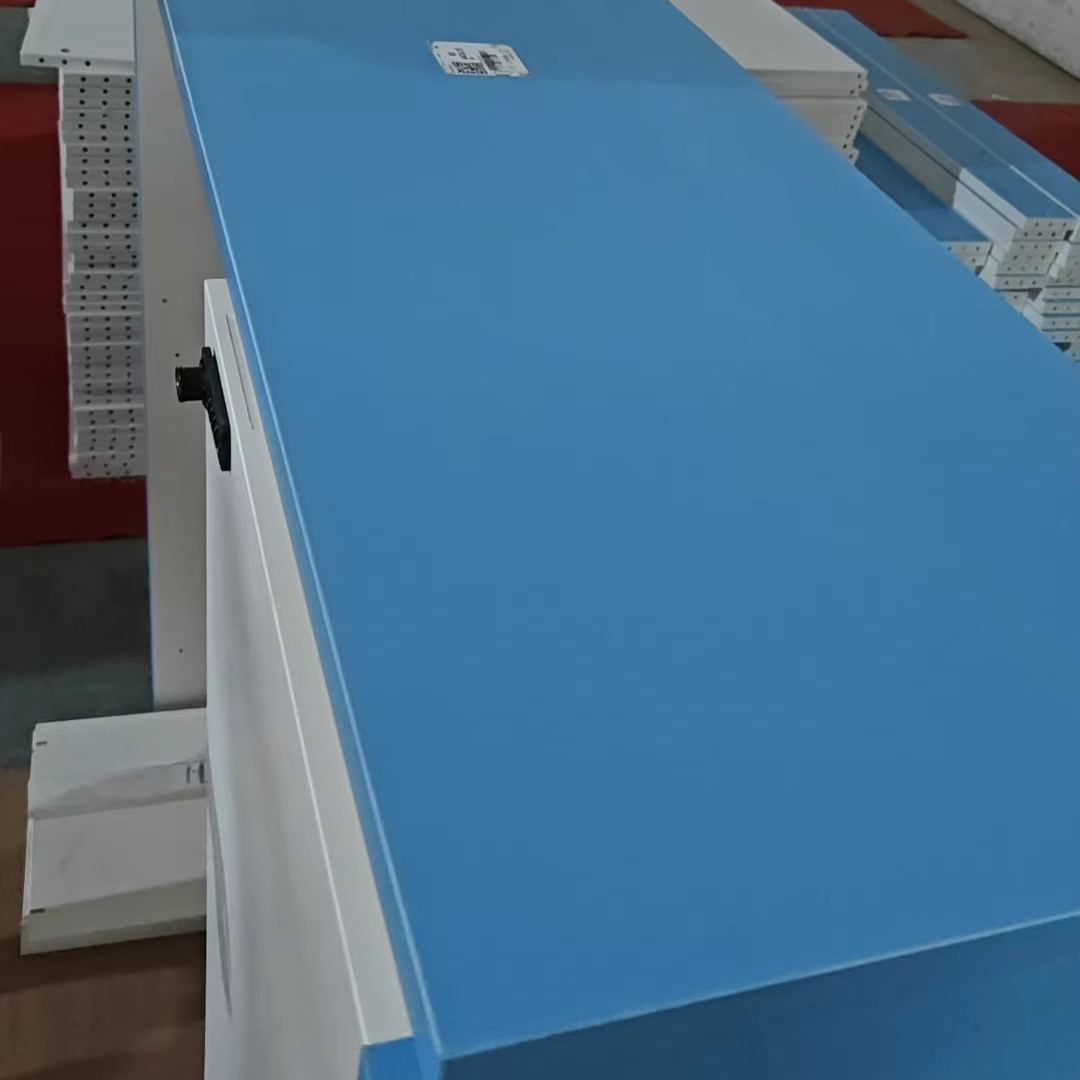
Linyi HPL Melamine Board Plywood Sheet 18 mm / 15 mm
A practical 15 mm or 18 mm melamine and HPL laminated furniture board for Florence hotel casegoods, retail back-of-house units and contract furniture where cost control and consistent colour matter.
- 15 mm / 18 mm options
- Melamine or HPL face
- Contract furniture board
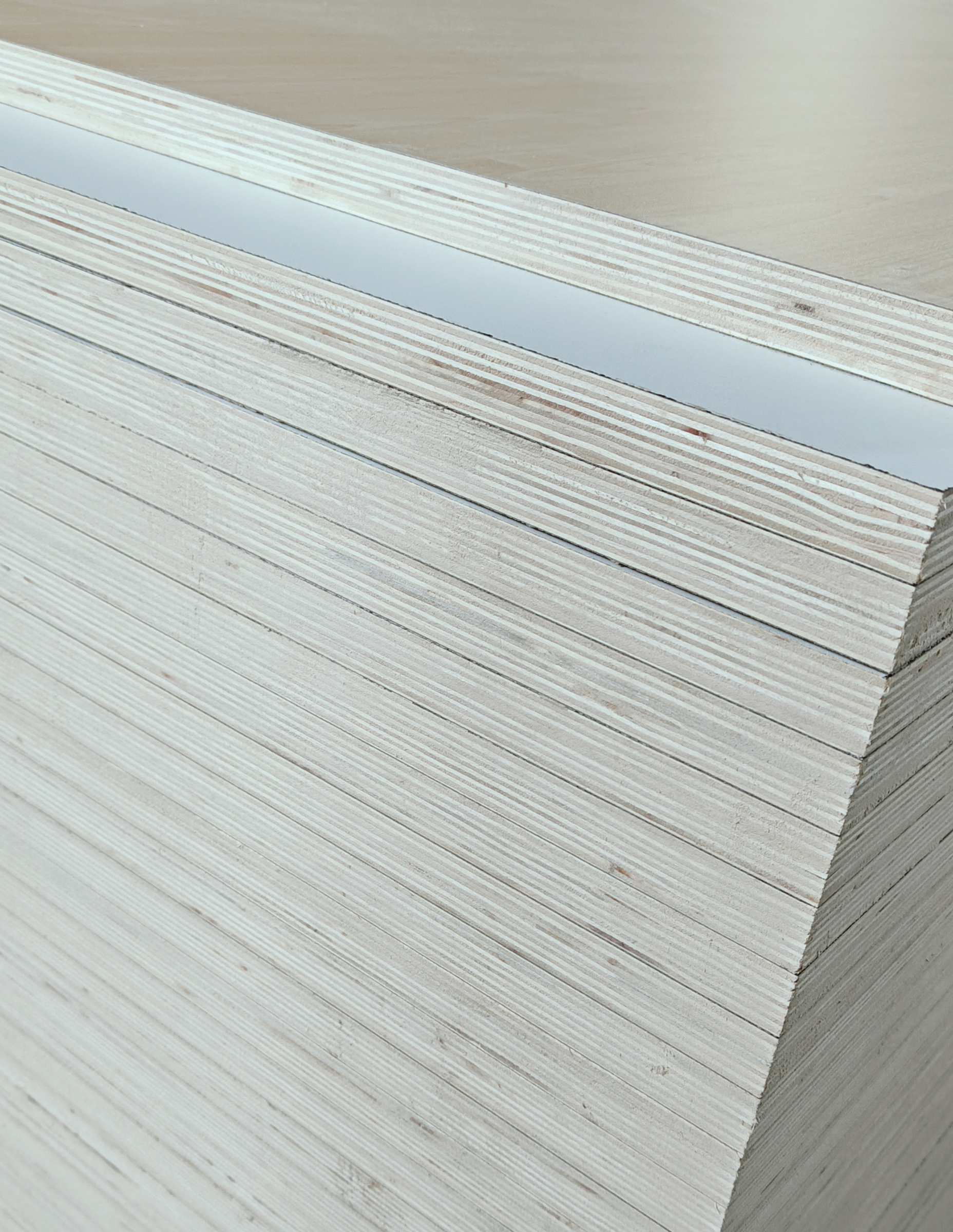
Marine HPL Poplar Plywood E0 Fire Resistant 4x8 15 mm
For hospitality wet areas, bathroom pods and service counters in Florence renovation projects. Confirm the exact reaction-to-fire report, glue class and formaldehyde grade for your intended end use before approval.
- 15 mm, 1220 x 2440 mm
- Marine-oriented construction
- E0 and fire-resistant options
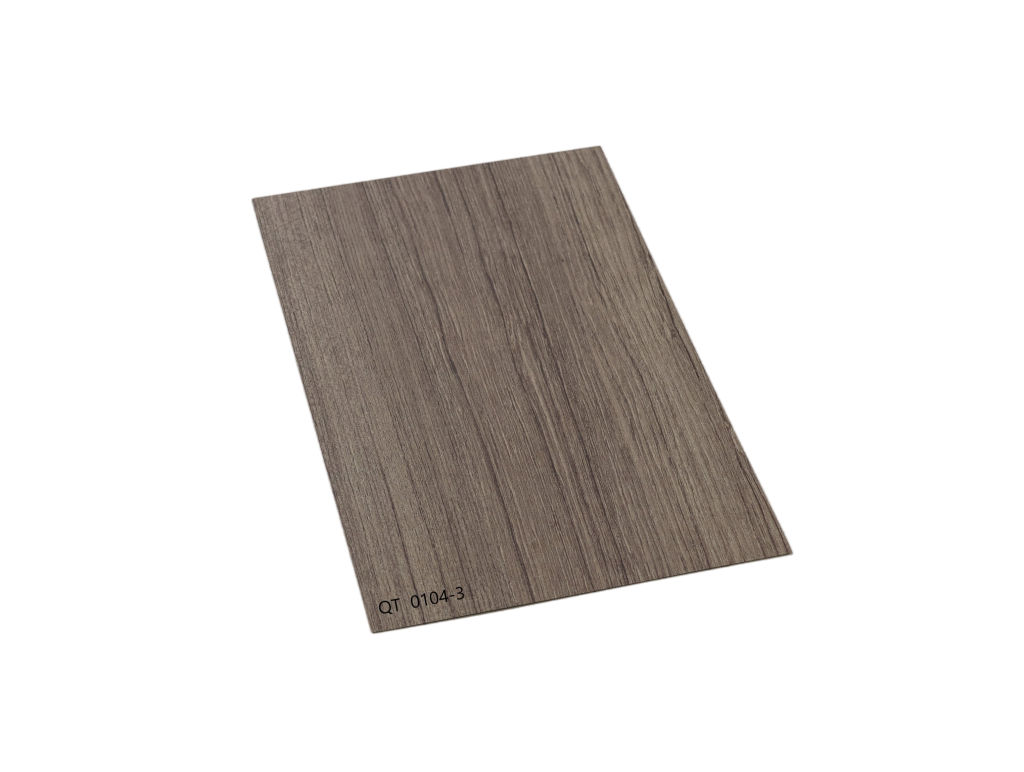
Wood Grain HPL Decorative Laminate Panel for Cabinet and Interior Wall
Wood-grain HPL decorative laminate for Florence boutiques, hotel interiors and cabinet fronts. It gives designers a warm oak or walnut visual without the movement and finishing time of solid timber.
- Wood-grain decor range
- Cabinet and wall use
- Decorative HPL surface
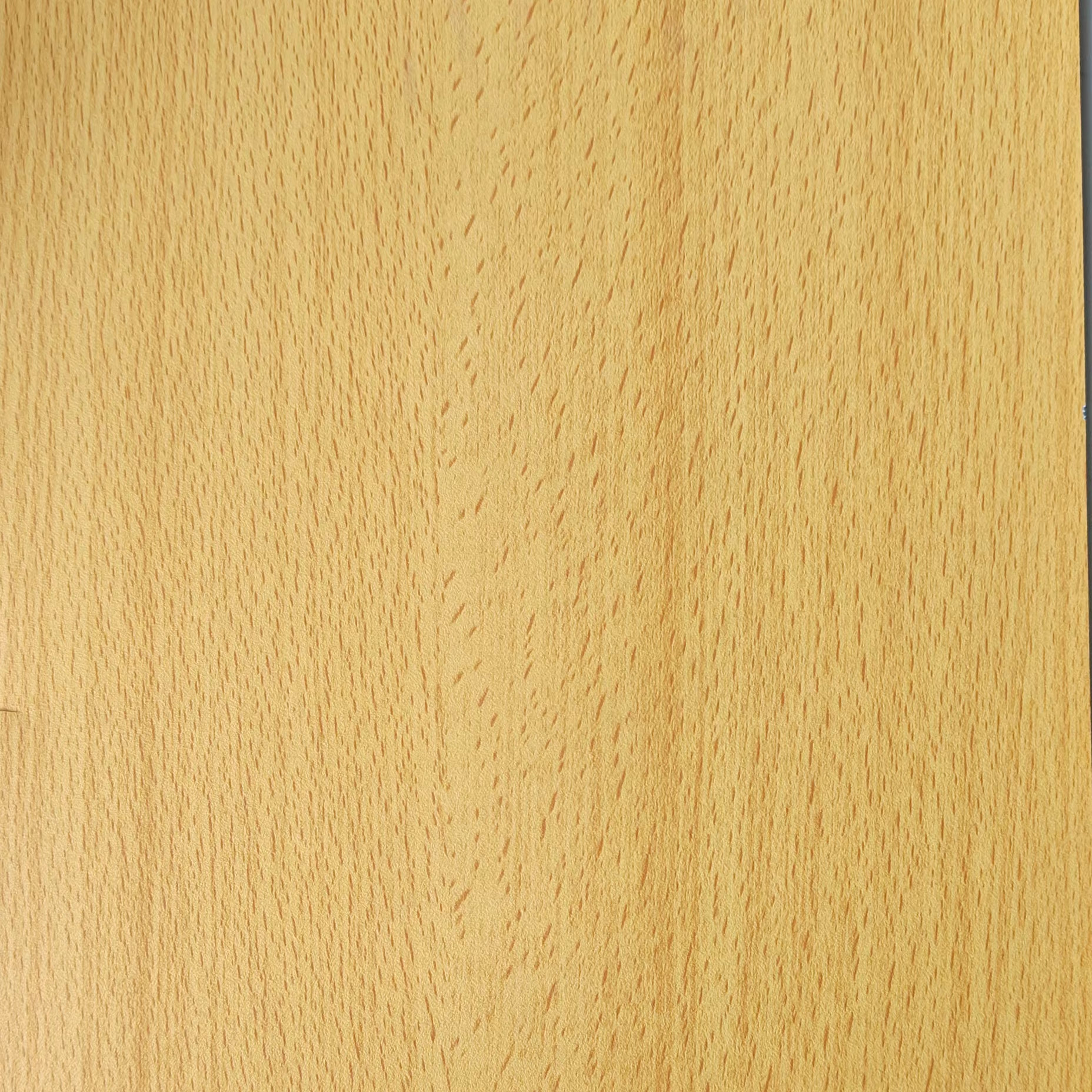
Lightweight Wood Grain HPL Plywood for Cabinet Furniture
Lightweight wood-grain HPL plywood for upper-floor renovations and modular furniture around Florence’s historic centre, where delivery access, stair carrying and installation handling are more demanding.
- Lightweight core option
- Wood-grain HPL face
- Cabinet and furniture use

15 mm Glossy Marine HPL Birch Plywood 4x8
For high-end retail displays, bar fronts and yacht-style cabinetry in Florence. Birch provides a stable, clean core for visible edge details; gloss level, surface protection and sample approval should be confirmed before production.
- 15 mm glossy surface
- Birch core
- E1 and marine options
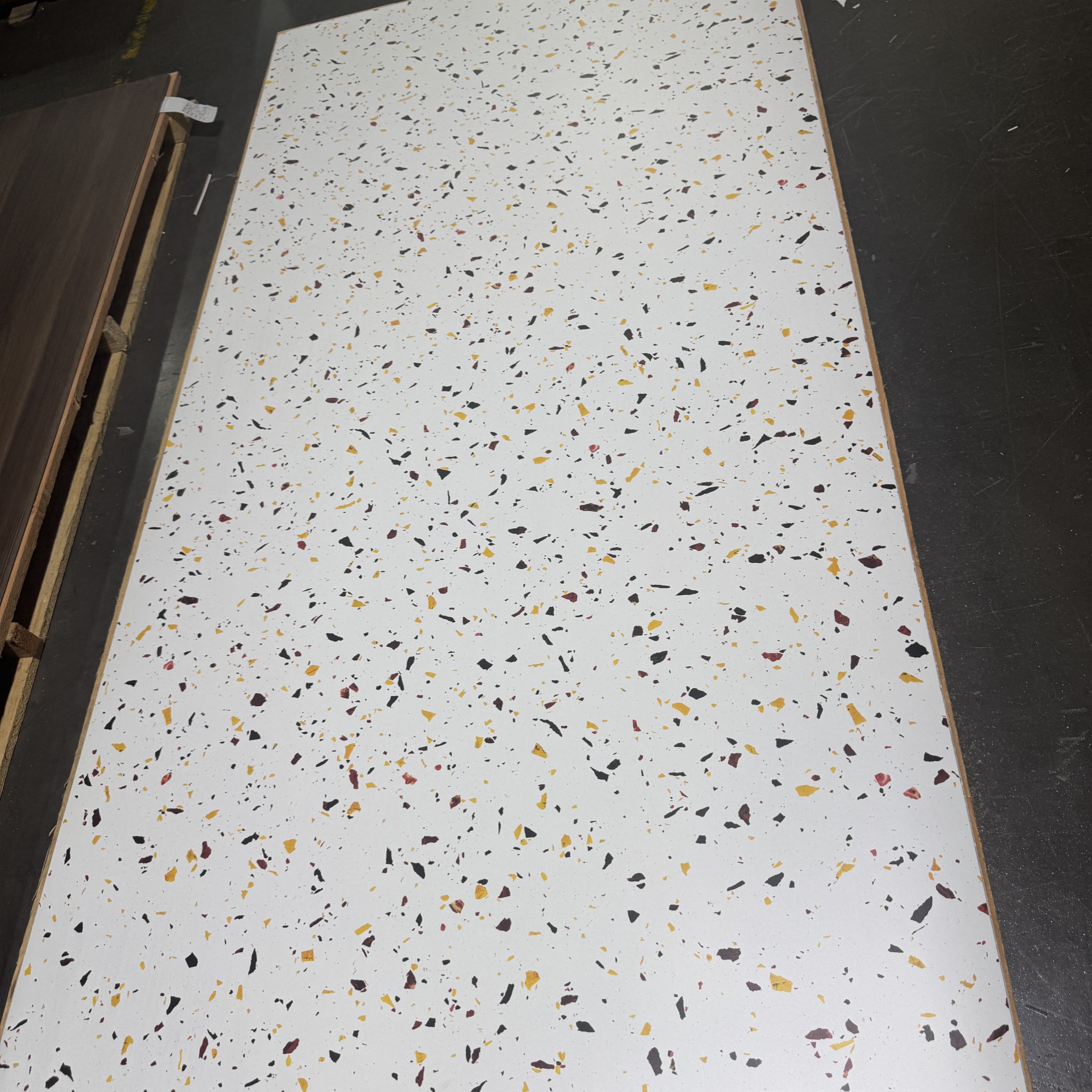
Fire Resistant HPL Plywood Double Sided Decorative Panel E0
Double-sided fire-resistant HPL plywood for hotel corridors, restaurant partitions and public interiors in Florence where both faces remain visible. E0 and polished surface options are available, subject to product-specific documentation.
- Double-sided HPL
- E0 option
- Fire-resistant option
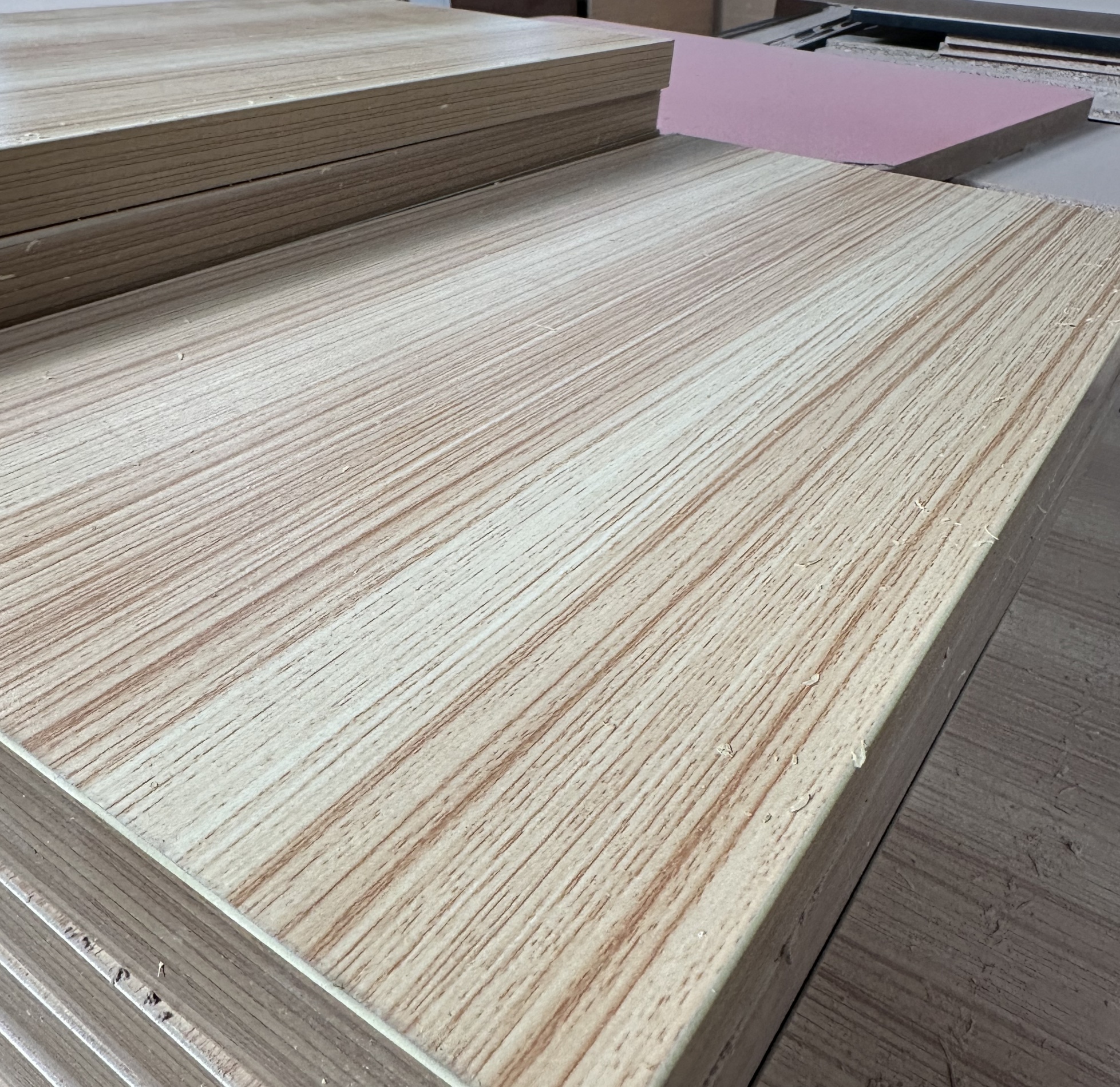
Stock HPL Wear-Resistant Laminate Plywood for Kitchen Cabinets
Wear-resistant stock HPL plywood for restaurant kitchens, café counters and residential cabinet doors in Florence. The laminate face supports frequent cleaning and daily handling in contract interiors where replacement cycles are costly.
- Wear-resistant HPL face
- Kitchen cabinet use
- Stock availability
Need a mixed sample set for a Florence client presentation? Ask for E1 / E0 options, HPL decor swatches and edge-banding references before you commit to a specification.
Contact UsWhat Florence Buyers Need from a China Commercial Plywood Supplier
The phrase “China top commercial plywood manufacturers & wholesalers for Florence” combines commercial investigation with transactional sourcing. Buyers are not only comparing prices; they are testing whether a supplier can support specifications, compliance files, samples and delivery into Tuscany without creating hidden risk.
Specification Certainty
Florence joinery teams need stable thickness, consistent surface quality and predictable CNC behaviour. A supplier that can confirm tolerances, core type and face grade before quoting is more valuable than a list of “best price” boards.
Documentation Before Price
Italian buyers increasingly ask for material declarations, formaldehyde reports, fire test evidence and traceability information. A low unit price is a false saving if the paperwork cannot support the project’s approval process.
Application Fit
Commercial plywood for a hotel corridor is not the same as plywood for a back-of-house storage unit. Florence buyers need suppliers who can separate decorative, moisture-resistant, fire-resistant and lightweight applications without over-claiming.
Sample-Led Colour Approval
Florence designers and architects often judge wood grain, gloss, texture and colour under project lighting. Physical samples and batch references reduce disputes later, especially for boutique retail and hospitality interiors.
Mixed-Container Economics
A Florence importer may not need a full container of one decor. Mixed loads of HPL-faced plywood, MDF, compact laminate and LVL can make a shipment commercially viable while keeping inventory aligned with several client projects.
Delivery-Route Discipline
Florence is reached through Italian ports and road transport, not directly by ocean container. Suppliers should understand Livorno, La Spezia and Genoa routing, export packing, loading photos and document handover well enough to prevent avoidable delays.
Florence Application Scenarios for Commercial Plywood
Florence is not a generic warehouse market. The historic centre’s constrained sites, high design expectations and dense hospitality sector change how panels are specified, handled and installed.
Historic-Centre Retail & Hotel Fit-Outs
Boutique stores, guesthouses and small hotels around the UNESCO centre need HPL-faced plywood for counters, wardrobes and wall linings that arrive pre-finished, cut cleanly and tolerate repeated cleaning. Narrow streets and limited storage make accurate panel scheduling important.
High-End Residential Joinery
Florence joiners serving villas and apartments in Tuscany use commercial plywood as a stable substrate for wardrobes, kitchen cabinets, library shelving and bathroom furniture. Wood-grain HPL and birch-core boards help match traditional interiors without relying on solid timber.
Restaurants, Cafés & Food Service
Bar fronts, booth panels, service counters and kitchen cabinetry require wear-resistant faces and moisture-aware construction. A commercial plywood with a durable HPL surface can simplify cleaning while keeping the installation lighter than solid alternatives.
Kitchen & Bathroom Furniture
In Florence’s renovation market, cabinet makers need boards that resist humid conditions, accept edge-banding and maintain dimensional stability. Marine-oriented plywood and E0/E1 low-emission options should be matched to the exact application rather than assumed.
Exhibitions, Museums & Temporary Installations
Exhibition contractors and cultural venues need reliable boards for temporary partitions, display plinths and reception desks. Lightweight HPL plywood can reduce handling weight in historic buildings where freight access and floor protection are tightly controlled.
Offices, Clinics & Back-of-House Casework
Professional offices, dental clinics and administrative spaces in Florence specify hygienic, durable surfaces for reception counters, storage walls and staff kitchens. Double-sided decorative panels are useful where both faces remain visible in open-plan areas.
What Florence Architects and Importers Are Specifying in 2026
Procurement pressure is shifting from “Can I buy a cheap board?” to “Can I defend this specification?” The trends below reflect the practical concerns that appear in Florence project briefs, importer checks and design-team conversations.
EUDR Traceability & Due Diligence
For wood products placed on the EU market, buyers increasingly ask for species, harvest origin, geolocation and due-diligence evidence. A competitive Florence quote should be able to explain how traceability information will be supplied, not simply promise that the wood is “legal”.
Low-Formaldehyde E1 / E0 Demand
E1 remains the baseline for many interior applications, while E0 is requested for sensitive residential and hospitality interiors. Ask for EN 717-1 test reports and ensure the claim refers to the exact panel, glue system and finish being supplied.
Documented Reaction-to-Fire Performance
Hotels, restaurants and public interiors may require evidence based on EN 13501-1 classification for the product and end use. Generic “fireproof” language is not enough; Florence specifiers need report numbers and scope that match the approved construction.
HPL Décor & Tactile Finishes
Wood grain, matte, soft-touch and textured HPL surfaces remain strong choices for Florence retail and hospitality. The goal is to combine the warmth expected by designers with a surface that can survive cleaning, handling and daily use.
Lightweight Panels for Renovation
Older buildings in Florence can limit floor loading, lift access and manual handling. Lightweight poplar-core or thin commercial plywood can reduce installation weight, but structural capacity, fire performance and acoustic requirements must still be verified separately.
Mixed-Container Procurement
Florence importers and distributors are consolidating more product families per shipment to control freight and inventory risk. A supplier able to combine HPL sheets, plywood, MDF, LVL and door cores can reduce administrative friction while keeping each specification visible.
How to Compare China Manufacturers and Wholesalers for Florence Delivery
A conventional supplier list ranks factories by price and product range. A Florence-specific comparison must also test traceability, compliance support, inspection discipline, mixed-load capability and the practical route from Linyi to an Italian port and onward to Tuscany.
| Evaluation Area | Question to Ask | Why It Matters for Florence |
|---|---|---|
| Legal Identity & Verification | Is the supplier third-party assessed, and can it show a verified company profile, address and contact route? | Florence importers need an accountable partner when a project changes, a document is missing or an inspection issue arises before loading. |
| Material Traceability | Can the supplier identify species, origin, FSC/PEFC status or EUDR due-diligence evidence for the exact board? | Italian buyers are under increasing pressure to demonstrate that wood products placed on the EU market come from lawful, low-risk sources. |
| Compliance File | Can it provide DoP/CE information where applicable, EN 717-1 formaldehyde reports and EN 13501-1 fire evidence? | Architects and contractors in Florence need documents that support approval, client sign-off and safe installation decisions. |
| Quality Inspection | Are raw materials checked at the mill and finished boards inspected for thickness, surface, edges and packing before loading? | Small defects become expensive after a container reaches Italy. Pre-shipment inspection is more practical than resolving claims across two continents. |
| Mixed Loading | Can HPL-faced plywood, MDF, compact laminate, LVL and door cores be combined in one container with clear packing marks? | Florence distributors and joinery suppliers often serve several projects at once; mixed loads improve container utilisation and stock flexibility. |
| Customization | Can the supplier handle logo, packaging, graphics, sample-based, design-based or ODM requests without losing quality control? | Importers building a Florence-focused range need differentiated packaging and consistent repeat batches, not anonymous commodity boards. |
| Logistics to Florence | Which Incoterm, port and forwarder arrangement will be used: Livorno, La Spezia or Genoa? What loading evidence is provided? | The final leg into Florence is by road. Clear port routing, documents and packing photos reduce demurrage risk and delivery uncertainty. |
This comparison framework is a procurement aid, not legal advice. Confirm product-specific standards, declarations and end-use requirements with your importer, notified body or compliance consultant.
Florence-Ready Supply Capability Snapshot
Directional capability view based on the supplier profile and catalogue coverage. Product-specific certificates, tolerances and packing details must still be confirmed before purchase order.
Why Fipdm Is a Practical Florence Sourcing Partner
Linyi Fipdm Import And Export Co., Ltd. is a verified trading company and multispecialty supplier based in Linyi, Shandong, China’s largest wood-based panel cluster. Its profile includes Intertek verification, a #4 top-selling position in the Plywoods category, 9 years in the industry, 8 dedicated staff and a 5.0 buyer rating.
Intertek-Verified Supplier Profile
Third-party assessment gives Florence buyers a starting point for supplier due diligence. It does not replace project-specific compliance checks, but it supports a more credible conversation than an anonymous trading listing.
Two-Stage Quality Control
Material checks at the partner mill and finished-board inspection before loading help catch thickness variation, surface defects, edge issues and packing errors. Loading photos and inspection records can be shared with the buyer.
Multi-Category Consolidation
HPL sheets, compact laminate, MDF, plywood, LVL and tubular chipboard can be consolidated through one accountable contact. This is especially useful for Florence distributors serving several joinery and hospitality clients.
E0 / E1 Low-Emission Options
MDF and plywood can be supplied in E1 or E0 grades depending on the product line. Florence buyers should state the target market standard and application at inquiry stage so the correct board and documentation path can be matched.
Customization Without Losing Control
Minor customization such as logo, packaging and graphics is available, together with sample-based, design-based and full customization plus ODM support. Custom work is still tied to material inspection and finished-product checks.
Export Logistics and Engineer Support
Export documentation, seaworthy pallet packing, loading photos and on-site technical guidance support project buyers. For Florence, the practical route is normally Linyi to Qingdao, ocean freight to an Italian port, then road delivery into Tuscany.
Florence Import Checklist: Quality, Compliance and Logistics
Use this checklist to move from a broad supplier search to a production-ready purchase order. It is written for commercial plywood and HPL-faced boards where documentation, surface quality and delivery timing all affect project success.
Define Application & Compliance Route
State whether the board is decorative, furniture-grade, moisture-resistant, fire-rated or load-bearing. For structural use, confirm CE marking and DoP requirements under the applicable harmonised standard before ordering.
Approve Sample & Documents
Review HPL decor, gloss level, texture, core type, thickness tolerance and edge quality. Collect formaldehyde, fire, traceability and FSC/PEFC evidence where applicable for the exact product.
Lock Production & Inspection
Confirm material inspection, finished-board inspection, packing marks and loading photos. Mixed loads should be clearly separated by SKU so the Florence receiver can allocate boards to projects quickly.
Plan Port, Customs & Florence Delivery
Agree Incoterms and route. Most Florence importers use Livorno, La Spezia or Genoa as the sea gateway, then road transport into Florence. Share final delivery constraints, including historic-centre access limits.
| Document / Specification | Florence-Specific Reason | Ask Before Purchase Order |
|---|---|---|
| EN 13986 / CE DoP where applicable | Wood-based panels for construction may require performance declaration depending on intended use. Structural or regulated applications need a higher level of verification. | Which harmonised standard and intended use apply? Can the supplier issue the correct declaration for the exact panel? |
| EN 717-1 E1 / E0 formaldehyde evidence | Indoor air quality matters in hotels, homes, schools and clinics. Florence clients may ask for low-emission documentation before approving furniture or wall panels. | Is the report tied to the same core, glue and finish? Does it cover the thickness being ordered? |
| EN 13501-1 reaction-to-fire classification | Public interiors and hospitality projects may require a defined fire class. A fire-retardant additive or laminate face alone does not automatically prove the complete panel’s performance. | Can the supplier provide a test report and state the classification limits, mounting method and end-use scope? |
| FSC / PEFC and EUDR due diligence | Florence importers need to understand the origin and risk profile of wood materials placed on the EU market. | What species, origin, supplier chain and due-diligence evidence can be provided? Are claims certificate-backed? |
| EN 314-2 glue bond class for humid use | Kitchens, bathrooms and hospitality wet areas require suitable moisture resistance. “Waterproof” should not be accepted as a substitute for a defined class. | Which glue class is offered for the intended humidity exposure, and how is it tested? |
| Thickness, dimensions, edge quality and packing | Florence joinery teams cut to size quickly; inconsistent thickness or damaged edges create waste and schedule delay. | What tolerance is guaranteed? How are corners, edges and pallets protected for sea freight and road delivery? |
Compliance requirements depend on the exact product and end use. Verify with a qualified Italian consultant or notified body before finalising a specification.
FAQ: Buying Commercial Plywood from China for Florence
These are the questions that Florence joinery owners, importers and project buyers ask most often when comparing Chinese commercial plywood manufacturers and wholesalers.
Are Chinese commercial plywood manufacturers suitable for Florence projects?
Yes, for many furniture, joinery, retail and hospitality applications, provided the board is specified correctly and supported by the right documents. The key is to separate decorative or non-structural plywood from structural or regulated applications, where CE marking, DoP and test evidence must be checked carefully.
What shipping route reaches Florence most practically?
Most shipments move from Linyi to Qingdao port, then by ocean freight to Livorno, La Spezia or Genoa, followed by truck delivery into Florence. The best port depends on the forwarder, sailing schedule, customs arrangements and final delivery access. Confirm Incoterms and unloading constraints before booking.
Can I mix HPL plywood, MDF and other boards in one container?
Yes. Mixed loading is one of the practical advantages of working with a panel consolidator. HPL-faced plywood, MDF, compact laminate, LVL and door cores can be combined, but the packing list, SKU separation and loading plan must be clear so the Florence receiver can allocate stock without confusion.
Which documents should I request for an Italian delivery?
Ask for the commercial invoice, packing list, bill of lading, certificate of origin where required, and product-specific evidence such as formaldehyde, fire, FSC/PEFC or EUDR-related due-diligence information where applicable. For regulated construction uses, request the relevant DoP or CE documentation for the exact board.
What is the MOQ and lead time for Florence orders?
MOQ depends on thickness, core, HPL decor, packaging and whether the order is mixed. Trial orders and mixed-container discussions are more realistic than assuming a single minimum for every product. Lead time should be confirmed after sample approval and deposit, with extra allowance for peak production periods and ocean schedules.
How can I verify quality before the container leaves China?
Use a two-stage approach: material inspection at the partner mill and finished-board inspection before loading. Ask for thickness measurements, surface and edge photos, packing photos, loading photos and, where the project justifies it, a third-party inspection. Keep the approved sample and signed specification as the reference for the shipment.
Request a Florence-Specific Commercial Plywood Quotation
Send your board type, thickness, size, HPL decor, core preference, application, target formaldehyde or fire requirement and delivery expectation. The Fipdm export team will reply with matched product options, sample routes and practical shipping guidance for Florence.