China Best Plain Particle Board Factory & Supplier for United Kingdom
Plain particle board, HPL-faced panels, compact laminate and engineered plywood consolidated for UK furniture factories, shopfitters, distributors and project buyers — with two-stage inspection before loading.
Send an InquiryRecommended Panels for UK Furniture, Fit-Out and Construction Projects
UK buyers sourcing plain particle board rarely order one board in isolation. Kitchen manufacturers pair raw or melamine-faced particle board with decorative HPL; shopfitters combine compact laminate with fire-retardant plywood; marine and birch plywood support wet areas and specialist joinery. The eight products below preserve the original product links and image paths from Fipdm's current range, so your purchasing team can shortlist accurately before sending one consolidated inquiry.
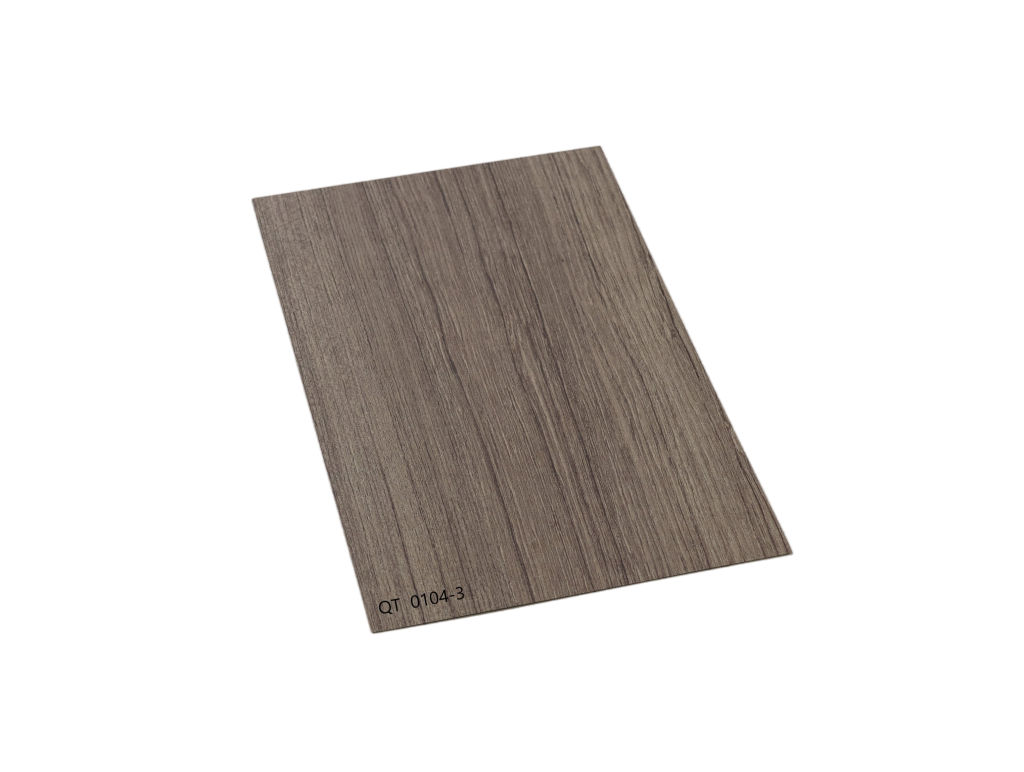
Wood Grain HPL Decorative Laminate Sheet for Cabinet & Interior Wall
- ✓Wood-grain decorative HPL
- ✓Cabinet, wardrobe and wall panel use
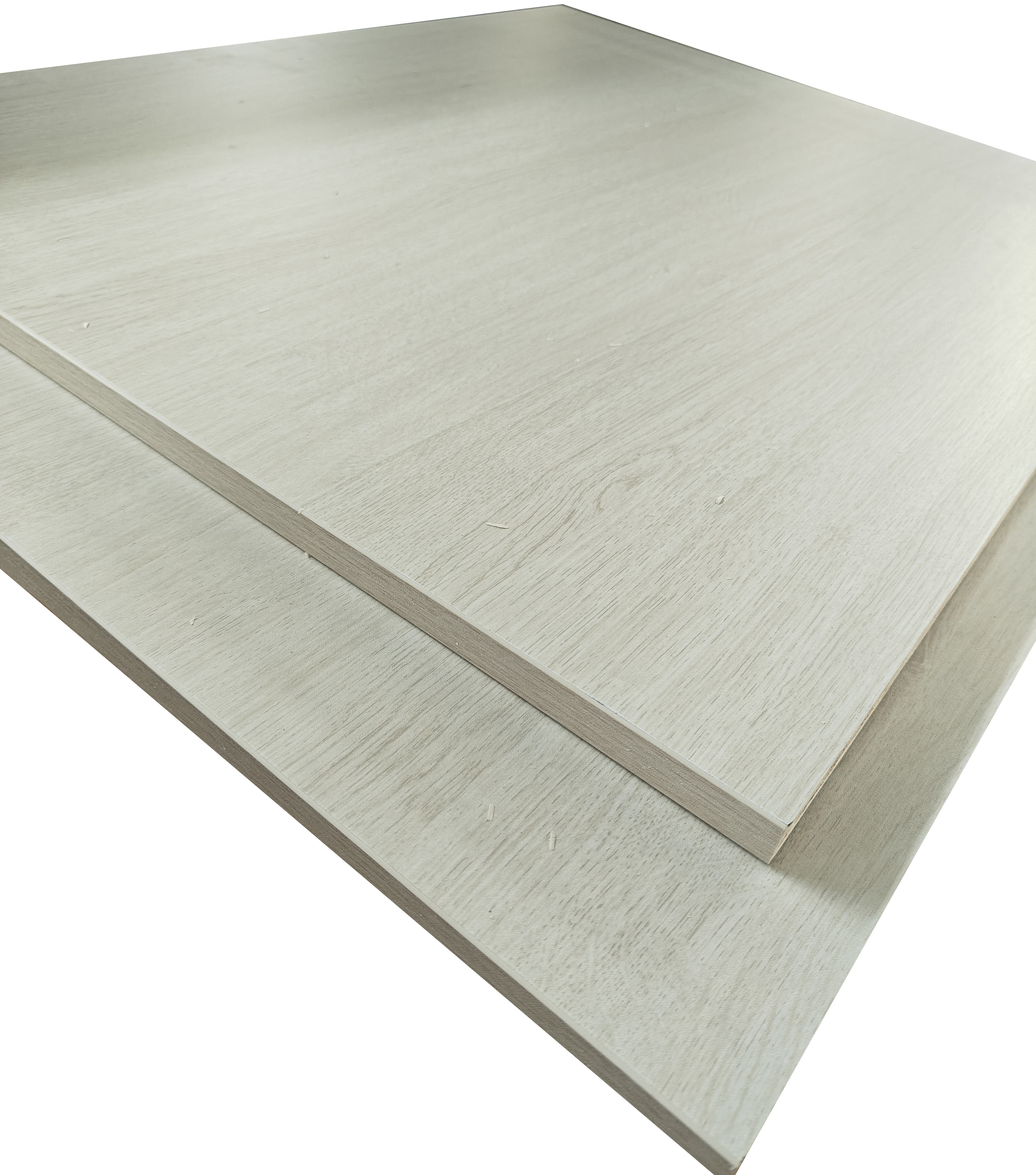
Professional HPL Compact Laminate Plywood for Furniture
- ✓High-pressure phenolic compact laminate
- ✓Furniture, worktops and fit-out components

E0 Fire-Resistant HPL Furniture Plywood, 4x8 18mm
- ✓E0 emission and fire-resistant options
- ✓Sanded double-sided decorative surface
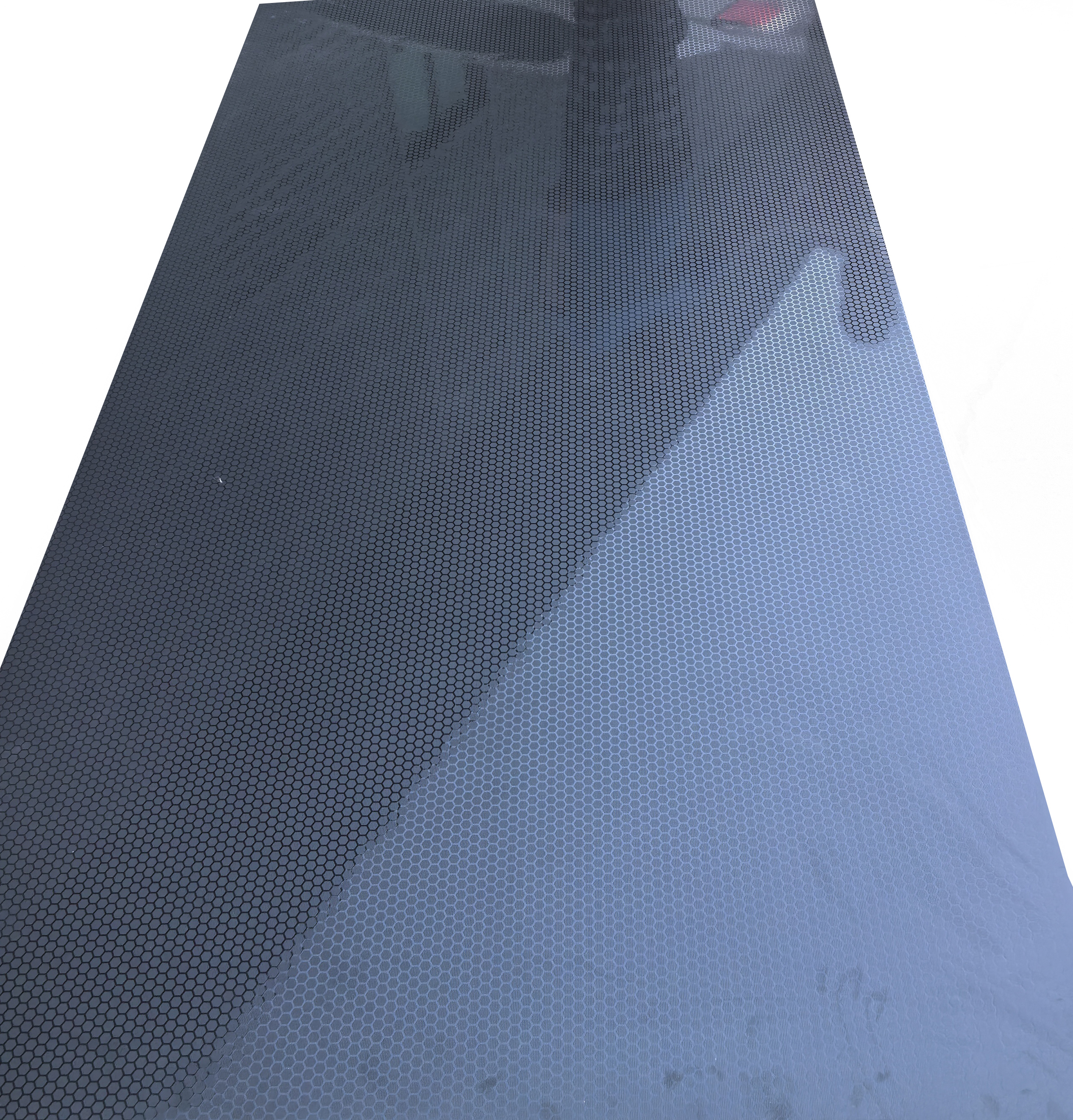
18mm HPL Film Melamine Birch Plywood, E0
- ✓18mm birch laminated plywood
- ✓E0 standard and modern melamine finish
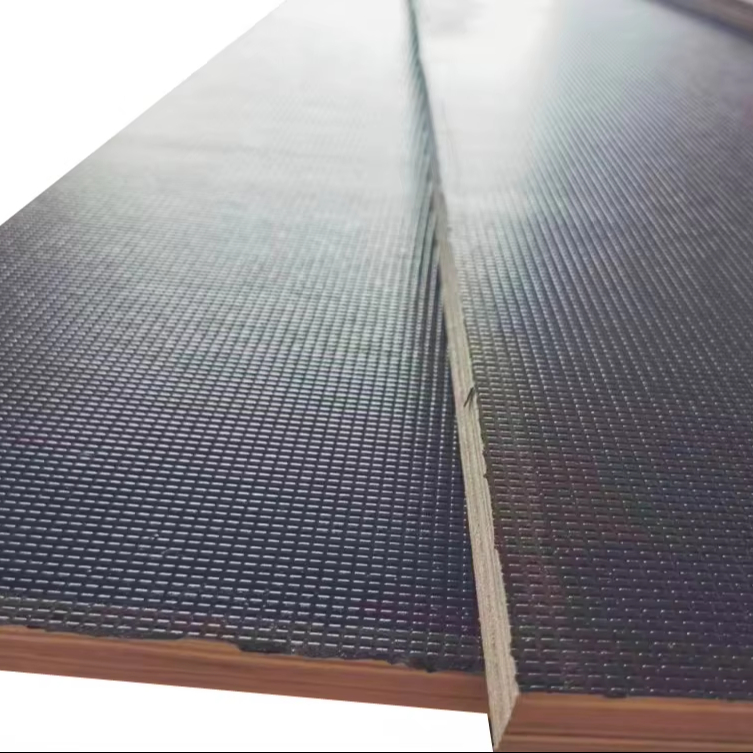
1220x2440 Waterproof Fire-Retardant HPL Phenolic Board
- ✓Waterproof decorative HPL phenolic board
- ✓Fire-retardant and marine phenolic options
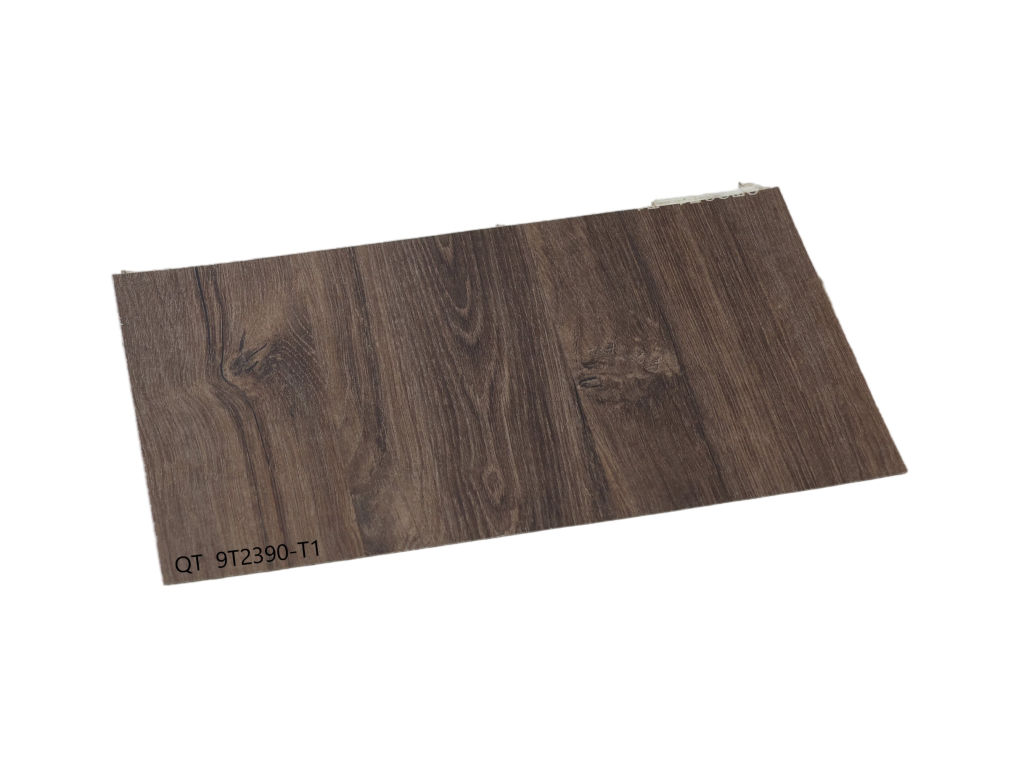
Dark Brown HPL Decorative Interior Wall Cladding QT 9T2390-T1
- ✓Dark brown interior wall cladding panel
- ✓Suited to retail, hospitality and feature walls

4x8 Fire-Retardant HPL Decorative Plywood Panel
- ✓4x8 ft HPL high-pressure laminate sheet
- ✓Decorative fire-retardant plywood panel

15mm Glossy Marine HPL Birch Plywood 4x8 E1
- ✓15mm glossy marine HPL birch plywood
- ✓E1 faced 1220x2440 construction panel
Plain Particle Board for the United Kingdom: What UK Buyers Need to Specify
A plain particle board is an engineered wood panel made from wood chips, sawdust and shavings bonded with resin and pressed into a flat sheet. In UK trade language it is often called chipboard. “Plain” usually means unfinished or un-faced: the buyer will cut, edge, drill, laminate or veneer the board for furniture, shopfitting, door cores, packaging or interior fit-out.
For UK procurement, “best” plain particle board is not simply the lowest price per cubic metre. It is the board that machines cleanly, holds screws consistently, accepts edge banding without chipping, keeps thickness tolerance under control and arrives with the right emission and moisture documentation. A cheaper panel that creates rework in a UK furniture factory is rarely cheaper overall.
Grade discipline matters. Under EN 312, P2 is commonly used for interior fitments in dry conditions; P3 is moisture-resistant and non-load-bearing; P4 is load-bearing for dry conditions; P5 is load-bearing for humid conditions; P6 and P7 are heavy-duty grades. For kitchens, utility rooms and bathroom furniture, UK buyers often move from standard P2 to a moisture-resistant grade and then specify melamine-faced or HPL-faced surfaces. For commercial fit-outs, fire-retardant treatment and test evidence must be confirmed against the project specification rather than assumed from a generic product name.
Plain particle board is not always the right board. MDF offers a finer machined edge and better paint finish. Plywood offers higher screw-holding and structural performance. Plain particle board usually wins on cost, panel flatness and efficient furniture production when the specification is dry, internal and properly edged. Fipdm helps UK buyers compare particle board with MDF, plywood, LVL and HPL-faced alternatives so the final bill of materials reflects the application, not just the unit price.
Fipdm is a verified trading company and multispecialty supplier based in Linyi, Shandong, China's largest wood-based panel cluster. We are not presenting a trading badge as a product certificate. Instead, we source from vetted partner mills, inspect materials on site and check finished boards before loading. That distinction matters for UK buyers who need accountable communication across particle board, HPL, compact laminate, MDF, plywood, LVL and door core boards.
What to put in a UK plain particle board RFQ: board grade such as P2, P3 or P5; formaldehyde class E1 or E0; size such as 1220×2440 mm, 1830×2440 mm or 1830×2750 mm; thickness from 8 mm to 25 mm; raw, sanded or faced surface; moisture-resistant requirement; fire-retardant requirement; edge-banding or machining intent; target UK port; mixed-container plan; and whether FSC/PEFC or UK Timber Regulation due-diligence documents are required.
Documentation should be agreed before production. For UK construction and fit-out projects, buyers may ask for UKCA-related declarations, EN 312 grade evidence, formaldehyde test reports, fire classification reports, FSC/PEFC chain-of-custody documents where available, and UK Timber Regulation due-diligence information. Chain of custody is mill- and product-specific, so it should be confirmed for the exact board rather than requested after loading. Export packaging should also meet ISPM 15 where solid-wood packing is used.
Because plain particle board is often part of a larger panel package, Fipdm supports mixed loads: plain particle board with HPL decorative sheets, compact laminate, fire-rated plywood, birch plywood, LVL or tubular chipboard. This helps UK importers, distributors and furniture factories reach container efficiency without holding excessive stock in each product line.
Where Plain Particle Board Performs in United Kingdom Projects
UK demand is shaped by furniture manufacturing, renovation, shopfitting, kitchen and bedroom retail, commercial fit-out and modular construction. The board must match the environment, fixing method and final surface — not only the thickness on the drawing.
Flat-Pack and RTA Furniture
Plain particle board is widely used for wardrobe carcasses, shelving, desk structures and cabinet components. Consistent density and clean sawing reduce edge-banding rejects and drilling errors in high-volume furniture lines.
Kitchen, Bedroom and Utility
Moisture-resistant P3 or P5 grades are more suitable where humidity fluctuates. Melamine-faced or HPL-faced particle board is common for kitchen units, bedroom furniture and utility storage where hygiene and surface durability matter.
Shopfitting and Exhibition
Retail fixtures, display counters and exhibition units often need fast cutting, uniform thickness and a paintable or laminate-ready surface. Mixed containers with decorative HPL help UK shopfitters manage colour and finish without separate suppliers.
Door Cores and Internal Doors
Particle board and tubular chipboard are used inside internal door constructions. Lightweight hollow-core designs suit standard doors, while fire-rated applications require verified core and facing documentation.
Packaging, Underlay and Site Use
Lower-grade particle board can support packaging, protection boards and non-structural site applications. For these uses, thickness consistency, moisture exposure and disposal requirements should be agreed before ordering.
Commercial Fire Performance
Fire-retardant particle board should be specified with the intended fixing, facing and thickness in mind. Do not assume a “fire-resistant” label equals a Euroclass result; ask for test evidence that matches the project requirement.
Localised Trends Shaping Plain Particle Board Procurement in the UK
UK buyers are adapting specifications to tighter indoor-air-quality expectations, post-Brexit documentation, commercial fire scrutiny and more flexible container planning. The most competitive supplier is often the one that makes these requirements visible early.
Low-Emission Specifications
E1 remains common, but E0 requests are increasing in furniture and interior fit-out conversations. UK buyers should ask for product-specific test reports and confirm whether the requested emission class applies to the raw board or the finished faced panel.
Moisture-Resistant Demand
Kitchen, utility and bathroom applications continue to push P3 and P5 grades. Good design still needs sealed edges, correct fixings and proper ventilation; a moisture-resistant board is not a substitute for water detailing.
Evidence for Commercial Fire
Shopfitting, hospitality, education and healthcare projects increasingly require coordinated fire documentation across the board, facing, adhesive and fixing method. “Fire retardant” should be treated as a specification conversation, not a checkbox.
Mixed Containers and Cash Flow
UK importers and distributors use mixed loads to balance stock risk: plain particle board alongside HPL, compact laminate, plywood and door-core boards. This reduces supplier administration and can improve container utilisation.
Illustrative enquiry-priority index based on common B2B specification questions; it is not a statistical market survey.
Plain Particle Board Specification Guide for UK Enquiries
Use this as a practical checklist for your first RFQ. Final tolerances, grade claims, test reports and certification documents must be confirmed against the exact mill, product line and purchase order.
| Specification Item | UK Buyer Note | Typical Options to Confirm |
|---|---|---|
| EN 312 Grade | Select by load and humidity, not by habit. P2 for dry interior fitments; P3 for moisture-resistant non-load-bearing; P4/P5 for load-bearing applications; P6/P7 for heavy-duty use where justified. | P2, P3, P4, P5, P6 or P7 — confirm availability with the selected mill. |
| Formaldehyde Emission | E1 is widely referenced, while E0 is requested for lower-emission projects. Ask for board-specific test reports and clarify raw board versus faced panel testing. | E1 or E0, subject to product line and documentation. |
| Size and Thickness | Common UK enquiries include 1220×2440 mm and 1830×2440 mm. Shopfitting and furniture factories may also request 1830×2750 mm depending on cutting optimisation. | 8–25 mm thickness; custom sizes subject to MOQ and mill confirmation. |
| Surface | Raw, sanded or calibrated board affects bonding, painting and lamination. For melamine or HPL facing, surface regularity and edge stability are critical. | Raw, sanded, melamine-faced, HPL-faced or veneered. |
| Moisture Resistance | Kitchens, bathroom furniture and utility rooms may need MR grades. Sealed edges and good ventilation remain essential in service. | Standard or moisture-resistant resin system. |
| Fire Performance | Commercial fit-out projects need project-specific evidence. Fire-retardant treatment, thickness, facing and fixing all affect the final classification. | Fire-retardant treatment on request; test evidence to be confirmed. |
| Traceability and Due Diligence | UK buyers may require FSC/PEFC chain-of-custody documents or UK Timber Regulation due-diligence information. Availability is mill- and product-specific. | Mill declarations, species and origin information, chain-of-custody documents where available. |
| Packaging and Loading | Seaworthy export packing, corner protection, moisture protection and ISPM 15-compliant solid-wood packing where applicable help reduce transit claims. | Standard export pallets, reinforced packing, loading photos before shipment. |
Why Fipdm Is a Lower-Risk Panel Supply Partner for UK Buyers
Linyi Fipdm Import And Export Co., Ltd. combines factory-backed sourcing with export coordination, on-site quality checks and one accountable contact across multiple board categories. The aim is simple: reduce surprises between your approved sample and the container that arrives in the UK.
Two-Stage Quality Control
Material inspection at the partner mill and finished-board inspection for thickness, surface, edges and packaging before loading. This is more useful than a generic “strict QC” claim because the checkpoints are defined.
Multi-Category Consolidation
Combine plain particle board, HPL, compact laminate, MDF, plywood, LVL and door cores in one managed supply chain. UK distributors and furniture factories can reduce supplier administration and freight inefficiency.
Factory-Backed Sourcing in Linyi
Access to vetted partner mills in China's largest panel cluster, with export coordination handled by one team. The model suits buyers who need flexibility across grades, finishes and mixed specifications.
Flexible Customization
Minor customization such as logo, packaging and graphics; sample-based and design-based customization; full customization and ODM for distributors building their own panel range.
On-Site Technical Support
Engineer support for installation guidance on cladding, partitions and furniture projects. For UK buyers, this helps close the gap between board specification and real-world fixing, sealing and finishing.
Export-Ready Logistics
Export documentation, seaworthy pallet packing and loading photos shared with every shipment. UK buyers receive a clearer record of what was packed, how it was packed and when it was loaded.
 Export team and buyer communication
 Warehouse and stock coordination
 Partner mill production and inspection
How We Control Quality from Mill to UK Container
A clear process reduces the gap between sample approval and shipment approval. Each stage is designed to give UK buyers documented evidence before the order moves forward.
Share the UK Specification
Send grade, size, thickness, emission class, facing, moisture or fire requirement, target port and delivery timing.
Sample and Mill Check
Confirm colour, surface, density expectation and documentation. Material is checked at the partner mill before production.
Production and Finished-Board QC
Check thickness, surface, edges, facing quality and packing. Photographs and inspection notes are shared before loading.
Consolidation and Loading
Combine categories where required, prepare export documents, load with seaworthy packing and share loading photos.
Questions UK Buyers Ask Before Ordering Plain Particle Board and Mixed Panels
These answers reflect common procurement concerns from UK importers, distributors, furniture factories and project buyers. Final product claims should always be confirmed in writing for your exact order.
Are you a plain particle board manufacturer or a trading company?
Fipdm is a verified trading company and multispecialty supplier. We work with vetted partner mills in Linyi and coordinate sourcing, inspection and export across multiple panel categories. This means you get one accountable contact for plain particle board, HPL, compact laminate, MDF, plywood and LVL rather than managing several separate suppliers.
Can you supply plain particle board to the United Kingdom in E0 or E1?
E1 and E0 requests can be discussed depending on the product line, mill and order volume. Please specify the required emission class, test method and whether the requirement applies to raw board or faced board. We will confirm what documentation is available for the exact specification before you place the order.
What is the difference between P2, P3, P4 and P5 particle board?
In simple terms, P2 is for dry interior fitments; P3 is moisture-resistant and non-load-bearing; P4 is load-bearing for dry conditions; P5 is load-bearing for humid conditions. The correct grade depends on the application, fixing method, humidity exposure and project specification. UK buyers should state the required EN 312 grade clearly in the RFQ.
Can I mix plain particle board with HPL and plywood in one container?
Yes, mixed loads are a core part of our service. UK distributors and furniture factories often combine plain particle board with decorative HPL, compact laminate, fire-retardant plywood, birch plywood or door core boards. Send one list with sizes, quantities and target port so we can check container utilisation and packing.
What sizes and thicknesses are commonly available?
Common panel sizes include 1220×2440 mm, 1830×2440 mm and 1830×2750 mm, with thickness typically from 8 mm to 25 mm depending on the mill and grade. Custom sizes may be possible subject to MOQ and production planning. Always confirm final dimensions, tolerances and packing details in the quotation.
Can you provide FSC, PEFC, UKTR or fire documentation?
Chain-of-custody and due-diligence documents are mill- and product-specific. We can request FSC/PEFC documentation, timber origin information and fire test evidence for the selected product line. For UK projects, tell us the exact standard, Euroclass or declaration requirement before production so the correct documents can be checked.
What is the MOQ and lead time for UK orders?
MOQ depends on thickness, finish, grade and whether the order is a mixed container. A full container is usually the most cost-effective option, while trial orders can be discussed for suitable specifications. Production planning commonly runs several weeks after sample and specification approval; sea freight and UK port handling are additional.
How do you control thickness, moisture and surface quality before shipping?
We use two-stage checks: material inspection at the partner mill and finished-board inspection before loading. Checks cover thickness, surface condition, edges, facing quality and packing. Loading photos and inspection notes help UK buyers verify the shipment against the approved specification.
Send Your Plain Particle Board Specification for a UK Quotation
Share your EN 312 grade, E0/E1 requirement, size, thickness, surface, facing, UK port and target delivery date. If you need HPL, compact laminate, plywood or door cores in the same container, include those items too. We will reply with matched options, documentation notes and a practical next step.
Send an Inquiry