8 Melamine, HPL & Plywood Products for Manchester Buyers
Use this shortlist to compare decorative surfaces, plywood cores, fire-resistant options and lightweight furniture boards. Product URLs are preserved for direct specification checks.
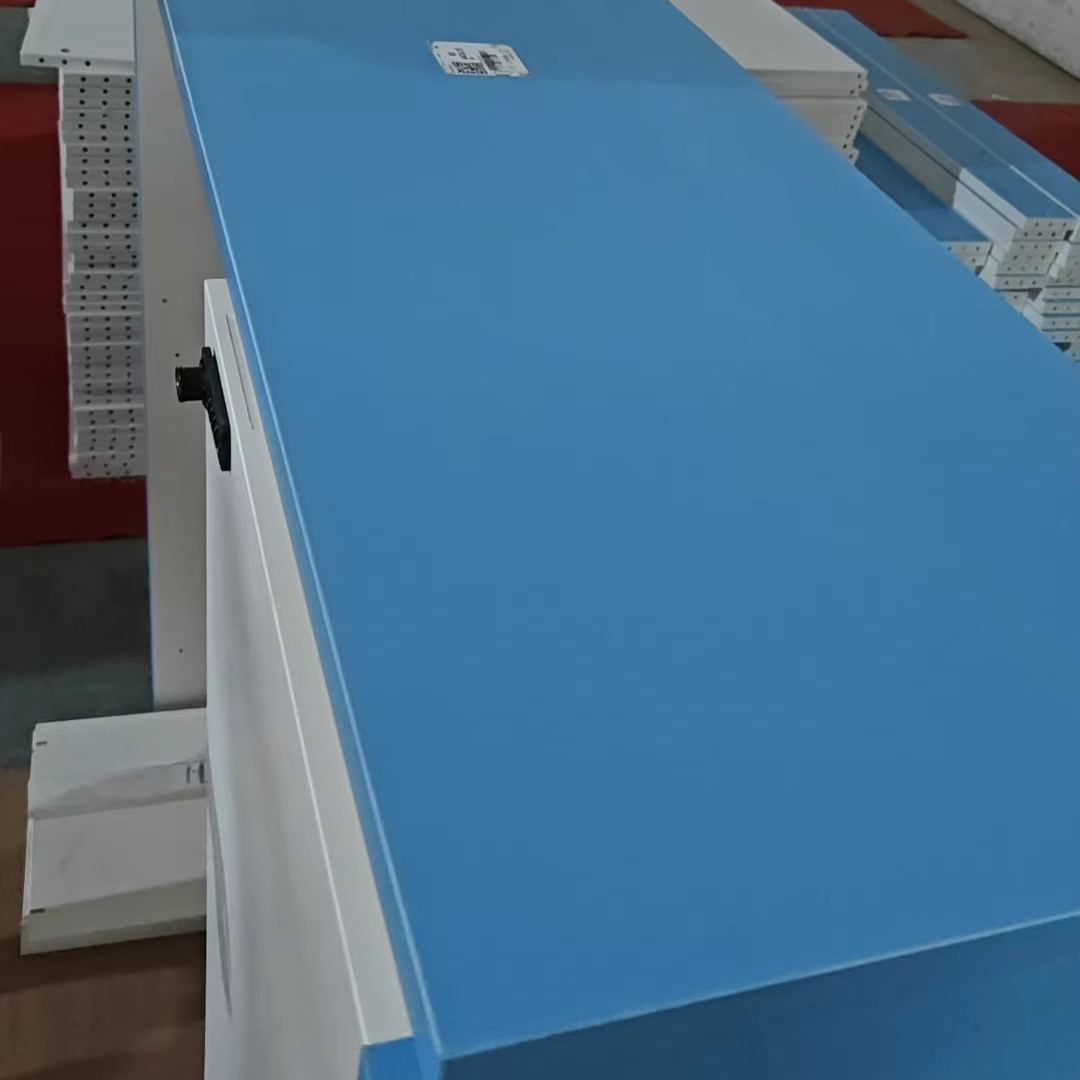
Linyi HPL Melamine Board Plywood Sheet 18mm / 15mm
HPL-faced plywood for contract furniture, cabinets and shopfitting. A practical choice where a tough decorative surface and stable plywood core are required.
View specification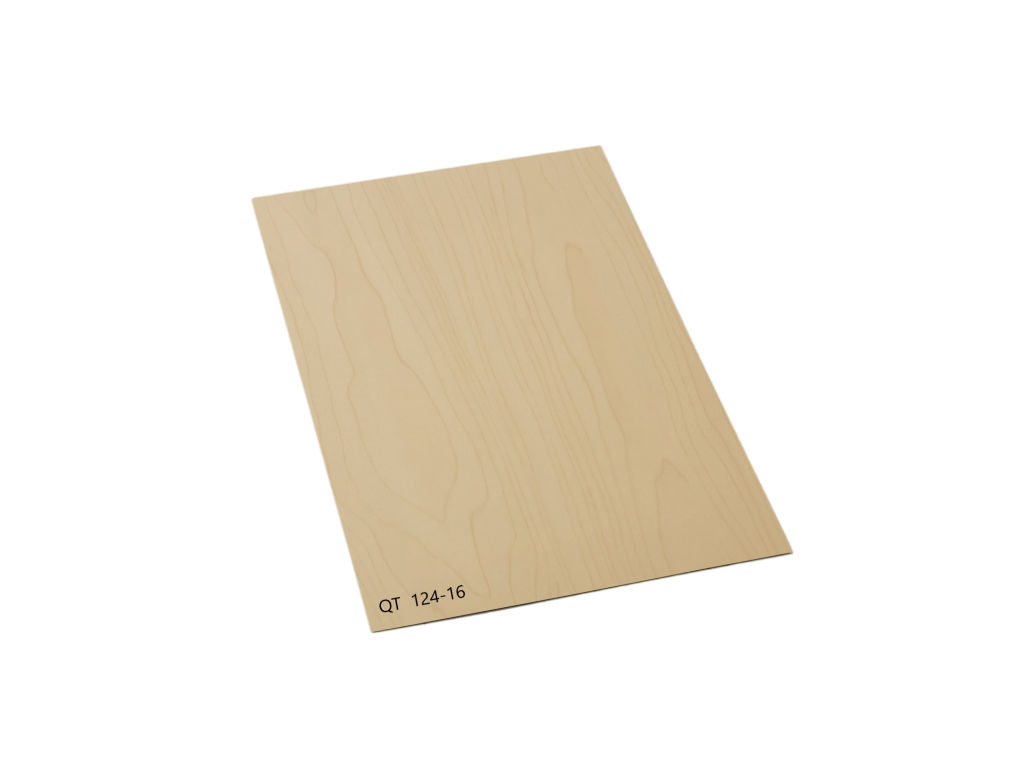
Light Wood Grain HPL Decorative Laminate Sheet
Phenolic HPL panel for interior walls, feature surfaces and furniture. Warm wood-grain visuals suit Manchester office refurbishments and hospitality interiors.
View specification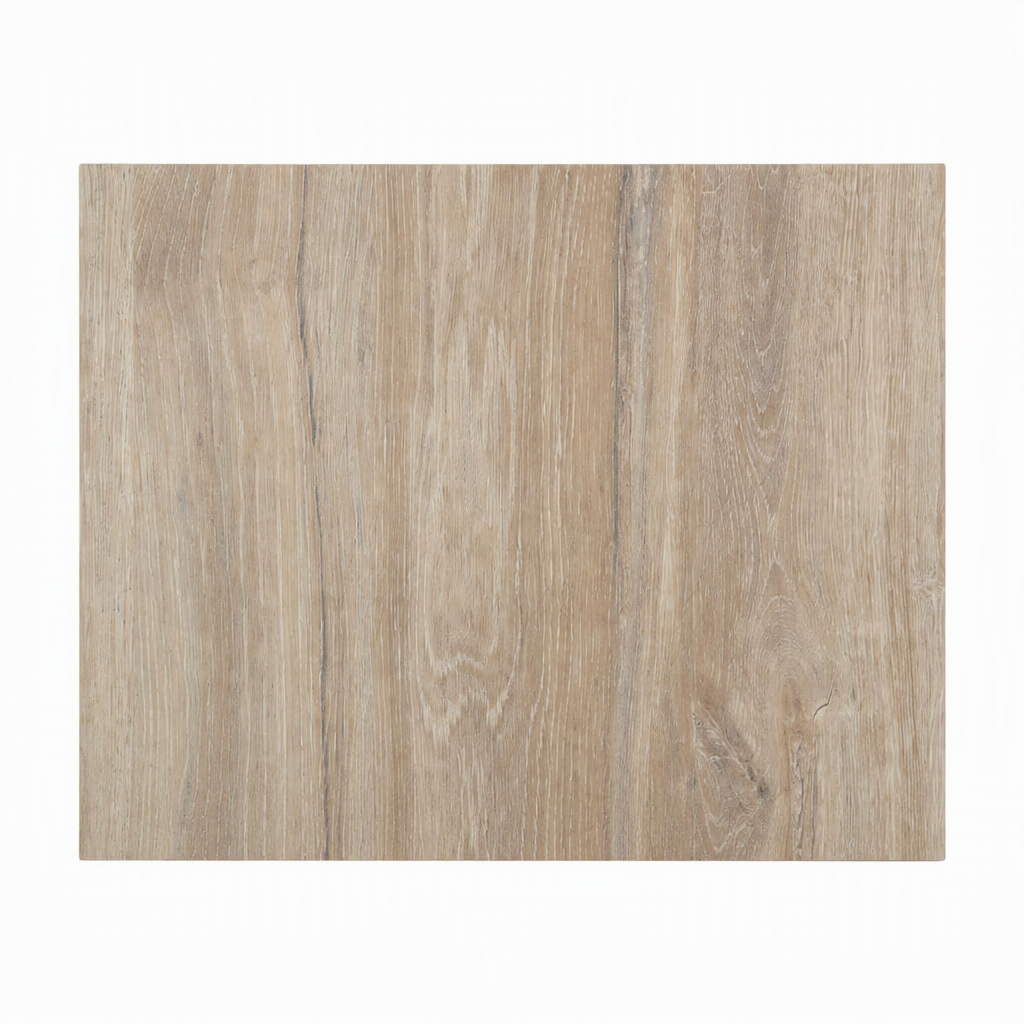
1mm Light Wood Grain HPL Decorative Laminate Panel
Waterproof and fire-resistant decorative HPL for modern interiors. Suitable for doors, wall panels and furniture faces where a slim laminate build-up is preferred.
View specification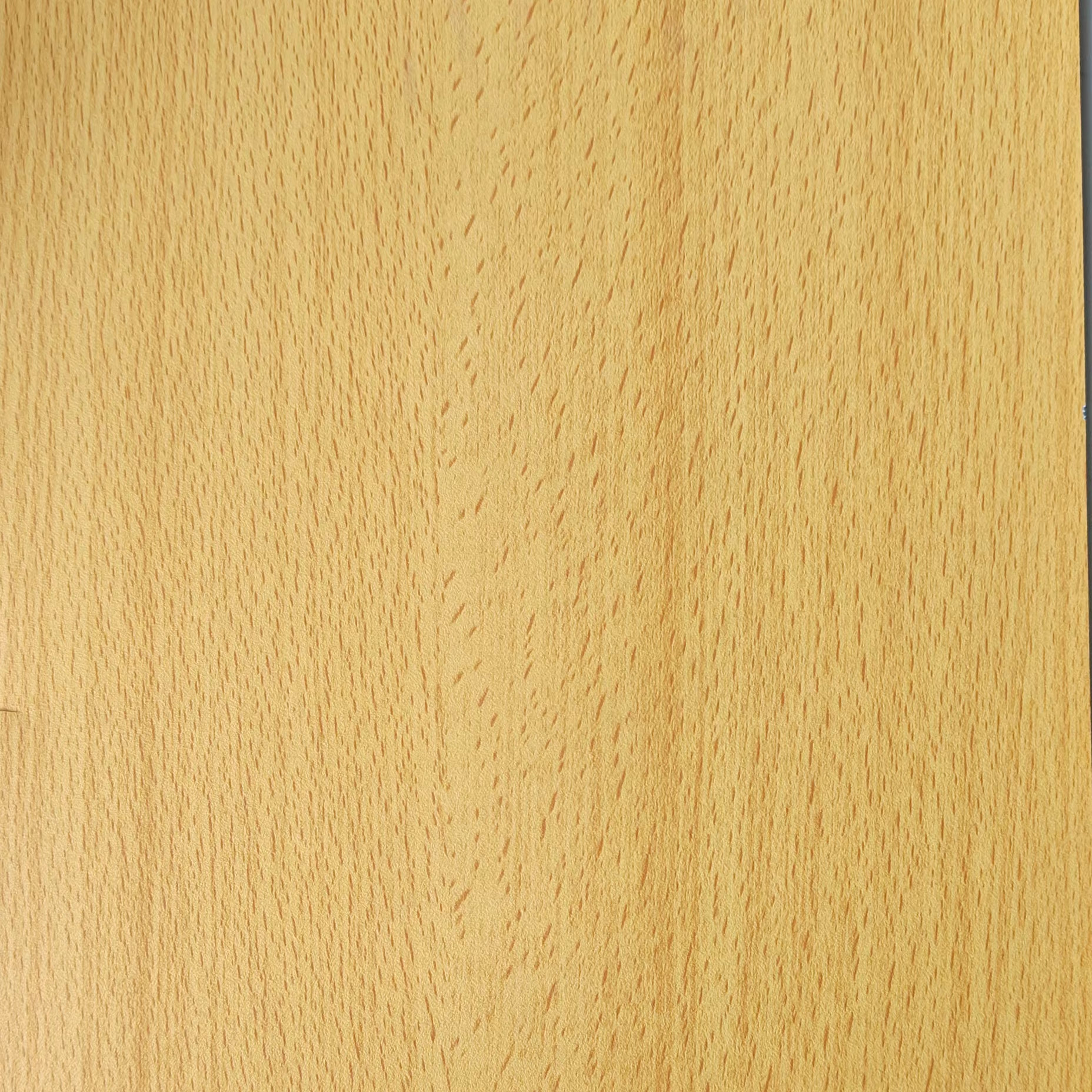
Lightweight HPL Plywood for Cabinet Furniture
Lightweight HPL-faced plywood for cabinet backs, modular units and furniture where reducing weight can improve handling and installation efficiency.
View specification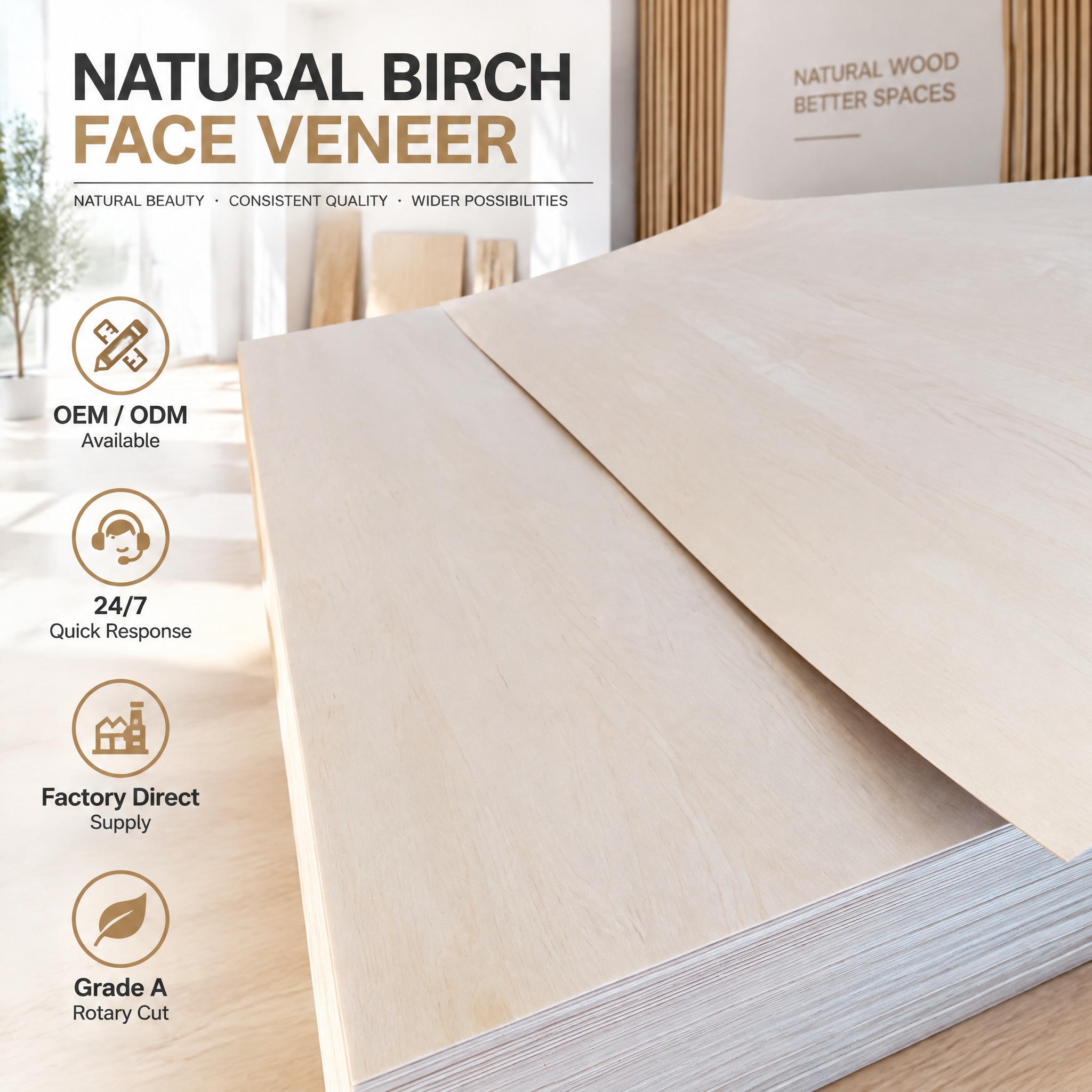
Sanded Basswood Plywood with Birch Veneer, E0
Double-sided E0 decorative plywood for laser cutting, display models, signage and precision joinery. Clean veneers support detailed CNC and laser work.
View specification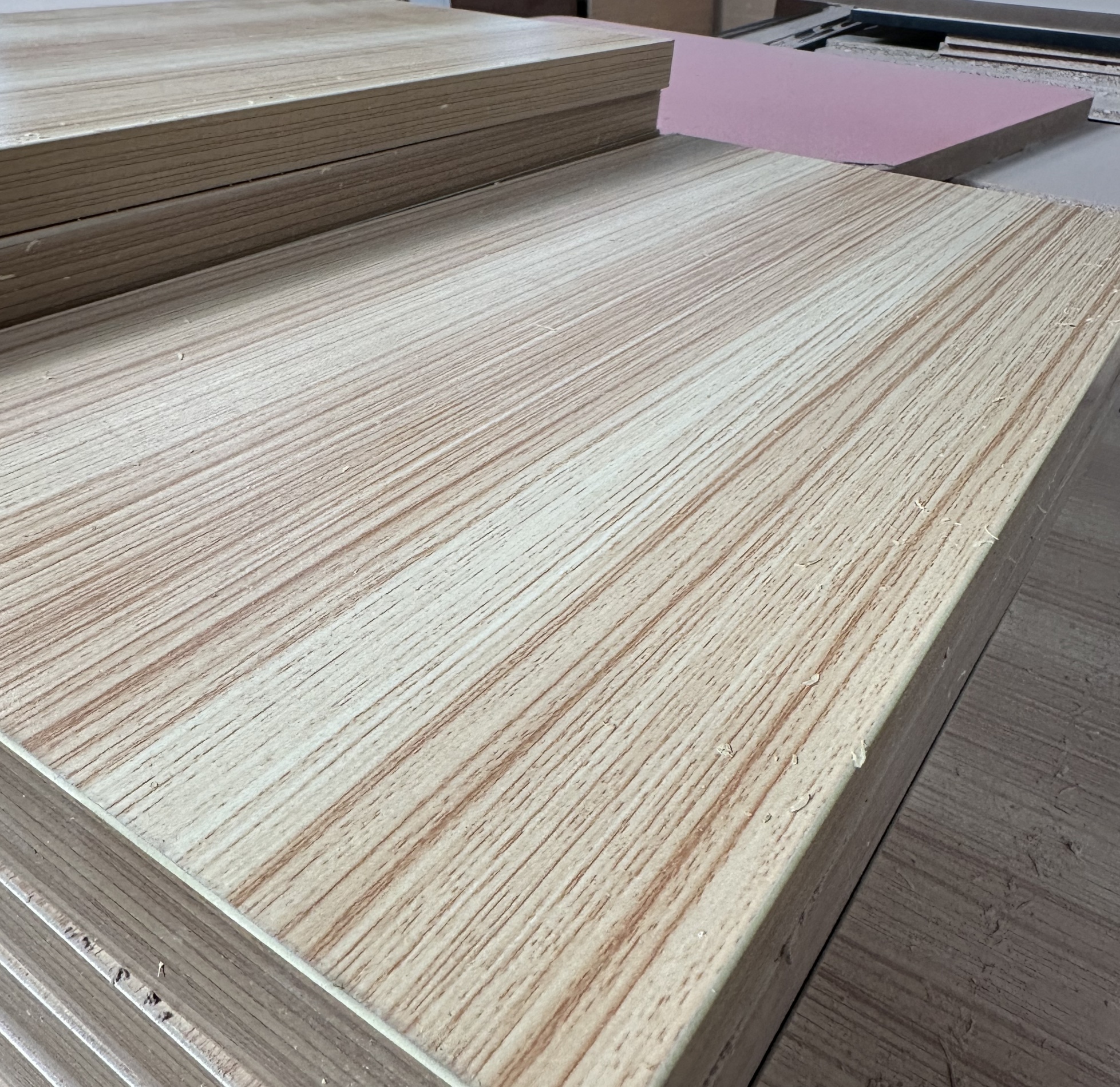
Stock HPL Wear-Resistant Laminate Plywood
Wear-resistant HPL plywood for kitchen cabinets, utility areas and high-use commercial furniture. A sensible specification for busy rental and hospitality spaces.
View specification
4x8 ft Fire-Retardant HPL Decorative Plywood
High-pressure laminate sheet on plywood for projects that require decorative surfaces plus fire-retardant options. Ask for test documentation before specification.
View specification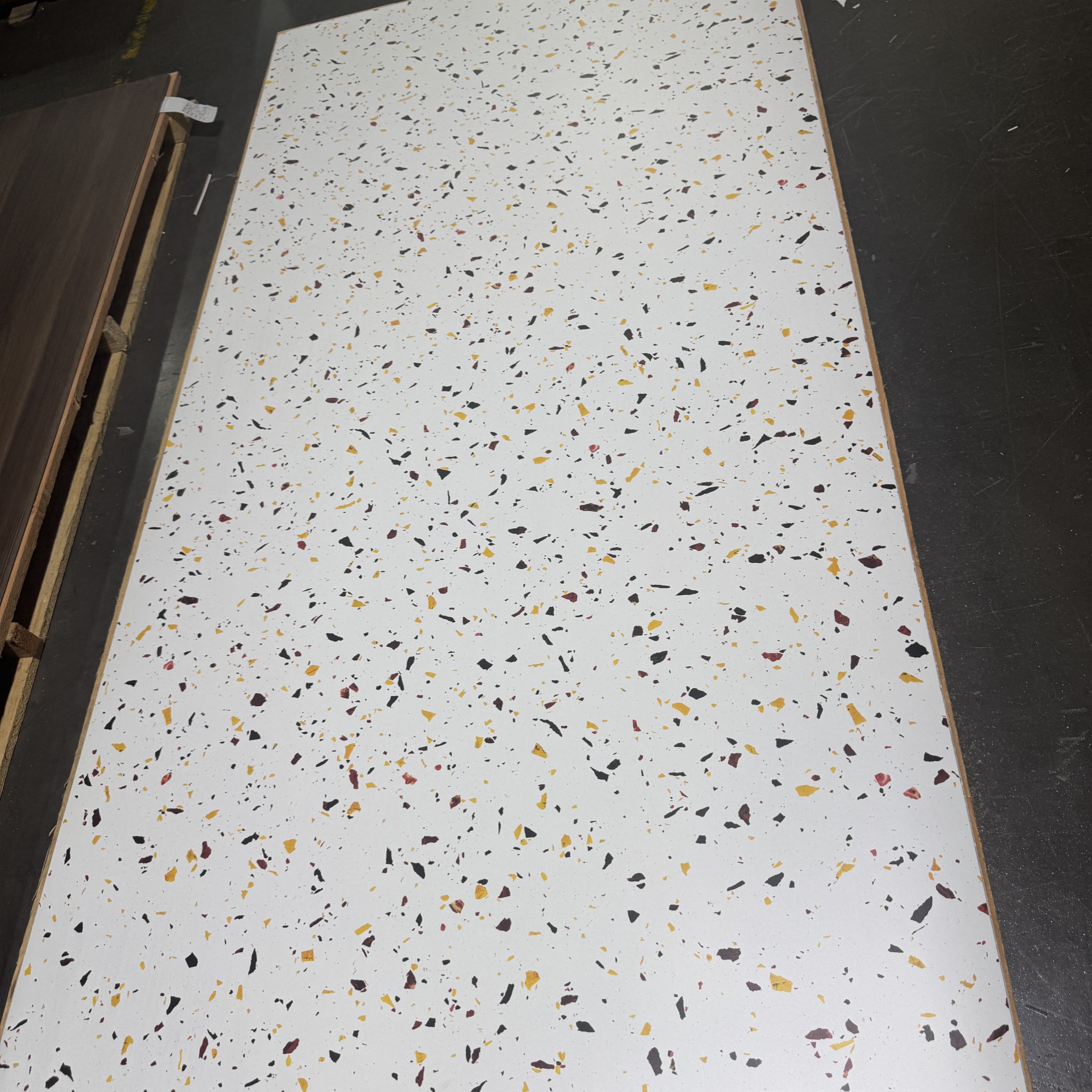
Fire-Resistant HPL Plywood, Double-Sided E0
1220 x 2440 mm decorative laminate panel with E0 polished surface for indoor furniture, wall linings and commercial fit-outs with enhanced fire requirements.
View specificationWhat Melamine Faced Chipboard Really Means for Manchester Buyers
Melamine faced chipboard—often shortened to MFC—is a wood particle core faced with melamine-impregnated decorative paper. The core is not the same as MDF, and the facing is not the same as High-Pressure Laminate. That distinction affects cost, machining, moisture performance and project approvals.
Core & Facing
Standard MFC uses a chipboard core bonded with resin, then a decorative melamine paper is pressed onto both faces. The result is a ready-to-machine panel for cabinets, shelving, desks, wardrobes and shopfitting.
Thickness & Size
Common specifications include 18 mm boards in 2440 x 1220 mm, with 8 mm, 12 mm, 15 mm, 18 mm and 25 mm options depending on the application. Custom sizes and matching edge banding can be discussed.
Grades That Matter
For Manchester interiors, specify E0 or E1 emission, moisture-resistant cores for kitchen and utility areas, and fire-retardant options where the project requires documented reaction-to-fire performance.
Where MFC Fits
MFC is ideal for dry interior furniture and fit-outs. For wet zones, exterior facades or heavy-impact surfaces, compare compact laminate, HPL-faced plywood or specialist moisture-resistant boards.
Where Manchester Fabricators and Contractors Use MFC and HPL Boards
Greater Manchester’s mix of city-centre commercial fit-outs, suburban kitchen studios, student accommodation, logistics parks and independent hospitality creates steady demand for reliable decorative boards.
Retail & Shopfitting
Manchester city centre and Salford Quays projects need hard-wearing display counters, shelving, cash desks and back-of-house storage. Melamine faced chipboard gives a consistent colour range; HPL-faced plywood adds impact resistance.
Office Refurbishment
Office desks, meeting tables, storage walls and breakout furniture often use 18 mm MFC with matching edges. Low-glare wood grains and super-matt finishes are popular for professional interiors.
Student & Residential
Student accommodation and rental apartments require repeatable cabinetwork and durable wardrobes. E0/E1 boards, impact-resistant edges and moisture-resistant options for kitchen and bathroom zones are key considerations.
Kitchens & Hospitality
Kitchen studios and café fit-outs use melamine boards for dry cabinets and HPL-faced plywood for wet or high-use surfaces. For laboratory or heavy-wear areas, compact laminate may be the better technical fit.
Five Procurement Trends Shaping MFC Specifications
These are practical buying signals, not vague predictions. Use them when you compare a China factory quotation with a UK stockist or wholesaler.
E0 & E1 Evidence
UK buyers increasingly request emission documentation with the quotation. Specify the destination market and required class so the right board and paperwork can be matched.
MR Cores in Busy Homes
Manchester’s damp climate and dense rental market make moisture-resistant cores attractive for kitchen and utility cabinetry. Do not confuse MR MFC with exterior-grade panels.
Documented FR Options
Commercial fit-outs require coordinated fire documentation. Ask for test reports and confirm whether the laminate, core or complete composite panel has been assessed.
Textured, Matt & Anti-Fingerprint
Super-matt, wood-grain and anti-fingerprint surfaces are growing in premium kitchens, offices and hospitality. Matching ABS edge banding improves the finished look.
Mixed Containers
Smaller wholesalers and fabricators benefit from mixing MFC, HPL, plywood, compact laminate and door cores in one shipment to reduce freight and administration.
MFC vs HPL-Faced Board vs Compact Laminate
Use this comparison to select the right material before requesting a sample. The best board is the one that matches the environment, machining process and approval requirements.
| Material | Water & Wear Fit | Machining & Edging | Typical Manchester Use |
|---|---|---|---|
| Melamine Faced Chipboard | Good for dry interiors | CNC friendly; edge banding essential | Cabinets, wardrobes, desks, storage walls |
| HPL-Faced Plywood | Strong impact and moisture resistance | Good screw holding; seal cut edges | Shopfitting, kitchen cabinets, wall linings |
| Compact Laminate | Self-supporting, waterproof, heavy-duty | Specialist cutting and drilling tools | Toilet partitions, lockers, lab worktops |
| Melamine Faced MDF | Excellent smooth face for routing | Ideal for profiles and painted edges | Door skins, furniture fronts, display units |
How to Buy from a China MFC Factory & Wholesaler Serving Manchester
A direct China quotation can be competitive, but it works best when specifications, inspection and shipping terms are agreed before production. This is the practical route.
Define the Board
Send thickness, sheet size, core type, décor, finish, emission class, fire requirement, edge-banding code and target quantity. State clearly whether you need MFC, HPL-faced plywood or compact laminate.
Approve a Sample
Ask for a physical sample or high-resolution detail of the surface. Check colour under Manchester lighting conditions and confirm the matching edge band before placing a bulk order.
Agree Inspection
Use a two-stage check: material inspection at the partner mill and finished-product inspection for thickness, surface, edges and packing. Loading photos should be shared before shipment.
Plan UK Delivery
Most sea freight enters through UK ports such as Felixstowe or Southampton, then moves inland to Manchester by road. Confirm FOB, CIF or delivered terms with your forwarder before comparing quotes.
Why Fipdm Is a Practical China Supply Partner
Linyi Fipdm Import And Export Co., Ltd. is a verified trading company and multispecialty supplier based in Linyi, Shandong—China’s major wood-based panel cluster. We coordinate vetted partner mills, inspect materials and finished boards, and consolidate multiple product families for export buyers.
Intertek-Verified Supplier
Third-party on-site assessment supports the credibility of our sourcing and inspection procedures. Buyer references and trade history can be reviewed before an order.
Two-Stage Quality Control
We inspect raw materials at partner mills and check finished boards for thickness, surface and edges before loading, reducing the risk of mixed quality in a container.
Multi-Category Consolidation
Combine HPL, melamine-faced boards, MDF, plywood, LVL, compact laminate and tubular chipboard door cores in one managed shipment.
Customization & ODM
Minor customization for logo, packaging and graphics, plus sample-based, design-based and full customization options for distributors building their own range.
Technical Support
Engineer support for project buyers is available for installation guidance on cladding, partition and furniture applications. Ask specific questions before specification.
Export-Ready Logistics
Export documentation, seaworthy pallet packing and loading photos are part of the process. We help reduce the communication gaps between mill, forwarder and importer.



Questions Local Buyers Ask Before Ordering MFC and HPL Boards
These answers address common procurement concerns from Manchester fabricators, importers, shopfitters and furniture factories comparing China supply with local stock.
Are you a manufacturer or a trading company?
Linyi Fipdm Import And Export Co., Ltd. is an Intertek-verified trading company and multispecialty supplier. We coordinate production with vetted partner mills in Linyi and manage material inspection, finished-product inspection and export documentation. This gives buyers one accountable contact across multiple board types rather than dealing with several unrelated mills.
Can you supply 18 mm melamine faced chipboard to Manchester?
We can quote melamine-faced board programmes through our partner mill network, alongside the HPL-faced plywood and decorative laminate products shown above. For Manchester buyers, specify the décor code, core type, thickness, sheet size, emission grade, required fire documentation and estimated annual volume so the correct production route and packing can be proposed.
What is the difference between melamine faced chipboard and MDF?
Chipboard uses wood particles and resin; MDF uses finer wood fibres and generally has a smoother, denser face for routing and painting. Melamine faced chipboard offers a cost-effective decorative panel for cabinets and storage. Melamine faced MDF is often chosen where a smoother edge profile or routed detail is needed. Both can use melamine-impregnated decorative paper, but the core performance differs.
Which formaldehyde or emission grades should a Manchester project specify?
E0 and E1 are common classifications. The correct choice depends on the destination market, client policy and project specification. Tell us the required standard at the inquiry stage and request the matching test documentation. Do not rely only on a generic “low emission” description without a report.
Can you match edge banding, colours and packaging?
Yes. We can discuss matching ABS or PVC edge banding, décor matching, private-label packaging, logo printing and sample-based customization. For distributors and furniture factories, consistent décor and edge colour across repeat shipments is an important part of the specification.
How is quality controlled before shipment?
Our procedure includes on-site material inspection at partner mills and finished-product inspection before loading. Checks typically cover board thickness, surface defects, edge quality, packing method and quantity. Loading photos and export documents help buyers verify progress before the container leaves China.
What is the minimum order and how long does delivery take?
Minimum order depends on board type, décor and whether the order is a mixed container. Standard production is often quoted around 15–25 days after details and deposit are confirmed, but exact timing must be confirmed in writing. Sea freight and inland delivery to Manchester vary by port, shipping schedule and haulage availability.
How do you handle delivery to Manchester and local storage?
We are a China-based export supplier, not a Manchester stockist. Orders are typically shipped via UK ports and then moved to Manchester by road. Your forwarder can arrange the final inland leg, or we can discuss the most practical shipping terms. Once delivered, boards should be stored flat, dry and ventilated before machining.
Can I mix MFC, HPL, plywood and compact laminate in one container?
Mixed loading is one of our practical advantages. Smaller importers and fabricators can consolidate several board families to improve container utilisation and reduce freight administration. Send your complete shortlist with quantities and target delivery window so a mixed-load proposal can be prepared.
What should I check before approving a melamine board sample?
Check the décor under neutral light, surface texture, colour consistency, edge-banding match, thickness, flatness and any visible surface defects. Confirm the formaldehyde class and fire documentation if required. For HPL-faced boards, confirm the laminate grade and whether cut edges need sealing.
Ready to Compare MFC and HPL Board Options?
Send your board type, thickness, décor, emission class, edge-banding requirement and target Manchester delivery window. Our export team will reply with matched specifications, packing options and the next steps for sampling or a container quotation.