Eight Wholesale Lines That Feed Turkey's Fluted Panel Workshops
These are the board families Turkish converters actually combine when they build fluted wall panels: fire-rated HPL plywood for public areas, HMR MDF for wet zones, light and dark woodgrain HPL for the two dominant design languages in Turkey, and thin basswood plywood for laser-cut slat components. Every link keeps its original specification page so your purchasing team can shortlist without a back-and-forth email chain.

18mm Fire Retardant HPL Faced Plywood Birch Core 1220x2440mm Furniture Panel
Birch-core plywood with double-sided HPL, built for hotel corridors and lobby walls where a fire rating and screw-holding strength both matter on the same panel.
View specification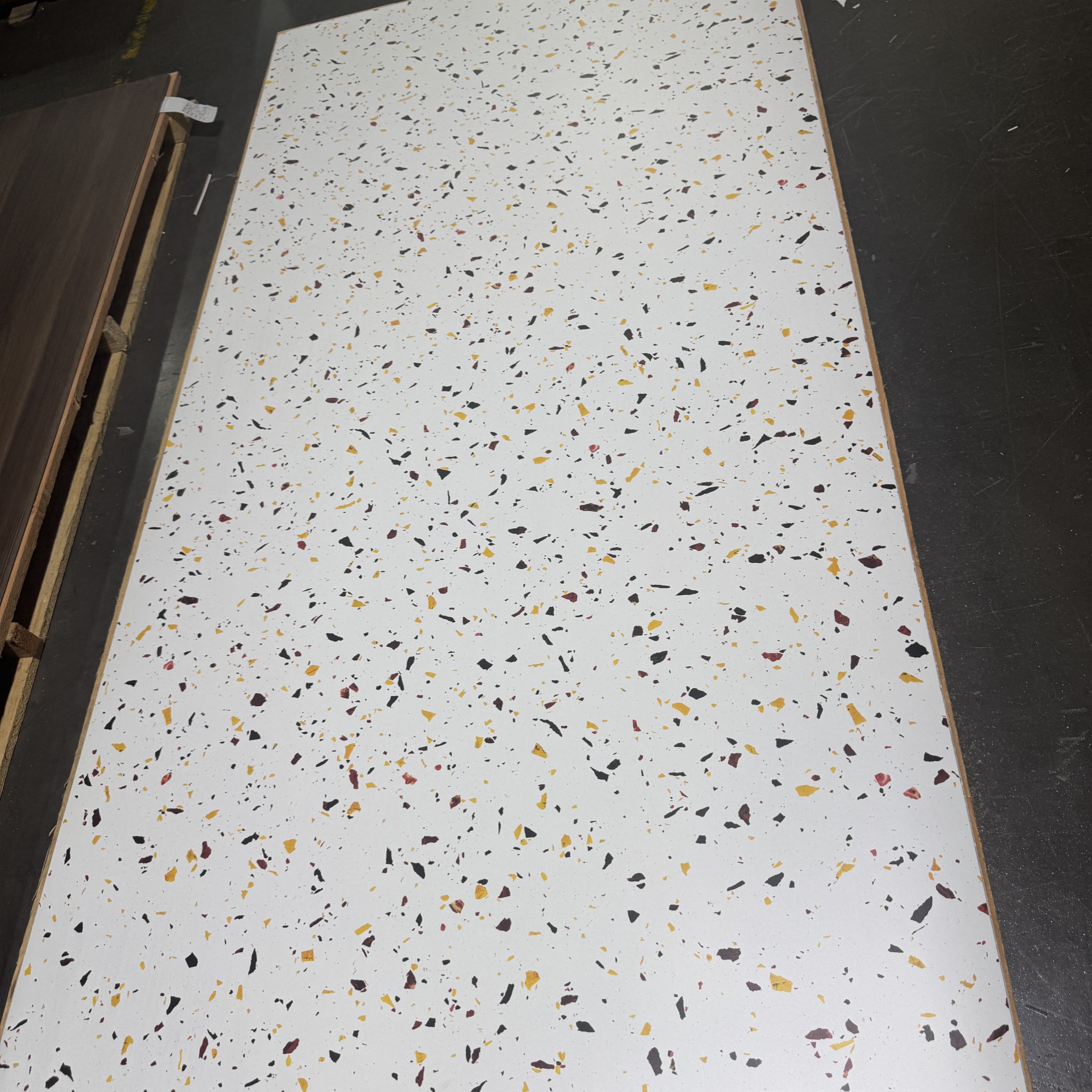
Fire Resistant HPL Plywood Double Sided Decorative Laminate Panel E0 Polished Surface 1220 x 2440 mm Indoor Furniture
Double-sided decorative laminate with an E0 core and polished face — the practical answer for visible partition walls where both sides of the fluted panel are seen.
View specification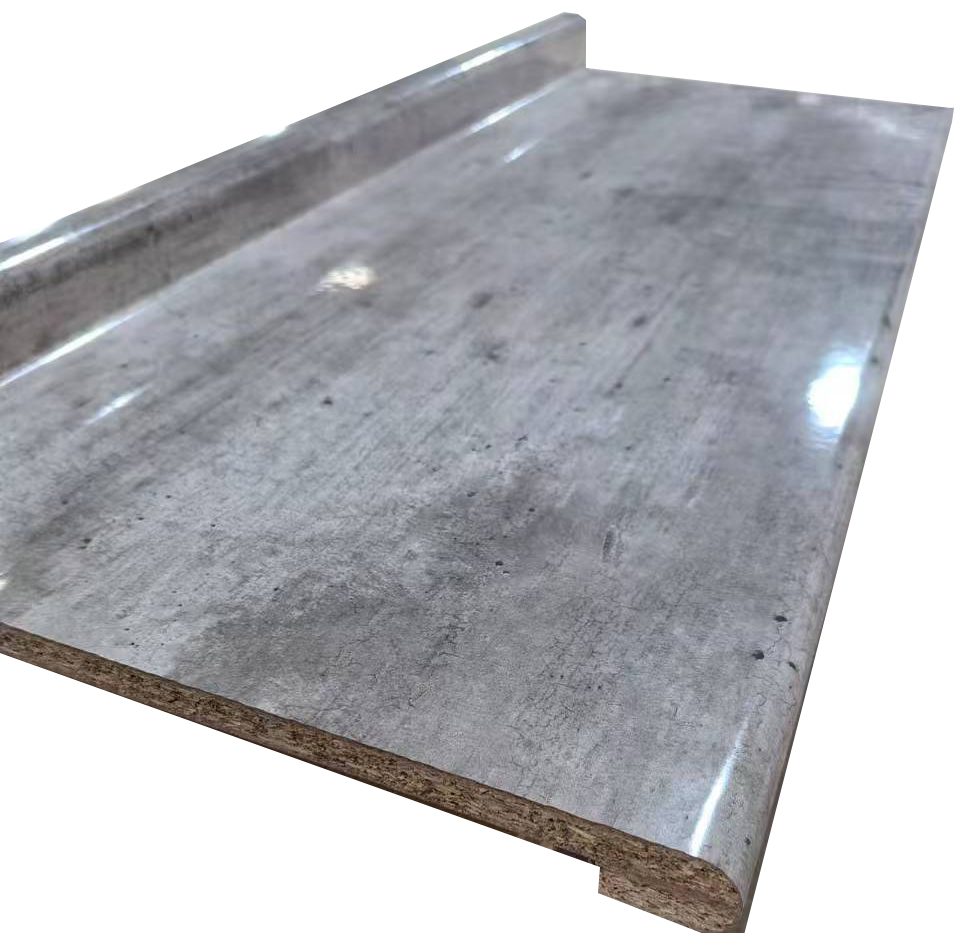
Linyi Hpl Melamine Board Plywood HMR MDF Sheet 18mm 25MM Melamine Board Furniture Board for KITCHEN COUNTERTOPS
Moisture-resistant MDF with HPL or melamine facing; the core Turkish contractors specify for back-of-house kitchens, bar counters and humid bathroom walls.
View specification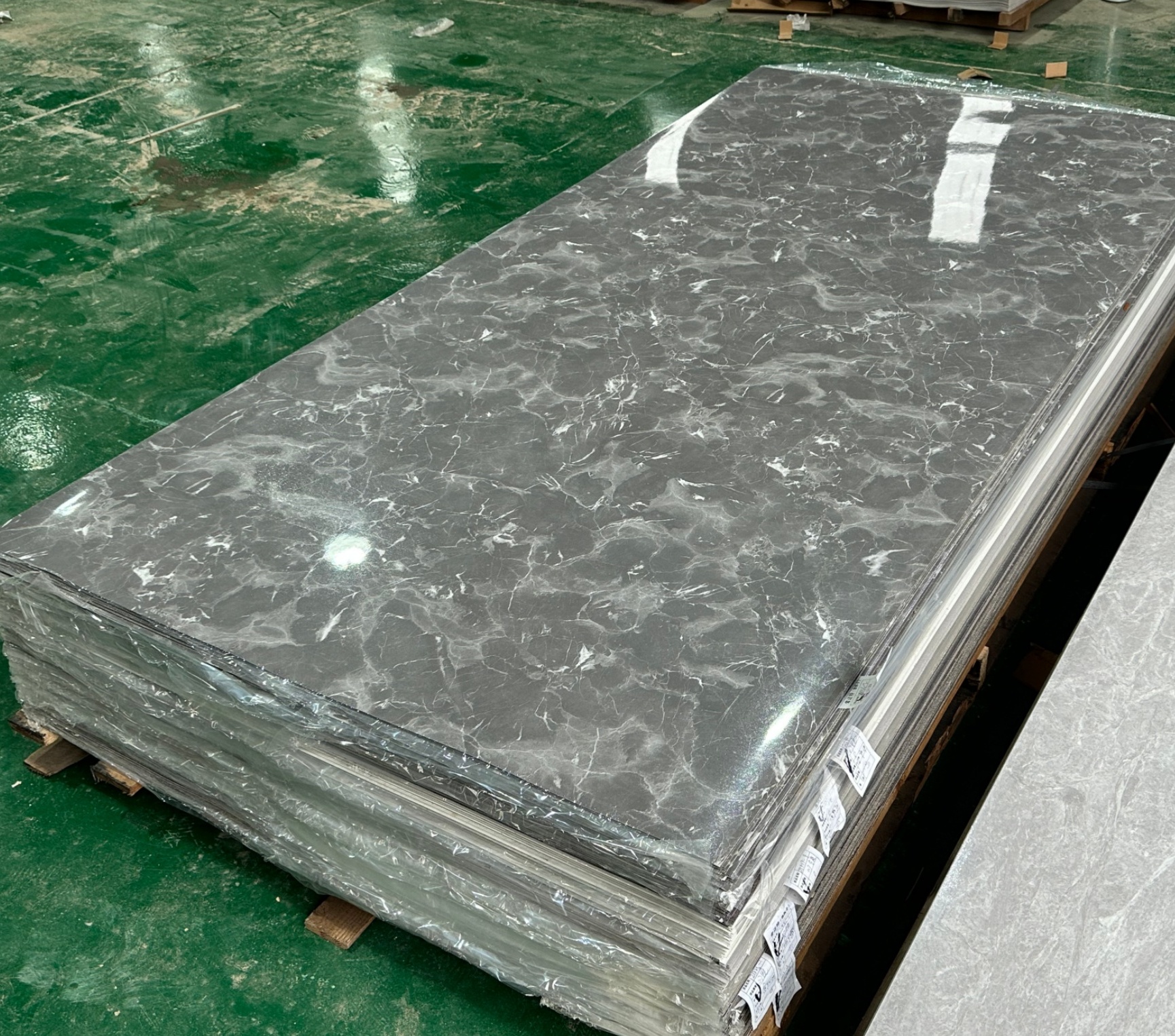
Wholesale Grade B HPL Stock HPL Decorative High Pressure Laminate
Grade B and stock-run HPL for price-sensitive fits — rental apartments, pop-up retail and contractor packages where surface blemishes sit outside the visible field.
View specification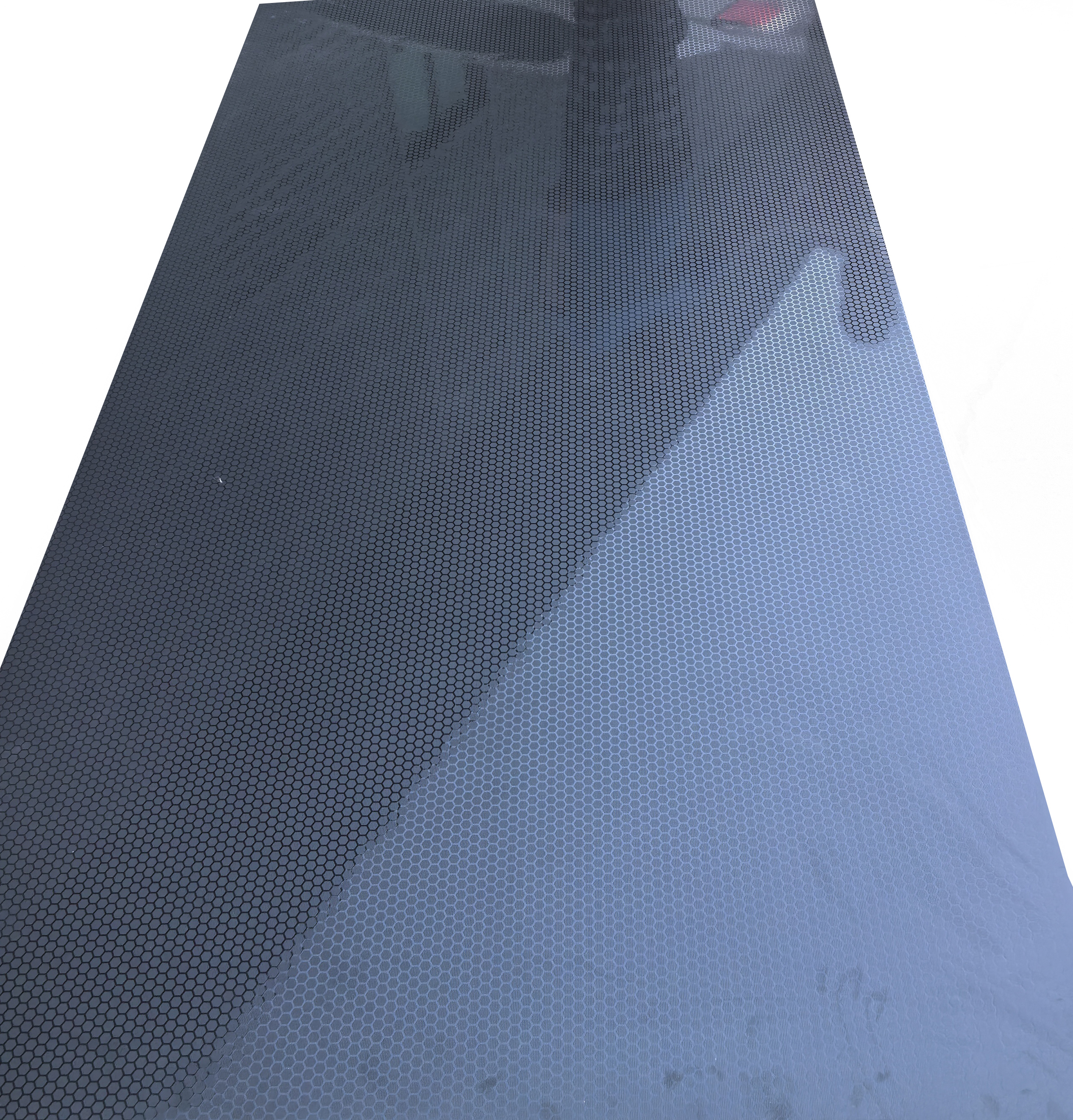
Factory Wholesale 18mm HPL Film Melamine Plywood Modern Design Style 1-Year Warranty E0 Standard Birch Laminated Plywood
18mm birch plywood with E0 standard and HPL/melamine film — a workhorse board for TV feature walls, joinery carcasses and structural fluted sections.
View specification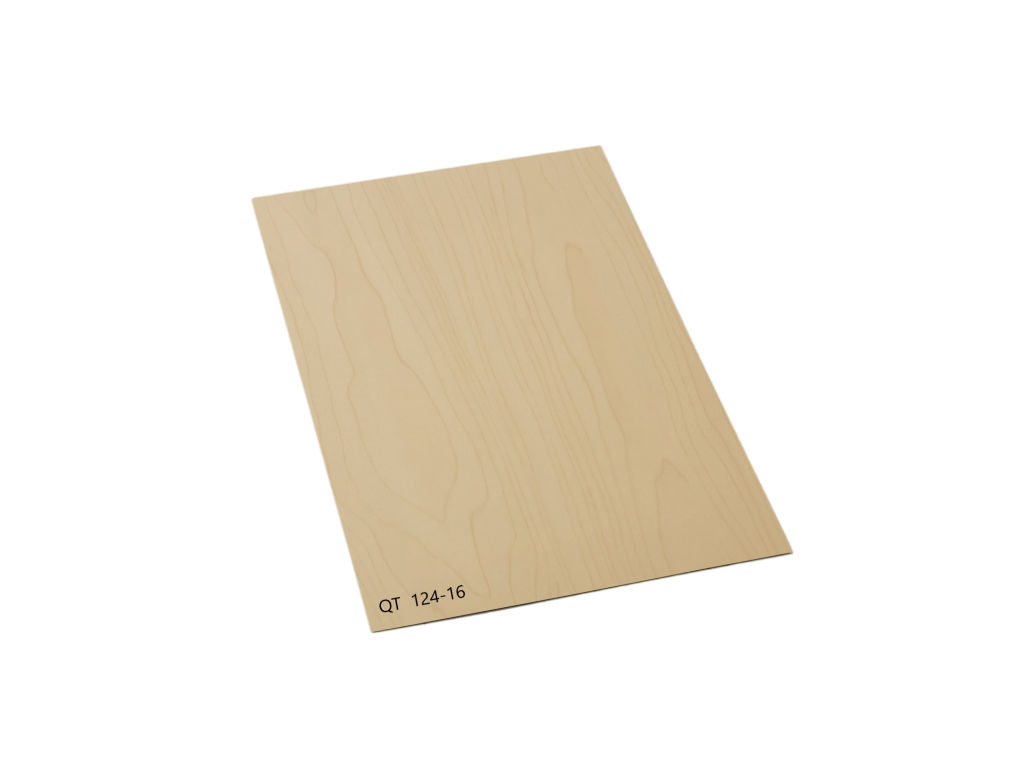
Light Wood Grain HPL Decorative Laminate Sheet Phenolic Resin Panel for Interior Wall and Furniture
The Scandinavian oak direction that dominates Turkish café and boutique retail interiors — phenol-resin HPL in a pale grain that reads clean under warm lighting.
View specification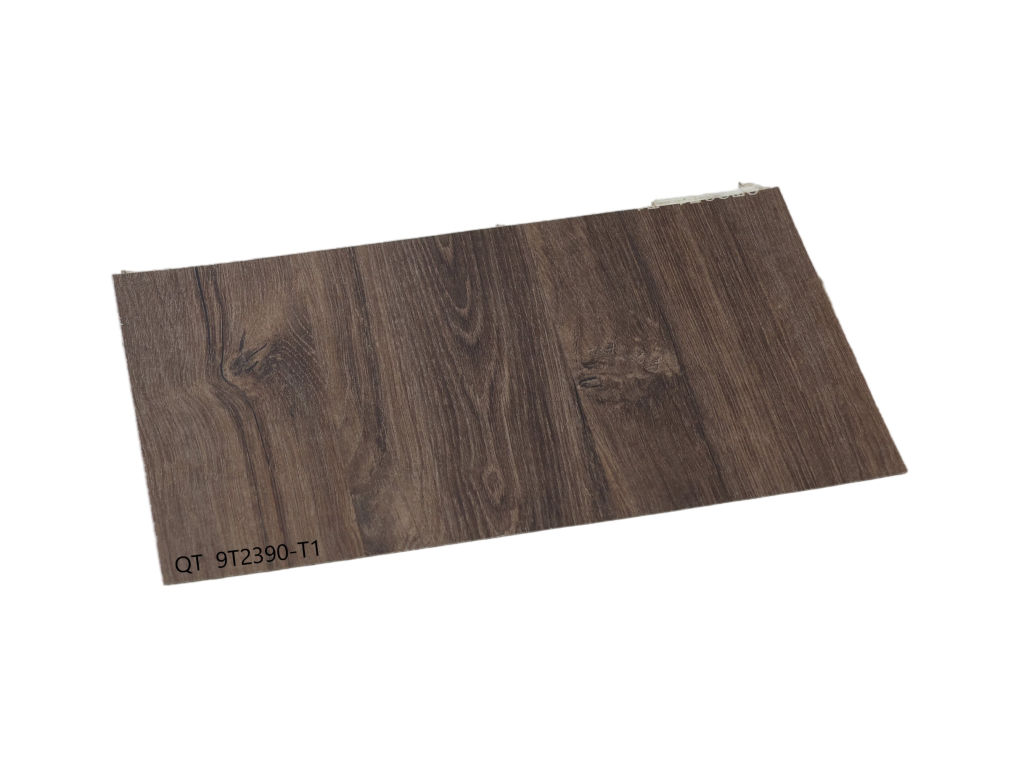
Dark Brown Decorative Panel HPL Sheet QT 9T2390-T1 Interior Wall Cladding
Deep brown walnut-effect laminate for hotel suites, reception desks and premium restaurant walls — a shade that hides finger marks better than matte black.
View specification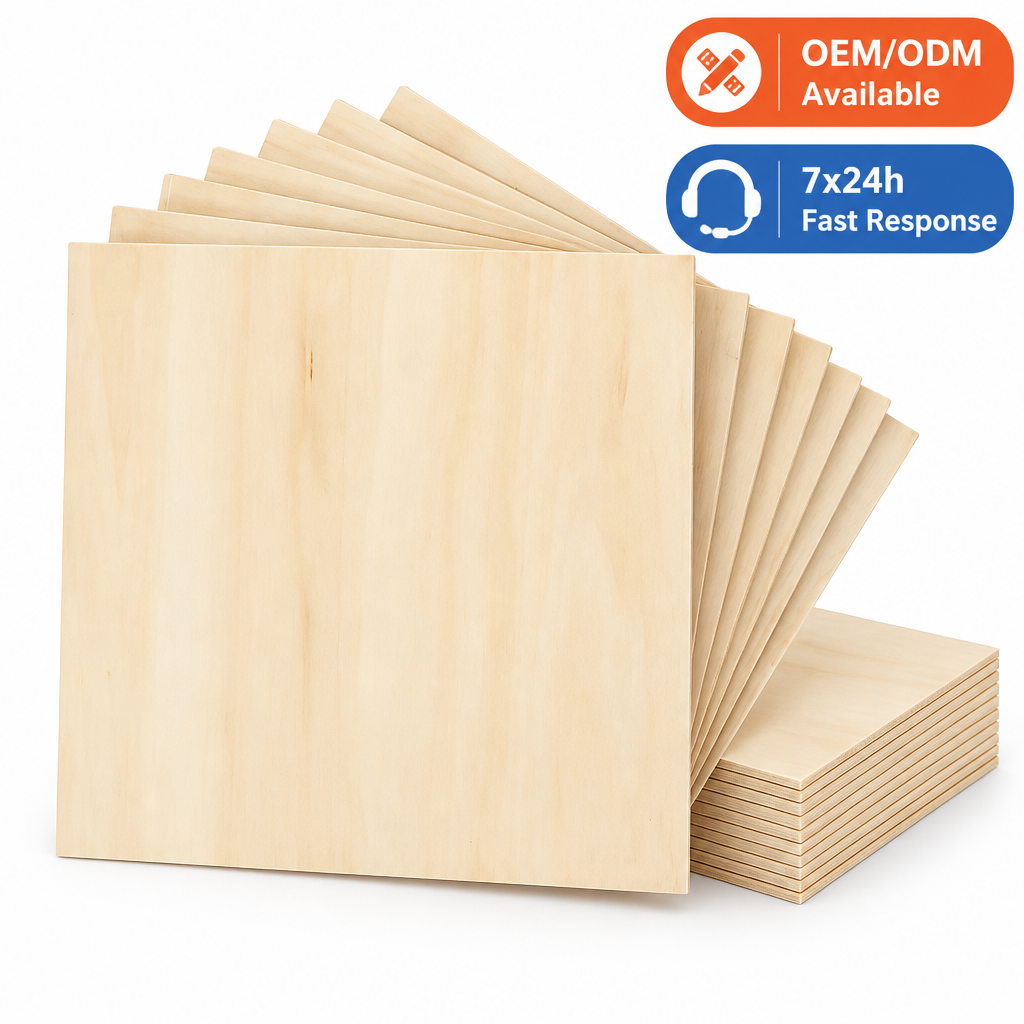
Eco-Friendly First-Class Basswood Plywood Sheet 12 X 12 X 1/8 Inch 3mm Sanded Polished Birch Veneer DIY Laser Cutting
3mm sanded basswood plywood with uniform veneers — used for laser-cut slat inserts, curved fluted detailing and sample mock-ups that need a clean, low-char edge.
View specificationWhat "Fluted Wall Panel" Really Means: You Are Buying A Layered System, Not A Single Board
In Turkey, the same product travels under several names: kanal panel, akustik panel, fitilli duvar paneli, or simply "fluted panel". The naming changes; the construction does not. A panel is a core — usually 12 mm to 18 mm MDF, HMR MDF, birch plywood or a lightweight honeycomb — machined with grooves at 20–35 mm pitch and 8–12 mm depth, then wrapped in a decorative surface. Some factories press the laminate first and CNC the grooves afterwards; others groove first and wrap the profile. The sequence decides whether the groove edges stay crisp after a Istanbul winter or a Bodrum summer, so a serious wholesaler will always ask which route the mill uses before quoting a price.
The surface layer is where after-sales complaints are born. A 0.7 mm high-pressure laminate carries an abrasion class in the AC3–AC4 range, resists coffee, wine, cleaning agents and ballpoint ink, and holds colour under the strong Aegean light far better than a melamine impregnated paper. HPL also post-forms, which matters for radius corners and for capping the exposed edge of a fluted panel cleanly. Melamine paper remains a legitimate choice for dry, low-traffic interiors — it is simply a different product at a different price point, and mixing the two on one purchase order without labelling them is how disputes start at the container door.
The core layer drives stability. Standard MDF is the cheapest route and performs acceptably in air-conditioned interiors, but it swells at cut edges when the relative humidity swings. HMR MDF (high moisture resistant) uses a modified resin that slows water uptake and is the minimum most Turkish hotel projects should accept for bathroom-adjacent walls, spa areas and coastal lobbies. Birch plywood brings screw-holding strength and resistance to the vibration of repeated fixing — the reason it appears in shop-fit and hospitality specifications where panels are removed for services access.
Finally, the adhesive layer. E1 is the baseline most Turkish importers already require; E0 is increasingly written into tenders for schools, hospitals and chain retail. Ask for the emission class in writing, and keep the test report attached to the commercial invoice file. Since 2023, compliance paperwork has become part of the purchase decision rather than an afterthought.
| Surface Option | Abrasion / Durability | Humidity & UV Behaviour | Relative Cost | Best Fit in Turkey |
|---|---|---|---|---|
| HPL 0.7 mm (phenolic) | AC3–AC4, impact and scratch resistant | Very good; colour-stable under UV | Medium–high | Hotels, cafés, chain retail, lobbies |
| Melamine impregnated paper | AC1–AC2, decorative only | Moderate; edge swelling risk | Low | Rental housing, dry offices, temporary fit-outs |
| Wood veneer + lacquer | Moderate; refinishable | Needs humidity control | Medium–high | Boutique retail, premium residences |
| PET / acrylic film | Good; fingerprint-resistant grades | Good, matt solid colours | High | Modern minimal kitchens, clinic interiors |
Specifications compiled from our active laminate and board listings. Confirm final tolerances, emission class and fire classification against your project specification before ordering.
Where Fluted Wall Panels Go In Turkish Projects
Turkey is not one climate and not one buyer. A panel specification that works in a Konya office rarely survives a Bodrum beach club unchanged. These are the six demand pockets our Turkish customers order for most often.
Istanbul Hotels, Cafés & Restaurants
High-traffic lobbies, breakfast rooms and specialty coffee bars where panels are touched, wiped and photographed constantly. HPL surfaces in warm oak or deep walnut tones, grooved at 25 mm pitch, are the standard brief; fire-rated plywood cores protect the corridor escape routes.
Antalya, Bodrum & İzmir Coastal Hotels
Salt air and summer humidity attack cut edges first. HMR MDF or birch plywood cores with phenolic HPL faces handle poolside bars, spa corridors and open-air restaurants; panels are usually fixed with ventilated sub-frames rather than direct adhesion.
Ankara & Central Anatolia Offices
Dry air and large temperature swings between day and night reward dimensionally stable cores. Light woodgrain HPL across reception and meeting-room walls keeps interiors bright through long, grey winters, while E0 cores satisfy public-sector tender language.
AVM Retail & Chain Stores
Shopping-centre fit-outs move fast and repeat the same design across cities. Branded colours, matched groove geometry and consistent batch-to-batch shade are more important than the last few dollars per sheet — a shade mismatch between two containers is a store-opening problem.
Post-Earthquake Reconstruction & Refurbishment
Rapid delivery programmes across the affected provinces need lightweight panels, fast dry-fix installation and low maintenance. Thin fluted sections over plywood or honeycomb cores reduce dead load and cut site labour, and pre-finished surfaces avoid wet trades on site.
Residential Feature Walls & Dealer Networks
TV walls and hallway features move through hırdavat dealers and Instagram-led installers rather than through architects. Dealers want small mixed orders, ready-cut 2.8 m lengths and colour cards they can hand to homeowners on the same day.
Four Shifts Reshaping How Turkey Buys Fluted Panels
Paper Is Losing Ground to HPL
Hospitality and retail buyers who previously accepted melamine paper are now specifying HPL for visible surfaces, driven by cleaning protocols introduced after the pandemic and by longer design cycles between refurbishments.
Two-Tier Buying Is Normal
One project uses premium HPL, the next uses Grade B stock. Importers increasingly ask for both in the same container so they can quote a flagship store and a value fit-out without opening two separate supply chains.
Compliance Moved Into the Brief
E1 as a default, E0 for schools and hospitals, fire classification for public buildings and CE-related documentation for export projects: Turkish buyers now ask these questions at quotation stage, not at loading.
Mixed Containers Replace Bulk Single-SKU
Smaller importers cannot absorb four full containers of one colour. Consolidated loads of HPL, HMR MDF, plywood and door cores let them reach container efficiency while keeping the colour range their dealers demand.
Quick Reference for Turkish Purchasing Teams
Typical specifications for the components that make up a finished fluted wall panel. Non-standard groove pitch, panel length and colour matching are available on request.
| Component | Typical Specification | Why It Matters in Turkey | Notes |
|---|---|---|---|
| Decorative HPL face | 0.7 mm; 1220×2440 mm; woodgrain, solid, matt, textured | Withstands café cleaning cycles and Aegean UV | Postforming grades available |
| HMR MDF core | 18 mm; 1830×2750 mm formats | Coastal and bathroom-adjacent walls | E1 / E0 options |
| Birch plywood core | 18 mm; 1220×2440 mm | Grooving, repeated screw fixing, humidity exposure | Best screw-holding strength |
| Groove geometry | 20–35 mm pitch; 8–12 mm depth; V or U profile | Visual consistency with dealer catalogue ranges | CNC tolerances confirmed on sample |
| Fire-rated build-up | FR HPL faced plywood; classification per project brief | Hotel corridors, public buildings, AVM fit-outs | State the required class at inquiry |
| Light / dark woodgrain ranges | Pale oak and deep walnut effects | Matches the two dominant Turkish interior directions | Colour cards available on request |
| Thin laser-cut plywood | 3 mm basswood; uniform veneers | Slat inserts and curved detailing | Clean, low-char cut edge |
Specifications compiled from our current product listings. Final tolerances and certificates are confirmed on the formal quotation.
Why Turkish Wholesalers and Contractors Place Orders With Fipdm
Linyi Fipdm Import And Export Co., Ltd. is a verified trading company and multispecialty supplier based in Linyi, Shandong — the largest wood-based panel cluster in China. We consolidate laminates, fibreboards, flakeboards, plywoods and new material boards from vetted partner mills into one accountable supply chain.
Intertek-Verified Supplier
Our company has been assessed on site by a third party. Buyers evaluating a first order can review the verification status instead of relying on a self-declared profile.
Two-Stage Quality Control
Material inspection at the partner mill, then finished-board inspection for thickness, surface, groove finish and edges before loading. Loading photographs are shared with every shipment.
Multi-Category Consolidation
HPL sheets, HMR MDF, birch plywood, LVL and door cores can share one container — the structure most Turkish importers need to hit volume while keeping their colour range broad.
Flexible Customization
Minor customization (logo, packaging, graphics), sample-based, design-based and full customization, plus ODM development for distributors building their own private label range.
Low-Emission Board Supply
E1 and E0 grades are available across the MDF and plywood lines, matched to the destination market standard you declare at inquiry stage.
Export-Ready Logistics
Seaworthy pallet packing, export documentation support and consolidated loading plans for Turkish ports, with engineer support for installation questions on cladding and partition projects.
Three buying mistakes we see on Turkish fluted panel orders
- Grooving after lamination without stress relief. Deep V-grooves cut into a finished HPL face can telegraph micro-cracks along the groove line in dry Anatolian interiors. Confirm the mill relieves and cleans the groove before packing.
- Accepting melamine paper in a "HPL" quotation. The two surfaces look identical in a sample photograph and behave completely differently after two summers of cleaning. Ask for the thickness in millimetres, not the trade name.
- Ignoring container humidity. Panels that leave Linyi at 8% moisture content can arrive warped if the container sits on a quay in August. Specify kiln-dried cores and moisture-checked loading, and request the reading before the doors close.
Questions Turkish Buyers Ask Before the First Order
Are you a manufacturer or a trading company?
We are a verified trading company and multispecialty supplier. Linyi Fipdm Import And Export Co., Ltd. sources from vetted partner mills in Linyi and runs on-site material inspection plus finished-product inspection before each shipment. For Turkish importers this usually means one accountable contact across HPL, MDF, plywood and door cores instead of five separate mill relationships.
What documentation can you provide for Turkish customs and project handover?
Commercial invoice, packing list, bill of lading and certificate of origin are standard. Product-level documents such as factory test reports and, where requested, third-party test reports for emission class or fire performance can be arranged against the order specification. Tell us at inquiry stage which documents your customs broker and project consultant require, because some reports carry lead time.
How long does shipping to Istanbul, Mersin or İzmir take?
Sea freight from Chinese ports to Turkish ports typically runs about 30–40 days depending on the sailing, the port pair and the season, with inland delivery added on top. We confirm the estimated transit time on the quotation so your project schedule is built on a real date rather than an assumption.
What is the minimum order and can I mix products in one container?
Mixed loads are a core part of our service. A typical consolidated container might combine HPL sheets, HMR MDF for kitchen counters, birch plywood for fluted panel cores and a small quantity of door core board. Share your target quantities and we will build a loading plan that reaches container efficiency without forcing you into four full containers of one SKU.
Can fluted panels with HPL faces be used in humid coastal hotel areas?
Yes, with the right core and fixing method. Specify HMR MDF or birch plywood rather than standard MDF, keep a ventilated sub-frame instead of direct adhesion to a damp wall, seal cut edges on site, and avoid locating panels directly inside shower enclosures. We will confirm the recommended build-up against your wall detail.
How do you control colour variation between containers?
Colour is controlled at the laminate batch level, not at the panel level. For repeat projects we record the decor code and batch reference on the quotation, and where a project spans multiple shipments we reserve material from a single production run. Physical colour cards can be sent ahead of the order so your designer approves the actual shade.
Do you groove the panels, or do we machine them in Turkey?
Both routes are possible. Many Turkish converters prefer to import flat HPL-faced board and CNC the grooves locally so they can control pitch, depth and profile for each client. Others ask for grooved panels to reduce workshop time. We quote either configuration — just state the groove pitch, depth and profile on the inquiry.
What are your payment terms?
Standard terms are a T/T deposit with the balance settled before shipment, and letter of credit arrangements can be discussed for established repeat buyers. Final terms are confirmed in the formal quotation and proforma invoice, together with the inspection and loading schedule.
Send Your Fluted Panel Specification Before the Next Price Move
Share the groove pitch, core type, surface decor, emission class and target quantity. Our export team replies with matched options, loading plans and documentation requirements for your Turkish project.