Black Core MDF and Companion Panels for Al Hudaydah Buyers
The eight products below reflect a practical export mix: black MDF/HPL cabinet panels, HPL-faced plywood, marine-grade decorative boards and thin HPL surfaces. They are often consolidated with black core MDF because Al Hudaydah buyers need coordinated colours, reliable surfaces and container-efficient loading.

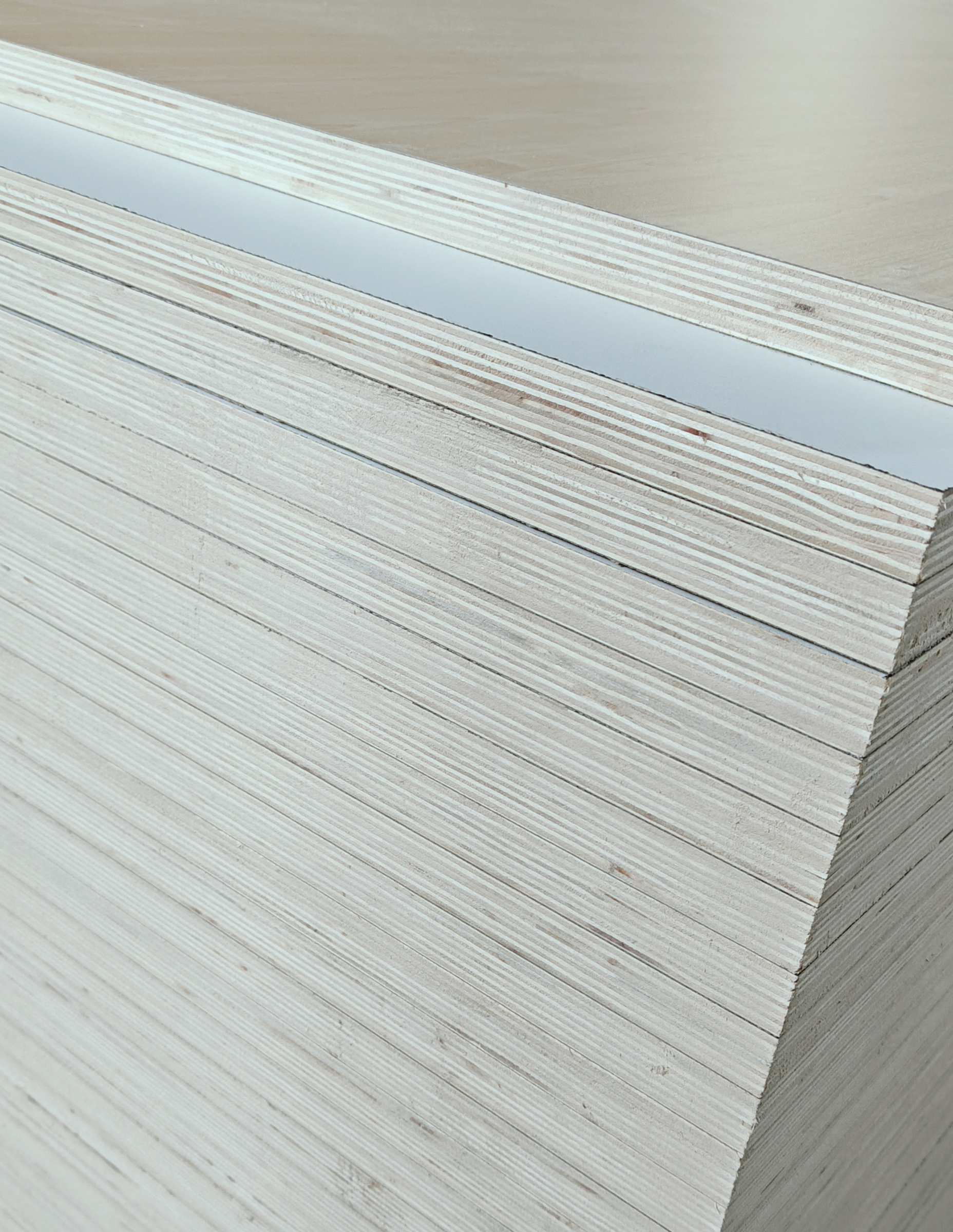
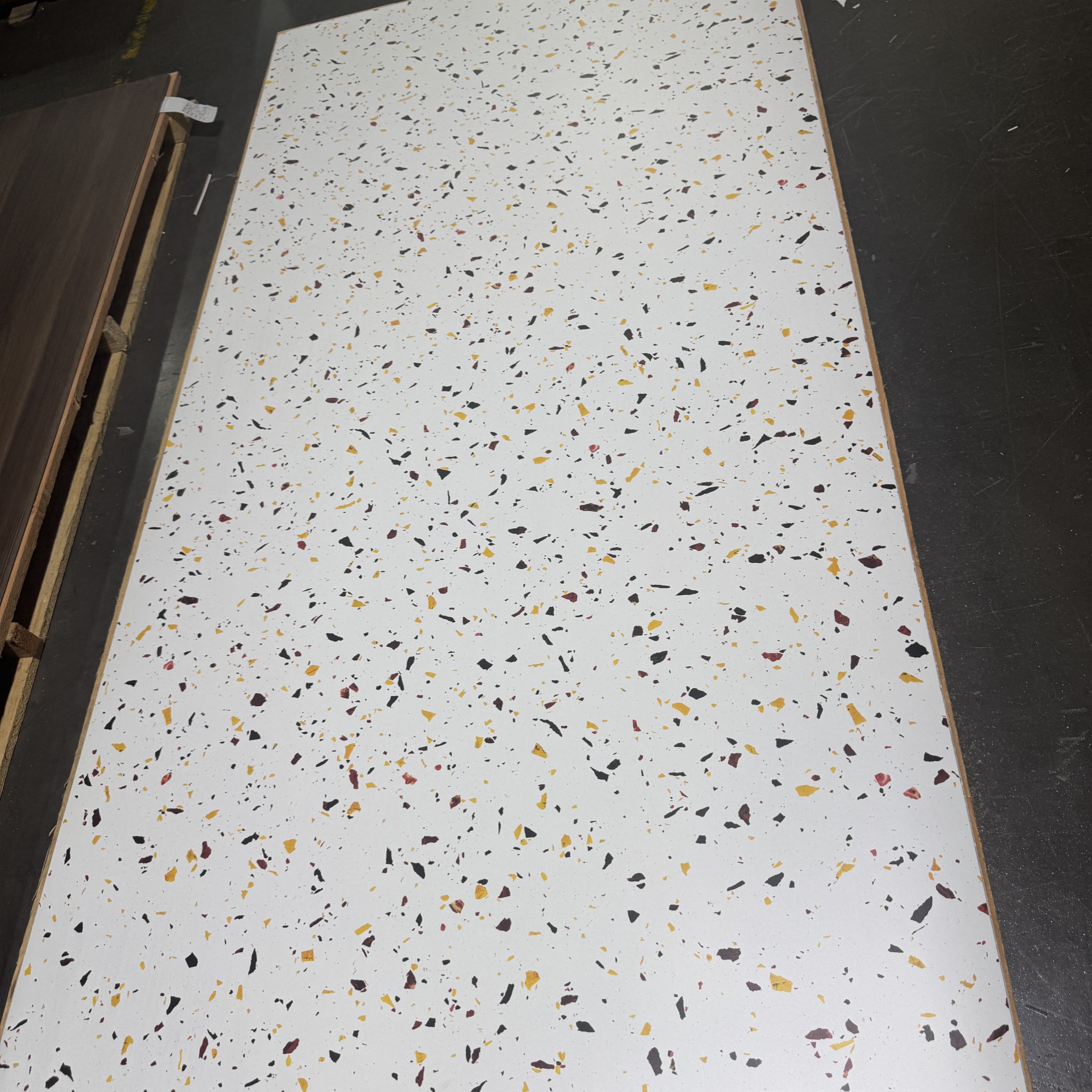
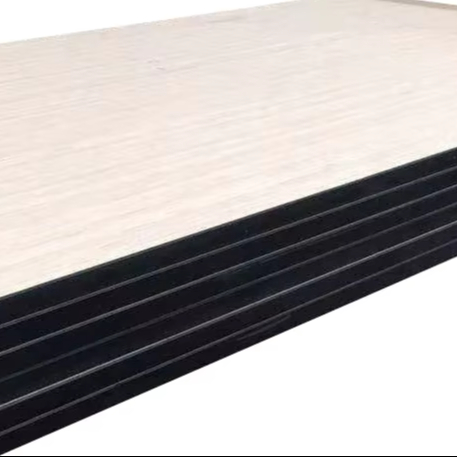
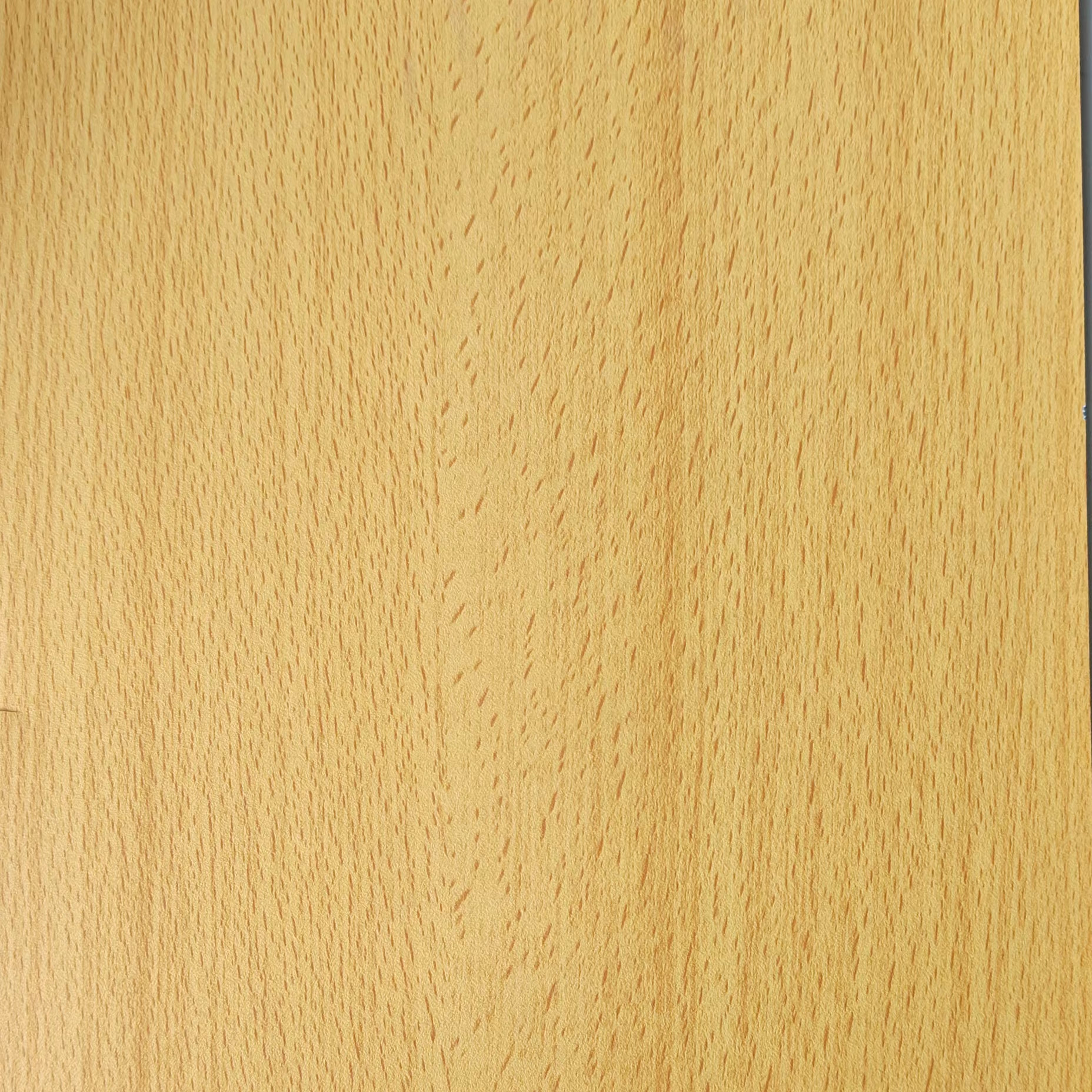

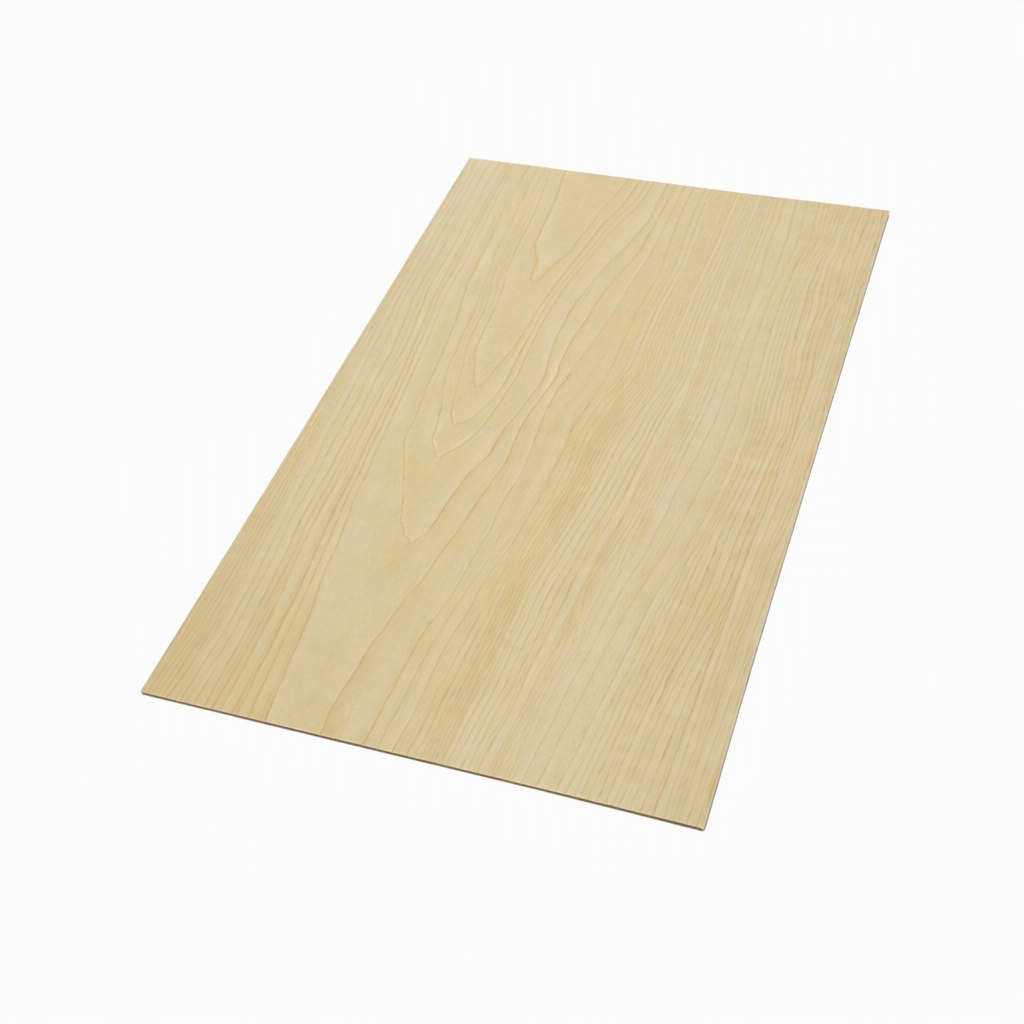
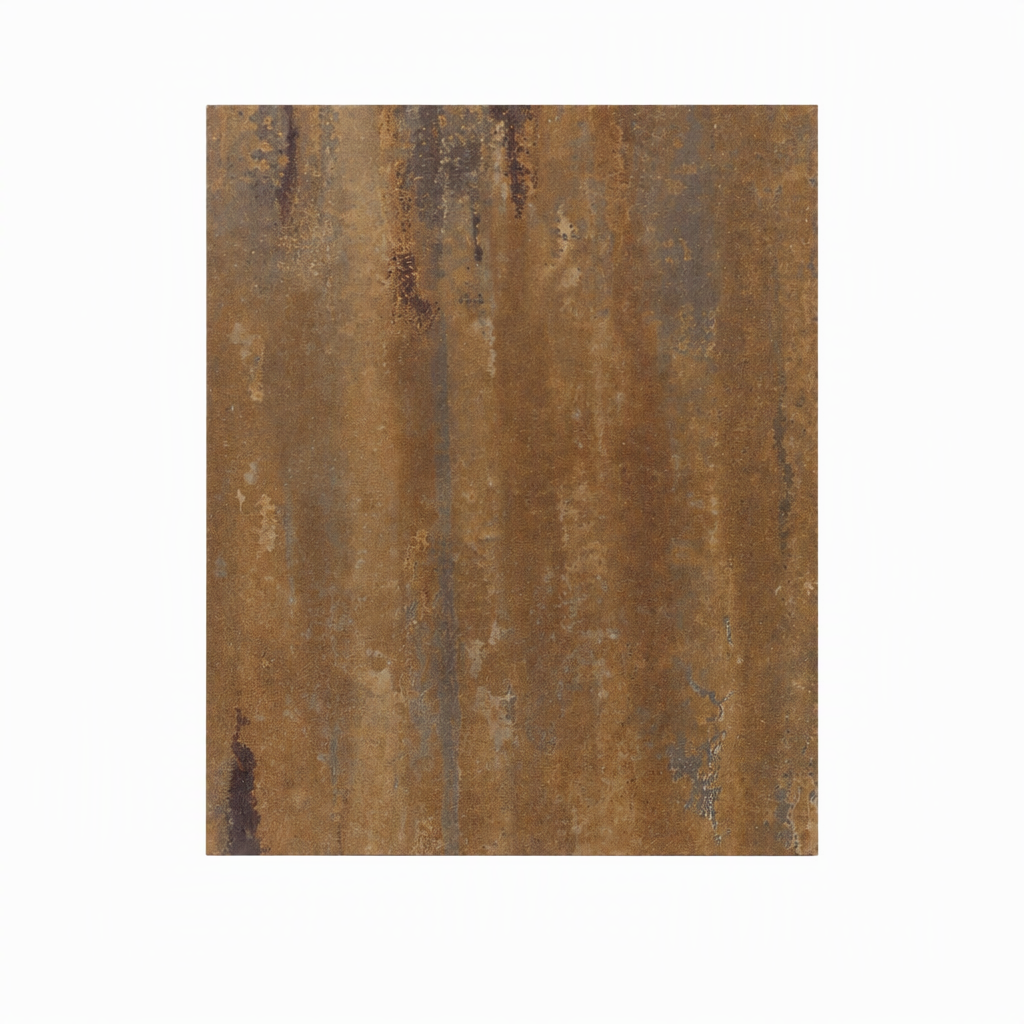
Product links are preserved from the original catalogue. Final thickness, core colour, surface finish, formaldehyde class and packing are confirmed at quotation.
Why Al Hudaydah Buyers Need a Separate Black Core MDF Specification
Al Hudaydah is not a generic destination for engineered wood panels. The port city’s hot, humid Red Sea climate, salt-laden air and long inland distribution routes place a premium on boards that resist edge swelling, surface telegraphing and screw-holding loss. For importers, joiners and project buyers, black core MDF is attractive for exposed-edge cabinetry, routed panels and decorative joinery, but the dark core is only one part of the specification. The real question is whether the board is dimensionally stable, correctly sanded, made with the right resin system and packed for a sea voyage.
Humidity changes the failure mode
In coastal Al Hudaydah, ordinary MDF may perform acceptably in an air-conditioned showroom and poorly in a workshop, warehouse or bathroom cabinet. Buyers should specify moisture-resistant resin, sealed edges and a surface system that limits water ingress. The core colour is not the moisture rating.
Port logistics reward mixed loads
Al Hudaydah importers often prefer to combine MDF with HPL, compact laminate, plywood and door components in one container. This reduces freight exposure and improves stock variety, but it also means the exporter must be capable of multi-category consolidation and consistent packing.
Machining quality is a buying criterion
Black core MDF is often routed, drilled, edge-banded or faced with HPL. A sample that photographs well is not enough. Ask for CNC trial results, edge finish, screw-holding performance and HPL adhesion checks so your workshop is not solving avoidable problems after the container arrives.
What Black Core MDF Is, and What the Colour Does Not Guarantee
Black core MDF is a medium-density fibreboard in which the fibre and resin mix is pigmented through the core, producing a dark cross-section. It is not the same as black HPL, black melamine paper or a black-painted face. The colour can be useful where routed edges, exposed shelf edges or dark joinery are intentionally visible. It does not, by itself, make the board waterproof.
What buyers are actually purchasing
A black core MDF specification should describe the full board, not just the core shade: fibre type, density, resin system, wax or moisture additive, thickness tolerance, sanding grade, formaldehyde emission class, surface quality and packing method. For Al Hudaydah, the most useful specification is a moisture-conscious black core MDF with a consistent, closed surface for lamination, painting or direct use.
Where the board will be used in cabinets, wardrobes or reception counters, confirm how the edges will be sealed. In humid conditions, unprotected edges are usually the first point of failure, even when the face looks acceptable.
What to put in writing before ordering
- Core colour and batch consistency
- MR or HMR performance claim
- Typical density range and thickness tolerance
- E0 or E1 formaldehyde class
- Sanding grade and surface absorption
- HPL or melamine bond specification
| Buyer term | What it means in practice | Why it matters for Al Hudaydah |
|---|---|---|
| Black core | Pigmented fibre/resin core; a visual and processing characteristic. | Useful for exposed edges and routed details, but not a substitute for moisture-resistant specification. |
| MR / HMR | Moisture-resistant or high-moisture-resistant board construction. | Helps manage humid coastal interiors, kitchens, bathrooms and workshop storage. |
| E0 / E1 | Formaldehyde emission classes; confirm the exact test standard and report. | Important for indoor furniture, hotels, offices and retail fit-outs. |
| HPL faced | A decorative high-pressure laminate surface bonded to a substrate. | Provides cleanable, wear-resistant faces for cabinets, counters and wall panels. |
| Density | Mass per unit volume, usually discussed in a typical range rather than one fixed number. | Influences screw-holding, machined edges and perceived solidity; always confirm with the supplier. |
Specification guidance is for procurement planning. Confirm final performance claims, test reports and tolerances with the supplier before ordering.
Where Black Core MDF Fits in Al Hudaydah Projects
Black core MDF is most persuasive when the application rewards a stable substrate, a clean machined edge or a dark core that supports a particular design language. These are the six application scenarios most relevant to importers, furniture workshops, contractors and fit-out buyers serving Al Hudaydah and the wider Yemeni market.
Kitchen and bathroom cabinetry
Use black core MDF where carcasses, drawer fronts or open shelving need a consistent substrate and a dark edge detail. In Al Hudaydah’s humid climate, specify MR/HMR behaviour, moisture-barrier packing and sealed edges. HPL or melamine faces improve cleanability, but the substrate must still be suitable for the wet area.
Wardrobes and bedroom systems
Black core MDF can be used for wardrobe sides, shelves, door substrates and integrated dressing tables. The board should be flat, stable and suitable for edge banding. For project buyers, batch colour consistency matters because one apartment tower or hotel floor may require repeat production over several months.
Shopfitting and retail displays
Retail units, reception desks and display plinths often use routed MDF with HPL faces. Black core MDF gives a clean, dark edge when exposed and can reduce the visual need for thick edge banding. For Al Hudaydah retail projects, specify impact-resistant surfaces and a substrate that can accept fixings without crumbling.
Door skins and flush-door components
MDF is widely used as a door-skin substrate because it accepts painting and laminating well. Black core MDF can be specified where the door edge or reveal is designed to show a dark core, but for standard painted doors the priority is flatness, sanding quality and low surface porosity rather than colour alone.
CNC feature walls and counters
Routed wall panels, decorative screens and reception counters benefit from a uniform core that machines cleanly. Buyers should request a sample routed with the same cutter and feed rate used in their workshop. This is a practical information-gain check: a good press sample can still machine badly if the board is too soft or poorly sanded.
Hospitality and office furniture
Hotels, cafés, offices and clinics require repeatable board quality across tables, desks, storage and wall linings. A mixed order of black core MDF, HPL-faced plywood and compact laminate can support the whole fit-out. The exporter’s ability to inspect and consolidate categories is often more valuable than a small unit-price difference.
Trends Shaping Black Core MDF Buying for Al Hudaydah
Purchasing behaviour in Al Hudaydah is being shaped by climate adaptation, shipping economics, project quality expectations and the need for better pre-shipment evidence. These trends are not abstract; they change how importers compare Chinese manufacturers and exporters.
Humidity-led specifications
Buyers are moving from “MDF” as a single category to moisture-conscious MDF, HMR MDF and sealed-edge systems. Coastal projects increasingly ask for HPL or laminated faces in wet zones instead of unprotected board.
Mixed-container consolidation
Instead of buying one board type in isolation, importers combine black core MDF with decorative HPL, plywood, compact laminate and door cores. This improves stock flexibility and helps reach full-container efficiency.
Pre-shipment traceability
Photographs of finished panels, edge details, random thickness checks and loading progress are becoming part of the buying decision. A supplier who cannot document the batch is harder to trust from a distance.
Low-emission interiors
E0 and E1 formaldehyde grades are increasingly requested for homes, hotels, offices and clinics. Buyers should ask for the test report and confirm that the declared grade matches the destination specification.
Illustrative procurement priorities
Relative importance reported by typical project buyers, shown as an illustrative sourcing guide rather than a statistical survey.
What this means commercially
The lowest quoted price per sheet is rarely the lowest landed risk. A black core MDF quotation should be compared on thickness tolerance, surface quality, moisture performance, packing, inspection evidence and the supplier’s ability to combine products without creating delays.
For Al Hudaydah importers, the strongest supplier is usually the one that can answer technical questions in writing, show consistent samples and explain exactly how the boards will be protected before they reach the port.
How to Compare China Black Core MDF Manufacturers and Exporters
Google searches for “China best black core MDF manufacturers” often surface directory listings, trade-company pages and mill profiles with similar claims. A professional buyer should separate a genuine manufacturing relationship from a generic trading listing, then score each supplier against the evidence you actually need.
| Evaluation area | Evidence to request | Warning sign |
|---|---|---|
| Mill relationship | Mill name or production partner, product line, batch identification and inspection access. | No traceability beyond a product photo and a generic price list. |
| Core consistency | Cross-section photos of three random boards from the same batch, plus a physical sample. | Only one polished sample is offered; colour varies heavily between pieces. |
| Moisture performance | Resin or MR claim, test method, edge-sealing guidance and storage recommendations. | “Waterproof” is claimed without a test method or material description. |
| Surface and bonding | Sanding grade, HPL adhesion check, surface absorption data or workshop trial sample. | No information on how the board performs after lamination or painting. |
| Formaldehyde class | E0 or E1 test report with the standard and date clearly shown. | The grade is mentioned in marketing copy but no document is available. |
| Packing and loading | Seaworthy pallet design, corner protection, moisture barrier, container loading photos. | Packing is described only as “standard export packing” with no detail. |
| Mixed-category capability | Written confirmation that MDF, HPL, plywood and compact laminate can be combined. | The supplier becomes vague when multiple product families are requested. |
| After-sales response | Named contact, response time, complaint procedure and technical escalation route. | Only a generic sales inbox and no ownership of quality issues. |
A practical decision rule
Use “best” to mean best fit for the project, not an unverified superlative. A supplier that is excellent for 2,000 sheets of standard black core MDF may be the wrong partner for a mixed load of 18 mm HPL-faced plywood, 12 mm compact laminate and door cores. Match the supplier’s evidence to the complexity of your order.
Questions that reveal real capability
- Which mill will produce this batch?
- How will you check core colour consistency?
- What happens if thickness varies across the stack?
- Can you show loading photos and seal details?
Before a Black Core MDF Container Leaves China
A credible export programme treats inspection as a sequence of checkpoints, not a final photograph. The process below reflects the inspection logic used for panel sourcing in Linyi and can be adapted to Al Hudaydah orders.
- 01
Specification lock
Confirm size, thickness, density range, core colour, MR grade, formaldehyde class and surface finish in writing.
- 02
Material check
Review the raw board or mill batch before production; check core colour, sanding and obvious defects.
- 03
Production monitoring
Monitor caliper, surface quality, edge condition and face bonding where laminated panels are being produced.
- 04
Finished-product inspection
Random sample thickness, squareness, surface, edges and packing before the container is sealed.
- 05
Loading and documents
Share loading photos, packing details, container seal information and export documents for buyer review.


Why Linyi Fipdm Is a Practical Export Partner for Al Hudaydah
Linyi Fipdm Import And Export Co., Ltd. is a verified trading company and multispecialty supplier based in Linyi, Shandong, the largest wood-based panel cluster in China. We are not a single-mill sales office. Our role is to qualify partner mills, consolidate categories and hold the agreed specification across shipments. That model is useful for Al Hudaydah buyers who may need black core MDF alongside HPL-faced plywood, compact laminate, HMR MDF, LVL or door cores.
Our public profile includes Intertek supplier assessment, a 5.0 buyer rating, a #4 top-selling supplier ranking in the Plywoods category and nine years of industry experience. The team is intentionally focused: eight dedicated staff coordinate sourcing, inspection, documentation and export follow-up so buyers have one accountable contact rather than a chain of unrelated suppliers.
- On-site material inspection
- Finished-product inspection
- Supplier assessment procedures
- ODM and full customization
- Multi-category container consolidation
- Export documentation and loading photos
Two-stage quality control
Material checks at the partner mill and finished-board inspection for thickness, surface and edges before loading. This helps catch batch variation before the container is sealed.
Flexible customization
Minor customization for logo, packaging and graphics, sample-based development, design-based customization and full ODM support for distributors building their own panel range.
One-container multi-category sourcing
Combine black core MDF, HPL, compact laminate, plywood, LVL and door cores in one shipment. This reduces freight administration and helps importers maintain a broader stock profile.
On-site technical support
Engineer support can be discussed for installation guidance on cladding, partition and furniture projects, particularly where HPL and compact laminate are used together.
E0 and E1 board options
MDF and plywood can be supplied in E1 and E0 grades depending on the product line. Share the destination market standard so the correct board and documentation can be matched.
Export-ready logistics
Export documentation, seaworthy pallet packing and loading photos are part of the service. The objective is fewer surprises between the Linyi warehouse and the Al Hudaydah port.
Black Core MDF and Companion Panel Reference
Use this table as a starting point for an Al Hudaydah enquiry. Final sizes, thicknesses, colours and certifications must be confirmed on the quotation and order confirmation.
| Product family | Typical thickness / size | Core and face options | Best-fit use in Al Hudaydah | Buying note |
|---|---|---|---|---|
| Black core MDF, plain | Common furniture thicknesses; 1220×2440 mm and project sizes | Pigmented core; sanded face; paint or laminate ready | Exposed-edge joinery, routed panels, cabinet components | Specify MR performance and thickness tolerance separately from colour. |
| Black core MDF with melamine | Project-dependent; confirm with the supplier | Black core with decorative melamine face | Wardrobes, shelving, office storage and shopfittings | Check face adhesion, edge sealing and colour match. |
| Black core MDF with HPL | Commonly used in cabinet and counter substrates | Black core with high-pressure laminate face | Kitchen cabinets, reception counters, wet-area furniture | Discuss HPL grade and edge protection for humid service areas. |
| HMR MDF | 1830×2750 / 2100×2800 / 1830×3660 mm options | High moisture resistance; melamine or UV painted | Door skins, bathroom and kitchen furniture | Useful where moisture resistance is more important than black core appearance. |
| HPL-faced plywood | 9–21 mm; 4×8 ft options | Birch, poplar or pine core; decorative HPL face | Furniture, wall panels, counter substrates, marine interiors | Check face grade, core void tolerance and edge sealing. |
| Compact laminate | 3–20 mm; 12 mm is a common project thickness | Solid phenolic core; decorative surface | Toilet partitions, lockers, lab worktops, table tops | Not a direct substitute for MDF; compare application and fixing method. |
| Exterior HPL | Thin cladding sheets and composite panels | Weather and UV-resistant decorative surface | Facades, balconies, hospital walls and outdoor furniture | Confirm UV performance, fixing system and substrate compatibility. |
| Decorative HPL sheet | 0.7 mm and 0.8 mm options | Wood grain, solid colour, stone look, textured and matt finishes | Furniture faces, wall panels and cabinet doors | Order sufficient batch quantity for colour consistency across a project. |
The table is a procurement aid, not a certification. Confirm the exact technical data sheet, test report and application suitability for each order.
Frequently Asked Questions from Al Hudaydah Buyers
These are the questions that most often arise when importers, furniture factories and project buyers compare Chinese black core MDF manufacturers and exporters for Al Hudaydah delivery.
Both models exist. Some are mills, some are trading companies working with qualified mills, and some are mixed operations. What matters is whether the supplier can name the production relationship, control the specification and provide inspection evidence. Linyi Fipdm Import And Export Co., Ltd. is a verified trading company and multispecialty supplier; we source from vetted partner mills and coordinate inspection before shipment.
No. Black core describes the pigmented core, not the water resistance. For humid Al Hudaydah interiors, you should separately specify MR or HMR performance, suitable face material, sealed edges and correct storage. Ask for the test method behind any moisture-resistance claim.
Many furniture workshops use 18 mm for cabinet carcasses and door substrates, with thinner boards for backs and drawer bottoms. The correct choice depends on the design, hardware, span and expected load. For humid areas, thickness alone is not enough; board type, edge sealing and surface protection matter too.
Yes, mixed-category loading is a core part of the service for many importers. One container might include black core MDF, HPL-faced plywood, compact laminate and decorative HPL sheets. Send the target quantities and application so the loading plan and packing can be checked before production.
Typical evidence includes material checks at the partner mill, finished-product inspection, thickness and surface photos, edge details, packing photos and container loading photos. Third-party inspection can be discussed where the project requires an additional layer of verification.
Keep a signed reference sample from the approved batch, request cross-section photos from the production batch and confirm that the same face material and press parameters are used. For large projects, reserve sufficient material in one production run rather than spreading the order across multiple small batches.
Send Your Black Core MDF Specification for an Al Hudaydah Quote
Share your target thickness, board size, core colour, MR or HMR requirement, formaldehyde class, face material, quantity and mixed-container plan. Our export team will match the specification with suitable panel options and confirm the inspection and packing details before you commit.
Get a Quote