CE Certified White Melamine Chipboard Exporter & Wholesalers in the Gdańsk Market
A practical sourcing guide for distributors, joinery workshops, fit-out contractors and specifiers comparing low-emission white melamine-faced chipboard, HPL, plywood, MDF and decorative panels for Pomeranian projects.
Get a QuoteWhite melamine chipboard and eight companion panels for Gdańsk orders
Gdańsk buyers rarely stop at one board. White melamine-faced chipboard is the volume workhorse for cabinet carcases, shelving and fit-out; HPL, plywood, MDF and compact laminate support worktops, wet areas, doors and feature surfaces. The eight products below keep their original catalogue URLs so procurement teams can compare specifications, then consolidate the right mix in one container. If your brief is limited to CE-certified white melamine chipboard, send the target thickness, emission class, surface finish and monthly volume through the quote button.
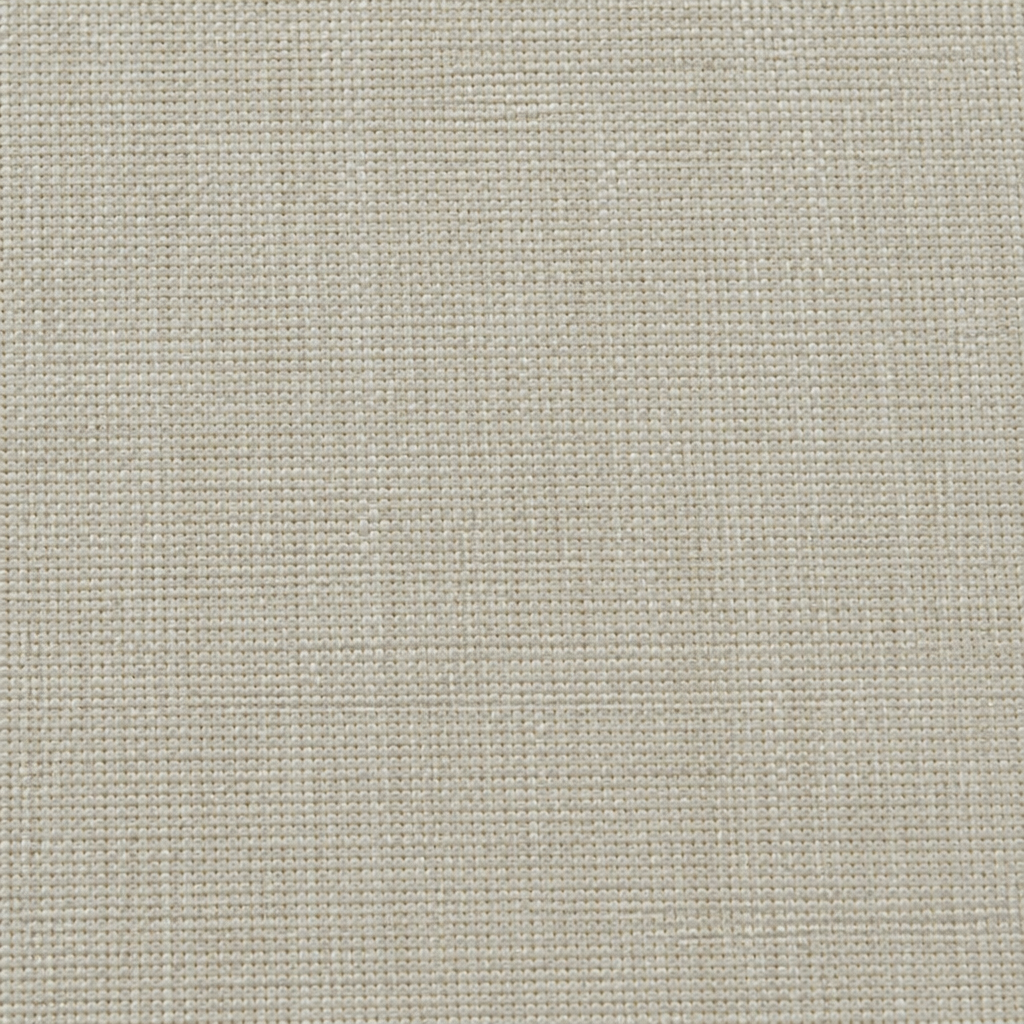
1830*3660mm Light Beige Gray Waterproof Fire Resistant Decorative Laminate Sheet
Large-format decorative laminate for feature walls, wet-area panels and project surfaces where fire-resistant positioning is part of the specification.
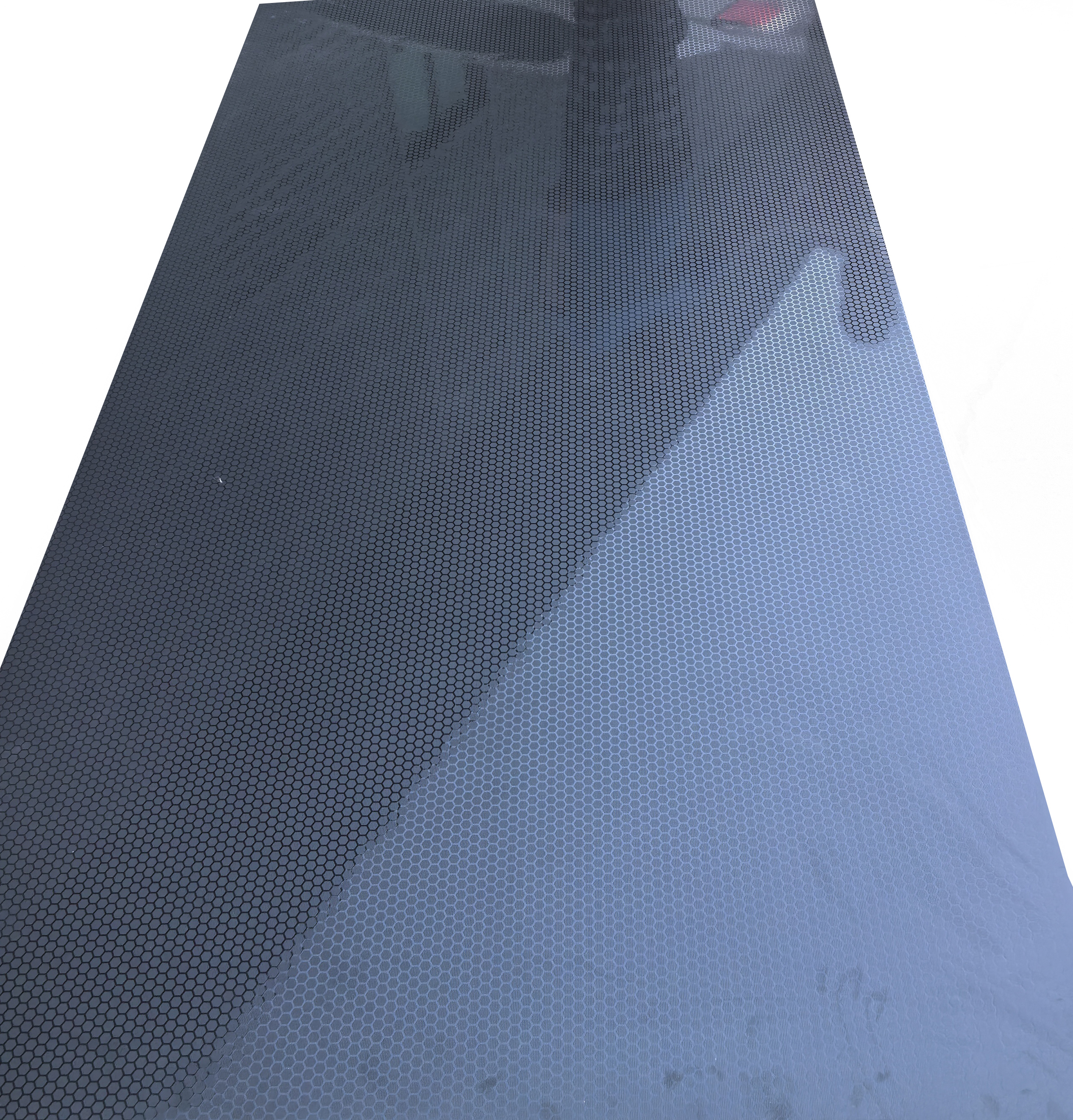
Factory Wholesale 18mm HPL Film Melamine Plywood Modern Design Style 1-Year Warranty E0 Standard Birch Laminated Plywood
Birch-core melamine plywood for furniture, cabinetry and fit-out components that need a stronger core and a clean decorative face.
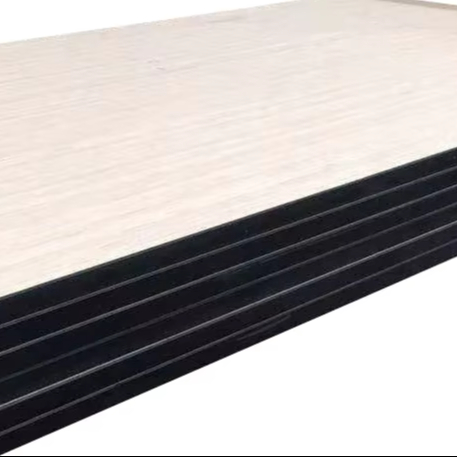
Best Price 1220x2440mm 1300X2800MM HPL Plywood HPL LAMINATE BLACK MDF for Cabinets Bathroom Cabinet Black Plywood
Dark decorative panel options for bathroom cabinets, retail counters and contrast interiors where moisture performance and visual depth matter.
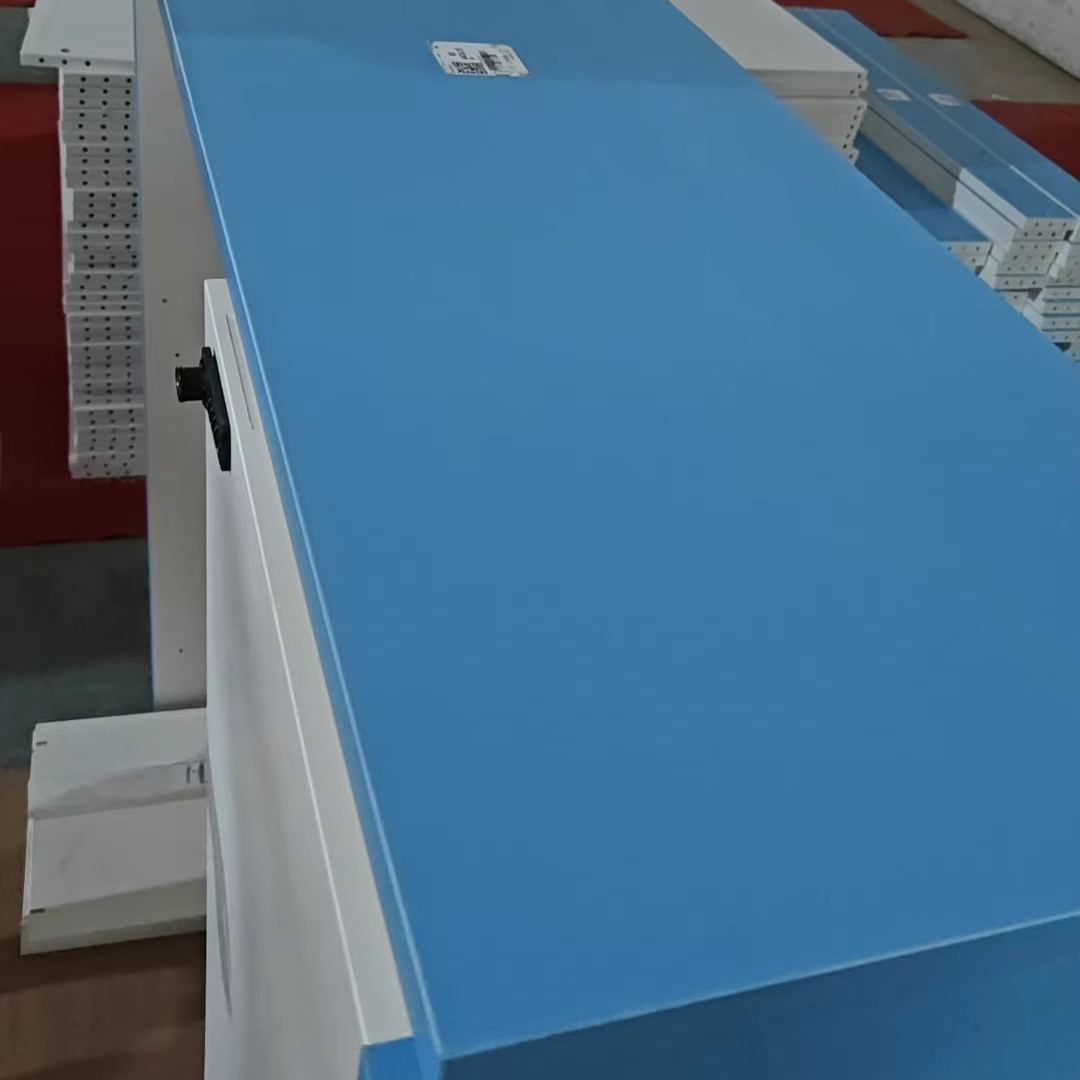
Linyi Hpl Melamine Board Plywood Sheet 18mm 15mm Melamine Board Hpl Laminated Furniture Board
A practical 15 mm and 18 mm board family for shelving, wardrobe internals, cabinet backs and general furniture production.
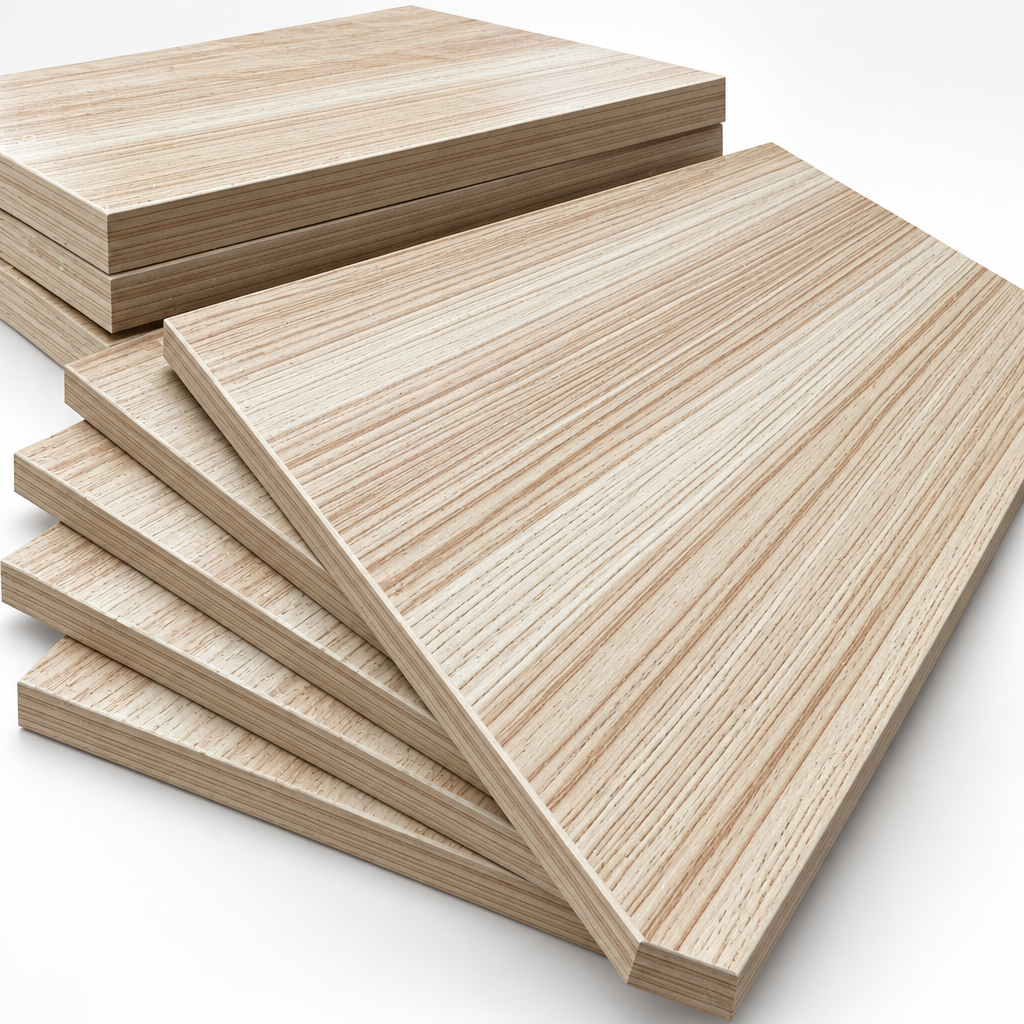
In Stock Wear-Resistant High Pressure Laminate HPL Plywood Sheets for Modern Kitchen Cabinets and Wooden Furniture Panels
Wear-resistant decorative faces for kitchen cabinets, utility furniture and high-touch surfaces in busy residential and hospitality interiors.
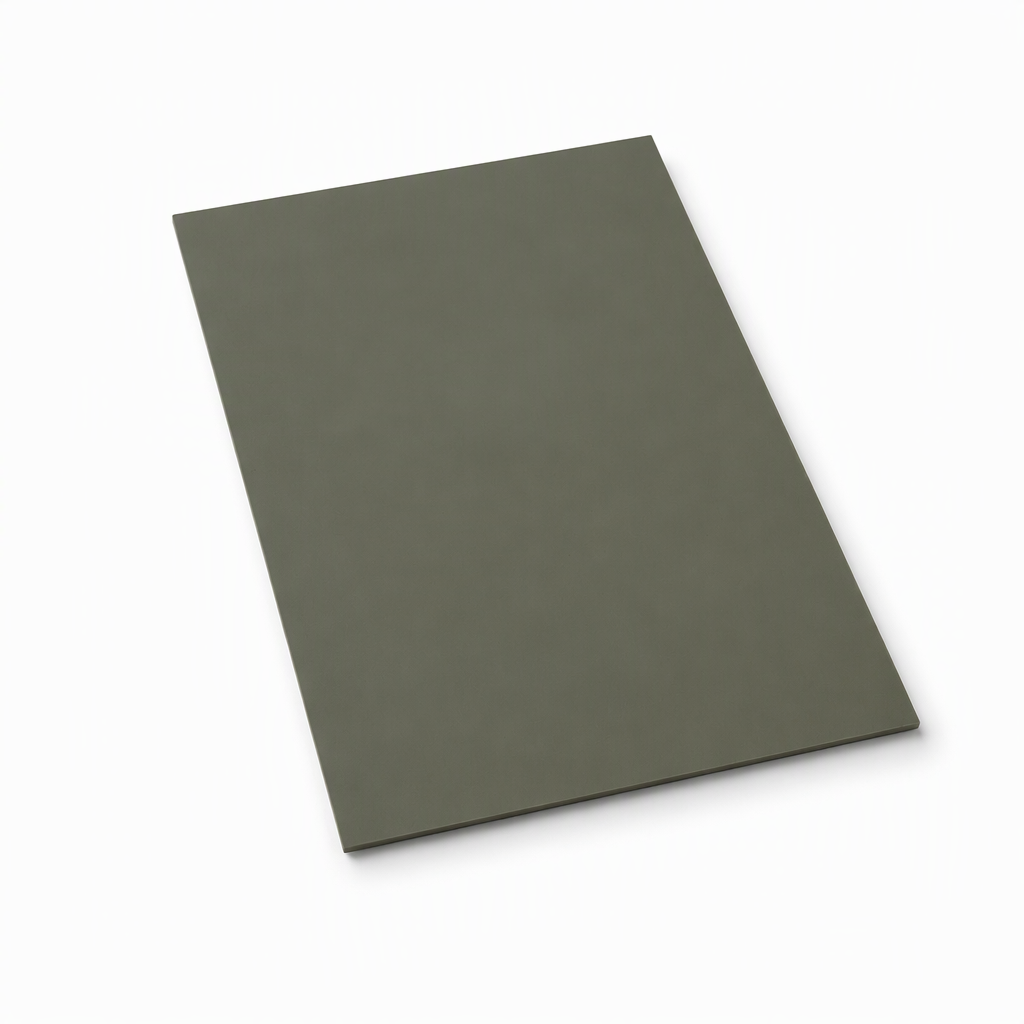
1230*2450mm Grey Green HPL Sheet Decorative High Pressure Laminate Panel for Furniture Interior
Grey-green decorative HPL for interior accents, reception furniture, wall panels and mixed-material schemes in modern fit-outs.
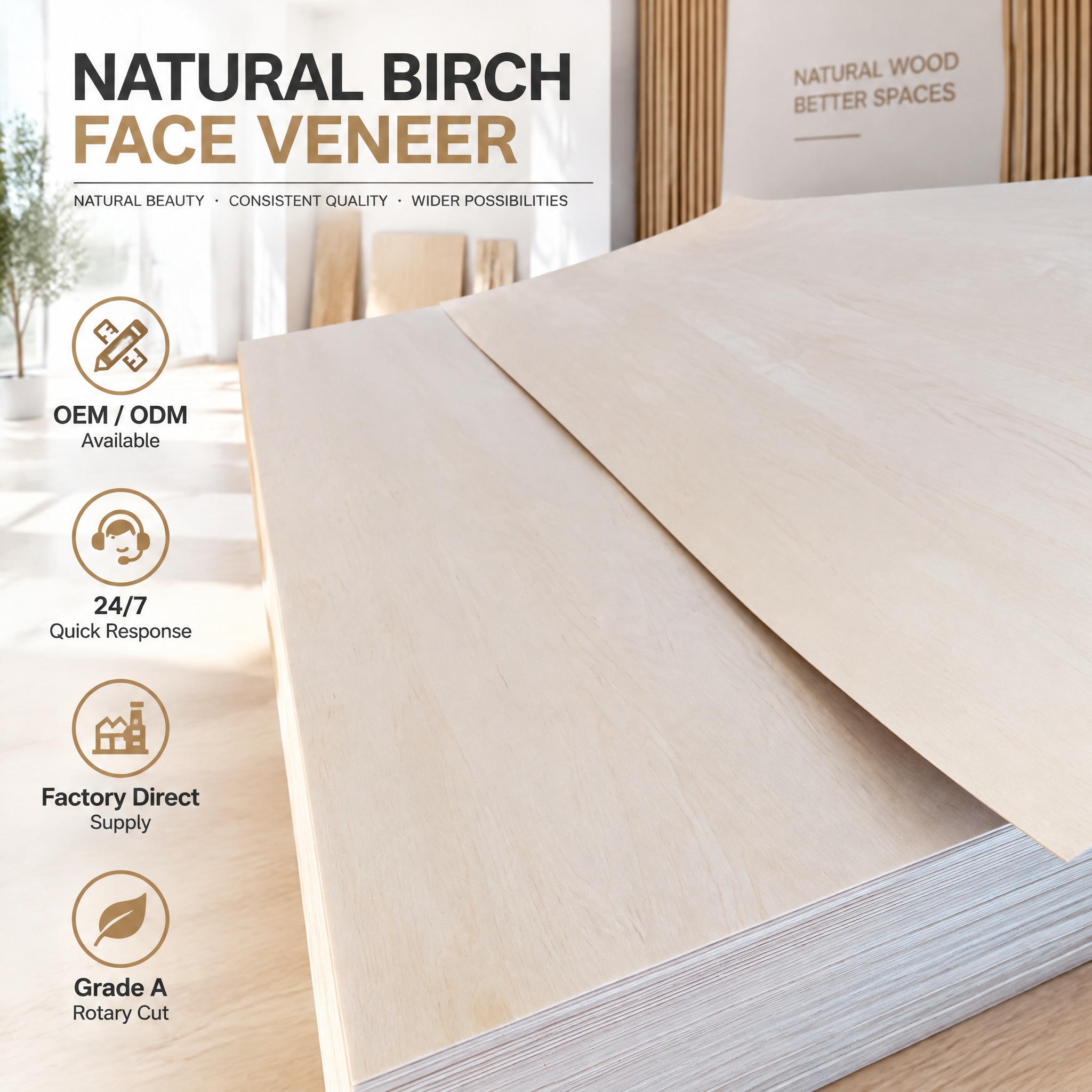
Sanded Basswood Plywood Sheets with Birch Veneer Double-Sided E0 Decorative Wood Panels for Laser Cutting Furniture
Thin E0 decorative plywood for laser-cut furniture, models, signage, packaging displays and precision interior components.
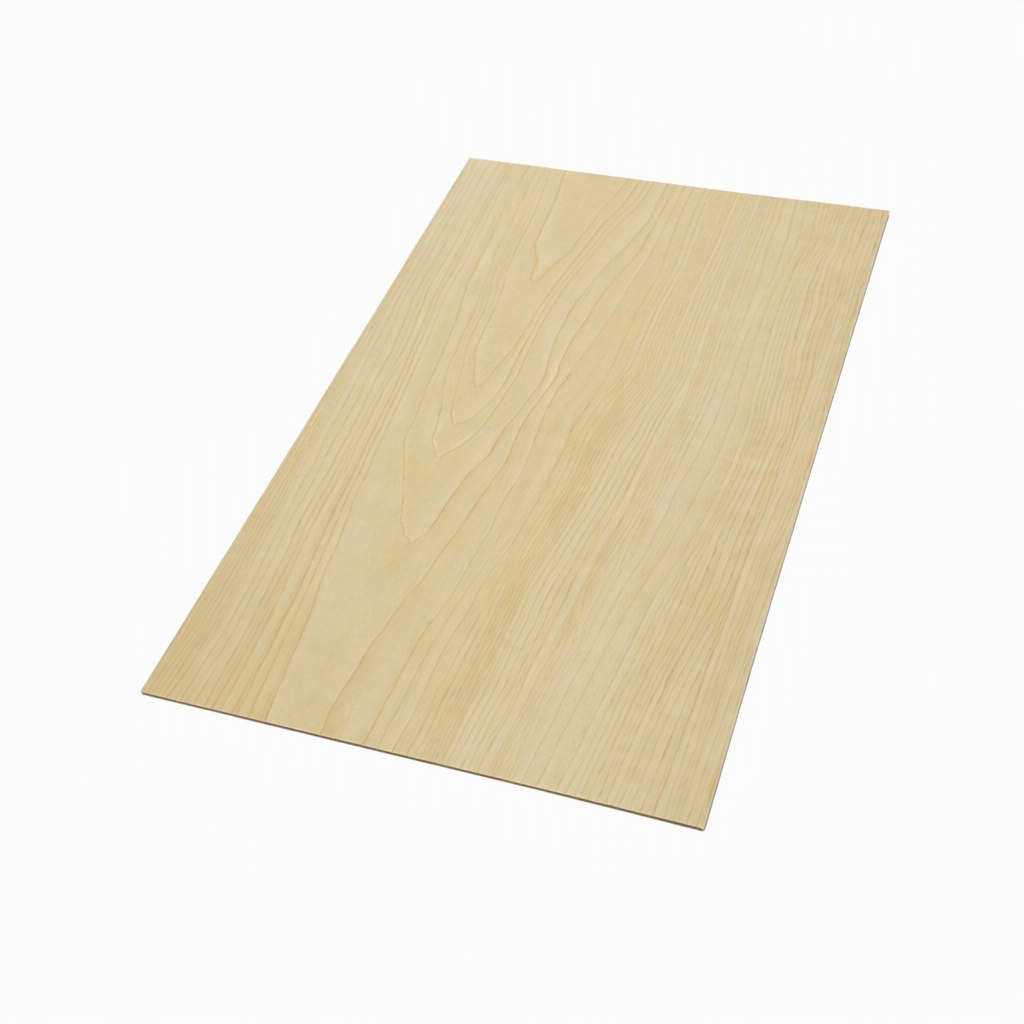
0.7mm Light Wood Grain High Pressure Laminate HPL Decorative Panel Sheet for Wall and Furniture
Light wood-grain HPL for wall panels, furniture faces and warm Nordic-inspired interiors that need a durable decorative surface.
Need a white melamine chipboard sample pack? Share your target thickness, core type, edge-banding colour and required CE documentation. Get a Quote
Those metrics matter because Gdańsk buyers are not only comparing price per square metre. They are comparing response time, documentation discipline, loading consistency and the cost of a failed container. Linyi Fipdm Import And Export Co., Ltd. is a verified trading company and multispecialty supplier based in Linyi, Shandong — China’s largest wood-based panel cluster — with on-site material inspection and finished-product inspection before shipment.
What “CE certified white melamine chipboard supplier Gdańsk” really means
The query looks transactional, but the buying intent is layered. A distributor wants repeatable colour and thickness; a joinery workshop wants clean cutting and stable lamination; a project specifier wants CE/DoP evidence and low formaldehyde emission. The right supplier answer must connect all three, rather than simply publish a price list.
CE evidence, not just a product logo
For interior wood-based panels, CE marking is usually discussed through EN 13986, a Declaration of Performance, reaction-to-fire information and formaldehyde class. A serious Gdańsk specifier will ask for the DoP and test reports before approving a white melamine chipboard schedule. The exporter should match the document set to the exact board, not a generic catalogue page.
Baltic humidity and MR core selection
Gdańsk, Gdynia and Sopot sit in a coastal climate where kitchens, bathrooms and laundry rooms face seasonal humidity. Standard white melamine chipboard can work in dry interiors, but a moisture-resistant core, sealed edges and the right edge-banding adhesive are important in wet zones. For worktops and exposed wet areas, compact laminate or HPL-faced plywood may be the better engineering choice.
Port economics and mixed-load efficiency
Port of Gdańsk gives importers a strong Baltic gateway, but freight only makes sense when the container is planned well. A Linyi supplier that can consolidate white melamine chipboard, HPL sheets, MDF, plywood, LVL and door cores reduces landed-cost risk for distributors selling across several product families. Mixed loading is often more valuable than a single-board discount.
White melamine chipboard checklist for Polish projects
Use this matrix as a starting point when requesting samples or quotations. Final performance depends on the exact panel, edge treatment, fixing method and project exposure, so each line should be confirmed on the order specification.
| Specification area | Buyer question | Practical detail to confirm | Why it matters in Gdańsk |
|---|---|---|---|
| CE marking and DoP | Is the panel CE-marked for the intended interior use? | EN 13986 declaration, reaction-to-fire class, manufacturer, batch traceability and document matching. | Project specifiers and contractors need a document pack that matches the delivered boards. |
| Formaldehyde emission | Is E1 sufficient, or does the project require E0? | Emission class, test method, batch test report and consistent sourcing from qualified mills. | Low-emission interiors are increasingly requested for apartments, schools, clinics and hospitality spaces. |
| Core and density | Will the board hold screws and stay flat after CNC cutting? | Particleboard core grade, density range, sanding tolerance and internal bond performance. | Stable cores reduce rework for joinery shops producing cabinet carcases and shelving. |
| White surface and colour | Will the white match across repeat orders and edge banding? | Decor code, gloss level, texture, paper weight and colour tolerance between batches. | Consistent white is critical for kitchen fronts, wardrobe internals and retail fixtures. |
| Moisture resistance | Is standard chipboard enough for kitchen and bathroom zones? | MR core option, edge sealing, adhesive system and protection around sinks, hobs and wet walls. | Baltic humidity and daily cleaning make moisture detailing important, even in interior furniture. |
| Thickness and format | Which thickness gives the best cutting yield and structural feel? | 12 mm, 15 mm, 18 mm and 25 mm options; 2440×1220 mm, 2800×2070 mm and project-specific formats. | Cutting lists for Polish joinery production usually favour predictable formats and low transport damage. |
| Inspection and packing | How will the buyer verify quality before the container leaves China? | Material inspection, finished-board inspection, loading photos, pallet protection and moisture-resistant wrapping. | Good packing reduces edge damage and claims after a long sea route to the Port of Gdańsk. |
Where white melamine chipboard performs in Gdańsk, Gdynia and Sopot
The panel does not perform in isolation. Edge banding, CNC cutting, drilling, sealing and installation determine how a white melamine chipboard surface behaves in a Gdańsk kitchen, hotel, office or retail unit.
Kitchen and bathroom furniture
18 mm MR white melamine chipboard is widely used for carcases, shelves and internal drawer boxes. Seal cut edges near sinks and appliances, and consider HPL-faced plywood or compact laminate for exposed worktops and wet surfaces.
Retail and hospitality fit-outs
White board creates clean backgrounds for shop counters, hotel wardrobes, reception backs and display storage. Consistent colour and scratch-resistant surfaces matter in spaces that are cleaned frequently and inspected by project managers.
Student housing and rental refurbishment
Fast replacement cycles favour standard white panels with easy-to-match edge banding. Low-emission E1 or E0 boards support healthier interiors, while flat-packed or cut-to-size supply reduces site waste in Tricity refurbishment projects.
Office, clinic and school storage
White melamine chipboard is practical for lockers, storage walls, reception desks and classroom furniture. Specify cleanable surfaces, sealed edges and appropriate fire documentation where the project brief requires it.
Gdańsk market trends shaping white melamine chipboard procurement
The Pomeranian market is moving toward more documented, lower-emission and better-planned panel purchasing. For distributors and contractors, the winning offer is not only a competitive board price; it is a supply route that reduces project risk.
Low-emission specification is becoming default
E1 remains a baseline expectation for many interior projects, while E0 options are increasingly discussed for homes, schools and healthcare interiors. Buyers should ask for emission records that match the panel batch, not only a general certificate.
CNC-ready and cutting-list purchasing
Joinery workshops in Gdańsk and Gdynia increasingly plan cutting lists before ordering. Suppliers that understand format sizes, grain direction, edge-banding allowance and pallet protection can reduce waste and speed up production.
Circular economy and repairable interiors
Durable, replaceable panels fit the shift toward longer-life interiors. White melamine chipboard remains cost-effective when protected at edges and specified for the correct room conditions, while damaged components can be replaced without rebuilding an entire fit-out.
Port-led Baltic distribution
The Port of Gdańsk is a strategic gateway for importers serving northern Poland and Baltic markets. Consolidating white melamine chipboard with HPL, plywood, MDF and door cores in one shipment can improve container utilisation and simplify customs paperwork.
Why Gdańsk buyers work with Linyi Fipdm Import And Export Co., Ltd.
The company is a verified trading company and multispecialty supplier based at Room 1206, Building B, Yigao Shanghai Street, Linyi, Shandong, China. Its operating model is built around vetted partner mills, on-site material inspection and finished-product inspection before every shipment — a useful combination for importers who need one accountable contact across many board types.
Two-stage quality control
Material checks at the partner mill and finished-board inspection for thickness, surface, edges and packing before loading help reduce surprises after the container arrives.
Multi-category consolidation
Combine white melamine chipboard, HPL, compact laminate, MDF, plywood, LVL and door cores in one managed supply chain to cut freight and administration costs.
Flexible customisation and ODM
Minor customisation such as logo, packaging and graphics is available, alongside sample-based, design-based and full customisation plus ODM development for distributors building their own range.
Verified supplier assessment
The supplier profile is third-party assessed by Intertek, with a multispecialty supplier position, 5.0 buyer rating and established trade capacity. These are useful signals when a Gdańsk buyer is shortlisting an overseas panel partner.
Export-ready logistics
Export documentation, seaworthy pallet packing, loading photos and shipment coordination support the route from Linyi to the Port of Gdańsk and onward to Polish warehouses.
Technical support for project buyers
Engineer support can assist with installation questions for cladding, partition and furniture projects, helping contractors choose the right board for the application rather than the lowest unit price.



Quality records that answer the first Gdańsk specifier questions
White melamine chipboard is an engineered material, so the discussion should move quickly from “white board” to the exact evidence the buyer needs. That means documents, inspection records and packing evidence, not only a product photograph.
Declaration of Performance
Confirm the DoP and CE marking route for the panel family, including intended use and the relevant harmonised standard information for the project file.
Emission and test reports
Match E1 or E0 claims to test reports and batch details. For Polish interiors, the buyer should keep the document trail with the order specification.
Finished-product inspection
Thickness, surface defects, edge quality, colour and packing can be checked before loading, with photos shared as part of the shipment record.
Loading and packing evidence
Seaworthy packing, pallet protection and container loading photos help reduce damage claims and support smoother receiving at the Gdańsk end.
From specification to container: a simple five-step route
The process is designed for B2B buyers who need a repeatable supply route rather than a one-off price. Each step creates information that can be used in the next order.
Define the board
Confirm white melamine chipboard thickness, core, emission class, surface, format and application.
Sample and compare
Review colour, texture, edge banding and core performance against the project brief.
Confirm compliance
Align CE/DoP, test reports, emission claims and packing requirements before production.
Inspect before loading
Check material and finished boards, then document the result with photos.
Load and ship
Consolidate mixed products, prepare export documents and coordinate the route to Gdańsk.
Common questions about CE certified white melamine chipboard wholesale
Do you supply CE-certified white melamine chipboard to Gdańsk and the Tricity?
Yes, the supply enquiry can be structured around CE-oriented procurement for the Gdańsk, Gdynia and Sopot market. The exact CE marking and Declaration of Performance depend on the panel specification, production batch and intended use. Send the target application, thickness, emission class and annual volume so the supplier can match the right board and document pack rather than quoting a generic panel.
What is the typical lead time from Linyi to the Port of Gdańsk?
Lead time normally combines production planning, panel manufacture, inspection, packing and sea freight. A practical quotation should state the production window separately from the shipping schedule. For repeat orders, keep a buffer for colour matching, edge-banding supply and peak-season container availability. The Port of Gdańsk route can be efficient, but the buyer should confirm the latest sailing schedule before promising site delivery dates.
Can I order a mixed container of white melamine chipboard, HPL, plywood and MDF?
Mixed loading is a core part of the supplier’s B2B service. A distributor may combine white melamine chipboard with HPL sheets, melamine plywood, MDF, LVL or door cores so that the container reflects market demand rather than a single product line. The exact mix depends on volume, packing configuration and weight limits, so share the full shortlist at the quotation stage.
Which formaldehyde emission class should I specify for Polish interiors?
E1 is commonly requested as a baseline for interior wood-based panels, while E0 is available on selected product lines for buyers seeking a lower-emission option. The right choice depends on the project specification, room use and documentation requirements. Always request test reports and confirm that the delivered batch matches the agreed class, especially for schools, clinics and residential developments.
How should I specify moisture-resistant chipboard for Baltic humidity?
For kitchens, bathrooms and utility rooms, specify a moisture-resistant core where appropriate, seal cut edges and use compatible edge banding. White melamine chipboard is not a substitute for compact laminate in continuously wet or exterior conditions; those areas may need HPL-faced plywood, compact laminate or another engineered solution. The application, cleaning regime and exposure should be stated clearly in the enquiry.
What MOQ and customisation options are available?
MOQ depends on the product family, panel size, thickness, colour and packing configuration. Customisation options include logo, packaging and graphics, as well as sample-based, design-based and full customisation and ODM services. For a first order, a mixed container or a focused trial order is often more practical than committing to a large single-SKU volume.
Can I receive samples before placing a container order?
Sample arrangements can be discussed for colour, surface texture, thickness and core comparison. A sample pack helps the Gdańsk buyer check the white tone, edge-banding match and surface feel before production. Share the application and expected order volume so the sample is representative of the proposed board rather than a generic swatch.
How can I verify quality before shipment?
The supplier’s process includes on-site material inspection and finished-product inspection before loading. Ask for inspection photos, loading photos, packing details and document checks as part of the order confirmation. For larger projects, third-party inspection can be arranged according to the buyer’s requirements and project specification.
Planning a white melamine chipboard order for the Gdańsk market?
Send your panel thickness, core preference, emission class, white decor, edge-banding requirement, target quantity and project timing. The export team can match the right board family, confirm the documentation route and suggest a practical mixed-load plan for the Port of Gdańsk.
Get a Quote