Eight panel references frequently bundled with UV painted MDF enquiries
The primary subject of this guide is CE-certified UV painted MDF. In real Hamburg procurement, however, UV painted MDF is rarely ordered alone. Project buyers often consolidate decorative HPL, compact laminate, plywood and panel surfaces into one shipment. The eight catalogue references below preserve their original product URLs and show the complementary boards that are frequently quoted alongside UV painted MDF for hotel, retail, office, kitchen and marine-interior supply chains.
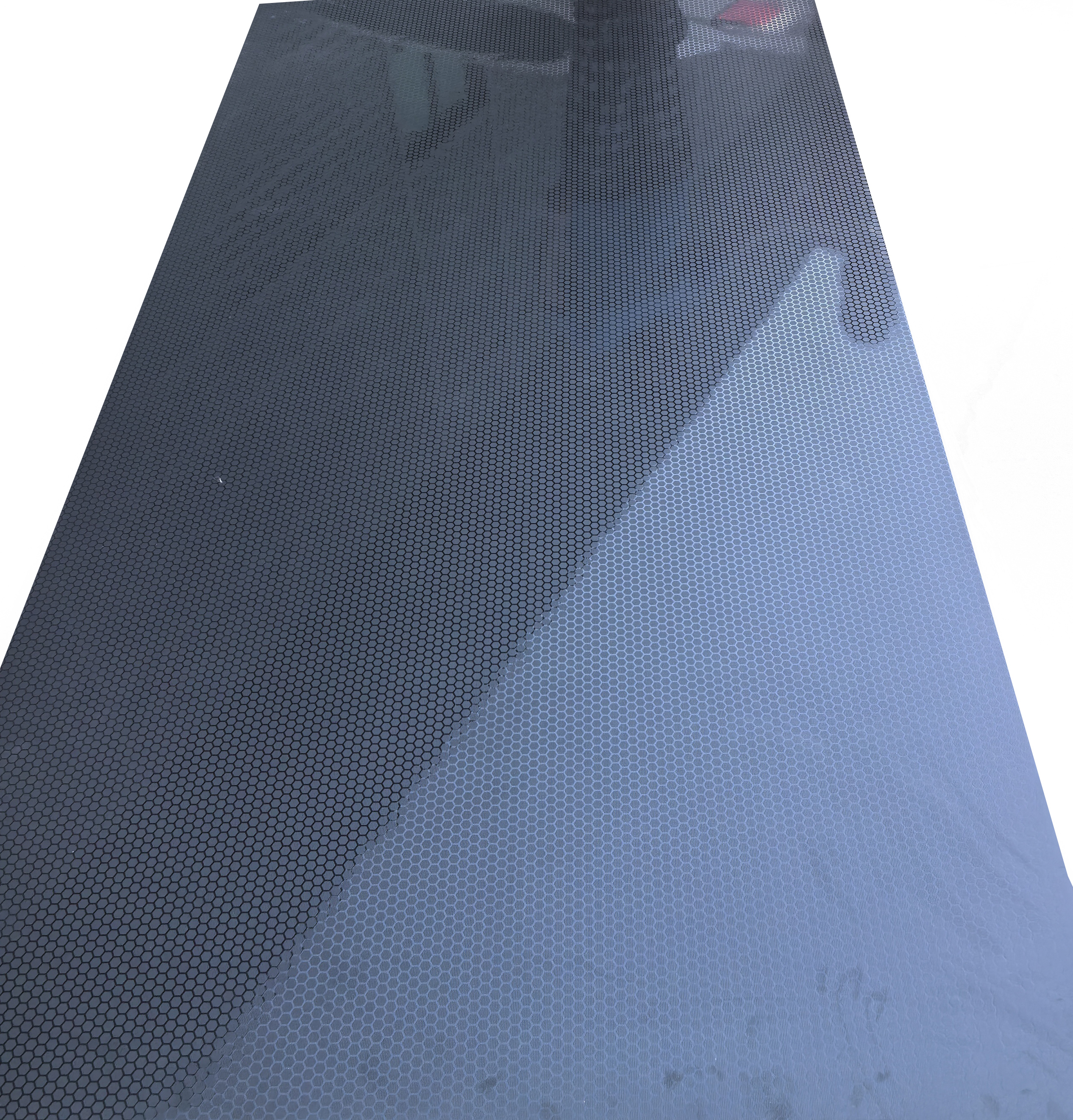
Factory Wholesale 18mm HPL Film Melamine Plywood Modern Design Style 1-Year Warranty E0 Standard Birch Laminated Plywood
A decorative birch-core reference for cabinetry, wardrobe backs and fitted furniture where a warm wood face and E0-grade substrate are requested.
View product details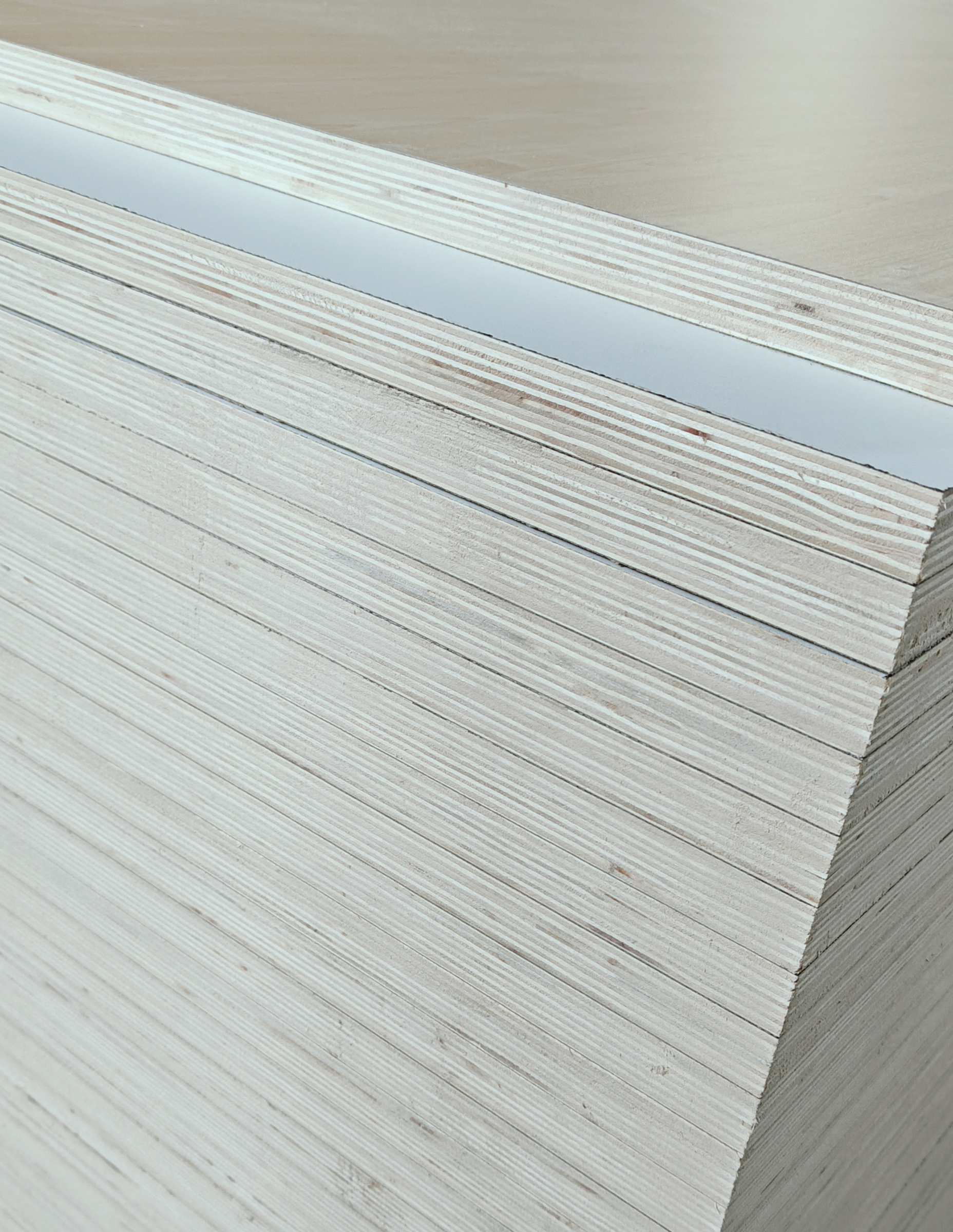
Modern Design Chinese Marine HPL Poplar Plywood E0 Fire Resistant Sanded Surface 4X8 15mm 1220X2440 Construction Sheet Price
A 15mm poplar-core reference with sanded surface and fire-resistant positioning for moisture-exposed furniture and construction sheets.
View product details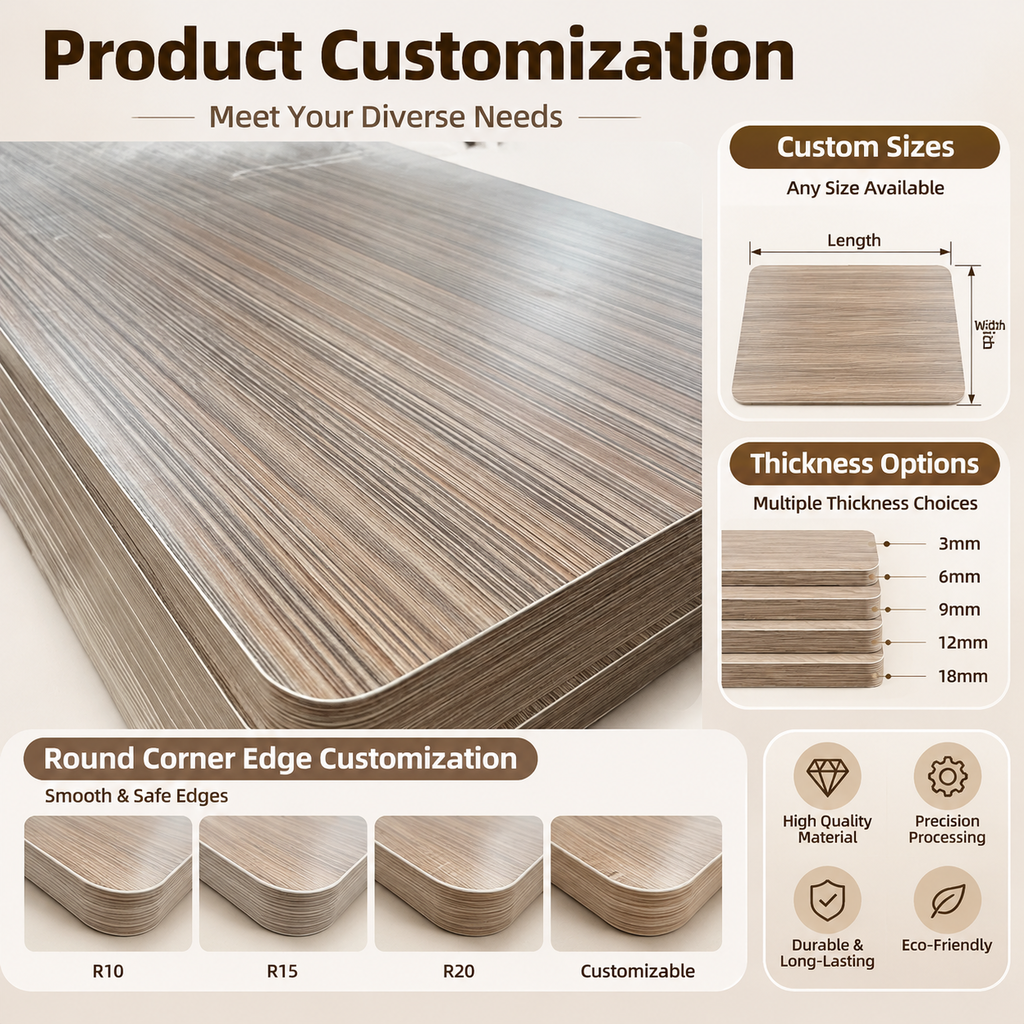
HPL Wood Grain Decorative High Pressure Laminate HPL Compact Sheet Waterproof Fire-Resistant Panel for Furniture
A wood-grain HPL reference for furniture fronts, wall panels and wet-area surfaces that need a durable decorative face.
View product details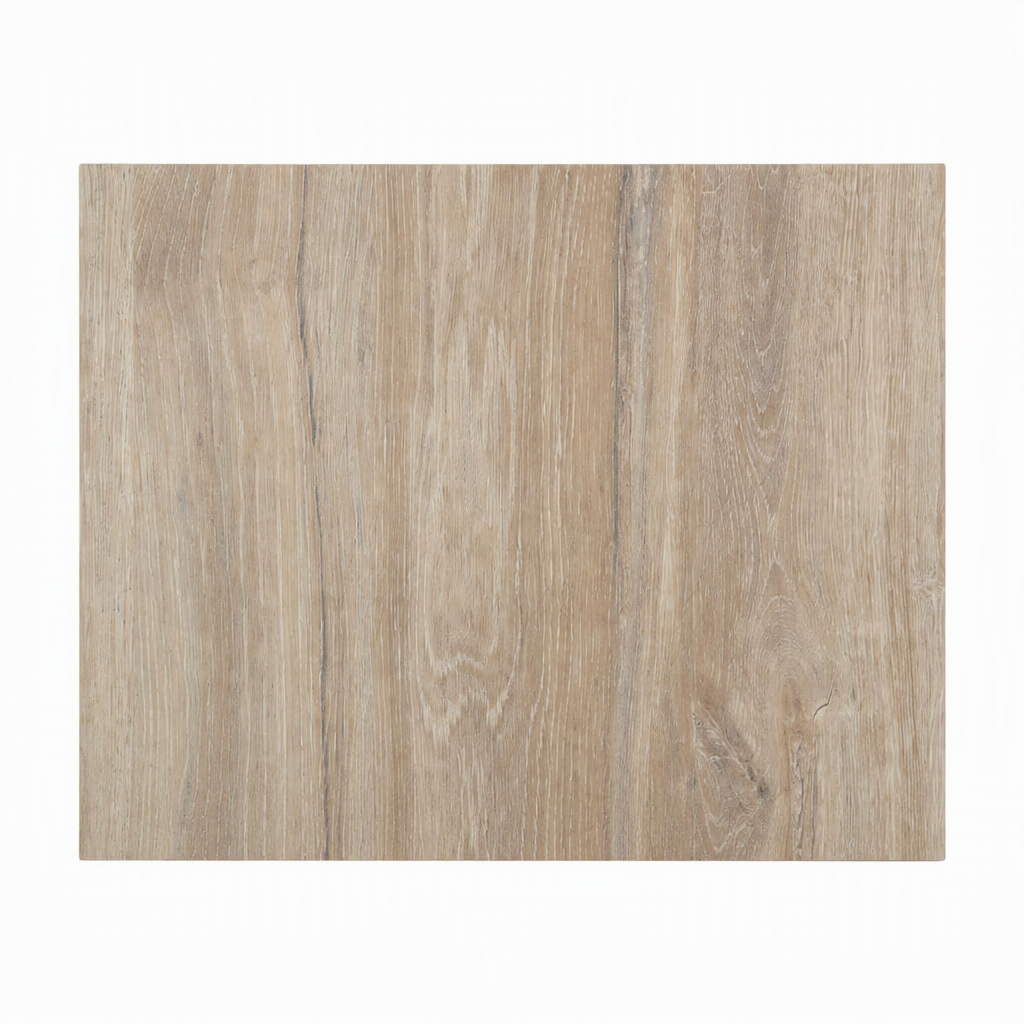
1mm Light Wood Grain HPL Decorative Laminate Panel Waterproof Fire Resistant Modern Design
A lightweight HPL reference for interior doors, cabinet faces and wall linings where a consistent light wood grain is required.
View product details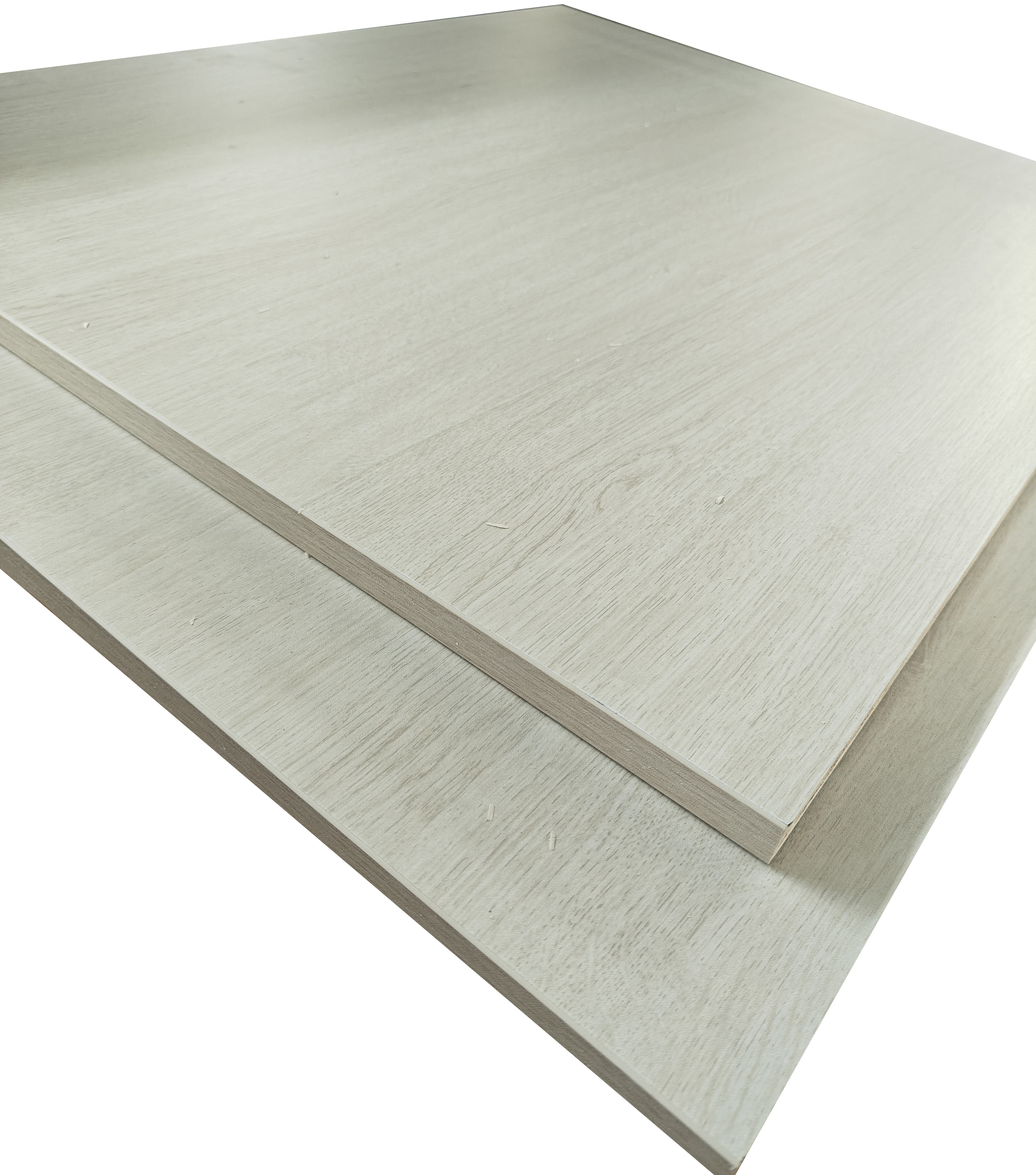
Linyi Supplier Professional HPL Formica Plywood for Furniture High Pressure Phenolic Resin HPL Compact Laminate Board
A phenolic compact laminate reference for table tops, lockers and high-impact furniture where a self-supporting panel is preferred.
View product details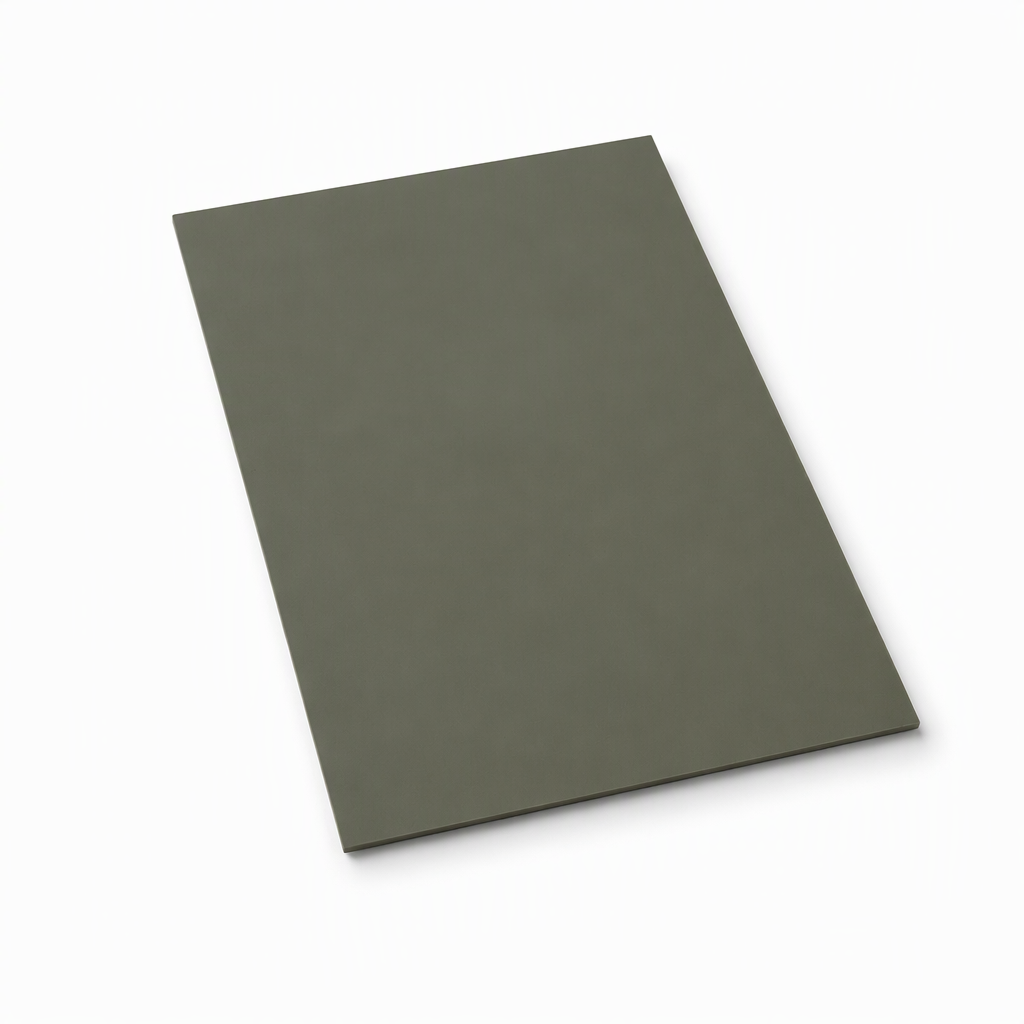
1230*2450mm Grey Green HPL Sheet Decorative High Pressure Laminate Panel for Furniture Interior
A colour-driven HPL reference for reception counters, retail fixtures and interior wall panels in muted urban palettes.
View product details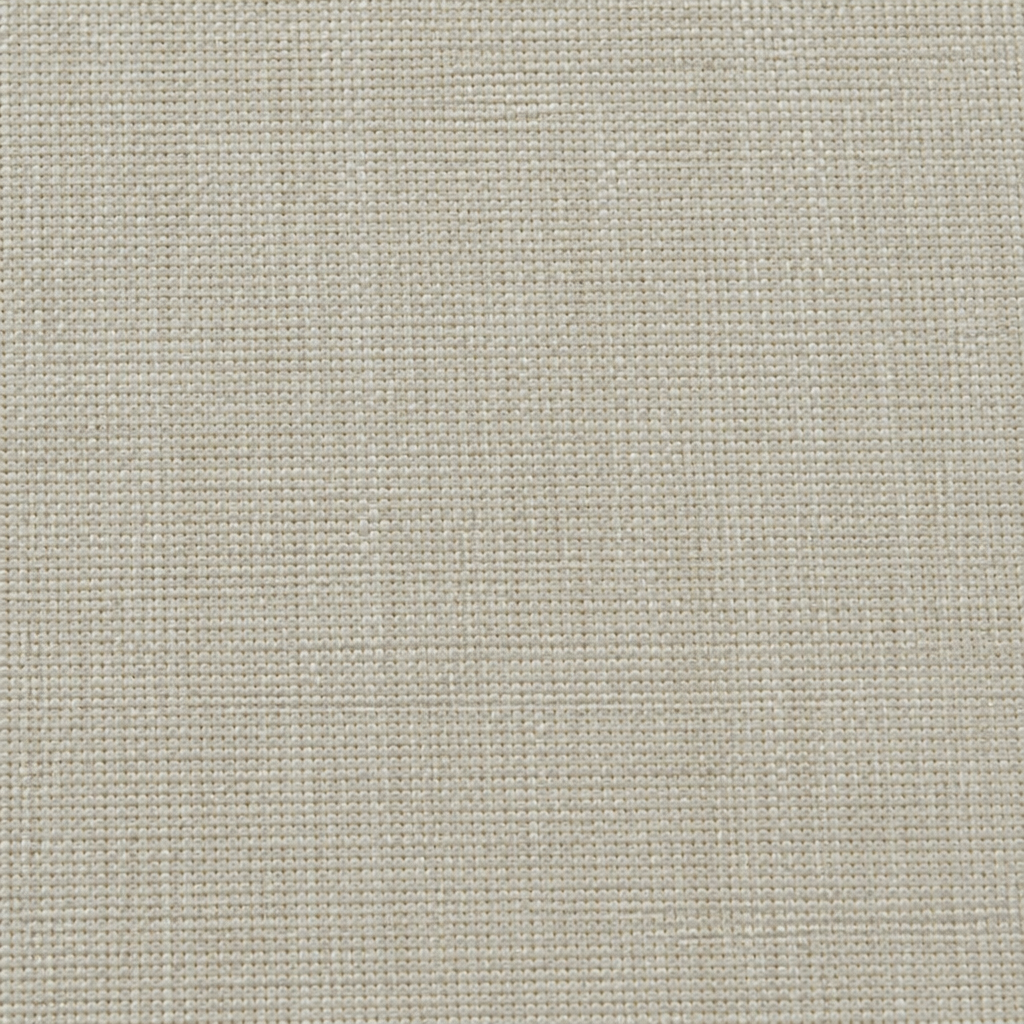
1830*3660mm Light Beige Gray Waterproof Fire Resistant Decorative Laminate Sheet
A large-format decorative laminate reference for tall wall panels and minimal-joint interior elevations.
View product details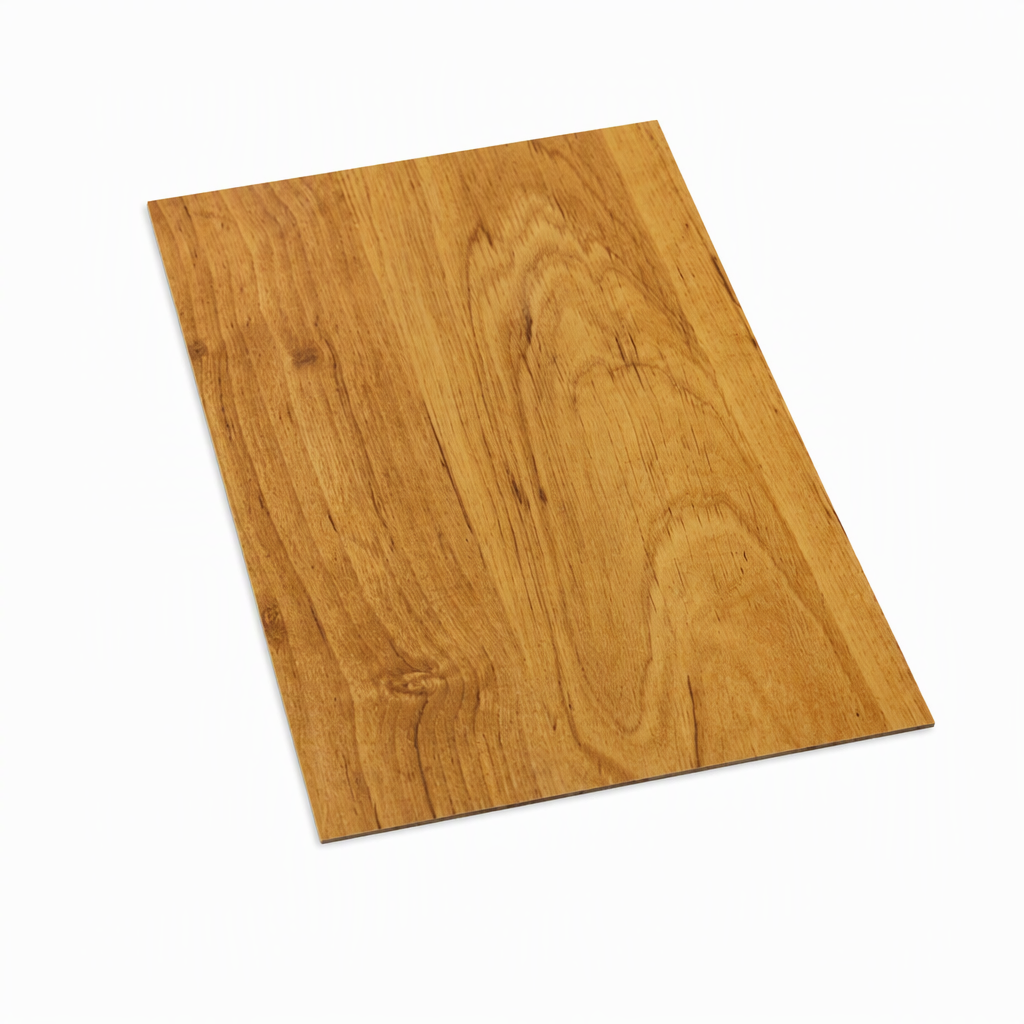
0.6mm Brown Wood Grain HPL Decorative Laminate Sheet Surface Board for Hotel Cabinet Wall Panels Waterproof Fireproof
A thin HPL reference for hotel cabinets, wardrobe interiors and wall-panel faces that need a warm, repeatable wood decor.
View product detailsWhat “CE Certified UV Painted MDF Panels” should mean for a Hamburg buyer
A search for CE-certified UV painted MDF panels factories and suppliers serving the Hamburg market is a high-intent B2B query. The buyer is not simply comparing a colour card. They are trying to connect a CE-marked MDF substrate, a factory-applied UV coating, a German project specification and a reliable delivery route into Hamburg. This is where information gain matters: the useful supplier explains what is covered by CE conformity, what is not, and which documents must be checked before a purchase order is released.
For MDF used in construction, CE conformity is normally linked to EN 13986 and supported by a Declaration of Performance plus factory production control. CE marking is not a decorative grade and it is not a single certificate that automatically covers every UV coating, edge detail or final furniture component. A credible quotation should identify the exact substrate, thickness, density, formaldehyde class and declared performance characteristics. It should also make clear whether the UV coating is a factory finish applied to the MDF, or whether the final panel is being supplied as part of a separately assessed system.
UV painted MDF uses a UV-cured coating line to create a consistent surface with fast curing, repeatable colour and good resistance to daily wear. In Hamburg, that finish is often specified for wardrobe fronts, reception desks, wall panels, retail fixtures and kitchen furniture. The technical conversation should therefore include moisture exposure, edge sealing, adhesion, sheen level, colour matching and the required reaction-to-fire class. Hamburg’s maritime climate and dense urban interiors reward moisture-conscious specification; HMR MDF is often selected for kitchen, bathroom and utility furniture, but the design must still prevent direct water contact and seal exposed edges correctly.
This white-paper approach does not replace project-specific advice. It gives purchasing teams a practical checklist, so they can compare a factory-direct offer, a trading company and a specialist supplier on the same evidence trail rather than on unit price alone.
Six questions to place in a Hamburg RFQ
- Which MDF substrate, thickness and density are being offered, and which EN 13986 DoP applies?
- Is the formaldehyde class E1, E0 or another declared level, and which test report supports it?
- What reaction-to-fire Euroclass is required for the final application, and is fire-retardant MDF available?
- Which UV coating system is used, what sheen is achievable, and how is adhesion tested?
- What moisture-resistant grade and edge-sealing detail are recommended for kitchens, bathrooms and marine interiors?
- Which EUTR / EUDR due-diligence, packing, loading-photo and export documents are included?
Where UV painted MDF earns its place in Hamburg interiors
Hamburg is both a port city and a design-led metropolitan market. Its projects reward suppliers who can match appearance, moisture performance and documentation to the real use case.
Hotel and serviced-apartment fit-out
HafenCity and city-centre hospitality projects often need seamless wardrobe fronts, headboards, vanity panels and reception counters. UV painted MDF gives a factory-finished surface with repeatable sheen, while HMR MDF and sealed edges reduce risk in bathrooms and service areas.
Retail and showroom interiors
Retail fixtures need tight colour control, fast installation and surfaces that survive frequent cleaning. Matte and super-matte UV painted MDF is useful for display plinths, cash wraps and wall bays where a sprayed-on-site finish would slow the programme or introduce inconsistency.
Kitchen, bath and utility furniture
Northern German homes and apartment refurbishments often specify HMR MDF for cabinet carcasses, door fronts and utility-room joinery. UV painting provides a cleanable finish, but the specification must include edge sealing, plinth details and sensible clearance from direct water exposure.
Office, education and hospitality spaces
Wall linings, lockers, meeting-room joinery and café counters benefit from a low-VOC, easy-clean factory finish. For schools, clinics and public interiors, the buyer should confirm the required reaction-to-fire class, impact resistance and cleaning regime before approving the coating system.
Maritime and cruise interior supply chains
Hamburg’s maritime cluster includes ship interiors, hospitality cabins and specialist fit-out contractors. UV painted MDF may be proposed for accommodation furniture and decorative panels, but marine projects usually require project-specific fire approvals, moisture performance and substrate documentation that must be confirmed before quotation.
Public and healthcare interiors
Reception desks, nurse stations, storage walls and wayfinding panels need durable surfaces that can be cleaned frequently. A well-controlled UV line can deliver a consistent finish, but the buyer should request coating adhesion data, low-emission documentation and samples for cleaning-agent compatibility.
What is changing in Hamburg’s MDF and panel procurement
Demand is shifting from “a board at the lowest price” to “a documented surface that supports the project’s sustainability, fire and programme targets”.
Low-emission and low-VOC evidence
Green-building and public-project teams increasingly ask for E1 confirmation, low-VOC coating data and, where relevant, AgBB-style indoor-emission information. Suppliers who can assemble a clean document pack reduce approval friction.
Matte, anti-fingerprint and super-matte finishes
Hamburg designers continue to move toward calm, tactile surfaces. Super-matte and anti-fingerprint UV coatings are replacing high-gloss finishes in some hospitality and residential projects, while dark and neutral colours require tighter colour control.
Port-centric consolidation and mixed loads
The Port of Hamburg encourages importers to think in consolidated shipments. Mixing UV painted MDF with HPL, plywood, compact laminate and door cores can improve container utilisation, but it requires disciplined labelling, protection and loading photos.
Digital colour matching and factory finishing
Factory-applied UV finishes are replacing on-site painting in more fit-out programmes. This shortens site time and improves consistency, but it shifts responsibility to the specification stage: RAL or NCS approval, sheen tolerance and sample retention should be agreed early.
UV painted MDF vs. melamine MDF vs. HPL faced panels
Information gain comes from matching the surface to the exposure. The most expensive board is not automatically the right board for a Hamburg project.
Factory UV painted MDF
Best for a seamless painted appearance, consistent sheen and efficient installation on interior vertical surfaces.
- Typical uses: wardrobe fronts, wall panels, reception counters, display fixtures.
- Strengths: smooth finish, colour repeatability, fewer site coatings.
- Watch: moisture grade, edge sealing, coating adhesion and fire class.
Melamine faced MDF
A cost-effective decorative surface with a wide decor range for storage, office and residential furniture.
- Typical uses: cupboards, shelving, back panels and general joinery.
- Strengths: broad colour range, easy cleaning, good value.
- Watch: visible edges, lower seamlessness and suitability for high-wear surfaces.
HPL faced plywood or compact laminate
Best for impact, moisture and heavy-traffic areas where a thicker decorative skin is justified.
- Typical uses: table tops, lockers, laboratory surfaces, wet zones and public furniture.
- Strengths: durable decorative face, good water and impact resistance when specified correctly.
- Watch: cost, edge treatment and substrate selection.




A transparent sourcing partner between Linyi and Hamburg
Linyi Fipdm Import And Export Co., Ltd. is a verified trading company and multispecialty supplier based in Linyi, Shandong, one of China’s largest wood-based panel clusters. We are not a single-mill sales office pretending to be a factory. That transparency matters to Hamburg buyers who need to verify who is responsible for specification, inspection and loading. We coordinate vetted partner mills, inspect materials on site, check finished boards before shipment and consolidate HPL, MDF, plywood, LVL and door cores into managed export loads.
Our public profile shows 9 years in the industry, Intertek verification, a #4 top-selling supplier ranking in the Plywoods category, 8 dedicated staff, a 5.0 buyer rating and 4 years as a Gold Supplier. For international buyers, those signals support the practical work behind a CE-conscious order: confirming the exact substrate and Declaration of Performance, matching E1 or E0 requirements, arranging samples, protecting panels during mixed loading and sharing loading photos before departure.
Third-party verification, on-site material inspection, finished-product inspection and export documentation are part of our sourcing model for distributors, furniture factories and project buyers.
How a Hamburg-ready UV painted MDF order is controlled
Good paperwork is not administrative decoration. It is how a buyer verifies that the board discussed in the quotation is the board inspected before loading.
Specification review
Confirm MDF grade, thickness, E1/E0 target, HMR or fire-retardant requirement, UV sheen, colour standard and packing method.
Sample and colour approval
Approve RAL / NCS references, surface sheen, edge treatment and a retained sample before production is released.
Mill and finished-board inspection
Check substrate, thickness, surface, coating adhesion, edges and panel protection at the partner mill and before loading.
Export documents and loading
Prepare packing list, commercial documents, DoP pack, loading photos and EUTR / EUDR support where applicable.
Questions local importers and project buyers ask before ordering
These are the practical questions that decide whether a first sample becomes a repeat order.
Does CE marking cover the UV coating or the MDF panel?
CE conformity for MDF used in construction is normally tied to the substrate standard, such as EN 13986, and supported by a Declaration of Performance and factory production control. The UV coating is a factory finish; it is not automatically covered by the same single certificate. A serious supplier will separate substrate compliance, coating performance and project-specific fire or emission requirements in the quotation.
Which formaldehyde class should a German buyer request?
E1 is the baseline commonly requested for the German market, while E0 is often specified by buyers who want a lower-emission positioning. The important point is to match the declared class to the exact board, test method and supporting report. Do not accept a generic “E0” claim without the corresponding product data and order confirmation.
Can UV painted MDF be used in Hamburg kitchens and bathrooms?
Yes, provided the correct substrate and edge protection are specified. HMR MDF is often used for kitchen and bathroom furniture, but no MDF should be treated as a permanently water-immersed material. Seal cut edges, protect plinths and avoid direct water contact. For wet rooms or commercial wet areas, confirm the design with the project specifier.
What fire performance is available for public projects?
Standard MDF and fire-retardant MDF are different products. If a Hamburg project requires a Euroclass such as B-s1,d0 or another reaction-to-fire classification, the requirement must be matched to a tested construction and supported by the relevant report or DoP. Fire performance cannot be assumed from a decorative finish alone.
How long does production and shipping to Hamburg take?
Production timing depends on the MDF grade, coating colour, sheen, order quantity and sampling approvals. A typical custom UV painted MDF order may require several weeks for production and inspection, followed by sea freight to Hamburg. The exact schedule should be confirmed in the quotation, because port congestion, inspection dates and mixed-load consolidation can affect the plan.
Can UV painted MDF be mixed with HPL and plywood in one container?
Yes. Mixed loads are a practical way for importers and furniture factories to improve container utilisation. The key is to separate products clearly, protect coated faces, label cartons and pallets, and agree the loading sequence. A supplier who already consolidates HPL, compact laminate, MDF, plywood and door cores can reduce the number of suppliers you need to manage.
Request a CE-documentation pack and Hamburg quotation
Send your MDF grade, thickness, E1 or E0 target, UV colour or sheen, fire requirement, expected volume and preferred delivery schedule. Our export team will respond with matched options, sample guidance and the documents your Hamburg project team needs to review.
info@fipdmplywoods.com · Linyi, Shandong, China