CE Certified Acrylic Faced Plywood Manufacturers & Supplier for Brisbane
A technical sourcing guide for cabinetmakers, shopfitters, distributors and project buyers who need documented acrylic faced plywood, reliable surface quality and export-ready supply from Linyi, China.
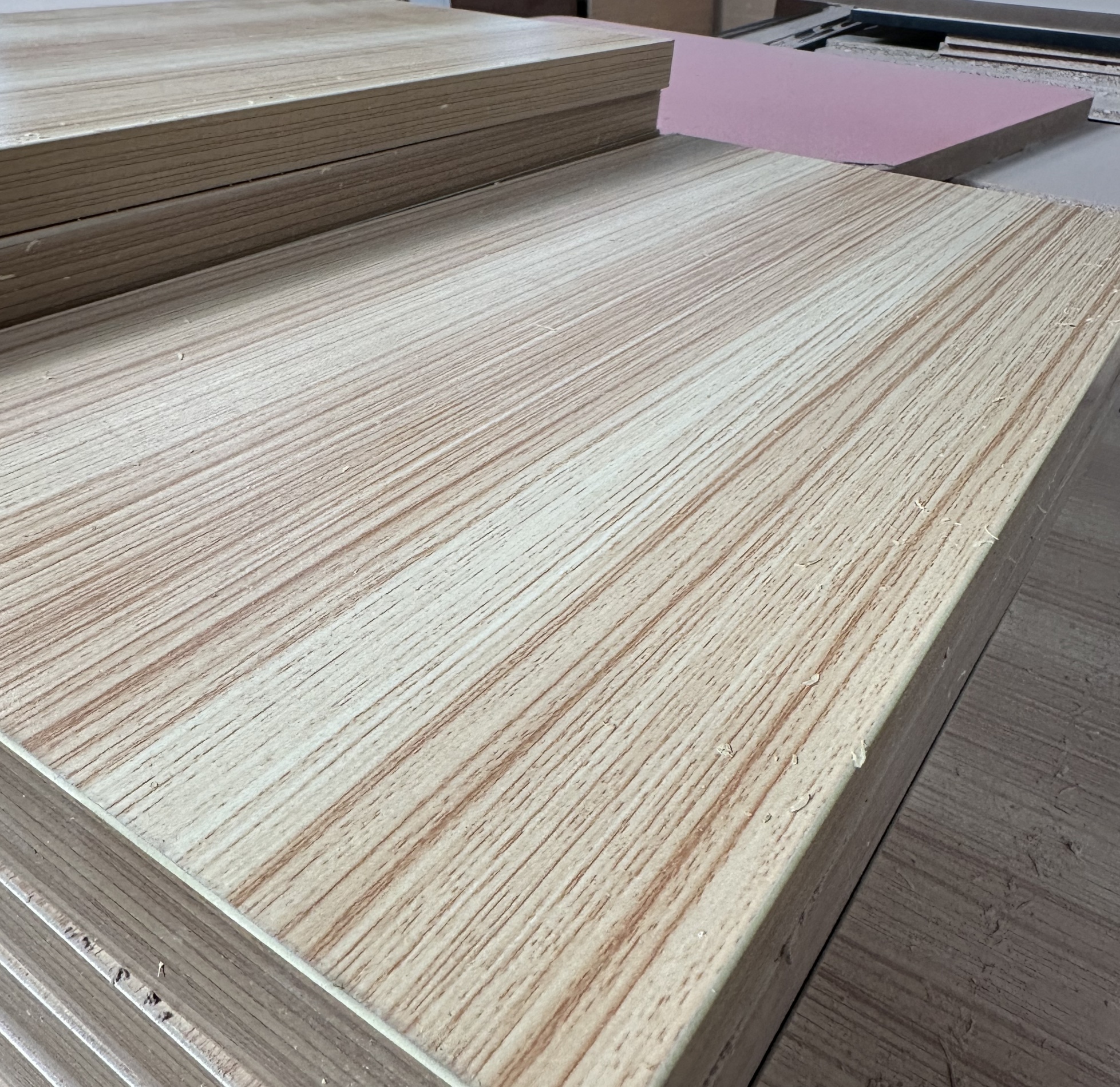
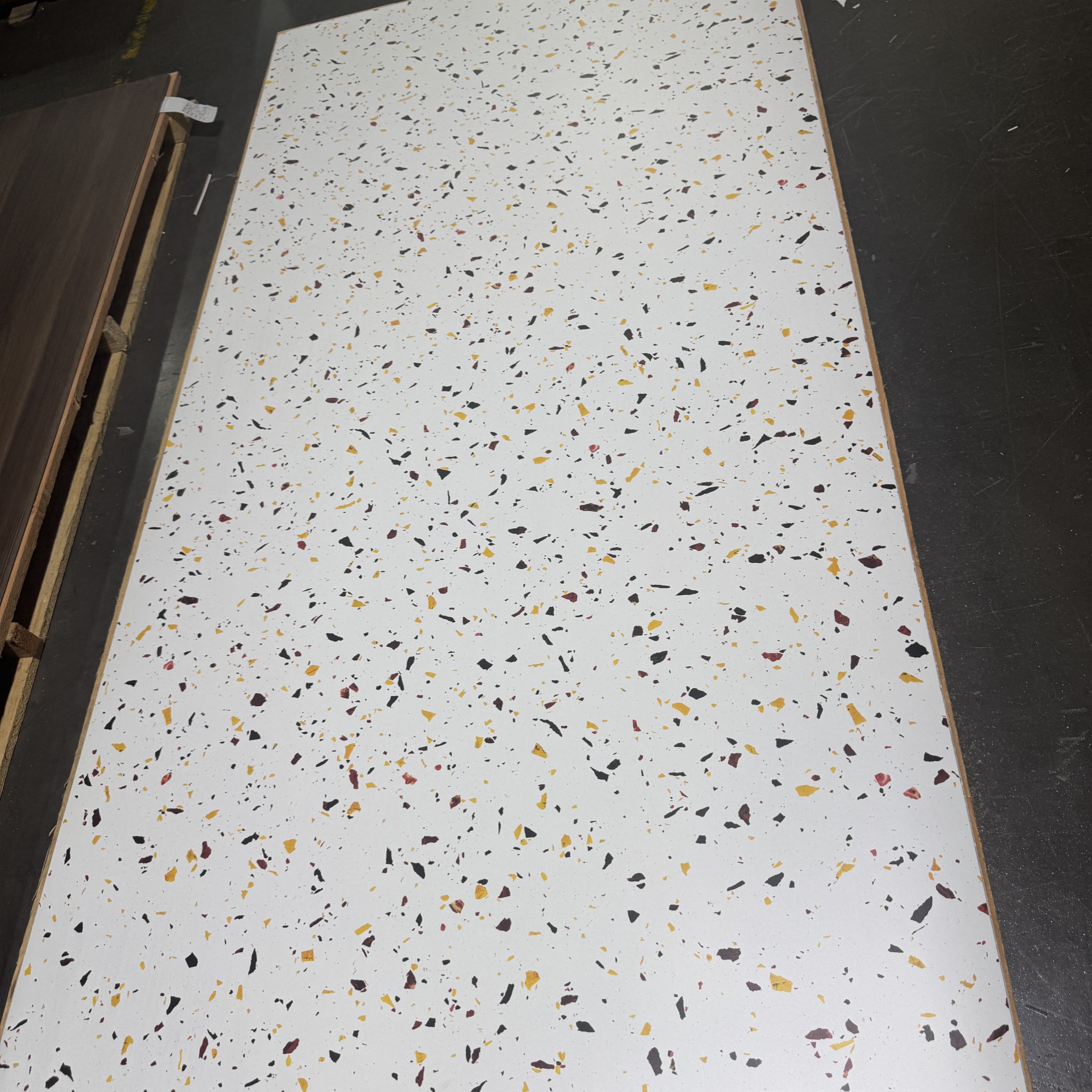
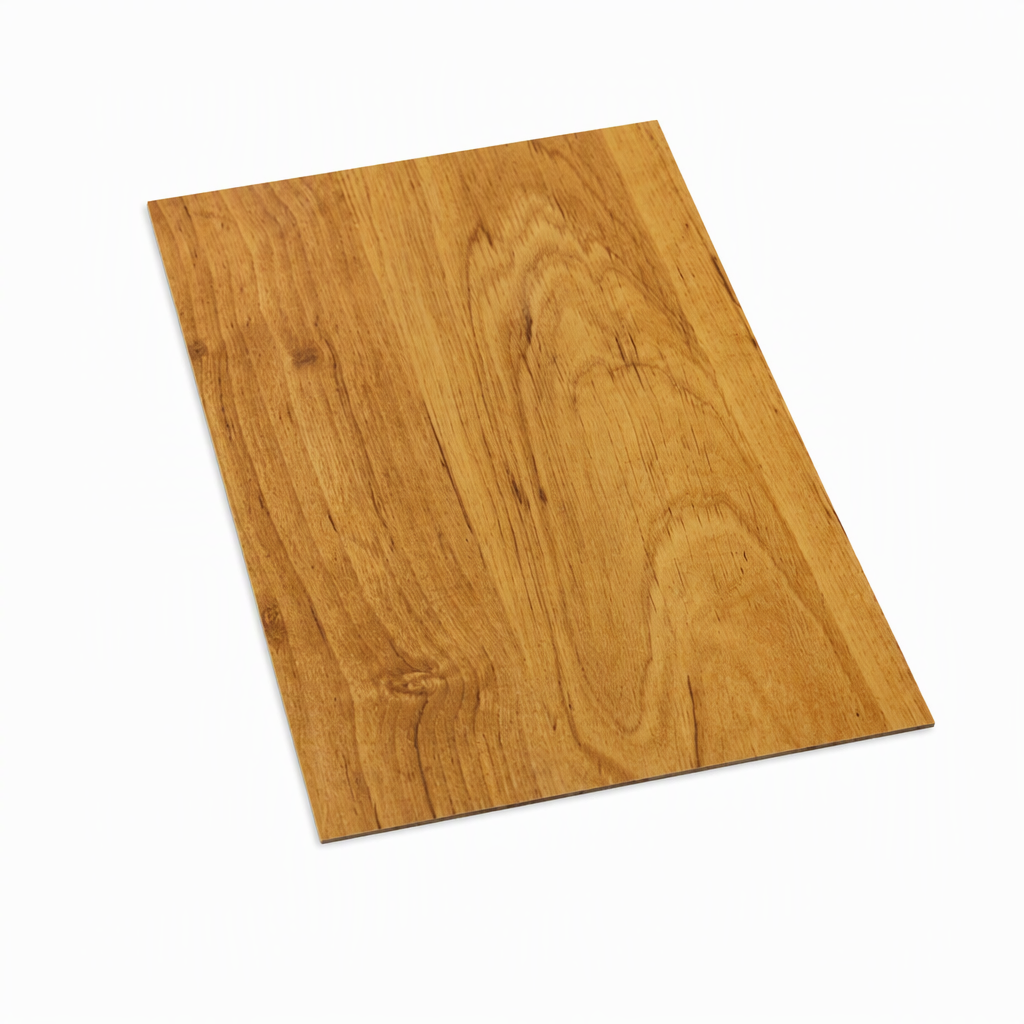
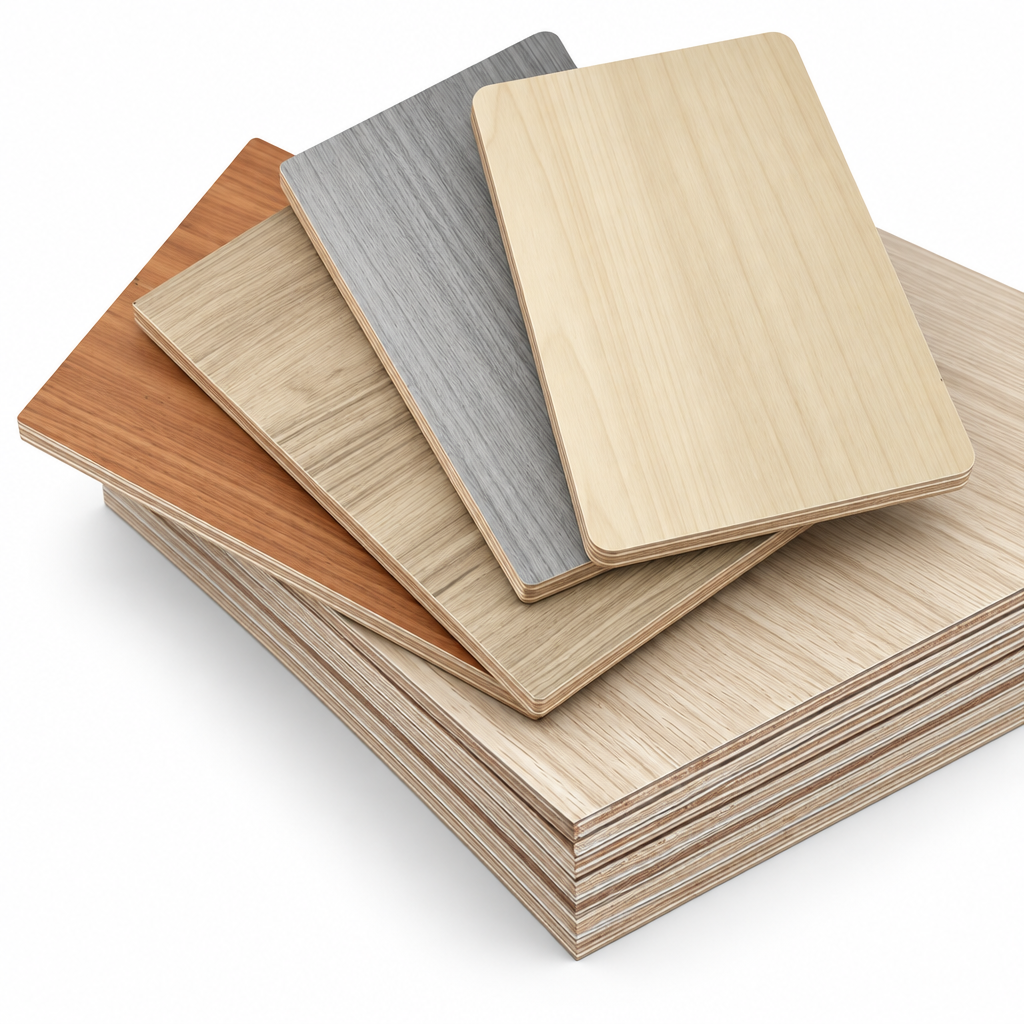
Eight Decorative Panel Options for Brisbane Joinery and Fit-Out Teams
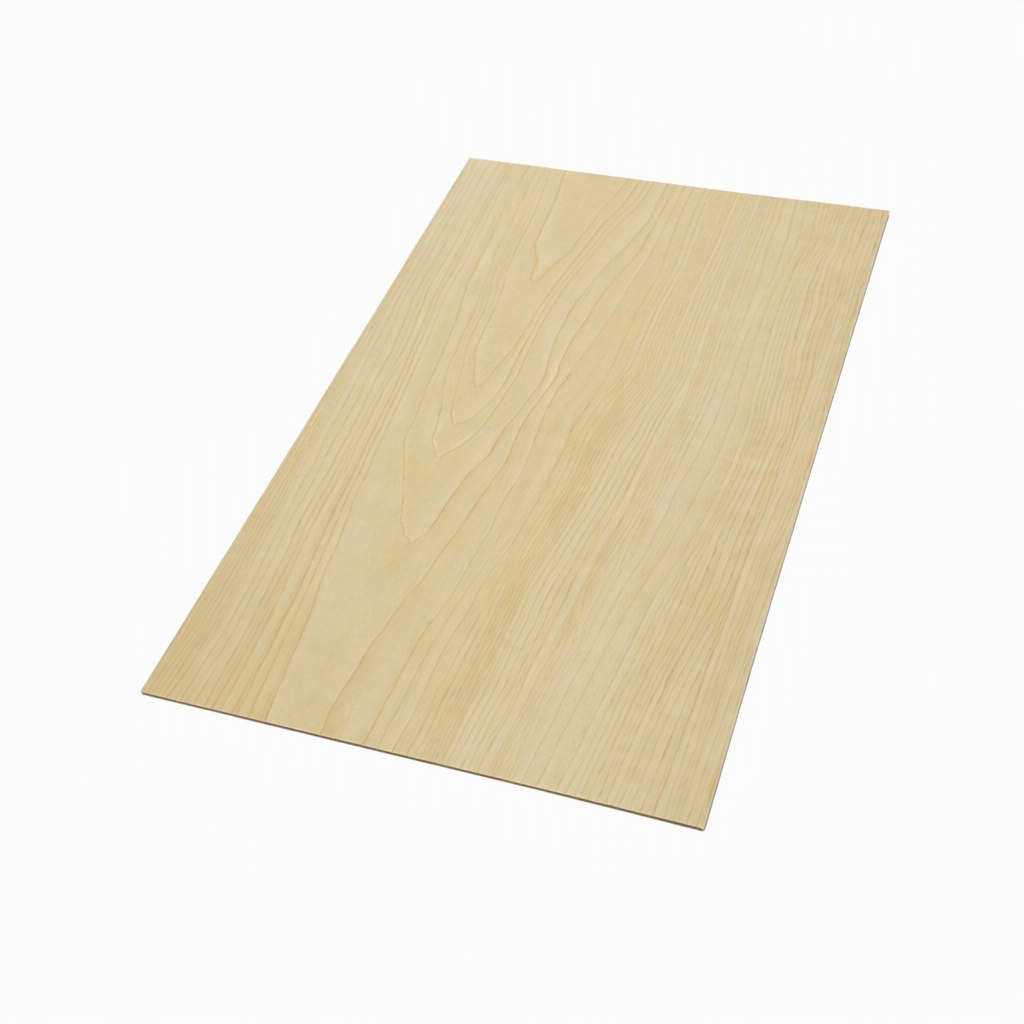
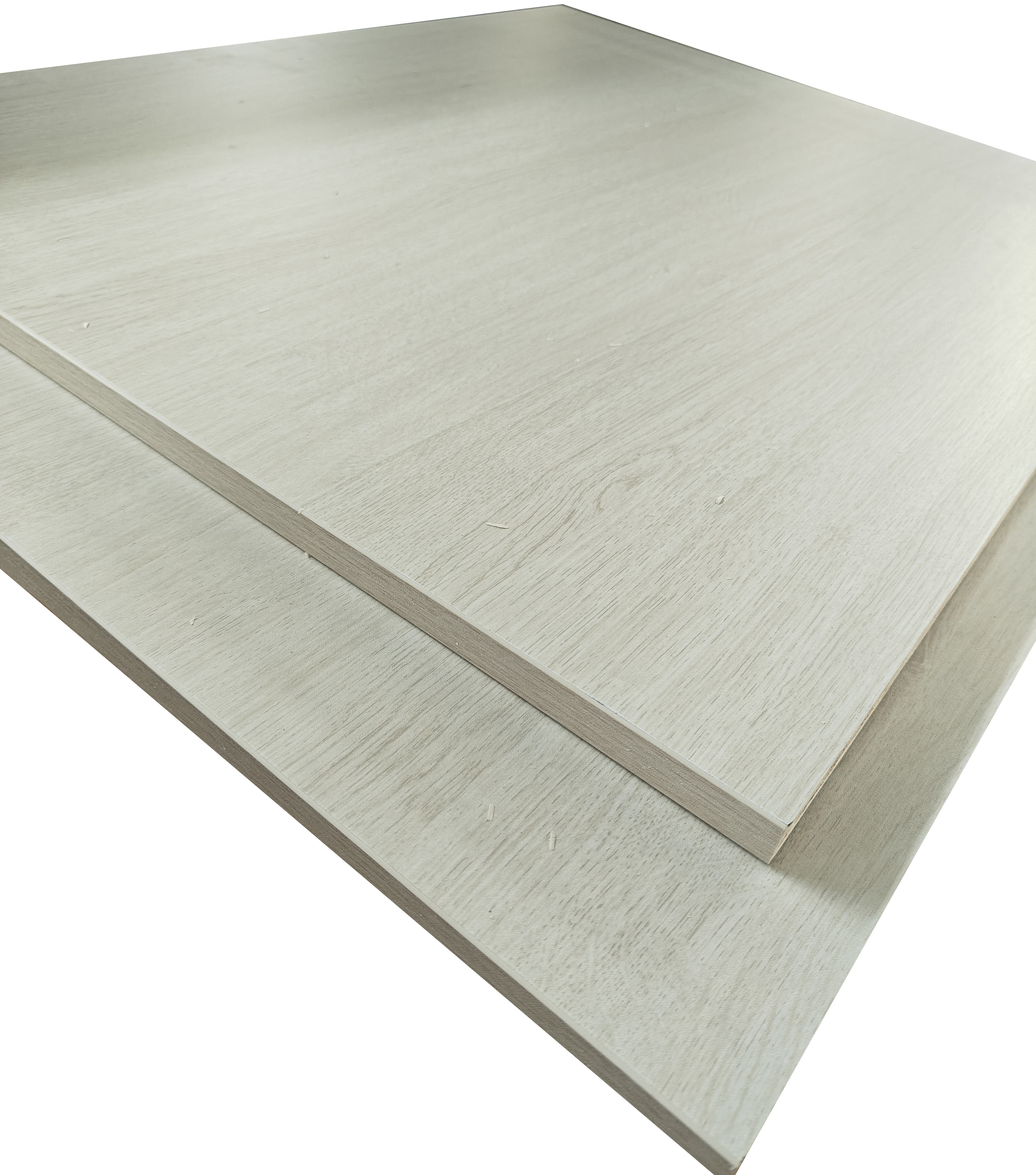
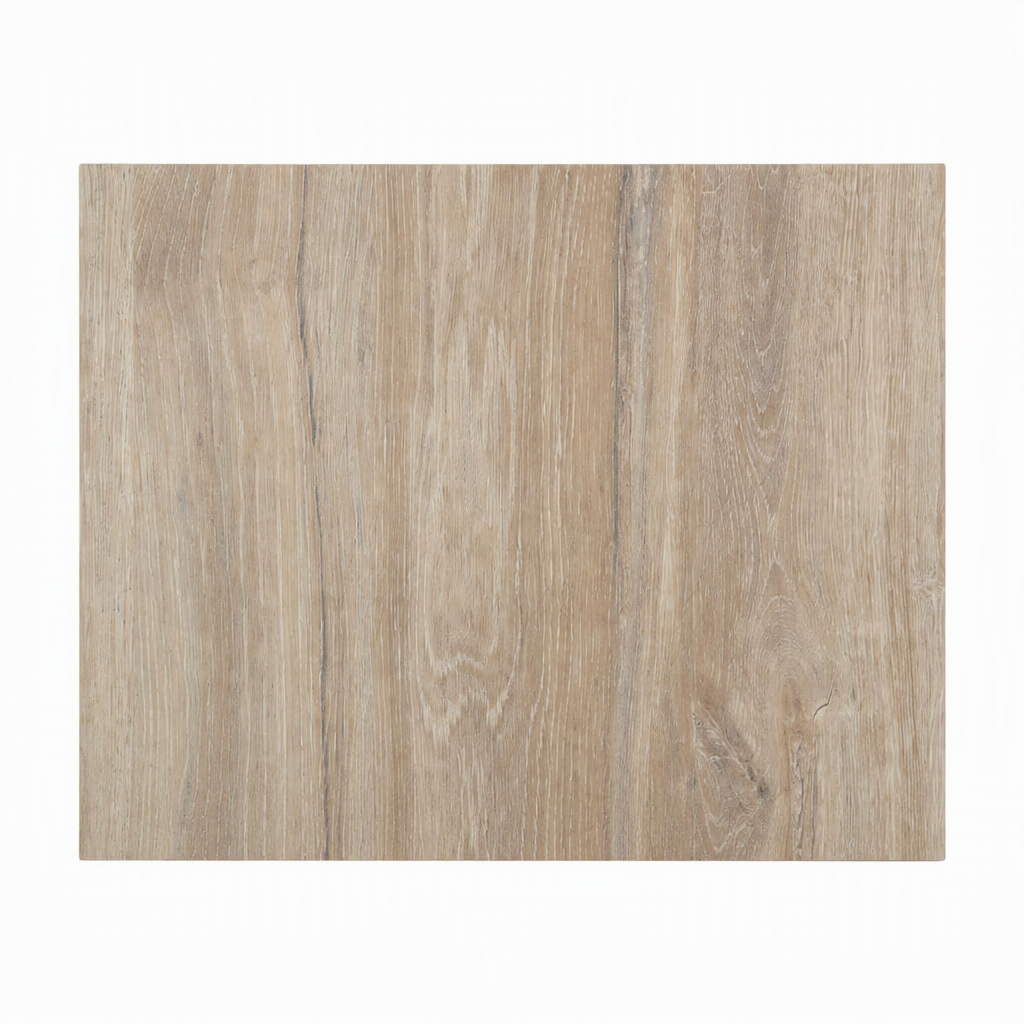
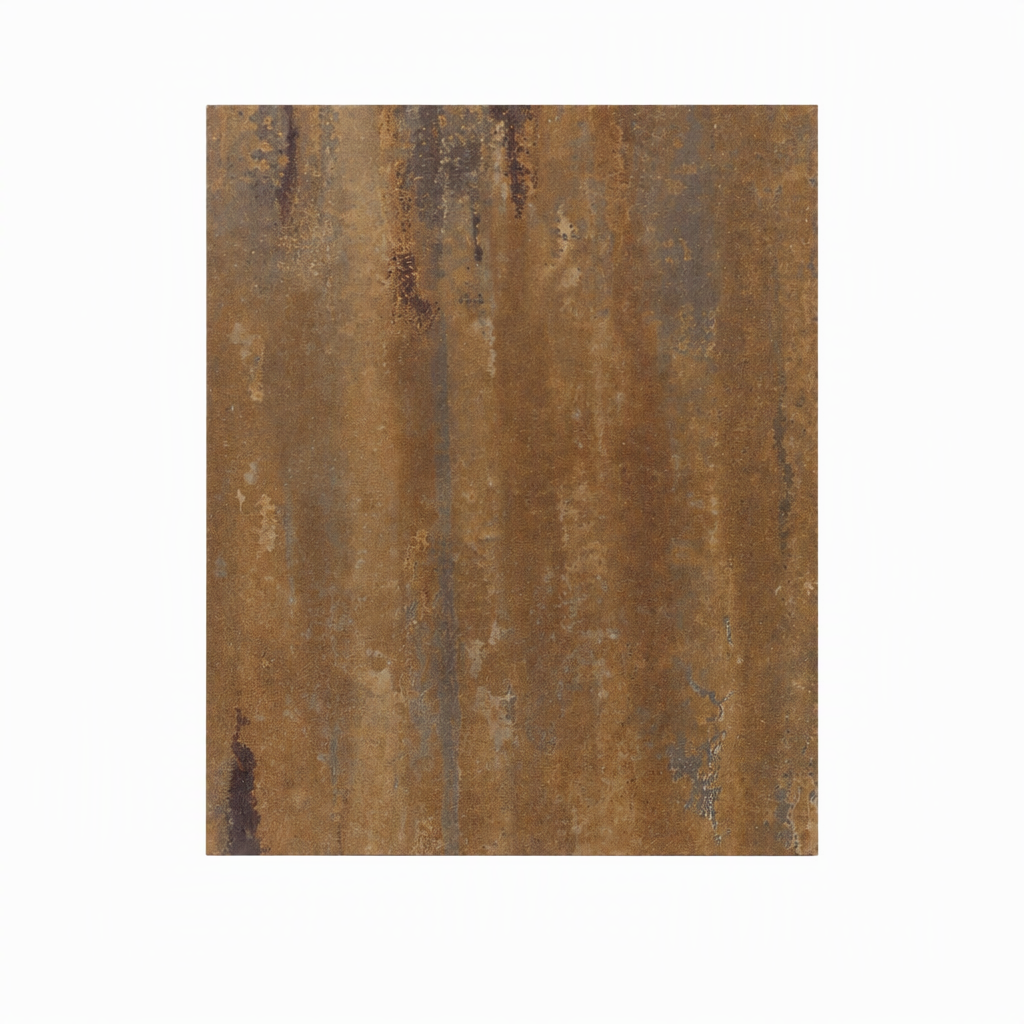
The products below are frequently quoted to Australian cabinetmakers, shopfitters and importers alongside acrylic faced plywood programmes. They are presented as surface-panel alternatives and complementary finishes, not as substitutes for project-specific fire, structural or compliance assessment.
What CE Certified Acrylic Faced Plywood Really Means for Brisbane Buyers
Prepared from the perspective of a Linyi-based panel sourcing and quality team that supports importers, distributors and project buyers with supplier assessment, material inspection and export documentation.
CE marking is a declaration route, not a universal quality badge
For wood-based panels, CE marking is commonly linked to a Declaration of Performance under a harmonised standard such as EN 13986. The important question for a Brisbane buyer is not simply “does the supplier say CE?” but which panel, which intended use and which declaration are covered. Acrylic faced plywood is a composite product: the plywood substrate may have a CE DoP, while the acrylic film, adhesive system and finished decorative panel may require separate performance evidence.
A responsible supplier should identify the CE scope precisely. If the CE documentation applies only to the bare plywood core, request the separate acrylic film specification, adhesion test data, surface wear information and formaldehyde emission report. This is where experienced buyers gain information advantage: they compare the declared scope with the actual shopfitting, joinery or wall-lining application.
Brisbane-specific performance questions come before price
Brisbane’s humid subtropical climate puts more stress on cabinet doors, vanity panels, retail counters and wall linings than many dry inland markets. Acrylic faced plywood must be evaluated for edge sealing, moisture cycling, adhesive durability and substrate stability, not only gloss level or colour. A panel that looks correct in a sample folder can still fail in a bathroom, kitchen or covered outdoor transition zone if the edges are poorly sealed.
For project work, the specification should state the substrate grade, thickness tolerance, acrylic film thickness, surface finish, adhesive type, formaldehyde class and any fire performance required by the National Construction Code and project consultant. CE papers are useful, but they do not replace Australian project requirements, engineer approval or appropriate installation detailing.
Technical Checklist for Acrylic Faced Plywood in Brisbane Projects
The table below converts common supplier claims into buyer-verifiable checkpoints. Final specifications should always be confirmed against the project drawings, consultant specification and applicable Australian requirements.
| Attribute | Buyer Benchmark | Why It Matters in Brisbane |
|---|---|---|
| Plywood substrate | Stable hardwood or poplar core, controlled moisture content, sanded faces, consistent thickness | Reduces bowing in humid rooms and supports clean CNC routing for cabinet doors and shopfitting panels |
| Acrylic film | Agreed film thickness, colour-fast pigment, UV-stable grade where required | Protects appearance in bright retail, hospitality and residential interiors; thin film can show handling marks |
| Surface finish | High gloss, super matte, satin or textured finish with approved sample | Gloss highlights scratches; matte and textured surfaces can hide fingerprints in high-traffic fit-outs |
| Adhesive and bond | Documented bonding system, peel strength and humidity resistance data | Edge and face delamination is costly to remedy after joinery installation |
| Formaldehyde | E0 or E1 class with test report aligned to destination market expectations | Supports indoor air quality targets for homes, schools, clinics and commercial interiors |
| Fire performance | Project-specific evidence where required; do not rely on generic claims | NCC pathways, exitways and public buildings may require consultant-approved test evidence |
| Edge sealing | Recommended sealant and machining method supplied with the order | Brisbane humidity makes unsealed plywood edges vulnerable to swelling and coating failure |
| Packing and loading | Seaworthy pallets, corner protection, moisture barrier, loading photos | Protects high-gloss surfaces from transit scuffing and reduces site rejections |
Specifications are for procurement planning only. Confirm final tolerances, certifications and installation details with the supplier and project consultant before ordering.
Where Acrylic Faced Plywood Fits Brisbane Residential and Commercial Work
Brisbane buyers rarely purchase decorative panels in isolation. They buy a finish system that must survive humidity, site handling, cleaning regimes and the visual expectations of architects, builders and homeowners.
Kitchen and butler’s pantry joinery
High-gloss acrylic faced plywood is often specified for cabinet doors, pantry surrounds and feature panels where reflectivity and cleanability matter. In Brisbane kitchens, moisture from cooking and subtropical air makes substrate stability and edge sealing critical.
Bathroom vanities and wet-area cabinetry
Vanity fronts, side panels and mirrored cabinet surrounds need a substrate with controlled moisture performance and sealed edges. Acrylic facings offer easy cleaning, but the specification should include substrate grade, sealant compatibility and installation ventilation.
Retail and hospitality fit-outs
Fortitude Valley, South Bank and CBD tenancy fit-outs often require durable decorative surfaces that can be fabricated quickly. Acrylic faced plywood can suit counters, display plinths and wall panels when colour consistency and impact resistance are specified.
Healthcare, education and childcare
Clinics, schools and childcare centres usually prioritise cleanability, low formaldehyde and robust surfaces. Acrylic faced plywood should be supported by emission reports, cleaning-product guidance and edge protection detail for trolleys, chairs and play equipment.
Queenslander renovations and extensions
Renovating a Queenslander often means fitting modern cabinetry and wall features within older building envelopes. Acrylic faced plywood can deliver a crisp finish, but renovation work requires careful site measurement, transition details and humidity control before installation.
Commercial partitions and wall linings
Acrylic faced plywood can be used for decorative partitions, reception walls and branded interior cladding where the specification supports the fire and impact requirements. Confirm fixing methods, expansion gaps and substrate conditions before fabrication.
Brisbane Procurement Trends Shaping Acrylic Faced Plywood Demand
The strongest suppliers are not simply selling panels. They are responding to a market that increasingly values documentation, humidity-aware detailing and predictable landed cost.
Humidity-aware specification is becoming standard
Buyers are moving from generic “waterproof” language to specific requirements for substrate, adhesive, edge sealing and installation ventilation. This is a positive change: it reduces post-installation disputes and improves long-term appearance in Brisbane homes and commercial interiors.
Documentation-led buying is replacing claim-based buying
Project buyers increasingly ask for declarations, test reports and inspection records before releasing purchase orders. Suppliers who can provide organised, product-specific documents win trust faster than those who rely on catalogue slogans alone.
Major-event infrastructure and fit-out pipelines
Brisbane’s infrastructure and commercial development pipeline, including preparation for major events, is encouraging more prefabricated joinery and faster fit-out cycles. Acrylic faced plywood appeals where repeatable colour, clean surfaces and efficient CNC fabrication are valued.
Lower-emission interiors remain a buying trigger
E0 and E1 formaldehyde options, low-odour adhesives and indoor air quality evidence are increasingly discussed by architects, builders and homeowners. Buyers should request reports that match the actual product being ordered, not only a generic company certificate.
Mixed-container sourcing improves landed cost
Distributors and larger joinery shops are consolidating acrylic faced plywood, decorative HPL, MDF and auxiliary boards into fewer shipments. A supplier able to coordinate multiple product families can reduce freight administration and improve container utilisation.
Visual inspection records support remote purchasing
Photos of material stacks, finished boards, edges, labels and container loading are now part of the buying decision. Transparent inspection records help overseas buyers verify what was packed and reduce uncertainty before goods arrive at the Port of Brisbane.
Acrylic Faced Plywood vs HPL Faced Plywood vs Melamine Faced Plywood
Specification drift is common when several decorative surfaces are quoted in one project. Use this comparison to keep the tender, sample and purchase order aligned.
| Decision Point | Acrylic Faced Plywood | HPL Faced Plywood | Melamine Faced Plywood |
|---|---|---|---|
| Visual character | High-gloss or super-matte polymer surface; strong colour depth | Broad decor range, wood grain, stone and textured finishes | Cost-effective decorative finish, usually lower gloss |
| Best-fit application | Kitchen doors, vanity fronts, retail counters and feature panels | Shopfitting, wall panels, furniture and wet-area joinery with suitable core | General cabinetry, internal fit-out and budget-sensitive projects |
| Humidity management | Depends on substrate and edge sealing; specify both clearly | Depends on core and edging; compact grades offer higher resistance | Requires careful edge sealing; melamine alone does not make plywood waterproof |
| Repair and fabrication | Gloss surfaces can show scratches; careful handling and protective film recommended | Generally tolerant of workshop handling; postforming options available | Easy to fabricate but edges and joints need neat detailing |
| Procurement evidence | CE DoP for covered panels, acrylic film data, adhesion and emission reports | CE DoP where applicable, decorative grade and fire test evidence if required | Emission class, decor match and substrate data |
Why Fipdm Is a Practical Supply Partner for Brisbane Acrylic Faced Plywood Programmes
Linyi Fipdm Import And Export Co., Ltd. is a verified trading company and multispecialty supplier based in Linyi, Shandong, the largest wood-based panel production cluster in China. We combine vetted partner mills, on-site inspection and export coordination into one accountable supply channel.




For Brisbane buyers, the value is not simply a lower factory quotation. It is the ability to verify what is being supplied before the container leaves China.
Our team inspects raw materials at partner mills, checks finished boards for thickness, surface, edges and packing, and shares loading records with buyers. This two-stage quality-control approach is especially important for acrylic faced plywood, where a small surface defect or unsealed edge can become a costly site issue after installation.
- On-site material inspection
- Finished product inspection
- Supplier assessment procedures
- ODM and full customization
- Multi-category consolidation
- Low-emission E0 / E1 options
- Export documentation support
- On-site technical support
Intertek-verified supplier profile, nine years of industry experience, eight dedicated staff and a 5.0 buyer rating provide a transparent starting point for due diligence. Final product claims should always be confirmed against the signed specification and current test documents for the exact order.
Common Questions Local Buyers Ask Before Ordering
These answers reflect the purchasing, documentation and installation questions our export team receives from Australian importers, joinery shops and project buyers. They are general guidance only and should be adapted to the exact product specification.
01Are you a manufacturer or a trading company?
Linyi Fipdm Import And Export Co., Ltd. is a verified trading company and multispecialty supplier. We source from vetted partner mills in Linyi and manage on-site material inspection plus finished-product inspection before shipment. This gives buyers one accountable contact across several panel families.
02Can you supply CE documentation for acrylic faced plywood?
Where the ordered panel construction and intended use fall within the available declaration scope, we can request CE-related documents from the partner mill. Buyers should specify the exact substrate, acrylic film, thickness and application so the correct documents can be confirmed before the order is placed.
03Is CE certification enough for Brisbane project approval?
Not automatically. CE marking is a European declaration route and is not a substitute for National Construction Code requirements, project consultant specifications, engineer approval or Australian test evidence where required. Use CE documents as part of a broader compliance file.
04What thickness and sheet sizes are available?
Typical decorative plywood programmes use 3 mm to 18 mm substrates with 1220 x 2440 mm sheets, but acrylic faced plywood can be customised by project. Provide the intended use, edge detail, door size and hardware load so the substrate thickness is not selected by guesswork.
05How does acrylic faced plywood perform in Brisbane humidity?
Performance depends on the plywood core, adhesive, edge sealing and installation conditions. Acrylic facing helps with surface cleaning, but it does not make an unsealed edge waterproof. For bathrooms, kitchens and covered outdoor transitions, specify moisture-resistant substrate and a compatible edge-sealing method.
06Can I mix acrylic faced plywood with HPL, MDF or LVL in one order?
Mixed loads are a core part of our supply model. We can coordinate decorative HPL, compact laminate, MDF, plywood, LVL and door core products where specifications and production schedules allow. This helps distributors and larger joinery shops improve container efficiency.
07What is the usual lead time to the Port of Brisbane?
Lead time depends on stock availability, colour matching, production scheduling, inspection and shipping line space. A practical planning window should include sample approval, production, pre-shipment inspection and sea freight. Confirm the current schedule with our export team before committing to a site programme.
08Can you provide samples, colour matching and custom packaging?
Yes. We support sample-based approval, colour and surface matching, logo and packaging customization, design-based customization and ODM development. For high-gloss acrylic panels, approve the sample under realistic lighting and protect the finished panels during fabrication and transport.
Request a CE Documentation Checklist and Brisbane-Ready Quotation
Send your sheet size, substrate thickness, acrylic finish, colour reference, estimated quantity, destination port and project application. Our export team will respond with matched options, documentation requirements and a practical supply plan.
Email: info@fipdmplywoods.com | Location: Linyi, Shandong, China | Supply focus: HPL, compact laminate, MDF, plywood, LVL and decorative panel programmes