Raw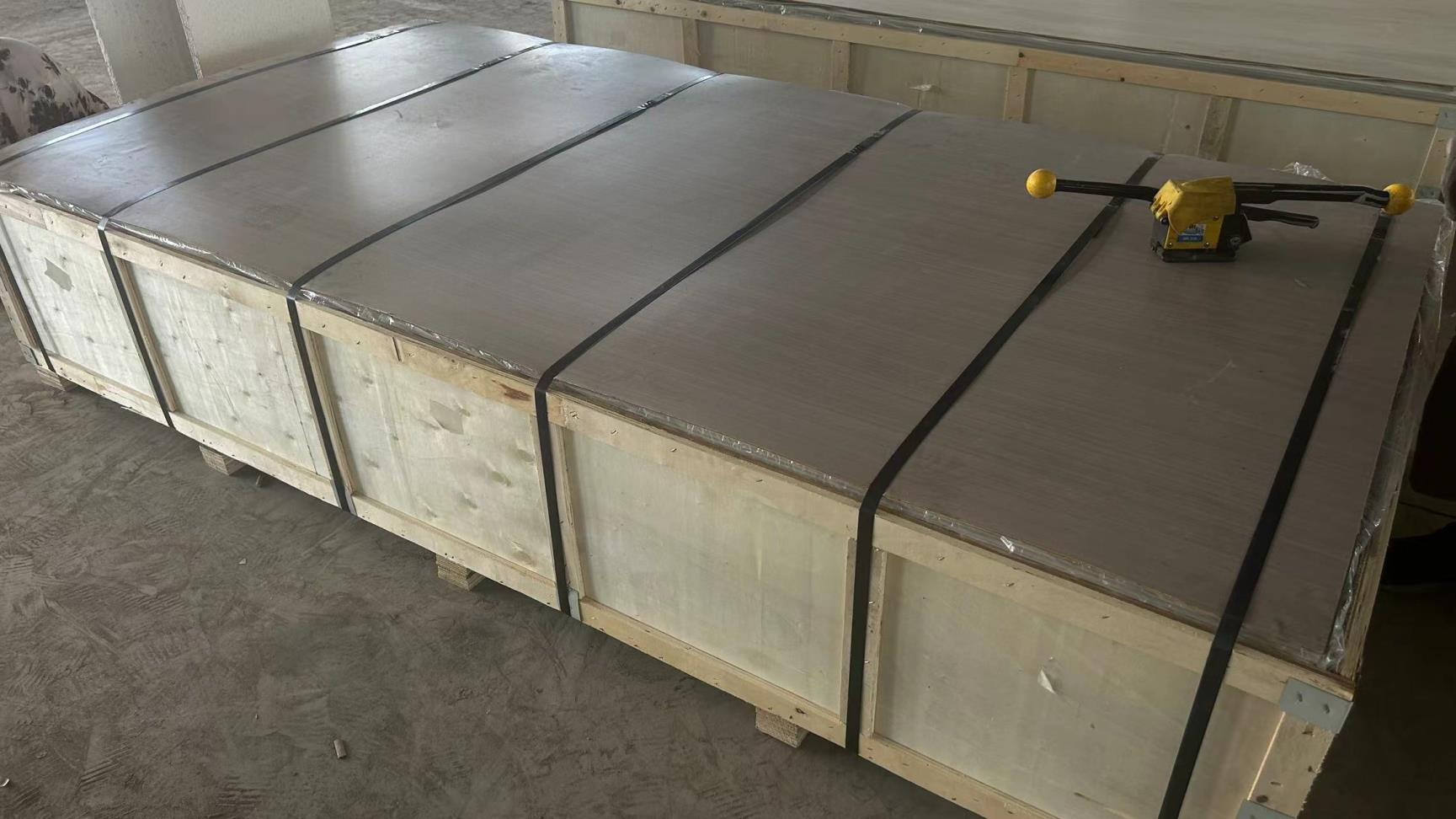
Raw Sanded Furniture Grade Particle Board
- Density around 650–720 kg/m³
- 9–25 mm, E0/E1 options
- For lamination, painting and edge banding
Furniture grade particle board is a commercial expectation, not a single universal grade. Buyers need to define density, thickness, surface quality, emission class and moisture resistance before comparing quotations.



Furniture grade particle board is an engineered wood panel made from wood particles, chips and sawdust bonded with resin and pressed into a stable sheet. The phrase “furniture grade” describes a commercial expectation: the board must be flat enough for lamination, dense enough for hinges and fittings, clean enough for edge banding, and compliant with the formaldehyde rules of the destination market. For global buyers, the safest starting point is to define the application, surface finish, target emission class and working environment before comparing prices.
For cabinet carcasses and flat-pack furniture, buyers usually ask for a density of approximately 650–720 kg/m³, a sanded surface and tight thickness tolerance. For routered cabinet doors and office furniture, a higher-density board can improve edge quality and screw-holding. For visible panels, melamine-faced particle board is common, while moisture-resistant HMR particle board is used in kitchen and bathroom furniture. Each specification changes the raw material, resin consumption, pressing time and final cost, which is why a one-line inquiry such as “please quote furniture grade particle board” rarely produces comparable offers.
Buyers should also consider how the panel will be machined. A board with a well-consolidated core, controlled moisture content and clean faces reduces chipping during sawing, drilling and edge banding. When the panel is intended for export furniture production, packaging and moisture protection are part of the specification, not an afterthought.
The recommendations below reflect the panel families that can be consolidated through vetted partner mills in Linyi. Final specifications must be confirmed against your application, target market, surface requirement and order quantity.
No matching particle board options on this page. Please browse our full catalogue or email info@fipdmplywoods.com.
| Product Family | Typical Specification | Best-Fit Application | Buyer Checkpoint |
|---|---|---|---|
| Raw Furniture Grade Particle Board | 650–720 kg/m³; 9–25 mm; E0/E1 | Lamination, painting, wardrobe carcasses, shelving | Density, thickness tolerance, surface sanding |
| Melamine Faced Particle Board | Wood grain, solid color, matt, texture; 15/18 mm common | Cabinets, wardrobes, office furniture, flat-pack systems | Paper weight, adhesion, color consistency, edge match |
| Moisture-Resistant HMR Board | Green core; moisture-resistant resin | Kitchen, bathroom, laundry and utility furniture | Swelling performance, sealed edges, hardware |
| High-Density Machining Board | Higher density than standard; tight thickness tolerance | Routered doors, shaped panels, office desking | Edge quality, screw-holding, tool wear |
| Fire-Retardant Particle Board | Project-specific fire performance | Commercial furniture, public areas, institutional projects | Test standard, certificate scope, batch traceability |
| Tubular Chipboard Door Core | Hollow core; 33 / 38 / 44 mm | Interior doors and lightweight furniture infill | Core geometry, flatness, weight, lamination |
Specifications are indicative and should be confirmed against the quotation, sales contract and agreed inspection standard.
Global sourcing is moving away from generic “furniture grade” requests toward application-specific specifications, verified compliance and better evidence before payment.
Importers are asking for clearer emission documentation before price negotiation. E0 and E1 grades remain common in many markets, while North American buyers may request CARB Phase 2 or TSCA Title VI evidence. Instead of treating formaldehyde as a final paperwork issue, procurement teams now define the required emission class at the inquiry stage. This helps avoid re-quoting, production delays and shipment disputes.
AI-assisted sourcing has made buyers more precise. Instead of asking only for “furniture grade particle board,” they ask about density, thickness tolerance, internal bond, screw-holding, surface sanding and edge stability. A wardrobe carcass, a routered cabinet door and a bathroom vanity do not need the same board. Suppliers that can explain the trade-offs between density, cost and machinability are easier to trust.
Experienced buyers compare more than the FOB price per cubic meter or per sheet. They calculate total landed cost including moisture damage risk, packaging quality, inspection fees, inland transport, container utilization and claim handling. A slightly higher unit price can be the lower-risk option when it reduces rejects, rework and delayed production at the furniture factory.
Distributors and mid-sized furniture factories increasingly combine furniture grade particle board with MDF, plywood, HPL, compact laminate and door cores in one shipment. Consolidation improves container efficiency and reduces administrative work, but it requires careful pallet planning, moisture protection and loading sequencing. The supplier must coordinate documentation and inspection across more than one product family.
Melamine-faced particle board is no longer only about basic wood grain. Buyers request synchronized textures, super-matt surfaces, anti-fingerprint finishes and matching edge banding to shorten product development cycles. Surface consistency matters because a color mismatch between board and edge tape becomes a visible defect for retailers and furniture brands.
Particle board is sensitive to moisture during ocean transport and warehouse storage. Buyers now ask for pallet wrapping, moisture barriers, corner protection and loading photos as standard evidence. Procurement teams that specify packaging clearly reduce the risk of swollen edges, surface staining and rejected deliveries.
Board manufacturers are investing in resin efficiency, surface engineering, dimensional stability and application-specific performance. These changes directly affect how buyers specify and validate panels.
Lower-formaldehyde resin systems continue to develop across export-oriented mills. The goal is not only to meet E0/E1 or CARB requirements, but to do so without sacrificing internal bond strength, surface quality or machinability. Buyers should ask for the actual test report and confirm that the reported grade applies to the panel thickness and finish being purchased.
Product development is splitting into two directions. High-density particle board is used where edge quality, screw-holding and routing performance matter. Lightweight and hollow-core boards are used where reduced weight and transport efficiency matter, especially for interior doors and modular furniture. The correct choice depends on the structural role of the panel, not simply on its price.
Decorative surfaces are becoming more sophisticated. Synchronized embossing aligns the paper texture with wood grain, while matt and soft-touch finishes reduce glare and fingerprints. These surfaces help furniture brands create differentiated ranges, but they also require tighter process control and better color matching between board and edge banding.
HMR particle board is evolving to serve kitchen and bathroom furniture with better swelling control and sealed-edge performance. Fire-retardant particle board is also expanding in commercial and public-area projects. In both cases, buyers should define the test standard, application and documentation requirements before ordering.
Sustainability requirements are pushing wood-based panel producers to improve raw-material traceability, recycled wood use and documentation. Furniture buyers increasingly want to know where the fibre comes from and how the panel performs over its service life. Clear material declarations and consistent batch records are becoming part of supplier selection.
Modern furniture production relies on automated cutting, drilling and edge banding. Board development is therefore focused on reduced chipping, stable dimensions and predictable machining behavior. For buyers, the practical implication is simple: specify the machining process and the edge-finish requirement, not only the panel thickness.
Linyi Fipdm Import And Export Co., Ltd. combines access to vetted partner mills with on-site material inspection and finished-product inspection before loading.
As a verified trading company and multispecialty supplier, Linyi Fipdm Import And Export Co., Ltd. sources from vetted partner mills in Linyi, the largest wood-based panel cluster in China. This model gives buyers access to a broad range of board types while maintaining one accountable contact for specifications, inspection and export documents.
Quality checks can include thickness measurement, surface and edge review, density documentation, moisture protection, pallet integrity and packaging verification. When third-party inspection is requested, we coordinate the inspection and share loading photos. For buyers comparing suppliers, this kind of batch-level evidence is more useful than a generic catalogue photo.
We also maintain clear communication on the difference between a product sample and a production batch. Color, surface texture, density and edge condition should be confirmed against the approved sample and the contract specification before mass production begins.
A practical supply-chain partner for importers, distributors and furniture factories that need consistent boards, clear communication and export-ready documentation.
Material checks at the partner mill and finished-board inspection for thickness, surface, edges and packaging before loading.
Logo, packaging, graphics, sample-based and design-based customization, plus ODM support for distributors building their own range.
Combine particle board, MDF, plywood, LVL, HPL and door cores in one container to reduce freight and admin costs.
Practical guidance for panel selection, lamination, packaging and project communication when technical questions arise.
E0 and E1 formaldehyde grades available for selected board lines to meet different market requirements.
Export documentation, seaworthy pallet packing and loading photos shared with every shipment.
Share specs and target market
Confirm color, density, thickness
Material check at partner mill
Finished-board QC before loading
Loading evidence and documents
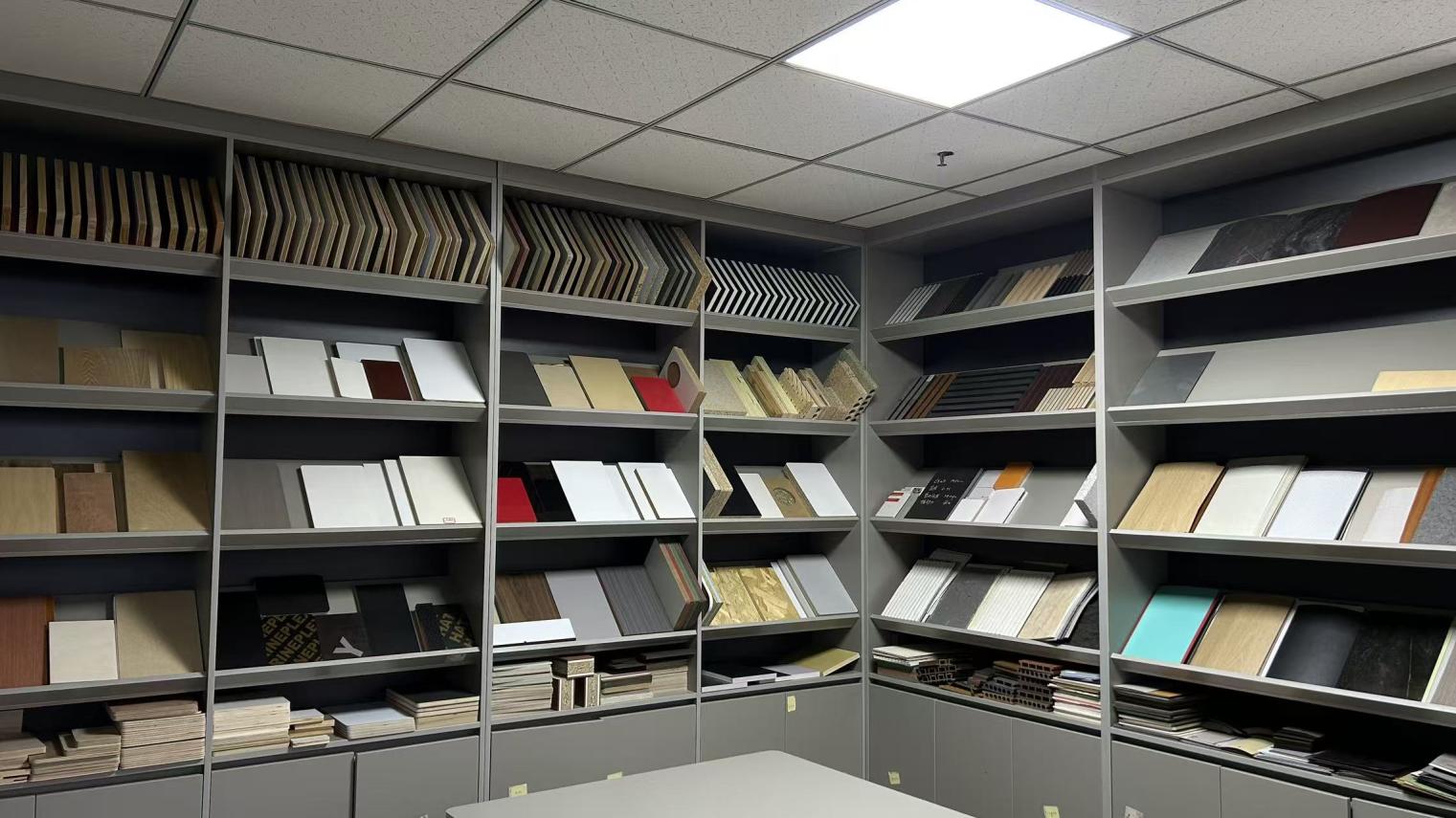
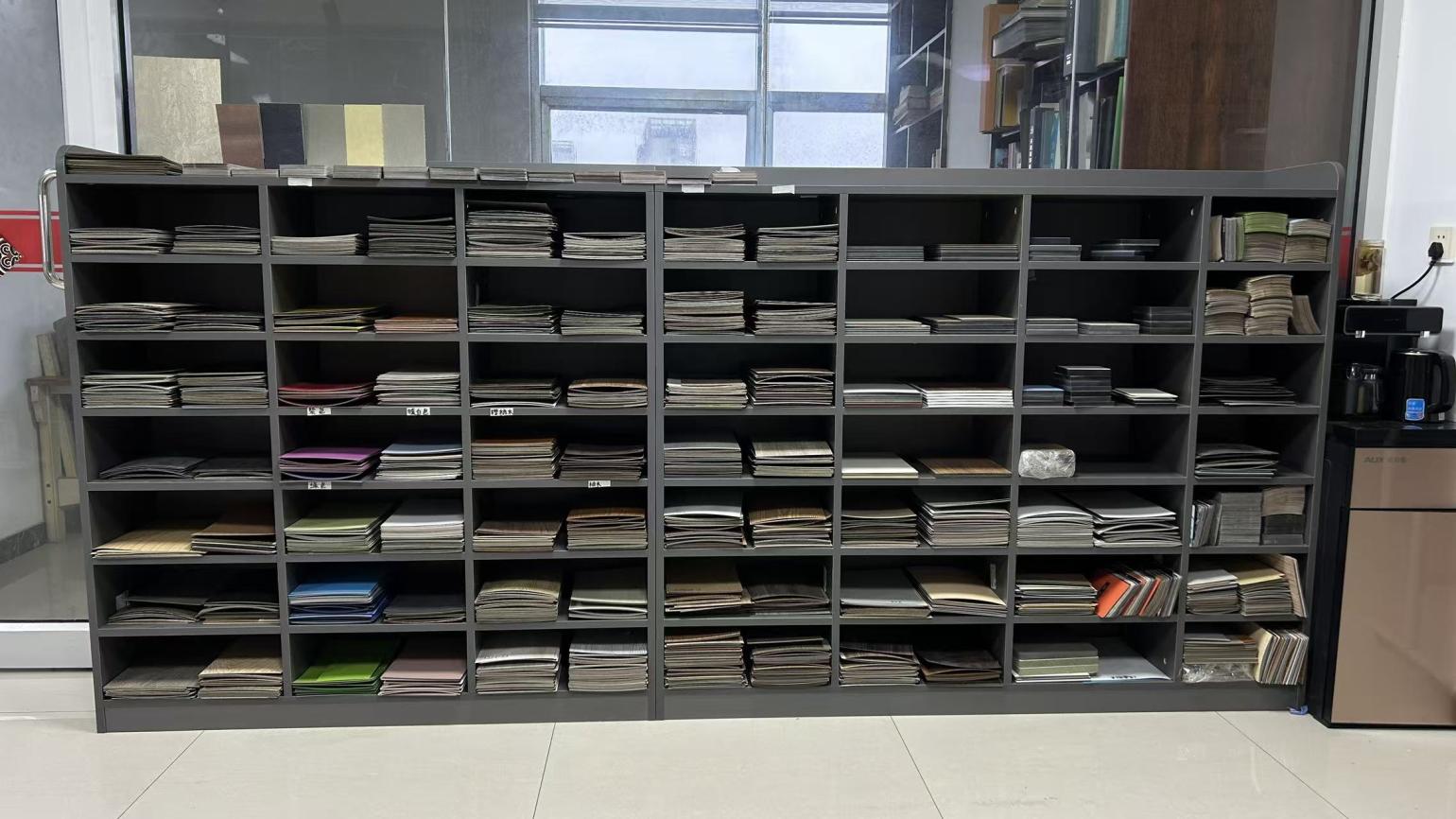
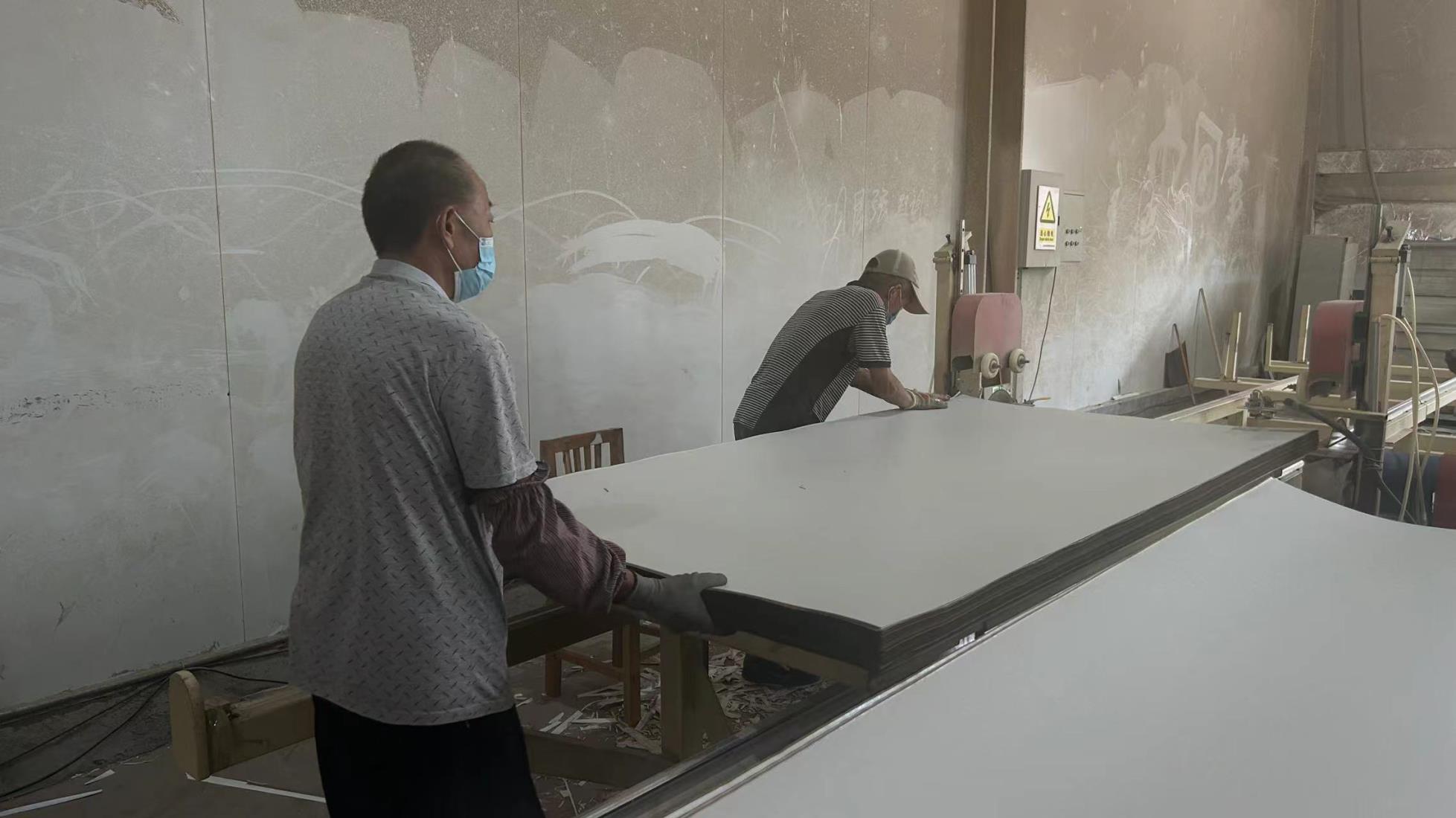
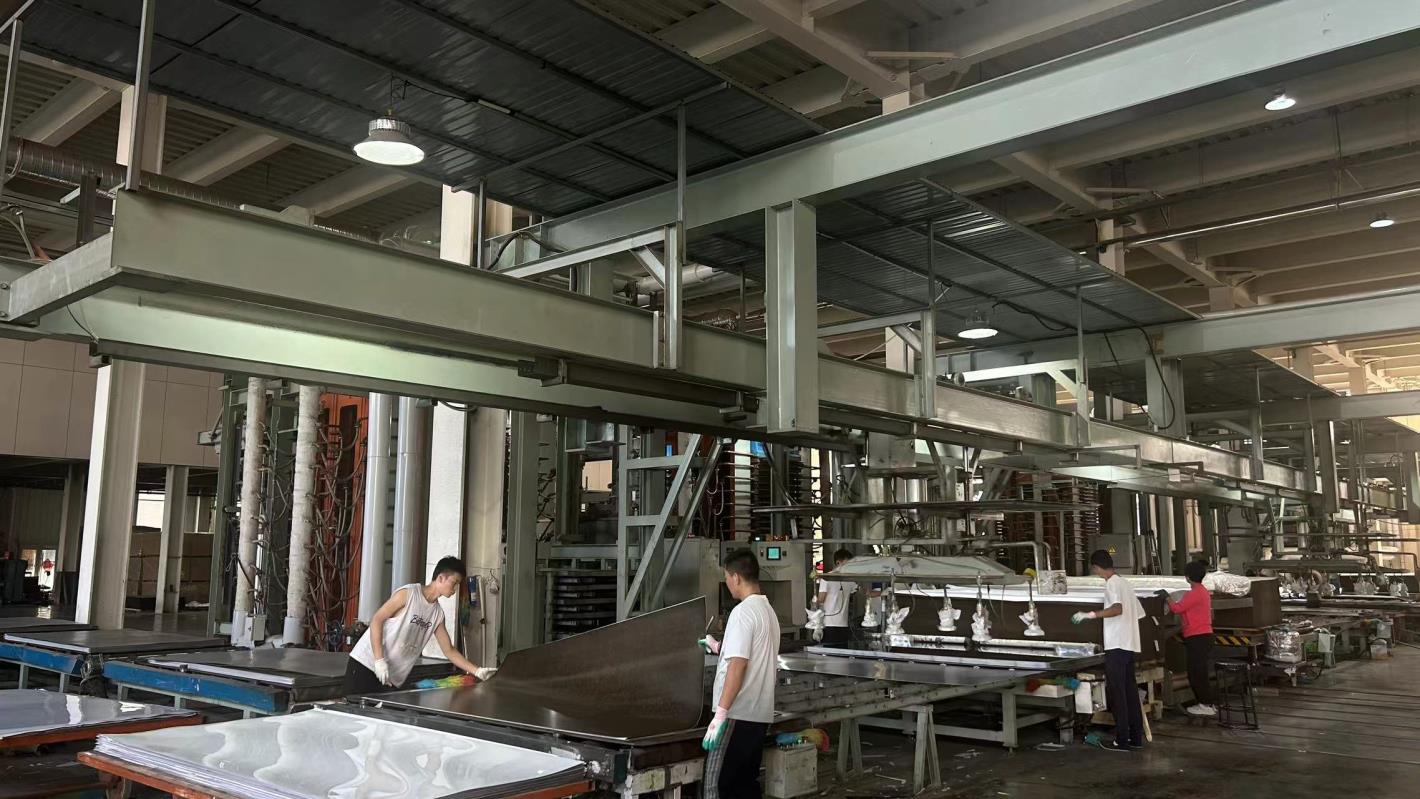
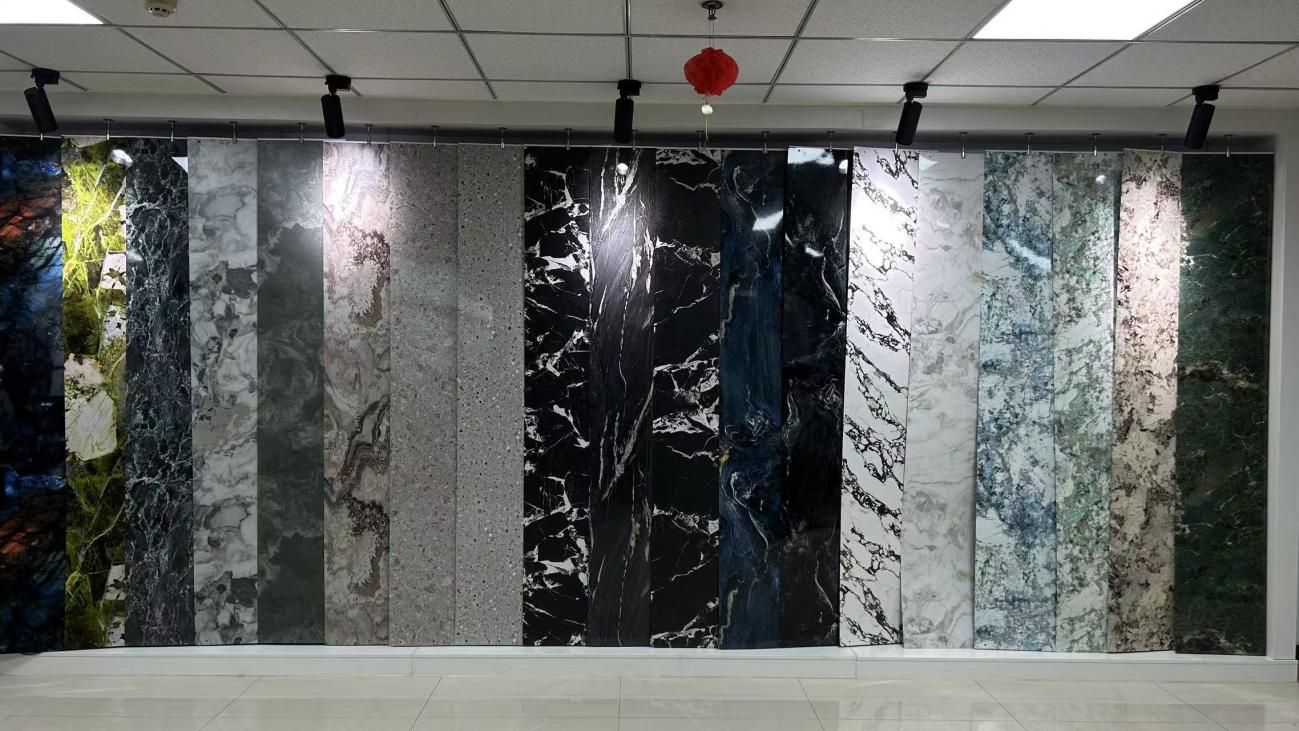
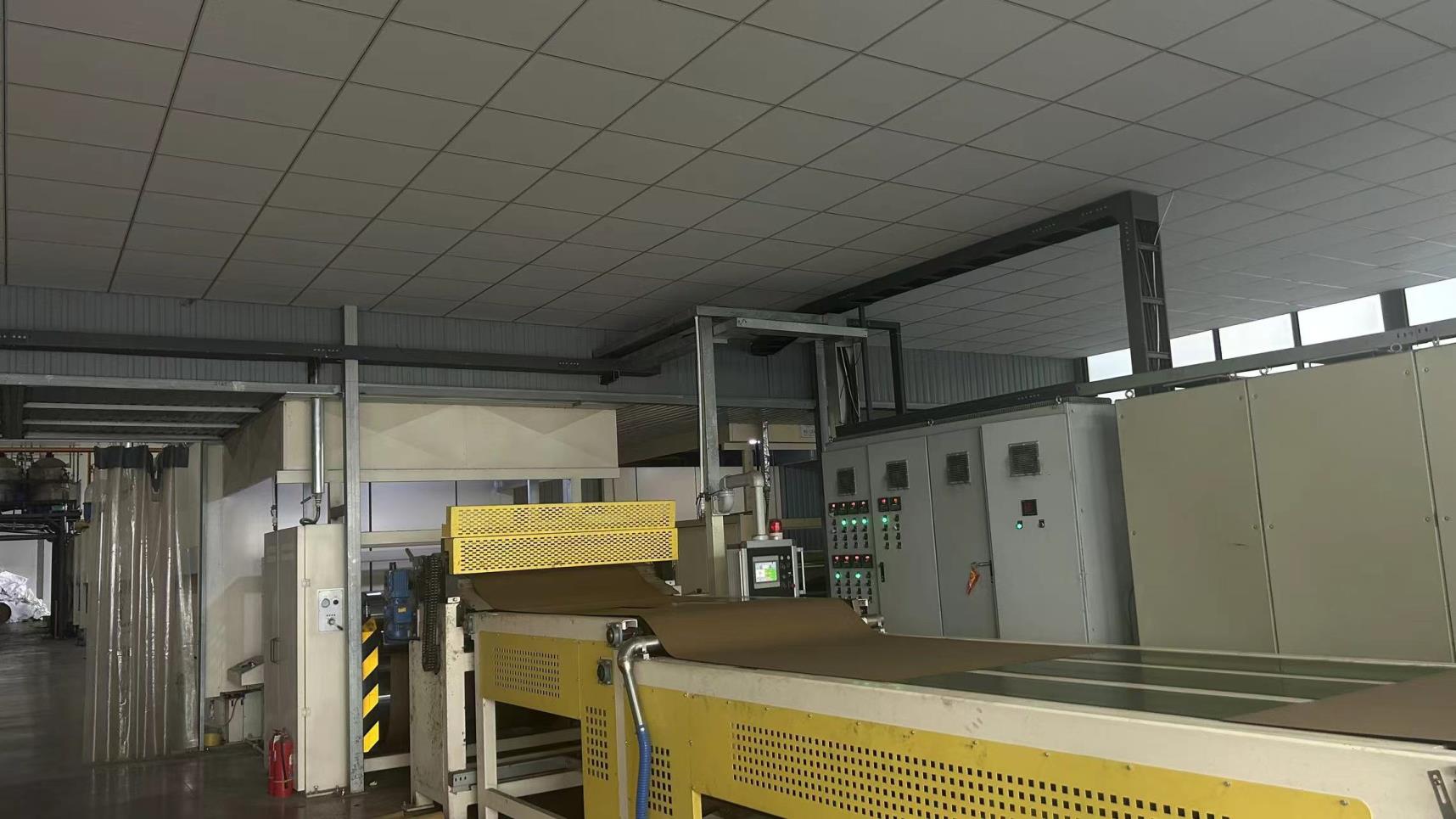
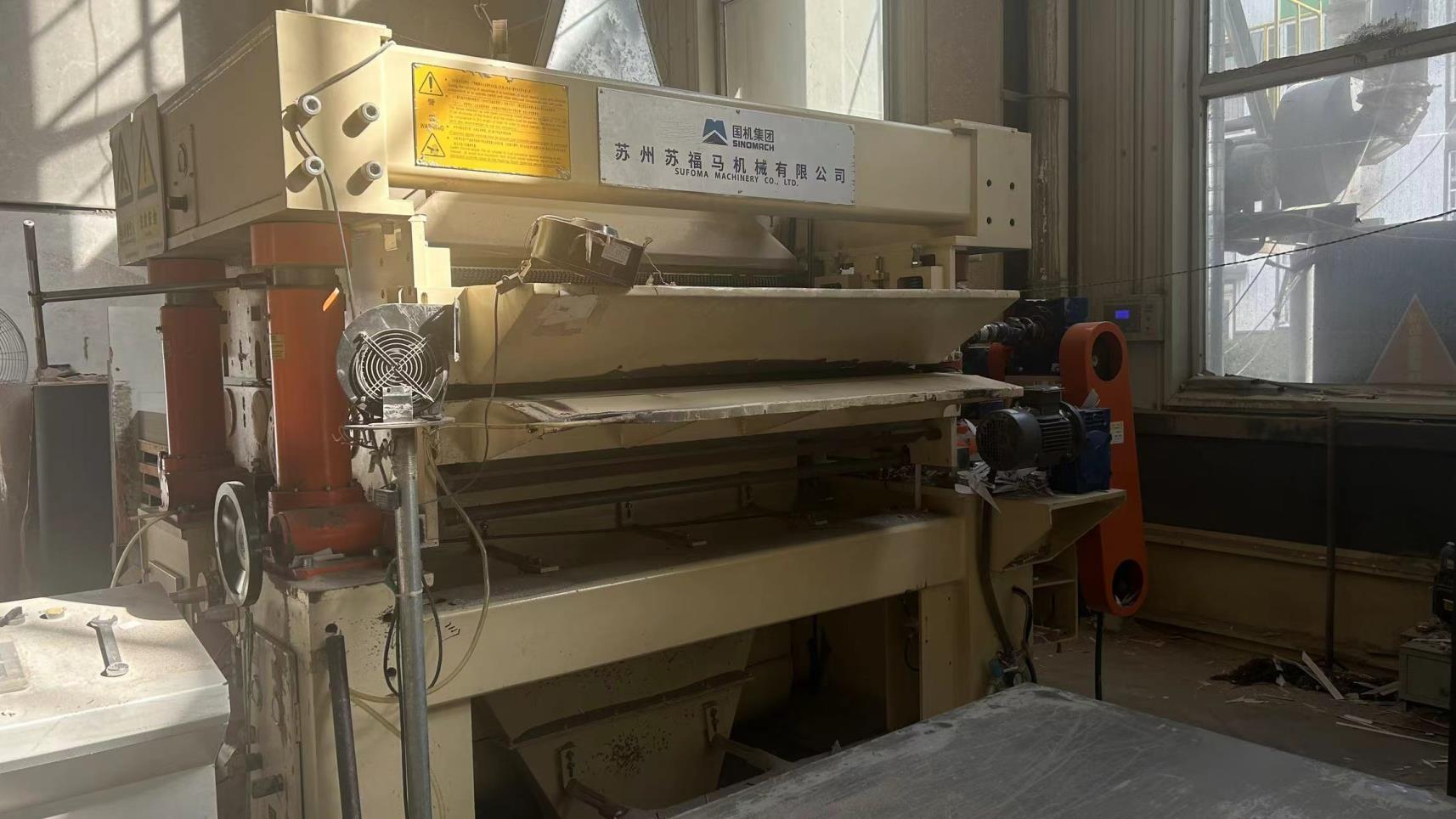
Real operations matter when buyers compare furniture grade particle board suppliers. These images show the type of offline capability behind our export communication.
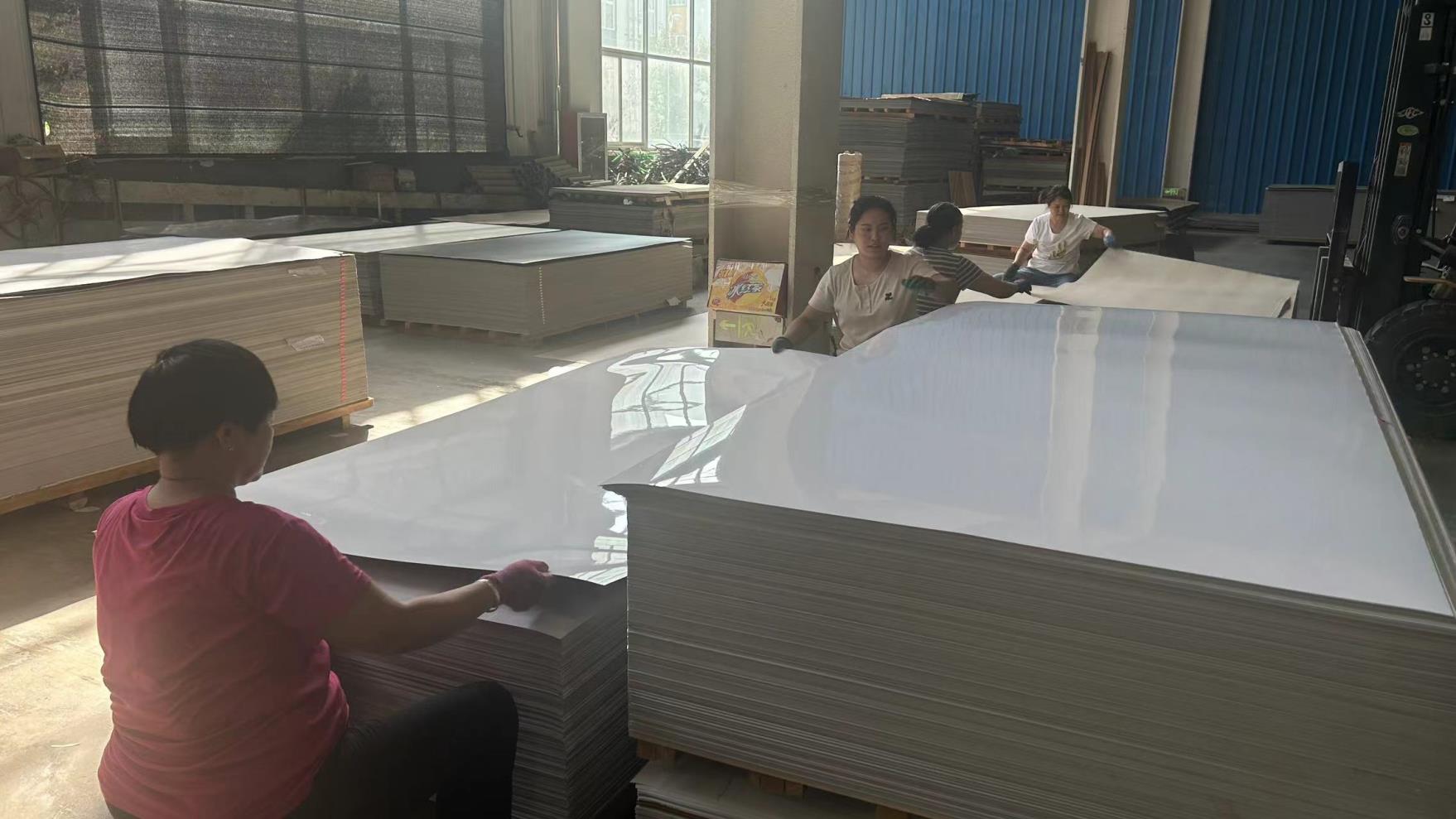
These are the questions global procurement teams most often ask before requesting samples and quotations.
Furniture grade is a commercial specification rather than one universal official grade. It generally means controlled density, a smoother sanded surface, tighter thickness tolerance, reliable screw-holding and compliance with the buyer's formaldehyde emission class. Ordinary particle board may be acceptable for hidden uses, but it can show more surface defects, weaker edges or greater variation from batch to batch.
For cabinet carcasses, 650–720 kg/m³ is a common starting range, with 15 mm and 18 mm used frequently. Heavier shelving may require 18 mm to 25 mm or additional support. Routered cabinet doors often benefit from a higher-density board. Always confirm the hardware, span, loading requirement and machining process before finalizing the order.
Standard particle board is intended for dry interior furniture. For kitchen and bathroom furniture, buyers should specify a moisture-resistant HMR particle board with properly sealed edges and suitable hardware. Standard board should not be exposed to direct water, prolonged damp conditions or unsealed cut edges.
The required grade depends on the destination market and application. E0 and E1 are common for many export markets, while the United States may require CARB Phase 2 or TSCA Title VI compliance. Buyers should request the relevant test report and declaration before production, and confirm that the report applies to the exact board thickness and finish being purchased.
Yes. Common options include wood grain, solid colors, matt, textured and synchronized surfaces. Buyers should provide a color code, sample or reference image and confirm the matching edge banding, substrate grade and minimum order quantity. For coordinated furniture ranges, approve both the board surface and the edge tape together.
Inspection can include thickness checks, surface and edge review, density documentation, moisture protection, pallet integrity and packaging verification. Export packing generally uses moisture barriers, corner protection and seaworthy pallets, with loading photos shared with the buyer. Specific inspection criteria should be agreed before production.
Yes. Mixed loads can include particle board, MDF, plywood, HPL, compact laminate, LVL and door cores. Consolidation helps distributors and furniture factories reach container efficiency, but pallet patterns, loading sequence, weight distribution and moisture protection should be confirmed before shipment.
Minimum order quantity and lead time depend on panel size, surface finish, substrate grade, packaging and whether the order is a mixed container. Send the full specification and target shipment date so that Linyi Fipdm Import And Export Co., Ltd. can confirm the most practical plan.
Yes. Samples can be arranged for qualified buyers, and third-party inspection can be coordinated when requested. We share specification checks, packaging photos and loading evidence so buyers have a clearer record before the container leaves China.
Send your preferred size, thickness, density, surface finish, emission grade, order quantity and destination market. Our export team will reply with matched product options and the information needed for your purchasing decision.
info@fipdmplywoods.com