

Natural
Natural Oak & Walnut Veneer Sheets
- 0.2–0.6 mm flat-sliced veneer
- For furniture faces, doors and walls
- Bundle matching available
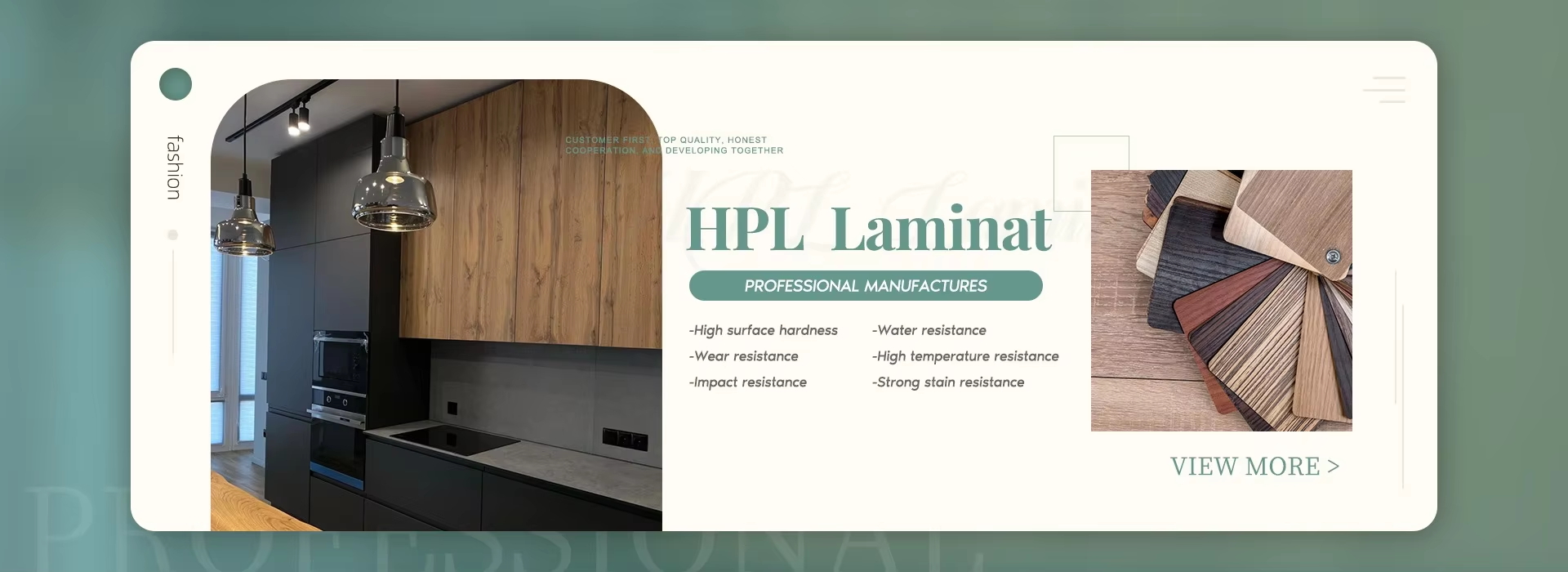
Decorative wood veneer sheets give furniture, doors, cabinetry and wall panels the visual depth of real timber without the weight and cost of solid wood. For professional buyers, the decision is not only about species and color. It is about cut, thickness, backing, substrate, finish, batch consistency, documentation and how the material behaves in production.
Natural veneer sheets are sliced from a log, so every bundle carries its own grain, color, figure and character. They are ideal for premium furniture, hotel interiors, doors and feature wall panels where authenticity matters.
Engineered or reconstituted veneer is made from controlled wood strands or veneer layers that are dyed, stacked and sliced into sheets. It offers more repeatable color and grain, higher yield and better consistency for production programs, especially when a buyer needs a repeat order to match an earlier batch.
Your final choice should consider the substrate, adhesive, finish and end use. A rotary-cut veneer may suit a painted or backed application, while flat-sliced oak or walnut is often selected for visible furniture faces. For curved panels, a flexible veneer with fleece or paper backing can reduce cracking risk. For doors and cabinetry, veneer-faced MDF or plywood can simplify handling and improve flatness.
These options cover common global buyer requirements: natural premium appearance, engineered consistency, flexible backing, veneer-faced panels and sample matching. Specifications are indicative and should be confirmed against your target market, substrate and finish.

No matching veneer option on this page. Please browse the full catalogue or email info@fipdmplywoods.com.
Purchasing teams get faster, cleaner quotations when they send the full veneer requirement in one message. The table below shows the main options and checks used by furniture factories, door manufacturers, distributors and interior contractors.
| Veneer Option | Typical Thickness | Best For | Buyer Checks |
|---|---|---|---|
| Natural flat-sliced veneer | 0.2–0.6 mm | Furniture fronts, doors, wall panels, cabinetry | Species, cut, grain match, shade, knots, moisture, bundle sequence |
| Natural rotary or quarter-cut veneer | 0.2–1.0 mm | Backing layers, panels, engineered doors, contracting work | Figure consistency, defects, thickness tolerance, yield |
| Engineered / reconstituted veneer | 0.2–0.6 mm | Repeat furniture programs, hospitality projects, retail fit-outs | Color repeatability, grain direction, batch reference, surface uniformity |
| Flexible backed veneer | 0.4–0.6 mm plus paper or fleece | Curved surfaces, columns, cabinet doors, furniture edges | Backing type, flexibility, adhesive compatibility, edge cracking risk |
| Veneer-faced MDF | 2.7–18 mm | Cabinet doors, wall panels, shelves, furniture components | Substrate grade, flatness, bonding, face grade, edge quality |
| Veneer-faced plywood | 3–18 mm | Furniture, doors, structural interior panels, shop fitting | Plywood core, glue line, void risk, flatness, face veneer match |
| Veneer edge banding | 0.5–2.0 mm | Panel edges, cabinetry, wardrobe and door production | Match to face veneer, width, thickness, glue compatibility |
| Veneer sample pack | A4 / A5 pieces | Approval before bulk order | Natural vs engineered comparison, gloss, finish, substrate reference |
Thickness, tolerance, finish and packing are confirmed at quotation. For repeat programs, retain a signed approved sample so future production can be compared against a physical reference.
AI search and digital sourcing have made product specifications easier to compare, but they have also raised the standard for supplier evidence. Buyers now ask for information gain, not only a low price.
Procurement teams are comparing total project risk, not only price per sheet. They ask about yield, shade variation, backing, moisture, packing and loading photos, because a lower-priced veneer can become expensive if a production batch needs rework.
Engineered veneer is increasingly specified where a buyer needs the same grain and color across repeat orders. It reduces dependence on rare log availability and supports larger furniture, retail and hospitality programs with more predictable approvals.
Low-emission substrate grades, glue type, moisture content, origin information, packing details and test reports are now part of many purchase specifications. Buyers who state the destination market early receive more relevant material options.
Smaller trial orders and mixed loads are growing because importers want to test veneer quality before committing to larger volumes. Combining veneer with HPL, compact laminate, MDF, plywood, LVL and door cores can improve freight efficiency.
High-resolution photos, batch references and digital sample lists help overseas buyers shortlist faster. However, physical samples remain essential for color, gloss, grain and touch because screen calibration varies between phones and monitors.
Lead-time buffers are being replaced by clearly defined QC milestones: approved sample, material check, production check, loading photos and packing confirmation. This gives purchasing teams visible evidence before the container leaves China.
On the product side, decorative wood veneer sheets are moving toward thinner constructions with stabilised backings, engineered veneers that reproduce rare species more consistently, low-emission composite substrates, fire-retardant panel systems, UV-cured and scratch-resistant finishes, and veneer-faced acoustic or compact panels for commercial interiors. Buyers are also asking for batch-level traceability, packing photos and retained samples so that design intent can survive multiple production runs. The practical implication is clear: the winning supplier is not the one with the longest list of species, but the one that can connect the right veneer system to the substrate, finish, market standard and installation method.
Linyi Fipdm Import And Export Co., Ltd. is a verified trading company and multispecialty supplier based in Linyi, Shandong, China, one of the largest wood-based panel clusters in the country. We coordinate decorative wood veneer sheets, veneer-faced boards, HPL, compact laminate, MDF, plywood, LVL and door cores from vetted partner mills.
Our role is to make the specification practical for the buyer. We review the target application, confirm species or engineered veneer options, discuss backing and substrate, coordinate samples, and keep an approved reference before bulk production. This is especially useful for importers, distributors, furniture factories, door manufacturers and interior contractors who need one accountable contact across multiple material categories.
We do not hide that we are a trading company. Our value is in supplier assessment, product inspection and export coordination. Before shipment, we check the material against the approved sample and review thickness, surface, edges, packing and loading. For project buyers, we can also discuss installation guidance and technical questions with the relevant mill or finish supplier.
Decorative wood veneer is a visual material, so quality discussions should be specific. We connect sample approval, material inspection, finished-product review and shipping evidence so the buyer can see what was checked.

Before production, we recommend confirming species or engineered reference, cut, thickness, sheet size, backing, substrate, adhesive, finish, moisture target, packing method and any required market documents. Before loading, we review the approved sample, batch appearance, surface defects, flatness where relevant, edge condition and packing strength.
Where documentation is available, we can discuss mill-issued test reports, formaldehyde emission grade, glue type, moisture content, packing list and loading photos. Requirements differ by destination market and end use, so tell us the standard your team must meet before the quotation is finalized.
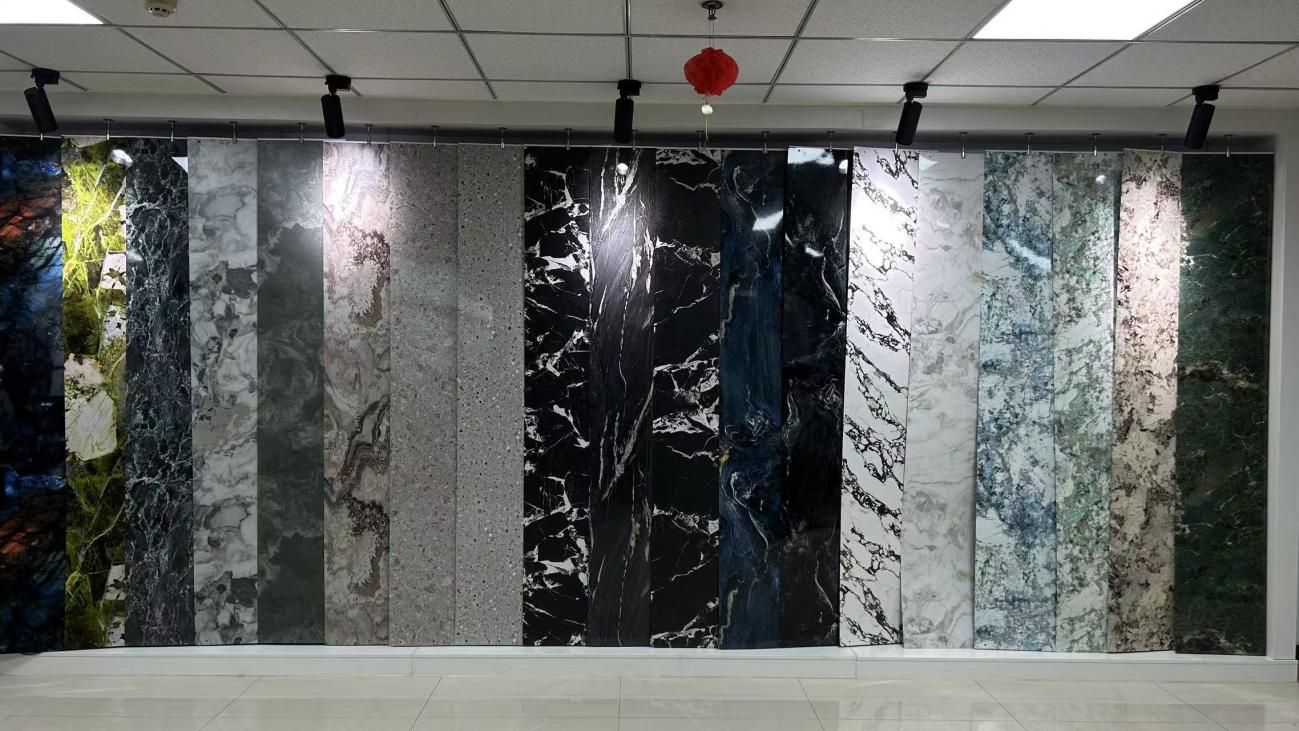
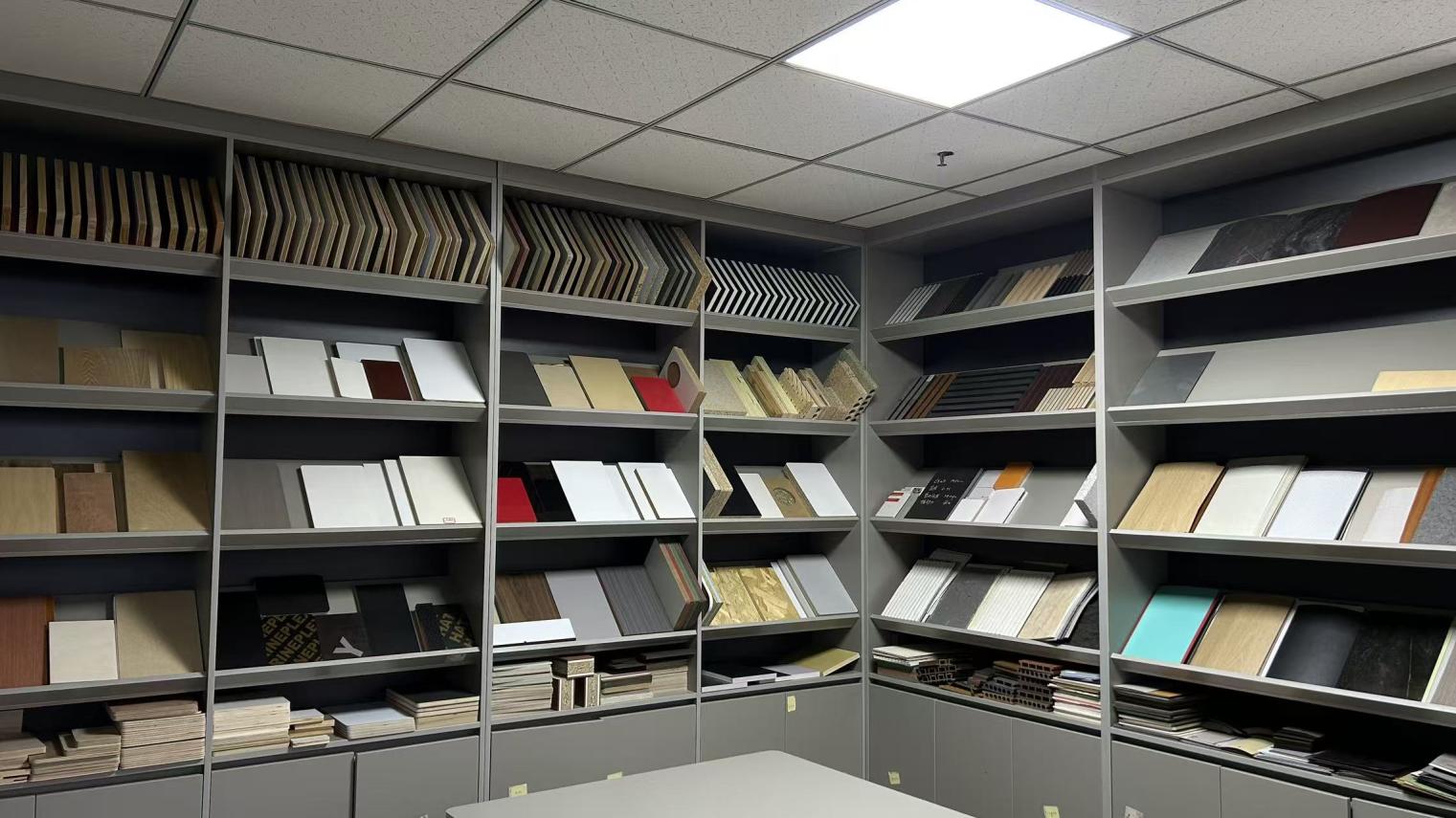
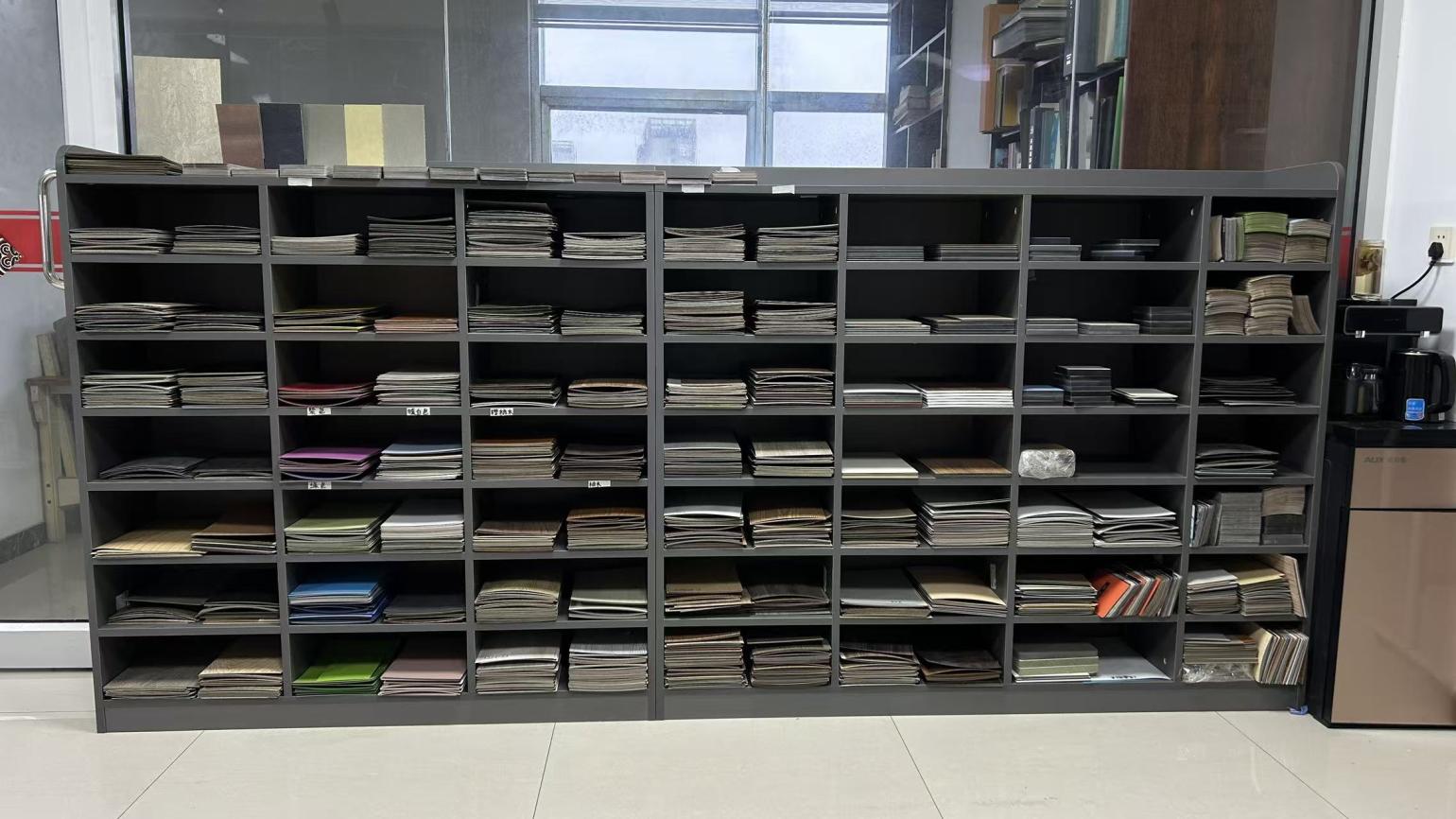
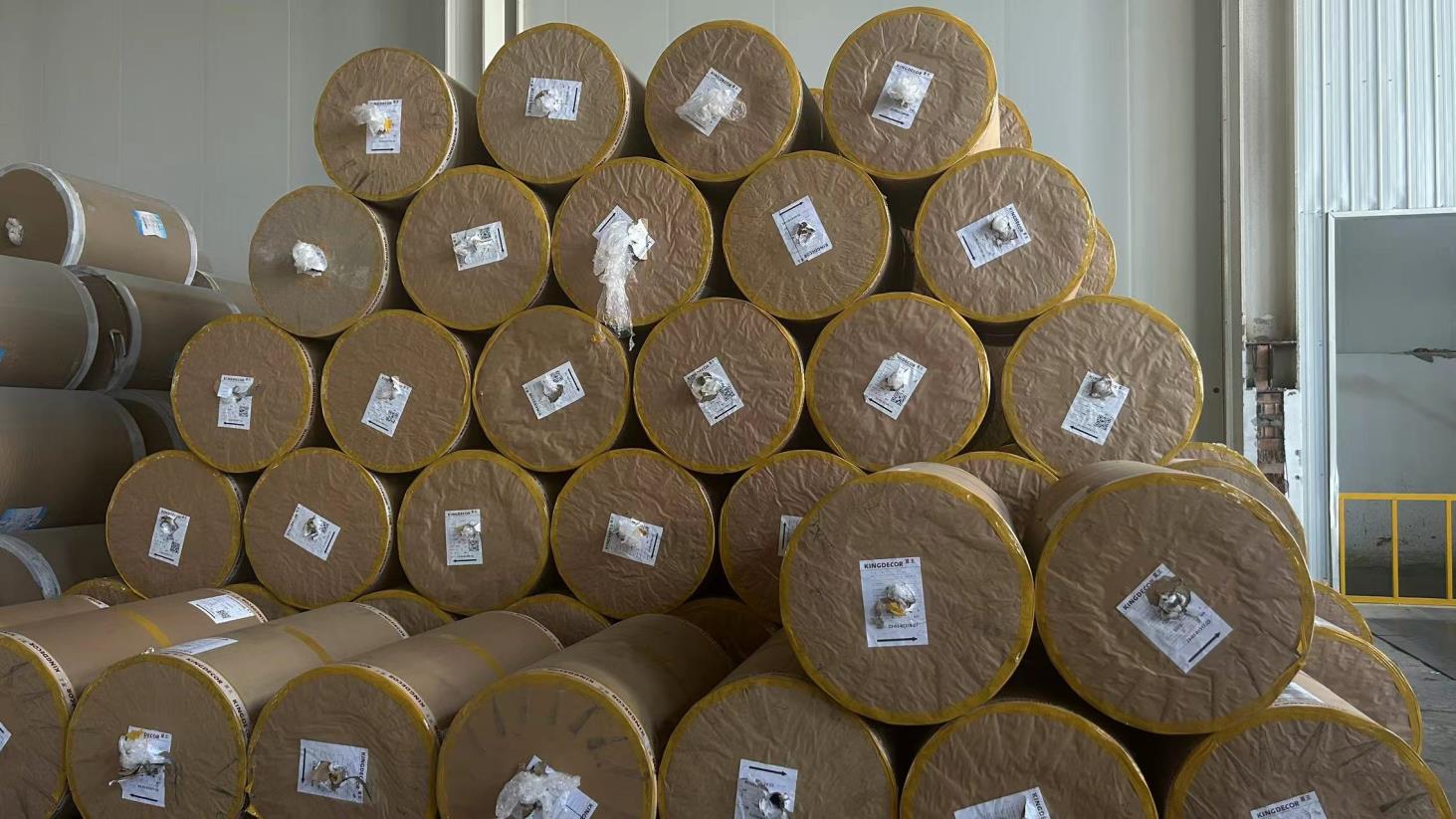
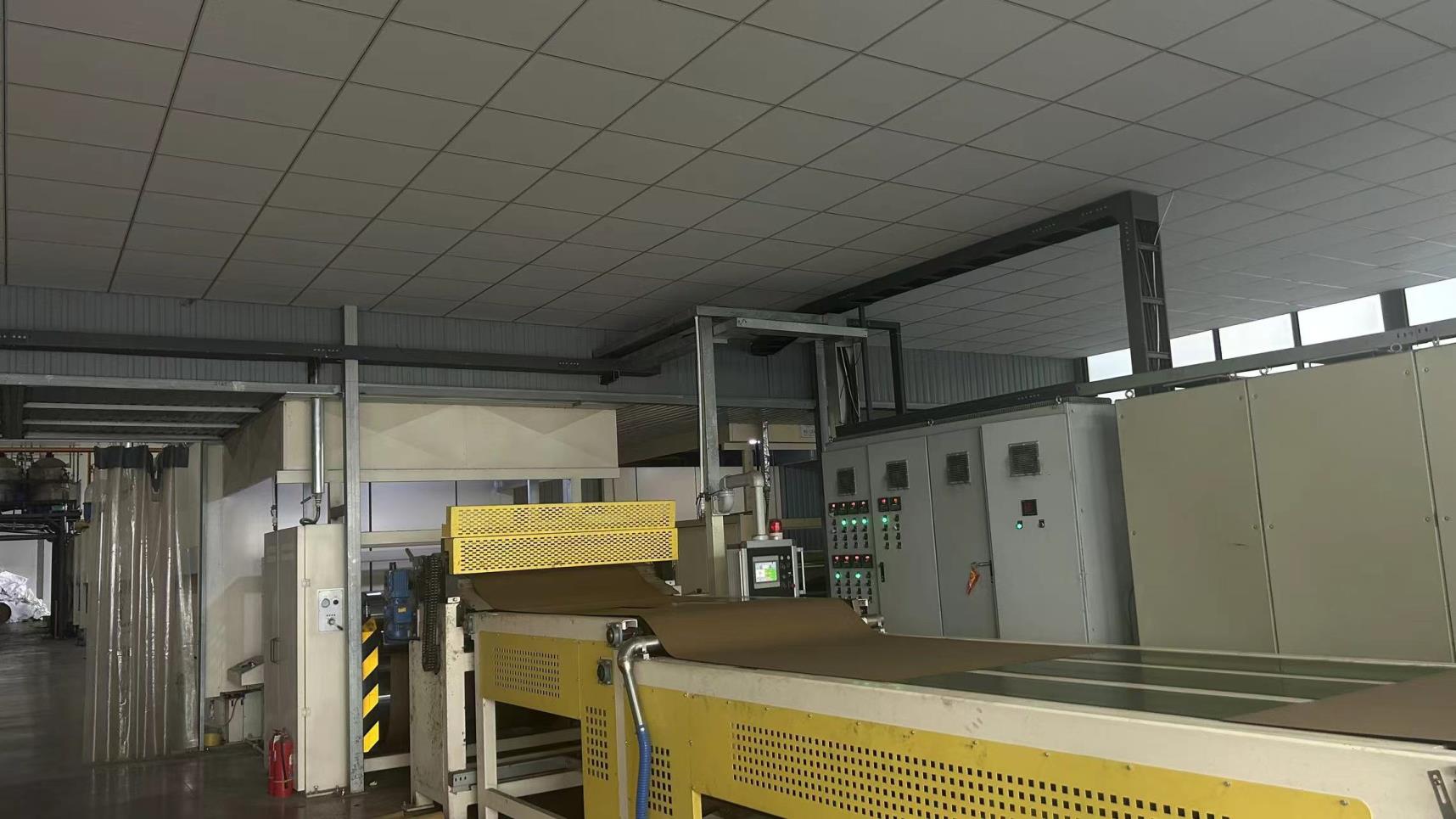
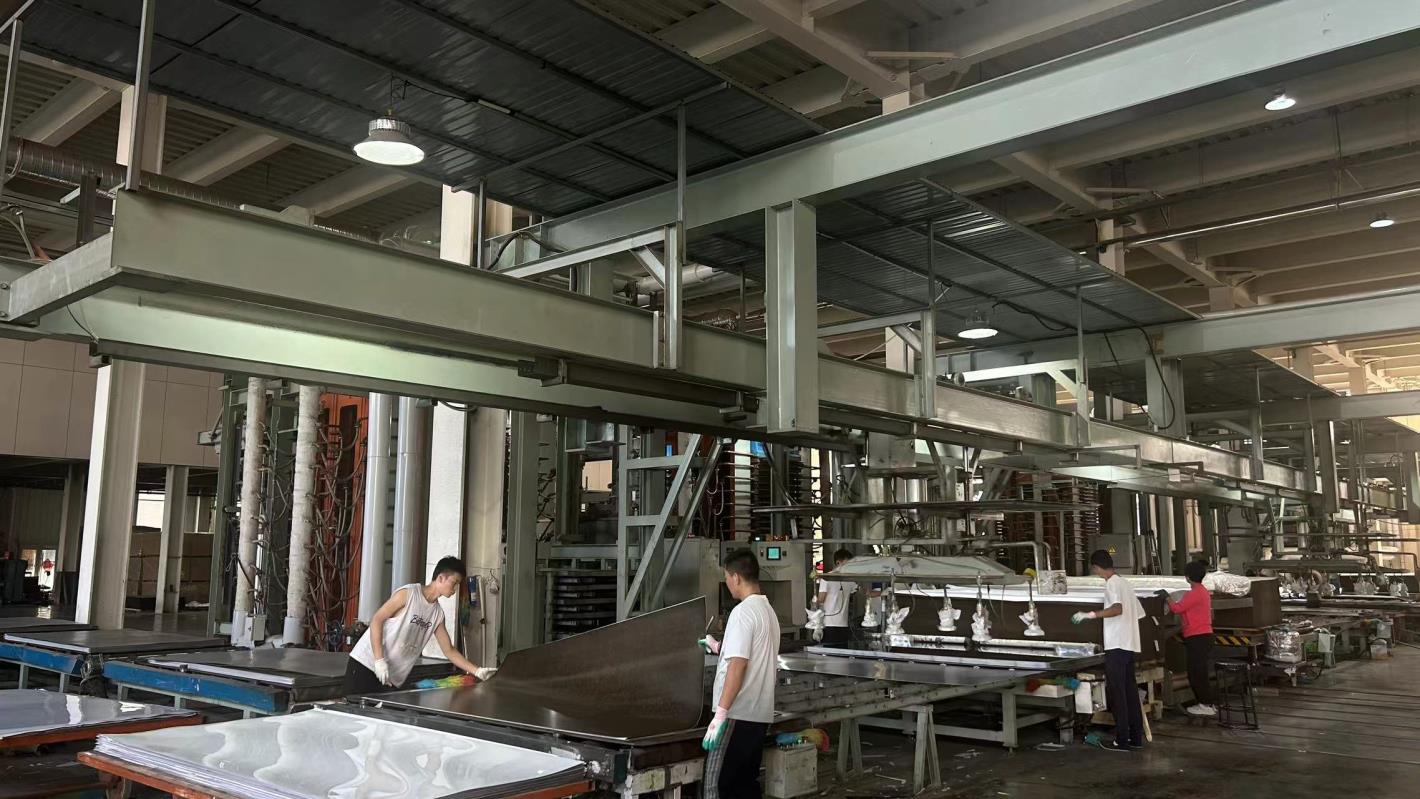
These are the questions global buyers most often ask when comparing decorative veneer suppliers, requesting samples or planning a mixed container.
Decorative wood veneer sheets are thin layers of real wood used to create a wood surface on furniture, doors, wall panels, cabinetry and interior fit-outs. Common thicknesses are about 0.2 to 0.6 mm for loose veneer, while backed veneer and veneer-faced panels use a paper, fleece, MDF, plywood or particleboard carrier. The veneer can be natural, sliced from a log, or engineered for more repeatable grain and color.
Natural veneer is sliced directly from a log, so grain, figure, color and defects vary from log to log and even within a bundle. It is chosen for authentic appearance and premium character. Engineered or reconstituted veneer is made from wood strands or veneer layers that are dyed, stacked and sliced to create a more controlled pattern. It is often chosen when a repeat furniture or retail program needs consistent color and grain across multiple orders.
Loose decorative veneer is commonly discussed in the 0.2–0.6 mm range, while flexible backed veneer is often about 0.4–0.6 mm plus the backing. Veneer-faced MDF or plywood may be 2.7–18 mm depending on the panel construction. Sheet size, grain direction, bundle quantity, tolerance and packing method should be confirmed for each order because these details affect yield and freight.
The backing should match the installation method and surface shape. Paper or fleece backing can make thin veneer easier to handle and helps with curves or flat panels. For cabinet doors, wall panels and furniture components, a veneer-faced MDF or plywood substrate may be more practical. Tell us whether the final surface is flat, curved, vertical, exposed to moisture or likely to receive a clear coat, UV finish or lacquer.
Yes. Send a physical sample, a high-resolution photo and any existing finish reference, such as a door panel or furniture board. We compare species or engineered pattern, cut, shade, gloss, thickness, backing and substrate. For production, a physical approved sample is strongly recommended because phone and monitor colors vary. Batch photos can be shared before shipment so the buyer sees the actual production appearance.
Minimum order quantity depends on species, engineered reference, thickness, backing, substrate, color matching, finish and whether the order is a mixed container. Sample packs can be discussed separately for buyer approval. If your project is small, ask about combining decorative veneer with HPL, compact laminate, MDF, plywood, LVL or door cores so the container can be used efficiently.
We use a two-stage quality approach. The first stage checks material details such as thickness, moisture target, grain, color, surface defects and packing. The second stage checks the finished product where relevant, including bonding, flatness, edges, face appearance and consistency against the approved sample. Loading photos and packing confirmation can be shared before departure, giving the buyer a final visible checkpoint.
Depending on the product and partner mill, buyers can discuss mill-issued test reports, formaldehyde emission grade, glue type, moisture content, packing list and loading photos. Please state the destination market, end use and required standard before quotation so the correct substrate and documentation route can be checked. Documentation availability varies by product and production batch.
Yes. Mixed loads are a core part of our export coordination. We can combine decorative veneer sheets, veneer-faced panels, HPL, compact laminate, MDF, plywood, LVL and chipboard door cores. Mixed containers help distributors and furniture factories reach better freight utilization, but they require clear itemized packing marks and inspection against each product's approved specification.
Lead time depends on whether you order sample pieces, loose veneer, flexible backed veneer or veneer-faced panels, and on species availability, color matching, finish, order quantity and inspection requirements. Custom matching and panel fabrication usually need more planning than a standard sample pack. Confirm the production schedule and shipping arrangement at quotation, and allow time for physical sample approval before bulk production.
Send your species or engineered reference, thickness, sheet size, backing, substrate, finish, target market and estimated quantity. Our team will reply with suitable decorative wood veneer sheet options and inspection points for your order.
info@fipdmplywoods.com