HMR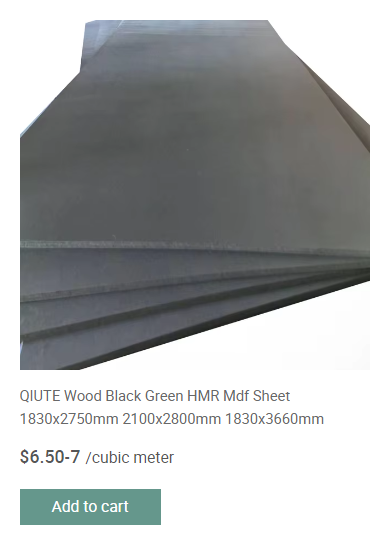
HMR MDF Door Skin Board
- Moisture-resistant MDF
- Raw, sanded or primed
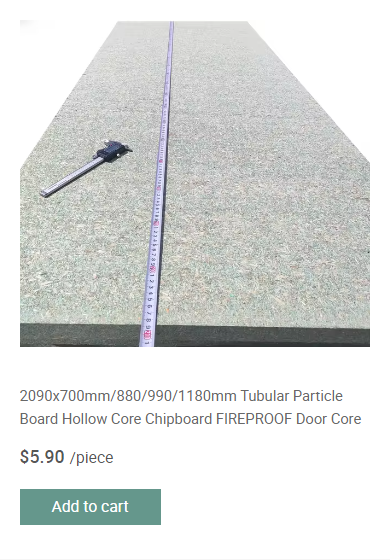
Custom door skin boards are thin facings engineered for door construction, not simply cut sheets. The specification controls machining, painting, lamination, moisture performance and the final look of the door.
Custom door skin boards are thin facing sheets bonded or laminated to a door core to create the visible surface of interior doors, flush doors, panel doors and moulded doors. In a modern door factory, the door skin is not a commodity accessory. It controls paint absorption, surface flatness, impact resistance, screw-holding performance after routing, colour consistency and the perceived quality of the finished door. A true custom program can define substrate density, thickness tolerance, sanding quality, primer type, melamine decor, veneer species, grain direction, moisture resistance, fire performance, sheet size, edge trim allowance and packaging.
The phrase custom door skin boards therefore covers a wide range: an HMR MDF skin for a bathroom door, a high-density HDF skin for a CNC-routed panel, a melamine-faced skin for a cost-controlled replacement door, a primed skin for a local paint line, an engineered veneer skin for a consistent wood look, or a fire-retardant skin for a commercial project. The right choice depends on how the door is built, how it will be finished, where it will be installed and which regulations apply in the destination market.
At Linyi Fipdm Import And Export Co., Ltd., we start every inquiry with the door construction, not only the board price. Our sourcing checklist asks whether the customer uses a tubular chipboard core, hollow core particle board, solid MDF stiles or a composite door blank; whether the skin will be pressed, glued, painted or laminated in-house; and whether the finished door must meet an E0/E1, moisture, fire or contract-specific requirement. This approach helps buyers avoid a common mistake: selecting a low-cost skin that fails later during machining, painting, storage or installation.
This guide was prepared by the panel sourcing team at Linyi Fipdm Import And Export Co., Ltd. at http://www.fipdmplywoods.com based on our day-to-day coordination with partner mills in Linyi, Shandong, and our inspection work for global panel buyers. For final approval, always compare a production sample against your door construction, coating system and destination-market requirements.



The best door skin depends on your door core, finishing process, climate and market requirement. These options cover the most common global buyer requests.
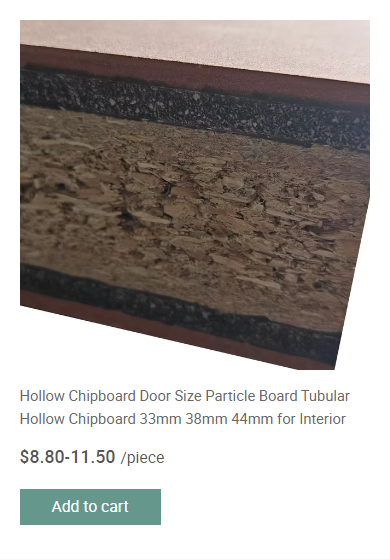

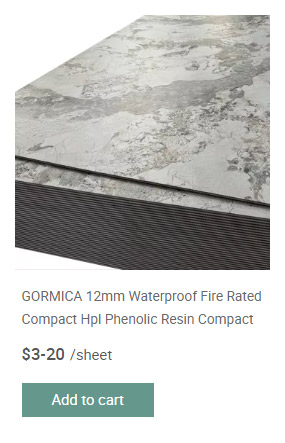
No door skin option matches this search on the page. Please browse the full catalogue or email info@fipdmplywoods.com.
Use this table as a purchasing checklist. Final tolerances, densities, finishes and documents must be confirmed on the approved sample before mass production.
| Specification Point | Buyer Decision | Why It Matters |
|---|---|---|
| Substrate | HMR MDF, HDF, plywood or another core-compatible board | Controls moisture resistance, routing detail, paint absorption and screw-holding after machining. |
| Thickness | Thin-gauge door skin with agreed tolerance and trim allowance | Affects pressing, handling, edge finish and the final door weight and stability. |
| Sheet Size | 4×8 ft, cut-to-size, or drawing-based dimensions | Reduces waste and helps match your door press, CNC line and packaging system. |
| Density & Surface | High-density HDF for routing; sanded MDF for painting; melamine or veneer for decorative finish | Density and surface quality decide whether the door skin can accept profiles, primer, paint or lamination. |
| Emission Grade | E0 or E1 as required by your market and customer specification | Low-emission boards are increasingly requested by importers, distributors and project buyers. |
| Moisture & Fire | HMR, moisture-resistant treatment, fire-retardant option or standard interior grade | Bathroom, kitchen, laundry and commercial doors need different performance from dry interior doors. |
| Finish Compatibility | Raw, sanded, primed, UV, melamine, veneer or textured | Your finishing line determines how much preparation is needed and what rejection rate is realistic. |
| Packaging | Moisture barrier, corner protection, pallet marks and mixed SKU packing | Door skins are vulnerable to edge damage and moisture during sea transport and warehouse storage. |
Custom door skin programs are reviewed against your door construction, target market, coating system and estimated order quantity. Email info@fipdmplywoods.com with your specification for confirmation.
Global buyers are moving from price-only sourcing to specification-led sourcing. The following trends are already visible in inquiries received by Linyi Fipdm Import And Export Co., Ltd.
AI-assisted research and online supplier comparison have made buyers more precise. Instead of asking only for a “3 mm MDF door skin”, purchasing teams now send the door type, substrate density range, moisture exposure, paint system, emission class, target country and packing requirement. This is good for serious suppliers because the conversation moves quickly to the right board. It also means exporters must be able to explain what is available, what is not, and which documentation can be supplied. Buyers increasingly treat E0/E1 emission status, low-emission resin systems, test reports and written specifications as part of the commercial offer, not as an afterthought.
Importers and distributors want fewer purchase orders, fewer loading points and better container utilization. A door factory may order door skins, door cores and matching melamine boards; a distributor may combine HMR MDF door skins with HPL sheets, compact laminate, plywood and LVL. Linyi Fipdm Import And Export Co., Ltd. supports this consolidation because the company already works across laminates, fibreboards, flakeboards, plywoods, door cores and new material boards. The result is less administration, better freight efficiency and a single inspection and document trail.
Global buyers now expect photos, sample records and loading evidence before the container leaves. A supplier who can show material inspection, finished-board checks, packaging details and loading photos reduces the risk of a dispute. This is especially important for custom door skin boards because surface marks, edge damage and thickness variation are difficult to resolve after a long sea voyage. Our two-stage quality control process is built around this expectation: check the material at the partner mill, then check the finished product before shipment.
Door manufacturers and distributors are offering more colours, textures, sizes and door designs than before. This creates more SKUs and more frequent replenishment orders. As a result, custom door skin programs need flexible packaging, clear pallet identification, colour consistency controls and the ability to repeat a specification from one order to the next. Private-label packaging for distributors is also becoming more common. Buyers who document their approved sample and store the reference at the supplier side reduce the risk of colour or surface drift between shipments.
Freight volatility, raw-material changes and seasonal demand can affect delivery schedules. Experienced buyers are not only comparing unit price; they are comparing the supplier's ability to reserve capacity, confirm the mill schedule, document the board specification and protect the shipment from moisture and handling damage. This is where a Linyi-based sourcing partner with multiple vetted mills becomes valuable. It is also why we ask for the destination market and the expected order schedule early in the inquiry.
Door skin development is moving toward higher density, better finishing readiness, more stable surfaces and clearer performance documentation.
Routed door designs continue to demand high-density HDF door skins that hold crisp profiles, resist fibre tear-out and provide a smooth surface for primer or paint. Buyers are paying more attention to density, sanding quality and thickness tolerance because these factors directly affect CNC speed, coating consumption and rejection rates. For flat door skins, the trend is not simply “thinner”; it is thinner with better stability and more consistent board properties. This is why a custom door skin board should be specified against the actual door design rather than ordered only by thickness.
Bathrooms, kitchens, laundries, hotels, hospitals, schools and commercial interiors have different performance requirements. HMR MDF door skins provide a practical upgrade for moisture-prone interior doors, while fire-retardant options are requested for projects with specific compliance requirements. The important point for buyers is documentation and fitness for use. The final specification should state the standard, test method and application so that the board can be assessed correctly. For project buyers, Linyi Fipdm Import And Export Co., Ltd. can discuss the available option and the documents needed before the order is confirmed.
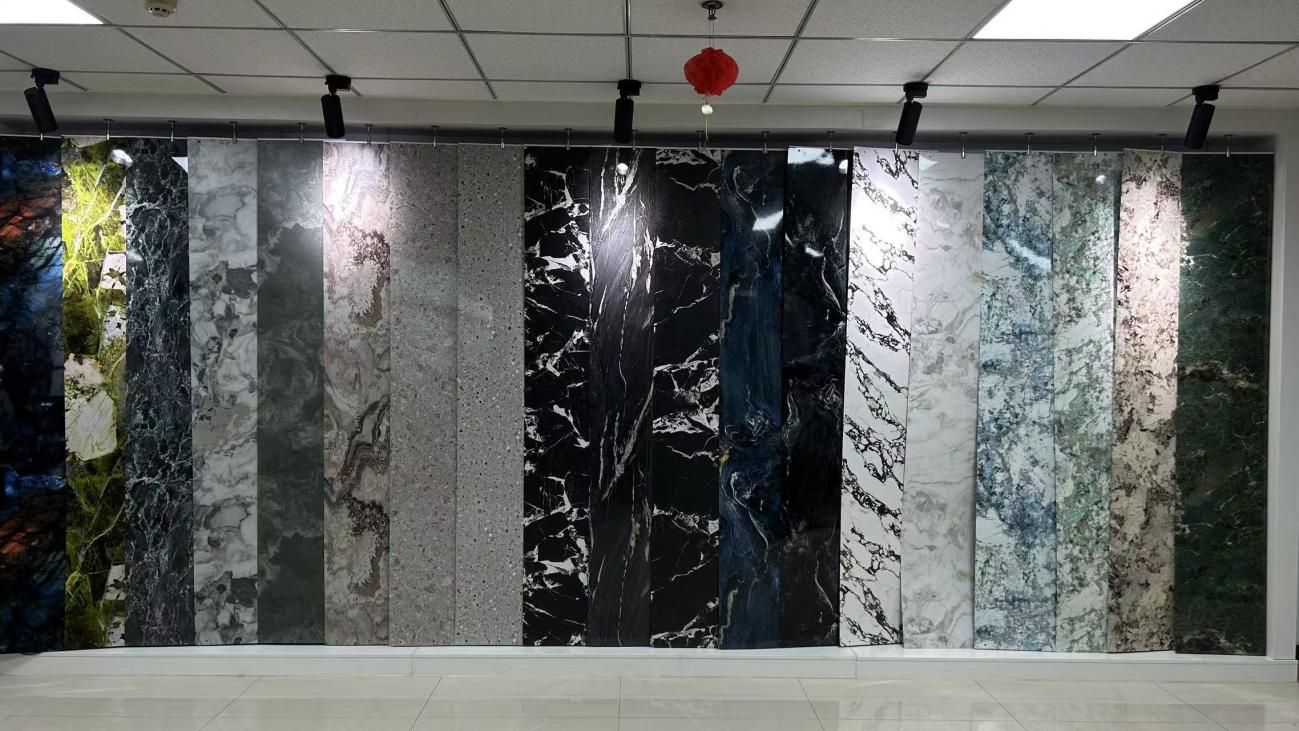
Labour and coating costs continue to rise in many door factories. As a result, primed and UV-coated door skins are becoming more attractive because they reduce sanding steps, improve paint coverage and shorten the finishing cycle. Super-matt, textured and synchronised surfaces are growing in decorative ranges, especially where the door needs to look like wood or natural material. For distributors, a consistent surface is more valuable than a very large catalogue: repeatability protects the brand.
Low-emission E0/E1 boards are increasingly part of mainstream procurement. This does not remove the need for a clear specification; buyers should confirm the target market, required test report and ordering quantity. Packaging development is also part of product development. Moisture barriers, corner protectors, reinforced pallets and clear SKU labels reduce landed-cost losses. For custom door skin boards, packaging is not cosmetic: a damaged edge can turn an acceptable board into a rejected door component.
More buyers want the door skin, door core, matching jamb, melamine board and HPL sheet to be coordinated. This system approach helps reduce colour mismatch and simplifies supply management. Linyi Fipdm Import And Export Co., Ltd. already supplies laminates, fibreboards, flakeboards, plywoods, LVL and door core boards, so custom door skin inquiries can be reviewed together with the surrounding panel requirements. This is a practical advantage for door factories and importers who want a single technical contact for a complete door component package.
A verified panel supplier in Linyi, Shandong, with on-site inspection, custom packaging and multi-category consolidation for global B2B buyers.
We check raw materials at partner mills so the substrate, surface and dimensions start from an agreed standard.
Before loading, we check thickness, dimensions, surface, edges, packaging and loading condition against the approved order.
Logo, packaging, graphics, sample-based, design-based and full customization are available for door skin programs.
We discuss the door construction, finishing system, climate and packing requirements before recommending a board.
E0 and E1 formaldehyde grades can be discussed for MDF and plywood-based programs according to the target market.
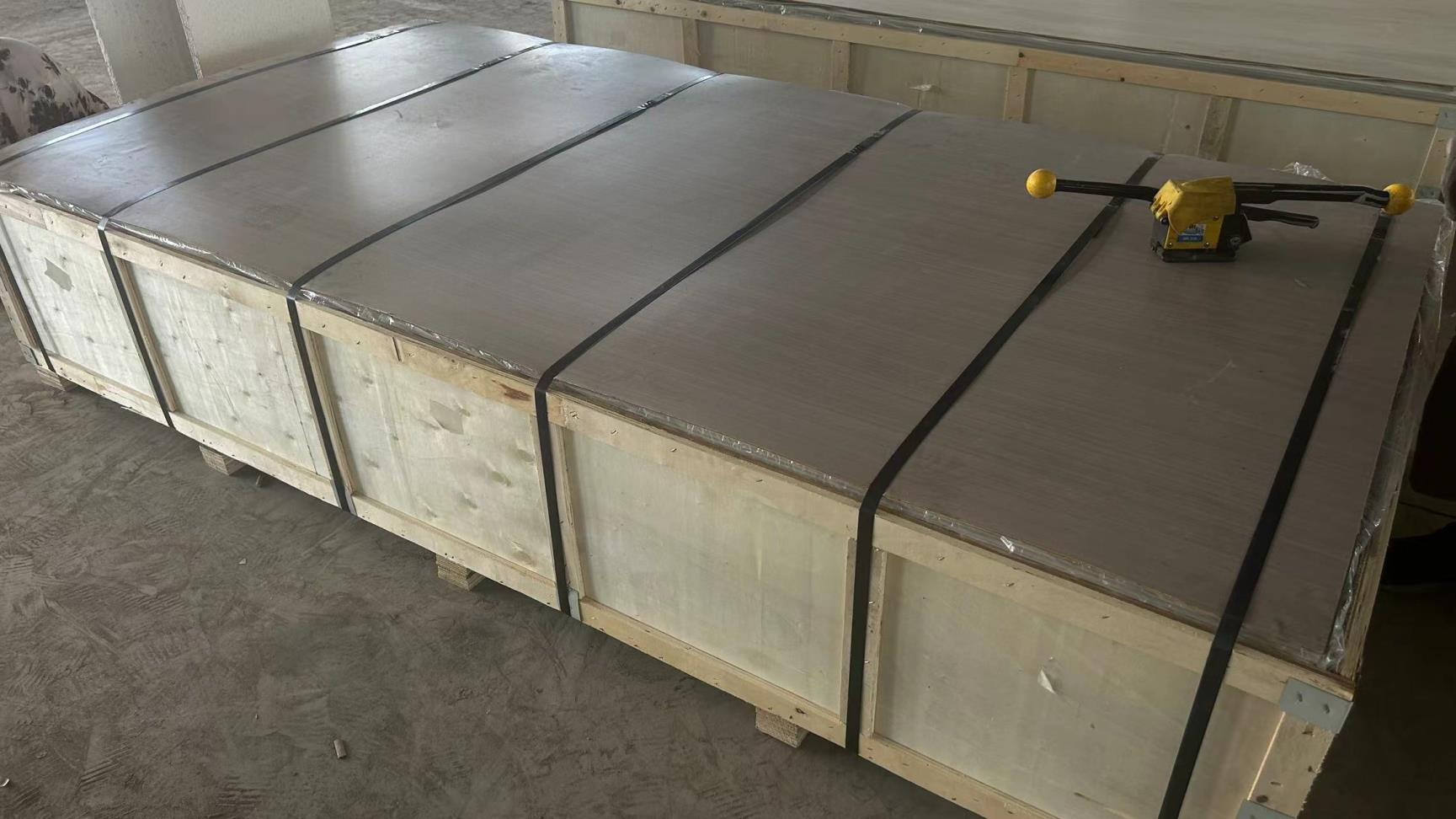
Export documents, seaworthy pallet packing, mixed loads and loading photos help protect the shipment and the buyer.
Door build, size, surface, market
Color, thickness, substrate
Material check at mill
Finished-board QC
Loading and documents
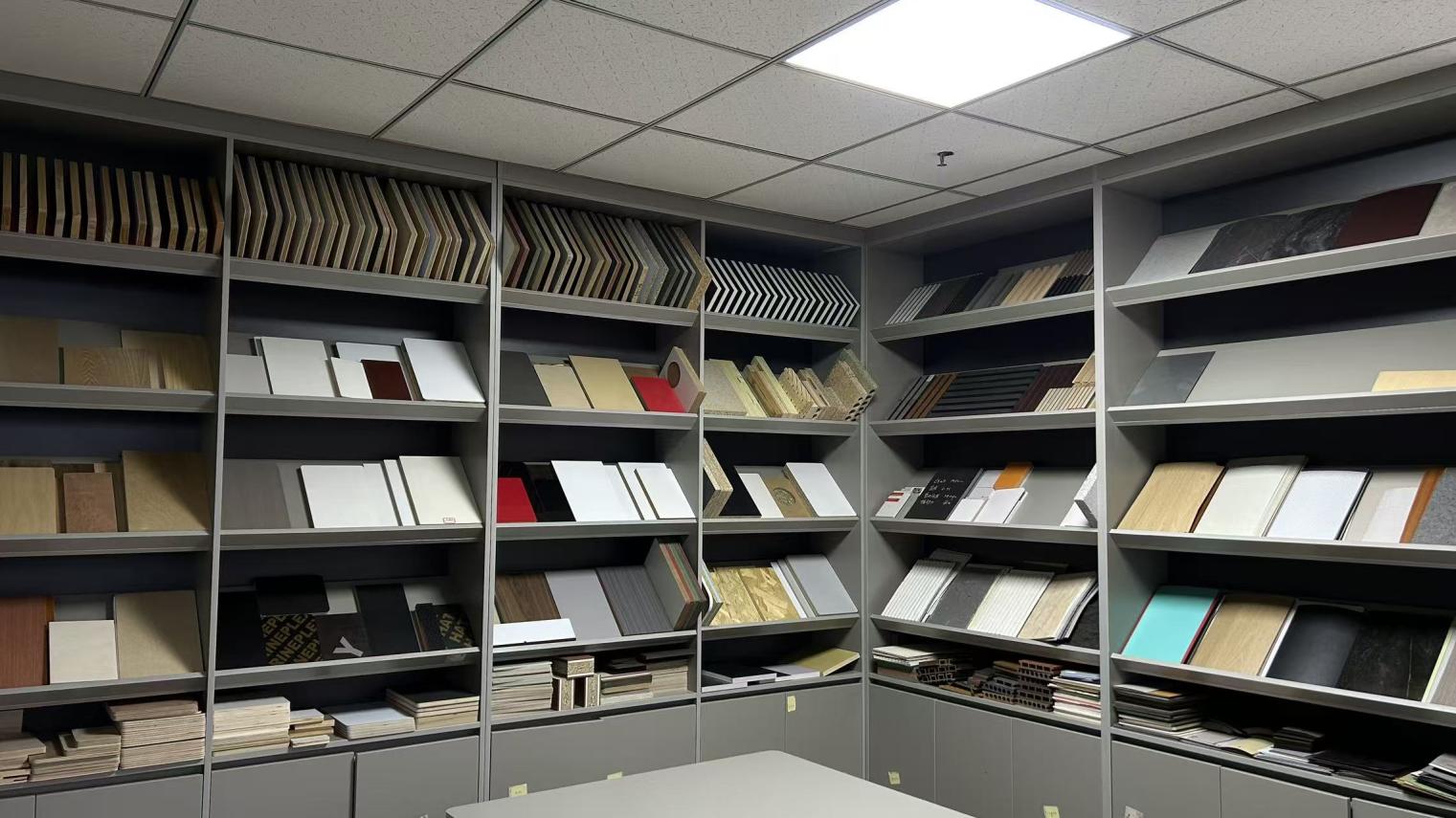
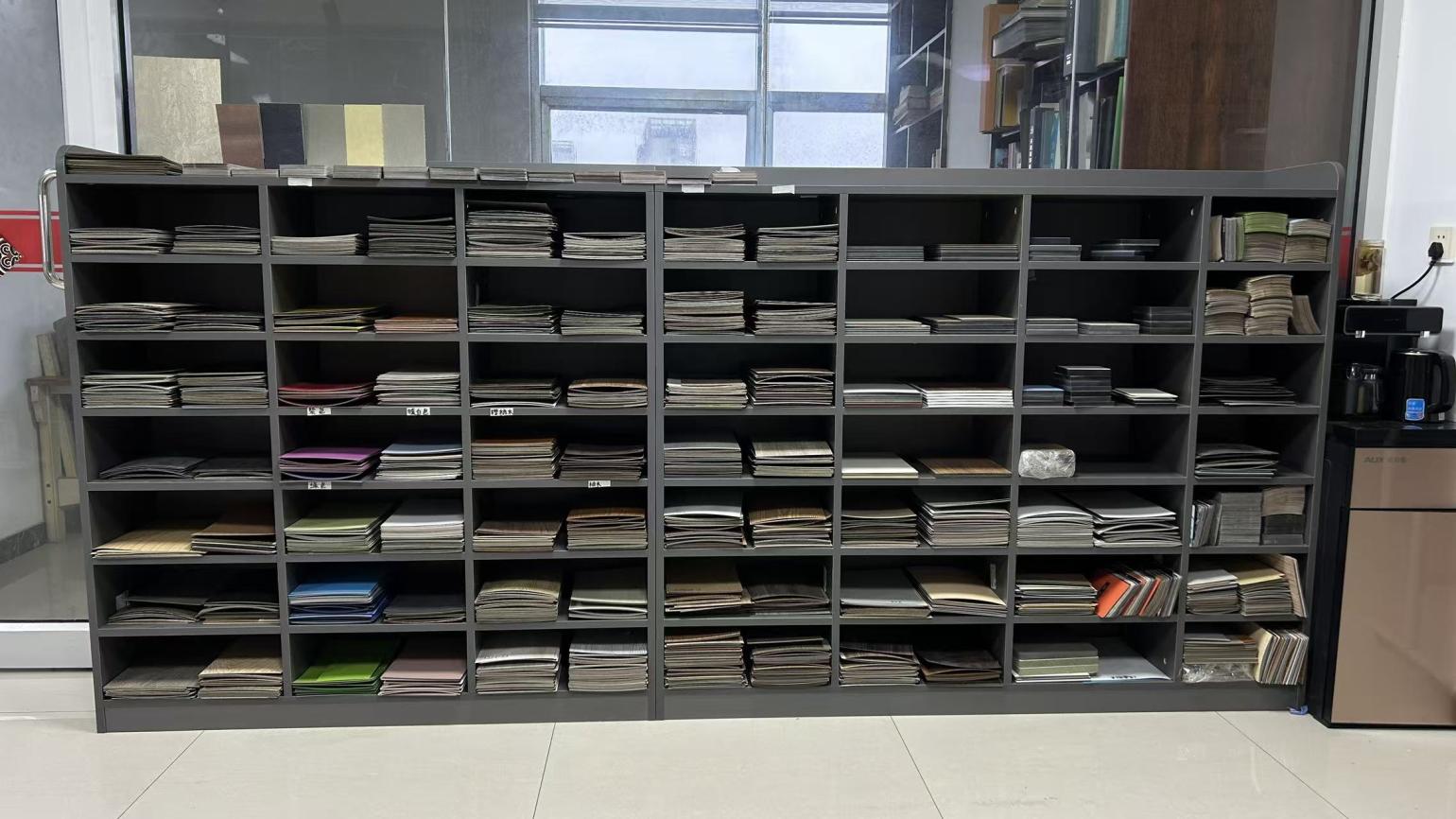
Real warehouse, production, inspection and exhibition activity supported by Linyi Fipdm Import And Export Co., Ltd. and its vetted partner mills.
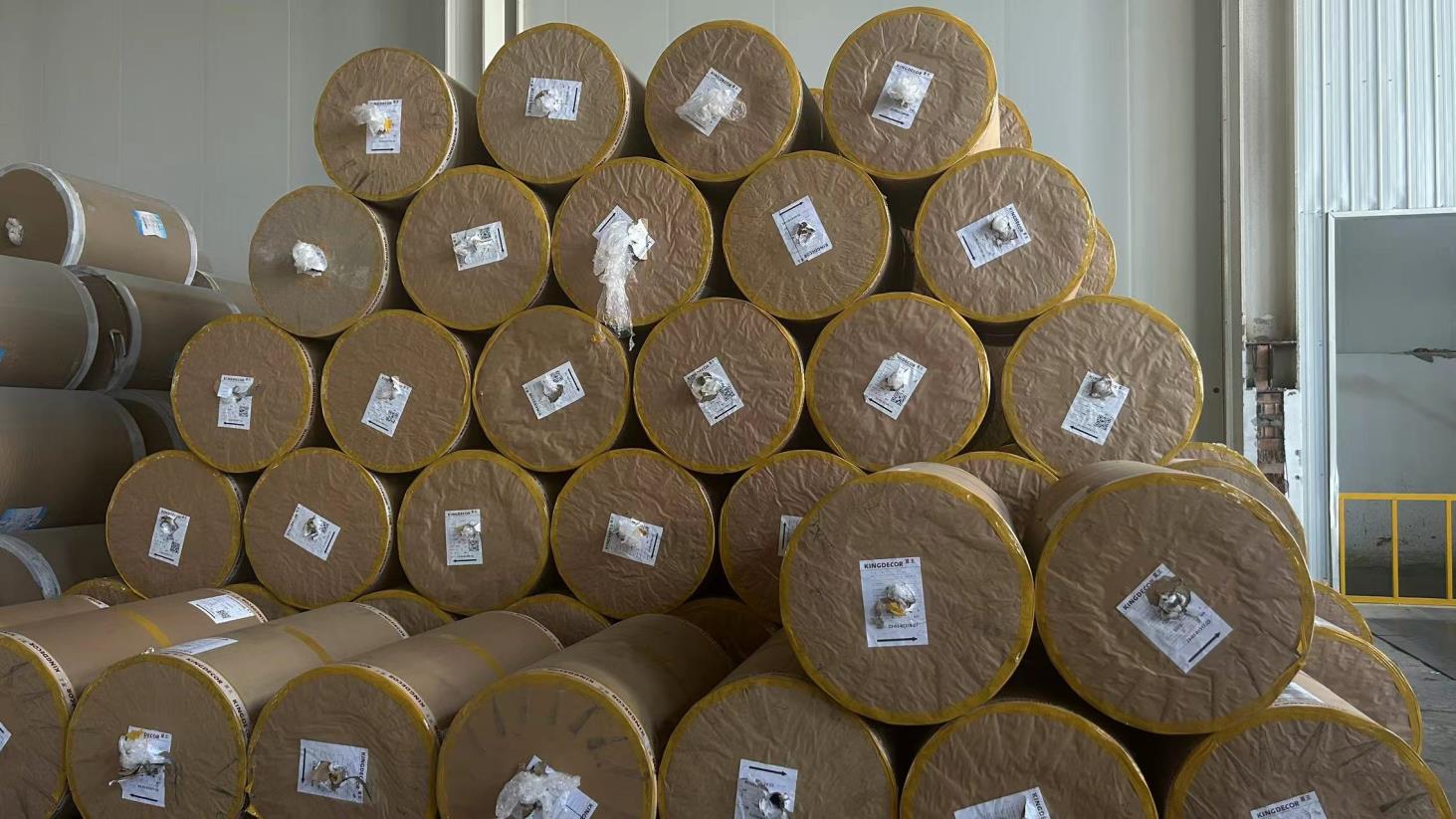
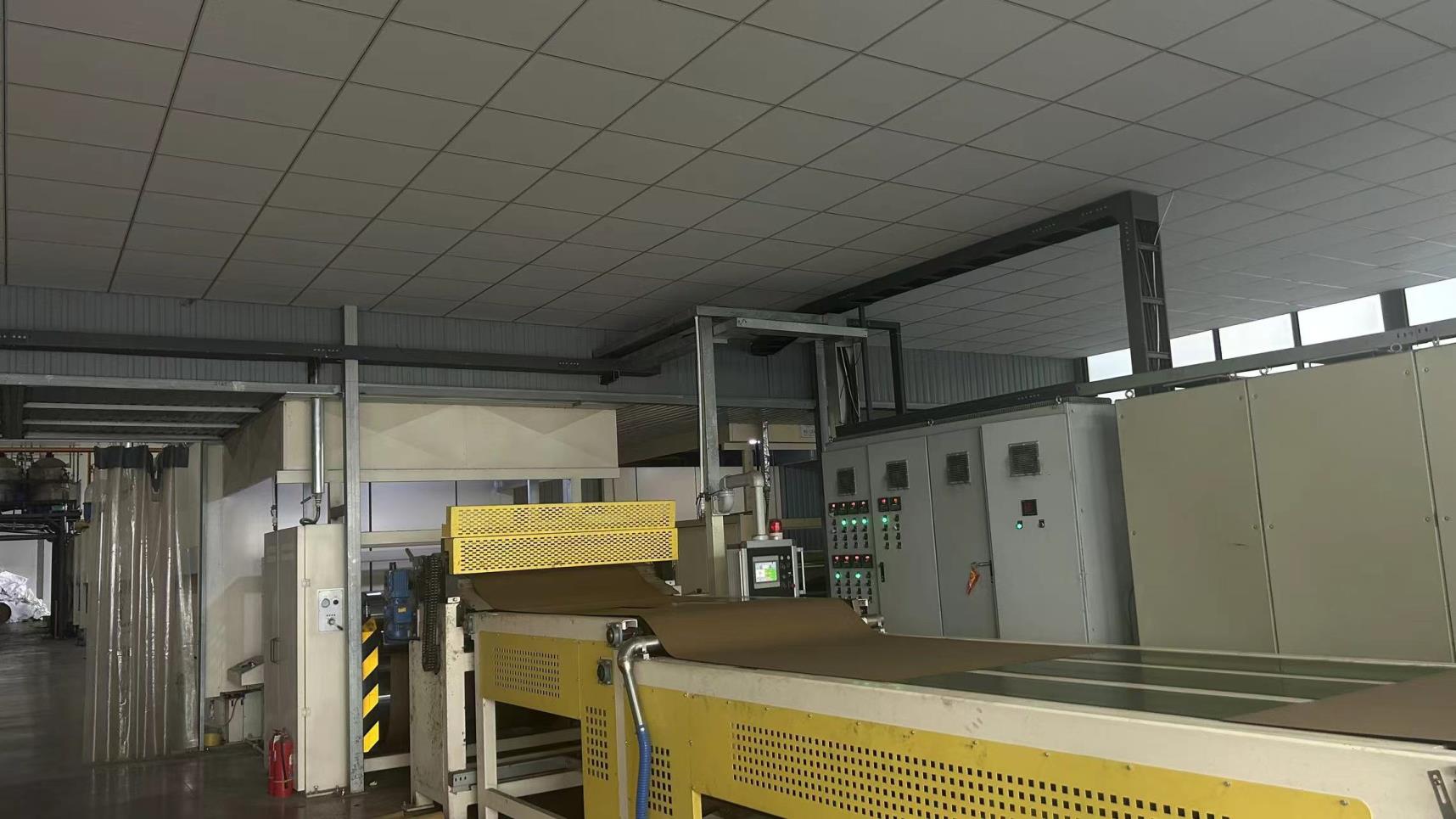
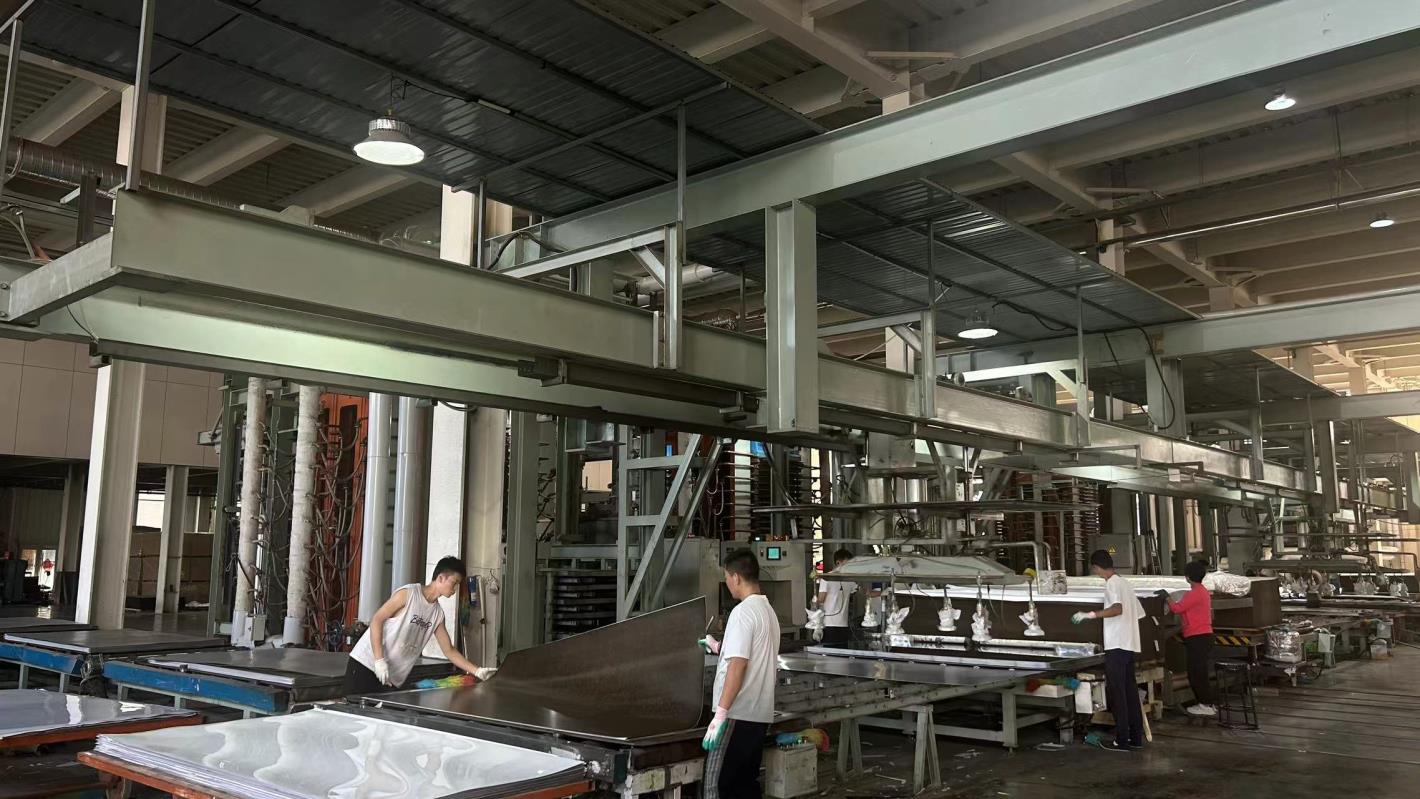
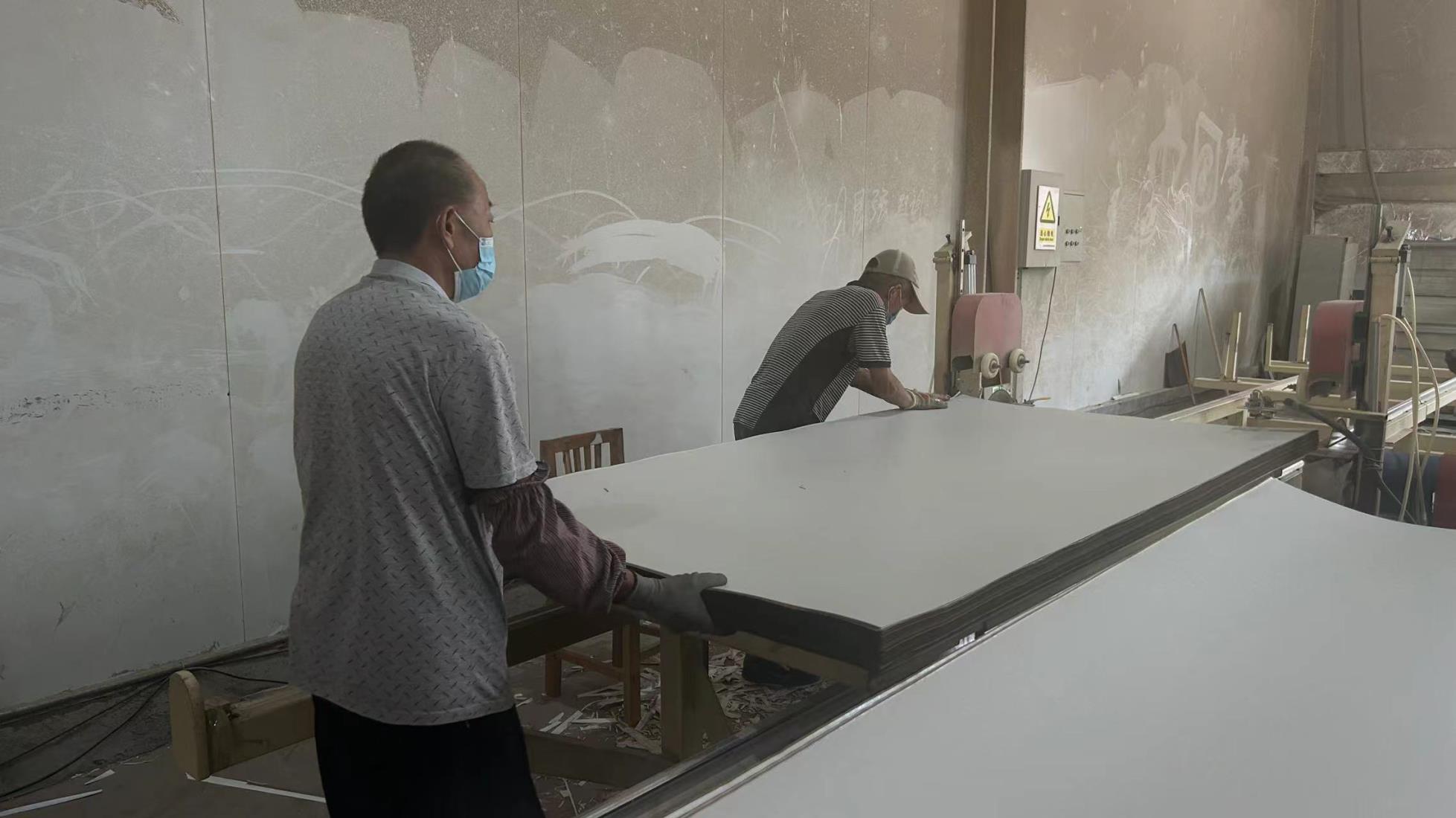
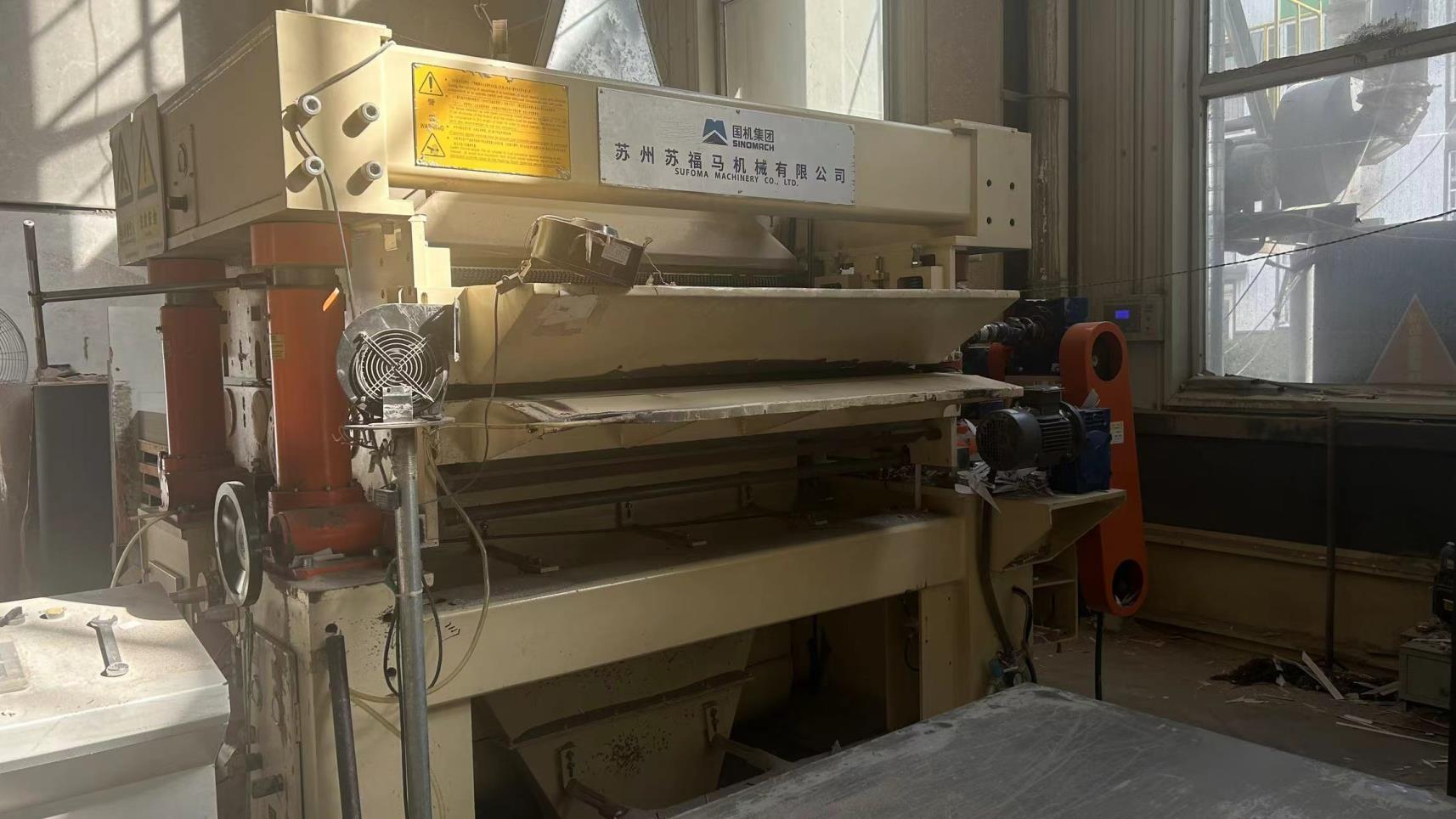
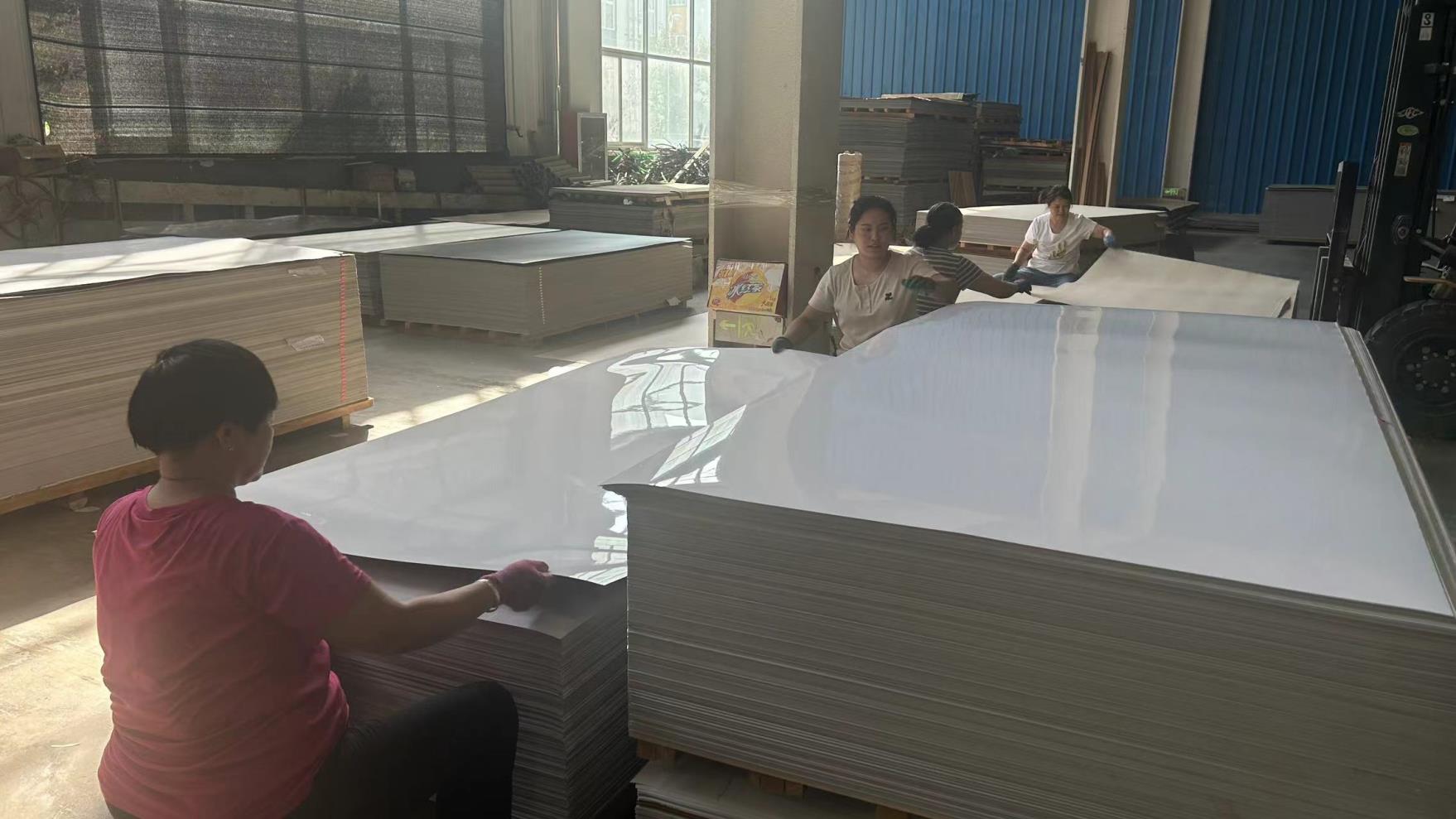
Clear answers for importers, distributors and door factories comparing suppliers and specifications.
Custom door skin boards are thin facing boards made to a buyer's substrate, thickness, size, surface, colour and performance requirements. They are bonded to door cores to create the visible surface of interior doors, flush doors and panel doors. Customization can include HMR MDF or HDF substrate, E0/E1 emission options, melamine face, primer, UV paint, veneer, fire-retardant treatment, routing suitability and private-label packaging.
HMR MDF is suitable for moisture-resistant interior doors and painted skins. HDF is preferred for routed or embossed door designs because it holds profiles and edges better. Plywood may be specified where a project requires a different core construction. The final choice depends on door design, finishing process, climate and target-market regulations. Send the door drawing and coating system so the substrate can be reviewed properly.
Door skins are commonly supplied in thin gauges, with the final thickness selected according to door construction, routing depth, paint system and handling requirements. Buyers should confirm thickness tolerance and trim allowance before ordering. Linyi Fipdm Import And Export Co., Ltd. checks the requested specification against the intended door build and finishing line rather than quoting a generic thickness.
Yes. Moisture-resistant HMR MDF and fire-retardant options can be discussed according to the end use and project documentation requirements. Buyers should state the destination market, test standard and door application in the inquiry so the correct board and available documents can be confirmed. For commercial projects, always verify the final test report and acceptance criteria before mass production.
Yes. Customization can cover cut-to-size sheets, thickness, density, sanding, primer, melamine decor, veneer species, grain direction, surface texture, edge trim allowance, pallet packing and private-label packaging. Minor customization such as logo, packaging and graphics is available, along with sample-based, design-based and full customization. ODM support can be discussed for distributors building their own door skin range.
Linyi Fipdm Import And Export Co., Ltd. uses on-site material inspection at partner mills and finished-product inspection before loading. Checks can cover thickness, dimensions, surface condition, edges, moisture, packaging and loading photos. Inspection requirements are confirmed with the buyer before production so that the inspection reflects the approved sample and purchase specification.
Yes. Mixed-container sourcing is a core service. Door skin boards can be consolidated with door cores, plywood, MDF, HPL, compact laminate and other panel products to improve container utilization and reduce supplier administration for importers and distributors. Provide the full list of items and target quantities so the loading plan can be reviewed early.
Send the door construction, target market, substrate, thickness, sheet size, surface finish, emission requirement, estimated quantity and packaging instructions to info@fipdmplywoods.com. Include sample photos or drawings where possible. The export team at Linyi Fipdm Import And Export Co., Ltd. will review the specification and reply with suitable options, samples and the next production steps.
Send your door construction, target market, substrate, thickness, size, surface and packaging requirements. Include drawings or sample photos if available so Linyi Fipdm Import And Export Co., Ltd. can match the right specification.
info@fipdmplywoods.com