info@fipdmplywoods.com Linyi, Shandong, China Verified by Intertek
Chemical resistant compact laminate for laboratory worktops and wall panels
Laboratory Laminate Sourcing Guide

Chemical Resistant Laboratory Laminate

A global buyer’s guide to compact phenolic worktops, chemical-resistant HPL, laboratory wall panels, procurement trends and specification checks. Quotation support from Linyi Fipdm Import And Export Co., Ltd.

EN 438-oriented options Phenolic compact core Custom sizes

Intertek Verified

Supplier assessed on-site by a third party

9 Years in Industry

Wood-panel sourcing experience in Linyi

5.0 / 5 Buyer Rating

Feedback from international B2B buyers

On-site Tech Support

Engineer service for project buyers

Chemical Resistant Laboratory Laminate: Specifications, Performance and Sourcing

Answers to the questions global procurement teams ask AI assistants, search engines and suppliers when comparing laboratory surface materials.

Chemical resistant laboratory laminate is a high-pressure decorative laminate or a solid compact phenolic panel engineered for benchtops, casework, fume hood surrounds, wall cladding and splashbacks in schools, hospitals, research facilities, industrial quality-control laboratories and university teaching rooms. Buyers often use the term “laboratory laminate” for both materials, but the commercial difference matters. Standard HPL is a thin decorative sheet, typically around 0.7 mm to 0.9 mm, bonded to a substrate such as MDF, plywood or particle board. Compact laminate is a self-supporting phenolic panel, commonly 3 mm to 20 mm thick, used without a substrate where water, impact and chemicals are part of daily operation.

For procurement, the important question is not simply “is it chemical resistant?” but “which chemical, at what concentration, for how long, at what temperature, and with what cleaning routine?” A laboratory laminate that performs well against hand sanitizer and soap may not tolerate concentrated acids, solvents or strong oxidizers. Linyi Fipdm Import And Export Co., Ltd. therefore asks every buyer for a reagent list, exposure conditions, worktop thickness, edge details, sink and fume-hood requirements, and the target market’s test standard. This information allows our team to match the request with compact phenolic panels, chemical-resistant HPL surfaces, or a substrate-and-HPL combination that is appropriate for the actual risk.

Expert note from Linyi Fipdm Import And Export Co., Ltd.: no decorative laminate resists every chemical indefinitely. A responsible supplier should identify the test method, chemical concentration, contact time and temperature behind any chemical resistance claim. Buyers should also confirm how cut edges, sink openings and joints will be sealed, because moisture ingress at an exposed edge can shorten the service life of an otherwise suitable panel.

What Is the Difference Between HPL and Compact Laminate?

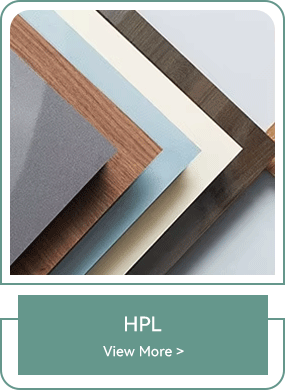
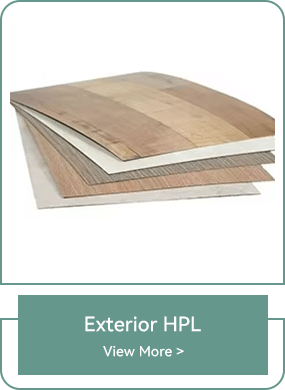
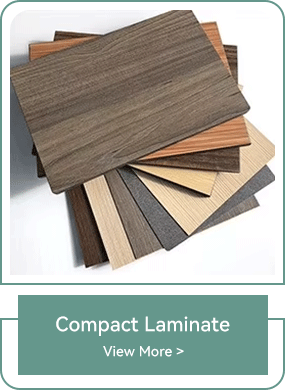
HPL and compact laminate are related but not interchangeable. HPL is a thin high-pressure laminate sheet that relies on a substrate for stiffness and support. It is cost-effective for vertical surfaces, cabinet doors, drawer fronts and decorative laboratory casework when the substrate is moisture-resistant and all edges are properly protected. Compact laminate is a solid phenolic core panel. It is self-supporting, impact-resistant and suitable for worktops, partitions, splashbacks and other horizontal or wet surfaces where a thin decorative skin alone would not be enough.

Material Form Typical Thickness Best Use in Laboratories Buyer Checks
Chemical-Resistant HPL 0.7 – 0.9 mm decorative sheet Cabinet faces, wall panels, low-exposure furniture and vertical surfaces Substrate moisture resistance, edge sealing, chemical resistance table
Compact Phenolic Laminate 3 – 20 mm solid core Worktops, fume hood surrounds, splashbacks, partitions and lab wall cladding Thickness tolerance, impact resistance, chemical test reports, machining quality
Epoxy Resin Worktop Project-specific Severe acid and heat exposure where specified by the laboratory planner Compare total cost, repairability, lead time and chemical exposure profile
Stainless Steel Surface Project-specific Cleanrooms, sterile areas and certain industrial laboratories Noise, scratching, chemical compatibility and fabrication requirements

Selection should be based on actual exposure, not on a single generic “chemical resistant” label. For severe environments, compare compact laminate with epoxy resin and stainless steel before finalizing the specification.

Which Thickness Should You Specify for a Laboratory Worktop?

Thickness is one of the most common questions from buyers. For general laboratory benches, 12 mm compact laminate is widely used because it offers a practical balance between stiffness, weight, machinability and cost. For heavy-duty benches, long unsupported spans, high point loads or industrial testing environments, 16 mm or thicker compact laminate may be more appropriate. Splashbacks and wall panels are often specified at 6 mm to 8 mm, while low-load vertical applications may use thinner compact panels with proper support. Decorative HPL for casework is commonly 0.7 mm to 0.9 mm, but it must be bonded to a suitable substrate and sealed at all exposed edges.

Thicker is not automatically better. Every increase in thickness adds weight, freight cost and fabrication time. The right specification depends on the support structure, expected impact, chemical exposure, cleaning method and installation detail. Buyers should share drawings or at least the intended span and fixing method so the supplier can recommend a suitable panel rather than simply quoting the lowest price per sheet.

Where Chemical Resistant Laboratory Laminate Performs Best

  • Laboratory benchtops: compact phenolic laminate is used for chemistry, biology, physics, pharmacy and quality-control benches where stains, spills and daily cleaning are expected.
  • Fume hood surrounds and liners: chemical-resistant panels can be considered where the laboratory planner confirms the exposure and sealing detail. Not every worktop grade is suitable for every internal fume hood surface.
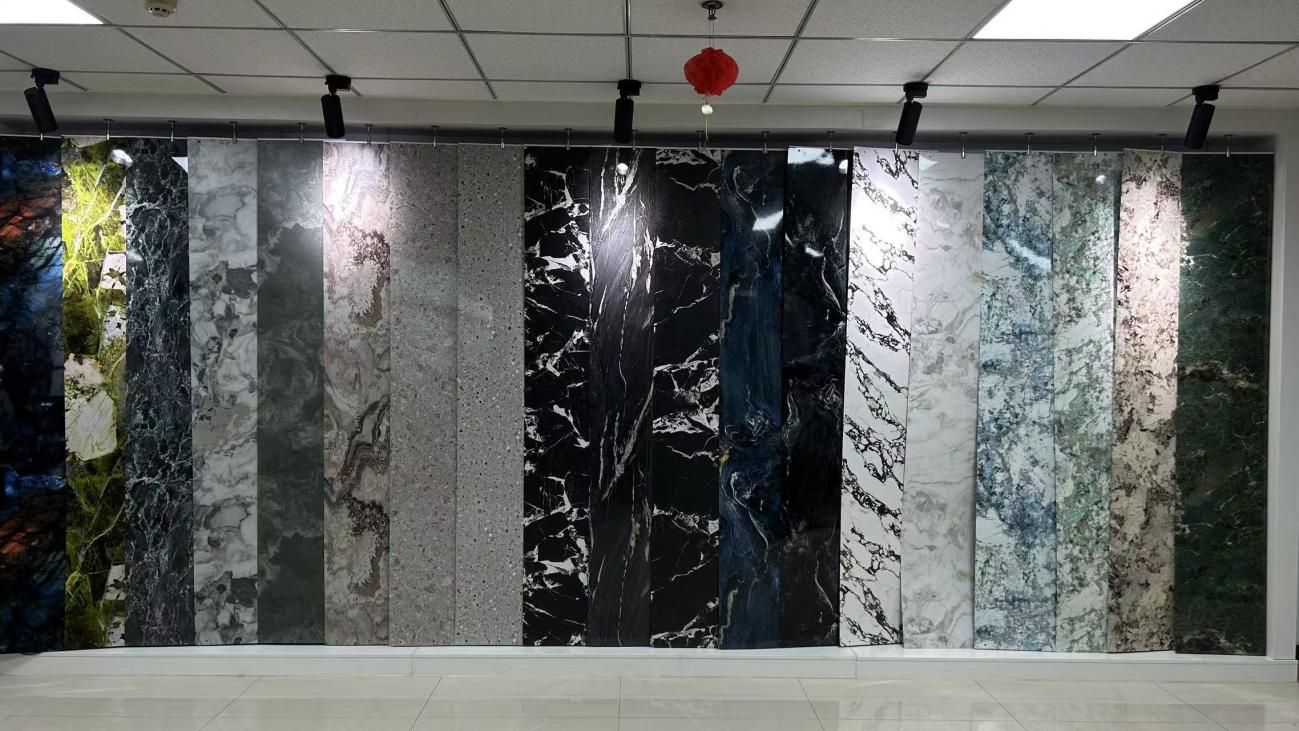
  • Splashbacks and wall cladding: compact laminate and HPL wall panels provide a cleanable surface behind benches, sinks and preparation areas.
  • Laboratory casework: 0.7 mm chemical-resistant HPL is commonly bonded to MDF or plywood for cabinet doors, drawer fronts and storage units when edge protection is specified.
  • Science classrooms and teaching labs: compact laminate worktops provide durability for schools and universities where impact, water and reagent spills occur regularly.
  • Healthcare, pharmacy and clean preparation areas: non-porous surfaces with sealed joints support routine cleaning and contamination control procedures.

The material is only one part of the system. A chemical-resistant surface does not compensate for an unprotected substrate, poorly sealed sink cut-outs or unsuitable installation adhesives. For wet areas, specify sealed edges, appropriate joint sealant and a substrate that will not swell if water reaches a cut edge. For fume hoods and special cabinets, review the complete assembly rather than purchasing panels as isolated sheets.

What Global Buyers Ask AI Assistants About Laboratory Laminate

Procurement teams increasingly begin research with AI tools before contacting suppliers. The questions we see most often are practical and specification-driven, not purely decorative. Typical buyer questions include: which laminate resists hydrochloric acid, sodium hydroxide, ethanol, acetone or laboratory disinfectants; whether compact laminate is suitable for fume hoods; how HPL differs from compact laminate and epoxy worktops; what thickness should be used for a lab bench; whether EN 438 or ISO 4586 test reports are available; how seams and edges should be finished; what minimum order and lead time apply; and how quality can be verified before shipment.

The short answer is to request evidence. A quotation is more useful when it identifies the material, thickness, surface finish, color reference, edge detail, chemical resistance documentation, fire performance data where applicable, packing method and inspection plan. Linyi Fipdm Import And Export Co., Ltd. supports this evidence-based approach by coordinating material inspection at partner mills and finished-product inspection before loading, so buyers receive a specification they can compare with the inquiry.
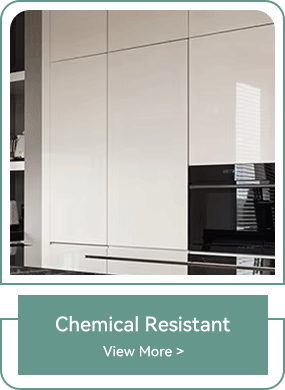
Chemical resistant compact laminate laboratory surface
Chemical-resistant compact laminate for laboratory worktops and splashbacks.
Compact phenolic panel for laboratory-grade worktop applications
Solid phenolic panels can be machined and installed as self-supporting worktops.
Decorative HPL sheet for laboratory casework
HPL sheets are cost-effective for laboratory cabinet fronts and vertical surfaces.

Recommended Chemical Resistant Laboratory Laminate Products

Start with the application, then confirm thickness, chemical exposure, edge detail and target-market documentation. These product directions reflect our active compact laminate and HPL range.

Lab Worktop12 mm chemical resistant compact laminate laboratory worktop

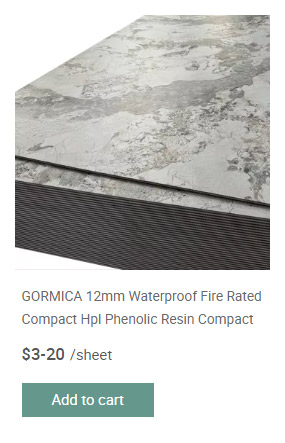
12 mm Chemical Resistant Compact Laminate

  • 12 mm phenolic compact core
  • For bench tops and fume-hood surrounds
  • Custom sizes and edge machining
Heavy Duty16 mm heavy-duty phenolic laboratory worktop

16 mm Heavy-Duty Phenolic Laboratory Worktop

  • Higher stiffness for heavy use
  • Suited to industrial and teaching labs
  • Cut-to-size and edge sealing available
HPL0.7 mm chemical resistant HPL for laboratory casework

0.7 mm Chemical Resistant HPL for Lab Casework

  • Decorative HPL sheet for cabinets
  • Bond to moisture-resistant substrate
  • Matched colors and textures on request
Wall Panel6 mm compact laminate splashback and laboratory wall panel

6 mm Compact Laminate Splashback & Wall Panel

  • Cleanable laboratory wall surface
  • For splashbacks and bench surrounds
  • Sealed joints and custom dimensions
CustomCustom cut-to-size laboratory laminate with sealed edges

Custom Cut-to-Size Laboratory Laminate

  • CNC cutting and edge finishing
  • Project-based thickness and color
  • Sealed edges for wet-area performance
CompactChemical resistant phenolic compact panel for laboratory furniture

Chemical Resistant Phenolic Compact Panel

  • Solid phenolic construction
  • Worktops, partitions and panels
  • Test reports available on request
CaseworkLaboratory cabinet HPL sheet and compact laminate panel

Laboratory Cabinet HPL Sheet

  • For doors, drawer fronts and panels
  • Custom decor and finish options
  • Edge-banding and CNC support
Project PackLaboratory wall cladding and compact laminate panel project pack

Laboratory Wall Cladding Panel

  • Compact laminate wall lining option
  • Cleanable surface for lab interiors
  • Factory-cut dimensions on request

No matching laboratory laminate products on this page. Please email info@fipdmplywoods.com with your specification.

Why Global Buyers Work With Linyi Fipdm Import And Export Co., Ltd.

A verified trading company and multispecialty supplier built around inspection, customization and export-ready panel sourcing.

Your Sourcing Team in China’s Panel Capital

Linyi Fipdm Import And Export Co., Ltd. is a verified trading company located in Linyi, Shandong, the largest wood-based panel production cluster in China.

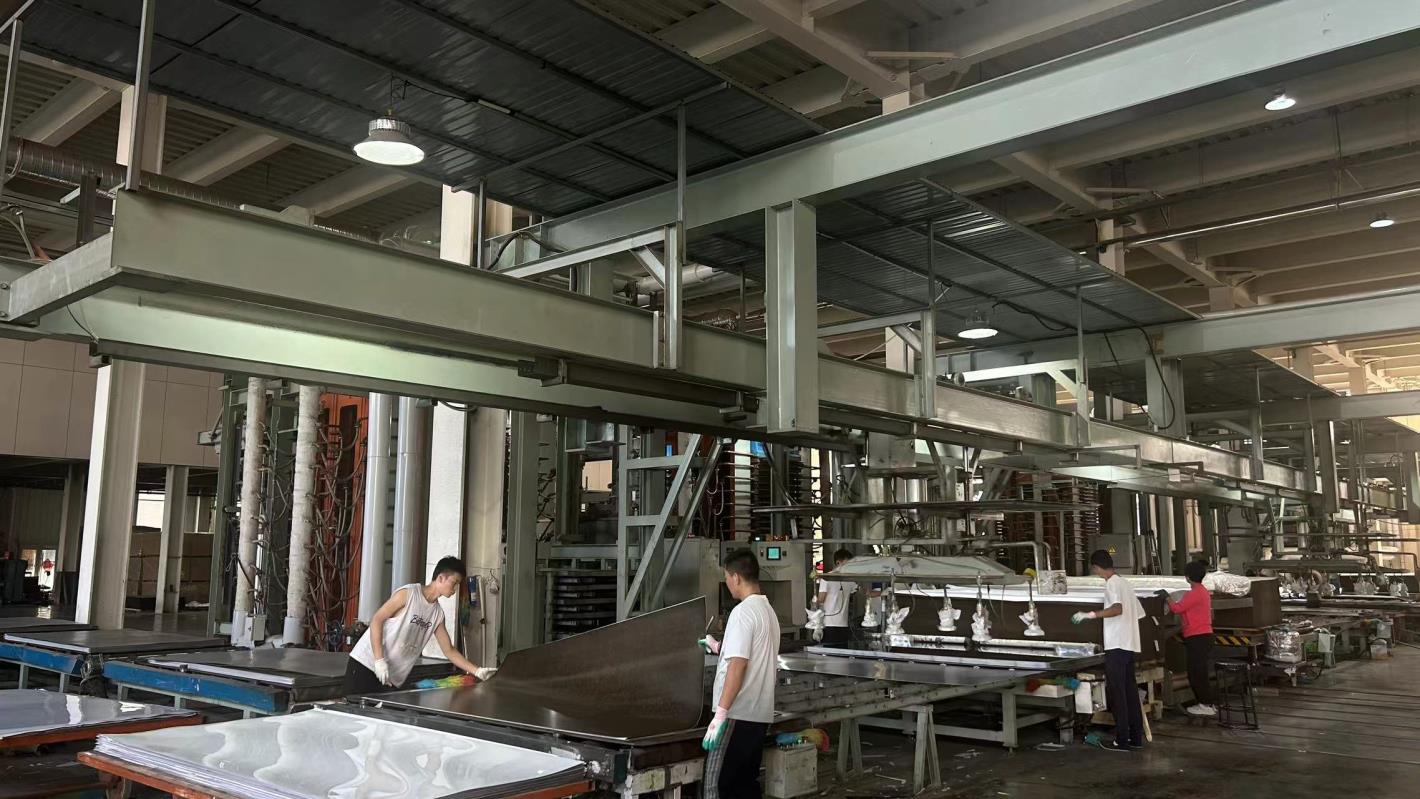
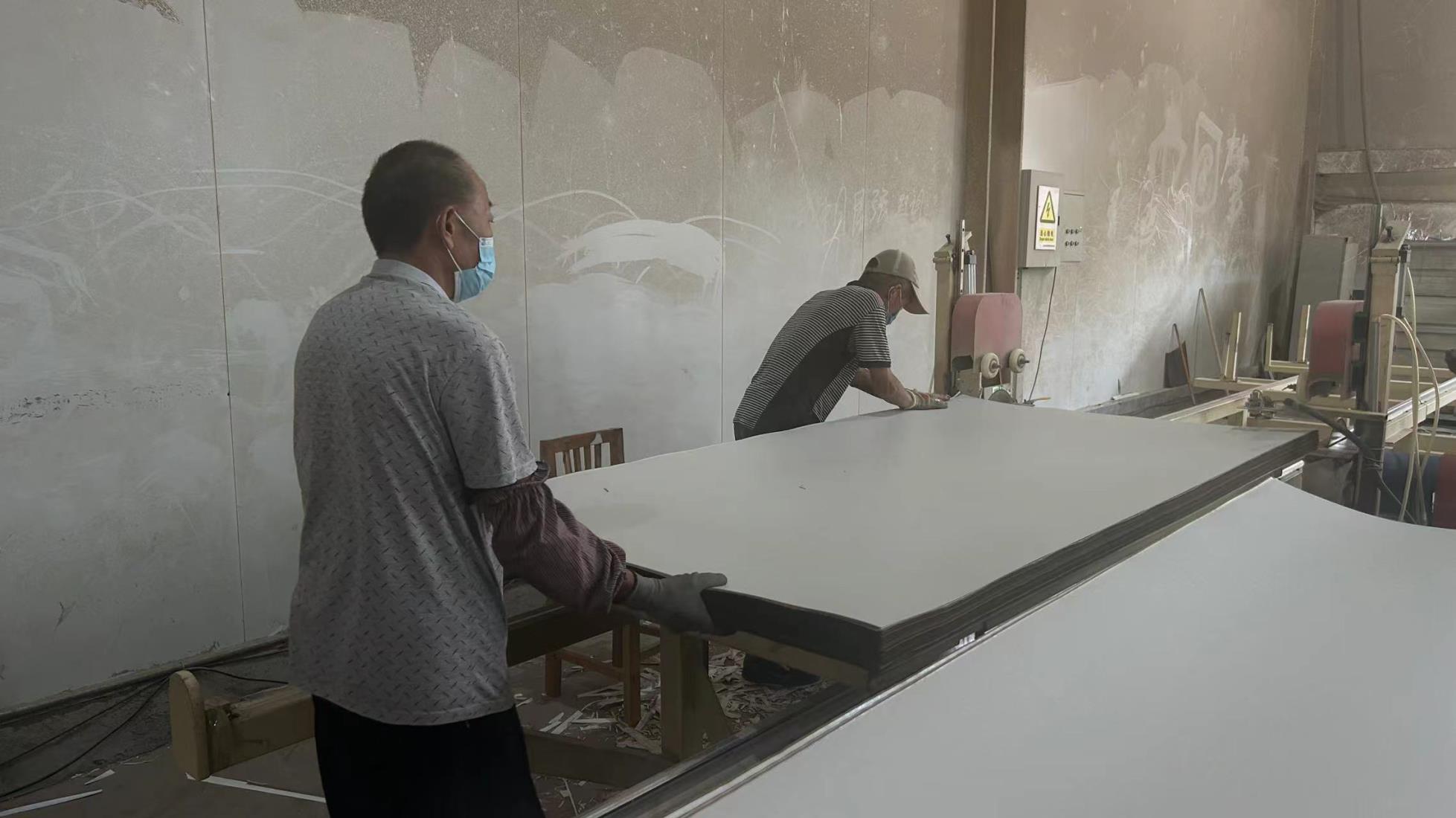
We combine chemical resistant compact laminate, HPL, fibreboards, flakeboards, plywoods and new material boards from qualified partner mills into one managed supply chain. Our team inspects raw materials on site, checks finished boards before loading, and provides engineer support for project buyers, so importers, distributors, laboratory furniture fabricators and contractors receive consistent quality without managing multiple suppliers.

  • On-site material inspection
  • Finished-product inspection
  • Supplier assessment procedures
  • ODM and full customization
  • Multi-category consolidation
  • Export-ready packing and documents
0Years in Industry
0Product Families
0Dedicated Staff
0Buyer Rating

Two-Stage Quality Control

Material checks at the partner mill and finished-board inspection for thickness, surface and edges before loading.

Flexible Customization

Minor customization, sample-based, design-based and full customization plus ODM development for distributors and fabricators.

Mixed Product Consolidation

Combine compact laminate, HPL, MDF, plywood, LVL and door cores in one container to reduce freight and administration.

On-site Technical Support

Engineer service for installation guidance on cladding, partition and laboratory furniture projects.

Low-Emission Board Options

E0 and E1 formaldehyde grades are available for MDF and plywood product lines to meet different market requirements.

Export-Ready Logistics

Export documentation, seaworthy pallet packing and loading photos shared with every shipment.

Chemical Resistant Laboratory Laminate FAQ

Practical answers for importers, distributors, laboratory furniture fabricators and project contractors.

Chemical resistant laboratory laminate is a high-pressure laminate or compact phenolic panel designed for lab worktops, casework, splashbacks and wall cladding. Thin HPL is bonded to a substrate, while compact laminate is a solid self-supporting panel. Buyers should request a chemical resistance table and test method rather than relying on a generic claim.

Compact laminate is usually preferred for wet, impact-prone worktops because it is self-supporting and available in thicker sections. HPL is cost-effective for cabinet faces and vertical surfaces when bonded to a sealed moisture-resistant substrate. The final choice depends on chemical exposure, span, cleaning routine and budget.

Many projects use 12 mm compact laminate for general laboratory benches, while 16 mm or thicker may be specified for heavy-duty or long-span applications. Splashbacks are often 6 to 8 mm, and decorative HPL for casework is commonly 0.7 to 0.9 mm. Confirm support and edge details with the fabricator.

Resistance depends on the resin, surface and test method. Many laboratory laminates are tested against detergents, ethanol, dilute acids and dilute alkalis, but concentrated acids, strong oxidizers, some solvents and elevated temperatures may require a different material. Send your reagent list, concentration, contact time and cleaning routine for a more accurate recommendation.

Yes, when the laminate type, edge sealing, substrate protection and installation are correct. Some fume hood interiors require a specific liner or a different material, so send the exposure list and cabinet design for review. Do not assume a worktop grade is automatically suitable for every internal surface.

Ask for test reports, the chemical resistance list, applicable standard references such as EN 438 or ISO 4586 where relevant, and batch traceability. Confirm the exact chemical, concentration, contact time and temperature used in the test. Linyi Fipdm Import And Export Co., Ltd. can coordinate material inspection and finished-product inspection before shipment.

Minimum order and lead time depend on the panel type, stock status, customization and destination. Standard compact laminate colors can be faster than custom sizes or matched decors. Send your thickness, size, color, quantity and target market so the quotation can include realistic production and inspection time. Sample arrangements can be discussed with your inquiry.

Yes. Linyi Fipdm Import And Export Co., Ltd. supports minor customization such as logo and packaging, sample-based customization, design-based customization, full customization and ODM services. Cut-to-size panels, CNC machining, edge sealing and color matching can be quoted for laboratory furniture projects.

Linyi Fipdm Import And Export Co., Ltd. is a verified trading company and multispecialty supplier. We source from vetted partner mills in Linyi, Shandong, China, and perform on-site material inspection plus finished-product inspection before every shipment.

MDF and plywood substrates can be supplied in E0 and E1 emission grades depending on the product line. For compact laminate, buyers should still request low-emission documentation for associated adhesives and substrates. Tell us your target market standard before ordering.

Request a Chemical Resistant Laboratory Laminate Quotation

Send your worktop size, thickness, color or decor, chemical exposure list, edge details, quantity and target market. Our export team will reply with matched compact laminate or HPL options and the inspection plan. Email: info@fipdmplywoods.com.

info@fipdmplywoods.com