Veneered MDF Sourcing for Furniture, Cabinetry and Architectural Interiors
Veneered MDF is a high-value engineered surface: a stable medium-density fibreboard core faced with natural wood veneer. It offers the visual honesty of timber with more predictable machining, faster finishing and better yield than solid wood. But the category is easy to commoditise. Two panels with the same species name can differ in veneer thickness, veneer grading, MDF density, moisture content, adhesive system, press cycle, colour consistency and packaging protection.
For buyers comparing a veneer faced MDF manufacturer, natural wood veneer MDF supplier or wholesale panel distributor, the real question is not who prints the lowest square-metre price. It is who can prove that the surface, core and compliance file will stay consistent from the first sample to the final container. Linyi Fipdm Import And Export Co., Ltd. is a verified trading company and multispecialty supplier based in Linyi, Shandong, China’s largest wood-based panel cluster. We coordinate veneered MDF, HPL, compact laminate, MDF, plywood, LVL and door cores through vetted partner mills, with on-site material inspection and finished-product inspection before shipment.
Buy for the Exposed Face
Veneer thickness, grain alignment, book-match or slip-match consistency, sap content and colour variation determine whether a panel looks premium after finishing — not just when it leaves the press.
Buy for the Hidden Core
MDF density, resin system, moisture resistance and thickness tolerance affect screw holding, CNC edges, hinge performance and long-term flatness in kitchens, bathrooms and casegoods.
Buy for the Compliance Market
E0, E1, CARB/TSCA Title VI, EN 717, ASTM D6007 and FSC chain-of-custody requests should be mapped before quotation, because documentation and mill capability vary by order.
The practical result is simple: a trusted veneered MDF wholesaler should shorten your approval loop, not add another layer of uncertainty. Fipdm combines manufacturer-facing mill coordination with one accountable export contact, so importers and furniture factories can compare veneered MDF, HPL-faced panels, plywood and complementary board categories in one managed supply chain.
Popular Engineered Panels for Veneered MDF Programs
The eight products below are active engineered-panel formats that can be consolidated with a veneered MDF order. Each URL is preserved so technical teams can review the original product page before requesting samples, datasheets or a mixed-container quotation.
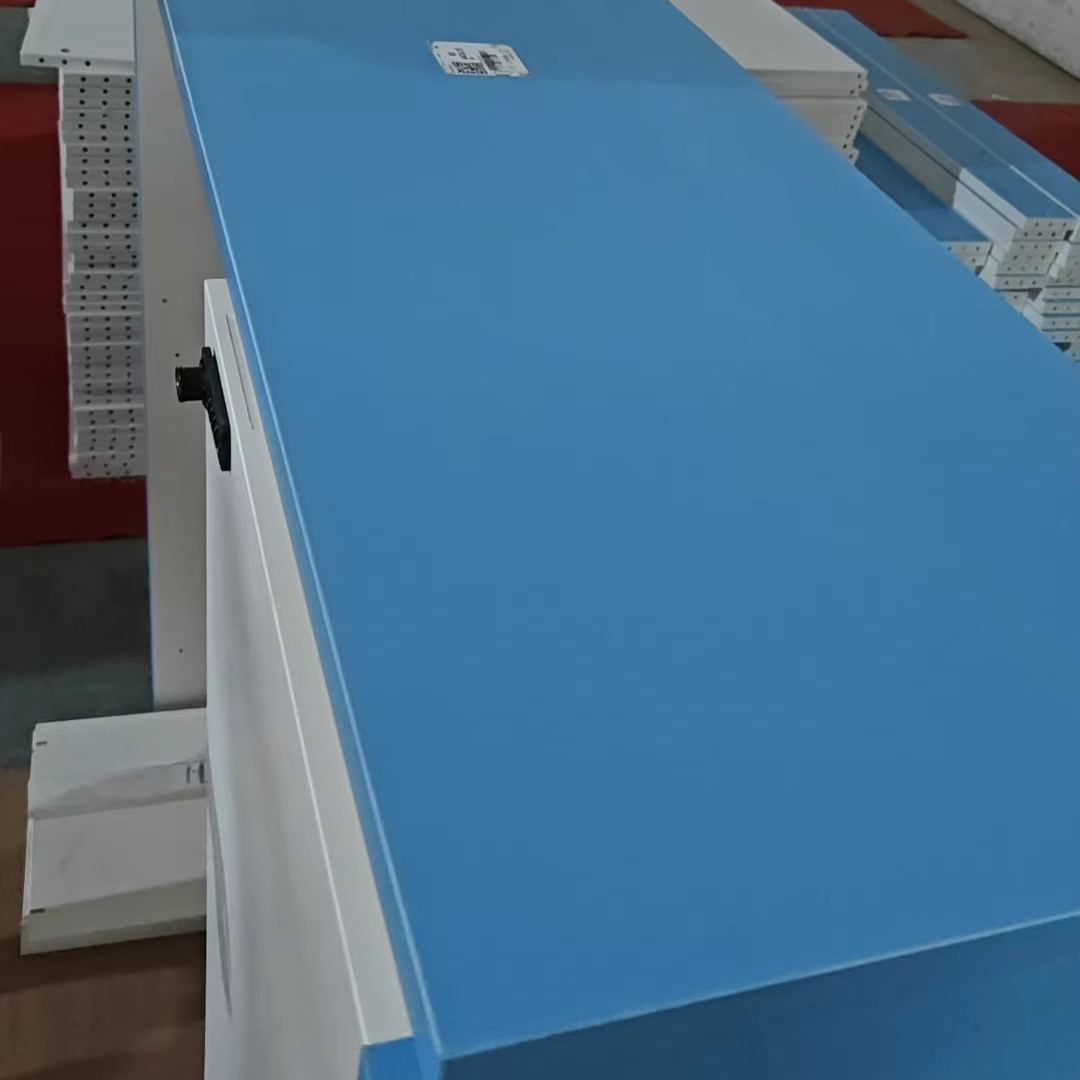
Linyi Hpl Melamine Board Plywood Sheet 18mm 15mm Melamine Board Hpl Laminated Furniture Board
Recommended for furniture carcasses, shop fit-outs and cabinet doors where a durable laminated face and stable plywood core are required.
View specification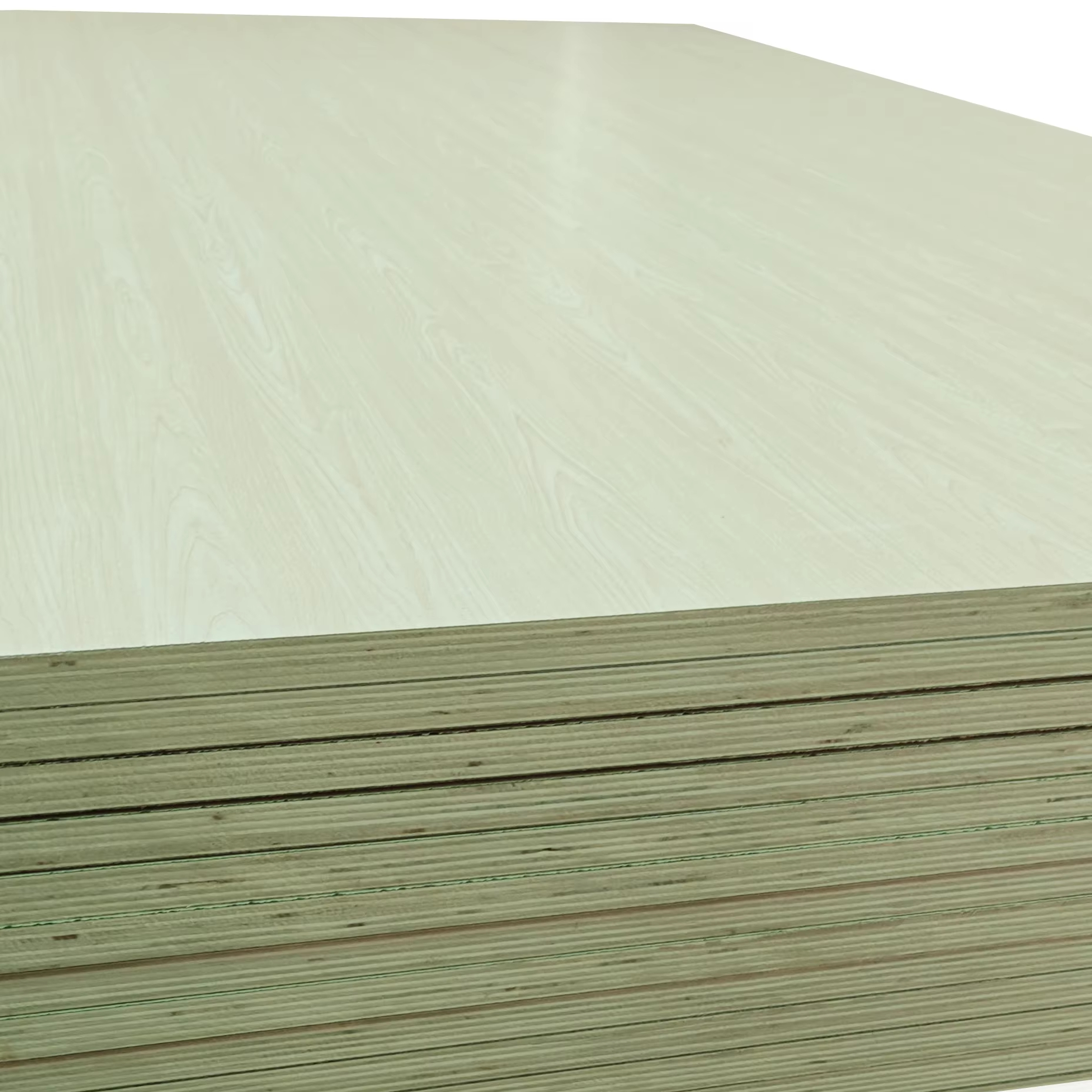
18mm Fire Retardant HPL Faced Plywood School Classroom 1220x2440mm Desk Top
Specified for school classrooms and desk tops that need fire-retardant HPL performance with stable plywood construction.
View specification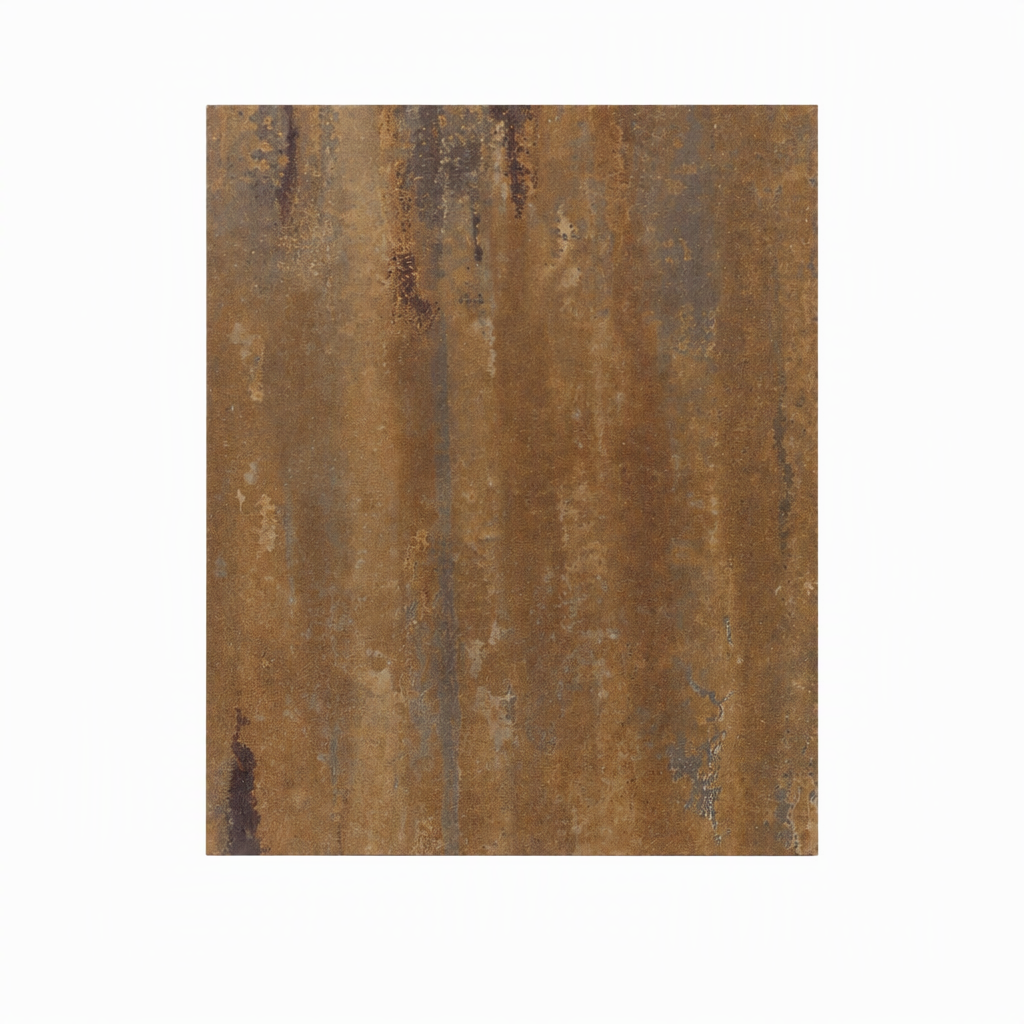
0.8mm Brown Stone Look HPL Decorative Laminate Sheet Interior Wall Panel
A decorative stone-look HPL wall panel for interiors that need an easy-clean surface, repeatable design and fast installation.
View specification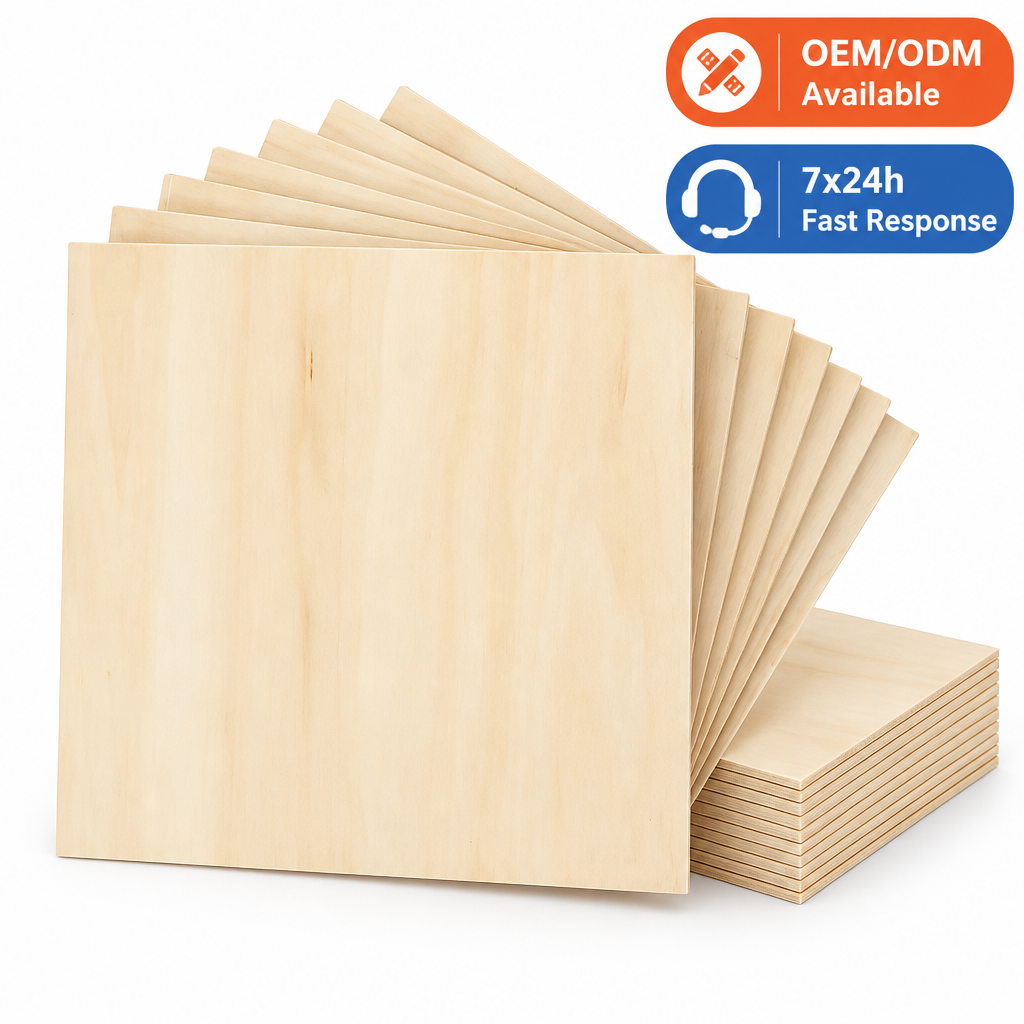
Eco-Friendly First-Class Basswood Plywood Sheet 12 X 12 X 1/8 Inch 3mm Sanded Polished Birch Veneer DIY Laser Cutting
For laser-cut crafts, models and decorative components requiring thin basswood or birch plywood with clean edges.
View specification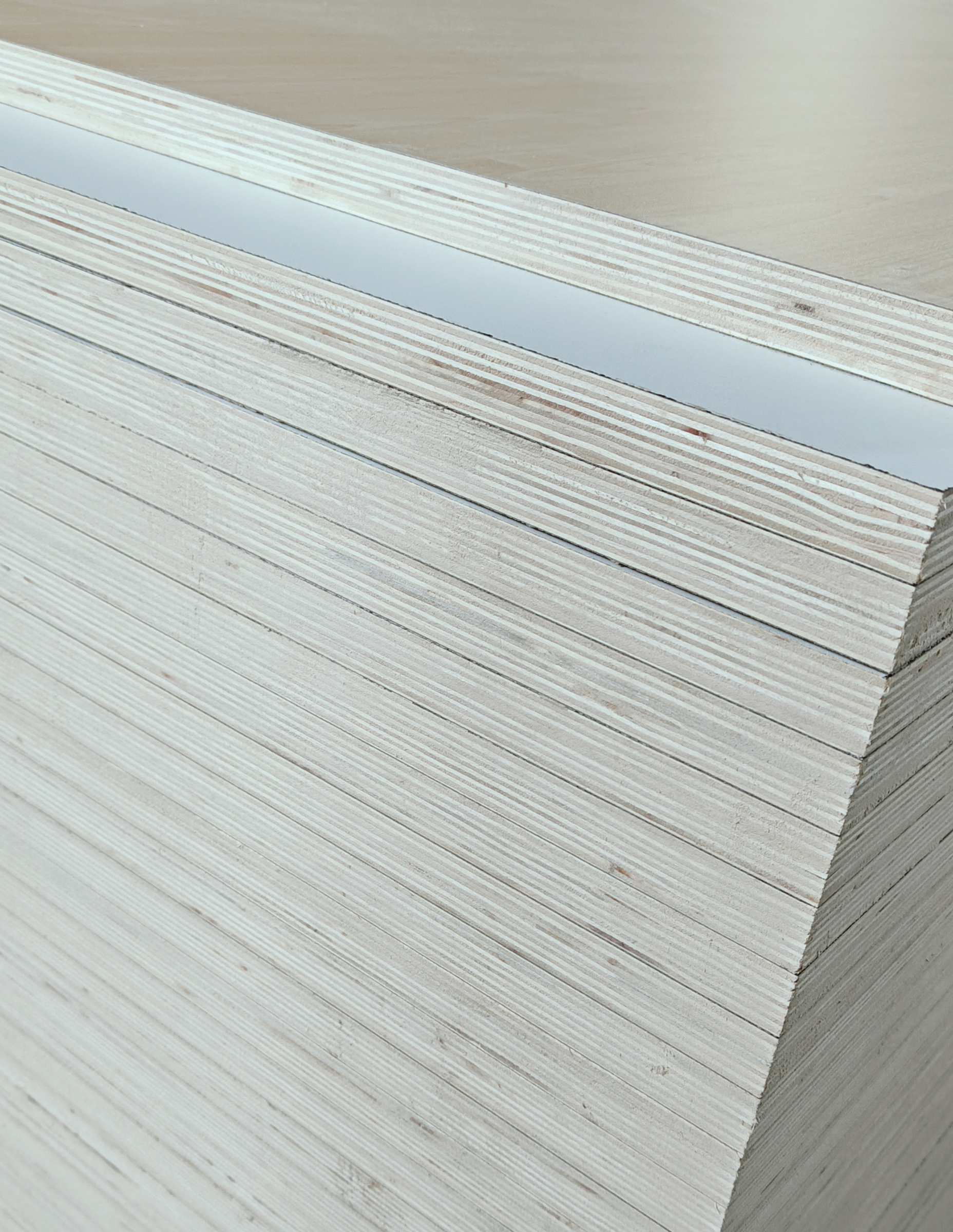
Modern Design Chinese Marine HPL Poplar Plywood E0 Fire Resistant Sanded Surface 4X8 15mm 1220X2440 Construction Sheet Price
Marine poplar plywood for moisture-exposed construction, furniture and fit-out applications where E0 and surface quality matter.
View specification
18mm Fire Retardant HPL Faced Plywood Birch Core 1220x2440mm Furniture Panel
Birch-core fire-retardant HPL plywood for furniture panels and architectural work where core quality and surface performance both matter.
View specification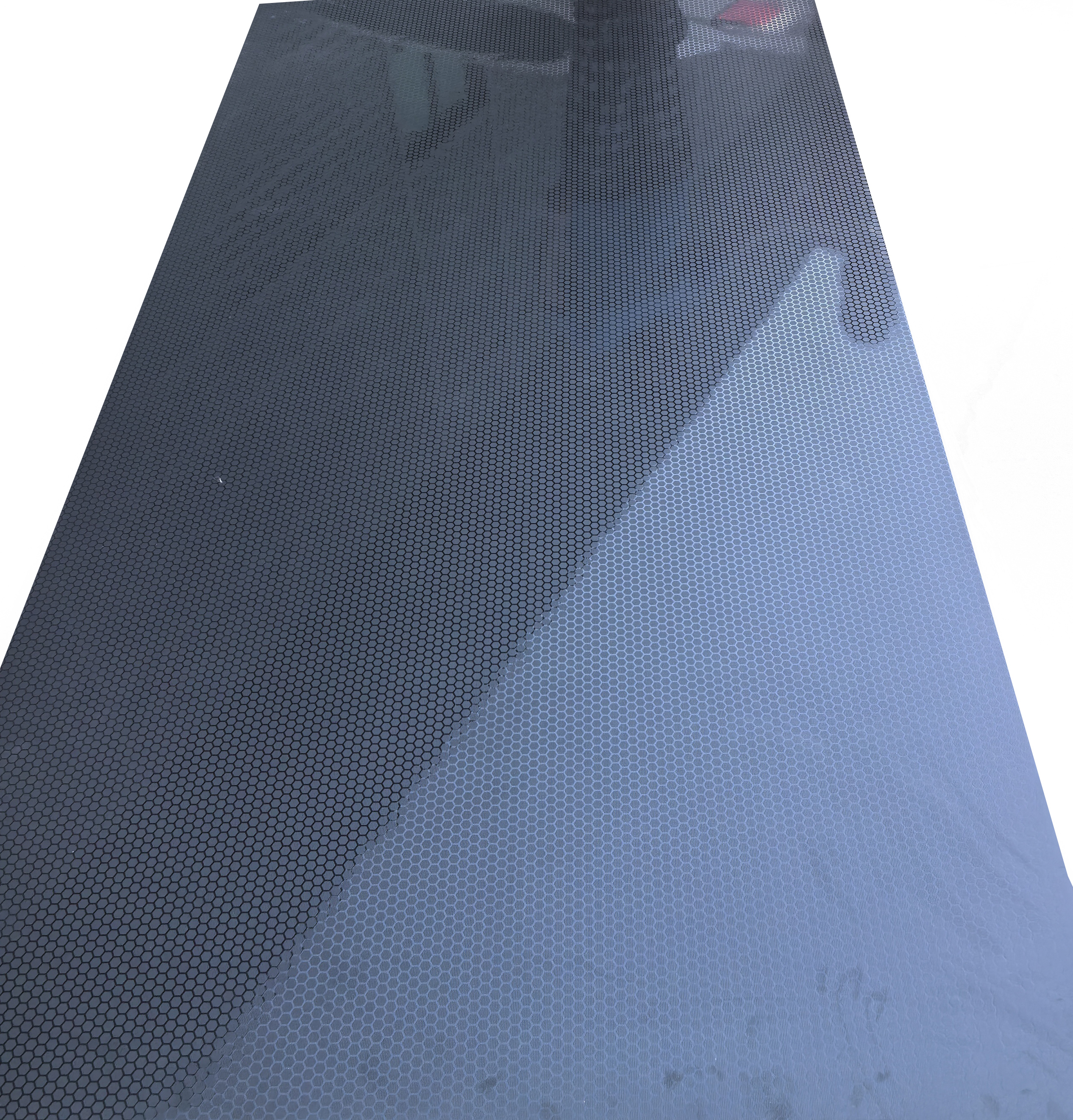
Factory Wholesale 18mm HPL Film Melamine Plywood Modern Design Style 1-Year Warranty E0 Standard Birch Laminated Plywood
Wholesale E0 birch HPL melamine plywood for distributors and furniture factories needing repeatable supply and consistent finishes.
View specification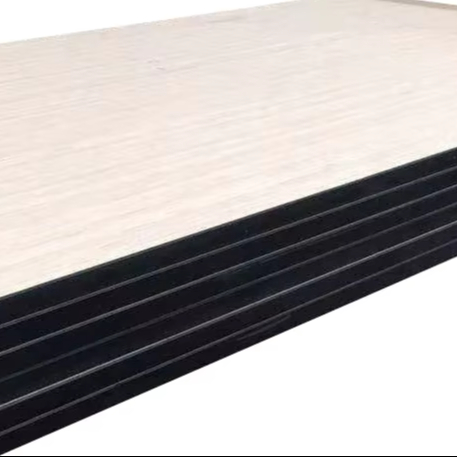
Best Price 1220x2440mm 1300X2800MM HPL Plywood HPL LAMINATE BLACK MDF for Cabinets Bathroom Cabinet Black Plywood
Large-format HPL/Plywood and MDF cabinet panel for bathroom, black cabinet and commercial joinery projects.
View specificationTurn a Veneered MDF Quote into a Comparable Offer
Experienced buyers do not compare veneered MDF by price alone. They compare the specification envelope: what is visible, what is structural, what is documented and what is protected during shipment. Use this matrix to ask sharper questions before approving a sample.
| Specification Lever | Hidden Risk | Recommended Buying Action |
|---|---|---|
| Veneer thickness & grade | Over-sanding, fibre show-through, patch visibility and inconsistent sheen after finishing | For high-use furniture and doors, request 0.5–0.6 mm veneer; for decorative low-wear panels, 0.3–0.4 mm may be suitable. Approve grade and patch rules in writing. |
| MDF core density | Weak screw holding, fuzzy CNC edges, hinge creep and warping in long panels | Ask for density range and internal bond data. High-density MDF is preferred for CNC routing, cabinet doors and commercial joinery. |
| Moisture-resistant vs standard core | Edge swelling in kitchens, bathrooms, laundry cabinetry and humid markets | Specify HMR MDF for wet-zone cabinetry; require sealed edges, back sealing and moisture-barrier packaging. |
| Formaldehyde & VOC documentation | Customs delays, tender rejection and health-related claims | Map the order to E0, E1, CARB/TSCA Title VI, EN 717 or ASTM D6007 requirements before production. Keep test reports with the shipment file. |
| Fire-retardant performance | Failure to satisfy school, hotel, hospital or public-space specifications | Request the correct fire classification report for the destination market and application, not just a supplier statement. |
| Veneer colour & grain matching | Visible batch-to-batch variation, mismatched door sets and rejected fitted furniture | Approve colour under D65 lighting, confirm book-match, slip-match or random-match expectations, and retain signed reference samples. |
| Surface finish system | Uneven absorption, orange-peel texture, poor stain resistance and rework | Define whether panels are supplied raw, sanded, UV-coated, PU-finished or prefinished. Match coating to the final cleaning chemicals and wear level. |
| Export packaging | Corner damage, moisture ingress, edge chipping and disputed claims | Require corner protection, moisture barrier, properly cured packing and loading photos. Confirm container ventilation and pallet handling assumptions. |
Veneered MDF Procurement Trends Reshaping 2025–2030 Buying Decisions
Buyers are moving away from one-dimensional supplier comparisons. The strongest importers now award business to supply partners who can prove consistency, documentation and mixed-category flexibility.
Verification-First Buying
Procurement teams increasingly ask for inspection evidence, batch traceability, loading photos and test reports. A low quote without a documented quality process creates hidden cost at installation and after-sales.
Low-Emission Specifications
E0, E1 and CARB/TSCA requirements are becoming standard in tender documents. Buyers who define the compliance file before sampling avoid costly re-orders and delayed customs clearance.
Mixed-Container Flexibility
Distributors want to combine veneered MDF, HPL-faced panels, plywood, LVL and door cores without overstocking one SKU. Consolidation reduces freight waste and improves cash-flow discipline.
Faster Sampling Loops
Designers and factories now expect rapid sample approval, digital colour references and clear batch standards. Suppliers who control sample-to-production continuity become long-term partners.
Product Development Trends Inside the Next Generation of Veneered MDF
The next phase of veneered MDF growth is being driven by engineered veneers, healthier cores, prefinished surfaces and greater traceability — especially for furniture factories serving Europe, North America, the Middle East and Australia.
Engineered & Reconstituted Veneers
Engineered veneer gives furniture makers more predictable grain, colour and yield than natural veneer alone. It is especially useful for large repeat projects where consistency matters more than rustic variation.
HMR & Fire-Retardant Cores
Veneered MDF is moving into wet zones, public interiors and commercial joinery. HMR MDF, fire-retardant MDF and sealed edge systems are becoming specification defaults in higher-value projects.
Prefinished & UV-Cured Surfaces
Prefinished veneered panels shorten factory finishing time, reduce VOC handling and improve colour repeatability. UV-cured and water-based systems are gaining ground where durability and low odour matter.
Digital Traceability
Batch codes, digital inspection reports, veneer sample libraries and loading images are becoming sales tools. They reduce disputes and help importers present verified quality to their own customers.
What Linyi Fipdm Adds to Your Veneered MDF Supply Chain
Fipdm is a verified trading company and multispecialty supplier, not a single-site factory. That model is deliberate: we coordinate vetted partner mills in Linyi, inspect materials and finished products, and give international buyers one accountable contact across multiple engineered panel categories.
Intertek-Verified & On-Site Inspected
Our published profile is supported by third-party supplier assessment. Material checks at the partner mill and finished-board inspection before loading help catch thickness, surface and edge issues early.
Two-Stage Quality Control
We combine raw-material and process checks with pre-shipment finished-product inspection, giving buyers a clearer evidence trail for veneered MDF, HPL, plywood and mixed loads.
Flexible Customization & ODM
Minor customization such as logo, packaging and graphics is available, along with sample-based, design-based and full customization. ODM support helps distributors build a differentiated panel range.
Multi-Category Consolidation
Combine veneered MDF, HPL, compact laminate, MDF, plywood, LVL and door cores in one managed shipment. This reduces freight waste, supplier administration and overstock risk.
On-Site Technical Support
For project buyers, we can coordinate engineer support for cladding, partition and furniture applications, helping align panel specification with installation conditions and cleaning regimes.
Export-Ready Logistics
Export documentation, seaworthy pallet packing and loading photos can be shared with each shipment, reducing communication gaps between factory, forwarder and importer.
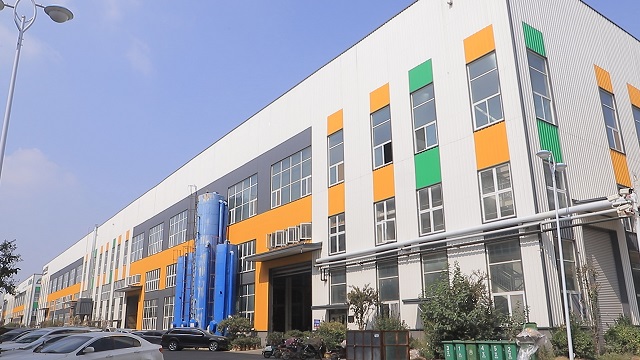
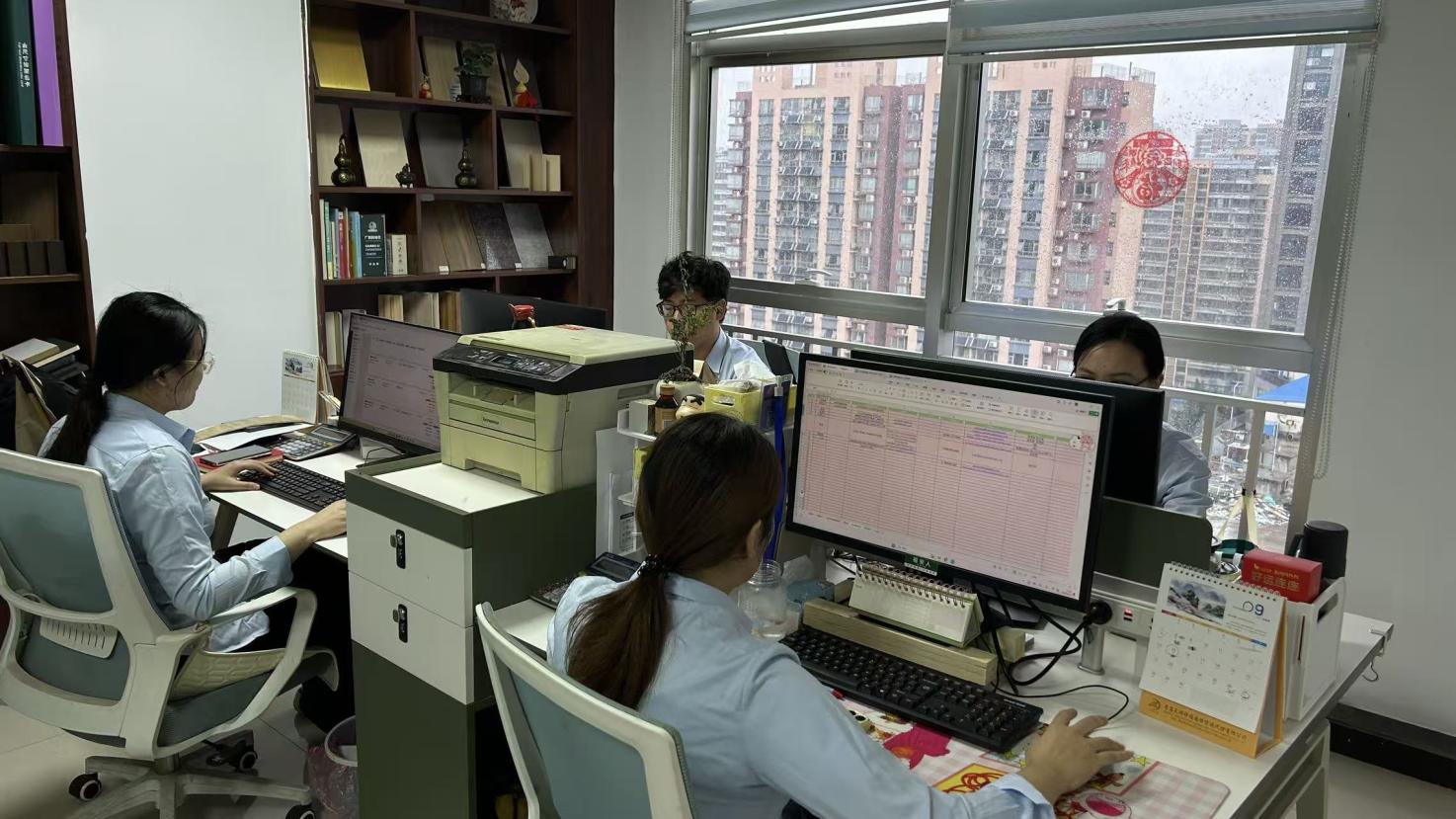
Company introduction and export team support

Panel warehouse and export stock coordination
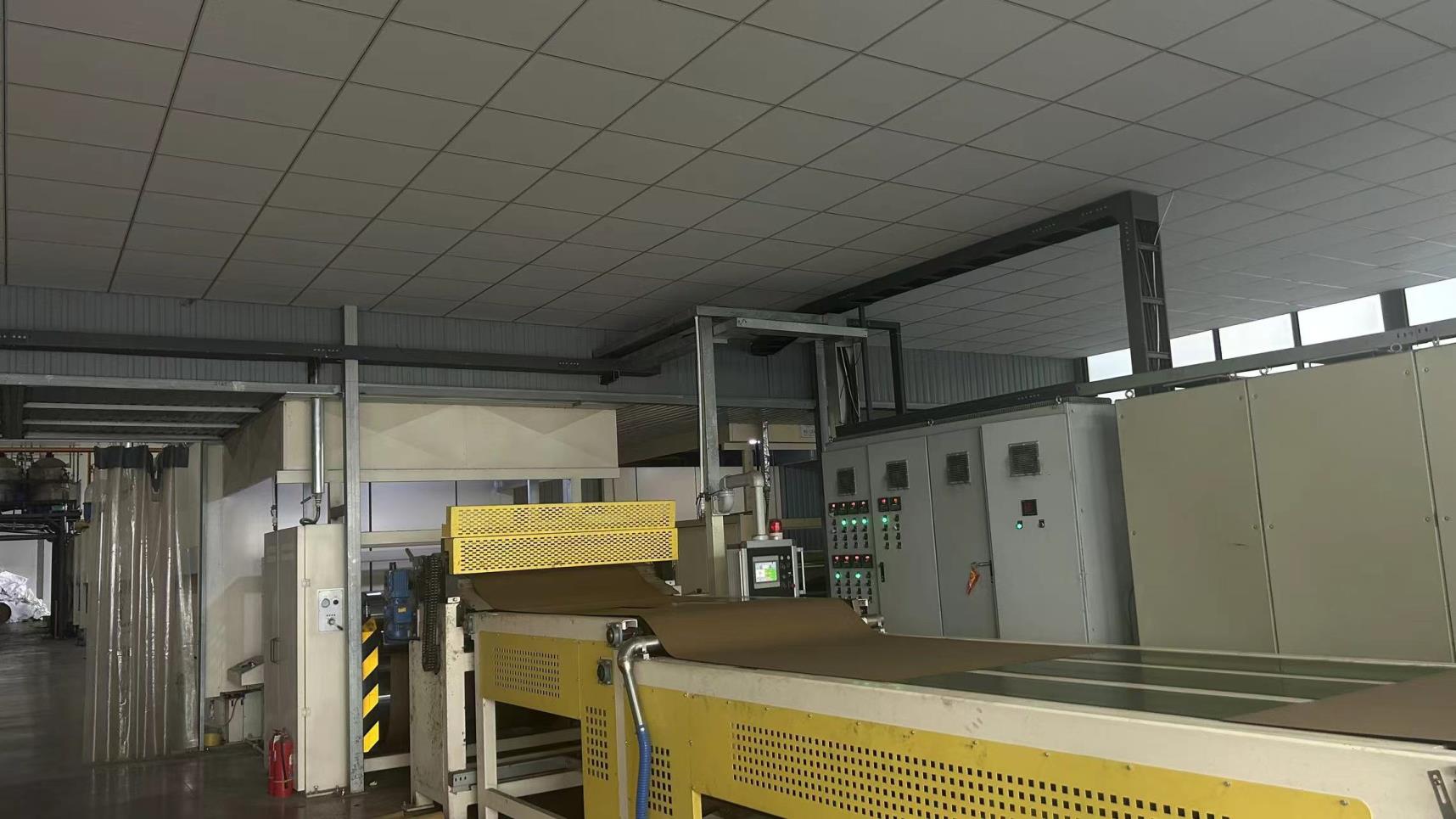
Partner production line and process checks
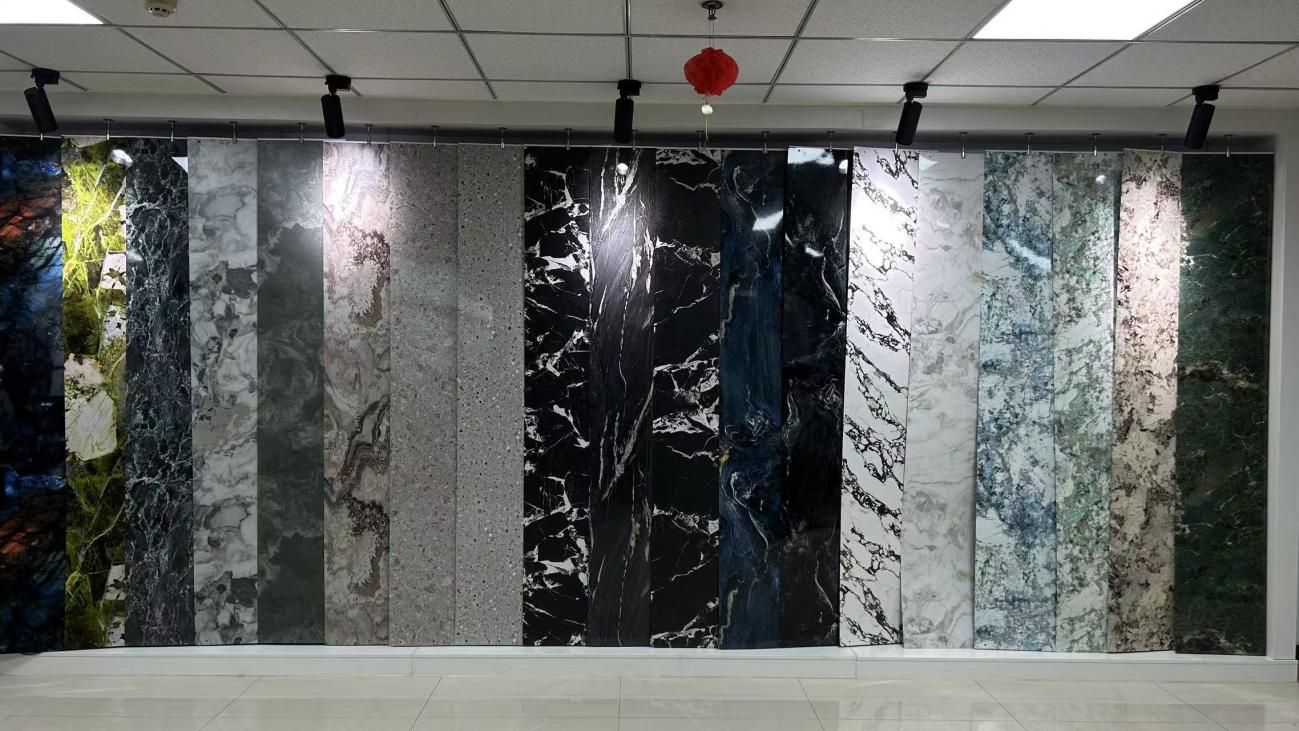
Trade exhibition and product display
Container loading and shipment photography
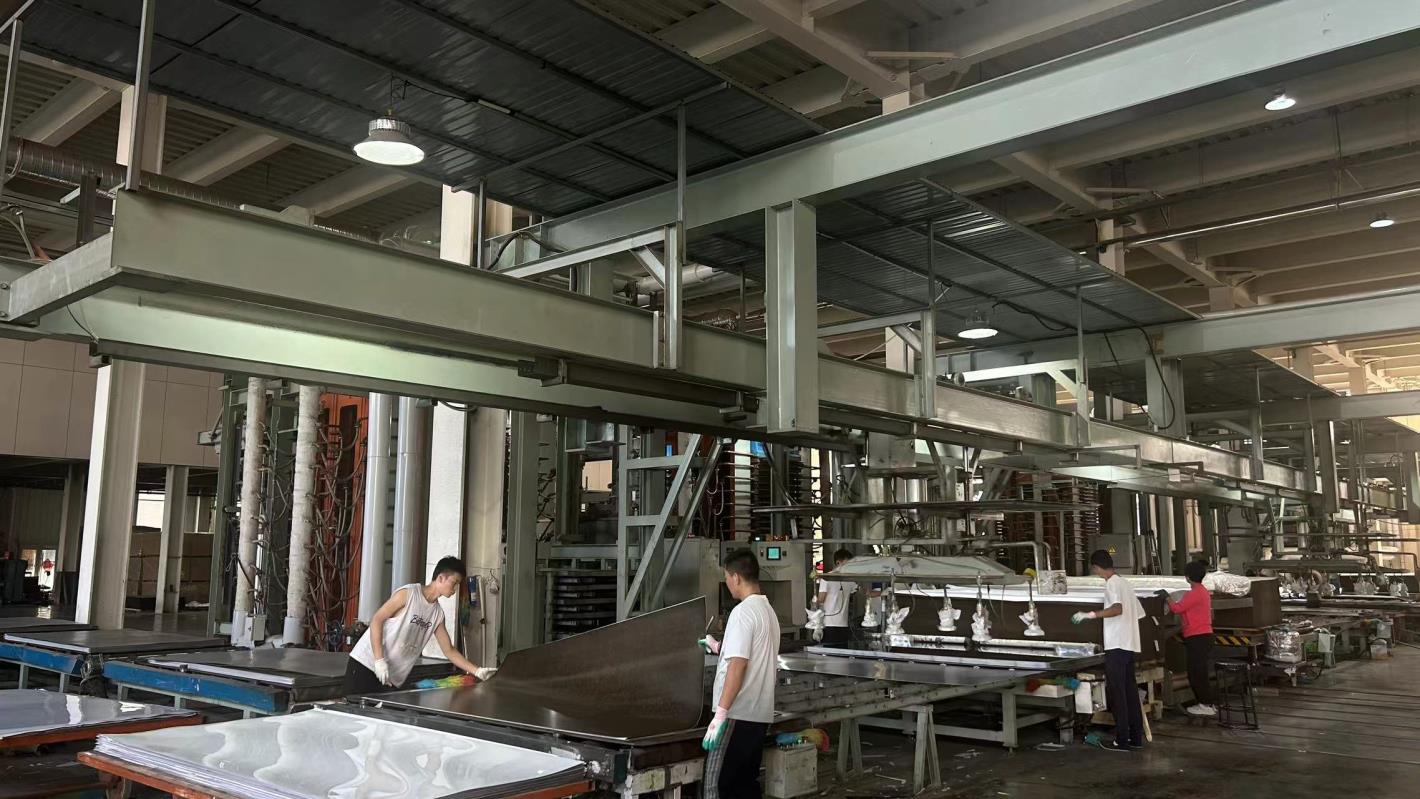
Finished-board quality inspection before shipment
Intertek verification, inspection routines, buyer rating, ranking and supplier experience shown here reflect the company profile and operating model described on the original website. Product-specific test reports should be confirmed against the final order specification.
Applications and Finish Pairing Guide
Veneered MDF performs best when the core, veneer and finish system are chosen for the actual environment — not selected from a colour chart alone.
Kitchen & Bathroom Cabinetry
Specify HMR MDF, sealed edges and moisture-barrier packing. Pair with oak, walnut or engineered veneer and a durable PU or UV finish for wet-zone cabinetry.
Furniture & Casegoods
Use 0.5–0.6 mm veneer on high-density MDF for CNC doors, drawer fronts and commercial furniture where screw holding and edge finish are critical.
Wall Panelling & Doors
Fire-retardant MDF and book-matched veneer can create consistent feature walls and door skins. Confirm fire classification and matching expectations before production.
Retail & Hospitality
High-density MDF, impact-resistant coatings and consistent colour matching help retail fixtures and hospitality furniture survive heavy use and repeated cleaning.
Office & Education
Low-emission MDF, fire-retardant cores and easy-clean surfaces are suitable for desks, storage, reception counters and classroom furniture where durability matters.
Commercial Fit-Outs
Combine veneered MDF with HPL, compact laminate or marine plywood for mixed-material projects that require one coordinated shipment and one accountable supply partner.
Veneered MDF Procurement FAQ
Clear answers for importers, distributors, furniture factories and project buyers comparing veneered MDF manufacturers and wholesale suppliers.
What is veneered MDF, and how is it different from melamine MDF?
Veneered MDF uses a thin layer of real wood veneer bonded to an MDF core. It delivers natural grain, tactile texture and a premium appearance, and is usually finished with lacquer, UV coating or oil. Melamine MDF uses a printed melamine-impregnated paper surface, which is highly repeatable and cost-efficient but does not provide the same natural wood character. For projects that need real timber appearance with stable machining, veneered MDF is the stronger specification; for high-volume, budget-sensitive furniture, melamine MDF may be more appropriate.
Are you a veneered MDF manufacturer or a trading company?
Linyi Fipdm Import And Export Co., Ltd. is a verified trading company and multispecialty supplier. We source from vetted partner mills in Linyi, Shandong, and operate on-site material inspection plus finished-product inspection before shipment. For buyers comparing a veneered MDF manufacturer and wholesaler, this model provides one accountable export contact across MDF, HPL, compact laminate, plywood, LVL and door-core categories while keeping production in qualified partner factories.
Which veneer species, thicknesses and MDF cores can you coordinate?
We can coordinate common decorative veneers such as oak, walnut, ash, birch, basswood and engineered veneers, subject to mill availability and project volume. Veneer thickness is typically discussed in the 0.3–0.6 mm range depending on the wear level and finishing process. MDF cores can be discussed as standard, high-density, moisture-resistant or fire-retardant grades. Share your panel size, thickness, veneer species, grain pattern, finish and destination market so the most suitable option can be confirmed before sampling.
Which formaldehyde, fire and sustainability documents should buyers specify?
Requirements vary by destination and application. Buyers commonly request E1 or E0 MDF, CARB/TSCA Title VI documentation, EN 717 or ASTM D6007 formaldehyde test reports, fire classification reports, and FSC chain-of-custody evidence where applicable. Because not every partner mill holds every certification, the correct approach is to specify the target market and application before quotation. We can then confirm which documentation can be supported for the exact board and order quantity.
How do you control veneer colour matching, joints and surface defects?
Veneer is a natural material, so approval should be based on a signed reference sample. Buyers should define whether the project requires book-match, slip-match or random-match layout, and should approve colour under D65 lighting. Before shipment, inspection can focus on visible sand-through, fibre show-through, patch rules, sap content, joint alignment, edge quality and colour variation between bundles. For fitted furniture, we recommend keeping one retained sample from the approved batch as a reference for future orders.
Can you customize sizes, colours, packaging or private-label programs?
Yes. Available customization can include minor changes such as logo, packaging and graphics, as well as sample-based, design-based and full customization. ODM support is available for distributors and brands building their own panel range. For a private-label veneered MDF program, provide the target panel size, veneer direction, surface finish, edge treatment, packaging format, quantity per SKU and market positioning so the supply plan can be reviewed properly.
Can I mix veneered MDF with HPL, plywood, LVL or door cores in one container?
Mixed-category consolidation is a core part of our service. Importers often combine veneered MDF, HPL sheets, compact laminate, melamine-faced boards, birch plywood, poplar LVL and tubular chipboard door cores to reach efficient container loads without overstocking a single product. The final mix depends on panel dimensions, weight distribution, packaging and destination regulations. Share your full shortlist and we can review a practical loading plan.
How are veneered MDF panels packed for export, and what should I check on arrival?
Export packing should protect edges, corners and surfaces from impact and moisture. Confirm corner protection, moisture-barrier wrapping, pallet strength, banding, clear shipping marks and loading photos before departure. On arrival, check bundle condition, moisture evidence, edge damage, surface scratches and batch identity against the approved sample. If the panels will be stored in a humid environment, keep them flat, ventilated and away from direct floor contact before fabrication.
Request a Veneered MDF Quotation and Catalog
Send your veneer species, MDF core type, panel size, thickness, finish, emission or fire requirement, estimated quantity and destination port. Our team will match the specification against suitable partner mills and reply with product options, sample requirements and consolidation possibilities.