8 Panel Products for Super Matt, Decorative and Wet-Area Projects
The products below are active references from our current panel supply portfolio. They show how a qualified exporter can combine substrate boards, melamine-faced MDF, HPL, compact laminate, marine plywood and HMR MDF for furniture factories, distributors, project buyers and private-label programmes. Use them to compare surface direction, substrate performance and container planning before you request samples.
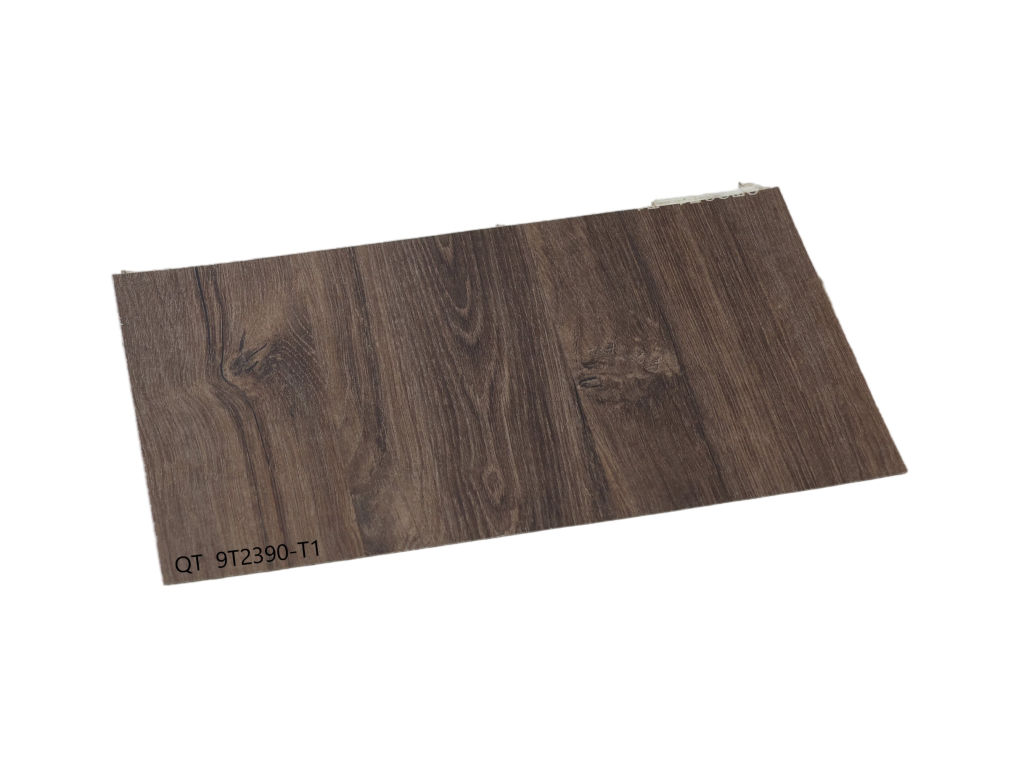
Dark Brown Decorative Panel HPL Sheet QT 9T2390-T1 Interior Wall Cladding
A deep-brown decorative HPL for feature walls, cabinet fronts and interior cladding where a rich, non-reflective architectural finish is required.

Modern Design Chinese Marine HPL Birch Plywood Construction 4X8 15mm Glossy Sheet E1 Faced Faced 1220X2440 Price
A 15 mm glossy HPL-faced birch marine plywood for wet-area furniture, transport modules and construction applications needing E1 emission performance.
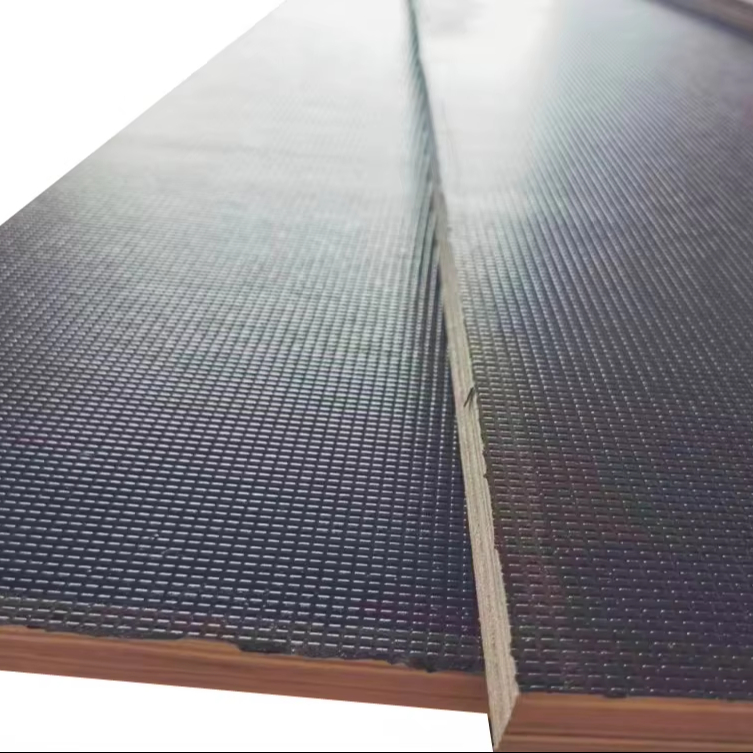
1220x2440 HPL Waterproof Laminate Sheet Board Fire Retardant Decorative High-Pressure Plywood E0 Formaldehyde Marine Phenolic
Waterproof, fire-retardant decorative HPL for demanding interiors and marine-adjacent applications; E0 formaldehyde options support stricter market requirements.
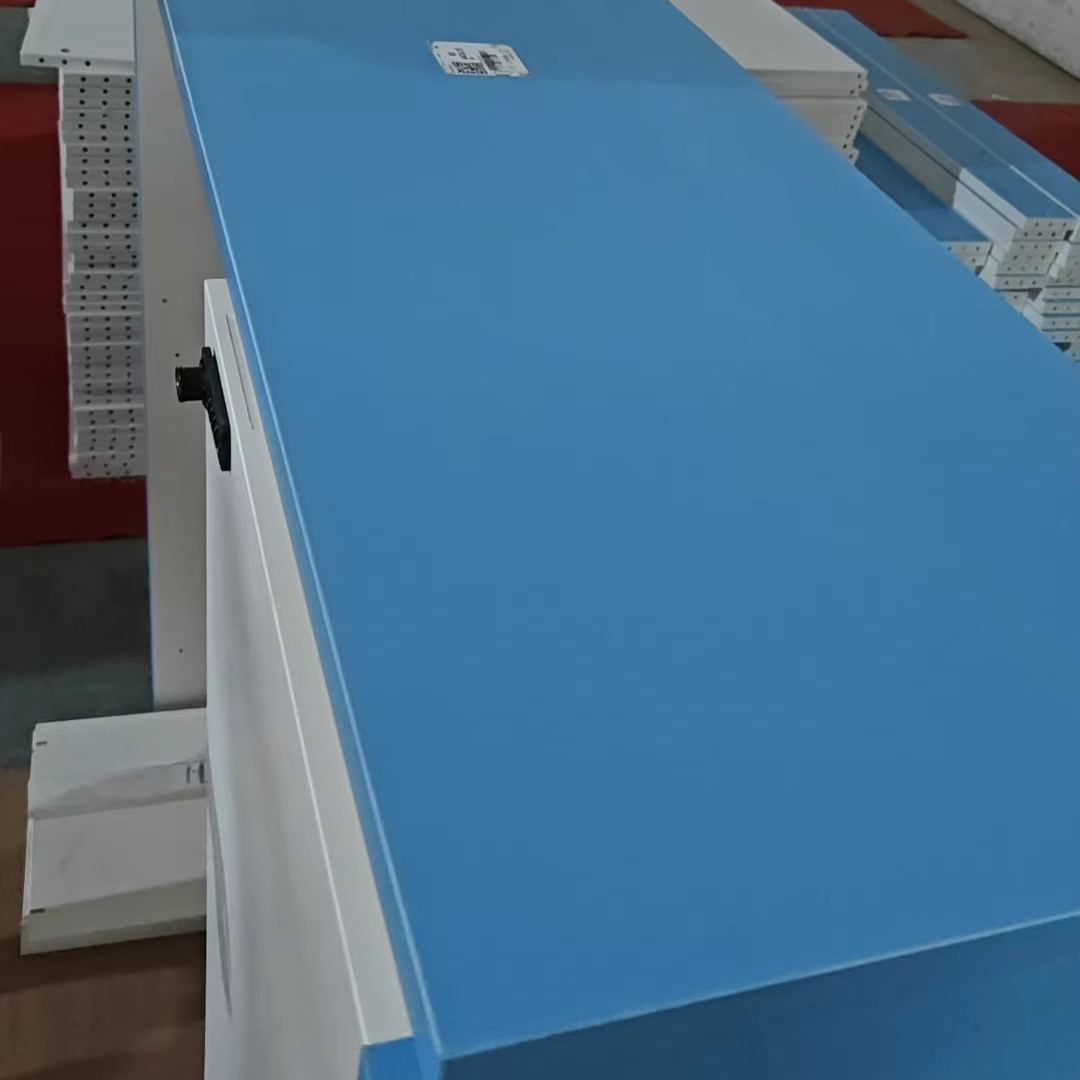
Linyi Hpl Melamine Board Plywood Sheet 18mm 15mm Melamine Board Hpl Laminated Furniture Board
A practical melamine/HPL laminated furniture board for cabinet carcasses, wardrobes, office furniture and contract fit-outs with fast lead times.
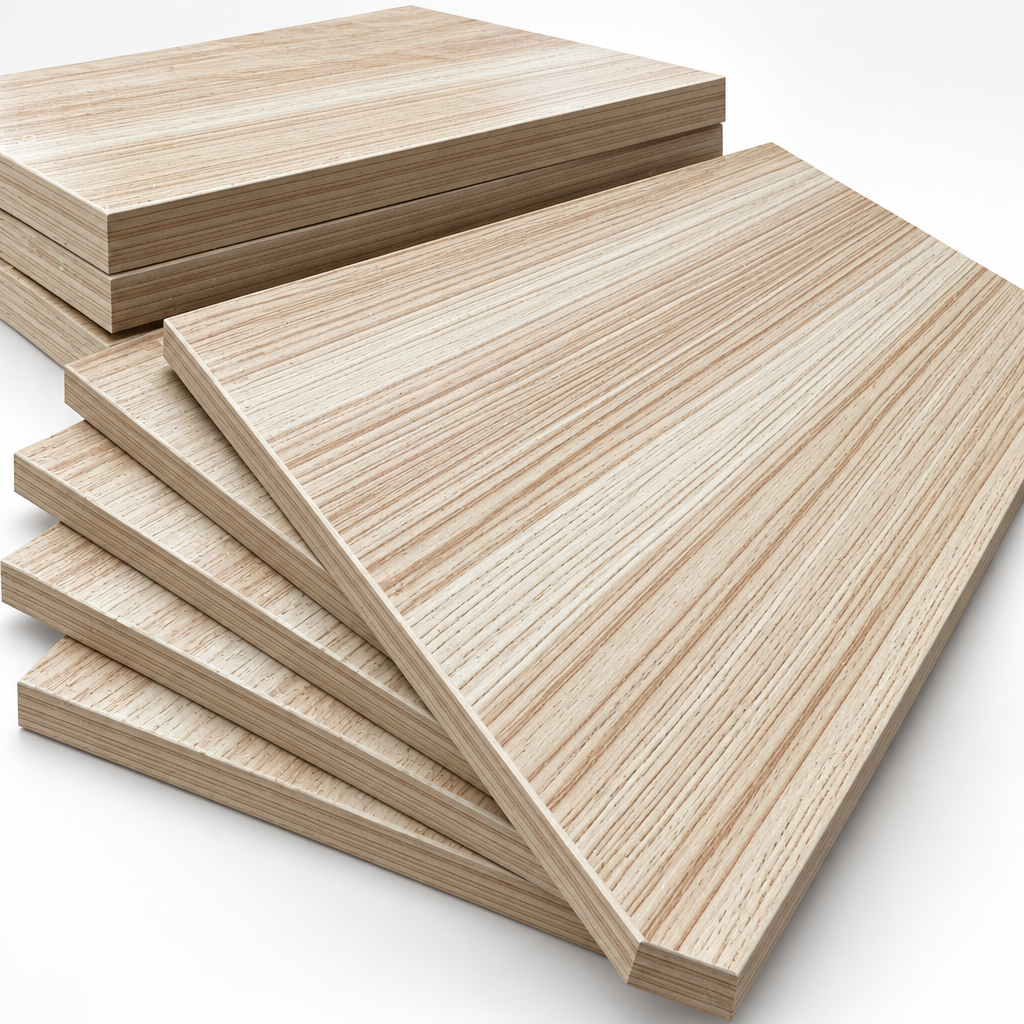
In Stock Wear-Resistant High Pressure Laminate HPL Plywood Sheets for Modern Kitchen Cabinets and Wooden Furniture Panels
Wear-resistant HPL plywood for kitchen cabinets and furniture panels where scratch resistance, moisture resistance and repeatable colour are important.
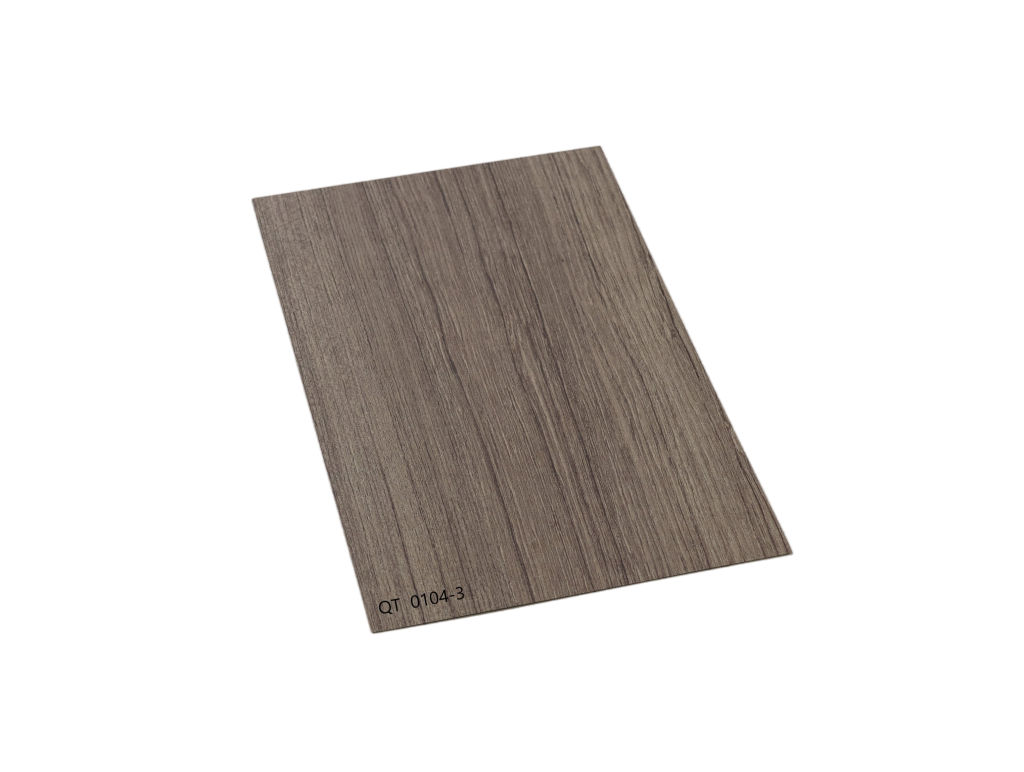
Wood Grain HPL Decorative Laminate Sheet Decorative Panel for Cabinet and Interior Wall
Wood-grain decorative laminate for cabinetry and wall panelling; a strong visual match for super-matt MDF doors in warm, natural interior schemes.
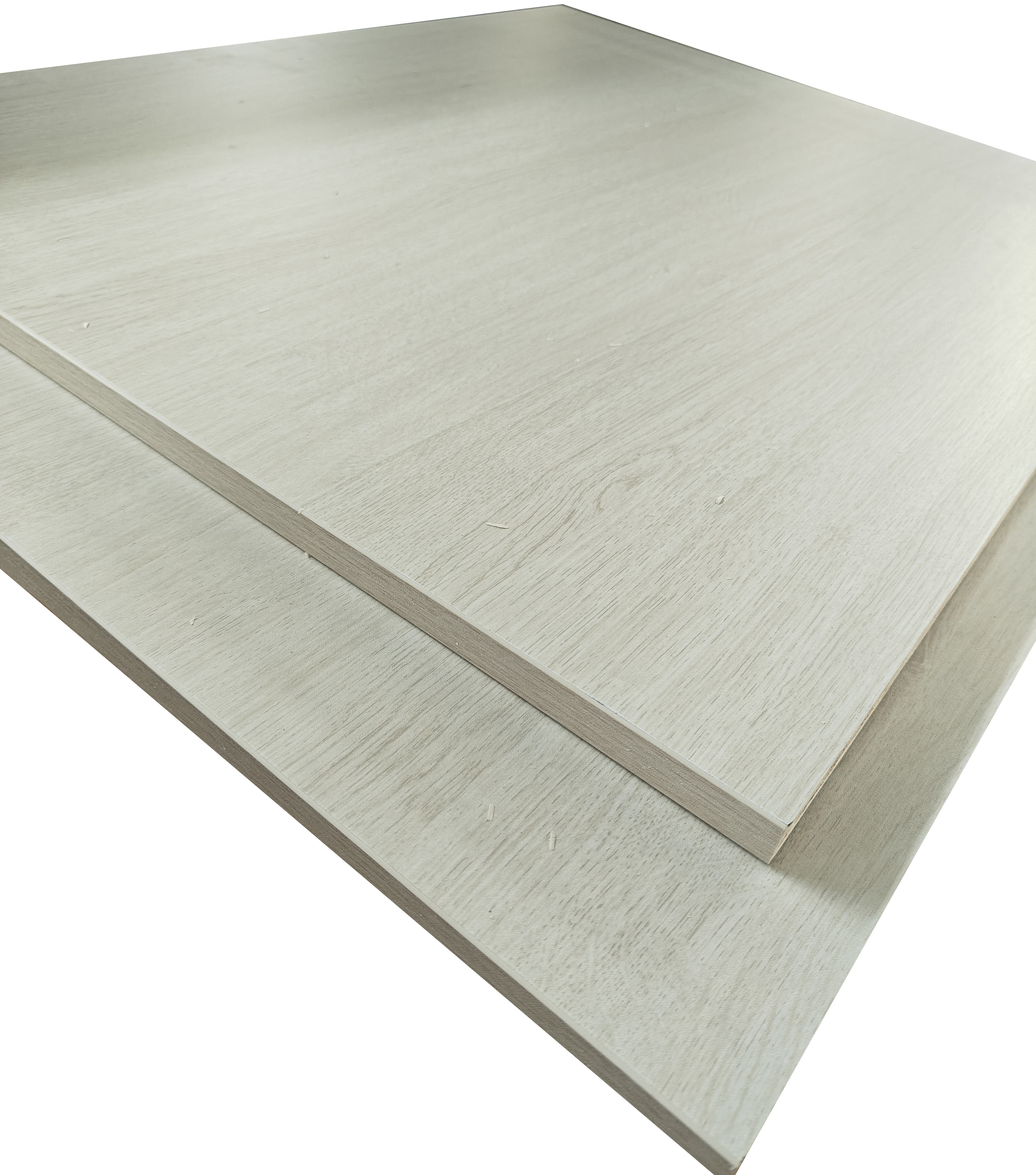
Linyi Supplier Professional HPL Formica Plywood for Furniture High Pressure Phenolic Resin HPL Compact Laminate Board
Professional phenolic HPL and compact laminate board for furniture, partitions and commercial surfaces requiring impact and moisture resistance.
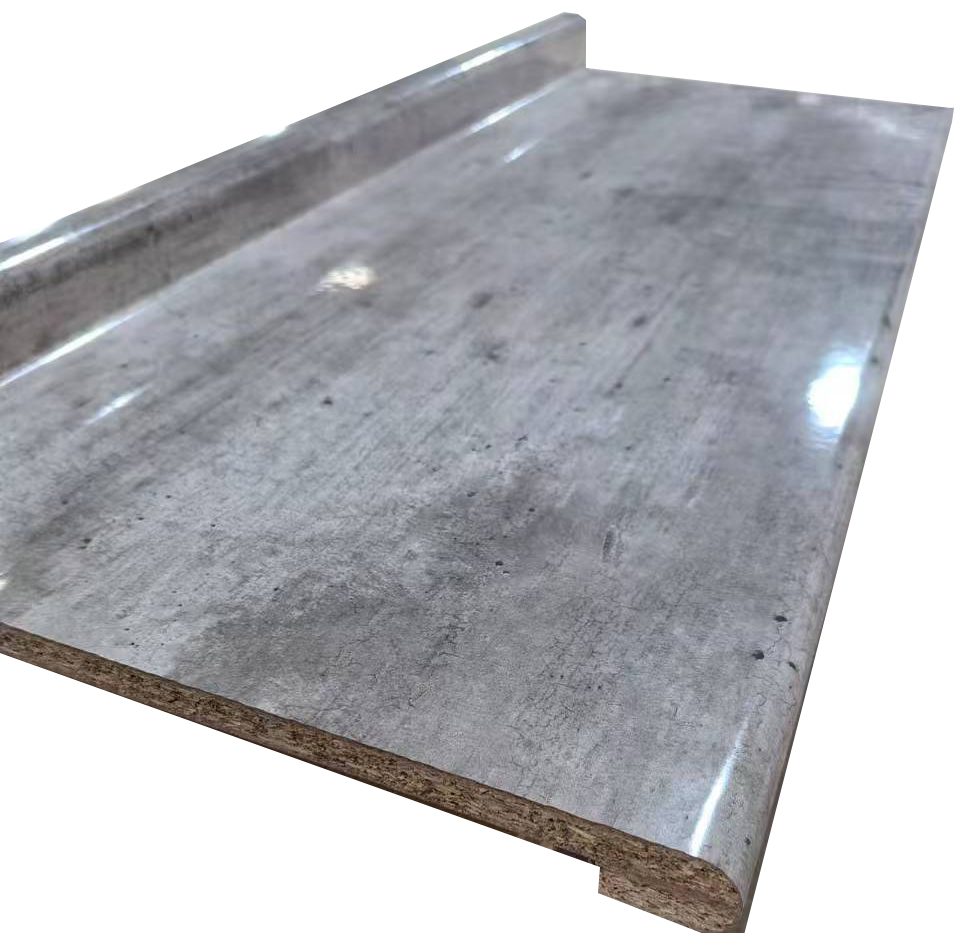
Linyi Hpl Melamine Board Plywood HMR MDF Sheet 18mm 25MM Melamine Board Furniture Board for KITCHEN COUNTERTOPS
HMR MDF and melamine board for kitchen countertops and furniture, where moisture resistance and a consistent decorative surface reduce rework.
What “Super Matt MDF” Really Means in Procurement
Search demand for super matt MDF suppliers and exporters is commercial, but the intent behind it is not uniform. Some buyers need a low-gloss melamine-faced MDF for kitchen doors; others need anti-fingerprint PET or UV-coated panels, HPL-clad MDF, HMR MDF for wet areas, or a matched panel system for distributors. The strongest sourcing decisions begin by separating the visual surface from the substrate, emission class, edge-banding system and shipment model.
Surface Science
“Super matt” is not one finish. It can be a low-gloss melamine overlay, a UV-cured coating, a PET film or an HPL skin. Each route has a different gloss range, fingerprint behaviour, repairability, abrasion resistance and edge-banding requirement.
Application Fit
Kitchen cabinet doors, wardrobes, retail displays, office fronts and bathroom vanities place different demands on moisture resistance, impact strength and cleaning chemicals. A supplier should ask where the board will be used before quoting.
Documentation
E0 or E1 formaldehyde claims, fire-retardant options, HMR performance and decorative consistency should be supported by current samples and test reports. Documentation is part of the product, not an after-sales extra.
Supply Model
For distributors and multi-line furniture factories, the supply model matters as much as the board. Mixed-load consolidation, seaworthy packing, loading photos and one accountable export contact reduce hidden procurement costs.
Information gain for buyers: a practical evaluation weighting
Price is only one part of landed cost. In panel sourcing, consistency and documentation often determine whether a project runs smoothly. The weighting below reflects common B2B evaluation priorities for low-gloss MDF and decorative panel programmes; adjust it to your own market and project risk.
Use this as a starting framework, not a fixed rule. A hospital project may weight fire performance more heavily; an export distributor may prioritize packaging and mixed-container capability.
A Buyer’s Specification Sheet for Super Matt MDF and Decorative Panels
The table below converts common search phrases into sourcing questions. It is intentionally practical: confirm each item with your supplier’s current sample, test report and order contract. For super-matt surfaces, lighting conditions and viewing angles should be agreed before mass production.
| Specification | Typical sourcing options | What to confirm | Common application |
|---|---|---|---|
| Surface finish | Super-matt, low-gloss, anti-fingerprint melamine, PET, UV or HPL skin | Target gloss units, texture direction, colour under D65 light and sample approval | Kitchen doors, wardrobes, feature walls |
| Substrate | Plain MDF, HMR MDF, plywood, particle board or compact laminate | Density, screw-holding, thickness tolerance, moisture exposure and flatness | Furniture, bathrooms, counters, partitions |
| Thickness | 9, 12, 15, 18, 25 mm and project-specific sizes | Finished thickness after lamination and edge-banding allowance | Cabinets, doors, countertops, shelving |
| Panel size | 1220×2440 mm, 1830×2750 mm, 2100×2800 mm, 1830×3660 mm | Cutting plan, handling limits, container fill and loading direction | Factory cutting, contract fit-out |
| Formaldehyde class | E0 and E1 options depending on product line | Destination-market requirement, test method, certificate validity and batch traceability | Interior furniture, export projects |
| Moisture resistance | HMR MDF, HPL-faced plywood, compact laminate or phenolic boards | Wet-area location, cleaning frequency, edge sealing and warranty terms | Kitchens, bathrooms, laundry, commercial washrooms |
| Fire performance | Fire-retardant HPL, phenolic compact laminate or specified core options | Required standard, report reference and whether the whole assembly is tested | Public buildings, hotels, schools, hospitals |
| Surface durability | Wear-resistant HPL, scratch-resistant melamine, anti-fingerprint coating | Abrasion class, impact resistance, stain resistance and realistic cleaning test | Retail, kitchens, office furniture |
| Edge treatment | Matching edge band, laser edge, HPL or compact laminate edge | Colour match, adhesive strength, moisture sealing and visible seam control | Doors, tabletops, wall panels |
| Packaging and loading | Seaworthy pallets, corner protection, moisture barrier, labelled bundles | Loading photos, container fill, pallet height and destination port method | Export distribution, project delivery |
Note: Values vary by product line, finish and destination market. Always request a current sample and applicable test report before contract approval. This guide is written for B2B sourcing and does not replace project-specific engineering advice.
Future Super Matt MDF Procurement Trends
Buyers are moving from price-only purchasing toward performance-based sourcing. The change is visible in RFQs that ask for gloss targets, emission documents, moisture exposure, cutting plans and loading evidence. These six trends are shaping how importers, distributors and furniture factories will compare super matt MDF suppliers and exporters in the next buying cycle.
Performance-Based RFQs
Instead of asking only for “matt MDF”, buyers request gloss targets, surface texture, abrasion performance, cleaning chemical resistance and sample approval under agreed lighting. This reduces disputes after panels are cut and assembled.
Emission and Market Compliance
E0 and E1 formaldehyde grades, fire-retardant options and destination-market documentation are becoming standard in professional tenders. Suppliers without batch-level traceability will struggle to serve stricter contract buyers.
Traceable Wood and Responsible Sourcing
Importers increasingly ask for legal-harvest documentation and clearer wood-source communication. A trustworthy panel exporter should be able to explain the chain from partner mill to finished shipment, even when the paperwork is handled by the mill.
Mixed-Container Consolidation
Smaller distributors and furniture factories want one container to carry super-matt MDF, HPL, compact laminate, birch plywood and LVL. Consolidating factories and board types lowers freight friction and improves cash-flow planning.
Sample-First and Customized Batches
More buyers require approved samples before mass production, especially for colour-critical furniture. Suppliers with ODM support, packaging customization and small-batch flexibility can win repeat orders from private-label distributors.
Digital Quality Evidence
Loading photos, inspection records, bundle labels and packing lists are now part of the buying experience. Digital evidence shortens claims resolution and gives remote procurement teams better visibility into what actually shipped.
Product Development Trends for Super Matt MDF and Decorative Panels
Surface innovation is moving toward practical performance, not only aesthetics. The next generation of low-gloss panels will be judged by fingerprint behaviour, durability, moisture performance, fire options and how easily they can be matched with edge bands, HPL and compact laminate components.
Anti-Fingerprint Surfaces
Low-gloss surfaces are being upgraded with easy-clean and anti-fingerprint properties for kitchen doors, wardrobe fronts and retail displays where appearance must remain consistent during handling.
Wear and Scratch Resistance
Wear-resistant HPL and improved melamine overlays are extending the life of furniture in high-traffic spaces. Buyers should test with real cleaning agents rather than rely on a generic “wear-resistant” label.
HMR and Fire-Retardant Cores
HMR MDF, fire-retardant HPL and phenolic compact laminate are becoming easier to combine in one project. This supports kitchens, bathrooms, public buildings and commercial washrooms without multiple suppliers.
Co-Ordinated Systems
Furniture factories prefer one decorative direction across MDF doors, HPL wall panels, compact laminate worktops and matching edge bands. Coordinated colour and texture programmes reduce assembly errors and visual mismatch.
Lightweight and Efficient Boards
Lightweight MDF and efficient core designs help furniture makers reduce shipping weight and handling fatigue. The key is balancing weight reduction with screw-holding, surface flatness and panel stability.
Lower-Emission and Recycled Inputs
E0 and E1 boards remain central, while bio-based and recycled-content options are attracting attention. Procurement teams should ask for evidence and keep product claims aligned with local market rules.
Why B2B Buyers Shortlist Linyi Fipdm Import And Export Co., Ltd.
Based in Linyi, Shandong — China’s largest wood-based panel cluster — Linyi Fipdm Import And Export Co., Ltd. works as a verified trading company and multispecialty supplier. The company combines high-pressure laminates, compact laminate, fibreboards, flakeboards, plywoods and new material boards from vetted partner mills. Its public supplier profile highlights 9 years in the industry, 8 dedicated staff, a 5.0 buyer rating, 4 years as a Gold Supplier, Intertek verification and a #4 top-selling position in the Plywoods category.
Linyi Panel Cluster Access
Linyi gives buyers access to a deep supplier base for HPL, compact laminate, MDF, plywood, LVL and decorative boards. This cluster position supports faster sourcing and broader product matching.
Intertek Verification and Market Signals
The public profile shows third-party assessment by Intertek, a strong buyer rating and top-selling supplier ranking. These are useful trust signals, but they should still be paired with samples and current test reports for your application.
Two-Stage Quality Control
On-site material inspection at the partner mill is followed by finished-product inspection for thickness, surface, edges and packing before loading. This is designed to catch issues before they become an export claim.
Flexible Customization
Minor customization such as logo, packaging and graphics is available, along with sample-based, design-based and full customization. ODM services support distributors building their own panel range.
Multi-Category Consolidation
HPL, compact laminate, MDF, plywood, LVL and door cores can be combined in one managed shipment. For importers, this reduces supplier administration and improves container efficiency.
Technical Support and Export Logistics
Engineer support is available for cladding, partition and furniture projects. Export documentation, seaworthy pallet packing and loading photos help buyers manage delivery and installation with fewer surprises.
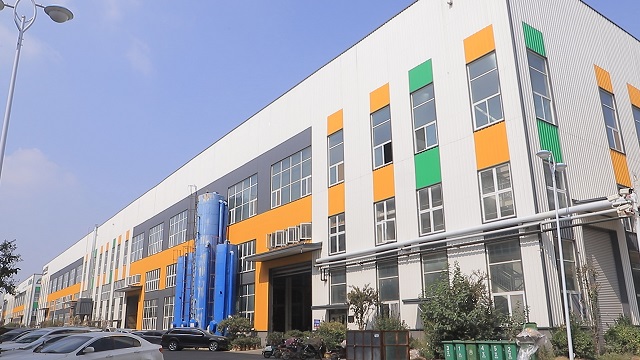 Company overview
 Export team and office
 Warehouse and stock
 Production and inspection
Super Matt MDF Purchasing FAQ
These are the questions international buyers most often ask before requesting samples or placing a mixed-container order. Clear answers shorten the quotation cycle and reduce the risk of specifying the wrong board.
Are you a manufacturer or a trading company?
Linyi Fipdm Import And Export Co., Ltd. is a verified trading company and multispecialty supplier. We source from vetted partner mills in Linyi and manage material inspection plus finished-product inspection before shipment. This model gives buyers one accountable contact across HPL, compact laminate, MDF, plywood, LVL and door-core products rather than forcing them to coordinate many separate factories.
What is the difference between HPL sheets and compact laminate?
Standard HPL is a thin decorative sheet, often around 0.7 mm, bonded to a substrate such as MDF, particle board or plywood. Compact laminate is a self-supporting solid phenolic panel, commonly 3–20 mm thick, used without a substrate for toilet partitions, laboratory worktops, table tops and exterior cladding where water and impact resistance matter.
What exactly is super matt MDF, and how should I specify it?
Super matt MDF is a low-gloss MDF-based panel where the surface is produced with melamine, PET, UV coating or an HPL skin. To specify it correctly, state the substrate type, thickness, panel size, target gloss range, colour reference, texture, formaldehyde class, application area and edge-banding requirement. For colour-critical work, approve a sample under your actual lighting conditions before production.
Which formaldehyde emission grades can you supply?
MDF and plywood are available in E1 and E0 emission grades depending on the product line. Please state your destination market and target standard in the inquiry so we can match the appropriate board, documentation and packaging. For project buyers, current test reports and batch traceability should be confirmed before contract approval.
Can you customize sizes, colours and packaging?
Yes. We offer minor customization such as logo, packaging and graphics, as well as sample-based, design-based and full customization. ODM services are available for distributors building a private-label range. Customization should be discussed together with MOQ, lead time, cutting plan and container loading efficiency.
Can I mix different products in one container?
Yes. Mixed loads of HPL, compact laminate, MDF, plywood, LVL and door cores are a core part of our service. Consolidating products in one container helps smaller importers reach full-container efficiency and reduces supplier administration. Share your target quantities and destination port so the loading plan can be optimized.
What should I send in an inquiry to get an accurate quotation?
Send the product type, substrate, thickness, panel size, colour or texture reference, gloss target, emission class, application, estimated quantity, packaging requirement and destination port. If you need a mixed container, list each product and quantity. Photos or samples of the target finish help us match the right mill, surface and edge-banding option faster.
How do you control quality before shipment?
Our workflow includes on-site material inspection at the partner mill and finished-product inspection before loading. Checks typically cover thickness, surface appearance, edges, moisture protection, packaging and loading arrangement. Loading photos and documentation are shared with buyers so remote teams can verify the shipment more confidently. Final inspection criteria should be agreed in the purchase order.
Source Super Matt MDF with a Verified Linyi Panel Partner
Tell us your target market, gloss level, substrate, thickness, panel size, quantity, colour reference and destination port. Our export team will reply with matched product options, packaging suggestions and a practical quotation for samples or mixed-container orders.