Eight Project Panels Behind a Trusted Shuttering Plywood Supply
Shuttering plywood is the core demand driver for formwork buyers, but complete project procurement rarely stops at one board. The eight items below come from the current Linyi Fipdm catalogue and show adjacent HPL, marine plywood, compact-laminate and decorative surfaces that furniture factories, distributors and contractors often consolidate with formwork orders. Product URLs are preserved; use the catalogue button for a matched shuttering plywood specification sheet.
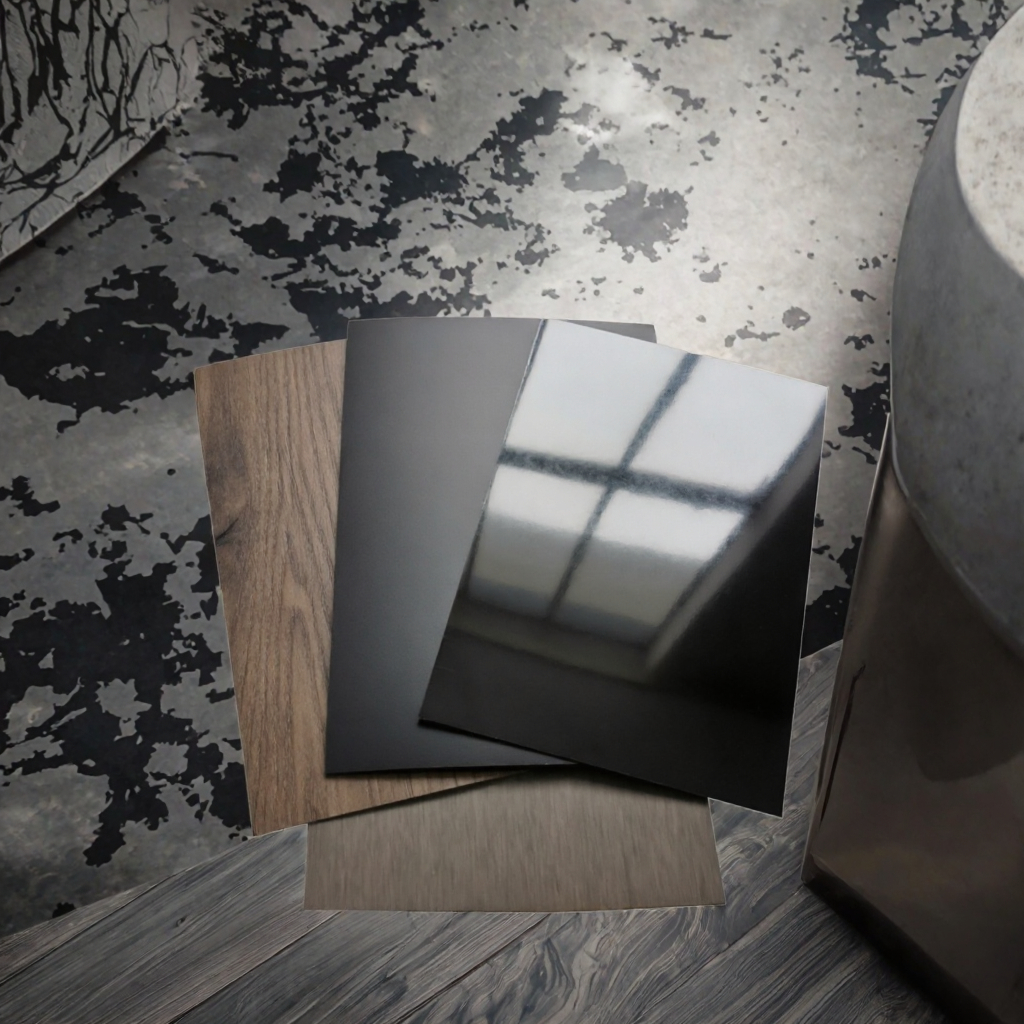
Glossy Black HPL Laminate Sheet Formica Decorative Panel for Interior Furniture Laboratory Table
Decorative surface panel
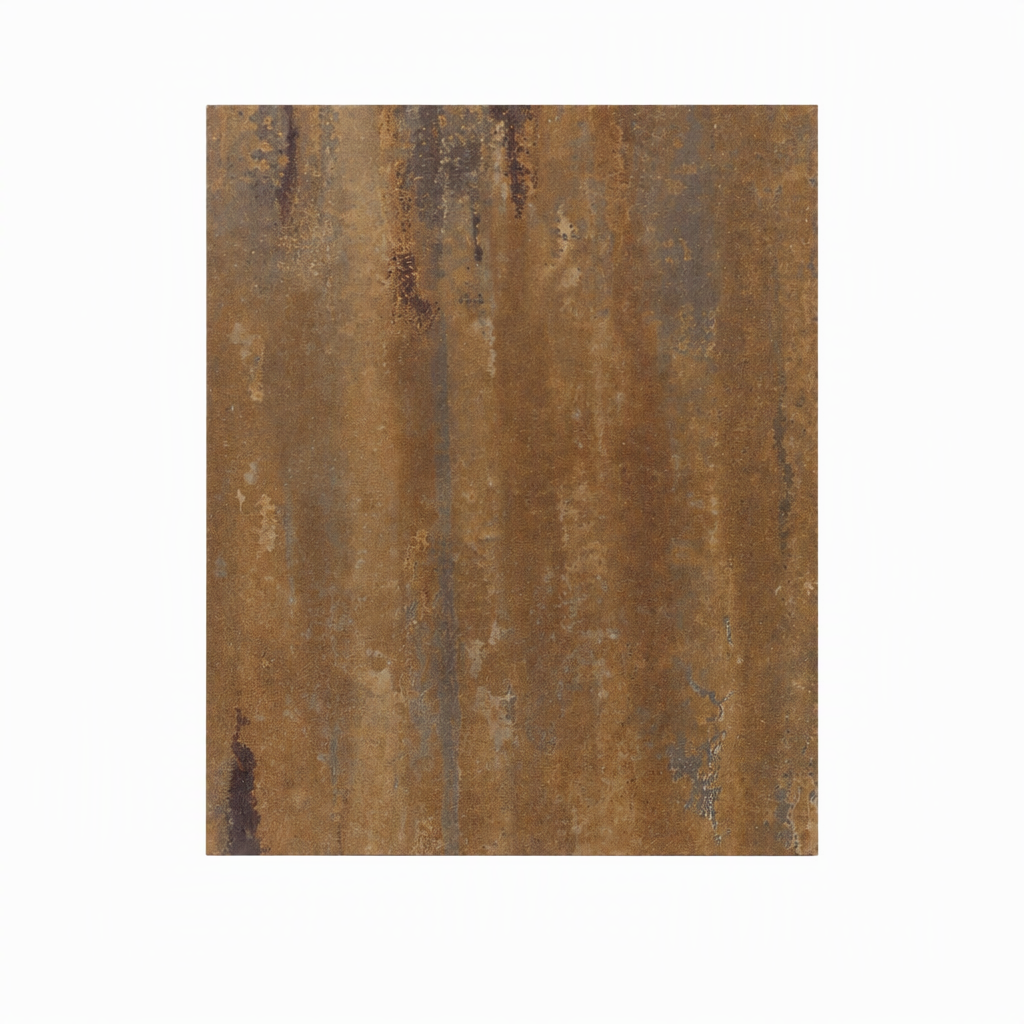
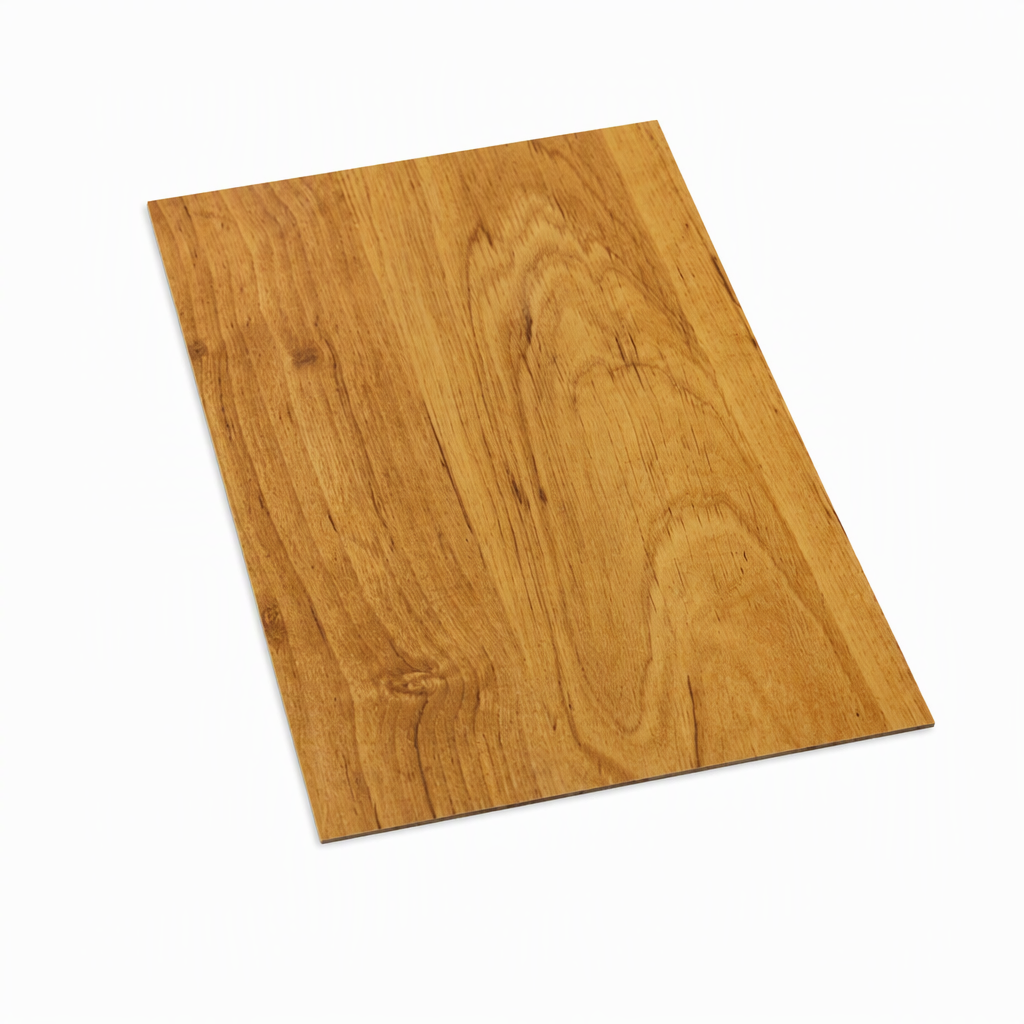
0.8mm Brown Stone Look HPL Decorative Laminate Sheet Interior Wall Panel
Interior wall finish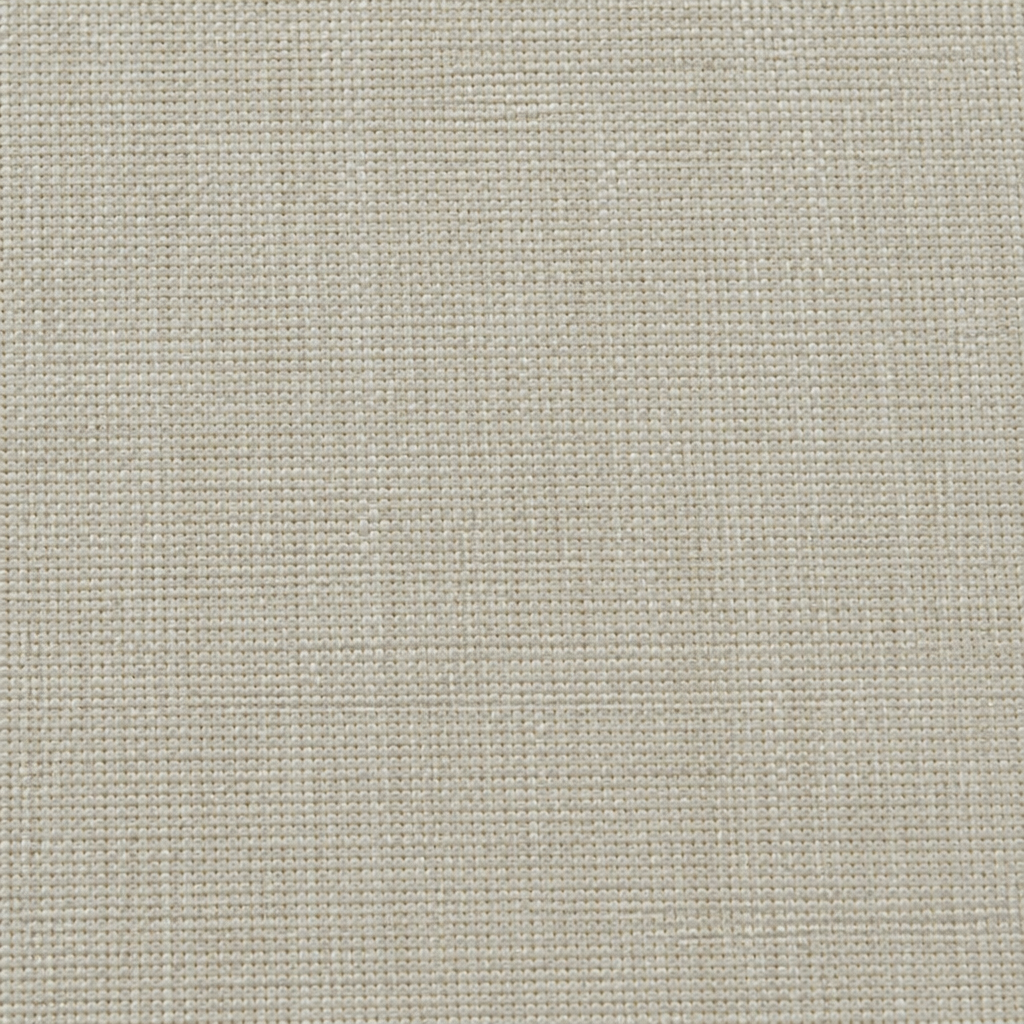
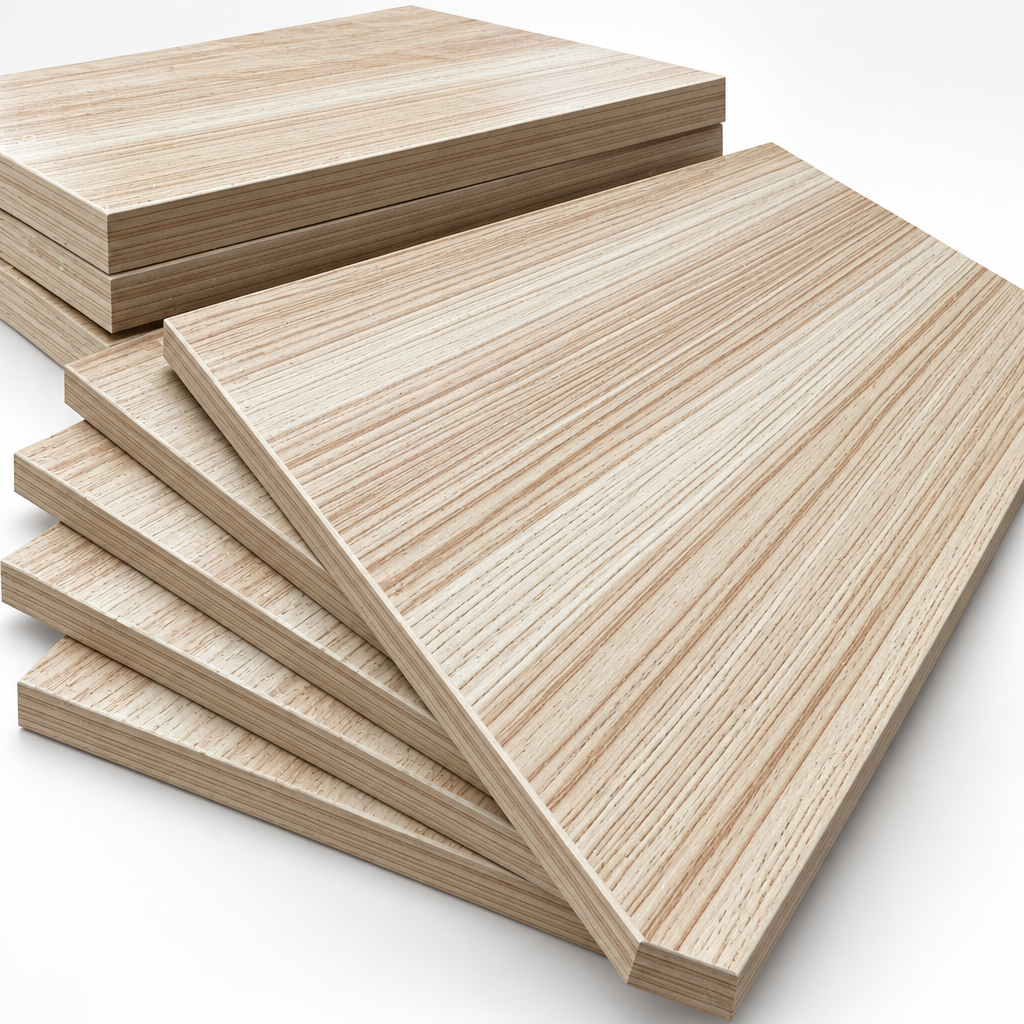
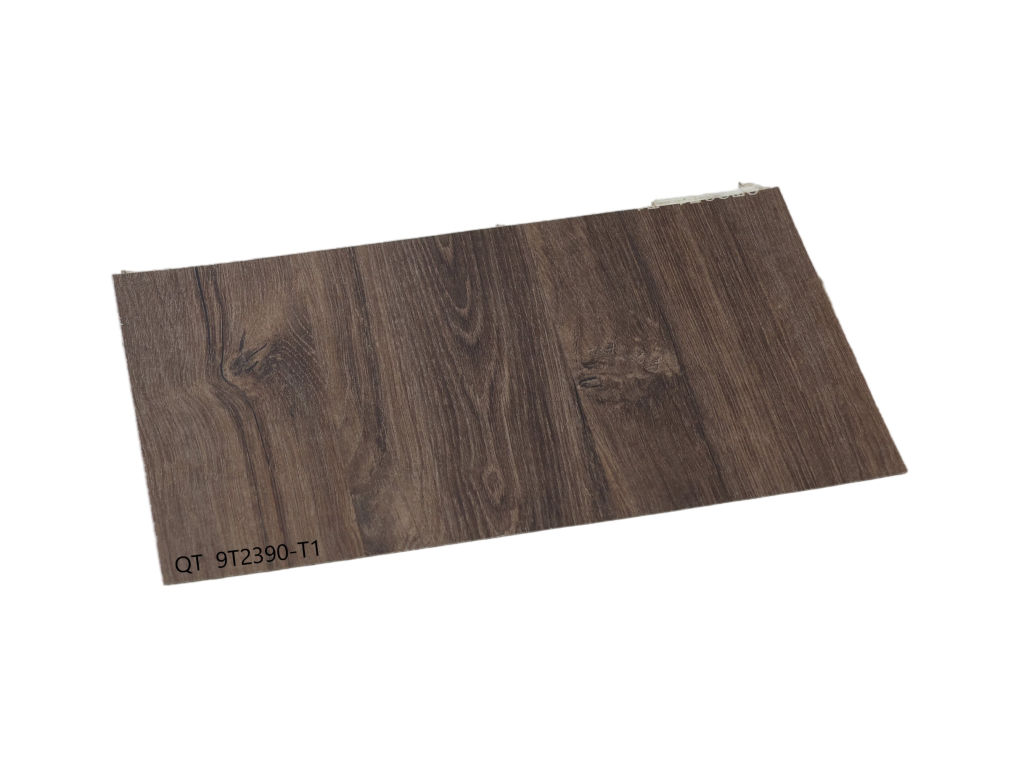
Dark Brown Decorative Panel HPL Sheet QT 9T2390-T1 Interior Wall Cladding
Wall cladding panel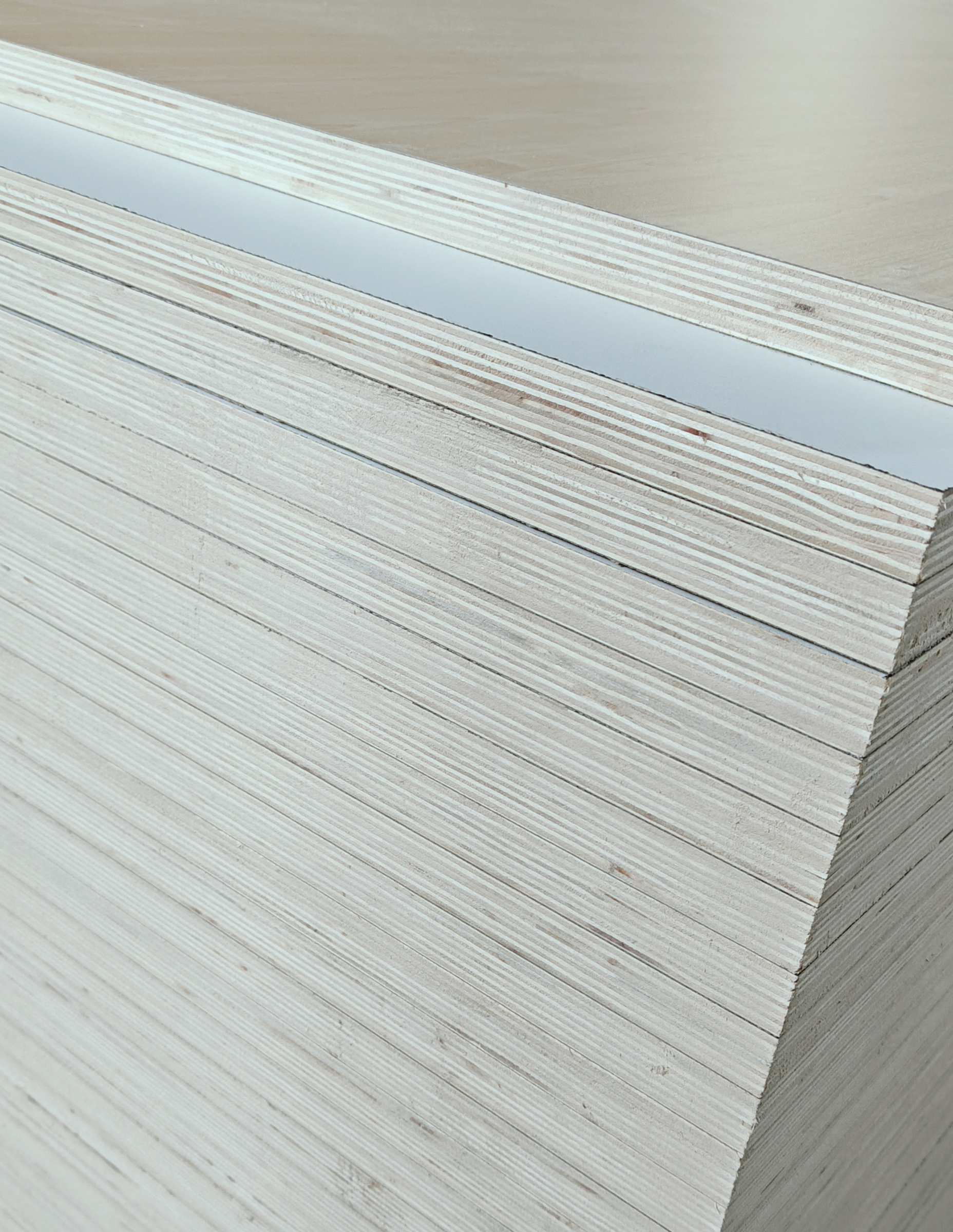
Trust Signals That Matter When You Compare Suppliers
Buyers searching for a top trusted shuttering plywood manufacturer and supplier are not only comparing price per sheet. They are screening for evidence of film adhesion, core quality, edge sealing, thickness tolerance, loading discipline and export documentation. The figures below reflect public profile signals and the operating model described by Linyi Fipdm Import And Export Co., Ltd.
What “Top Trusted” Really Means in Shuttering Plywood Sourcing
For SEO and procurement teams, the phrase “shuttering plywood manufacturer and supplier” carries several overlapping intents: identify a capable producer, verify export experience, compare film-faced specifications, reduce concrete-surface defects and secure repeatable quality across containers. The winning supplier is not simply the one with the lowest quote; it is the one that makes quality visible before the container leaves the factory.
From commodity sheet to engineered formwork input
Shuttering plywood, also called formwork plywood or film-faced plywood, is an engineered wood panel used to contain wet concrete until it reaches sufficient strength. It must resist pour pressure, moisture, abrasion, alkali attack and repeated stripping. A panel that looks acceptable in a sample room can still fail on site if the film loses adhesion, the core contains voids, the edges absorb water or thickness varies across the stack. For that reason, experienced buyers evaluate shuttering plywood as a system input, not as a generic sheet commodity.
The technical conversation should begin with the concrete finish required, formwork design, support spacing, pour rate, ambient temperature, release-agent practice and the number of reuse cycles expected. A 15 mm panel used on a lightly supported slab may perform differently from the same nominal thickness used in a high-pressure column. A 21 mm panel may be appropriate for heavy civil work, while a 12 mm panel may suit low-pressure precast or light residential applications. The buyer’s job is to match thickness, film, core, glue line and edge protection to the pour — and the supplier’s job is to document what is actually being shipped.
This is why a top trusted shuttering plywood manufacturer or supplier should disclose its operating model clearly. Linyi Fipdm Import And Export Co., Ltd. is a verified trading company and multispecialty supplier based in Linyi, Shandong, China, the largest wood-based panel cluster in the country. Instead of pretending that every board is made under one roof, Fipdm works with vetted partner mills, inspects raw materials on site, checks finished boards before loading and consolidates multiple product families into one managed supply chain. That transparency supports E-E-A-T: real people, real inspection points, real documentation and real responsibility.
Buyer’s shortlisting checklist
- Ask whether the supplier is a mill, trading company or hybrid supply manager.
- Request thickness, size, film colour, core species, glue type and edge-sealing data.
- Demand sample photos under raking light, not only catalogue images.
- Confirm loading inspection, pallet protection, moisture barrier and container photos.
- Check whether adjacent panels — HPL, MDF, LVL or veneer — can be mixed in one shipment.
- Align the final specification with the concrete class, formwork engineer and reuse target.
Recommended Shuttering Plywood Specifications by Application
There is no universal best thickness. The correct panel balances pour pressure, support spacing, concrete finish, handling method and reuse target. The recommendations below are practical starting points for importers, distributors, formwork rental companies and contractors; final selection should be confirmed by the project’s formwork engineer.
Light-Duty Slab and Precast Work
Best for low-pressure pours, light residential slabs, precast elements and projects where panel weight and fast handling matter more than maximum cycle potential.
- 1220 × 2440 mm or project-specific sizes
- Poplar core with phenolic WBP glue
- Black or brown film faced surface
- Sealed edges for short-cycle site use
Walls, Columns and Modular Formwork
A versatile specification for wall formwork, columns and medium-pressure slabs where a balance of stiffness and manageable weight is required.
- Phenolic film with good release performance
- Birch or poplar core options
- Controlled thickness and square edges
- Suitable for repeat-use site programmes
High-Rise Slabs and General Formwork
The most common specification for high-rise slabs, columns and walls. It gives a strong balance of rigidity, impact resistance and reuse economics.
- 1220 × 2440 × 18 mm standard size
- Dense film surface for smooth concrete
- Phenolic WBP glue for moisture resistance
- Recommended where fewer joints matter
Heavy Civil and Infrastructure
For bridges, tunnels, industrial structures and high-pressure pours where deflection control, impact resistance and repeated stripping are critical.
- Heavy-duty film-faced shuttering plywood
- Birch or high-density hardwood core options
- Waterproof edge coating recommended
- Project-specific testing and packing available
Where Shuttering Plywood Is Heading Next
Formwork buyers increasingly ask for documented consistency rather than a generic “film-faced plywood” label. Product development is moving toward surfaces that release better, edges that resist water longer, cores that hold fasteners more predictably and panels that fit digital procurement workflows.
Higher-Cycle Phenolic Film
Denser film and tighter press control are being used to improve release, reduce staining and support more repeat pours without surface breakdown.
Edge-Sealed and Densified Surfaces
Waterproof edge treatment and surface densification reduce swelling, chipping and delamination during stripping, cleaning and site storage.
Tighter Thickness and Flatness Tolerances
Automated calliper checks and improved sanding help formwork systems achieve tighter joints, fewer step marks and more predictable set-up time.
Low-Emission and Fire-Retardant Options
E0 and E1 formaldehyde grades, plus fire-retardant treatments, are increasingly requested for enclosed construction, public projects and regulated markets.
Engineered Cores and Lighter Panels
Controlled veneer lay-up and engineered core structures aim to improve strength-to-weight ratio, screw-holding and dimensional stability.
Hybrid Formwork Compatibility
Panels are being specified alongside aluminium, plastic and modular systems, requiring clean edges, consistent thickness and reliable tie-hole performance.
How Shuttering Plywood Buyers Will Purchase Differently
Procurement is shifting from “lowest price per sheet” to “lowest risk per poured cubic metre.” For distributors and project buyers, the supplier relationship is becoming a data relationship: samples, batch records, loading evidence, documentation and mixed-product coordination matter as much as the board itself.
Total Cost per Pour
Buyers will compare reuse cycles, stripping time, concrete finish, repair labour and waste disposal — not only the invoice price of a container.
Batch Traceability
Photo evidence, batch identification, thickness records and loading images will become standard parts of the supplier’s quote package.
Mixed-Container Efficiency
Importers will consolidate shuttering plywood with HPL, MDF, plywood, LVL and door cores to reach full-container efficiency without overstocking one SKU.
Supplier-Portfolio De-Risking
Buyers will keep qualified alternatives across Linyi and other regions while demanding consistent specifications and transparent inspection processes.
Compliance-Led Specifications
Low-emission grades, fire performance, moisture data and destination-market documentation will be written into purchase orders earlier.
Faster Sampling and Quote Cycles
Digital catalogues, short sample videos and live-chat catalogue requests will shorten the path from specification to a bankable quotation.
A Practical Quality Dashboard for Shuttering Plywood Samples
Use this dashboard as an internal screening framework when comparing samples and supplier documents. The percentages are decision aids, not product warranties; final performance depends on formwork design, release agents, curing, handling, site storage and stripping practice.
Sample evaluation spectrum
What Fipdm inspects before loading
Two-stage quality control supports a more reliable shuttering plywood programme.
- Panel thickness, length, width and squareness.
- Film colour, texture, scratches and adhesion.
- Core gaps, veneer quality, glue-line appearance and edge condition.
- Moisture protection, pallet packing, corner protection and container loading.
- Loading photos and export documents shared with the buyer.
A Verified Trading Company with Manufacturer-Grade Oversight
Linyi Fipdm Import And Export Co., Ltd. combines local access to Linyi’s panel cluster with a controlled inspection and export model. The aim is straightforward: give importers, distributors, furniture factories and contractors one accountable contact across multiple board categories while keeping quality visible at each handover.
Two-Stage Quality Control
Material checks at the partner mill and finished-product inspection for thickness, surface, edges and packing before loading. This is the core defence against drift between the approved sample and the shipped container.
Flexible Customization
Minor customization for logo, packaging and graphics, plus sample-based, design-based and full customization and ODM support for distributors building their own panel range.
Multi-Category Consolidation
Combine shuttering plywood, HPL, compact laminate, MDF, plywood, LVL, door cores and melamine paper in one managed shipment to reduce freight and supplier administration.
On-Site Technical Support
Engineer support for project buyers who need guidance on panel selection, installation, cladding, partitions and furniture applications.
Low-Emission Board Options
E0 and E1 formaldehyde grades are available depending on product line. Buyers can specify destination-market requirements so the board and documentation are aligned before production.
Export-Ready Logistics
Export documentation, seaworthy pallet packing, loading photos and shipment coordination help reduce surprises between factory release and destination arrival.
Inside the Supply Chain: People, Stock and Inspection
Real E-E-A-T evidence is not a slogan. It is the office team that answers the inquiry, the warehouse that stages the goods, the production line that makes the panel and the inspection record that supports the shipment. These images are drawn from the original company profile and certificate content.

Export team and office support

Panel warehouse and stock staging

Partner production line oversight

Certificates and test reports
Shuttering Plywood Questions Buyers Ask Before Ordering
These answers address the commercial and technical questions that appear most often in formwork-panel inquiries. They are written for importers, distributors, contractors and project buyers who need a reliable starting point before requesting a formal quotation.
QAre you a shuttering plywood manufacturer or a trading company?
Linyi Fipdm Import And Export Co., Ltd. is a verified trading company and multispecialty supplier. We source from vetted partner mills in Linyi, the largest wood-based panel cluster in China, and manage on-site material inspection plus finished-product inspection before shipment. This model gives buyers one accountable contact across shuttering plywood, HPL, MDF, LVL and related panels.
QWhich thickness should I choose for film-faced shuttering plywood?
12 mm is often used for light slabs and precast work; 15 mm suits wall and column formwork; 18 mm is the common balance for high-rise slabs and general construction; 21 mm is preferred for heavy civil and high-pressure pours. The final choice should be confirmed against support spacing, pour rate, concrete temperature and the formwork engineer’s design.
QHow many reuse cycles can shuttering plywood achieve?
Reuse depends on film quality, core integrity, edge sealing, handling, release-agent practice, stripping method and site storage. A high-quality phenolic film-faced panel with sealed edges and careful handling can deliver more cycles than a commodity panel, but the buyer should test with the actual formwork system and concrete mix. We recommend requesting a sample and setting a realistic cycle target before the bulk order.
QShould I choose poplar, birch or mixed hardwood core?
Poplar core is widely used for general formwork and offers a practical balance of weight and cost. Birch or higher-density hardwood cores can improve strength, screw-holding and surface stability for demanding projects. The correct choice depends on pour pressure, panel size, handling method and reuse target. Please state the application so the recommended construction can be matched to the job.
QCan you supply E0/E1 low-emission and fire-retardant options?
E0 and E1 formaldehyde grades are available depending on the product line, and fire-retardant options can be discussed for specific applications. Buyers should specify the destination market, required standard, testing expectation and documentation requirement at the inquiry stage so the board, treatment and paperwork are aligned before production.
QCan I mix shuttering plywood with other panels in one container?
Yes. Mixed loads are a core part of the Fipdm supply model. Shuttering plywood can be consolidated with HPL, compact laminate, MDF, plywood, LVL, door cores and melamine paper, helping distributors and furniture factories reach full-container efficiency without over-ordering a single panel type. Share the target quantities and destination so the loading plan can be checked.
QHow do you control film adhesion, edges and thickness?
Quality control focuses on thickness and squareness, film colour and surface condition, edge sealing, core gaps, glue-line appearance, packing and loading. The exact inspection plan can be adjusted to the purchase order. Loading photos and inspection records are shared so the buyer can see what was checked before the container is released.
QWhat is the normal process from inquiry to shipment?
The process usually moves through specification confirmation, sampling, quotation, order confirmation, partner-mill production, material and finished-product inspection, packing, container loading, document preparation and shipment. Clear communication at the sample and specification stage reduces the risk of colour, thickness, film or packaging disputes later.
Request a Shuttering Plywood Specification and Catalogue
Share your target thickness, panel size, film colour, core preference, estimated quantity, destination market and reuse target. The live-chat catalogue request connects you to the product information needed for sampling, quotation and mixed-container planning — including HPL, marine plywood, MDF, LVL and decorative panels.