Top Trusted PET Laminated MDF Exporter & Wholesalers
A buyer-focused sourcing guide for PET laminated MDF, decorative HPL, fire-resistant boards and mixed-container programs — built for importers, distributors, furniture factories and project specifiers who need verified quality and clear documentation.
8 Panel Products to Benchmark Surface, Core and Project Fit
These catalogue options show the adjacent surface and board programme that PET laminated MDF buyers often evaluate together: decorative HPL, melamine plywood, fire-resistant laminates, compact sheets and stock HPL. Use them to compare finish, application and specification before requesting a tailored quotation.
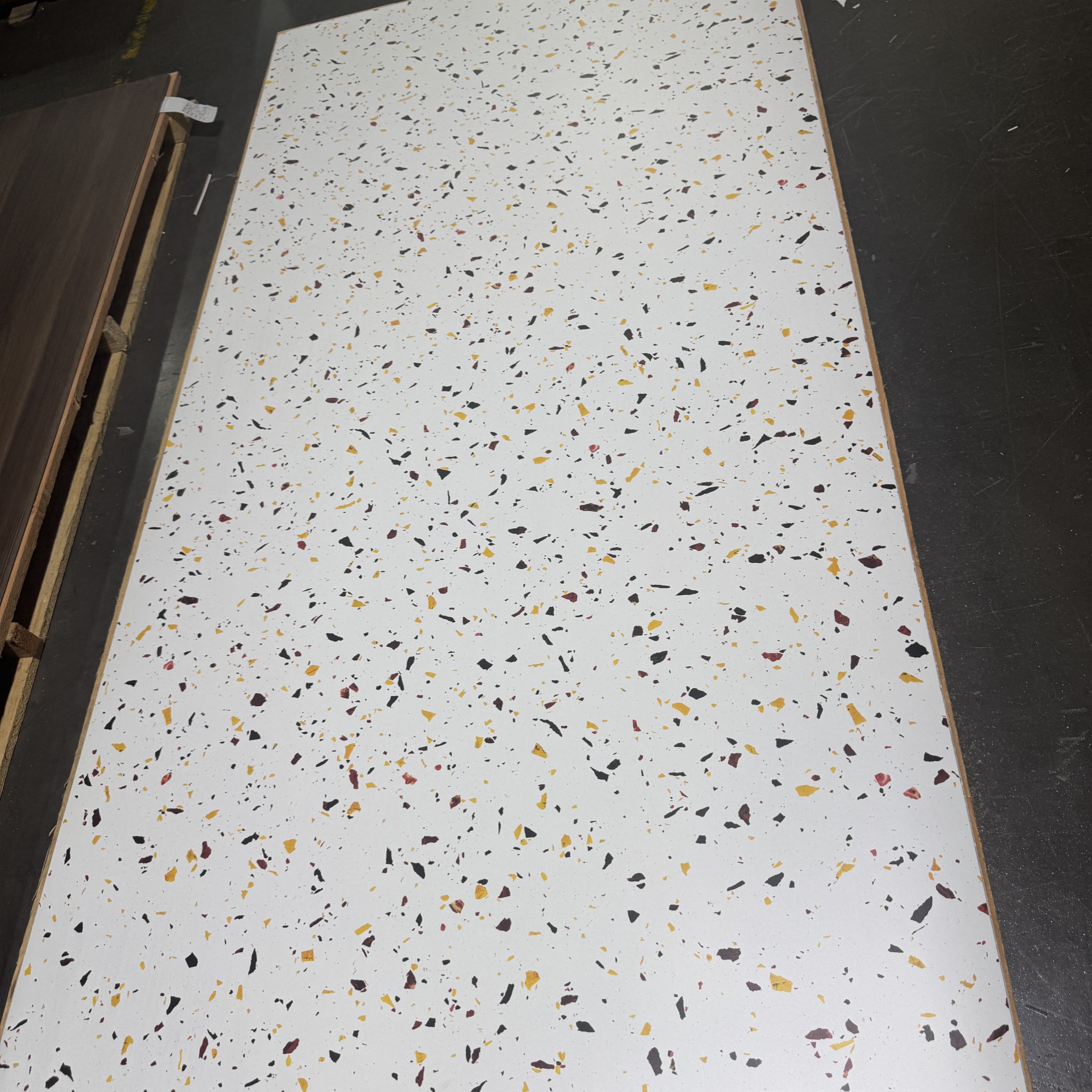
Fire Resistant HPL Plywood Double Sided Decorative Laminate Panel E0 Polished Surface 1220 x 2440 mm Indoor Furniture
A double-sided decorative panel for contract furniture and wall features where a polished, fire-resistant surface and stable plywood core are preferred.
- E0
- 1220 × 2440 mm
- Double-sided HPL
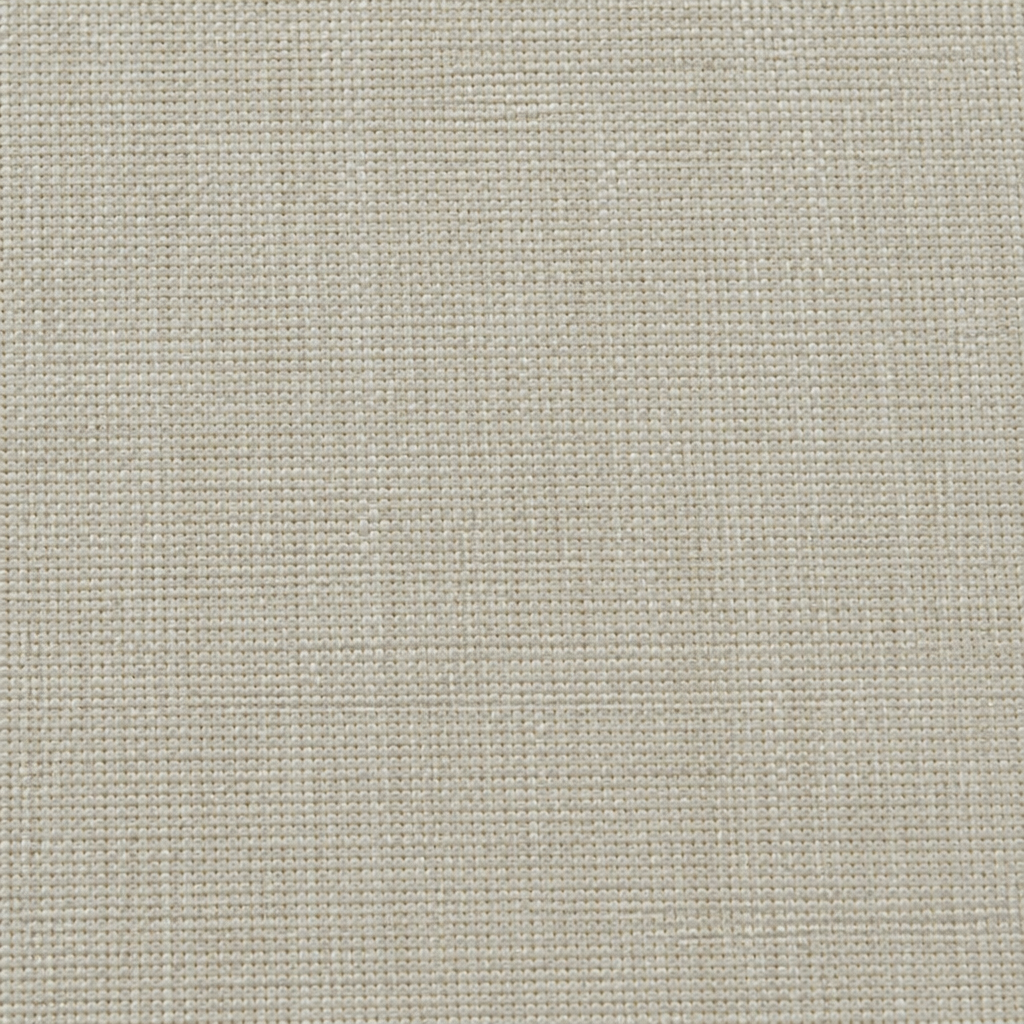
1830*3660mm Light Beige Gray Waterproof Fire Resistant Decorative Laminate Sheet
Large-format decorative laminate for feature walls, lift lobbies and partitions where fewer seams and consistent visual continuity matter.
- 1830 × 3660 mm
- Waterproof
- Fire-resistant
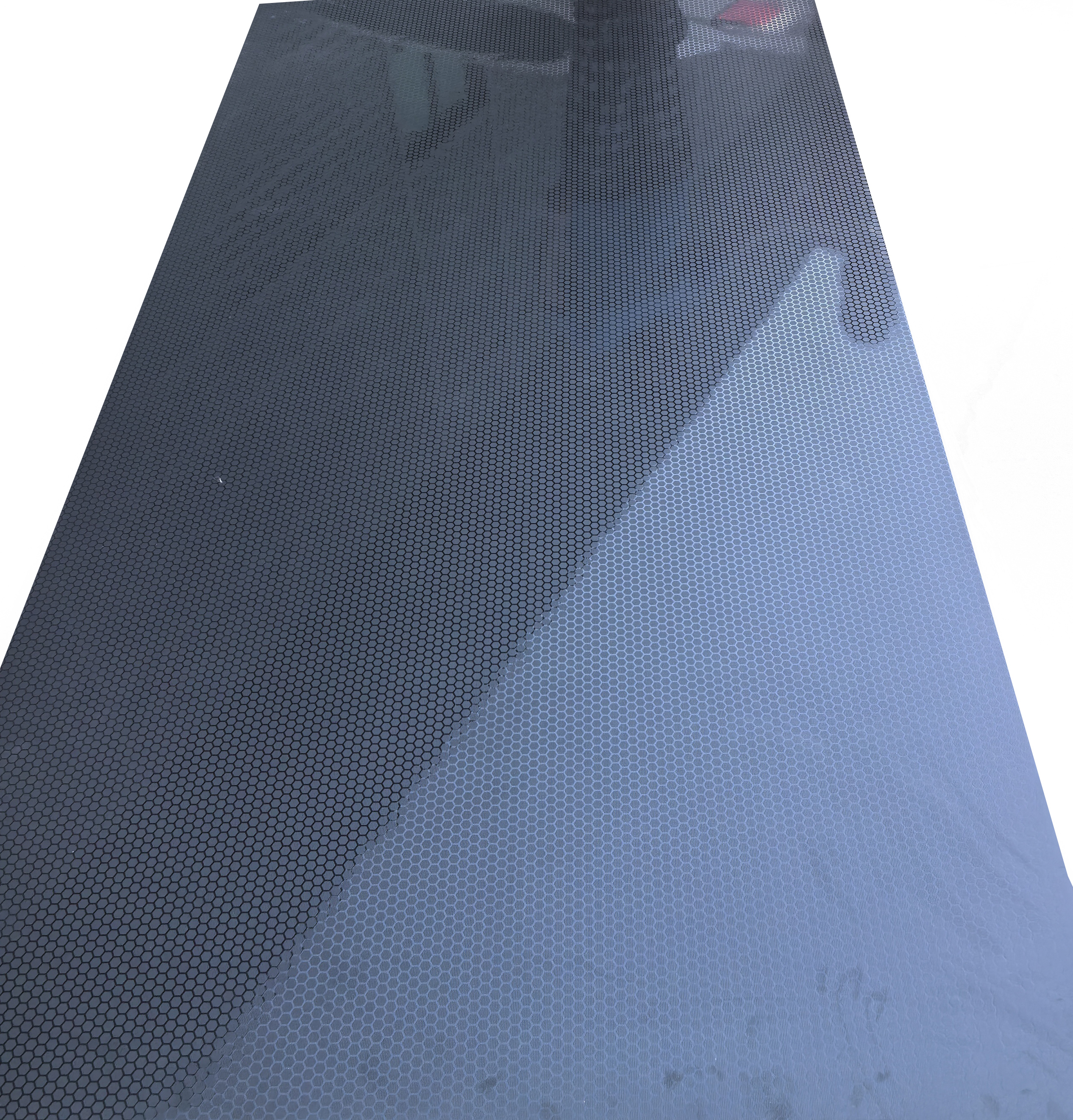
Factory Wholesale 18mm HPL Film Melamine Plywood Modern Design Style 1-Year Warranty E0 Standard Birch Laminated Plywood
An 18 mm HPL film melamine plywood for furniture makers comparing a robust birch-core option against MDF in shelving, cabinets and fit-outs.
- 18 mm
- E0 standard
- Birch core
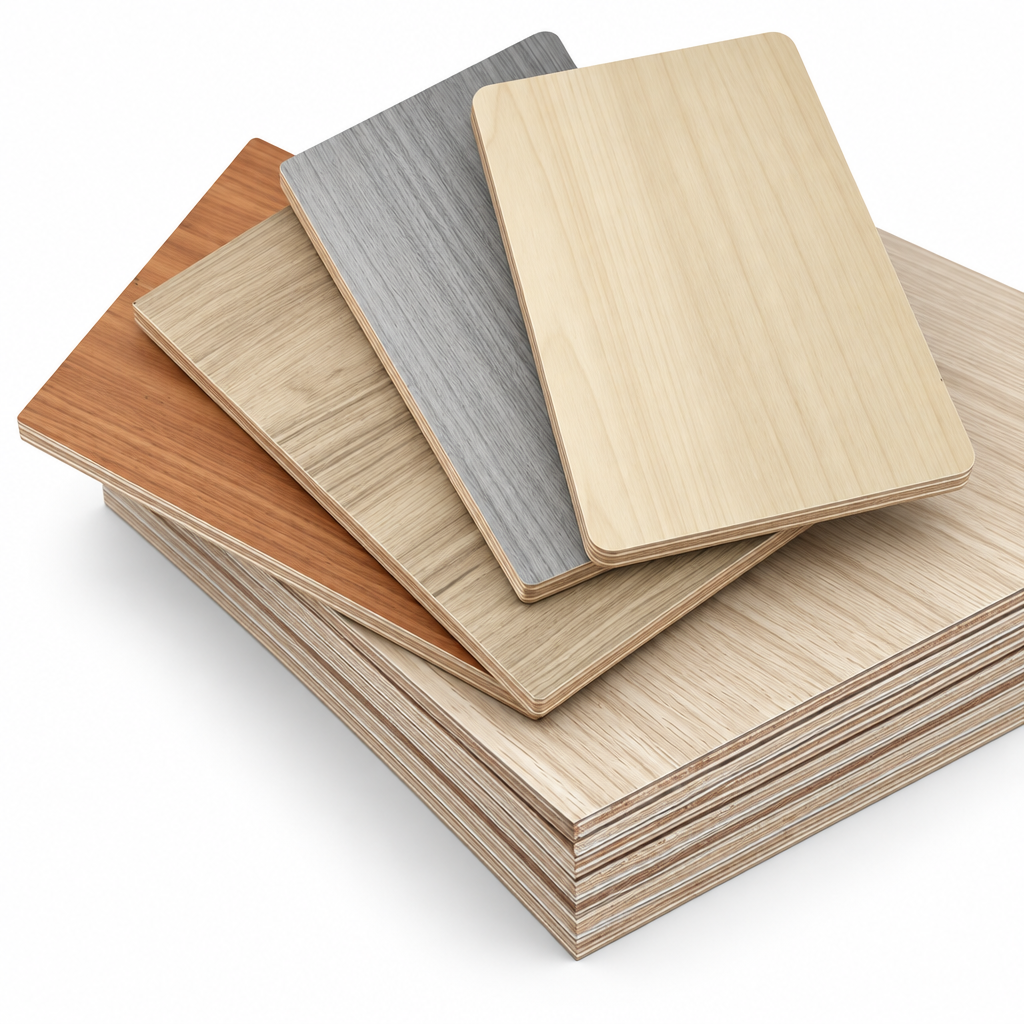
Factory Direct Wood Grain Decorative High Pressure Laminate Sheets HPL Panel for Furniture Cabinet Wall Cladding
Wood-grain HPL for cabinets, wall cladding and furniture. Useful for comparing grain depth, gloss level and edge treatment with PET MDF colours.
- Wood grain
- Furniture & wall
- Factory direct
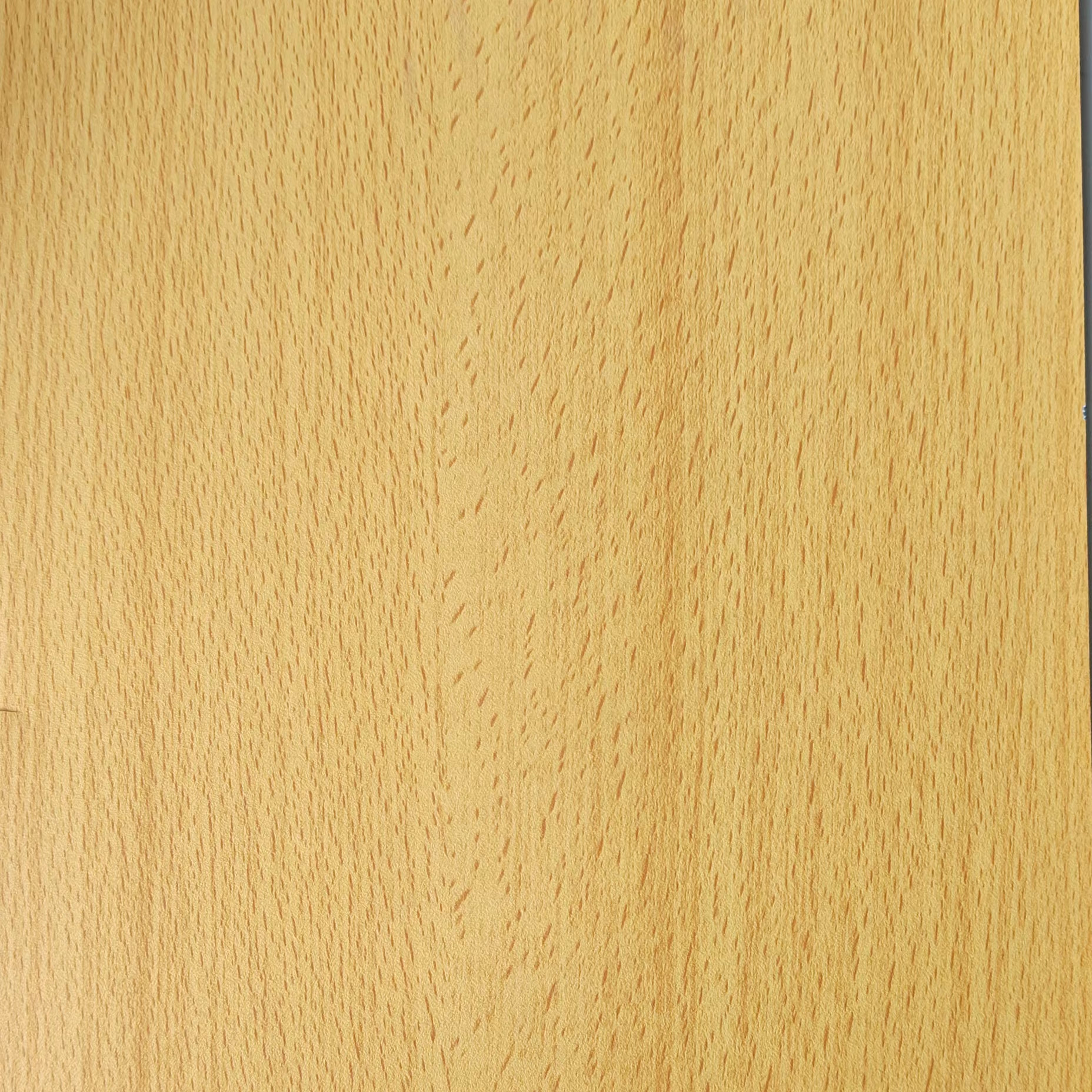
China Hpl Manufacture Lightweight Furniture Plywood with Wood Grain HPL Sheet Laminate for Cabinet Furniture
Lightweight furniture plywood with wood-grain HPL for cabinet doors and modular furniture where shipping weight and handling efficiency matter.
- Lightweight
- Wood-grain HPL
- Cabinet furniture
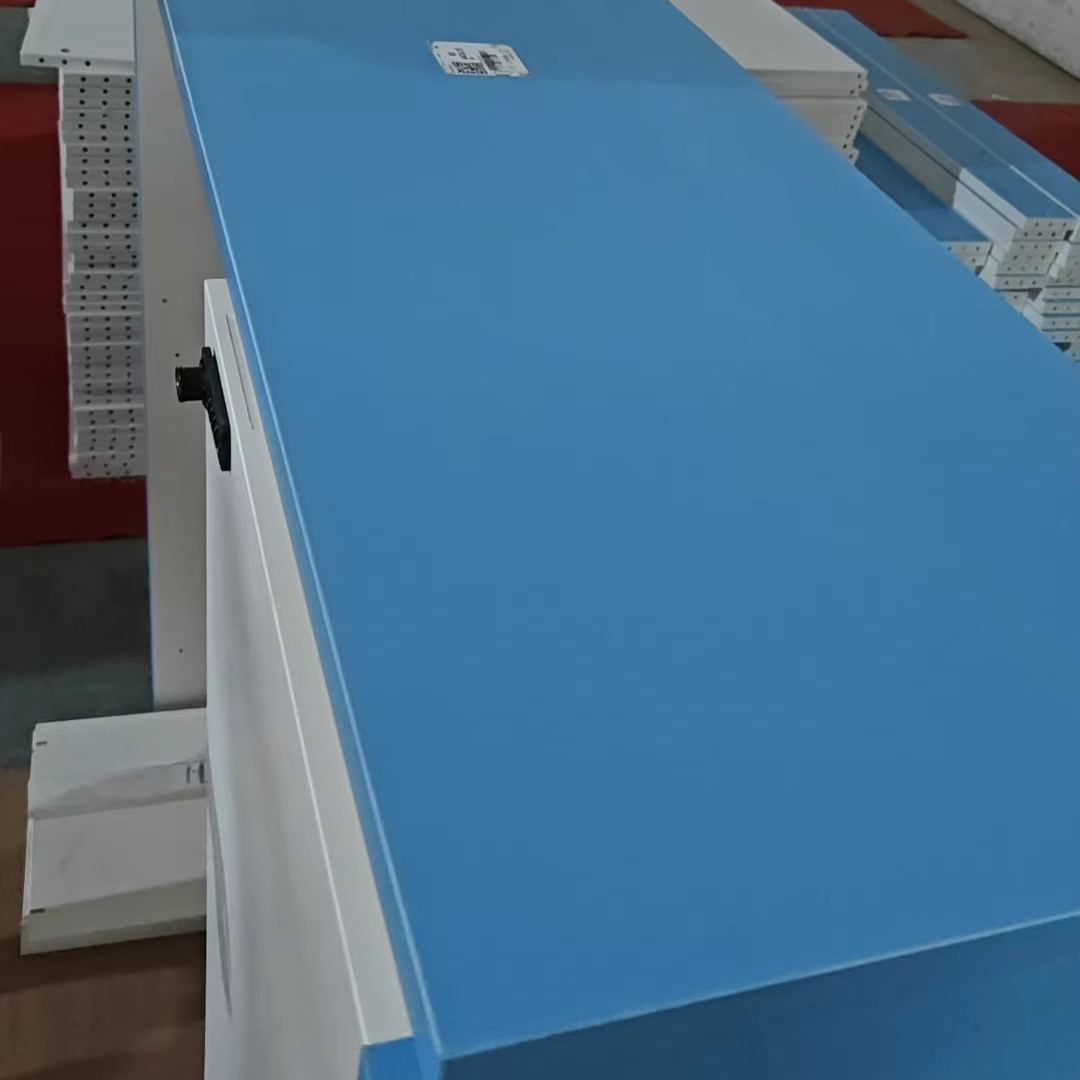
Linyi Hpl Melamine Board Plywood Sheet 18mm 15mm Melamine Board Hpl Laminated Furniture Board
A 15 mm and 18 mm melamine/HPL laminated plywood board for cost-controlled furniture production where a decorative face and plywood core are accepted.
- 15 / 18 mm
- Melamine / HPL
- Furniture board
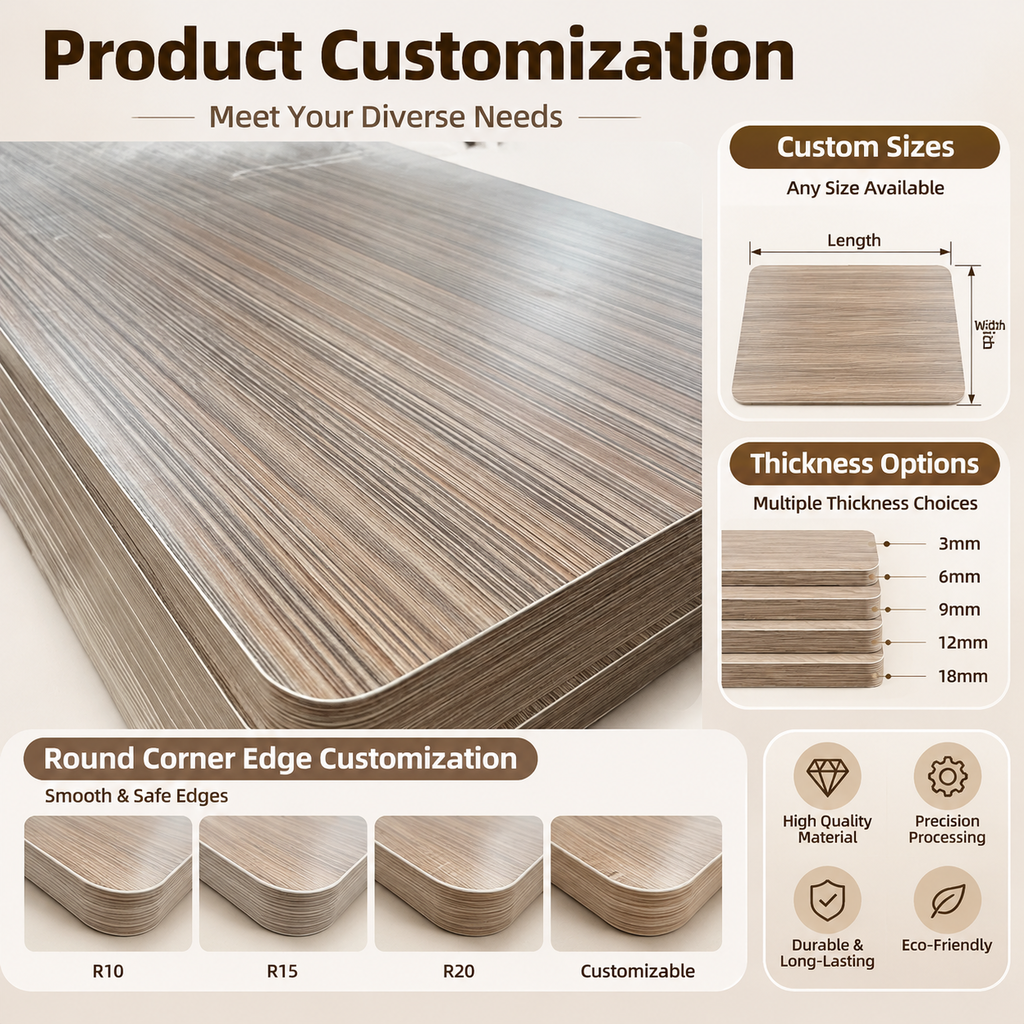
HPL Wood Grain Decorative High Pressure Laminate HPL Compact Sheet Waterproof Fire-Resistant Panel for Furniture
A compact HPL sheet for tabletops, partitions and utility furniture where waterproof and fire-resistant performance are required without a substrate.
- Compact HPL
- Waterproof
- Fire-resistant
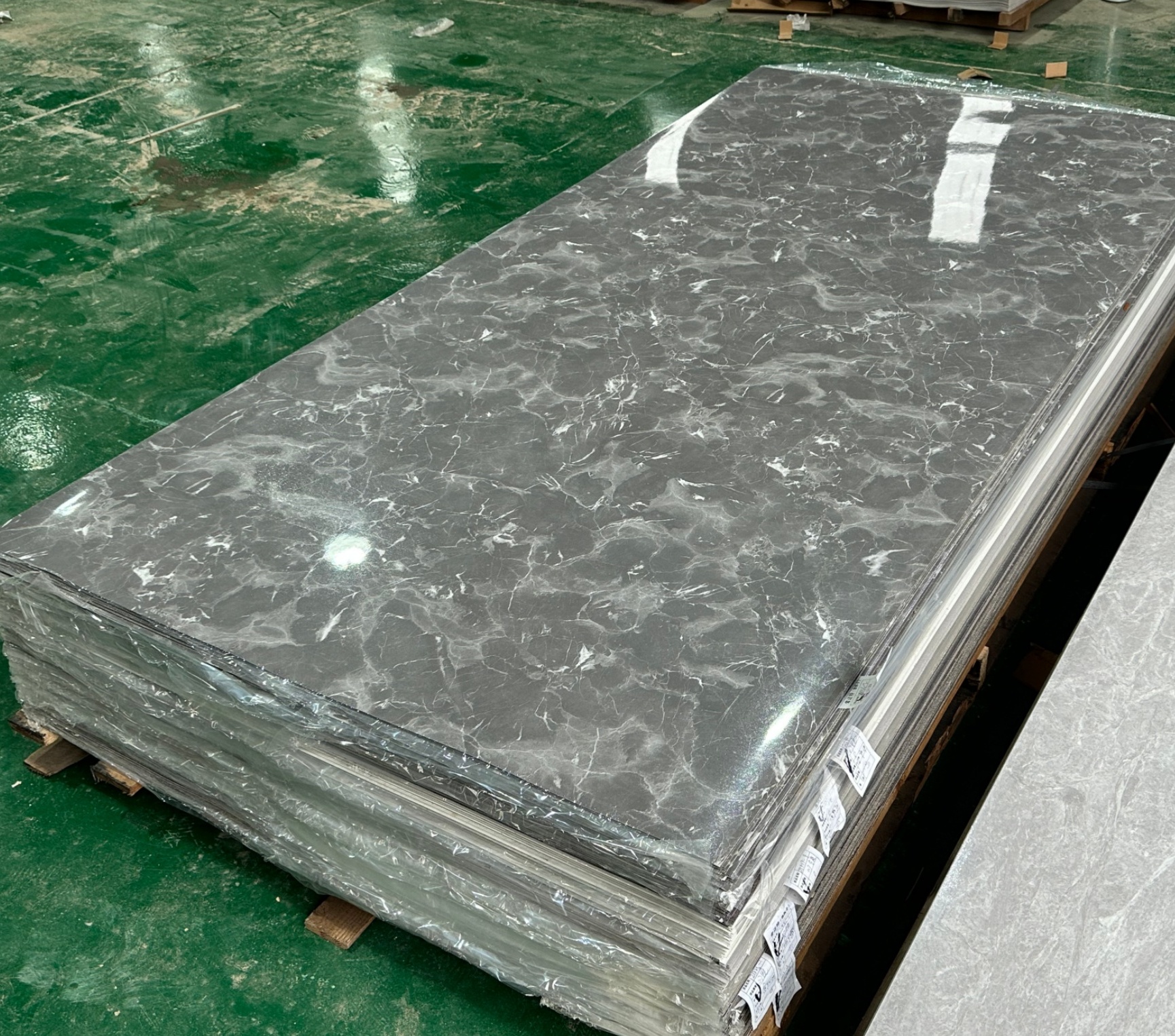
Wholesale Grade B HPL Stock HPL Decorative High Pressure Laminate
Price-sensitive decorative HPL stock for quick-turn orders and non-critical surfaces. Grade B should always be checked lot by lot against an approved sample.
- Grade B stock
- Decorative HPL
- Budget projects
Why PET Laminated MDF Deserves a Place in a Serious Panel Programme
PET laminated MDF is now a mainstream specification for designers and furniture exporters, but the quality gap between suppliers is larger than the colour range suggests. The following buyer brief explains where PET MDF wins, when to choose HPL or compact laminate instead, and how to assess an exporter beyond price.
PET laminated MDF combines a decorative PET film with a medium-density fibreboard core. The film provides a visual surface that can be super-matt, high-gloss, textured or synchronised to a wood grain; the MDF core provides flatness, density and machinability for cabinet doors, wardrobes, retail fixtures and office furniture. For importers, the attraction is straightforward: a consistent decorative panel with good surface durability, efficient packing and a finish that supports modern interior design.
However, experienced buyers know that a PET laminated MDF panel is a system, not a single film. The film grade, adhesive, press cycle, MDF density, sanding quality, cooling time and edge sealing all affect the final panel. A low-cost board can look correct in a photo and still fail after a container journey, CNC cutting or six months of use. That is why due diligence should move from “Do you have PET MDF?” to “Show me the core grade, film specification, test reports, sample history and loading inspection record.”
The commercial case becomes stronger when PET MDF is sourced as part of a wider panel programme. Distributors rarely sell one board type. They need matching HPL, melamine faced MDF, HPL plywood, compact laminate and fire-resistant decorative panels. Consolidating several categories improves container utilisation, reduces supplier administration and gives the sales team a more complete catalogue. In this model, the exporter's real value is coordination: qualifying partner mills, comparing samples, checking raw materials on site, inspecting finished boards and documenting the loading process.
Linyi Fipdm Import And Export Co., Ltd. operates as a verified trading company and multispecialty supplier in Linyi, Shandong, China's major wood-based panel cluster. We do not pretend that every product is made in a single factory. Instead, we combine vetted partner mills with on-site material inspection and finished-product inspection before shipment. For B2B buyers, that means one accountable contact for PET laminated MDF, HPL, compact laminate, MDF, plywood, LVL and related panel categories.
PET MDF vs. HPL, Melamine and Compact Laminate
Use this matrix to align the board with the actual environment. Over-specification increases cost; under-specification creates claims. The safest approach is to approve a physical sample, confirm the core grade and document the intended use before mass production.
| Material Option | Typical Core / Construction | Best-Fit Applications | Export Buyer Note |
|---|---|---|---|
| PET Laminated MDF | E0 / E1 MDF, HMR MDF or fire-retardant MDF with PET film | Wardrobes, cabinets, retail fixtures, office furniture and dry interior wall panels | Confirm film finish, core emission, flatness and edge sealing. Avoid continuous wet or exterior use unless explicitly engineered. |
| Melamine Faced MDF | E0 / E1 MDF with melamine impregnated paper | Cost-controlled furniture, shelving and interior fit-outs | Good value, but compare paper weight, scratch resistance and colour consistency against premium PET or HPL. |
| HPL Faced Plywood | Birch or poplar plywood with high-pressure laminate | Cabinets, worktops, heavy-use furniture and wall cladding | Review plywood core grade, glue class, impact resistance and edge treatment. |
| Compact Laminate | Solid phenolic core, self-supporting | Toilet partitions, lockers, laboratory tops, table tops and wet zones | Higher cost but substrate-free and water-resistant. Confirm thickness, fixing method and fire classification. |
| Fire-Resistant HPL Decorative Panel | Decorative HPL surface on a suitable core | Schools, hospitals, public interiors, doors and wall panels | Do not accept verbal fire claims. Match the report to the destination market and project specification. |
| Grade B Stock HPL | Decorative grade B high-pressure laminate | Price-sensitive projects, samples and non-critical surfaces | Inspect lot by lot. Agree acceptable visual defects and keep a signed reference sample. |
For PET laminated MDF, a common sourcing error is to approve only a digital colour card. PET film changes under different lighting, and the perceived colour also depends on gloss level, texture and the MDF core colour beneath the film. Buyers should request a physical sample from the production batch, review it under daylight and interior lighting, and keep a signed reference for future shipments. When the project mixes PET MDF with HPL or melamine boards, approve the entire palette together. This prevents the situation where a wardrobe door, side panel and matching wall cladding look harmonious in separate photos but clash when installed side by side.
Six Purchasing Trends Reshaping PET Laminated MDF Sourcing
Procurement teams are not only chasing a lower unit price. They are redesigning supply programmes around compliance evidence, inventory velocity, design responsiveness and risk. These six trends are visible across furniture, fit-out and distribution channels.
Low-Emission Specifications
E0 and E1 core requirements are moving from premium option to baseline expectation in many markets. Buyers now ask for test reports, batch traceability and a clear statement of which core was used in the approved sample.
Mixed-Container Purchasing
Distributors are combining PET MDF with HPL, plywood, compact laminate and door cores to reach efficient container loads. This spreads risk across categories and gives local sales teams more ways to answer customer demand.
Traceable Quality Evidence
Remote buyers increasingly expect inspection photos, thickness checks, packing evidence and loading records. A supplier that can document each stage is easier to approve than one that only promises “good quality”.
Super-Matt & Anti-Fingerprint
Interior designers continue to favour low-gloss, tactile surfaces for wardrobes and cabinetry. Anti-fingerprint performance and easy cleaning are becoming selection criteria, not just aesthetic preferences.
Fire Performance for Public Projects
Schools, hospitals, transport hubs and commercial fit-outs require documented fire performance. PET MDF buyers increasingly compare fire-retardant cores and HPL systems before finalising specifications.
Shorter Design Cycles
Digital décor, synchronised textures and faster sampling are compressing product development. Buyers want suppliers who can match a trend colour quickly without abandoning core quality or packing standards.
Next-Generation PET MDF and Decorative Panel Trends
The next stage of PET laminated MDF development is less about adding more colours and more about matching the surface to the environment. Buyers should ask which improvements are commercially proven and which are still experimental.
PET Film + HMR Core
Moisture-resistant MDF cores are being paired with PET film for bathroom vanities, kitchen surroundings and humid interiors. The core and edge sealing must be specified together, because the film alone does not make a board waterproof.
Fire-Retardant PET MDF
Public-sector furniture and wall panels are pushing demand for fire-retardant cores with decorative PET faces. Buyers should request the relevant test standard, report number and scope of approval.
Anti-Fingerprint & Easy-Clean Surfaces
Low-gloss PET surfaces with improved anti-fingerprint performance are popular in retail and residential interiors. Any anti-bacterial or specialty claim should be supported by current test documentation.
Thinner High-Performance Films
Film technology is improving wear resistance and visual depth at competitive thicknesses. Buyers should compare the full construction, not assume that a thicker film automatically delivers a better finished panel.
Digital Print & Synchronised Grain
Digital printing and embossed textures allow shorter runs and more realistic wood effects. For export programmes, the key is colour consistency between batches and a clear approval process for new designs.
Low-Carbon & Lightweight Boards
Lightweight panels and lower-impact core materials are being developed for freight-sensitive markets. Buyers should balance weight savings against screw-holding, flatness and edge stability in the final application.
Why Linyi Fipdm Is a Trusted PET Laminated MDF Exporter and Wholesale Partner
Buyers searching for a top trusted PET laminated MDF exporter are usually not looking for a slogan; they are trying to reduce supplier risk. The right partner should be able to explain where the board comes from, how the core is controlled, which test documents are available, how mixed loads are packed and who answers when a claim arises.
Our model is built around those questions. As a verified trading company and multispecialty supplier based in Linyi, we source from qualified partner mills and act as quality coordinator for international buyers. The operating team is deliberately focused, with direct communication rather than layered account management. We support minor customization such as logo, packaging and graphics, as well as sample-based, design-based and full customization plus ODM services.
Every shipment is managed with two-stage inspection: material checks at the partner mill and finished-product inspection for thickness, surface, edges and packing before loading. We also share loading photos and export documentation so remote buyers can verify progress without flying to China. For project buyers, engineer support is available for installation questions on cladding, partitions and furniture applications.
Operating Snapshot
One accountable contact across PET MDF, HPL, compact laminate, MDF, plywood, LVL and door cores — with inspection evidence before loading.
Verified credentials, on-site material inspection, finished-product inspection and export-ready logistics support are combined with practical customization for distributors and project buyers.
Get CatalogHow to Audit a PET Laminated MDF Exporter or Wholesaler
Request evidence for each point below. A serious supplier will answer with records, samples and a clear scope statement rather than general assurances.
Supplier Identity
Confirm whether the company is a mill, trading company or multispecialty consolidator. Match its licence, export history and product scope to your purchase.
Core & Film Documents
Request E0 / E1 evidence, film specification, finish reference, thickness tolerance and the exact core grade used for your approved sample.
Physical Sample Approval
Do not rely only on digital images. Approve a physical sample under daylight and interior lighting, then keep a signed reference for future batches.
Two-Stage QC Evidence
Look for material inspection at the mill and finished-product inspection before loading. Photos of thickness checks, edges, corners and packing are useful.
Mixed-Load Protocol
For multi-product containers, confirm moisture protection, corner boards, dunnage, product separation and the loading sequence before shipment.
Claims & Replacement Process
Agree the inspection window, evidence required and replacement policy. Clear claim terms are a sign of an exporter that understands B2B risk.
Inquiry
Share sizes, film finish, core, quantity and destination market.
Sampling
Approve colour, texture, gloss and substrate against a physical sample.
Mill Check
Inspect raw materials and confirm production details at the partner mill.
Finished QC
Check thickness, surface, edges and packing before loading.
Loading
Record loading photos, packing protection and container condition.
Documents
Provide export documents and final batch references for your files.
Questions Buyers Ask Before Ordering PET Laminated MDF
These answers reflect the practical questions raised by importers, distributors, furniture factories and project buyers when they evaluate an exporter or wholesaler.
Are you a manufacturer or a trading company?
We are a verified trading company and multispecialty supplier. We source from vetted partner mills in Linyi, a major wood-based panel cluster in China, and run on-site material inspection plus finished-product inspection before every shipment. This gives buyers one accountable contact across several board categories rather than fragmented factory communication.
What is PET laminated MDF, and how is it different from HPL or melamine?
PET laminated MDF uses a PET film bonded to an MDF core. HPL is a high-pressure decorative laminate, often supplied as a thin sheet or bonded to plywood and other substrates. Melamine faced MDF uses impregnated paper. PET MDF is popular for modern interior surfaces, while HPL and compact laminate are often chosen for higher impact, wet areas, laboratory surfaces or exterior applications. The correct choice depends on use, not only appearance.
Which core grades and formaldehyde classes can you supply?
MDF and plywood programmes can be matched to E1 or E0 requirements depending on the product line and destination market. For moisture-prone furniture, HMR MDF may be appropriate. For public projects, fire-retardant cores can be discussed. Always state your target standard and documentation requirement in the inquiry so the correct board is quoted.
Can you customize sizes, colors, PET finishes and packaging?
Yes. We support minor customization such as logo, packaging and graphics, as well as sample-based, design-based and full customization plus ODM services. For colour and texture approvals, a physical sample should be signed before production. Packaging can be discussed for moisture protection, corner protection and mixed-load consolidation.
Can I mix PET MDF, HPL, plywood and compact laminate in one container?
Mixed loads are a core part of our service for distributors and project buyers. Combining PET laminated MDF with decorative HPL, melamine plywood, compact laminate and door cores can improve container utilisation and reduce supplier administration. The loading plan must protect edges, separate products and control moisture during transit.
How do you control quality before shipment?
We use a two-stage approach: material checks at the partner mill and finished-product inspection before loading. The inspection scope can include thickness, surface appearance, edges, packing condition and product reference. Loading photos and export documents are shared so overseas buyers can review the shipment without being on site.
What should I include in an inquiry for a fast quotation?
Provide the product type, core grade, sheet size, thickness, quantity, PET or HPL finish, colour reference, intended application, destination market, required test documents and packaging preference. If you have a target price or container plan, include that as well. Clear inputs reduce sampling time and avoid quotations for the wrong construction.
What are the most common applications for PET laminated MDF?
Typical applications include kitchen and bathroom cabinetry where a suitable core is used, wardrobes, retail fixtures, office furniture, shelving, door skins and interior wall panels. For continuously wet, exterior or heavy-impact areas, compare compact laminate, exterior HPL or HPL-faced plywood before finalising the specification.
Request the Current PET Laminated MDF & HPL Catalogue
Send your sizes, thickness, core grade, surface finish, quantity and destination market. Our export team will reply with matched options, inspection scope and mixed-container recommendations.
Get CatalogEmail: info@fipdmplywoods.com · Linyi Fipdm Import And Export Co., Ltd. · Linyi, Shandong, China