Top Trusted Moisture Resistant MDF Exporters & Wholesaler
A buyer-focused white paper on HMR MDF, HPL-faced plywood and low-emission panel sourcing from Linyi, Shandong — backed by Intertek-verified supplier assessment, on-site material checks and finished-product inspection before loading.
Eight Panel Products for Moisture-Conscious Furniture and Wet-Area Projects
These current export listings show the practical surface combinations buyers use around HMR MDF and moisture-resistant plywood cores: E0 HPL-faced plywood, fire-retardant laminate, phenolic wall panels, laser-grade basswood and wood-grain decorative laminate. For full HMR MDF, melamine-faced MDF and custom core matching, send thickness, density, emission class and finish through the inquiry button.

HPL Plywood E0 Fire Resistant Sanded Surface Double-Sided Decoration 4X8 18mm Furniture Plywood
E0 HPL-faced 18 mm furniture plywood for cabinets, shop fitting and moisture-conscious joinery requiring a durable decorative face.
View specification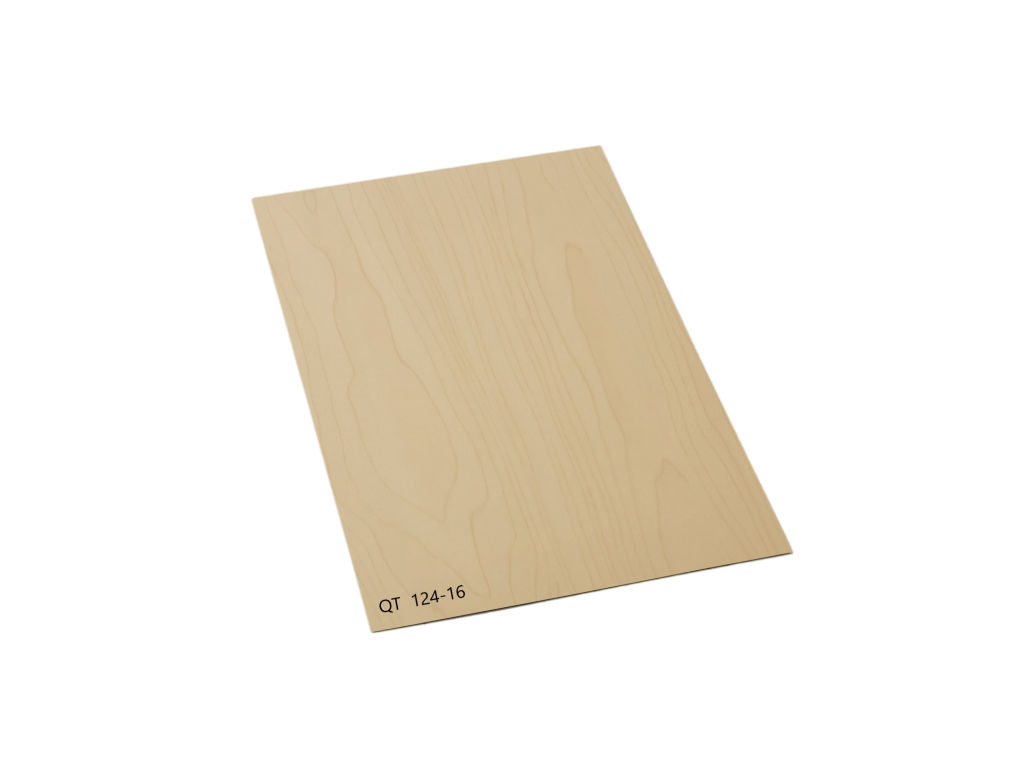
Light Wood Grain HPL Decorative Laminate Sheet Phenolic Resin Panel for Interior Wall and Furniture
Light wood-grain phenolic HPL for interior walls and furniture faces where visual consistency and cleanable surfaces matter.
View specification
4x8 ft HPL High-Pressure Laminates Sheet Board Hpl Laminated Plywood Fire Retardant Decorative Plywood Panels
High-pressure laminate on fire-retardant decorative plywood for contract furniture and public-space interiors.
View specification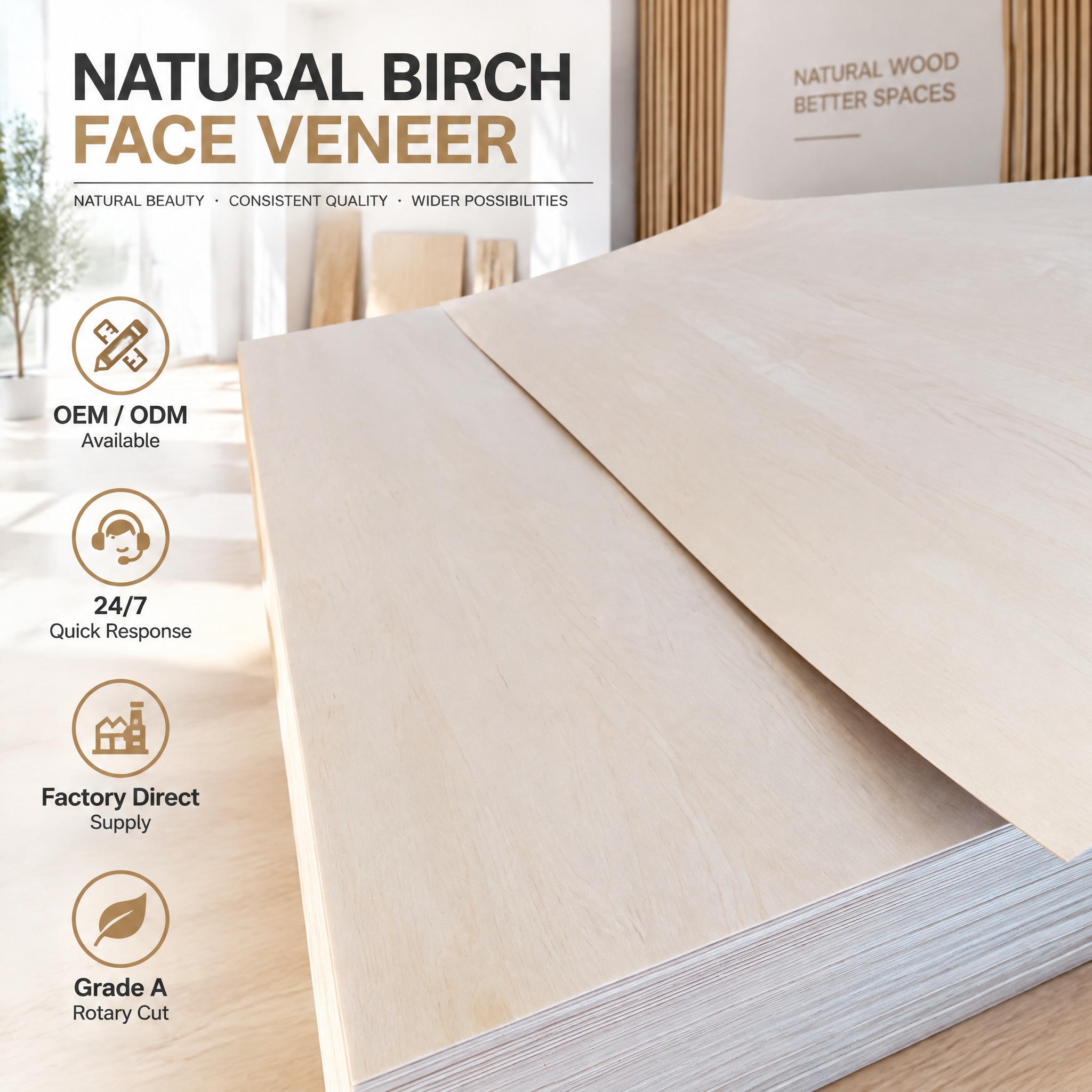
Sanded Basswood Plywood Sheets with Birch Veneer Double-Sided E0 Decorative Wood Panels for Laser Cutting Furniture
Sanded basswood plywood with birch veneer and E0 decorative faces for furniture, models and precision cutting.
View specification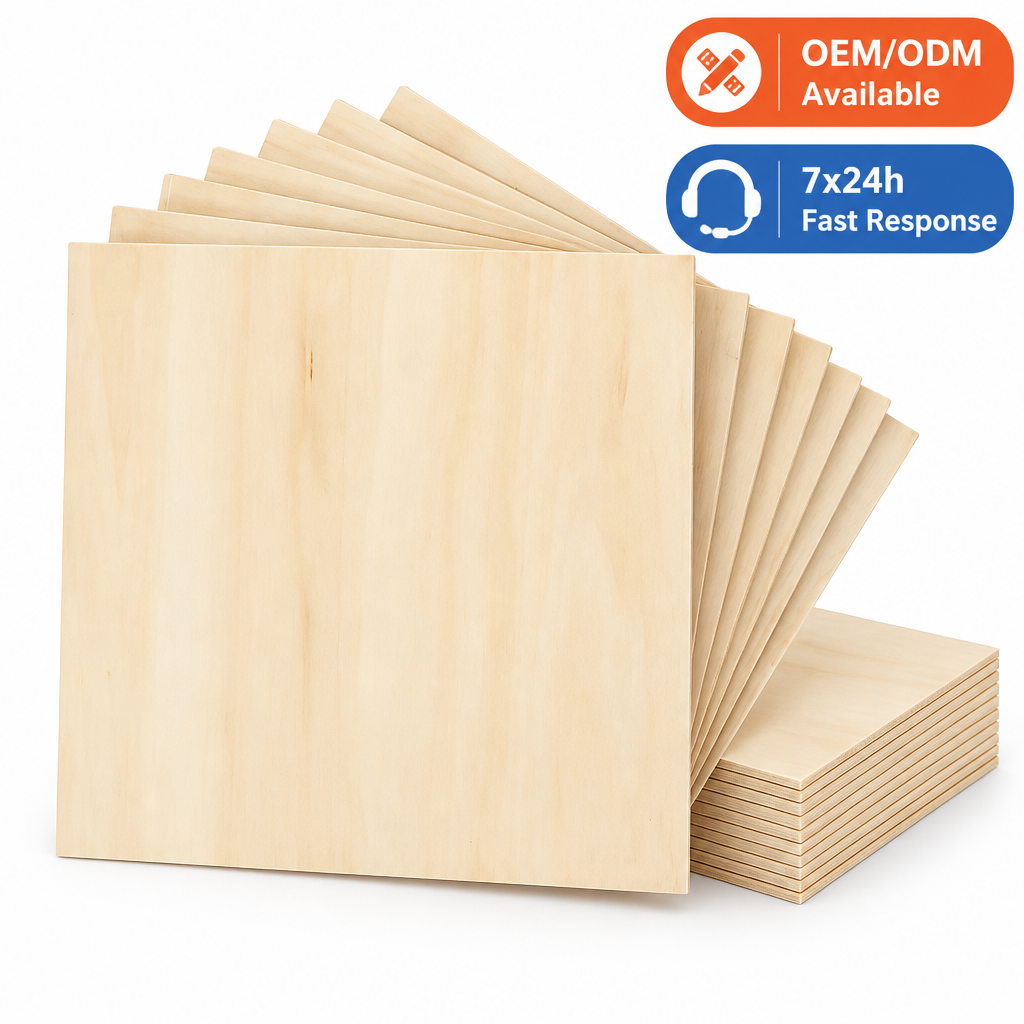
Eco-Friendly First-Class Basswood Plywood Sheet 12 X 12 X 1/8 Inch 3mm Sanded Polished Birch Veneer DIY Laser Cutting
3 mm sanded basswood sheet with polished birch veneer for DIY laser cutting, craft kits and small-batch fabrication.
View specification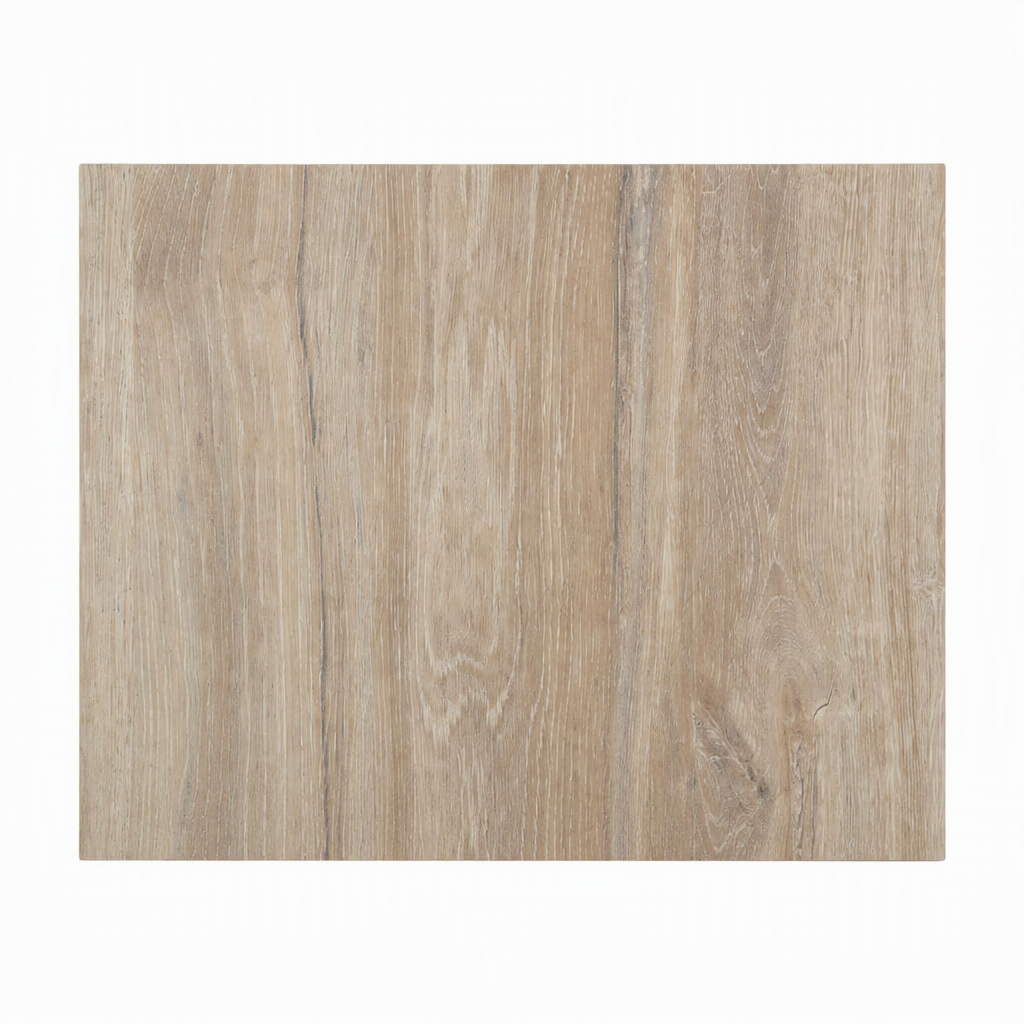
1mm Light Wood Grain HPL Decorative Laminate Panel Waterproof Fire Resistant Modern Design
1 mm light wood-grain HPL decorative laminate for waterproof, fire-resistant surfaces in modern interior schemes.
View specification
18mm Fire Retardant HPL Faced Plywood Birch Core 1220x2440mm Furniture Panel
18 mm birch-core plywood with fire-retardant HPL faces for furniture panels, partitions and contract interiors.
View specification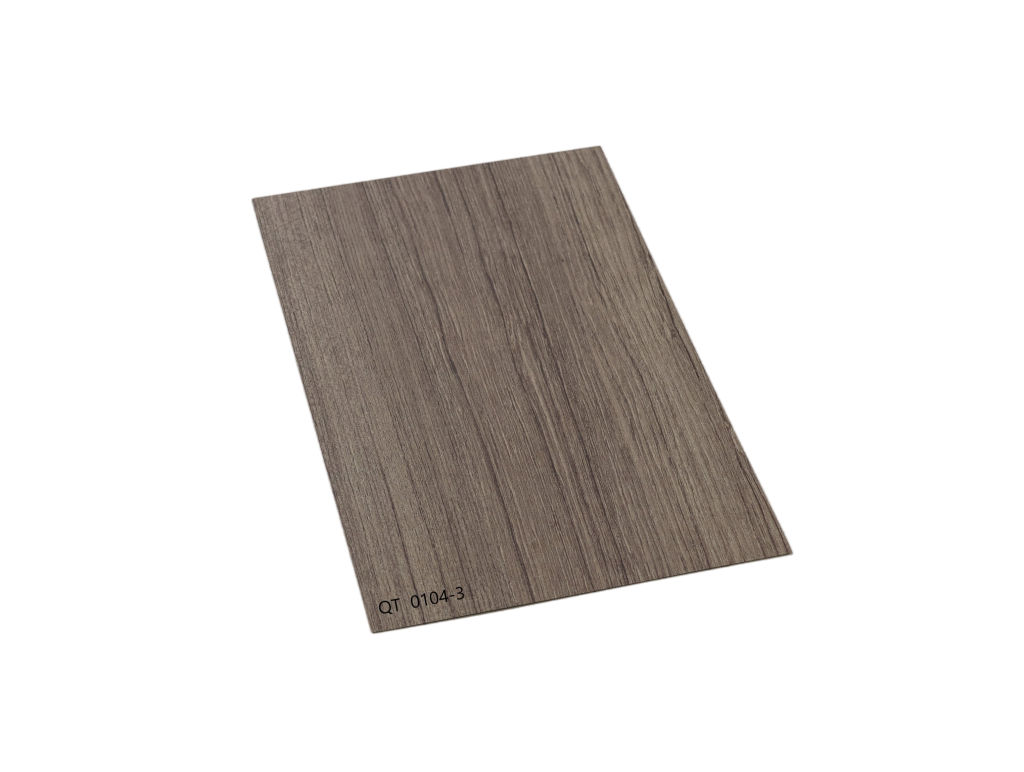
Wood Grain HPL Decorative Laminate Sheet Decorative Panel for Cabinet and Interior Wall
Wood-grain HPL decorative laminate for cabinet doors, wall panels and coordinated furniture programs.
View specificationWhat “Moisture Resistant” Really Means for an MDF Buyer
In procurement language, moisture-resistant MDF is not a waterproof board. It is a wood-fibre panel engineered with a modified resin system, density profile and moisture-control additives to resist short-term humidity and occasional surface wetting better than standard MDF.
For a wholesale buyer, the phrase HMR MDF should trigger a specification conversation, not a simple price request. The core, the adhesive system, the laminate face, the edge seal and the packing method all determine whether a panel performs in a bathroom vanity, a commercial kitchen or a retail fit-out.
Standard MDF offers a smooth, uniform face that is excellent for painting, melamine lamination and CNC machining. Moisture-resistant MDF improves that platform for humid interiors by reducing water uptake and thickness swelling. However, exposed edges, unsealed back faces and site moisture can still compromise any wood-based panel. The correct purchasing brief therefore combines an HMR core with a suitable HPL, melamine or painted surface and a controlled edge-sealing detail.
This is where supplier capability matters. Linyi Fipdm Import And Export Co., Ltd. operates as a verified trading company and multispecialty supplier, combining HPL, compact laminate, MDF, plywood, LVL and door-core boards from vetted partner mills in Linyi, Shandong. Buyers gain one accountable contact, on-site material inspection and finished-product checks before loading, rather than managing multiple mills and inconsistent documentation.
Before confirming a container, agree on measurable evidence: 24-hour thickness swelling, water absorption, internal bond, screw-holding strength, density profile, formaldehyde test method and surface-bond performance. Request samples that match the production line, not only a showroom swatch. For wet-area furniture, specify sealed edges, protected back faces and a suitable HPL or compact laminate surface.
- Define the exposure: humid interior, splash zone or direct water contact
- Match core, face and edge treatment as one system
- Require batch-level test reports and loading photos
- Confirm formaldehyde class and destination-market rules
Illustrative evaluation weights
How a moisture-conscious buyer may rank supplier evidence before awarding a repeat order.
Illustrative model only; final weights depend on application, climate and project specification.
Six Technical Distinctions That Change the Specification
Moisture-resistant MDF is frequently sold alongside HPL, compact laminate and plywood. Each product solves a different problem, and mixing them up can create cost or performance gaps.
HMR MDF is not waterproof
It resists moisture better than standard MDF, but it still requires sealed edges, protected faces and sensible detailing in wet zones. “Waterproof” claims should be tested against your actual exposure.
HPL is a face, not the core
High-pressure laminate is a decorative surface bonded to MDF, plywood or particle board. Its performance depends partly on the substrate, adhesive bond and edge treatment.
Compact laminate is self-supporting
Compact phenolic panels are commonly 3–20 mm thick and used without a substrate for toilet partitions, lockers and table tops, unlike thin HPL sheets.
Edge sealing controls outcomes
Water enters through machined edges and fixing points. A well-specified edge band, paint system or postforming detail often matters as much as the board itself.
Density and sanding affect machining
Consistent density, calibrated thickness and uniform sanding improve CNC accuracy, paint absorption and lamination quality across high-volume furniture production.
Emission grades need evidence
E0 and E1 are not interchangeable marketing labels. Ask for test reports that match the board, glue system, production batch and destination market requirement.
The Wholesale Evaluation Matrix for Moisture-Resistant MDF
Use this matrix to compare quotations on total supply risk, not only the price per sheet. A low initial price can disappear quickly when batch variation, moisture damage or documentation delays appear.
| Control point | Why it matters | Evidence to request |
|---|---|---|
| Core and density profile | Density uniformity supports screw holding, machining quality and stable lamination. | Density range, board sample, thickness tolerance and face/back sanding report. |
| Moisture-resistant treatment | The resin blend and moisture-control additives influence swelling behaviour. | Product data sheet and test method for thickness swelling and water absorption. |
| Surface bond | HPL or melamine delamination is costly on finished furniture and wall panels. | Surface-bond test result, sample with production laminate and edge detail. |
| Formaldehyde performance | Different markets apply different limits and test methods. | E0 / E1 report, test method, production batch reference and label check. |
| Machining consistency | CNC routing, drilling and edge-banding efficiency depend on stable thickness and density. | Pre-shipment inspection record, sample cutting and measured tolerance. |
| Edge and back protection | Wet-area failures often start at unsealed edges or unprotected rear faces. | Sealing specification, edge-band sample, installation guidance and care notes. |
| Packing and container loading | Humidity, corner damage and poor stacking can downgrade otherwise compliant panels. | Seaworthy pallet details, desiccant or wrap plan, loading photos and packing list. |
| Supplier accountability | A single contact for mixed boards reduces claims and coordination risk. | Inspection workflow, claims process, export documents and after-sales response. |
Specifications should be confirmed against the final order, destination market and project exposure. Fipdm combines partner-mill material checks with finished-product inspection before shipment.
Where Moisture-Resistant MDF and Coordinated Panels Earn Their Keep
The strongest purchasing decisions start with the environment, then work back to the board, surface and edge treatment.
Vanity carcasses and doors
Use HMR MDF or moisture-resistant plywood with a sealed HPL, melamine or painted finish. Protect cut-outs and backsplash junctions.
Cabinet boxes and drawer fronts
HMR MDF offers a smooth, machinable substrate for foil, paint or laminate. HPL-faced plywood is useful where impact and moisture combine.
Laundry and service rooms
Humidity cycling rewards a tight edge-sealing plan, back-face protection and elevation above wet floors.
Office, retail and hospitality
Decorative HPL faces deliver repeatable colour and texture across large furniture packages, with easier cleaning than bare MDF.
Door skins and cores
HMR MDF skins and tubular chipboard cores support lightweight interior door programs with consistent painting and laminating surfaces.
Wall linings and HPL systems
HPL decorative panels, compact laminate and fire-retardant faced plywood help coordinate partitions, wall protection and furniture faces.
Procurement Trends Wholesale Buyers Will Reward Through 2030
Price per sheet remains important, but professional buyers are shifting more weight to compliance, traceability, mixed-load flexibility and the total installed performance of the panel system.
Dual-performance specifications
Moisture resistance is increasingly specified together with fire performance for public buildings, transport hubs, schools and commercial interiors.
Low-emission documentation
E0 and E1 requests are moving from “nice to have” to standard RFQ fields, with buyers asking for test method and batch-level evidence.
Mixed-container consolidation
Distributors want HPL, MDF, plywood, LVL and door cores in one managed shipment to reduce freight complexity and supplier administration.
Smaller custom batches
Custom sizes, colours, packaging and private-label programs let importers test demand without committing to a single mega-order.
Verified supply evidence
On-site assessment, loading photos, inspection reports and responsive technical answers reduce the perceived risk of overseas sourcing.
Surface-system coordination
Buyers increasingly purchase the board, HPL face, edge band and matching melamine paper as a coordinated package rather than separate components.
How Moisture-Resistant Panel Products Are Evolving
Development is moving toward better moisture control, lower emission, more realistic surfaces and panel systems that are easier to machine, seal and install.
Improved HMR cores
Refined fibre blends, denser core profiles and moisture-control additives are being used to improve edge stability and swelling resistance.
Hybrid panel systems
HMR MDF cores with HPL, melamine, veneer or compact laminate faces allow furniture makers to match moisture resistance with a chosen visual effect.
Moisture plus fire performance
Project specifications increasingly combine fire-retardant treatments with moisture-resistant substrates for public and commercial interiors.
Thin HPL and texture realism
Decorative laminates are delivering deeper wood grains, stone effects and matt textures while supporting efficient panel processing.
Lower-formaldehyde systems
Resin and process improvements are helping suppliers offer E0 and E1 options with more consistent documentation for regulated markets.
CNC and laser-ready stability
Furniture factories and craft manufacturers want predictable thickness, clean cutting and minimal post-processing across thin plywood and board products.
Inquiry
Thickness, size, grade, face, edge and destination market
Sampling
Colour, texture, core and surface-bond verification
Mill check
Material inspection at the qualified partner mill
Finished-board QC
Thickness, surface, edges and packing checks
Loading
Export documents, loading photos and shipment records
Why Fipdm Is Shortlisted as a Moisture-Resistant Panel Wholesaler
Linyi Fipdm Import And Export Co., Ltd. is based in Linyi, Shandong — the largest wood-based panel production cluster in China. The company combines multiple board families from qualified partner mills into one managed export supply chain.
Intertek-verified assessment
A third-party assessed trading company and multispecialty supplier, with the credibility buyers expect before placing a first wholesale order.
Two-stage quality control
Material checks at the partner mill and finished-product inspection for thickness, surface, edges and packing before loading.
On-site technical support
Engineer support for cladding, partition and furniture projects, helping buyers reduce installation uncertainty.
Flexible customization
Minor customization for logo, packaging and graphics, plus sample-based, design-based, full customization and ODM development.
Low-emission options
E0 and E1 formaldehyde grades can be matched to different product lines and destination-market requirements.
Export-ready logistics
Mixed loads, seaworthy pallet packing, export documentation and shipment photos support predictable container programs.
Quick Reference for HMR MDF and Coordinated Panels
Typical sizes and applications from the active product range. Non-standard dimensions, colour matching and mixed-board programs are available on request.
| Product | Typical size / thickness | Key feature | Common applications |
|---|---|---|---|
| HMR MDF | 1830×2750 / 2100×2800 / 1830×3660 mm | Moisture-resistant core, melamine or UV paint options | Bathroom and kitchen furniture, door skins, humid interiors |
| Melamine faced MDF | 3 / 9 / 12 / 15 / 18 mm | Decorative face, smooth substrate, E0 / E1 options | Cabinets, shelving, office furniture, wall panels |
| Decorative HPL sheet | 0.7 mm; 4×8 ft sheets | Wood grain, solid colour, matt and textured finishes | Kitchen cabinets, furniture faces, interior wall panels |
| Compact laminate | 3 – 20 mm; 12 mm popular | Waterproof, fire-rated, self-supporting phenolic panel | Toilet partitions, lockers, lab worktops, table tops |
| Fire-retardant HPL faced plywood | 18 mm; 1220×2440 mm | Birch core, decorative HPL face, fire-retardant option | Furniture panels, partitions, contract interiors |
| Basswood / birch plywood | 1 – 7 mm thin sheets | Uniform veneer, clean laser cut, E0 decorative faces | Crafts, models, signage, laser-cut furniture |
| Structural plywood | 9 – 21 mm; 4×8 ft | Birch, poplar or pine; E0 grade options | Furniture, flooring base, construction and fit-out |
| Melamine impregnated paper | 80 g / 90 g base paper | Hot-press decor paper for board lamination | MDF, HPL and particle board surface production |
Specifications vary by product line and order. Confirm final tolerances, certification scope and packaging requirements with the Fipdm export team.
Questions Wholesale Buyers Ask Before Ordering
Clear answers shorten the RFQ cycle. If your project requires a specific test method or market standard, include it in the first inquiry.
Are you a manufacturer or a trading company?
Linyi Fipdm Import And Export Co., Ltd. is a verified trading company and multispecialty supplier. We source from vetted partner mills in Linyi and run on-site material inspection plus finished-product inspection before shipment. This gives buyers one accountable contact across HPL, MDF, plywood, LVL and door-core products instead of managing many separate suppliers.
Is moisture-resistant MDF waterproof?
No. Moisture-resistant MDF is designed to resist humidity and occasional surface wetting better than standard MDF, but it is not a waterproof structural material. In bathrooms, kitchens and utility areas, specify sealed edges, protected back faces, suitable HPL or melamine surfaces and correct installation detailing. For direct water exposure, compact laminate or a more suitable engineered system should be considered.
What is the difference between HPL sheets and compact laminate?
Standard HPL is a thin decorative sheet, typically around 0.7–1 mm, bonded to a substrate such as MDF, particle board or plywood. Compact laminate is a self-supporting solid phenolic panel, commonly 3–20 mm thick, used without a substrate for toilet partitions, lab worktops, table tops and exterior cladding where water and impact resistance matter.
Which formaldehyde emission grades can you supply?
MDF and plywood are available in E0 and E1 emission grades depending on the product line. Please state your destination market, required test method and documentation expectations in the inquiry so the correct board and report set can be matched before quotation.
Can you customize sizes, colours and packaging, and can I mix products in one container?
Yes. We offer minor customization such as logo, packaging and graphics, as well as sample-based, design-based and full customization plus ODM development. Mixed loads of HPL, HMR MDF, plywood, LVL and door cores are part of our wholesale service, helping importers and distributors reach efficient container volumes without overstocking a single item.
What should I include in an RFQ, and how is quality checked before shipment?
Include board type, thickness, sheet size, density or grade target, formaldehyde class, face and back finish, edge treatment, quantity, packaging preference and destination port. Fipdm reviews material at the partner mill, checks finished boards for thickness, surface, edges and packing before loading, and can share inspection and loading photos with the shipment records.
Request a Moisture-Resistant MDF Quotation With Matched Surfaces
Send thickness, sheet size, density target, emission class, HPL or melamine finish, edge treatment, quantity and destination port. Our export team will return a matched bill of materials, sampling plan and pre-shipment inspection approach.