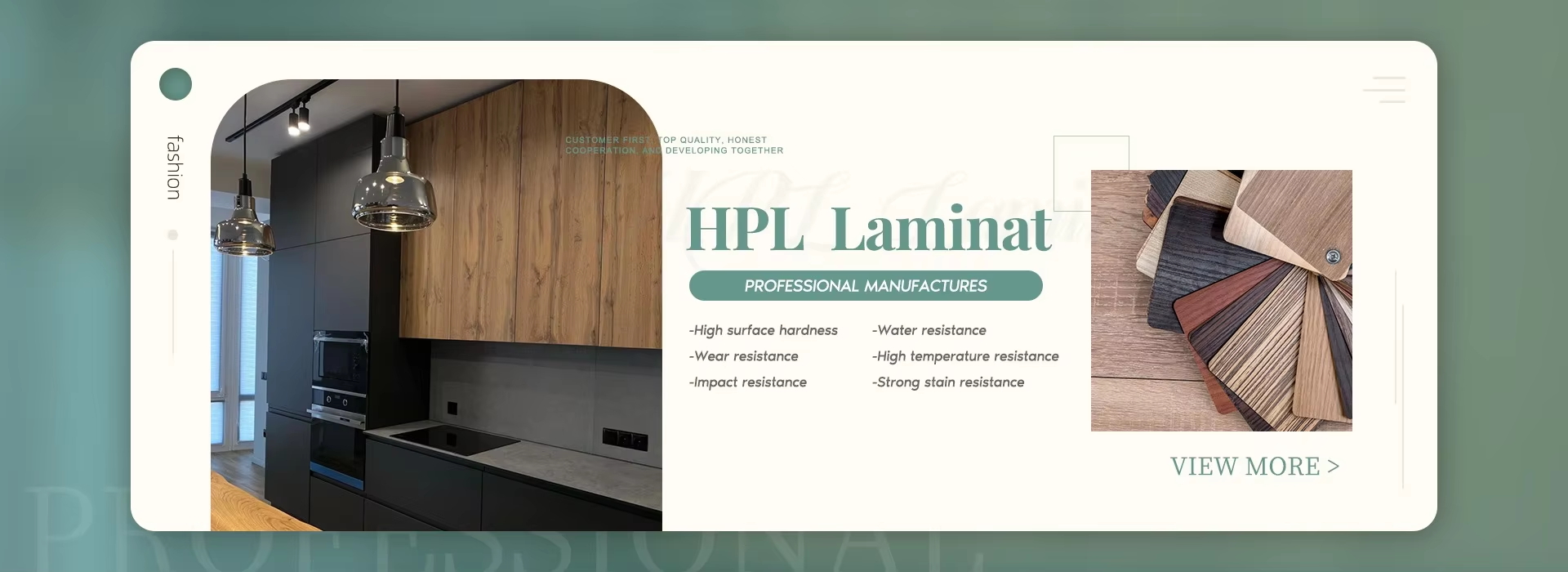
Top China Melamine Faced Plywood Manufacturers & Factory
A 2025–2030 sourcing guide to melamine faced plywood, HPL decorative plywood, E0/E1 substrate control, factory verification and mixed-container procurement from Linyi, Shandong.
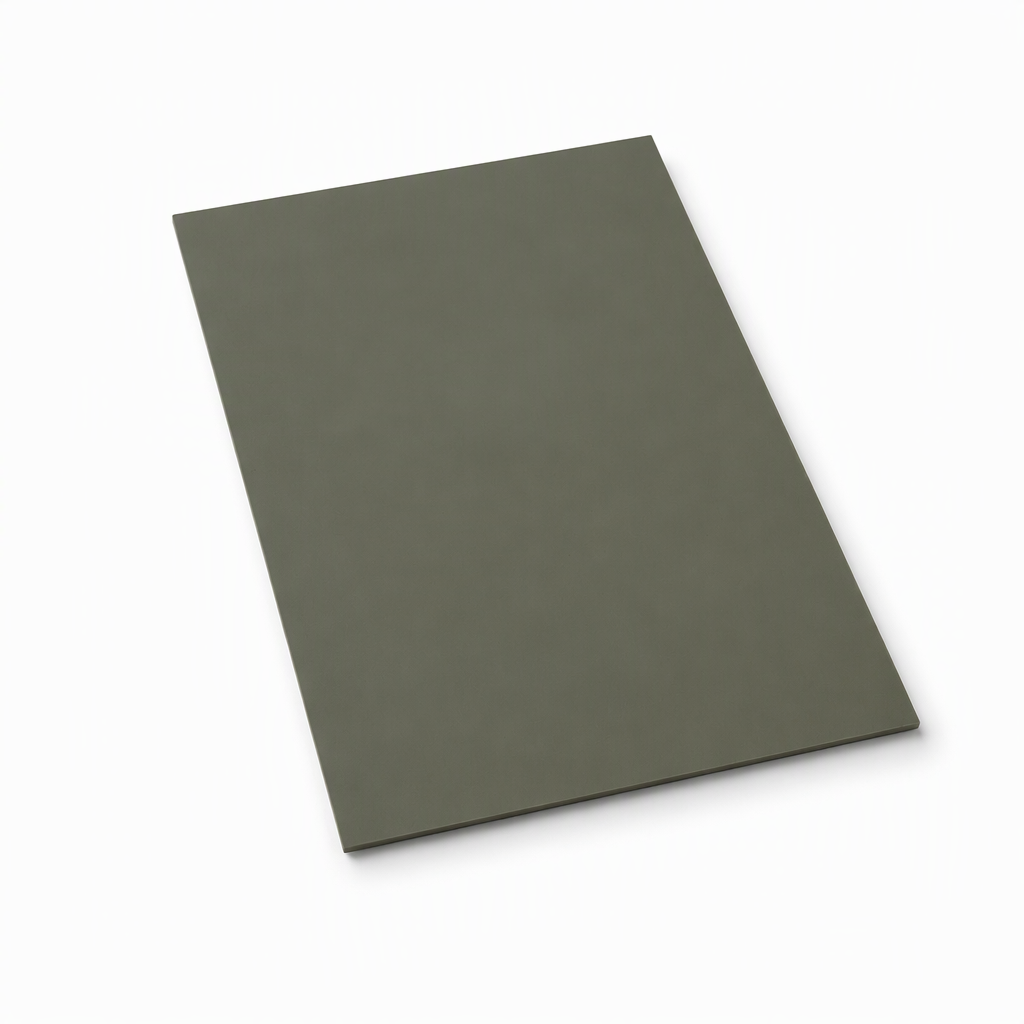
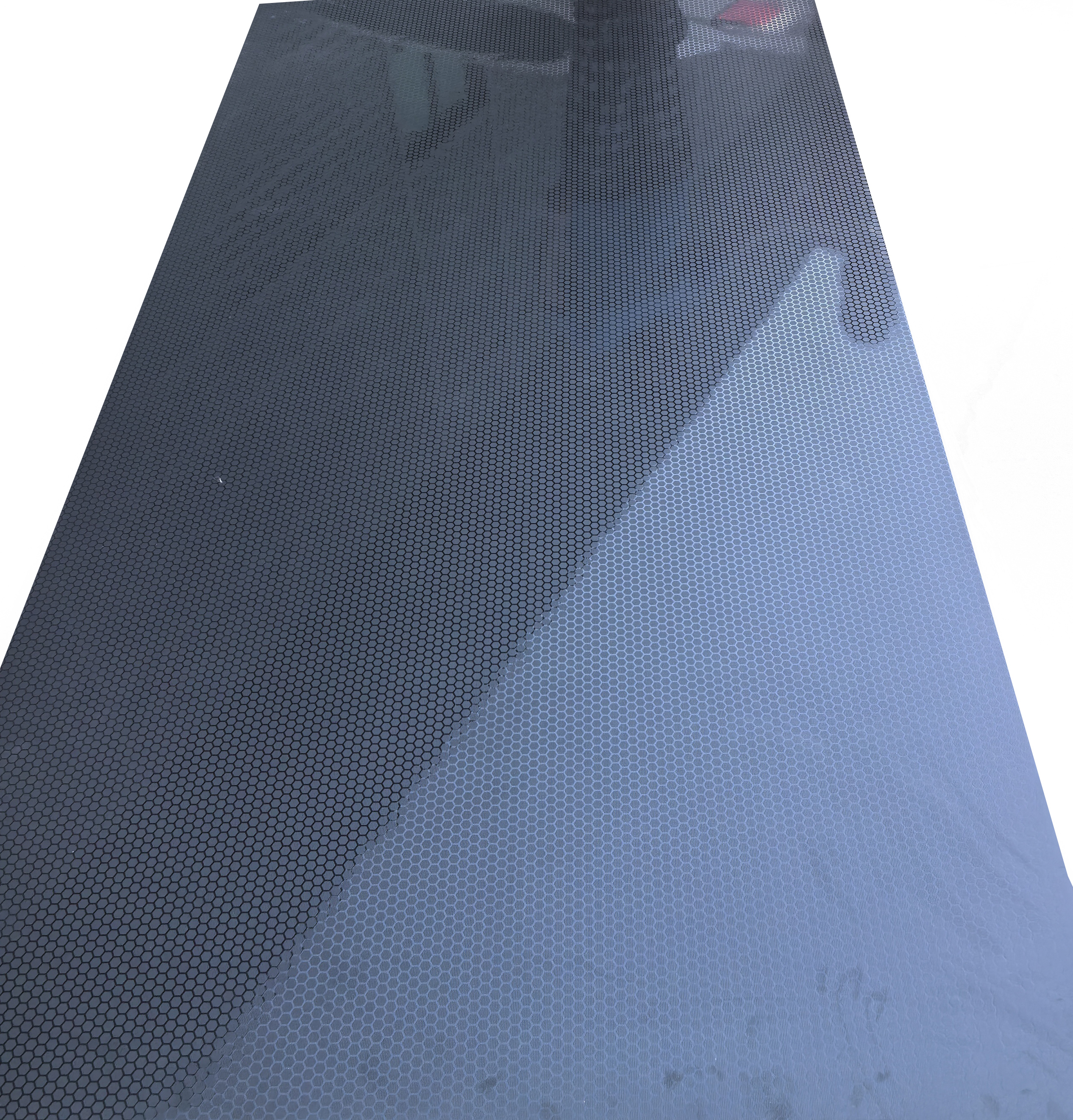
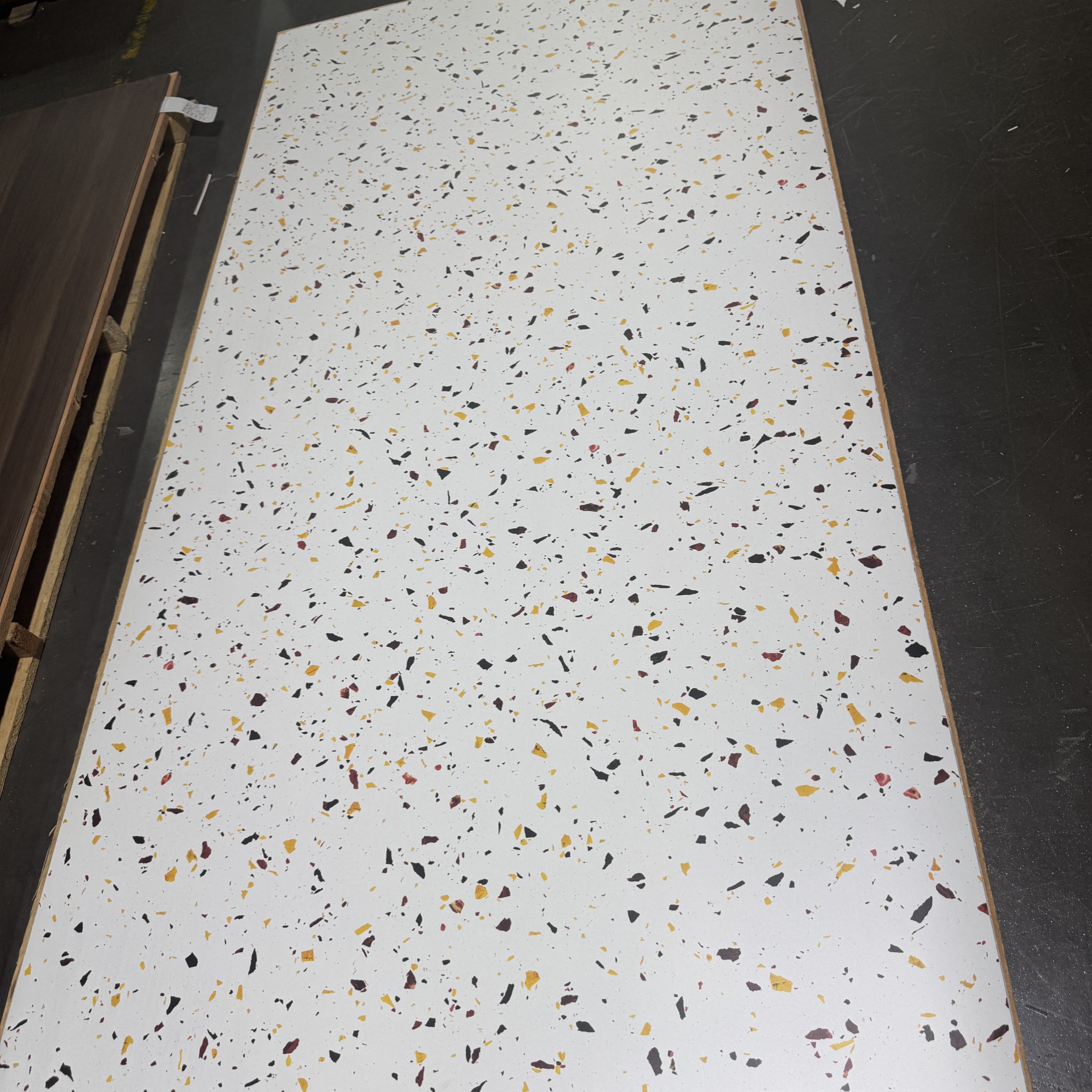
8 Recommended Melamine Faced Plywood & HPL Panel Products
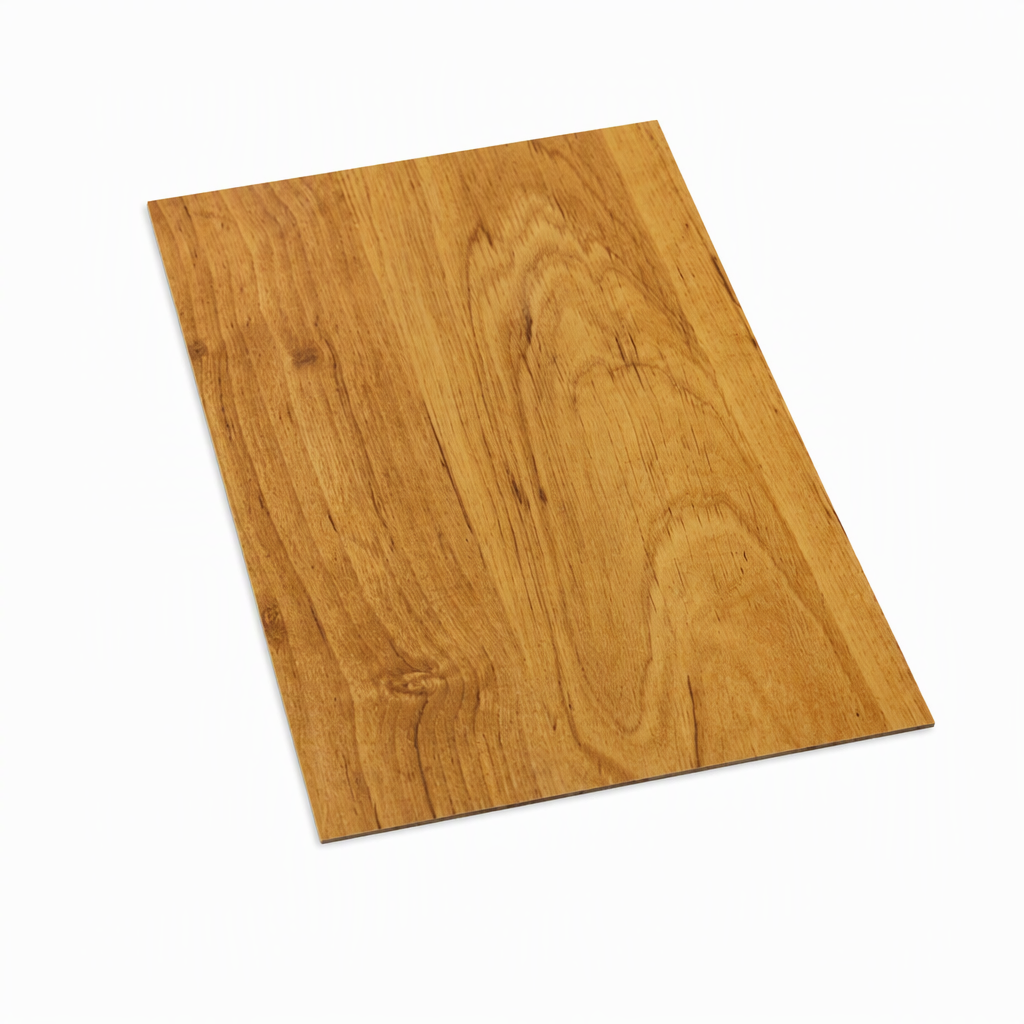
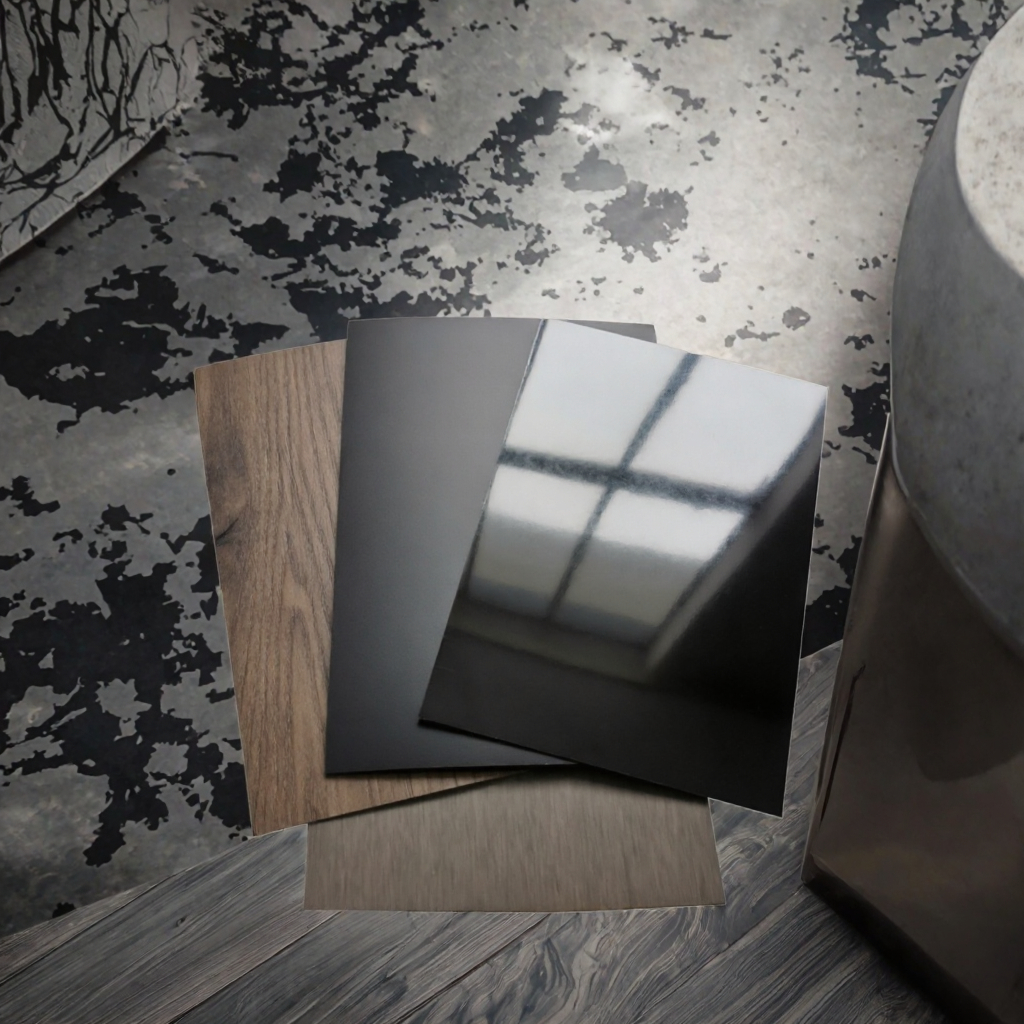
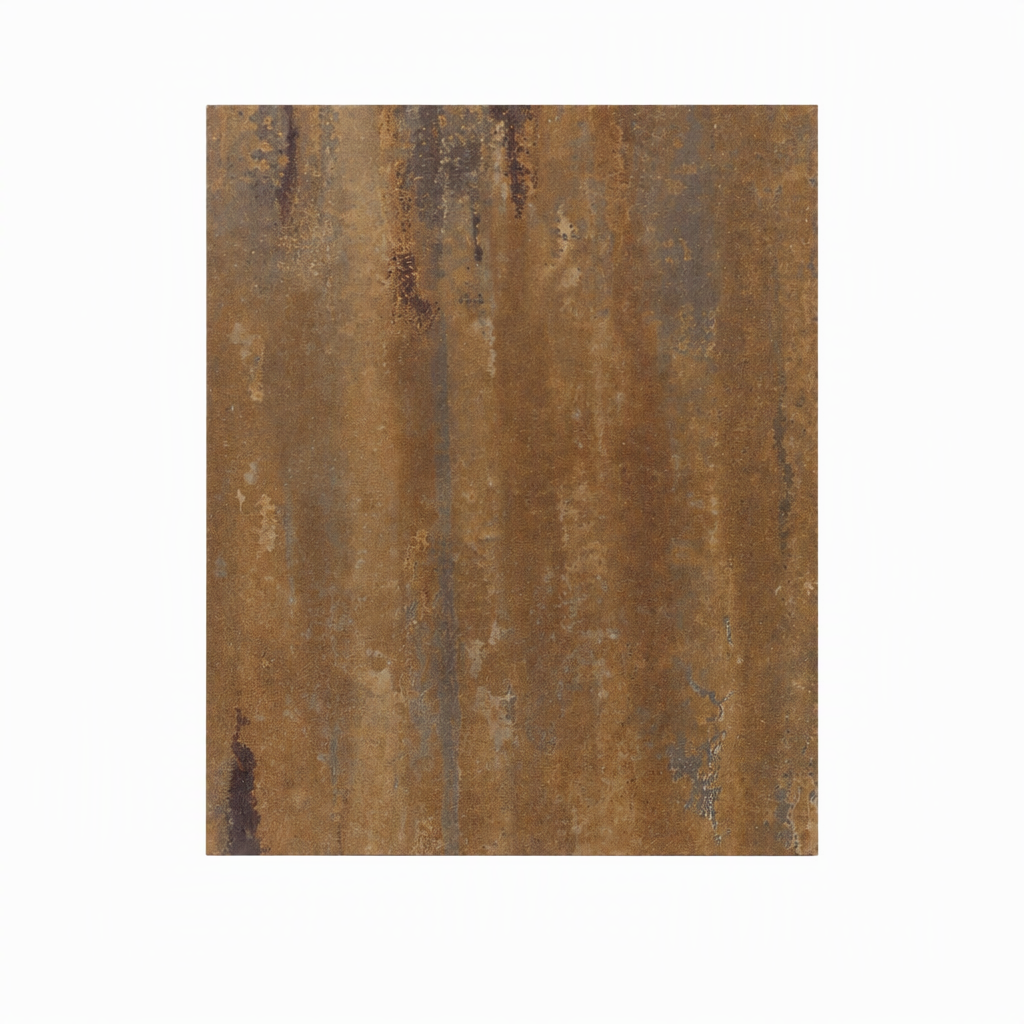
The eight boards below are drawn from the active Fipdm product family for furniture, marine, fire-resistant and interior wall applications. Each card links to its live product page so buyers can compare thickness, surface, substrate and application fit before sending an RFQ.

Need a custom decor, thickness, glue class or mixed container loading plan? Send your specification and target market to our export team.
Contact UsWhat Buyers Really Mean by This Search Query
The phrase “Top China Melamine Faced Plywood Manufacturers & Factory” is not a single-product query. It combines commercial research, technical comparison, compliance checks and supplier-risk review. A useful page must answer all four intent layers without hiding the details behind vague factory claims.
Factory-direct price & MOQ
Importers compare FOB or CIF price, minimum order quantity, mixed-load flexibility and whether one accountable supplier can consolidate boards from several qualified mills.
Technical specification
Core material, face and back grade, glue line, thickness tolerance, surface finish, machining behavior, screw-holding strength and moisture resistance all affect the real application fit.
Compliance & documentation
Buyers increasingly ask for E0/E1 evidence, test reports, packing marks, batch traceability and destination-market documentation. Claims should be verifiable before deposit payment.
Supplier reliability
Third-party assessment, pre-shipment inspection, export experience, response speed and loading photos are stronger trust signals than a simple “factory price” statement.
A Sourcing Model Built for B2B Panel Buyers
Linyi Fipdm Import And Export Co., Ltd. operates as a verified trading company and multispecialty supplier in Linyi, Shandong, one of China’s major wood-based panel clusters. The model is designed for importers, distributors, furniture factories and project contractors who need more than one board type but do not want to manage several unconnected suppliers.
Verified supplier profile
The public business profile lists Intertek assessment, 9 years in the industry, a 5.0/5 buyer rating, 4 years as a Gold Supplier and a #4 top-selling position in the Plywoods category. Buyers should still verify the current profile and documents before ordering.
Two-stage quality control
Material inspection takes place at the partner mill, followed by finished-product inspection for thickness, surface, edges, packaging and loading. This helps catch defects before the container leaves China.
Multi-category consolidation
HPL, compact laminate, MDF, plywood, LVL, melamine paper and door cores can be combined in one managed order. This reduces freight waste, supplier administration and the risk of mismatched specifications.
Customization & ODM
Minor customization covers logo, packaging and graphics. Sample-based, design-based and full customization are available, together with ODM support for distributors building a private-label panel range.
Low-emission options
MDF and plywood are available in E1 and E0 grades depending on product line. Buyers should state the destination market standard at inquiry stage so the correct board and documentation can be matched.
Export & technical support
Seaworthy packing, loading photos and export documentation are standard. Engineer support can assist project buyers with cladding, partition and furniture applications where installation detail affects performance.
2025–2030 Procurement Outlook for Melamine Faced Plywood
Price will remain important, but compliance, traceability and total landed cost are becoming stronger decision drivers. The following four trends are especially relevant for importers and project buyers comparing China manufacturers and factory-trading hybrid suppliers.
Compliance-first sourcing
Formaldehyde emission, fire performance, moisture resistance and documentary evidence are moving from “nice to have” to tender requirements. Buyers are asking for batch-linked test reports instead of generic certificates, especially for school, hospital and hospitality projects.
Mixed-container consolidation
Small and mid-sized importers increasingly combine decorative HPL, plywood, MDF, LVL and door cores in one container. This favors suppliers with multi-category sourcing, coordinated inspection and reliable loading plans rather than single-product mills.
Sample-to-production traceability
Pre-production samples, approved color panels, production photos and pre-shipment inspection records are becoming normal expectations. A supplier that cannot document the approved sample may create color, gloss or surface mismatches at scale.
Engineering support as part of supply
For exterior HPL cladding, compact laminate partitions and furniture panels, buyers need substrate advice, fixing guidance and machining recommendations. Technical service reduces claim risk and improves repeat-order stability.
Where Melamine Faced Plywood & HPL Panels Are Heading
Product development is moving toward thinner decorative surfaces, higher durability, cleaner indoor air and more application-specific performance. This matters for buyers who want to avoid over-specifying commodity boards or under-specifying panels for wet, fire-sensitive or high-traffic environments.
Thinner, more durable surfaces
0.6–0.8 mm decorative HPL and enhanced melamine films are being specified for furniture, hotel cabinetry and wall panels where visual depth and wear resistance must balance with weight and cost.
Waterproof & fire-resistant systems
Marine HPL birch plywood, compact laminate and fire-resistant double-sided panels are growing in bathrooms, laboratories, transport interiors and public buildings where moisture and fire performance are explicit requirements.
Low-emission & cleaner indoor air
E0/E1 substrate control, low-VOC adhesives and cleaner production processes are becoming purchasing criteria. Buyers should match the requested grade to the destination market and keep the evidence with the shipment documents.
Texture, stone & wood realism
Matte, sync-textured, stone-look and wood-grain finishes continue to replace plain surfaces in hotels, retail and office interiors. Postforming grades and matching edge bands help factories achieve consistent design intent.
Which Panel Fits Which Project?
Product recommendation should start from use conditions, not only from price per sheet. Use the matrix below to shortlist technical questions before requesting samples.
Hotel & retail interiors
Brown wood-grain HPL, grey-green decorative HPL and glossy black HPL are strong candidates for cabinets, wall panels and feature surfaces where decor consistency and wear resistance matter.
Humid & marine areas
15 mm glossy marine HPL birch plywood and E0 birch HPL film melamine plywood are better matched to bathrooms, kitchens, boats and wet-use furniture than standard commodity plywood.
Fire-sensitive projects
Fire-resistant HPL double-sided decorative plywood should be evaluated with the project’s required fire standard, substrate detail, joint design and supporting test documentation.
Fast-moving stock programs
Stock HPL decorative plywood panels can support distributors and furniture factories that need repeatable colors, faster availability and mixed-load purchasing with other board products.
| Buyer Priority | What to Ask | Why It Changes the Order | Information Gain for RFQ |
|---|---|---|---|
| Visual consistency | Approved sample, gloss level, batch tolerance, edge-band match | Small color shifts become visible on large wall runs | Request production photos against the approved sample |
| Moisture performance | Core type, glue line, edge sealing, water-resistance test | Wet-area failure is usually an application issue, not only a board issue | State room humidity, cleaning method and substrate detail |
| Indoor air compliance | E0/E1 grade, test report reference, destination regulation | Different markets accept different evidence packages | Include formaldehyde class in the first email |
| Total landed cost | Packaging, loading efficiency, inspection cost, claim risk | A low unit price can lose money through damage or delays | Compare CIF plus inspection and replacement exposure |
How to Verify a China Melamine Faced Plywood Manufacturer
Use this checklist to separate a reliable panel partner from a price-only trader. The goal is not to collect more certificates; it is to confirm that the supplier can repeat the approved specification, inspect the goods and support the destination market.
Information gain: calculate total landed cost, not only unit price
Total landed cost = board price + surface upgrade + E0/E1 compliance + packaging + inland freight + ocean freight + duty + inspection + storage + claim exposure. A supplier with a slightly higher board price may still be cheaper overall if it reduces damage, rework and late-project penalties.
From Inquiry to Container Loading
A controlled workflow protects both the buyer and the supplier. Each step should leave a document trail so deviations are visible before shipment.
Specification lock
Confirm substrate, thickness, surface, color, formaldehyde grade, quantity and packaging. Approve a reference sample where color or texture is critical.
Material inspection
Check raw board quality, face and back condition, glue line and dimensional tolerance at the partner mill before production proceeds.
Finished-board QC
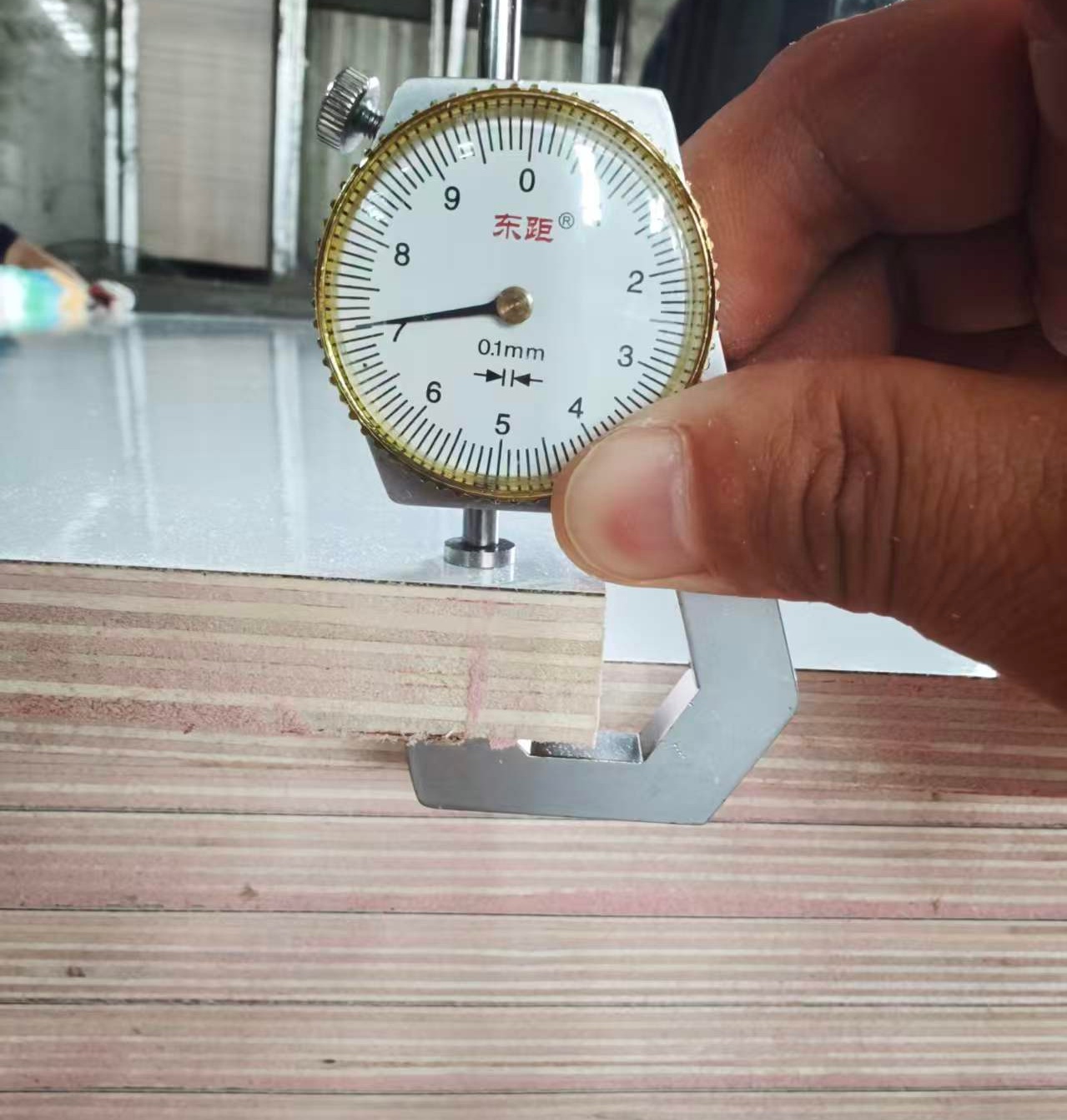
Inspect surface defects, edges, thickness variation and packing. Share photos or a third-party inspection report before loading.
Loading & documents
Verify container condition, loading pattern, corner protection and shipping marks. Provide packing list, invoice and requested certificates.



Common Procurement Questions
These questions cover the most frequent buyer concerns when comparing China melamine faced plywood manufacturers, HPL suppliers and panel factories.
Are you a manufacturer or a trading company?
Linyi Fipdm Import And Export Co., Ltd. is a verified trading company and multispecialty supplier. The company sources from vetted partner mills in Linyi and runs on-site material inspection plus finished-product inspection before shipment, giving buyers one accountable contact across multiple board types.
What is the difference between melamine faced plywood and HPL plywood?
Melamine faced plywood uses melamine-impregnated paper fused to a substrate such as plywood, MDF or particle board. HPL plywood uses a high-pressure decorative laminate sheet bonded to the substrate. HPL usually offers a wider design range and higher surface durability, while melamine faced plywood can be a cost-efficient solution for furniture and interior fit-out.
Which formaldehyde emission grades can be supplied?
MDF and plywood are available in E1 and E0 grades depending on product line. State the destination market and required standard in the inquiry so the board, adhesive system and supporting documents can be matched correctly.
Can you customize sizes, colors and packaging?
Yes. Minor customization can cover logo, packaging and graphics. Sample-based, design-based and full customization are available, together with ODM services for distributors and brands that need a differentiated panel range.
Can I mix different products in one container?
Yes. Mixed loads of HPL, compact laminate, MDF, plywood, LVL, melamine paper and door cores are part of the sourcing model. This helps smaller importers reach efficient container loading while testing several products in one market.
How do you verify quality before shipment?
The workflow includes material inspection at the partner mill and finished-board inspection for dimensions, surface, edges and packaging. Loading photos and inspection records can be shared before shipment. For high-risk projects, a third-party inspection can be arranged on request.
Planning a Melamine Faced Plywood or HPL Panel Order?
Send your target thickness, decor, substrate, formaldehyde grade, quantity, destination port and packaging requirement. Our export team will reply with matched options, inspection points and a practical loading plan.