Eight Panel Options for Melamine Faced MDF and Interior Surface Programs
The eight catalogue items below are actual product links from our current range. Several are HPL surfaces or laminated boards that can be paired with MDF, HMR MDF, plywood or compact cores. If your program requires a true melamine faced MDF construction, specify the MDF substrate, decor, thickness and emission class so our team can match the nearest production line.
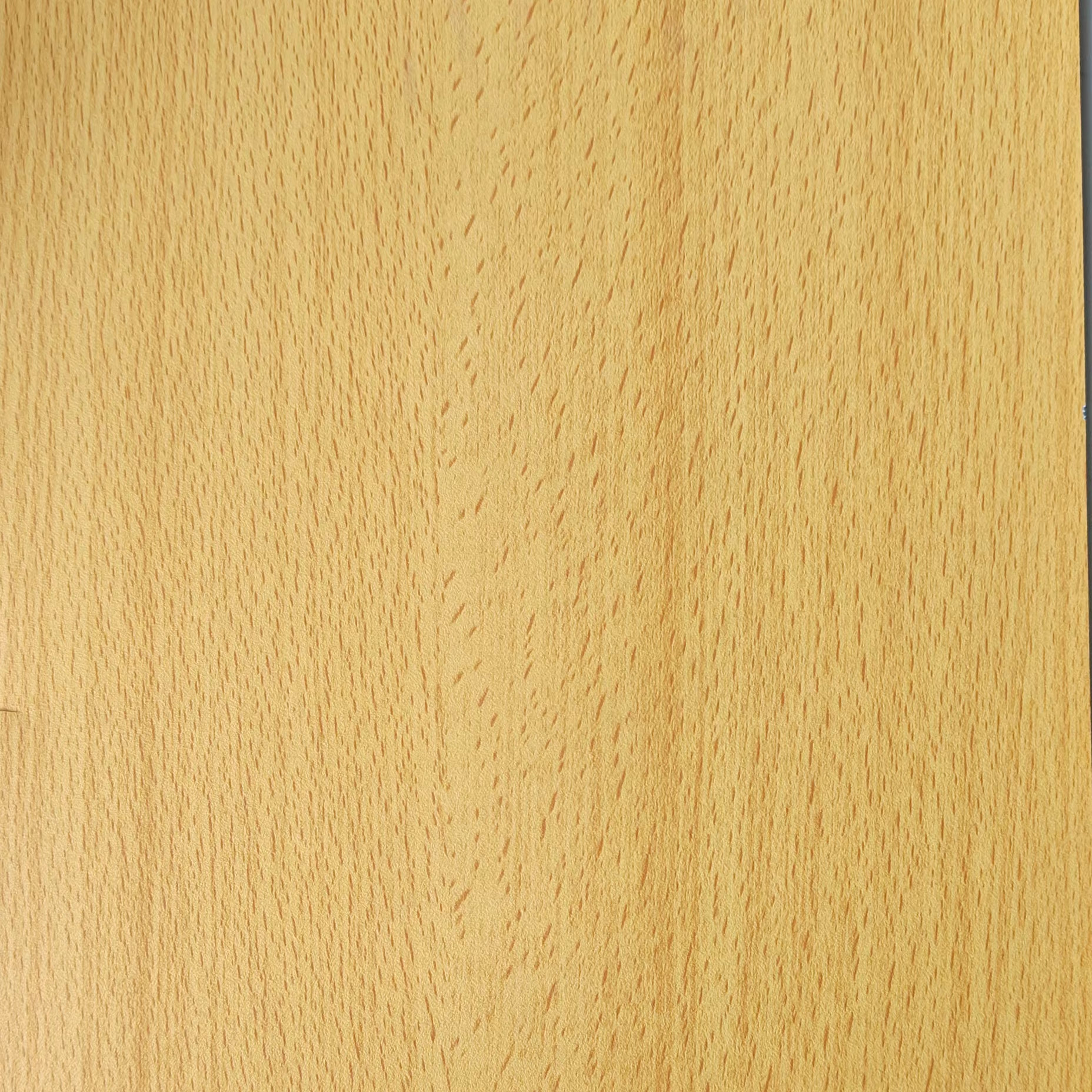
China Hpl Manufacture Lightweight Furniture Plywood with Wood Grain HPL Sheet Laminate for Cabinet Furniture
A weight-saving panel with wood-grain HPL for cabinet components. Confirm core, thickness and matching edge band before sampling.
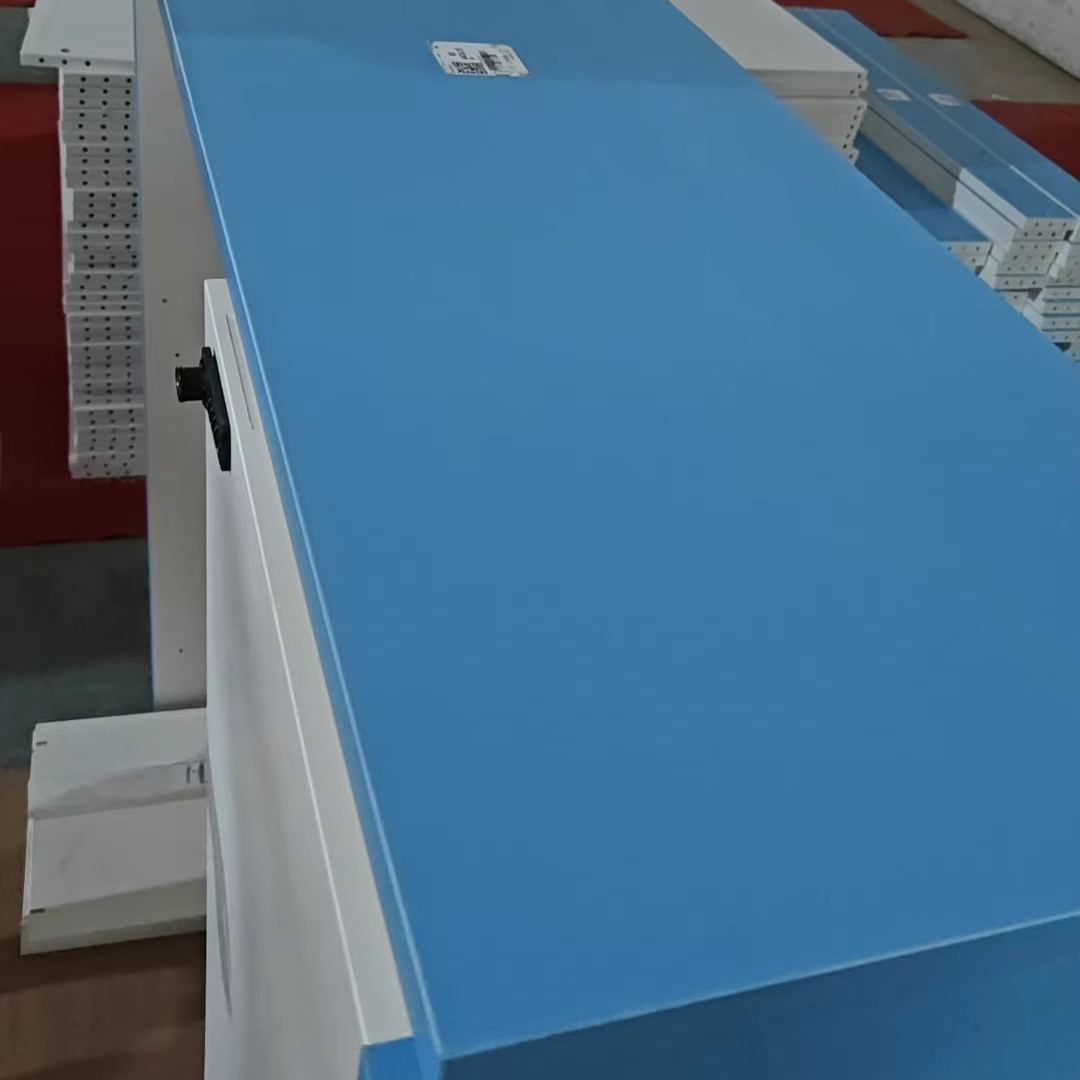
Linyi Hpl Melamine Board Plywood Sheet 18mm 15mm Melamine Board Hpl Laminated Furniture Board
A practical 18 mm and 15 mm laminated furniture board for distributors and cabinet makers. Clarify core, glue class and decor repeat.
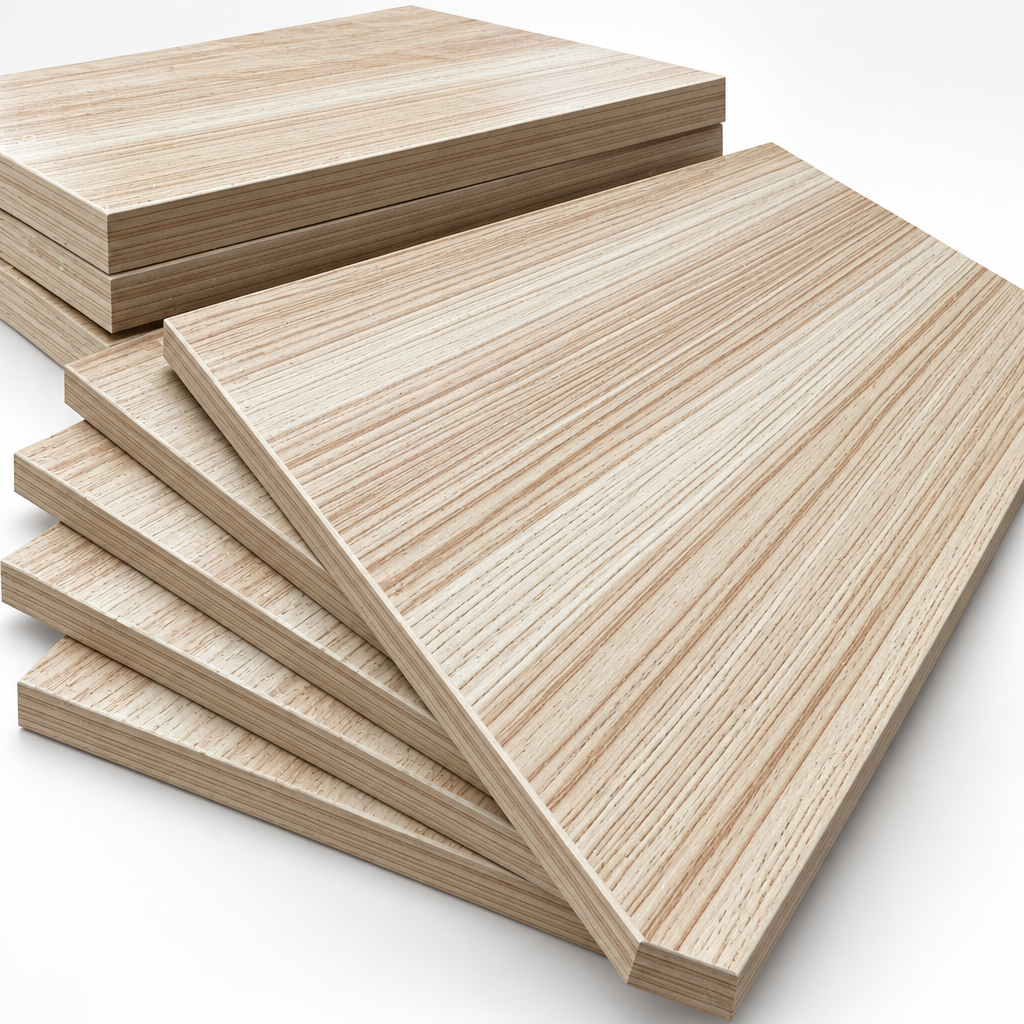
In Stock Wear-Resistant High Pressure Laminate HPL Plywood Sheets for Modern Kitchen Cabinets and Wooden Furniture Panels
Designed for kitchen cabinets and high-touch furniture. Specify wear grade, moisture exposure and fabrication method before bulk order.
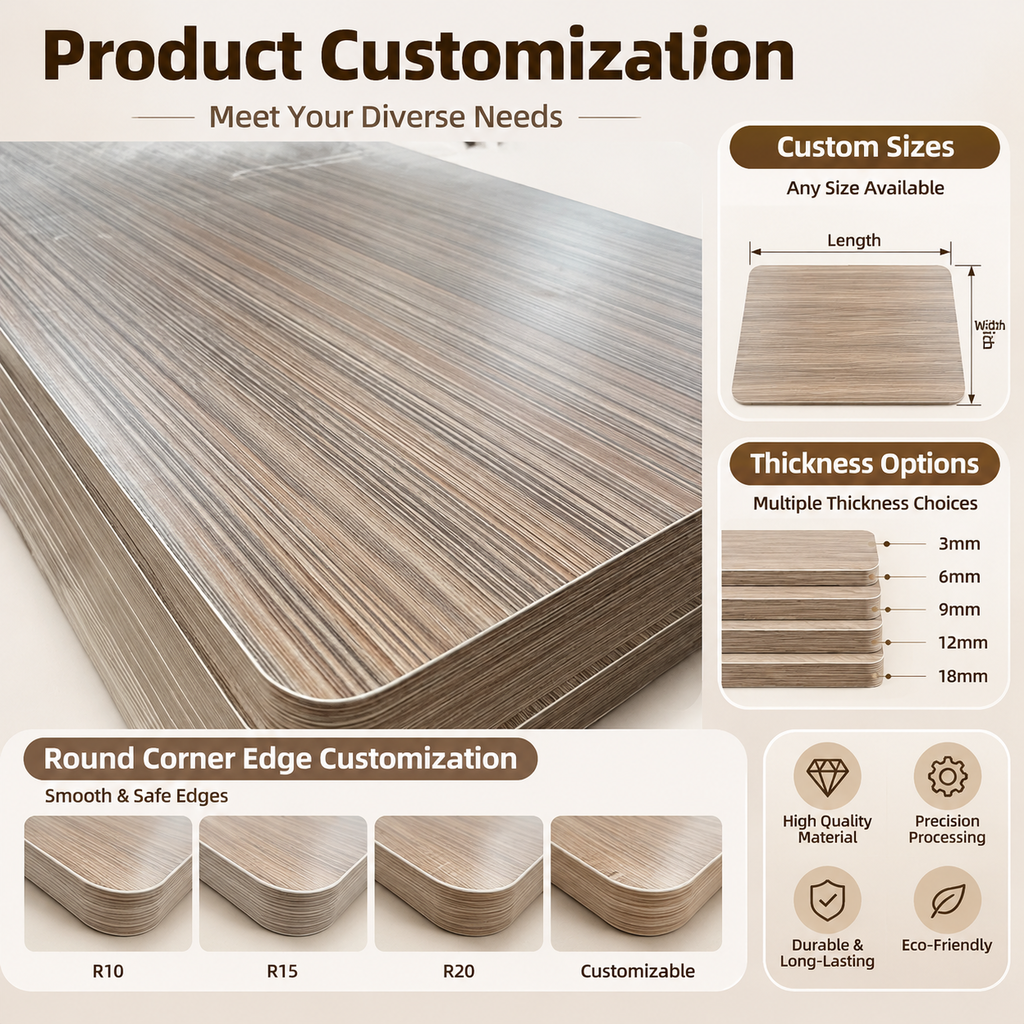
HPL Wood Grain Decorative High Pressure Laminate HPL Compact Sheet Waterproof Fire-Resistant Panel for Furniture
Suitable for wet areas or project furniture where a self-supporting panel is preferred. Request the relevant test report for your market.
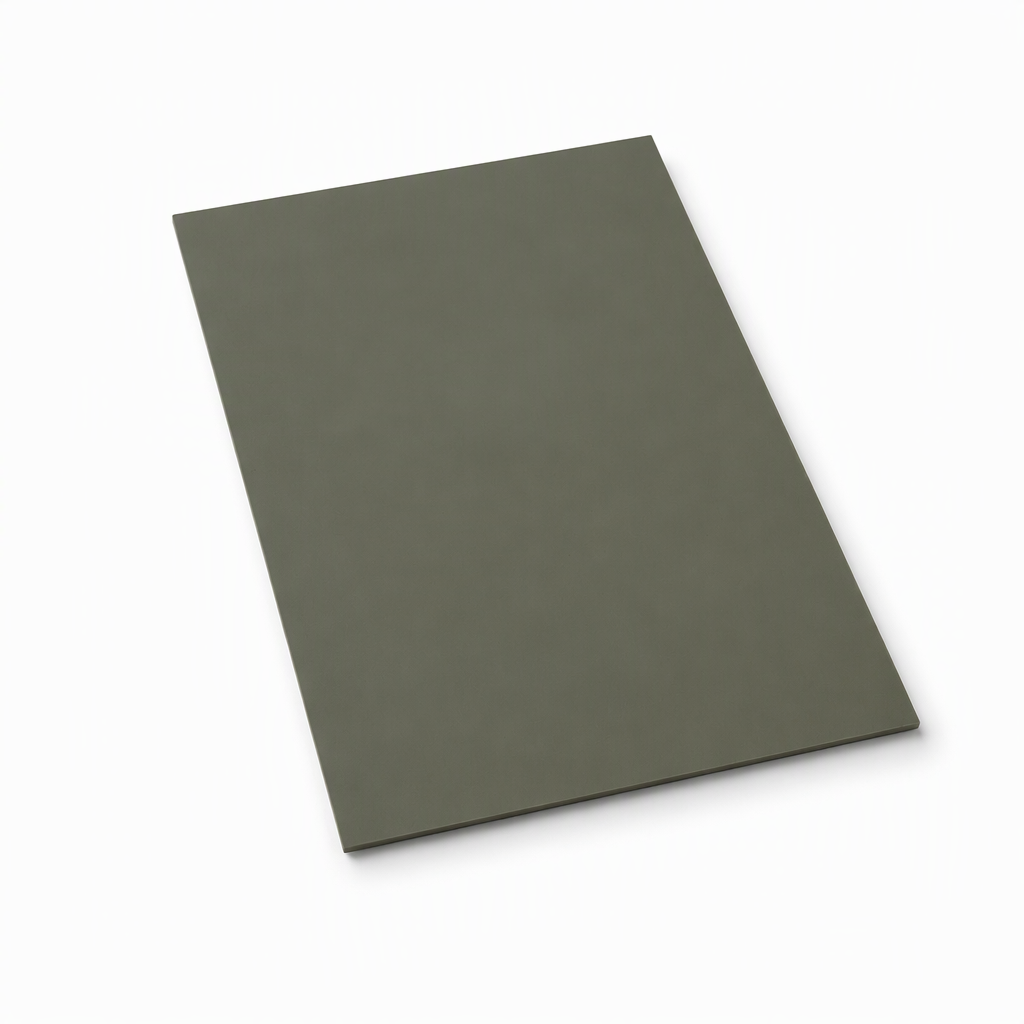
1230*2450mm Grey Green HPL Sheet Decorative High Pressure Laminate Panel for Furniture Interior
A grey-green HPL panel for furniture interiors. The larger format can improve yield in retail, office and hospitality fit-outs.
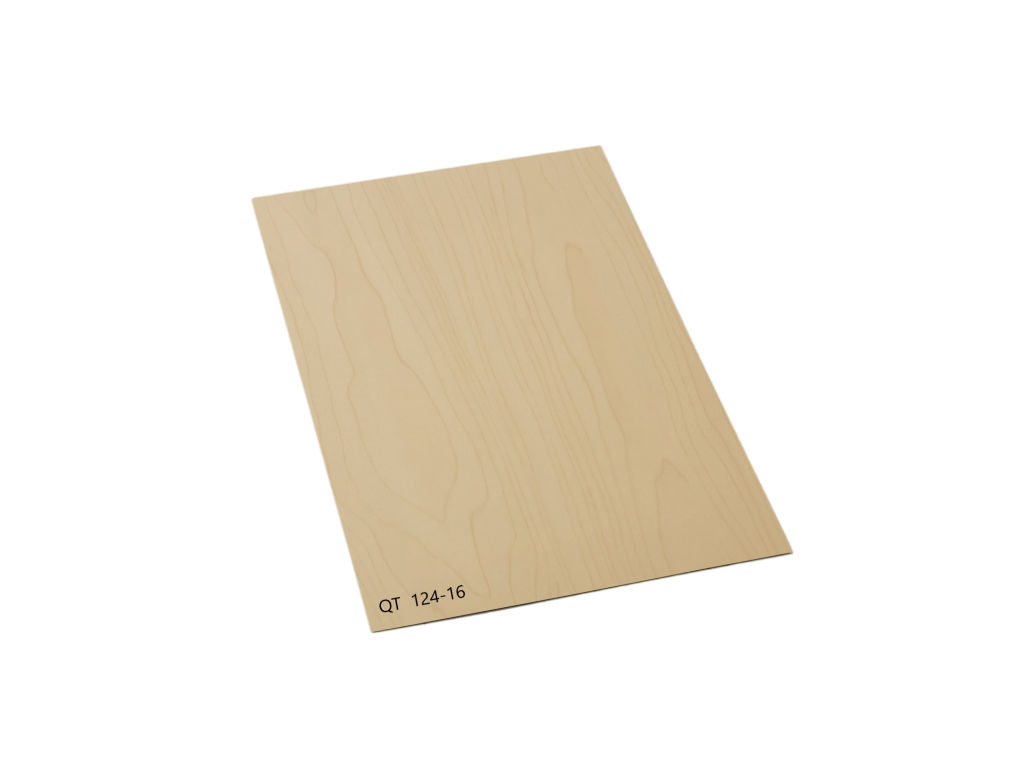
Light Wood Grain HPL Decorative Laminate Sheet Phenolic Resin Panel for Interior Wall and Furniture
A light wood-grain phenolic HPL for interior walls and furniture. Specify substrate and fixings for wall applications.
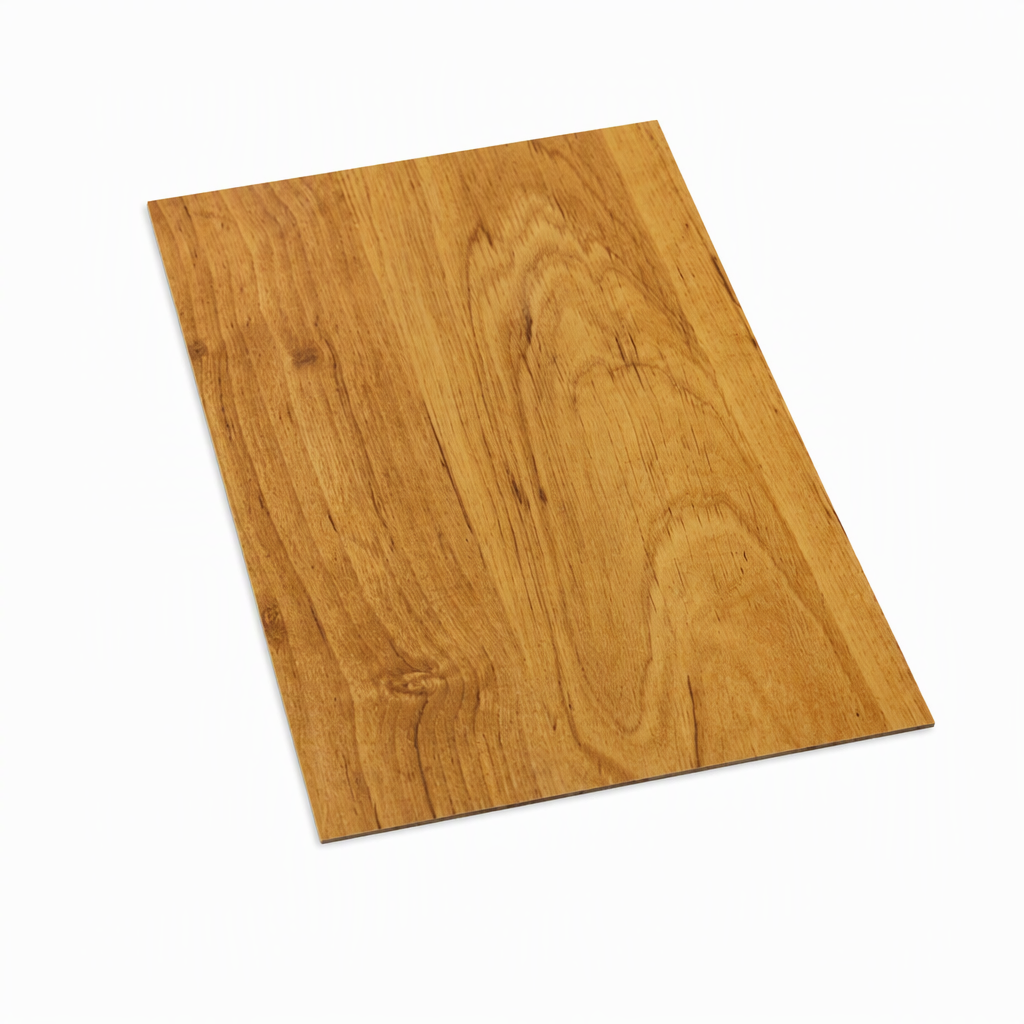
0.6mm Brown Wood Grain HPL Decorative Laminate Sheet Surface Board for Hotel Cabinet Wall Panels Waterproof Fireproof
A 0.6 mm HPL surface board for hotel cabinets and wall panels. Thin HPL requires careful bonding and edge detailing.
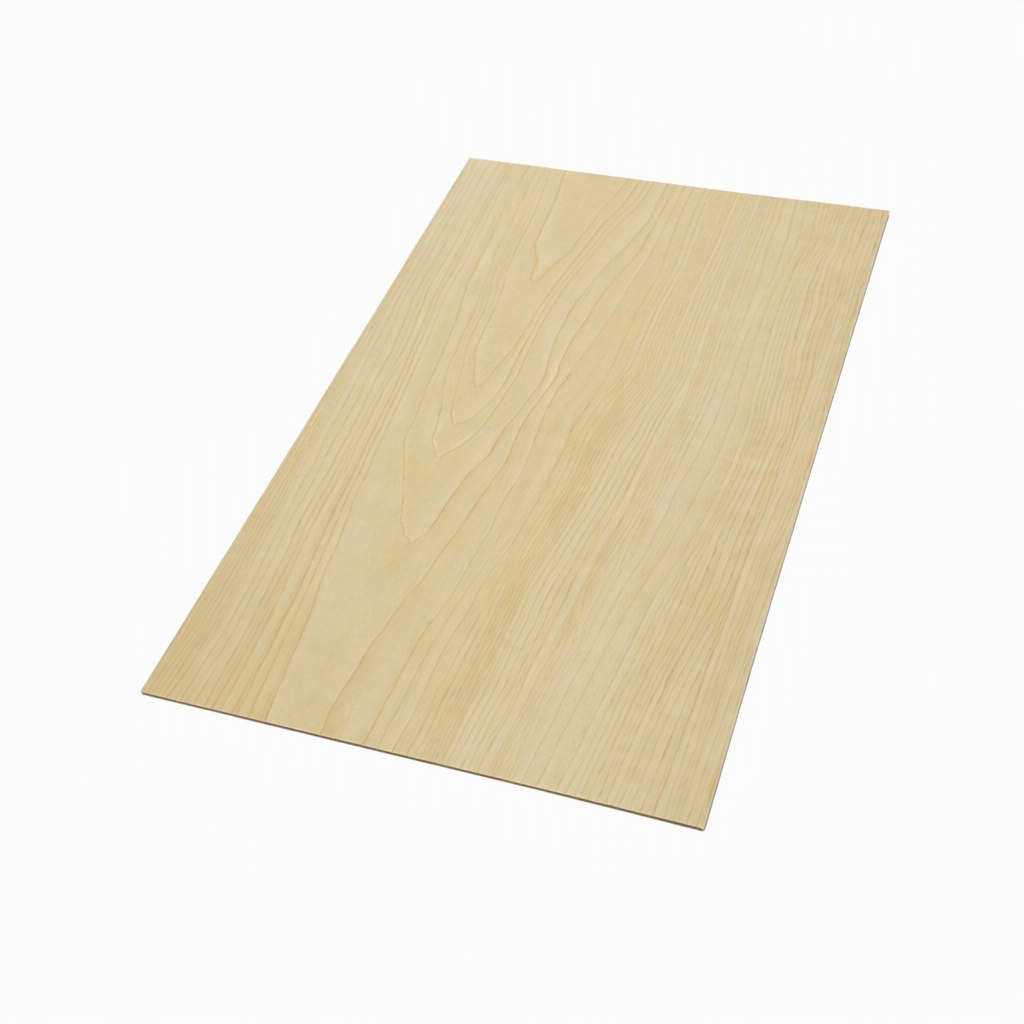
0.7mm Light Wood Grain High Pressure Laminate HPL Decorative Panel Sheet for Wall and Furniture
A 0.7 mm decorative panel for furniture and wall surfaces. Pair with MDF or plywood substrate according to strength and weight targets.
What Buyers Mean by Melamine Faced MDF — and Why the Detail Matters
Melamine faced MDF is an engineered wood panel made by pressing melamine-impregnated decorative paper onto a medium-density fibreboard core. For importers, distributors, furniture factories and project buyers, the query “Top China Melamine Faced MDF Manufacturer & Suppliers” usually carries three distinct intents: commercial investigation, supplier verification and technical specification. A serious sourcing page must answer all three, because a low unit price means little if the decor cannot be repeated, the formaldehyde documentation does not match the destination market, or the edges arrive chipped after a long sea freight.
Terminology is the first filter. Buyers may search for melamine faced MDF, melamine laminated MDF, MFMDF, melamine board, MFC when the core is chipboard, or decor paper faced panel. These are related but not identical. HPL is a separate high-pressure laminate sheet, usually 0.6–0.7 mm thick, that is bonded to a substrate. Melamine faced MDF uses a melamine-impregnated paper pressed directly onto the MDF surface. Compact laminate is a self-supporting phenolic panel, not a thin faced board. Confusing these categories is one of the most common reasons a first sample fails in production.
For a purchasing team, the specification should be written as a system, not a single line item: substrate type and density, panel thickness and tolerance, surface decor and texture, gloss level, formaldehyde emission class, moisture resistance, edge-banding compatibility, packing method and target application. Kitchen cabinets, wardrobes, office furniture, hotel cabinetry, retail fixtures and wall panels place different demands on screw-holding strength, moisture exposure, scratch resistance and visual consistency. A reliable melamine faced MDF supplier will ask about the application before quoting, because the same decor can require different cores and adhesives for a bathroom vanity and a hotel headboard.
This guide adds information gain by separating the substrate decision from the surface decision and the supplier decision. That approach helps buyers compare a direct mill, a verified trading company and a mixed-category consolidator on equal terms. It also explains what evidence to request before a purchase order: product test reports, batch inspection records, loading photos and a clear claims process.
Why China and Linyi Remain the Reference Market for Melamine Faced MDF
China remains one of the most concentrated production and export markets for wood-based panels, decorative paper and furniture components. Linyi, Shandong, is a particularly dense ecosystem of MDF mills, melamine paper printers, press lines, edge-banding suppliers, hardware makers and export forwarders. That density supports competitive pricing, fast sampling and a wide decor range, but it also raises the importance of supplier selection. A buyer who works only through a marketplace listing may see the same product photo from several intermediaries, with little visibility into substrate source, resin chemistry or finished-board inspection.
The practical advantage of Linyi is not only cost. It is the ability to consolidate HPL, compact laminate, MDF, plywood, LVL and door cores into one managed shipment. For distributors and project buyers, mixed-load sourcing can improve container utilization and reduce administrative friction. The trade-off is that consolidation requires disciplined quality control at every partner mill. Our approach is to check raw materials on site, inspect finished boards before loading and share loading photos so remote buyers have evidence rather than assurances.
Supplier reputation is built on repeatability, not a single sample. A top China melamine faced MDF manufacturer or supplier should be able to show how it controls thickness variation, surface bond, color repeat, edge protection and packaging across multiple production runs. That is the standard this guide applies.
Six Shifts Reshaping Melamine Faced MDF Sourcing in 2025–2026
Price comparison is still important, but the shortlist is increasingly shaped by compliance evidence, landed cost, mixed-load capability and digital traceability.
Compliance-first sourcing
Buyers now request E0/E1 documentation, destination-market test reports and batch traceability before confirming a decor. A certificate photo without product scope is no longer enough.
Landed-cost engineering
Unit price is only one line in the model. Panel yield, pallet packing, container fill rate and unloading time now influence which supplier wins the order.
Mixed-load consolidation
Smaller distributors want multiple decors and substrates without filling a container with one SKU. Combining HPL, MDF, plywood, LVL and door cores is becoming a core sourcing service.
Digital inspection evidence
Remote buyers increasingly expect loading photos, thickness checks, surface photos and packaging records. Evidence shortens disputes and supports repeat orders.
Faster decor cycles
Woodgrains, neutral solids, stone looks and textile textures change quickly. Suppliers must support fast sampling and consistent color repeat across production runs.
Supplier transparency
Named company, real address, staff, third-party assessment and responsive technical communication now matter as much as brochure design.
What the Next Generation of Melamine Faced MDF Will Require
Low-emission and low-odor interiors
Demand is moving toward E0/E1 constructions, improved resin control and HMR MDF for wet areas. Buyers should request the specific emission class and report for the destination market, not assume one global grade fits every project.
Texture realism and synchronised embossing
Matt finishes, synchronized pores, anti-fingerprint surfaces and deep embossing are moving from premium projects into mainstream furniture. Surface touch and reflection matter as much as the printed decor.
Functional surfaces
Wear resistance, moisture resistance, fire performance and easy-clean properties are increasingly specified by application. Claims must be tied to test reports and clear installation conditions.
Melamine Faced MDF Buying Guide for Purchasing Teams
Use this table as a quotation checklist. Typical ranges vary by product line; confirm final tolerances and certificates with your order.
| Specification | What to Ask | Why It Matters | Typical Options |
|---|---|---|---|
| Substrate type and density | Standard MDF, HMR MDF or lightweight MDF? What density and screw-holding target? | Affects machining, weight, hardware performance and moisture behaviour. | Standard MDF, HMR MDF, lightweight panel; confirm per order. |
| Thickness and tolerance | Nominal thickness and allowed +/- tolerance? Checked at which points? | Thickness variation impacts assembly, edge banding and finished furniture gaps. | Common furniture and project thicknesses; specify target range. |
| Surface decor and finish | Woodgrain, solid, stone or textile? Matt, textured, gloss or synchronized embossed? | Defines visual matching, touch, cleaning and scratch visibility. | Melamine decor paper, HPL surface, phenolic compact; sample approval recommended. |
| Formaldehyde emission | E0, E1 or another destination-market requirement? Which report applies? | Compliance and indoor-air quality requirements vary by market and project. | E0/E1 available depending on product line; match board and documentation. |
| Moisture resistance | Will the panel be used in kitchen, bathroom, laundry or commercial wet area? | HMR MDF or moisture-resistant construction may be needed around sinks and wet zones. | Standard or HMR core; sealing and edge protection still required. |
| Panel size and yield | 1220×2440, 1830×2750, 1230×2450 or another format? What is the cutting plan? | Panel format affects yield, waste, handling and container loading. | Standard and large formats; confirm availability by decor. |
| Edge-banding compatibility | Edge band thickness, color match, adhesive and finishing method? | Poor edge bonding is a common visible failure in cabinets and furniture. | PVC, ABS, veneer or HPL edge options; test with the approved board. |
| Packing and shipping | Pallets, corner protection, moisture barrier, container loading photos? | Moisture and impact during sea freight can turn good panels into rejected stock. | Seaworthy pallet packing and loading evidence; confirm with order. |
Specifications are a quotation framework, not a substitute for sample approval and final contract terms.
Evidence to Request Before You Place a Melamine Faced MDF Purchase Order
Supplier verification should be practical. Ask for documents and evidence that can be checked against the product and the destination market.
Entity and product scope
Confirm the legal company name, address, product scope, export experience and whether the supplier is a mill, trading company or multispecialty consolidator. A clear business model is not a weakness; it tells you how to manage quality and responsibility.
Third-party assessment and test reports
Request current reports that match the exact board, decor and destination market. Check the report date, product description, test method and issuing laboratory. Intertek assessment and product certificates should be reviewed as evidence, not decoration.
Traceability and inspection records
Ask how raw material, surface paper and finished board are checked. For repeat orders, request batch photos, thickness records, surface inspection notes and loading photos so the approved sample remains the reference.
Commercial terms and after-sales
Clarify MOQ, lead time, sample policy, packing standard, claim window and replacement process. A supplier that explains these clearly before the deposit is usually easier to work with when a container needs urgent follow-up.
Why Buyers Shortlist Linyi Fipdm Import And Export Co., Ltd.
Linyi Fipdm Import And Export Co., Ltd. is a verified trading company and multispecialty supplier based in Linyi, Shandong, China’s major wood-based panel production cluster. The company combines high-pressure laminates, compact laminate, fibreboards, flakeboards, plywoods and new material boards into one managed supply chain for importers, distributors and furniture factories.
Our operating model is built for buyers who cannot afford surprises between sample approval and container arrival. We source from vetted partner mills, run on-site material inspection and finished-product inspection, and support project buyers with technical communication on cladding, partitions, furniture panels and installation questions. The company is assessed by Intertek, reported as #4 top-selling in the Plywoods category, rated 5.0/5 by buyers and has 4 years as a Gold Supplier, based on the supplier profile information published on the original website.
Customization is available from minor logo and packaging changes to sample-based, design-based and full customization, including ODM support for distributors building their own range. Mixed loads of HPL, compact laminate, MDF, plywood, LVL and door cores are a core part of our service, helping smaller importers reach full-container efficiency without overstocking a single decor.
Intertek-verified supplier
Third-party supplier assessment supports a more transparent starting point for international buyers.
9 years in industry
Experience across laminates, boards and mixed-category export orders, with a 5.0 buyer rating reported on the company profile.
Two-stage quality control
Material checks at the partner mill and finished-board inspection for thickness, surface and edges before loading.
Multi-category consolidation
Combine HPL, MDF, plywood, LVL and door cores in one shipment to reduce freight and supplier administration.
Customization and ODM
Minor customization, sample-based development, design-based work and full customization for distributors and brands.
Export-ready logistics
Export documentation, seaworthy pallet packing and loading photos shared with each shipment.
Warehouse, Production, Inspection and Loading
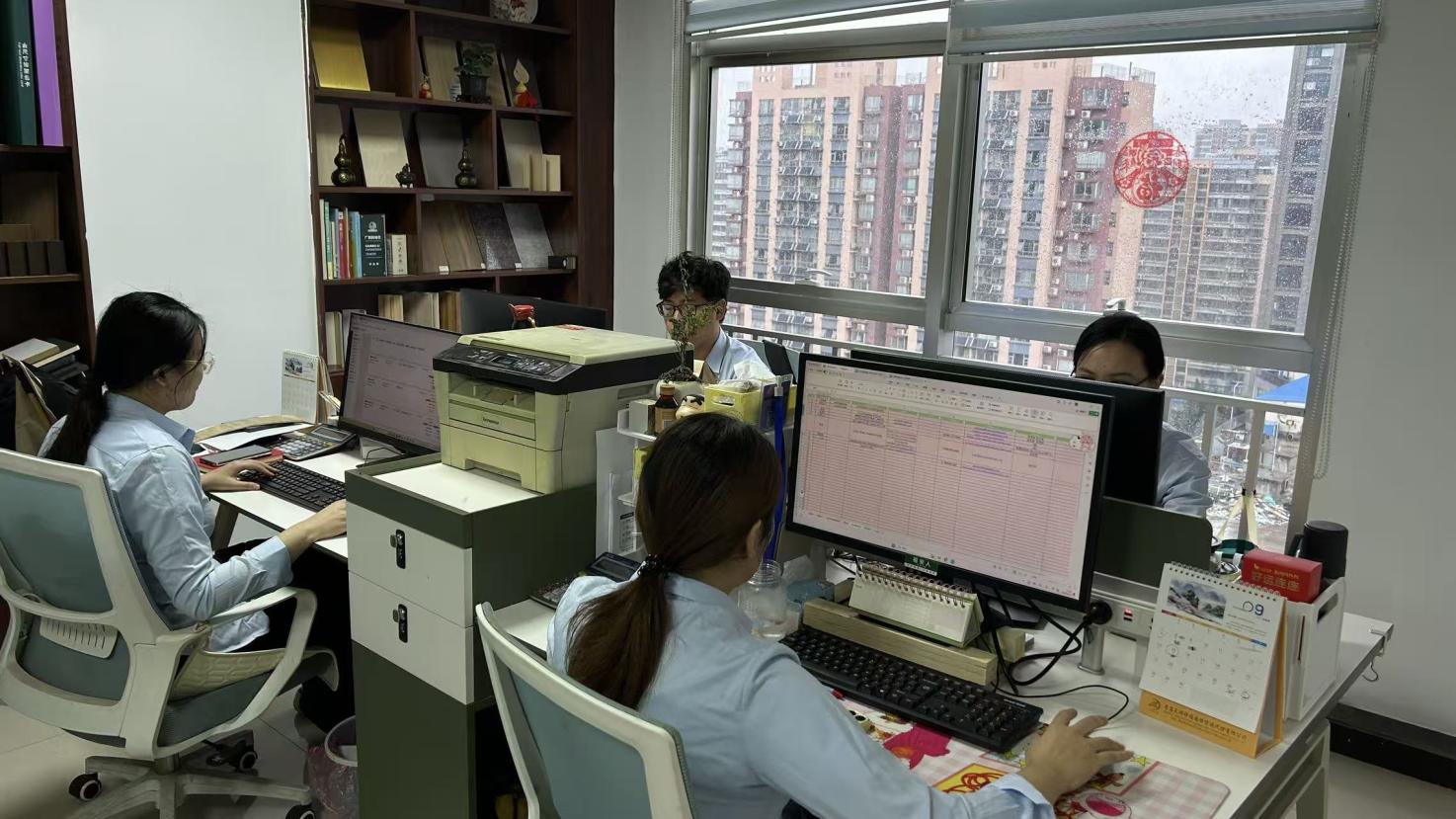
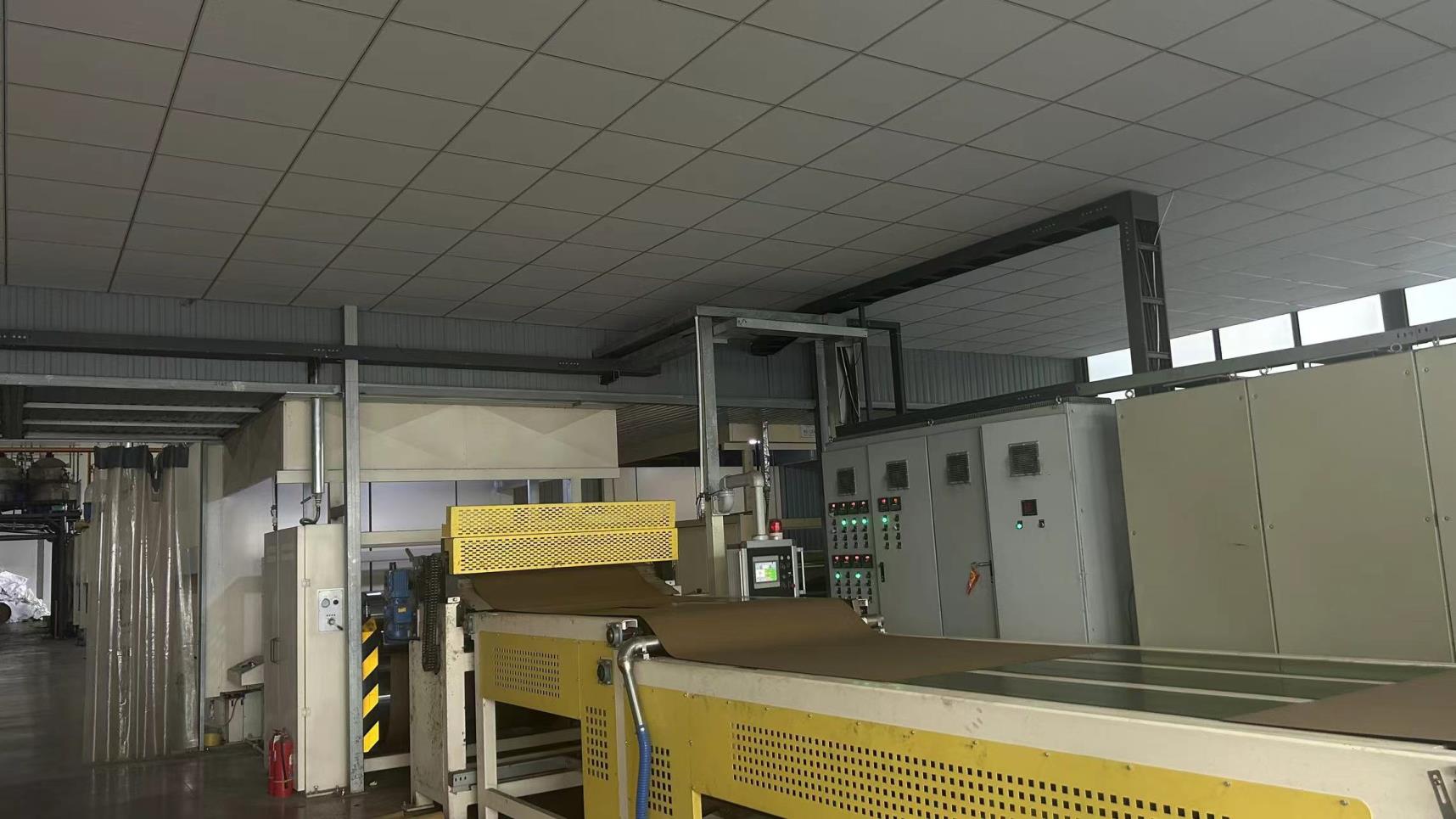
Real offline capability matters in B2B sourcing. These images from our original website show stock, partner production, inspection and container loading activities.
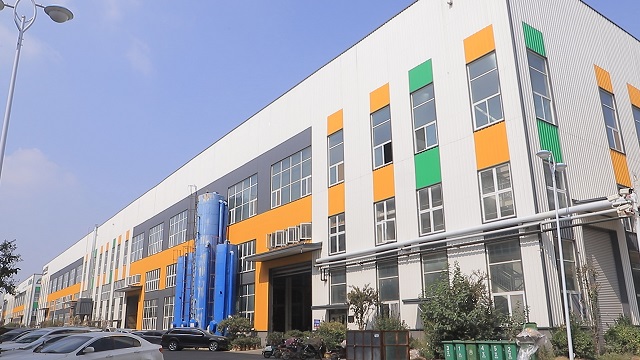
Company video introduction cover

Warehouse stock and board stacking
Partner production line
Export container loading
From Inquiry to Container: A Clear Five-Step Process
A disciplined workflow reduces the gap between an approved sample and the final shipment.
Share specification
Substrate, thickness, decor, finish, emission class, application and target market.
Approve sample
Color, texture, edge band, packing reference and expected fabrication method.
Material check
Partner mill material review and production scheduling against the approved reference.
Pre-shipment inspection
Thickness, surface, edges, decor matching and packaging checks before loading.
Loading and documents
Loading photos, export documents and shipping plan shared with the buyer.
Need a Fast Shortlist for Your MDF or HPL Program?
Send your sizes, substrate, decor, thickness, finish and target market. Our export team will reply with matched options, inspection notes and a loading plan.
Inquire NowMelamine Faced MDF Questions Buyers Ask Before Ordering
Clear answers to the commercial and technical questions that most often delay a first purchase order.
Are you a manufacturer or a trading company?
Linyi Fipdm Import And Export Co., Ltd. is a verified trading company and multispecialty supplier. We source from vetted partner mills in Linyi and inspect materials plus finished boards before shipment. This model suits buyers who need multiple board types, decor matching or mixed containers; for a single-product mill-direct program, we can review the specification and recommend the appropriate partner line.
What is the difference between melamine faced MDF and HPL?
Melamine faced MDF uses melamine-impregnated paper pressed directly onto an MDF core. HPL is a separate high-pressure laminate sheet, usually 0.6–0.7 mm, bonded to MDF, plywood or another substrate. HPL generally offers a thicker, more durable surface; melamine faced MDF often provides efficient cost and fast decor changes. The right choice depends on wear, moisture, budget and certification.
Which formaldehyde emission grades can you supply?
MDF and plywood can be supplied in E1 or E0 grades depending on product line. For destination markets with specific requirements, tell us the standard and request the matching test report before order confirmation. We match the board specification to the market and application, not only the lowest price.
Can you customize sizes, colors, packaging and ODM?
Yes. We support minor customization such as logo, packaging and graphics, sample-based and design-based customization, full customization and ODM for distributors. Share the decor reference, substrate, thickness, edge-banding plan and packaging requirement so the quotation reflects the full scope.
Can I mix melamine faced MDF, HPL, plywood and other boards in one container?
Yes. Mixed loads are a core part of our service. Consolidating HPL, compact laminate, MDF, plywood, LVL and door cores can improve container utilization for distributors and project buyers. Provide target quantities and destinations; we will propose a loading plan and packing method.
How do you control quality before shipment?
We use a two-stage process: material checks at the partner mill and finished-board inspection for thickness, surface, edges, color and packaging before loading. Loading photos and inspection records can be shared. For project orders, we can discuss third-party inspection and engineer support for installation or fabrication questions.
Request a Melamine Faced MDF or HPL Quotation
Tell us the substrate, panel size, thickness, decor, finish, emission class, estimated quantity and destination market. We will reply with matched options and the evidence needed for your purchasing decision.
Inquire Now